On this page
-
Text (4)
-

Untitled Article
-

Untitled Article
-

Untitled Article
-

Untitled Article
Note: This text has been automatically extracted via Optical Character Recognition (OCR) software. The text has not been manually corrected and should not be relied on to be an accurate representation of the item.
-
-
Transcript
-
Note: This text has been automatically extracted via Optical Character Recognition (OCR) software. The text has not been manually corrected and should not be relied on to be an accurate representation of the item.
Additionally, when viewing full transcripts, extracted text may not be in the same order as the original document.
Untitled Article
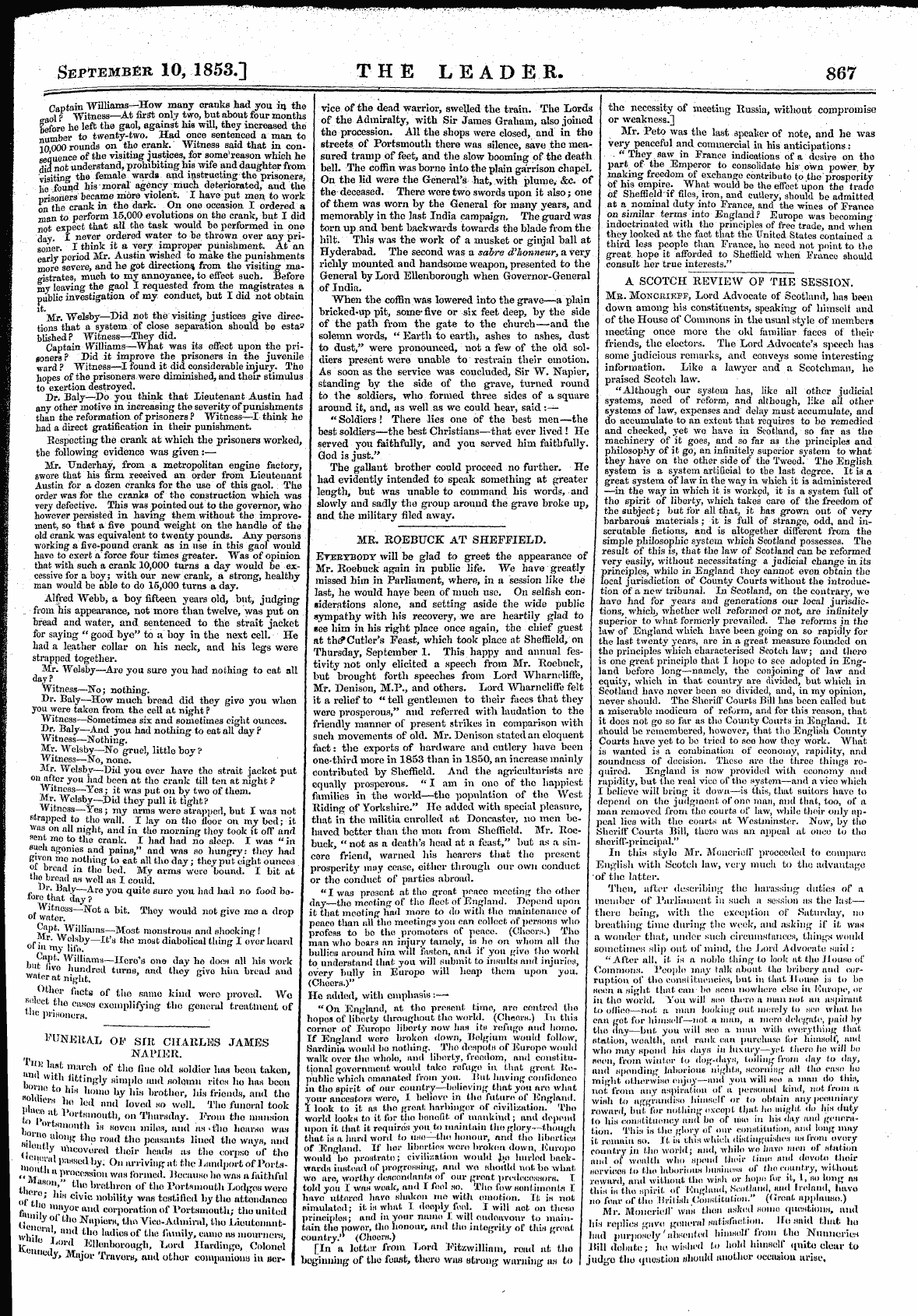
Captain Williams- —How many cranks had you in the I p Witness—At first only two , but about four months before he left the gaol , against his will , they increased the number to twenty-two . Had once sentenced a man to 10 000 rounds on the crank . Witness said that in con » sequence of the visiting justices , for some ' reason which he did not understand , prohibiting his wife and daughter from visiting the female wards , and instructing the prisoners ,
he found his moral agency much deteriorated , and the prisoners became more violent . I have put men to work on the crank in the dark . On one occasion I ordered a man to perform 15 , 000 evolutions on the crank , but I did not expect that all the task would be performed in one day . I never ordered water to be thrown over any prisoner . I think it a very improper punishment . At an early period Mr . Austin wished to make the punishments more severe , and he got directions , from the visiting magistrates , much to my annoyance , to effect such . Before my leaving the gaol I requested from the magistrates a public investigation of my conduct , but I did not obtain ft .
Welsby—Did not the visiting justices give directions that a system , of close separation should be esta ^ blished ? Witness—They did . Captain Williams—What was its effect upon the prisoners ? Did it improve the prisoners in the juvenile ward ? Witness—I found it did considerable injury . The hopes of the prisoners were diminished , and their stimulus to exertion destroyed . Dr . Baly—Do you think that Lieutenant Austin had any other motive in increasing the severity of punishments than the reformation of prisoners ? Witness— -I think he had a direct gratification in their punishment . Respecting the crank at which the prisoners worked , the following evidence was given : —
Mr . Underbay , from a metropolitan engine factory , swore that his firm received an order from . Lieutenant Austin for a dozen cranks for the use of this gaol . The order was for the cranks of the construction which was very defective . This was pointed out to the governor , who however persisted in having them without the improvement , so that a five pound weight on the handle of the old crank was equivalent to twenty pounds . Any persons working a fire-pound crank as in use in this gaol would have to exert a force four times greater . Was of opinion that with such a crank 10 , 000 turns a day would be excessive for a boy ; with our new crank , a strong , healthy man would be able to do 15 , 000 turns a day .
Alfred Webb , a boy fifteen years old , but , judging from his appearance , not more than twelve , was put on bread and water , and sentenced to the strait jacket for saying " good bye" to a boy in the next cell . He had a leather collar on his neck , and his legs were strapped together . Mr . Welsby—Are you sure you had nothing to eat all day ? " Witness—No ; nothing . Dr . Baly—How much bread did they give you when
you were taken from the cell at night ? Witness—Sometimes six and sometimes eight ounces . Dr . Baly—And you had nothing to eat all day ? Witness—Nothing . Mr . Welsby—No gruel , little boy ? Witness—No , none . Mr . Welsby—Did you ever have the strait jackot put 011 w- Cr you had beon afc tue crank tiu ten afc night ? V \ ltness—Yes ; it was put on by two of them . Mr . Welab y—Did they pull it tight ? Witness
—Yes ; ray arms were strapped , but I was not strapped to tho wall . I lay on tho floor on my bed ; it was on all night , and in the morning they took it off and Rent me to the crank . I had had no sleep . I was " in such agonies and pains , " and was so hungry : they had given mo nothing to cat all tho day ; they put eight ounces ol bread in tho bed . My arms were bound . I bit at tho bread as well as I could . Dr . Baly—Are you quite euro you had had no food before that day ? Witness—Not a bit . They would not give mo a drop of water . ^ apt . Williams M ost mnnstiviiiu nnrl nlinnlrinrr f
Mr . Welsby—It ' a the most diabolical thing I over hoard o » m my lift ) . fa Cttpfc . Williams—Hero ' s ono day ho doen nil his work um i , vo hundred turns , and they give him bread and water at night . Other facts of tho same- kind wore proved . Wo K j- 'L'ct tho cases exemplifying the general treatment of ' ¦>»< : prisoners .
Untitled Article
FUNERAL OF SfR CHARLES JAMES NAPIER . r « M last march of tho fine old noldior has boon taken , bor « 1 ! fctin S ' y Himplo and solemn rites ho has beon 1 ; . to } m ll ( »»« by his brother , liis friends , and tho « iem llo led nnd loved ko woll . Tho funeral took to ' I > ° !* 1 * ortHIno " * on Thursday . From tho mansion ' ortHinouth in seven miles , and u . s » fho hoarse was ¦ * " "UVlJll JllHl . M , Ullll lift « 11 IU IHIRIriO W 1 UJ 10
Jj ulong tho road tho peasants lined tho ways , and "iitiy uncovered their hciuln us tho corpso of tho nioiH 1 > aHHC ( 1 bv - On arriving at the Landport of Ports . " M U I > VOC 0 S 8 ion WflS formed . Ueonuso ho wan u faithful tho - mm / - tll ° 1 > rotbron of tho IWtsmoutli Lodges wero ofu' ClV 1 C llol ) iK * y waf ) testified by tho attondanco fun - \ ° ln ! lyoraud corporation of Portsmouth ; tho united «« no 1 lhO Nw P UiPB ' thft Vico-Admirnl , tho Lioutoimntwh"l r '""* ° ' ' ° * tnii fA" » ily , ciuno on mourners , Koiu . i l . ° nl ) W 0 « K » . 1 ^>« 1 Hardingiy Colonel ll { Juy , Major Tnivora , and other companions in
service of the dead warrior , swelled the train . The Lords of the Admiralty , with Sir James Graham , also joined the procession . All the shops were closed , and in the streets of Portsmouth there was silence , save the measured tramp of feet , and the slow booming of the death bell . The coffin was borne into the plain garrison chapel . On the lid were the General ' s hat , with plume , &c . of the-deceased . There wore two swords upon it also ; one of them was worn by the General for many years , and memorably in tho last India campaign . The guard was torn up and bent backwards towards the blade from the hilt . This was the work of a musket or ginjal ball at Hyderabad . The second was a sabre d'honneur , a very richly mounted and handsome weapon , presented to the General by Lord Ellenborough when Governor-General of India .
When the coffin was lowered into the grave—a plain bricked-up pit , sorne ' five or six feet deep , by the side of the path from the gate to the church—and the solemn words , " Earth to earth , ashes to ashes , dust to dust , " were pronounced , not a few of the old soldiers present were unable to restrain their emotion . As soon as the service was concluded , Sir W . Napier , standing by the side of the grave , turned round to the soldiers , who formed three sides of a square around it , and , as well as we could hear , said : — "Soldiers ! There lies one of the best men—the best soldiers—the best Christians—that ever lived ! He served you faithfully , and you served him faithfully . God is just . "
The gallant brother could proceed no further . He had evidently intended to speak something at greater length , but was unable to command his words , and slowly and sadly the group around the grave broke up , and the military filed awav .
Untitled Article
MR . ROEBUCK AT SHEFFIELD . Everybody will be glad to greet the appearance of Mr . Roebuck again in public life . We have greatly missed him in Parliament , where , in a session like the last , he would have been of much use . On selfish considerations alone , and setting aside the wide public sympathy with his recovery , we are heartily glad to « ee him in his right place once again , the chief guest at the * Cutler ' s Feast , which took place at Sheffield , on Thursday , September 1 . This happy and annual festivity not only elicited a speech from Mr . Roebuck , but brought forth speeches from Lord Wharneliffe , Mr . Denison , M . P ., and others . Lord Wharneliffe felt it a rolief to " tell gentlemen to their faces that they
were prosperous , " and referred with laudation to the friendly manner of present strikes in comparison with such movements of old . Mr . Denison stated an eloquent fact : the exports of hardware and cutlery have been one-third more in 1853 than in 1850 , an increase mainly contributed by Sheffield . And the agriculturists are equally prosperous . " I am in one of tho happiest families in the world—the population of the West Riding of Yorkshire . " He added with special pleasure , that in tho militia enrolled at Doncaster , no men behaved better than the men from Sheffield . Mr . Roebuck , " not as a death ' s head at a feast , " but as a sincere friend , warned his hearers that the present prosperity may cease , either through our own conduct or the conduct of parties abroad .
" I was present at tho groat peaco mooting tho other dfty—the meeting of tho fleet of England . Depend upon it that meeting had more to do with tho maintenance of peaco than all ' tho meetings you can collect of persons who profess to be tho promoters of peace . ( Choors . ) Tho man who boars an injury tamoly , is ho on whom all tho bullies around him will fasten , and if you give tho world to understand that you will submit to insults and injuries , every bully in Europo will heap them upon you . ( Cheers . )" He added , with omnhnsis : —•
"On England , at tho present timo , aro centred tho hopos of liberty throughout tho world . ( Cheers . ) In this corner of Europo liberty now has its refugo and homo . If England wero broken down , Belgium would follow , Sardinia would bo nothing . Tho despots of Europo would walk over tho whole , and liberty , freodom , and constitutional government would tako refugo in that great Republic which omanafcod from you . Hut having coniidonco in tho spirit of our country—behoving that you aro what your ancestors wero , I beliove in tho future of England . I look to it as tho groat harbinger of civilization . Tho world looks to it for tho benefit of mankind ; and depend
upon it that it roquiros you to maintain tho glory—though that in a hard word to use— tho honour , nnd tho liberties of England . If hor liberties wero broken down , Europo would bo proHtrato ; civilization would bo hurled backwards instead of progressing , and wo cmoitld not bo what wo aro , worthy descendants of our groat predecessors . I told you I was weak , and I fool so . Tho fow sentiments I havo uttered havo shakon mo with emotion . It j H not nimulatml ; it is what I deeply feel . I will act on those principles ; and in your name I . will ondoavouv to maintain tho power , the honour , and tho integrity of this great country . " ( Cheers . ) [ In a lettor from Lord Fitzwillinm , road jit tho beginning of the fount , there wuh strong warning as to
the necessity of meeting Russia , without compromise or weakness . ] Mr . Peto was the last speaker of note , and he was very peaceful and commercial in his anticipations : . " They saw in France indications of a desire on tho part of the Emperor to consolidate his own power by making freedom of exchange contribute to the prosperity of his empire . What would be the effect upon the trade of Sheffield if files , iron , and cutlery , should be admitted at a nominal duty into France , and the wines of France on similar terms into England f Europo was becoming indoctrinated with the principles of free trade , and when they looked at the fact that the United States contained a third less people than France , ho need not point to the great hope it afforded to Sheffield when France should consult her true interests . "
Untitled Article
A SCOTCH REVIEW OF THE SE SSION . Me . Monccieit , Lord Advocate of Scotland , has been down among his constituents , speaking of himself and of the House of Commons in the usual style of members meeting once more the old familiar faces of their friends , the electors . The Lord Advocate ' s speech has some judicious remarks , and conveys some interesting information . Like a lawyer and a Scotchman , he praised Scotch law . "Although our system has , like all other judicial systems , need of reform , and although , like all other systems of law , expenses and delay must accumulate , and do accumulate to an extent that requires to be remedied and checked , yet wo have in Scotland , so far as the machinery of it goes , and so far as the principles and philosophy of it go , an infinitely superior system to what they have on the other side of the Tweed . The English system is a system artificial to the last degree . It is a great system , of law in the way in which it is administered —in the way in which it is worked , it is a system full of the spirit of liberty , which takes care of the freedom of the subject ; but for all that , it has grown out of very barbarous materials ; it is full of strange , odd , and inscrutable fictions , and is altogether different from the simple philosophic system which Scotland possesses . The result of this is , that the law of Scotland can be informed very easily , without necessitating a judicial change in its
principles , while in England they cannot even obtain the local jurisdiction of County Courts without the introduction of a new tribunal . In Scotland , on the contrary , we have had for years and generations our local jurisdictions , which , whether well reformed or not , are infinitely superior to what formerly prevailed . The reforms in the law of England which have been going on so rapidly for the last twenty years , arc in a great measure founded on the principles which characterised Scotch law ; and there is one great principle that I hope to see adopted in England before long—namely , the conjoining of law and equity , which in that country are divided , but which in Scotland have never been so divided , and , in my opinion , never should . Tho Sheriff Courts Bill has been called but
a miserable modicum of reform , and for this reason , that it does not go so far as tho County Courts in England . It should be remembered , however , that the English County Courts havo yet to be tried to seo how they work . What is wanted is a combination of economy , rapidity , and soundness of decision . These are the three things required . England is now provided with economy and rapidity , but the real vice of the system—and a vice which I believe will bring it down—is this , that suitors have to depend on tho judgment of one man , and that , too , of a man removed from tho courts of law , while their only appeal lies with tho courts at Westminster . Now , by tho Sheriff Courts Bill , thero was an appeal at onco to tho sheriff-principal . "
In this stylo Mr . Moneriefl' proceeded to compurt English with Scotch law , very much to the advantage of the latter . Then , after describing the harassing' duties of a member of Parliament in such a session as the lastthere being , with the exception of Saturday , no breathing time during the week , and asking if if ; was a wonder that , under such circumstances , things would sometimes slip out of mind , tho Lord Advocate Maid : "After all , it is a noblo thing to look at tho Housu of Commons . 1 ' ooplo may talk about the bribery and corruption of tho constituencies , but in that 11 ouho is to bo scum a sight that van bo noon nowhero else in Europo , or
in tho world . You will see thero a man not an aspirant to oflico —> not a man looking out merely to hoo what he can got for himself—not a man , a mere delegate , paid by tho nay- —but . you will see a man with everything that ntntion , wealth , and rank can purchase for himself , and who may spend his davs in luxury—vet Micro lie will bo neon , from winter to dog-days , toiling from < lay to day , and upending laborioun nights , scorning all tho caso ho might otherwise enjoy—and you will mto 11 man do this , not from any aspiration of a personal kind , not from a
wish to aggrandise himself or to obtain any pecuniary reward , but for nothing oxcopl ; that ho might < lo his duty to his constituency and bo of use in bin tiny and generation . This is the glory of our constitution , anil long may it remain so . It in ' tills which distinguishes uh from ovory country jin tho world ; and , whilo wo havo men of station and of wealth who spend their time and devote their norviees to tho laborious business of tho country , without reward , and without tho wish or hope for it , I , so long nn this in tho spirit of England , Scotland , and Ireland , havo no fear of tho Hrilish Constitution . " ( iimat applauso . )
Mr . Moncrieil" was thon asked sonic questions , nnd his replies gavo gonornl Hatisfaotion . iftiHiiid that , ho had purposely ' absented himself from tho NunnorieH Hill debate ; ho wished to hold himself quite clear to judge the question whould another ocaujiou arise .
Untitled Article
September 10 , 1853 . ] THE LEADER . 867
-
-
Citation
-
Leader (1850-1860), Sept. 10, 1853, page 867, in the Nineteenth-Century Serials Edition (2008; 2018) ncse.ac.uk/periodicals/l/issues/vm2-ncseproduct2003/page/3/
-