
On this page
-
Text (3)
-

Untitled Article
-
Untitled Article
-

Untitled Article
Note: This text has been automatically extracted via Optical Character Recognition (OCR) software. The text has not been manually corrected and should not be relied on to be an accurate representation of the item.
-
-
Transcript
-
Note: This text has been automatically extracted via Optical Character Recognition (OCR) software. The text has not been manually corrected and should not be relied on to be an accurate representation of the item.
Additionally, when viewing full transcripts, extracted text may not be in the same order as the original document.
Untitled Article
IMPERIAL PARLIAMENT
Untitled Article
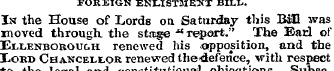
FOREIGN ENLISTMENT BILL . In the House of Lords on Saturday this Bill was moved through , the strcge M report . " The Earl of Eixenbouough renewed his opposition , and the I . OKD Chancellor renewed the defence , with respect to the legal aad constitutional objections . Subsequently the alteration of 10 , 000 men instead of 15 , 000 was agreed 4 a , and the third rea&iiag was ordered for Monday . On Monday some sharp discussion occurred , Lord Ellenborough recapitulating the alterations whi'jh had been made in the bill in its progress through the House . If we were to have at all this foreign legion why could it not be trained in Malta or Corfu as well as in England ?
Why bring it to England for drill , England not being the nearest way or the nearest place to the Crimea ? He said , that her Majesty ' s Ministers seemed to distrust the fidelity of these foreign troops if placed in the Mediterranean garrisons , and he could , not understand how they could be trusted in the Crimea . If they revolted in Corfu , might they not desert at Sebastopol ? He wished to know whence these troops were to come ? He adhered to his opinion that there were no troops in the world like British troops . A chain cable formed of -wrought and of cast iron links might look equally good in all its parts , and might act equally well in fair weather , but when the strain of the storm came the cast
iron links would be sxire to give way . His wish tvas that the British , army should be composed in all its parts of Wrought iron- There was a sense of personal dignity about an Englishman which he believed did not exist elsewhere . An Englishman felt if he disgraced his colours that he would be hooted when lie went home- —not a woman , would look at or speak to him . It was different with foreigners . If they turned their backs they but disgraced the arms they liad assumed , and they would go back to the banks of the AVesetj or the Oder , or the Elbe , as much respected as they were before . He wanted tb > know what consideration we were to give these German princes for thus obtaining the services of their subjects ? If these petty German princes were willing ± o sell the blood of their
subjects for money—and he could not see why else they should give their consent to this system of enlistment—then he wanted to know what difference there was between this traffic and that carried on in the kingdom of Dahomey ? Could that be right on the banks of the Weser which was denounced as the last atrocity on the banks of Dahomey ? He concluded , by announcing ; that his object in thus opposing tlie measure was to force the Government to draw their forces entirely from English subjects . He wished to drive Ministers out of that course they seemed to have adopted , of making war without a reserve , and of conducting a campaign without means of transport ; a system which ho condemned as leading only to victories which were bloody and fruitless .
Th « Marquis of Lvnsdowke characterised the objections that had been raised against the bill as exaggerated and absurd , and declared that all the dangers which had been attributed to it would vanish like spectres upon investigation . The Earl of Derbt again remarked upon the constitutional peril and national degradation which wouLd follow the passipg of the present bill ; but , after the vote of the previous night , declined to ask for aixothcr division on the measure . Lord Harding e said there was no parallel
between the alteration in the Articles of War in tho present ease and that to which Lord KUonborough had referred , of the Indian army . Originally , corporal pxurishment existed in the Indian as in tho British army ; that ivaa abolished by Lord William Bentinek , who substituted other punishments , which did not work well . He approved of tho present measure , as an attempt to get the largeBt forco they could at the earliest possible period ; and though he had every confidence in tho army now in tho Crimea , nnd in the spirit of tho British people , still he could not think that would justify him in resisting this measure .
Earl Grey adverted " to the manner in which peera opposite had allowed their passions to overpower their judgments . " What but u feeling of this kind could havo induced the noble earl ( tho Earl of Kllonborough ) to compare tho object of thia bill with tho slave trade on the coast of Africa ? The constitutional argument also , ho thought , was only an oxamplo of that vsiguo kind of language which men were in tho habit of tising when they wished to give n measure a bad name , without knowing exactly what to say . Ho ridiculed tho " wrought-iron argument" of J ^ ord Ellcnborough , and said thqro never was an army composed throughout of troops of oquul quality , and that even some British regiments woro considered superior to others . Ho thought Huh IIoubq and tho Houses of Commons would take upon tttomeolvoB a fearful responsibility if they refused ' to
Ministers the means they asked for to carry on this great war ; and he rejoiced , therefore , to learn that it was not intended to divide the House against the bill . Earl Gsanvilxe supported , and the Earl of MalmesbsJiry opposed , the bill . Lord Kbdesdale wished to know how these foreign troops were to be officered , but the required information vr-as not given . The bill was then read a third time , aad « m the question thati ; he bill dopass , The Duke © f Newcastle agreed to strike oat the 5 th clause , relating to the Articles of War , which he said ^ had been copied from former bills . The clause was struck out accordingly , and the bill in its amended form passed .
J he second reading was moved on Tuesday in the House of Cc-naunons by Lord -John IIpsskix , who rerecapitulated at some length the arguments employed on its proposal , and stated that unless it was adopted the present Minister could not carry on the war with the confidence of the country . Ib was very strongly opposed by Sir Edwakd Bulweu Lytton , who commenced by observing that neither he , nor any gentleman on that or either side of the House , need express their willingness to support the Government in any measures for carrying on a war in which the honour of England , and civilisation itself , were identified . But he thought the honour of England would be sacrificed if we were content to earn our laurels by proxy . Honour was not so intolerable a burden that we
should get foreigners to relieve us of part of the weight . It "was the spirit of nationality upon which we depended more than upon wealth or extent of population ; and that spirit of nationality was about to be damped . The presence of foreign soldiers paid by the people ' s taxes , and lodged in barracks declared too small for our own troops , would excite much discontent—and , besides , it was admitted that more men are being enlisted than can ' be drilled and employed hy the Secretary-at-War . Our soldiers would never resign into the hands of mercenaries those standards which had been so gallantly planted at Alma and so gloriously defended at Inkerman . The admission that a protracted war was expected
implied a grave censure upon Government , which should have foreseen and provided for it . In the last nine months they ought to have collected a sufficient number of troops to enable them now- to dispense with the beggarly instalment of 10 , 000 mercenaries ; and the Alma ought to have shown them that reinforcements were immediately needed . Why was it necessary for these professed , warriors to be brought to England to be drilled ? Why did not Government exercise its privilege , and send them from their own countries direct to the Crimea ? The bill itself was a model of carelessness . It was not understood in all its bearings until they had been compelled to look at it a second time ; and , though
they professed the measure to be so important , tliey blundered or did not care about the difference of 10 , 000 or 15 , 000 men . A very exact precedent for such a measure should be found . That of 1804 was none . Then the King of England was elector of Hanover also , and British and German interests were closely identified . It was said that we . were under obligations to the Germans for military instruction ; but times were changed , and the Germans could scarcely have improved ou the charges of the Scots Greys , the Enniskilleners , or tho Light Brigade , lie thought wo might look at them with great affection for what they had taught us in art and literature in time of peace . Between ourselves and the whole
of the German people there was so close an affinity of race , of commercial interests , and of all that belongs to intellectual interchange , that he should consider it as something monstrous—as something out of the ordinary course of nature—if Prussia , descending from that front rank , among the nations to which she -was raised by tho genius of Ifrcderick the Great , wero to refuse her co-operation in rolling back from tho frontiers of civilised Europe the advancing tide of Russian barbarism . { Cheers . ) But if we are to have an alliance with tho groat German people , in Heaven ' s name let it bo in a way that ie worthy of them and \» s . Let us havo nations openly for our allies , and not tho scum of the earth . Ho called upon Government , if they saw their wny to tho restoration of Poland , to say so manfully , but not to
enljtet Poles unless they could benefit them . Thoy had never blamed Ministers for their reluctance in going to war . What thoy blamed was , that Ministers had not frankly explained to the Czar tho feeling of this country in opposition to his schemes , which , ho believed , would hav e been a better eoourity for peace than tho compliments they had lavished on tho moderation of that potentate Tho boundless roeourcoa of this country , and tho magnificent exordium of tho Queen ' s Speech as to tho vigour with which tho war wub to be carriod oh , with this creoping , crawling , bogging proposition for foreign lovios , reminded him of a gentleman who was boasting to a stranger in a coffuo-houflo of his extensive and valuable estates , lus diamond and gold minoa , and then winding up all 1 > y saying , ' « By-iho-by , I havo got a
httle bill at the bar ; you don't happen to have the sum of l © id . about you ?» If he were to presume to give ndvaee m l&is question , he would say , go to the mar&et of war—the best market was at home—and buy 4 he feeBt article at any price ; it would be the cheapest ia the long run . The mere mechanical ditnculties of the drill would soon be got over by our skilful osfficeM ; and for the rest , our recruits , even before t&ey joined our Tanks , had gone through a discipline tfar more precious than the three years '
holiday service of the foreign , soldier . They had been tea&ned from their cradles to hardy habits , to pataent e » doraace of fatigue , and , above all , in an indomitable conviction m the strength of their own right arm . These were the habits which made soldiers invincible ; without them , armies might be faultless in the drill and valueless in the field . He concluded , amidst the general eheering of his party , by moving that the bill be read a second time this day six months .
Mr . M . Milnes considered the present a European war , and would consequently support the measure . Mr . Ajduerlex urged that recourse should be had to our colonies , in preference to foreign countries , for soldiers . Mr . Watson supported , and Mr . Baxl opposed . Mr . Milker Gibson said that the noble lord had concluded his speech -with a A'ery important announcement , to the effect that if the bill were defeated the Governm ent would feel i t necessary to resign their offices .
" He felt , after that announcement , they approached the question under considerable difficulty , and lie did take upon himself to protest against the system of overawing ' the people of this country . ( Cheers . ) By telling them that if they did not , aftex a few hours' previous notice , makeup their minds upon an important legislalative measure—a constitutional measure—the Government would feel at liberty to retire from office . He could not understand "why resignation was to be the consequence of the defeat of this bill . Had they not seen , during the last session of Parliament , important measures of domestic policy , involving the principles of a great party , and yet the Government defeated , but at the same time considering that they could
honourably continue to administer public affairs V Then it was not fair , upon a measure of this character , which is after all but a minor part of the proposals that have been made for the carrying on of this war , that the rejection by the House of this legislative proposal , involving a principle , is to necessitate the resignation of the Government . He , in voting , whichever way he might think proper to vote on the measure Qaug 7 iter ' ) , should vote in reference to its merits and his own conscientious convictions . He felt there was a great principle , at stake in the bill—a principle that he valued more even than the resignation of a Government He wanted to know -whether it was consistent with a . sound view of public law that Parliament was to miike
provisions for the Government of a country to communicate with the subjects of some neutral state . Are such Governments to communicate with Governments ? He would appeal to any honourable member in the House whether in the law of nations it be a sound principle to separate peoples from their sovereigns , and to give power to tho Crown to negotiate w ith individual subjects of neutral Powers without saying one word as to the recognition of their Governments ? Had we not a law upon our statute-hook that made it a misdemeanour for any one to come here , and , without the connent of the Queen , to enlist troops to serve in foreign countries and in a foreign war ? It was not consistent ¦ with sound principles thut private subjects of a State should make
war against a country when their own country in ut peace with that country ; and it appeared to him that they could not give their sanction to the converse principle . The llouso could not recognise such a principle . Not n word had been said about nny micli treaties having been entered into witll any foreign Government . N " ot a syllable hart been said about any alliance or understanding ; but her Majesty w « h merely to bo empowered by this bill to throw her recruit ing officers into any foreign country or any neutral fltato , t « enlist forces to carry on tho war with Russia . Thin was cither to bo done with the consent of those neutral Governments , or against their consent and without their knowledge . If it was to bo done with the consent , of tlioso foreign Government !) , then ho maintained that they
would forfeit their neutrality . There would then bo no necessity for tho bill ; for tlieao Governments would he belligcrentH ugninut lliumin , and thoy were bound to declare war openly , and in tho face of Europe , Thoy would then bo bound to enter into an alliance with thin country , nnd to Bond their forcen an their contingent in mippori , of tho common war . Sueh a courso of proceeding would bo coiifibtcnt with tho law of Europe . If , on tho other hand , it whs to bo done without the couwl-iU of thotio Governments , or ntfuinat their winhoH , then he JiiairUuiuod thut tho IMtbh Parliament ought , not to HiMiction any «< ich oourmi of public policy . 'J'liu Government , of Hw ' itsiorlmul , mid other Government * tlirou ^ lumt tfuropo , had » Iroa < ly punned laws—municipal Jmv * - ~ to prevent tho carrying on of war by momiH of mencn / n-icH . Tho ltoblu lord tho P ' rcsldont of the Council inltflit ( juoli 1
Untitled Article
1202 THE LEADER . [ Sattopay ,
-
-
Citation
-
Leader (1850-1860), Dec. 23, 1854, page 1202, in the Nineteenth-Century Serials Edition (2008; 2018) ncse.ac.uk/periodicals/l/issues/vm2-ncseproduct2070/page/2/
-