On this page
-
Departments (1)
-
Text (10)
-

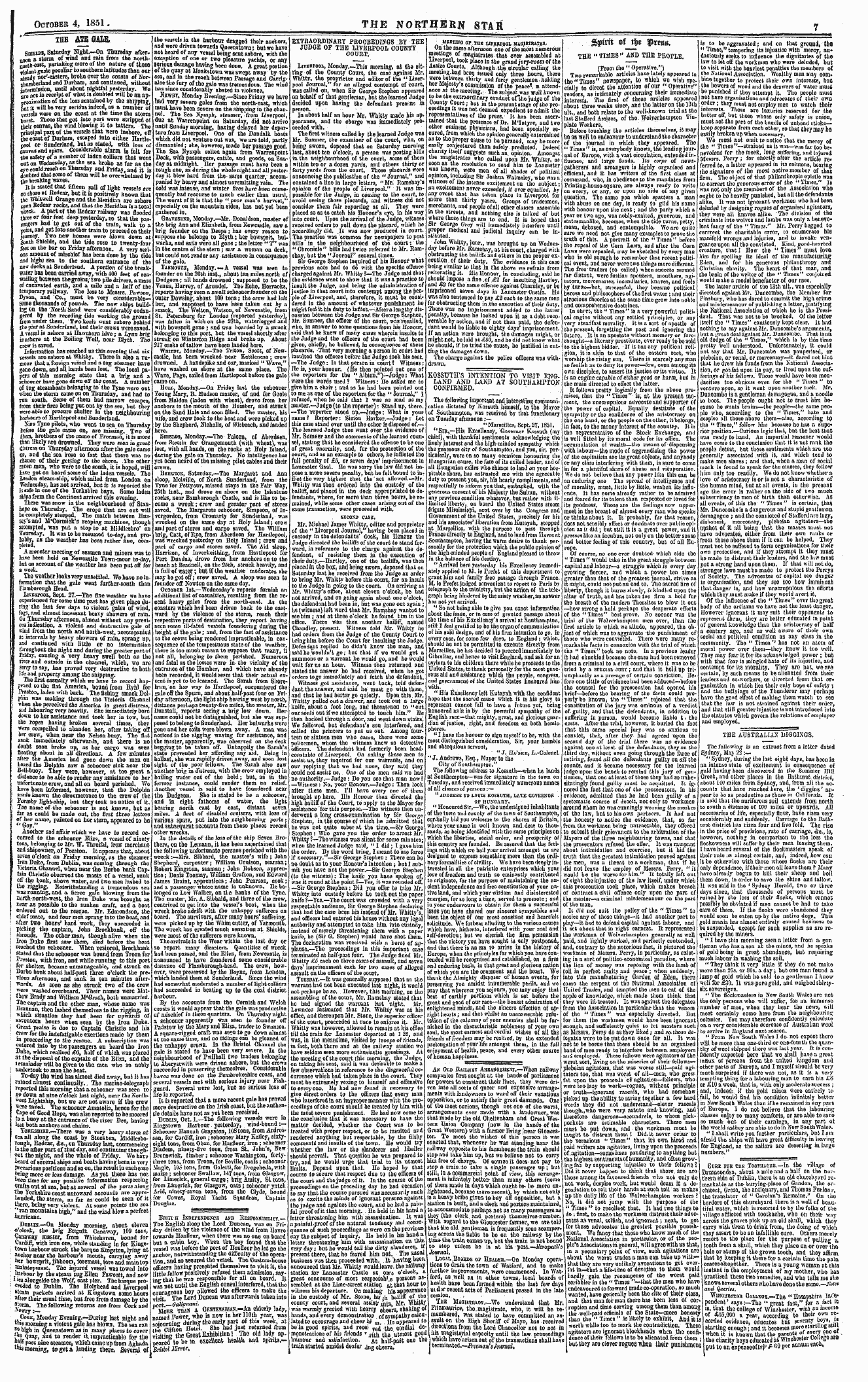
October 4, 1851. _ THE NORTHERN STAR 7
-

* THB ATE GAUL i SuTEinB, Saturday Night...
-

BaiTI n IXDEPESDEXCE ASD RESPONSIBILITY ...
-

EXTRAORDINARY PROCEEDINGS BY THE JUDGE O...
-

11 ^Mwa KOSSUTH'S INTENTION TO VISIT ENG...
-

An Old Railway Arranoembni.—When railway...
-

S&ttit of tty $r*s$B.
-

THE "TIMES" AND TEE PEOPLE . (From the "...
-

»nn *—a»w—¦—b^—^—^1 THE AUSTRALIAN DIGGI...
-

Cure ron the Toothacub.—In the village o...
Note: This text has been automatically extracted via Optical Character Recognition (OCR) software. The text has not been manually corrected and should not be relied on to be an accurate representation of the item.
-
-
Transcript
-
Note: This text has been automatically extracted via Optical Character Recognition (OCR) software. The text has not been manually corrected and should not be relied on to be an accurate representation of the item.
Additionally, when viewing full transcripts, extracted text may not be in the same order as the original document.
October 4, 1851. _ The Northern Star 7
October 4 , 1851 . _ THE NORTHERN STAR 7
* Thb Ate Gaul I Suteinb, Saturday Night...
* THB ATE GAUL i SuTEinB , Saturday Night . —On Thursday afternoon a storm of wind and rain from the northnorth-east , partaking more of the nature of those violent gusts peculiar to southern latitudes than our steady nor' -easters , broke over the coasts of Northumberland and Durham , and continued , without intermission , until about nightfal yesterday . We are not in receipt of what is doubted will be an approxim ation of the loss sustained by the shipping , Jut it will be very serious indeed , as a number of vessels were on the coast at the time the storm burst . Those that got into port were stripped of their canvas , tbe wind blowing it to tatters . The wincipal part of the vessels that were inshore , off
the coast of Durham , escaped into either Hartlepool or Sunderland , but as stated , with loss of canvas and spars . Considerable alarm is felt for the safety of a number of laden colliers that went out on Wednesday , as the sea broke aa far as the eye co uld reach on Thursday and Friday , and it is doubted that some of them will be overwhelmed by jbe breaking waves . It is stated that fifteen sail of li ght vessels are od shore at Redcap , but it is nositivel y known that the Whitwell Grange and the Meridian are ashore u pon Bedear rocks , and tbat the Meridian is a total vreck . A part of the Bedear railway was flooded iaree or four feet deep yesterday , so that tbe passengers had to get out of the train , walk to a point , and get into another train to proceed on their journey . Two new bouses were blown down at South Shields , and tbe tide rose to twenty-four
feet on tbe bar on Friday afternoon . A very serious amount of mischief has been done by the tide and highj sea to the southern entrance of tbe new docks at Sunderland . A portion of the breakwater has been carried away , with 400 feet of seawalling between tbe groins ; two pile drivers , amass of excavated earth , and a mile and a half of the temporary railway . The loss to Messrs . Pawson , Dyson , and " Co ., must be -very considerable some thousands of pounds . The sew ships building on the North Sand were considerably endangered by the receding tide working the ground from under tbem . Two keels went ashore behind tfcepier at Sunderland , but their crews were saved . A vessel is ashore at Hawthorn Live ; a Lynn brig is ashore at tbe Boiling Well , near Blytb . The crew is saved .
Information has reached us this evening that six vessels are ashore at Whitby . There is also a rumour that a foreign vessel and a tug steamer have gone down , and all bands been lost . The local papers of this morning state that a brig and a schooner have gone down off the coast . A number of tug ateamboats belonging to the Tyne were out when the storm came on on Thursday , and had to ran south . Some of them had narrow escapes , from tbeir fires being put out by the sea , but they were able to procure shelter in the ueighbourinff harbours of Hartlepool and Sunderland .
Sine Tyne pilots , who went to sea on Thursday fcefore the gale came on , are missing . Two of iiem , brothers of the name of Freeman , it is more than likely are drowned . They were seen in great distress on Thursday afternoon after the gale came on , and the sea rose so fast that there-was no chance of their getting to tbe shore . The other seven men , who were to the south , it is hoped , will have got on board some of the laden vessels . The london steam-ship , which sailed from London on "Wednesday , has not arrived , but it is reported she is safe in one of the Yorkshire bays . Some laden ships from the Continent arrived tbis evening .
There was snow in the nei ghbourhood of Stanhope on Thursday . The crops that are out will be completely steeped . The match between Hussey ' s and M'Cormick ' s reaping machines , though attempted , was put a slop to at Middlesbro' on Tiiursday . It was to be resumed to-day , and probably , as the weather has been rather fine , completed . A monster meeting of seamen and miners was to have been held on Newcastle Town-moor to-day , bnt on account of the weather has been put off for a week . The weather looks very unsettled . We have no information that the gale went further-south than Fiamborough Head . LivERpooi , Sept . 27 . —The fine weather we have
experienced for some time past has given place during the last few days to violent gales of wind , fo » s , and almost incessant heavy showers of rain . On Thursday afternoon , almost without any previous indication , a violent and destructive gale of wind from the north and north-west , accompanied a : intervals b y heavy showers of rain , sprang up , sad continued with little or no intermission iLroughout the night and during the greater part of Friday , causing a very heavy swell both on the river and outside in tho channel , which , wo are sorry to say , has proved very destructive to both Lfu and property among the shipping .
The first casnaltv whioh we have to record happened to the fiat America , bound from Ryhl for Freston , laden with bark . The fishing smack Dolphin was making through tbe Victoria Channel when she perceived the America in groat distress , snd labouring very heavily . She immediately bore down to her assistance and took her in tow , but lhe ropes having broken several times , they were compelled to abandon her , after taking off her crew , when near the Kelson buoy . The flat sank immediatel y afterwards , and there is no doubt soon broke up , as her cargo was seen floating about in all directions . A few minutes
alter the America bad gone down the men on board the Dolphin saw a schooner sink near the Bell-buoy . They were , however , at too great a distance to be able to render any assistance to her nnfortunate crew , and all on board perished . We have been informed , however , that the Dolphin made known the circumstance to the crew of the Pormby light-shi p , but tbey took no notice of it . The name of the schooner is not known , but as far as could be made out , tbe first three letters of her name , painted on her stern , appeared to be
Another sad affair which we have to record occurred to the schooner Elizs , a vessel of ninety tors , belonging to Mr . W . Threlfal , iron" merchant and shipowner ,. of Preston . It appears that , about seven o clock on Friday morning , as the steamer Iron Duke , from Dublin , was coming through the Victoria Channel , when near the Burbo bank Captain Christie observed tbe masts of a vessel , sunk off the bank , above water , and two men lashed to the rigging . Notwithstanding a tremendous sea was running , and a fierce gale blowing from the nerth-north-west , the Iron Duke was brought as near as possible to the sunken craft , and a boat
ordered ont to the rescue . Mr . Edmondson , the chief mate , and four men sprang into the boat , and after tWO hours'hard work , they succeeded in picking the captain , John Brockbank , off the shrouds . The other man , though alive when the Iron Duke first saw them , died before the boat reached the schooner . When restored , Brockbank slated that the schooner was bound from Troon for Preston , with iron , and while running to this port for shelter , became unmanageable , and struck on Barbo bank about half-past three o'clock the previous afternoon , and sank in ten minutes afterwards . As soon as she struck two of the crew
were washed overboard . Their names were Matthew Brady and William M'Gr otb , both unmarried . The captain and the other man , whose name was Brannan , then lashed themselves to the rigging , in which situation tbey had been for upwards of seventeen hours when seen by the Iron Duke . Croat praise is duo to Captain Christie and his crew for the indefatigable exertions made by them in proceeding to the rescue . A subscription was entered into h y the passengers on board the Iron Dune , which realised £ G , half of which was placed at the disposal of the captain of the Eliza , and the lemainder will be given to the men v ? ho so nobly undertook to man the boat .
To-day the wind has almost died away , bat it has rained almost continually .. The marine-telegraph reported this morning that a schooner was seen to go down at nine o ' clock last night , near the Northwest Lightship , out we are not aware if the crew * ere saved . The schooner Amatolia , hence for the Cape of Good Hope , was also reported to be moored » o a buoy at the entrance of the river Dee , having lost both anchors and chains . Yorkshire . —There was a -very heavy slorm at ssaall along the coast by Stockton , Middlesborough , Bedear , & c ., on Thursday last , commencins
in the after part of tbat day , and continuing thoughout the ni g ht , and the whole of Friday . We have beard of several ships and boats having been in very pr ecarious positions and so on , the result in each case being more or leas damage . As yet there has not been time for any positive information respecting drafts out at sea , but at several of tbe ports along the Yorkshire coast untoward accou nts are apprehended , the storm , as far as could be seen of it there , being very violent . At some points the sea " ran mountains high , " and the wind blew a perfect hurricane .
Dubus . —On Monday morning , about eleven o ' clock , the brig Etigulk Canaway , 109 tons , Canaway master , from Whitehaven , bound for Cardiff , with iron ore , while standing in for Kingstown harbour struck the barque Kingston , lying at anchor near the harbour ' s mouth , carrying away her bowsprit , jibboom , foremast , fore and maintop siajnto prnast . The injured vessel was towed into . harbour b the steam tug Ellen Fawcett , and now l ies alongside the Wolf , east pier . The barque proceeded to Dublin . The Holyhead and Liverpool steam packets arrived at Kingstown some hours a fter their usual time , but free from damage by tbe storm . The following returns are from Cork and ^ ewry : — . pons , Monday Evening . —During last night and wis morning a violent gale has blown . The sea ran bo high in Queenstown as in many places to cover r * quay , and to render it . impracticable for the naif past nine steamer , which came up from Aghada ""s morning , to get a landing there . Several of
* Thb Ate Gaul I Suteinb, Saturday Night...
the vessels m the harbour dragged their anchors , and were driven towards Queenstown ; but we have not heard of any vessel being sent ashore , with the exception of one or two pleasure yachts , or any serious damage having been done . A great portion of tbe quay at Monkstown was swept away by the sea , and in the reach between Passage and Carrigaloethe fury of the gale was tremendous . The wind has since considerabl y abated in violence , Nkwby , Monday Evening , —Since Friday we have had very severe gales from the north-east , which must have been severe on the shipping in the channel . The Sea Nympb , steamer , from Liverpool , due at Warrenpoint on Saturday , did not arrive until Sunday morning , having delayed her
departure from Liverpool . One of the Dundalk boats which did not venture out was , we are told , partly dismantled ; she , however , made her passage good . The Sea Nymph sailed again from Warrenpoint Dock , with passengers , cattle , and goods , on Sunday at midnight . Her passage must have been a rough one , as during tbe whole night and all yesterday it blew hard from the same quarter , accompanied by heavy and almost unremitting rain . The cold was intense , and winter fires have been consequently had recourse to much earlier than usual . The worst of it is that the " poor man ' s harvest , " especially on the mountain sides , has not yet been gathered in .
Grwbsesd , Monday . —Mr . Donaldson , master ef the brig Ann and Elizabeth , from Newcastle , saw a brig founder on the Deeps ; has every reason to suppose she belonge to Blytb ; her bowsprit , bulwarks , and sails were all gone ; the letter " T" was in the centre of the stern ; saw a woman on deck , but could not render any assistance in consequence of the gale . Yarmouth , Monday . —A vessel was seen to founder on the 26 th inst ., about ten miles north of Dudgeon ; all hands drowned ; supposed to be the
Venus , Harvey , of Arundel . The Echo , Horracks , reports having seen a small schooner founder on tbe outer Dowsing , about 100 tons the crew had left her , and supposed to have been taken out by a smack . The Welton , Watson , of Newcastle , from St . Petersburg for London ( reported yesterday ) , was fallen in with on the 27 th , waterlogged and with bowsprit gone * and was boarded by a smack belonging to this port , but the vessel shortly after struck on Winterton Eidge and broke up . About 217 casks of tallow have been landed here .
Whiibt , Monday . —The Triton , Scott , of Newcastle , has been wrecked near Kettleness ; crew drowned . A handspike and oar , marked " Wave , " have washed on shore at the same place . The Wave , Page , sailed from Hartlepool before the gale came on . Hoii , Monday . —On Friday last the schooner Young Mary , R . Hudson master , of and for Goole from Maldon ( laden with wheat ) , drove from her anchors in tbe mouth of the Humber , and Struck on the Sand liale and soon filled . The master , his wife , and crew took to the boat and were picked up by the Shepherd , Nicholls , of Wisbeacb , and landed here .
Shibh > b , Monday . —The Falcon , of Aberdeen , from Stettin for Grangemouth ( with wheat ) , was lost , with all hands , on the rocks at Holy Island , during the gale on Thursday . No intelligence has yet been heard of the missing pilot cables and their crews . Berwick , Saturday . —The Margaret and Ann sloop , Melville , of North Sunderland , from the Tyne for Pettycur , missed stays in the Fair Way , 25 th inst ., and drove on shore on the lslestone rocks , near Bamborough Castle , and is like to become a wreck ; crew and greater part of stores saved . The Margarets schooner , Simpson , of Invergorden , from Cromarty for Sunderland , was
wrecked on the same day at Holy Island ; crew and part of stores and cargo saved . The William brig , Catt , of Rye , from Aberdeen for Hartlepool , was wrecked yesterday on Holy Island ; crew and part of cargo and stores saved . The Aid sloop , Harrison , of Inverkeithing , from Hartlepool for Port Dundas , drove from her anchors on to the beach at Beadnell , on the 25 th , struck heavil y , and is full of water ; but if the weather moderates she may be got off ; crew saved . A sloop was seen to founder off Newton on the same day . October 1 st . —Wednesday ' s reports furnish an additional list of casualties , resulting from the recent heavy gales from the north-east . As the coasters which had been driven back to the
eastward by tho violence of tbe storm , reach their respective ports of destination , tbey report having seen sonic ill-fated vessels foundering during the height of the gale ; and , from the fact of assistance to tho crews being rendered impracticable , in consequence of the tempestuous state of the weather , there is too much reason to suppose that many , it not all , belonging to tbem perished . Numerous and fatal as the losses were in- the vicinity of the entrance of the Humber , and which have already been recorded , it would seem that their actual extent is yet to be learned . The Sarah from SUorehim , on her way to Hartlepool , encountered the gale off tbe Spurn , and about half-past four on Friday afternoon , the light ship bearing west by north , distance perhaps twenty-five miles , the master , Mr . Dunstall , reports seeing a brig low down . Her name could not be distinguished , but she was
supposed to belong to Sunderland . Her bulwarks were gone and her sails were blown away . A man was noticed in the rigging waving for assistance , and tbe master , apparently , was observed on the deck begging to be taken off . "Unhappily the Sarah ' s state prevented her affording any aid . Being in ballast , she was rapidly driven away , and soon lost sight of the poor fellows . The Sarah also saw another brig in distress , with the crew employed in bailing water out of the hold ; but , as in the former instance , could render them no relief . Another vessel is said to have foundered near the Dudgeon . She is stated to be a schooner , and in eight fathoms of water , the light bearing north east by east , distant seven miles . A fleet of disabled cruisers , with loss of various spars , put into the neighbouring ports ; and subsequent accounts from those places record other wrecks .
In the details of the loss of tbe ship Seven Brothers , on the Lemann , it has been ascertained that the following unfortunate persons perished with the wreck : —Mrs . Sibbard , the master ' s wife ; John Shepherd , carpenter ; William Coulson , seaman ; Robert Kingston , seaman ; John Bobson , apprentice ; Denis Toomay , William Grafton , and Edward James Braint , apprentices ; John Pearson , cook ; and a passenger whose name is unknown . He belonged to Low Walker , on the banks of the Tyne . The master , Mr . A . Sibbald , and three of the crew , contrived to get into the vessel ' s boat , when the wreck broke adrift with the unhappy sufferers on board . The survivors , after many hours' suffering , were picked up by the Whim cutter , of Yarmouth . The wreck has created much sensation at Shields , were most of the sufferers were known .
The arrivals in the Wear within the last day or so report many disasters . Quantities ef wreck had been passed , and the Ellen , from Newcastle , is announced to have foundered some considerable distance off Flamborough-head . The crew , bowever , were preserved by the Boyne , from London , which landed them at Sunderland . Since tbe wind had somewhat moderated a number of light colliers had succeeded in beating up to tho coal district harbour . By the accounts from the Cornish and Welch coasts it would appear that the gale was productive
of mischief in those quarters . On Thursday ni g ht a schooner apparently was seen to founder off Padstow by the Mary and Eliza , trader to Swansea . A square-rigged craft was seen to go down almost at the same time , and no tidings can be gleaned of tho unhappy crews . In the Bristol Channel the gale is stated to have been very severe . In the neighbourhood of Pffllhall two traders belonging to Aberystwith were driven ashore , but the crews succeeded in preserving themselves . Considerable havoc was done on the Pembrokeshire coast , and several vessels met with serious injury near Fishguard . Several were lost , but no serious loss of life is reported .
It is reported that a more recent gale has proved more destructive on the Irish coast , but the authentic details have not as yet been received . Dublin , Oct . 1 . —The foUowing vessels were in Kingstown Harbour . yesterday , wind-bound : — Schooner Hannah Grayston , lOStons , from Ardrossan , for Cardiff , iron ; schooner Mary Kelley , sixtyeight tons , from Oban , for Harfleur , iron ; schooner Diadem , ninety-five tons , from St . John ' s , New Brunswick , timber ; schooner Washington , fortythree tons , from Troon , for Seville , coals ; schooner ilagic , 10 S tons , from Galetti , for Drogeheda , with maize ; schooner Swallow , 147 tons , from Glasgow , for Limerick , general cargo ; brig Amity , 84 tons , from Limerick , for Glasgow , oats ; schooner yatch Arid , ninety-seven tons , from the Clyde , bound for Cowes , Royal Yacht Squadron , Captain Douglas .
Baiti N Ixdepesdexce Asd Responsibility ...
BaiTI n IXDEPESDEXCE ASD RESPONSIBILITY . — The English sloop tbe Lord Duncan , was on Friday driven by the violence of the wind from Havre towards Honfleur , when there was no one on board but a cabin boy . When tbe boy found that the vessel was before the port of Honfleur he let go the anchor , not withstanding the difficulty of the operation , and so secured the vessel . The Custom-bouse officers having presented themselves to visit it , the little fellow positively refused them admission ,
saying that he was responsible for all on board . It was not until the English consul interfered , that the courageous boy allowed the officers to make the visit . " The Lord Duncan was afterwards taken into X > o ~ rt . —Galignani . ' Mobe tha * A CBHIEUMAS .-An elderly lady , named Power , who is now in her 110 th year was soiournio" during the early part of this week , at tb e Clifron Hotel She had just returned from visiting the Great Exhibition 1 Tho old lady appeared to be in excellent health , and spmts .-' Briiiol J 5 rr
Extraordinary Proceedings By The Judge O...
EXTRAORDINARY PROCEEDINGS BY THE JUDGE OF THE LIVERPOOL COUNTY COURT . Livbbpool , Monday . —This morning , at the sitting of the County Court , the case against Mr . Whitty , the proprietor and editor of the " Liverpool Journal , " for an alleged contempt of court , was called ou , when Sir George Stephen appeared on behalf of that gentleman , but the learned Judge decided upon having tbe defendant prestnc in person . In about half an hour Mr . Whitty made his appearance , and the charge was immediately proceeded with .
The first witness called by the learned Judge was Mr . Sumner , the examiner of the court , who , on being sworn , deposed that on Saturday morning last , about ten o ' clock , a person was posting bills in the neighbourhood of the court , some of tbem within ten or a dozen yards , and others thirty or forty yards from the court . Those placards were announcing the publication of the " Journal , " and contained a line in large letters , "Mr . Ramshay ' s opinion of the people of Liverpool . " It was impossible for tbe Judge , in coming to the court , to avoid seeing those placards , and witness did not consider them fair reporting at all . They were placed so as to catch his Honour ' s eye , in his way into court . Upon the arrival of the Judge , witness received orders to pull down the placard , whioh he accordingly did . . It was now produced in court . The practice was common for newspapers to post bills in the neighbourhood of the court ; the " Chronicle" bills had twice referred to Mr .
Ramshay , but the " Journal several times . . Sir George Stephen inquired of hia Honour What previous acts had to do with the specific offence charged against Mr . Whitty?—The Judge said that the evidence went to show that it was a practice to insult tbe Judge , and bring the administration of justice in that court into contempt among the peop le of Liverpool , and , therefore , it must bo considered in the amount of whatever punishment he might feel it his dnty to inflict . —After a lengthy discussion between the Judge and Sir George'Stephen , Mr . Sumner , the officer of the court , was recalled , who , in answer to some questions from his Honour , said that he knew of many cases wherein insults to the Judge and the officers of the court had been
given , chiefly , he believed , in consequence of these placards . That very morning a person in court bad insulted tbe officers before the Judge took his seat . —The Judge ; Is that person in court ? Witness : He is , your honour . ( He then pointed out one of the reporters for the " Albion . " )—Judge : What were the words used ? Witness : He asked me to give him a chair ; and as he had been pointed ont to me as one of the reporters for the " Journal , " I refused , when he said that I was as mad as my master . —Judge ( to the reporter ) : Stand up , there . —The reporter stood up . —Judge : What ia your name ? Reporter : Simon Barker . —Judge : Let this case stand over until the other is disposed of . —
The learned Judge then went over the evidence of Mr . Sumner and the comments of the learned counsel , stating that he considered the offence to be one of great enormity , and , for the protection of the court , and as an example to others , he inflicted the full penalty of £ 5 , or seven days' imprisonment in Lancaster Gaol . He was sorry the law did not impose a more severe penalty , but he felt bound to inflict the very highest that the act allowed . —Mr . Whitty was then ordered into the custody of the bailiff , and placed in the dock appropriated to defendants , where , for more than three hours , be remained , while some other cases arising out of the same transaction , were proceeded with ,
. SECOND casb . Mr . Michael James Whitty , editor and proprietor of the " Liverpool Journal , " having been placed in custody in the defendants' dock , his Honour the Judge directed thebailifi ' s of the court to Stand forward , in reference to the charge against the defendant , of resisting them in the execution of their duty . —Hartley , one of the bailiffs , was then placed in the box , and being sworn , deposed that on Saturday last he received from tho Judge an order to bring Mr . Whitty before this court , for an insult to the Judge in going to the court . On arriving at Mr . Whitty ' s efface , about eleven o ' clock , be had not arrived , and on going again about one o ' clock , the defendant had been in , but was gone out again ;
be ( witness ) left word that Mr . Ramshay wanted to see him ; and at three o clock he found him in the office . There was then another bailiff , named Chandley , present . Witness told Mr . Whitty ho had orders from the Judge of the County Court to bring him before tbe Court for insulting the Judge . Defendant replied ho didn ' t know the man , aud said he wouldn't go ; but that if we would get a summons or a warrant he would go , and he would wait for us an hour . Witness then returned and stated the answer he had received , when he got orders togo immediately and fetch the defendant . Witness got assistance , went back , told defondant the answer , and said he must go with thorn , and that he had better go quietly . Upon this . Mr .
Whitty pulled out a drawer , and took out a large knife , " abouta foot long , and threatened to " cut our souls out if we attempted to touch him . " He then backed through a door , and went down stairs . We followed , but defendant ' s son interfered , and called the printers to put us out . Among fourteen or sixteen men who came , there were some policemen , whom tho witness knew as detective officers . The defendant had formerly been hoadconstablo of Liverpool . On asking these men to assist us , they inquired for our warrants , and on our replying that we had none , they said they could not assist us . One of the men said we had no authority . —Judge : Do you see that man now ? —Witness : No , your Honour . —Judge : Then look
after these men . I'll have every one of them brought up here . His Honour then directed the high bailiff of the Court , to apply to the Mayor for assistance " for this purpose . —The witness then underwent a long cross-examination by Sir George Stephen , in the course of which he admitted that he was not quite sober at the time . —Sir George Stephen : Who gave you the order to arrest Mr . Whitty ?—The witness was silent for some minutes ; when the learned Judge said , " I did ; I gave him the order . By the word bring , I meant to use force if necessary . "—Sir George Stephen : There can be no doubt as to your Honour ' s intention ; but I submit you have not the power . —Sir George Stephen ( to the witness ) : The knife you have spoken of ,
was it round at the point ?—Fes , it was rounded off . —Sir George Stephen : Did you offer to take Mr . Whitty . into custody before he took out the paper knife ?—Yes . —Tbe court was crowded with a very respectable audience , Sir George Stephen declaring tbat had the case been his instead of Mr . Whitty ' s , and officers had entered bis house without any legal authority and attempted to take him into custody , instead of merely threatening them with a paper knife , be ( Sir G . Stephen ) would have shot them . The declaration was received wiib a buret of applause . —The proceedings in this important case terminated at half-past four . The Judge fined Mr . Whitty £ 5 each on three cases of assault , and seven days' imprisonment each for two cases of alleged assault on the officers of tbe court .
Tuesday . —It was generally supposed that as the warrant had not been executed last night , it would not perhaps be so . However , this morning , on tho assembling of the court , Mr . Ramshay stated tbat he had signed the warrant last night . Mr . Lowndes intimated that Mr . Whitty was at his office , and thereupon Mr . Stone , the superior officer of the court , proceeded at once to enforce it . Mr , Whitty was however , allowed to remain at his office till the train for Lancaster departed at 1 25 , and was , in tho meantime , visited by troops of friends , in foot , both there and at the railway station we have seldom seen more enthusiastic greetings . At the meeting of the court this morning , the Judge , on taking his scat , said it was desirable to make a
few observations in reference to the disgraceful occurrence which had taken place in the court . They must be extremely vexing to himself and offensive to every ono . He had now found it necessary to give direct orders to the officers that every man who interfered in an improper manner with tho proceedings of tbe court should be treated by him with the most severe punishment . He had now come to the conclusion that it was necessary to have the matter decided , whether the Court was to be treated with proper respect , or to be insulted and rendered anything but respectable , by the filthy comments and insults of the town . He would try whether tho law or the slanderer and libeller should prevail . That question he was prepared to
try , aud he would urge that trial to its utmost limits . Depend upon that . He hoped by that course to secure that respect due to tbe officers of the court and the judge of it . In the course of the proceedings on the preceding day he had occasion to say that the course pursued was necessarily such as to excite the minds of ignorant persons against the judge and against tho court , and ho had a painful proof of it that morning . , He held in his hand a letter threatening him with assassination . It was a painful-proof of the natural tendency and consequence of such proceedings as were on the previous aay the subject of inquiry . He held in his hand a letter threatening him with assassination on Ma & very dav ; but he would tell the dirty slaadercrj . u
present there , that he feared him not . The usual business was then proceeded with . It "having been , announced that Mr . Whitty would leave , the railway station for Lancaster Castle at , on / a o ' clock , a great concourse of most respectable persons assembled at the Lime-street station at that hour to witness his departure . Oa making his appearance in the custody of Mr . Stone , hi / ^ h bailiff of tho county court , and several assist ? Ms , Mr . Whitty was warmly greeted with hearty cheers , shaking of hands , and every demonstratiou . of sympathy calculated to encourage and cheer hi m . He appeared to be in good spirits , and recei ve the cordial demonstrations of his friends T ^ h the utmost good humour and satisfaction . At half-past one the train started amidst deafer jug cheers .
Extraordinary Proceedings By The Judge O...
- , MBETI ! f < J OPTHB LIVERPOOL MAGISTRATES . On the same afternoon one of the most numerous meetings of magistrates that ever assembled at Liverpool , took place in the grand jury-room of the Assize Courts . Although . the circular calling the meeting had been , issued only three hours , there were between thirty and forty gentlemen . holding her Majesty s commission Of the peace ' , n attendance at the meeting .. The subject was wall known to be the extraordinary conduct of " the judge of the County Court ; but in the present stage of the proceedings it was not deemed expedient to admit the representatives of the press . It has been ascertamed that the presence of Dr . M'Intyre , and two other eminent ph ysicians , had been specially secured , irom which the opinion generally entertained to the
as proper cause to be pursued , may be more easily conjectured than safely predicted . Indeed charity itself suggests such an opinion . Amongst the magistrates who called upon Mr . Whitty , as soon as the resolution to send him to Lancaster was known , were men of all shades of political opinion , including Sir Joshua Walmsley , who was a witness of the intense excitement on tho subject ; an excitement never exceeded , if ever equalled , by any event that has taken place in Liverpool for more than thirty years . Groups of tradesmen , merchants , and people of all other classes assemble in the streets , and nothing else is talked of but where those things are to end . It is hoped that Sir George Grey will immediately interfere until proper medical and judicial inquiry can be instituted .
John Whitty , ) unr ., was brought up On Wednesday before Mr . Ramshay , at his court , charged with obstructing tlie bailiffs and others in the proper execution of their duty . The . evidence in this case being similar to that in the above we refrain from reiterating it . His Honour , in concluding , said he should impose a fine , of £ 2 for insulting Hartley , and £ 2 for the same offence against Charnley , or fie imprisoned seven days in Lancaster Castle . He was also sentenced to pay £ 2 each to the same men for Obstructing them hvthe execution of their duty . There was no imprisonment added to the latter penalty , because he looked upon it as a debt recoverable by action , and if not then paid , the defendant would be liable to eighty days' imprisonment . If an action were brought , the damages might , or might not , belaid at £ 50 , and he did not know what he should , if he tried the cause , be justified in cutting the damages down . The charge against the police officers was withdrawn .
11 ^Mwa Kossuth's Intention To Visit Eng...
11 ^ Mwa KOSSUTH ' S INTENTION TO VISIT ENGLAND AND LAND AT SOUTHAMPTON CONFIRMED . The following important and interesting communication dictated by Kossuth himself , to the Mayor of Southampton , was received by that functionary on Tuesday afternoon : — "Marseilles , Sept . 27 , 1851 . ' / SlR , —His Excellency , Governor Kossuth ( my chief ) , with thankful sentiments acknowledging the lively interest and the high-minded sympathy which the generous city of Southampton , and you , sir , particularly , were on so many occasions honouring the Hungarian cause , the fate of its exiled leader , and of all Hungarian exiles who chance to land on your hospitable shore , has entrusted me with the agreeable duty to present you , sir , his hearty compliments , and respectfully to inform you that , embarked , with tbe generous consent of his Majesty the Sultan , without
any previous condition whatever , but rather with illimited liberty , on board the United States steam frigate Mississippi , sent over by the Congress and Government of the United States , precisely for his and his associates ' ^ liberation from Kutayah , stopped at Marseilles , with the purpose to pass through France directly to England , and to land from Havre at Southampton , having the warm desire to thank personally for the protection which the public opinion of the high-minded people of England pleased to throw in the balance of his destiny , "Arrived here yesterday his Excellency immediately applied to M . le Prefet of this department to grant him and family free passage through France . M . le Prefet judged convenient to report to Paris by telegraph to the ministry , but the action of the telegraph being hindered by the misty weather , an answer has not yet arrived .
" So not being able to give you exact information about the issue , or in case of granted passage about the time of bis Excellency ' s arrival at Southampton , still I feel gratified to be the organ of communication of his said design , and of his firm intention to go , in every case , for some few days , to England ; which , should he not be permitted to execute directly from Marseilles , he has decided to proceed immediately to Gibraltar , and hence to visit England , and ask for an asylum to his children there while he proceeds to the United States , to thank personally for the most generous aid and assistance which the people , congress , and government of the United States honoured him with .
" Hia Excellency left Kutayah with the confident hope tbat the sacred cause which it is his glory to represent cannot fail to have a future yet , being honoured as it is by the powerful sympathy of the English race—that mighty , great , and glorious guardian of justice , right , and freedom on both hemispheres . " I have the honour to sign myself to be , with the most distinguished consideration , Sir , your humble and obsequious servant , ' " J . Ha ' ske , L .-Colonel . "J . Andrews , Esq ., Mayor to the City of Southampton . " The following address to Kossuth—when he lands at Southampton—was for signature in the town on Tuesday , and received immediately numerous names of all classes of persons : — " AHDKESS TO LOUIS KOSSUTH , LATE GOVERNOR .
OF HUNGARY . '* Honoured Sir , —We , the undersigned inhabitants of the town and county of tlie town of Southampton , cordially bid you welcome to the shores of Britain , where your name is well known and . dear to thousands , as being identified with the same principles on which the liberties , social order , and prosperity of this country are founded . Be assured that the feelings with which we hail your arrival amongst us are designed to express something more than the ordinary formalities of civility * . We have been deeply interested in all the patriotic enterprises which your love of freedom and truth so eminently contributed to originate , for the purpose of maintaining the ancient independence and free constitution of your native land , and which your wisdom and disinterested
energies , for so long a time , served to promote ; and in your endeavours to obtain for them a successful lSSUe you have shared our sinceret sympathies and been the Object of our most constant and heartfelt solicitude . We forbear alluding to tbe various causes which have , hitherto , interfered with your zeal and self-devotion ; but we cherish the firm persuasion that the victory you have sought is only postponed , and that there is an era t » arrive in the history of Europe , when the principles for which you have contended will be recognised and established , on a firm and enduring basis , in that great and glorious nation of which you are the ornament and the boast . We
thank the Almighty disposer of human events , for preserving you amidst innumerable perils , and we pray that wherever you sojourn , you may enjoy that best of earthly portions which is set before the great and good of our race—the honest admiration of enlightened minds , and the sincere affection of upright hearts ; and that whilst an unanswerable refutation of tbe calumny of your enemies shall be furnished in the characteristic nobleness of your own soul , the most earnest and cordial wishes Of all the friends of freedom may be realised , by the extended prolongation of your life amongst thcm ,: in the full enjoyment of health , peace , and every other source of human happiness .
An Old Railway Arranoembni.—When Railway...
An Old Railway Arranoembni . —When railway companies first sought at tho hands of parliament for powers to construct their lines , they were- driven into all sorts of queer and expensive arrangements with landowners to ward off . their vexatious opposition , or to satisfy their great demands * One of tbe most curious , though not one of the worst , arrangements ever made with a landowner ,, was that made by the old Cheltenham and Great Western Union Company ( now in the hands of the Great Western ) with a farmer living -near Glouces . ter . To meet the wishes of this person it was enacted that , whenever be- was standing near the railway opposite to his faumbouse the train should stop and take him up , but we believe net to * carry
him free of charge . Of eouise it does not pay to stop a train . to take a single passenger up ; but Still , in a commercial point of view , this arrangement is infiaitely better than many others ( some of them made in days , which ought to- be more enlightened _ because rnene- recent ) , by which not only is a heayjr bribe given to buy off opposition , but a station i & built , atida clerk and posters maintained h to accommodate peiaaps not as many passengers as they ( the clerk , and porters ) tbemselves-nuraber . With regard to the'Gloucester farmer , we are told that the old gentleman is frequently seen scampering across the neMs to bo on tho railway by the tima- the train © mes up , but the train is not bound to- stop unless he is at his p 03 t . ~ tfera » atft ' 3 Journal .
Loom , Boiisbs op Healts . —On Monday operations to drain the town of Watford , and to make further improvements , were commenced . In Watford , as well as in other towns , local board ' s of health have been formed within the last few days uidtf recent acts of Parliament passed in the late session . . , TUB Magistuiov . — "We understand that Mr . Fitzmaunce , the . magistrate , who , it will be remembered , was stated to have committed an assault on the High Sheriff of Mayo , has received directions from tho Lord Chancellor not to act in his magisterial capacity until the law proceedings j which have arisen out of the transactions shall have terminated . —Freeman ' s Journal *
S&Ttit Of Tty $R*S$B.
S & ttit of tty $ r * s $ B .
The "Times" And Tee People . (From The "...
THE " TIMES" AND TEE PEOPLE . ( From the " Operative . " ) Two remarkable articles have lately appeared in the " Times" newspaper , to which we wish specially to direct the attention of our "Operative " readers , as intimately concerning their immediate interests . The first of these articles appeared about three weeks since , and tho latter on tho 13 th ult ., and both relate to the well-known trial at tho last Stafford Assizes , of the Wolverhampton Tinplate Workers . " . Before touching the articles themselves , it may be aa well to endeavour to understand tho character of tho journal in which . they appeared . The " Times" is , as everybody knows , the leading
journal of Europe , with a vast circulation , extended influence , and large funds . Its corps of newsgatherers and arrangers is highly organised and efficient , and it has writers of the first class at command , who , in obedience to the mandates from Printing-house-square , are always ready to write on every , or any , or upon no side of any given question . The same pen wbich spatters a man with abuse on one day , is ready to gild his name with honour upon tho next ; and the party which a year or two ago , was nobly-exaltod , generous , and statesmanlike , becomes , when the tide turns , petty , mean , debased , and contemptible . We are quite
sure wo need not give many examples to prove tlie truth of this . A portrait of the " Times " before the repeal of the Corn Laws , and after the Corn Lawswere repealed , may be sketched by every man who is old enough to remember that recent political event , and never were two things more different . The free traders ( so called ) when success seemod far distant , were fustian spoiiters , mouthers , agitators , mercenaries , incendiaries , knaves , and fools by turns—but , suscessful , they became political heroes and philosophers of the first water * , and their atrocious theories at the same time grew into noble and comprehensive doctrines .
In short , the " Times" is a very powerful political engine without any settled principles , or any very steadfast morality . It is a sort of apostle of tho present , forgetting the past and ignoring tho future . . It is an apostate without memory or forethought—a literary prostitute , ever ready to bo sold to the highest bidder . If it has any political religion , it is akin to that of the eastern sect , who worship the rising sun . There is scarcely any man so foolish as to deny its power—few , oven among its own disciples , to assert its justice or its virtue . It is an engine capable of either good or harm , but in tbe main directed to effect the latter .
It follows pretty logically from tho above premises , that the " Times" is , at the present moment , the unscrupulous advocate and supporter of the power of capital . Equally destitute of the sympathy or the confidence of the aristocracy on the one hand , or the people on tbe other , it belongs , in fact , to the money interest of the country . It is tho representative of the Stock Exchange , and is well fitted by its moral code for its office . The accumulation of wealth—the means of dispensing with labour—the mode of aggrandising the power of the capitalists are its great objoots , and anybody or any class interfering with them , is sure to come
in for a plentiful share of abuse and vituperation . We do not believe that any power like this can he an enduring one The spread of intelligence and of morality , must , little by little , weaken its influence . It has come already rather to bo admired and feared for its talent than respected or loved for its goodness . Those are the feelings now uppermost in the breast of almost every man who speaks or thinks about it . It probably , for that reason , does not sensibly affect or dominate over public opinion as it did ; but still it is a great power , and it presses like an incubus , not only on the better sense and better feeling of this country , but of all Europe .
Of course , no one ever doubted- which sido the " Times " would take in the great struggle between capital and labour—a struggle which is every day growing fiercer , and which a power ten times greater than tbat of the greatest journal , strive as it might , could not put an end to . The sacred fire of liberty , though it burns slowly , is kindled upon the altar of truth , and has taken too firm a hold for the breath of the modern Thersites to blow it out —how strong a hold perhaps the desperate offorts of the "Times" best prove , JSb sooner was tho trial of the Wolverhampton men ovor , than tho first article to which we allude , appeared , the object of which was to aggravate the punishment of those who were convicted . There were many remarkable facts in connexion with tlie trial of which
the " Times" took no note . In a previous leader it had chuckled because the case had been removed from a criminal to a civil court , where it was to be tried by a special jcri ; and that it held up triumphantly as a presage of certain conviction . Before one tittle of evidence had been adduced—before the counsel for the prosecution had opened his brief—before tho bearing of the facts could properly be knowni the " Times" rejoiced that the constitution of the jury was ominous of a verdict of- guilty , and that the defendants , in addition to suffering in person , would become liable t the costs . After the trial , however , it buried the fact that this samo special jury was so anxious to convict , that , after they had agreed upon the second day of the trial there was no evidence
against one at least of tbe defendants , they on the third day , without even going through the farce of retiring , found all the defendants guilty on all the counts , and it became necessary for the learned judge upon the bench to remind this jury of gentlemen , that one at least of those thoy had so unhesitatingly found guilty most bo acquitted . Ic ignored the fact that one of the prosecutors , in his evidence , admitted that he had been guilty of a systematic course of deceit , not only to workmen around Whom ho was cunningly weaving the meshes of the law , but to his own partners . It had not the honesty to notice the evidence , that , so far
from the workmen being untractable , they offered to submit their grievances to the arbitration of the Mayors of the three neighbouring towns , and that the prosecutors refused the offer . It was rampant about intimidation and coercion , but it hid the truth that tho greatest , intimidation proved against the men , was a threat to a workman , that if he did not leave tho employ of Mess . rs . Perry , " it would bo the worse for him . " It totally loft out of sight the injustice of the law itself , under which this prosecution took place , which makes breach of contract a civil offence only upon the part of the master—a criminal misdemeanour on tho part of the man ,
It did not suit the policy of tho " Times " to notice any of those things—it had another part to p lay—it had to defend capital against labour , and it set about that in right earnest . It represented the workmen of Wolverhampton generally as well paid , and lightly worked , and perfectly contended , and , contrary to the notorious fact , it pictured the workmen of Messrs . Perry , in particular , as existing in a sort of politico-economical paradise , where tho lion of money was reposing with the lamb of toil in perfect amity and peace ; when suddenly , into this manufacturing Garden of Eden , there came the serpent of the National Association of United Trades , and tempted the men to eat of the apple of knowledge , which made them think that they were ill-treated . It was against the delegates
from the Association in particular that the venom of the " Times " was especially directed . But for them the workmen would have been ignorant enough , and sufficiently quiet to let masters such as Messrs . Perry do as they liked ; and so . these delegates were to be put down once for all . It was not to be borne that there should be an organised band of men ready to'interfore between employers and employed . These fellows wero agitators of the worst sort , living on tho miseries of their fellowsplebeian agitators , that was worse still—paid agitators too , that was worst of all—men ^ who grew fat upon tho proceeds e £ agitation—fellows , who . were too lazy to work—rogues , without principle or truth—ignorant rascals , who had somehow picked up- the ability , to string together a few hard
words they did not . understand—clever rascals thoughv . who were very astute and- knowing , and therefore dangerous—scoundrels , to whom pickpockets are estimable oharactars . These men must bo put down ,, and the workmen must bo taught to . distrust ihein ! Did . it never ocaur to the veracious ' Times" that its own hivad and paid writers are agitators , living upon the proceeds of . agifcation—sometimes pandering to anything but tho highest sentiments of humanity , and oftan growing fas by suppartiug injustice to their fellows ? Did it never happen to think that there , are aro those among its favoured Mends who nob only do not woi'k , despise work , hut would deem it a degradation to . soil their hands at such toil' as makes up the daily life of tho Wolverhampton workers ? Ko , it did not jump with the purpose of the " Times ' * to recollect that . It had two things to do : first , to mako the workmen distrust their advocates as venal , selfish , and ignorant ; next , to got
for those advocates the . greatest possible punishment . We fancy that those who know much of the National Association in particular , or of the people ' s Associations hi general , will agreewith us that , in a pecuniary point of view , such agitations aro about the worst trades a man can take up withthat thoy aro very unlikely avocations to get overfat in—that a life-time of devotion to them would hardly gain the recompense of the worst paid scribbler in the " Times "—that the men who have endeavoured to forward trade co-operation , so much wanted , have generall y been the elite of their class , and that man for man there has been less of corruption and time serving among them than among the well-paid officials of the State—more honesty than the " Times "is likely to exhibit , And it is worth while too to mark the contradiction . These agitators are ignorant blockheads when the confidence of their follows is to be alienated from them ; but they aro clever rogues when their punishment
The "Times" And Tee People . (From The "...
is to be aggravated ; and on that ground , tha " Times , " tempering its injustice with mercy , audaciously seeks to influence the dignitaries of the law to let off tbe workmen who were deluded , but to visit with the heaviest penalties the members of the National Association . Wealthy men may com « bmo together to protect their own interests , but the hewers of wood and the drawers of water must be punished if thoy attempt it . The people must not have organisations and advocates of their own order ; they must not employ men to watch their interests . Those aro luxuries reserved for tho better ott , but those whose only safety is union , must act the part of the bundle of unbond stickskeep separate from each other , so that tbcymay be easily broken up when necessary . Wo must not omit to notice that the mercy of the " Times "—strained as it was—was far too benevolent for the meek , long suffering , and injured Messrs . Perry ; for shortly after the article ro »
ferred to , a letter appeared in its columns , bearing the signature of the moat active member of that firm . Tho object of that philanthropic epistlo was to correct the generous error of the " Times . " It was not only the members of the Association wbo ought to be heavily punished , but all the defendanta alike . It was not ignorant workmen who had been deluded by designing rogues of organised agitators , thev were all knaves alike . The division of the criminals into wolves and lambs was only a benevolent fancy ef the " Times . " Mr . Perry begged to corrreet the charitable error , to enumerate hia manifold wrongs and injuries , and to invoke vengeance upon all the convicted . Kind , good-hearted creature , that ! How the " Times" must Iovo him for spoiling its ideal of the manufacturing Eden , and for his generous philanthropy and Christian charity . The heart of that man , and the brain of the writer of the " Times" conjoined would make a model benefactor of our race .
The latter article of the 13 th ult ., was especially directed againat Mr . Duncombe , the Member for Finsbury , who has dared to commit the high crime and misdemeanour of publishing a letter , justifying the National Association of which ho is tho President . That was not to bo brooked . Of the letter itself the " Times" cautiously kept clear . It had nothin » to say against Mr . Buncombe ' s arguments , but a great deal against Mr . Duncombe . That is an old dodge of tho " Times , " which is by this time pretty well understood . Unfortunately , it could not say that Mr . Duncombe was pauperised , or plebeian , or venal , or mercenary—it dared not hint that he drew his funds from the National Association , or got fat upon its pay , or lived upon the sufferinffs of his fellows . Those would have been
mendacities too obvious even for the " Times' to venture upon , so it went upon another tack . Mr . Duncombe is a gentleman demagogue , and a noodle to boot . The people ought not to trust him because he wants brains—the people—the same people who , according to the " Times , " hate and despise all those above them—also , according to tha Times , " follow him because he has a superior position . —Curious logic that , but the best that was ready to hand . An impartial reasoner would have come to the conclusion that it is not rank tho people detest , but those sentiments which avo too generally associated . with it , and which tend to make men slaves ; and that , when a man of social mark is found to speak for the masses , they follow him only too readily . We do not know whether a
love of aristocracy is or is not a characteristic of tho human mind , but at all events , iu the present age tho error is rather on the side of two much subserviency to mon of birth than otherwise . At all events , of this the " Times " is certain , that Mr . Duncombe is a dangerous and stupid gentleman demagogue ; and the convicted of Stafford are lazy , dishonest , mercenary , plebeian agitators—the upshot Of it all being that the masses must not bavo advocates , either from their own ranks or from those above them if it can be helped . They must not bo suffered to form organisations for their own protection , and if they attempt it they must ) be made to distrust their leaders , aud tho law must put a strong hand upon them . If that will not do , stronger laws must be made to protect tho Perryg of Society . Tho advocates of capital see dange ? in organisation , and they see too hoff imminent that danger is , and how unscrupulous tho efforts which they must make if thoy would avert it .
Of the influence of tho " Times over tho great body of the artizans we have not the least danger . However ignorant it may suit their opponents to represent them , they aro bettor educated in point of general knowledge than the aristocracy of half a century ago , and as well aware of their own social and political condition aa any class in tho community . The " Times ' * has not an atom of moral power over them—they Know it too well . They may fear it for its acknowledged power ; but with that fear is mingled hate of its injustice , and contempt for its morality . They aro not , we . ire certain , by such means to be alienated from their leaders and co-workers , or diverted from that organisation in which lies their only hope of safety ; and the bullyings of the Thunderer may perhaps have tho good effect of making them watch to sea that the law is not strained against their order , and that still greater injustice is not introduced into tho statutes which govern the relations of employer and employed .
»Nn *—A»W—¦—B^—^—^1 The Australian Diggi...
*—a » w—¦—b ^—^—^ 1 THE AUSTRALIAN DIGGINGS . The following is an extract from a letter dated Sydney , May 22 : — " Sydney , during the last eight days , has been in an intense state of excitement in consequence of gold having been discovered in the Summer Hill Creek , and other places in tho Bathurst . district , about HO miles from Sydney , and , from all the accounts that have reached here , the 'diggins' appear to bo as productive as those in California . 16 is said that tho auriferous soil extends from north to south a distance of 100 miles or upwards . All necessaries of life , especially flour , have risen very considerably and suddenly . Carriage to the Bathurst district has risen four and five fold . The rise in the price of provisions , rate of carriage , & c , is ,
however , nothing in comparison to the loss the flockowners will suffer by their men leaving them . I have heard several of the flockmasters speak of their ruin as almost certain , and , indeed , how can it bo otherwise with those whose flocks are their only dependence , if thoirmen all leave them ? Many havo already begun to kill their sheep and boil them down , in order to save the skins and tallow . It was said in tho ' Sydney Herald , two ov three days since , that thousands of persons must be ruined by the loss of their flocks , which cannot possibly be obviated if men cannot be had to take care of them . If the flocks wero abandoned they would soon be eaten up by tho native dogs This gold mania has almost entirely caused business to be suspended , except for such supplies as are required by tho miners .
" I have this morning seen a letter from a- gen tleman who has a son at the mines , and ho speaks of gold being in great abundance , but requiring much labour in washing the soil . " They think it very little if they do not mako more than 25 s . or 30 s . a day ; but one man found a lump Of gold which he sold to a gentleman I know well for £ 30 . It was pure gold , and weighed thirtysix sovereigns . * ' Tho flockmasters ia New South Wales are not the only persons who will suffer , for . an immense number of meu when they hear the news , will most certainly come here from the neighbouring colonies . You may- therefore confidently calculate on . a very considerable decrease of Australian Wool to arrive in England next season . " From Now South Wales I do-not expect thero will be more than one-third or one-fourth the
quantity of wool shipped there was last year . It is confidently expected hero that wo shall havo a great influx of persona from tho united kingdom and other parts of ISurope , and I myself should be very much surprised if there was not , as it ia a very tempting thing for a labouring man to earn his £ 8 or £ 10 a week ,, that is , with only moderate success ; and , indeed-,, if the gold mines were entirely to fail , ho would find his condition infinitely better in New South "W ales than if be remained in any part of Europe . I do not believe that the labouring classes enjpy so many comforts , or aro-able to save so much- ' out of their earnings , in any part ot the world , asihey are abio- to do in New South Wales . I shall write you further particulars , but I am afraid the ships will ha . ve great difficulty in leaving for England , as tho sailors are deserting in large numbers . "
Cure Ron The Toothacub.—In The Village O...
Cure ron the Toothacub . —In the village of DrttVucondra , about a mile and a half on the northern side of Dublin , there is an old churchyard remarkable as the- burying-place- of Gandon , the architect , Gross , the antiquary , and Thomas Furlon-. ' , the translator of " Carolan ' s Remains . " On tho borders of tbis churchyard there is a well of beautiful water , whioh is resorted to by the folks of the village afllicted with toothache , who on their way across the graves pick up an old skull , which thoy
carry with them to drink from , the doing of which thoy assert to be an infallible cure . Others merely resort to the place for the purpose of pullim * a , tooth from a skull , which they place on or overlho hole or stump of the grown tooth , and they affirm that by keeping it there for a certain timo the pain ceases altogether . There is a young woman at this instant in the employment of my mother , who has practised these two remedies , and who tells me she knows several others who have done tho same . —Notes and Queries .
WiNcuasiBs Com . eoe ,- ~ Tu 6 " Hampshire Into pendent' says : —The " great fact , " for a fact it is , that the college of Winchester , with an income of £ 15 , 000 a year , according to their own recorded evidence , educates but seventy hoys , is starting enough ; and it becomes more startling stui when it is known that the parents otewjmetf tbe charity boys educated at Winchester College ore put to an expenseof to )) £ -G 0 per annum each ,
-
-
Citation
-
Northern Star (1837-1852), Oct. 4, 1851, page 7, in the Nineteenth-Century Serials Edition (2008; 2018) ncse.ac.uk/periodicals/ns/issues/ns2_04101851/page/7/
-