
On this page
-
Departments (1)
-
Text (6)
-

ApRIL 14 ' 1849 - THE NORTHERN STAR.
-

LETTERS TO IHE WORKING CLASSES. XXXIX. "...
-
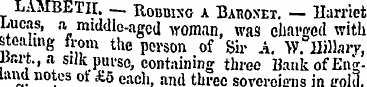
LAMBETH. — Ronmxo a Baronet. — Harriet L...
-

THE SOCIETY oi OF FRATERNAL DEMOCRATS m ...
-

Woxperful, if True.—The Hannibal Journal...
-

police.
Note: This text has been automatically extracted via Optical Character Recognition (OCR) software. The text has not been manually corrected and should not be relied on to be an accurate representation of the item.
-
-
Transcript
-
Note: This text has been automatically extracted via Optical Character Recognition (OCR) software. The text has not been manually corrected and should not be relied on to be an accurate representation of the item.
Additionally, when viewing full transcripts, extracted text may not be in the same order as the original document.
April 14 ' 1849 - The Northern Star.
ApRIL 14 ' 1849 - THE NORTHERN STAR .
Letters To Ihe Working Classes. Xxxix. "...
LETTERS TO IHE WORKING CLASSES . XXXIX . " "Words are things , and a small drop of ink Faffing—like dew—upon a thought , produces That which makes thousands , perhaps inillions think . " BXEO . V .
A GLANCE AT FOREIGN AFFAIRS . Bbothek Pboleiariaxs , "When in the progress of events the march . of Freedom is impeded by the obstructing might of Despotism , when banded tyrants ¦ wade triumphant through the bloodof Liberty ' s defenders , and re-erect their accursed supremacy npon -the mangled frames and broken hearts of the devotees of Justice , it becomes a duty incumbent upon the few honest penmen of the Press to protest more loudly than ever against the crimes of the oppressors , and to defend with redoubled vigour the holy cause of the oppressed .
Dispiriting is the spectacle presented by Europe ( Hungary and a portion of Italy excepted ) at the present time . In France there reigns the most mean , mercenary , cruel , and cowardly Government that has cursed that country since the time of Lovjis XV . To our grief and confusion it must he added , that that government is called a Bepublic , and is based upon Universal Suffrage ! In Germany the people are
disarmed , and ruled by brute force , in the name of " free institutions . " In the Peninsula , the Spaniards and Portuguese are crouching to blood-stained ruffians , and infamous he-andshe-profligates . In Lombardy , we have just seen the Italian cause betrayed by the foulest treason . In Poland , Terror and Despair hold undisputed sway . Of Russia , I need say no more than that Nicholas ( the miscreant lauded by | tke " Times , " and eulogised by Disraeli , ) lives and reigns !
The defenders of Liberty ye maintain thenground iu Central Italy , in . piteofthePors and his worthy confederates , not forgetting that wretched imitation of the execrable Tibekius , FufiMXAXD of Naples . The Sicilians , betrayed by the treacherous Government of Francej and the hypocritical Government of England , are at this moment engaged in a death grapp le with the Neapolitan assassin . In Hungary , the Magyars are performing prodigies of valour , and would ere now have been thundering at ihe gates of Vienna but for the intervention of Russia . Even the Muscovite
hordes have quailed and fled before the fiery heroism of the Magyar and Polish chivalry . The causes of the late defeat of the Sardinian and Italian troops , by Hadetsky and his hrijands , are at length beginning to appear . Is is now evident that treachery had more to do with bringing about that defeat than either the superior generalship of the Austrian commander , or the barbarous valour of his troops . Charles Albert himself has the worst of reputations—or , I should say , a reputation quite worthy of his ex-kingly position . "Whcvi a young man , and a prince only , he leagued himself with the Italian patriots—but only to betray them into the hands of their enemies . He even acted as the executioner of the men
who had accepted him as their chief . From the moment that the Austrians were driven out of Milan iu March , 1843 , he affected to championise tbe Italian cause—not that he desired the freedom of Italy , but because he aspired to add to his Sardinian diadem the iron crown , of Lomhavdy . His betraj al of the Milanese was infamy itself . The surrender of " Milan was , on the part of Charles Aliiert , an act of most disgraceful cowardice , if not of foul , unnatural treachery . If such was his conduct in the campaign of 1848 , there was hot small reason for hoping better things of him when he again took the field . The result has realised the worst fears of those who mistrusted him . I will not assert that
Charles Albert conspired his own defeat at . Norar . 1 , and subsequent abdication ; bat it is certain that treachery was thick sown amongst the officers of his army , ; uid that himself played the part of a recreant when beaten in his first fig ht His disgraceful abdication and fli ght , leaving his country wholly at the mercy of the ruffian Hadetsky , is an appropriate finale to the mock patriotism and mock heroism of CiiAM . ES Ai . iiEitT's whole life . It is
Said that he contemplates turning monk , and taking up his quarters somewhere in tbe degraded Peninsula . Such a goodly example will no doubt excite a spirit of holy emulation amongst the congenial spirits of that part of Europe . "We may expect to hear very soon thai the innocent and lamb-like Xaiwaez has put aside the sabre and taken to the pilgrim's staff ; and that the chaste and pure Chris-WAVx , renouncing the pomps of . Royalty , has taken to the habit and devotions of a nun 1
Throughout ^ Northern Italy the barbarians are masters , and there is too much reason to apprehend that Central Italy will , ere long , succumb to then * accursed sway . Of the tender mercies in store for tbe Florentines and Romans , should they unhappily be conquered bv the brutal Austrian bauds , you may form some idea from the manner in which those butchers have reduced the unhappy JBrcscians
to obedience . A successful insurrection had broken out at Brescia prior to the defeat of the Piedmontese army . The Austrians followed np their victory at Novara by bombarding Brescia , which city they have reduced to ruins and desolation . The inhabitants appear to have fought with desperate valour , but in vain , and terribly they suffered for then- heroic patriotism ; " indiscriminate butchery was thendoom .
Genoa isbesieged—some reports say captured —by the Piedmontese troops , nowthemcre police of Austria . Venice is blockaded , but , mindful of her old renown , still gallantly defies the robbers « tnd murderers whose yoke she spumed and cast from her iu 1848 . The case of the Sicilians is remarkable for the infamy it reflects upon the French and English Governments . From the commencement , the French and English Governments
acknowledged the legitimacy of the Sicilian insurrection . The Sicilian flag was saluted by the naval forces of the two countries . Intri g ues were engaged in to induce the Sicilians to accept the second son of Charles Albert for king . In other ways the Sicilians were encouraged to persist ' in their revolt against the execrable Bourbon ; yet noiv that that monster is making another effort to reconstruct his gore-dyedrule in Sicily , the people of that beautiful Island are abandoned to then- fate . The
Jseapolitan mercenaries will , however , find it no easy task to enslave the heroic and enthusiastic people , whose lives and liberties they are marshalled to destroy . Even the capture of Palermo , if effected by the Neapolitans , will not make them masters of the Island . Victory may be for them even worse than defeat . Better another " Sicilian Vespers" than that Ferdixaxd ' s horrible myrmidons should lord it again over that lovely but unfortunate isle . I have already alluded to the abominable and despicable character of the French Government — a Government which has
lowered France to a state of degradation and contempt , worse than ever she knew in the worst days of the Bourbons . It is a terrible thinjr to have to say , but it is a truth which cannot beconcealed , that , throug hout Europe , Francois , at this moment , looked upon as the arch-betrayer of the cause of Freedom . By the Revolution of February , France excited ihe nations of Europe to rise against their oppressive Governments , and by the solemn declarations of her Foreign Minister ( the mouth ing traitor Lamab tjxe ) , fine declared the treaties of 1815 null and void , and pledged her assistance to all str aggling nationalities oenacsd by foreign tyranny . That pledge ( which yas , in substance , renewed by the National . 4 fiBemhly ) baa teen foully dis-
Letters To Ihe Working Classes. Xxxix. "...
honoured , as the Italians , Poles , and Hungarians can testify . "Peace at any price" the shameless doctrine once avowed by Gtjizot and Loos Philippe , and which had much to do with precipitating their fall , is now shamelessl y acknowledged by Thiers and Louis JJatoleox . " Peace at any price "—even though the price be the blood and tears of the defenders of Liberty and eternal dishonour of France I " But this will not endure , nor be endured . " The Cossacks in her capital would be less shame to France than the continued rule of the wretches who at present render her the scorn of Europe .
The interior policy of France since the Assembly commenced its sittings in May last , has been more injurious to the Democratic cause than even her exterior policy . The June Insurrection , the stateof siege , the courtsmartial , the transportation of hosts of unhappy workmen , tiie shooting of unarmed insurgents , the press-prosecutions , the infamous laws against the right of association and in
violation of the Constitution ; the arbitrary arrests , the trial at Bourges , the revival of aristocratic profligacy along with the perpetuation of Proletarian misery—these and many other euormities have done more to stay the march of Democratic Principles than all the terrors which the Royalties of Europe directed against the Democrats , from July 1830 to February 1848 .
The horrible sentences passed upon the Republicans tried at Bourges , must call forth every honest man ' s execrations . The jurors and judges well knew that the accused were innocent of any premeditated attack upon the authority of the Assembly , nevertheless they went through the mockery of a trial for the purpose—not of investigating the charge against the accused , but to make out a case for condemning them to imprisonment and transportation . Louis Philippe and his infamous Chamber of Peers , never went the length of
condemning the Republicans to transportation . Barbes is , or was , a wealthy man . Years ago he devoted his life and his fortune to the people . As leader of the Insurrection of the 12 th of May , 1839 , he was condemned to death , but his sentence was commuted to imprisonment , whether for life or for a stated term I do not remember ; at all events , he was in pr ison up to the 24 th of February , 1848 . Set at liberty by the Revolution , after nearly nine years' incarceration , he was appointed Governor of the Luxembourg , ( the Palace of the former Chamber of Peers , in which he was
tried for the insurrection of 1839 ) and subsequently was elected Colonel of the 12 th Legion of the National Guard of Paris , and Representative of the People inthe Assembly . In less than three months from tbe time of his liberation in February he was again a prisoner —the victim of the popular folly of the loth of May . What true-hearted man but must feel bitter anguish for this heroic but
unfortunate patriot ? He risked his life m the streets when combatting the soldiers of Royalty . He risked his head when answering for his defeat before his Royalist judges . He suffered long and terrible years of captivity . For what ? For the Republican cause ! And now that cause is triumphant , it is in the name of the Republic that he is condemned to a miserable captivity for the rest of his days—a life-long martyrdom .
And Albert , workman , the Proletarian member of the Provisional Government . Had ho , like too many revolutionists , merely used his influence to further any selfish end ; had he betrayed his trust instead of remaining faithful to " his order , doubtless he might at this moment have teen basking in the smiles of President Buoxaparte , and enjoying himself on a share of the public plunder . But Albert is an honest man , no sham—but a true patriot —therefore , he has been condemned to share the doom of Barbes—transportation for
life . " Barbes and Albert !"" Those names shall be A watchword , tUl tiie future shall be free . " The sentence of transportation- for life has also been passed upon Louis Blanc and Caussimere . Than the latter there is not a more ardent patriot , nor a better man to be found on the face of this earth . Of the former I am not called upon to speak , for Fame herself has already spoken and proclaimed , in trumpet-tones , the glorious and undying reputation of his name . Since Athens banished Aristides , no such shame has fallen npon any nation as that which has descended upon France by her decree of perpetual banishment against Louis BLANG \
Am I answered , " It is not the decree of France but of a few Royalist couspirators who have seized upon the Government of France ?" Then I appeal to the French people to reverse the damnable sentences of the high Court of Bourges , and restore the banished , and let the captives go free . Of one thing I am sure , that no amount of injustice or cruelty on the part of their
persecutors , or of ingratitude or indifference on the part of the millions , will cause our persecuted brethren to desert , or lose faith in their principles . Martyrs they may be , but renegades they never will be . They have that within them wliicli " defies torture and time , " and which , I trust , will sustain them in hope until the hour shall strike for then- deliverance , and the punishment of then persecutors and
oppressors . The war waged against Proudhon ' s paper , the Peuple , revives the recollection of ihe similar M'ar waged by Louis Philippe against the Tribune , which was at last prosecuted out of existence . Proudhon has now hanging over his head a sentence oitlreeyears ' imprisonment ; the manager of his paper , Citizen Duciion , has been sentenced , first to one year , suhscquently to an additional termofthreeycars' imprisonment ; and I sec , by to-day's papers , to another term of five years' imprisonment , wliich diabolical sentence was passed on Tuesday last . In all NINE YEARS' IMPRISONMENT ! The fines imposed upon
Citizens Pnounnox and Ducjiojt amount to MANY THOUSANDS OF FRANCS Thus the sentence passed on Tuesday was accompanied by a fine of six thousand francs , The fact is , that President Buonaparte and the gang of knaves connected with him , stand in dread of Prouphon , on account of that patriot ' s gigantic talents and incorruptible virtue , and , therefore , the said knaves are determined to destroy both h im and his paper , if possible . The Revolution Democrflfigue et Sociale is another journal which , by its earnest and able propagation of Democratic principles ,
has earned for itself the persecuting wrath of the President and his confederates . Citizen Delesclvze , the editor , a talented and courageous Democrat , was , a few weeks ago , condemned to one year ' s imprisonment and a veiy heavy fine . On Tuesday last , Citizen Delescluze was sentenced to an additional term of THREE TEARS' IMPRISONMENT and a fine of TEN THOUSAND FRANCS . Commenting on this infernal sentence , the B # orme remarks : — Tt ?««¦„• * n ti „ wi . > ath that has heen commenced against
the Republican press . The proceedings of Louis 1 liihppe ace outdone by those of the officers of Louis Buonaparte , and the fines inflicted amount to confiscation . Three years' imprisonment and 10 , 000 £ fine for an offence ot the press areinflicted on the journals of the revolution by this Government of die 10 th of December , whose chief would yet be dragging in exile his impotent ambition , only that die press aud the people , in February , opened to him tho aooM ot Ms country . Never has any free country exhibited such violence , and we defy those English who are here now invited to behold the fruits of our civilisation , to find anything like it in the history of their countrv , unless by going hack to the pillory of Daniel Defoe
The English at present in Paris belong to the base shopocracy . None but vile " profitmongers would think of bandying compliments with the present infamous rulers of France . Surely , the day is not far distant when outraged Justice will he avenged . Oh ! men of February , how bitterly you are now suffering
Letters To Ihe Working Classes. Xxxix. "...
for your suicidal moderation . Woe I woe I to those who make half Revolutions ! Of tho state of political questions and parties in our own country , I say nothing in this letter . I will merely deplore the fact , that so far as the people of the Continent have the means of judging us , they must come to the conclusion that we are hostileto every attempt , on their part , to redeem themselves from social and political slavery . They may have read in
then- own , or the English papers , that the Whi g and Tory leaders in the two Houses of Parliament indulged in mutual compliments on the " happy occasion" of the recent victory atNovara ; and that " Her Most Gracious Majesty'' expressed her gratification at the success of " our ancient ally . " They will be aware of the praise so disgustingl y lavished by the "impenitent" M . P . for Bucks on that miscreant , Nicholas of Russia . Not a speech has been made in Parliament in defence of the
principles maligned and scoffed at by Disraeli & Co . Not a public meeting has been holden to express even lip-sympathy with the defenders of Liberty , or denunciation of their oppressors and assassins . Dr . Bowiiing has finished his " patriotic" career by accepting a Whig place—a Consulship at Canton—and has left Poles , Italians , and all the other unfortunates he " patronised , " to sink or swim as they best may . The popularity oi a Cosmopolite was all very well as long as the Doctor could get nothing more substantial , but , like a" sensible schemer as he is , the Doctor prefers solid pudding to empty praise . His cosmopolite professions never deceived me ; but I pity the poor Poles and Italians whom lie did deceive .
But we shall be judged principally by our Press ? Can any one who sees the " Times' ' regularly , doubt the actual relation which that infamous journal holds to the leagued conspiracy of Kings , aristocrats , and money-gorgers ? The correspondent of tho " Times , " at Vienna , writes : " News has arrived that our troops have gained an important victory over the Hungarians . " Or , " I am sorry to say that the rebels have made themselves masters of Transylvania , and driven our troops into Wallachia . " You will find the same sort of
thing in the letters of the other oorrespondents . The fellow who writes the correspondence from Naples actuall y outvies the Devil himself in his mali gnant suggestions for the destruction of the patriots . His exultation at the prospect of torrents of blood being shed iu Sicily , is perfectly fiendish . From the correspondence turn to tho " loaders " of the " Times , " and a glance will satisfy you that if you imagine the worst of that infamous journal , you will do it no injustice . The "Times" does not stand alone , it is only pre-eminent in the infamy which is shared hy so many of its
contemporaries . Brother Proletarians , the picture I have drawn is , on the whole , gloomy enough ; but , as true Democrats , under the cloud as in the sunshine , our watchword must be " ONWARD ! " and our motto , » NEVER DESPAIR !" L'AMI DU PEUPLE . April 12 , 1849 .
Lambeth. — Ronmxo A Baronet. — Harriet L...
LAMBETH . — Ronmxo a Baronet . — Harriet Lucas , a middle-ag ed woman , was charged with stealing from the person of Sir A . W . Hillary , ur . rt ., a silk purse , containing three Bank of England notes oi 45 each , and three sovereigns in gold , —feu ; Augustus stated that on Thursday meht , about eleven o ' clock , while passing along Barton ! terrace , Lambeth , the prisoner approached , and addressed him in familiar terms , lie told her to go away—that he did not wish to have anything to say to her , but instead of doing so , she pushed up against him two or three times — first at one side , and then at the other , and left him in a hurried manner . He instantl y felt his ri g ht-hand trousers pocket , and discovered that his purse , containing three sovereigns and three £ 5 notes , was srone .
and he instantly pursued the prisoner . He overtook her at a distance of 300 yards , and touching her on the shoulder , requested her to return his purse . The prisoner replied , * ' If you have lost anything , let ' s come back and look for it . " She then returned back , but had not proceeded moie than tour yards when she kicked against something , and said , " Is tha t any of your property ? " He ( Sir Augustus ) perceiving some paper on the pavement , Picked it up , and found it to be his three five pound oanR-notes . He then asked her for his purse , and sne replied that she had not got it about her ; that he might search her if he pleased , but that if he would go home with herand see her . friendsshe
, , was sure they would make the money up , sooner than they would sec her locked up . She also said she was in great distress , and thought of destroying herself , upon which Sir Augustus told her he would give her half the three sovereigns , provided she gave him up the purse . She still said she had not the purse about her , whereupon he secured her , and gave her into the custody of a policeman . At the station-house he took out his watch , when tho prisoner said , "You may think yourself lucky that I have not sot that , too . "Police constable Norman corroborated the latter part of tho baronet ' s testimony , and the prisoner was full y committed for trial .
WORSHIP-STREET . —A Child ' s Heart . —Mr . Burchell , the medical officer of Shorcditch , attended before Mr . Bingham , thesittingmagistrate , and called his . attention to the case of ft widow named Attwood , who complained a few days since to Mr . Hamnull that she was unable to obtain the restoration of the heart of her deceased , child , and in whose statement his ( Mv . Burcliell ' s ) name was mentioned in a manner which rendered it imperative that be should set himself right before the public . It appeared from her account of the transaction that a medical gentleman named Finer , who was called in subsequently to his own attendance upon her child , and afterwards made a post mortem examination of the body , and advised her to apply to the coroner for an immediate inquest , on the ground that the death had been accelerated by previous neglect , and that tho inquest accordingly took place , when the jury returned a verdict of "Death from natural causes . "
He had no doubt whatever that the report in the newspapers comprised an accurate account of what she had stated , but he wished particularly to diroet the attention of the magistrate to an important omission with respect to the terms of the verdict , tho jury having not only unanimousl y decided that the child had died from natural causes , but had felt themselves called upon to make a special addition , to the effect that not the slightest blame was attributed to the parochial medical officer in the transaction . Mr . Burchell was proceeding to comment upon the evidence g iven before the coroner hy Mr . Finer , when Mr . Bingham said that he could not permit a reference to such proceedings to bo imported into the application , as they were entirely beyond his jurisdiction . Mr . Burchell had already stated sufficient to effect the object he had in view , the purport of which would no doubt obtain the same publicity as the original statement . THAMES . —An Emighaki robbed of £ 58 . — A
countryman named Charles Stacey , who is about to emigrate with his f amily to America , and has lately arrived in Loudon for that purpose , was plundered fifty-eight sovereigns by a gang of miscreants who are ever on the look-out to rob unwary persons their arrival in London . Stacey was met by a man in the neighbourhood of the docks , who learned from him that he had lately arrived from Essex , and was about to emi grate . The stranger said that he was an Essex man too , and also intended to settle in America . After some further talk , Stacey ' s new friend invited him into the Half Moon and Seven Stars public house , in lUtcl ' uTc-highway . Three other men ( confederates ) dropped in soon afterwards , and entered into conversation with the unsuspecting countryman . One of them said he had a large sum of money left him , and nulled out of his nockct
what appeared to ho a roll of bank-notes , but which in reality were only flash ones . The man who fir & t accosted Stacey also displayed a roll of notes , and asked Stacey to deposit them securely in his fob . Stacey did so , and he was then advised to take the same care of his own money . Stacey said he had fifty-ei ght sovereigns , all his wealth , in a bag , and tho fellow took the money from him , and said ho would put the money in his fob , which he appeared to do . All the sharpers very soon disappeared after that , and , in the course of half an hour afterwards , he discovered that a packet containing tlih-tv-onc halfpence had been substituted for his sovereigns . He immediately repaired to tho Lcnian-strcet station , and gave * information of his loss . Tho poor fellow said he had been a farm labourer , and tho money of which ho had been robbed was the savings of many years .
Cutting- and Wouxdi . vo ax Sba . —IT , ILimcr , master , and L . Wilson , chief officer , of the schooner Seabird , were finally examined on the charge of cutting and wounding a man of colour , named John Hughes , ( one of the seamen belonging to that vessel , who , since the case was first before the court , on the 20 th of January last , has been confined on board the Dreadnought hospital-ship in a , very dangerous state . ) When ho first appeared to give evidence , though suffering under several severe wounds , ho was a fine athletic fellow ; but , on Monday , when supported into court , he was a comp lete skeleton . The complainant , who stated himself to he a native of New Orleans , said he joined the Seabird as able seaman , in tho Gambia . . Shortly afterwards the vessel being then at sea , the mate
came to his berth at twelve o clock , and ordered him oh deck . Complainant , who had been worn out by ten hours' hard labour , and whose clothes were wringing wet , said , "Very well , sir ; lam getting ready , ' * The mate at once exclaimed , " I'll wait no longer , " and began to cut at him with a cutlass . The pain of his wounds made him jump up , and he ran on deck , the mate pursuing him with the cutlass . Complainant hold for a while by the galley-door , and then crept into the galley , but tvas immediately followed by the mate , accompanied by tho captain . The latter seized him by the hair of his head and kicked him , while the mate continued to cut at him with the sabre , wounding him in several places . Ho was then set to work at the pump , ¦ wher e he continued for ten minutes ; but being faint
from loss of blood , he returned to the forecastle . The mate again followed him there ; hut seeing how he was bleeding , said , "Go to bed ; I won ' t hurt you any more , " When the vessel arrived at St . Katherine Dock , complainant proposed to go ashore , but the mate refused to permit him , and ho was not at liberty to make his complaint till the constable Fraser came on board . In his cross-examination by Mr . Felham ( who appeared for the prisoners ) , ' the complainant admitted that he was in gaol at Gambia , but not for attempting to " gouge" a former captain . He had never threatened Captain Hamor with a knife . On ono occasion , whilst he was using a knife below , Captain Hamor jumped down with a cutlass , and cried out , " I have a bigger knife than you . " He never
threatened tho captain or mate . He was too much afraid of thorn for that . He had no knife in his hand on the night when ho was stabbed with the cutlass . There was a heavy gale , but ho had worked very hard that day . —Frazer , 73 Thames , stated that he boarded the vessel about five o ' clock on the Friday evening in consequence of hearing that a man had been wounded on hoard . He saw Hughes in a bad state , but the master was not then present . Tho other prisoner , Wilson , was onboard , and when charged with wounding the man he admitted having done so , and said it was because he had refused to do duty when the ship was sinking . The mate said ho kept Hughes on hoard by the captain ' s directions , but witness at once took him on shore to the provisional surgeon , Mr . Ross , of Shadwell , who
inspected and dressed the wonnds . —Mr . Ross said IlUjjlieS Was brought to his surgery on the 19 th of January , suffering from several wounds in various parts of the body , one of them , a Very dangerous wound over tho outer part of the loft elbow , and about two inches in extent . A heavy pointed cutlass was here produced , and , in answer to the magistrate , Mr . Ross said it would be calculated to inflict such wounds . —Mr . Pelham said he . would reserve his defence , as his worship seemed resolved to send the case for trial , and none of the men who formed the crew would now be brought forward . The prisoners were then committed for trial , but bail was accepted for Captain Hamer , himself in £ 100 , and two of J £ 50 each .
MARLBOltOUGH-STREET . —A A ew Chakacteu tor the Poses Plastiques . —A tall , good-looking man , who gave the name of Henry Smith , but whose real name is Bailey , by profession " Model " to H . U . 1 I . Prince Albert , was charged with having deserted from her Majesty ' s 13 th Regiment of Light Hragoons . —Sergeant Major Parkinson , of the Hon East India Company ' s staff , stated that in the year 1842 he was a sergeant in the I 3 th Light Snsoons , on the Mcruitmjr service in London , where ho enlistedIthoi prisoner m that year . On the 17 th of March , 1846 , the prisoner deserted from the regiment , which was then stationed at Exeter , and witness saw nothing more of him until ho was taken into custody on Saturday night . —Police-sergeant Gray , 10 O , said that from information he had received , he went on Saturday to tho " Minerva Hall , "
Lambeth. — Ronmxo A Baronet. — Harriet L...
Windmill-stvect , where he was given to understand that the defendant was performing " Adam" in the " Temptation . " On entering the room , he saw the prisoner standing ; near the stage , looking at the performance . Witness went up to him , and laying his hand on his shoulder , said , " Your name is Bailey " , and I charge you with being a deserter from the 13 th Lio-ht Dragoons . " The defendant replied , " You arc right , I am the man , and will go with you quietly . " Witness then took him to the stationhouse , where he was identified by the last witness . The defendant , who has been for some time performing the most prominent characters at various exhibitions in the metropolis , admitted the truth of the sergeant's statement . —Mr . Arnold ordered him to be committed to the House of Correction , preparatory to his being sent to the regiment , which is now in Ireland , where he will bo tried by a district court-martial for desertion .
Charge of Uttering Bad Monet . —Jane Walker , a well-dressed woman , was charged with having uttered a counterfeit sovereign . —Mrs . Elizabeth Groves , a dealer in ladies' wardrobes , Charlton * street , Marylcbone » stated that on Monday last , the prisoner came into her shop and purchased some articles of clothing , which came to 5 s . 6 d ., inpayment of which she tendered the sovereign produced . Witness , believing the sovereign to l > o genuine , gave her the change , and she then left the shop . On Tuesday , her landlord called for his rent , and witness gave him , amongst other money , the sovereign site had received on the previous day from the prisoner . On examining the coin , the landlord immediately pronouncedit to be a counterfeit . Witness then sent for the prisoner , and as
she refused to change it for a genuine sovereign , she gave her in charge . —Pope , 117 E , said he took tho prisoner into custody about five o ' clock on Tuesday evening , and asked her where she got the counterfeit sovereign from . She said she would not tell any one until she got to the station . When she arrived there she refused to give any account of herself or the sovereign . —The prisoner said , she declined informing any of her neighbours where she got her money from , it was no business of any one , and she would not gratify their curiosity . She was confident the sovereign she gave to tho prosecutrix was a good one , and she thought the prosecutrix was labouring under a mistake . —Mi * . Bingham said , the prisoner mi g ht not have known that tho coin was base , and he would accept bail for her re-appcarancc .
MARYLEBONE . —Case or » Ksnnrno . Y . —Catherine Burke , a deplorable-looking creature , apparently upwards of sixty years of age , and whoso eye was much bruised and swollen , was brought bofore Mr . Broughton , charged under circumstances of a very distressing description . —Police-constable 31 ( 1 Si deposed that on the previous morning , between 1 and 2 o clock , he found the prisoner " lying in a ditch in the Prince of Wales-field , Haverstockhill , St . Pancras . He lifted her up , and convcjvd her to the workhouse , as sho alleged that she was entirely destitute ; but she was refused admission , upon the ground that the casual ward was closed .
Witness then took her to the station-house . It was further stated that the prisoner was at ono period doing well in the greengrocery business at a shop in St . James ' s parish , but her second husband bad given way to excessive drinking , and hence had arisen the misery which she was now enduring . She was unable to say whore her husband was . —Mr . Broughton directed Mitchell , the gaoler , to supply her with some coffee and bread and butter , and she was soon afterwards removed in a cab to St . Pancras Workhouse . The magistrate observed that she might havc met with her death owing to the refusal in the first instance to receive her .
Gross Assaults . —Mr . Robert C . Savage , a person of very large property , driving his four-in-hand , and who has at least fourteen horses , together with carriages of different descriptions , and Caroline Langdon , a smartly-dressed woman , were charged before Mr . Broughton upon warrants which had been obtained against them for assaults . — Mr . Pelham appeared on the part of the complainants , modest-looking girls , named Susan Smith and Mary Clayton . —The learned gentleman stated at soin ' o length the particulars of the ease , and his statement was borne out by evidence , which went to show that Savage had for years past occupied extensive premises in Wellington-place , St . John ' s-wood , and that on tho 23 rd of January last Mr . Clarke , a resectable person , who then lived in Caroline-street .
Camden-town , and had known him ( Savage ) for more than twenty years , had acceded to Savage ' s proposition , and with his wife went to his ( the male defendant ' s ) house with two young female servants , with an understanding that ho was to bo boarded and properly attended to in every respect at the rate Of £ 12 10 s . per month , for a year certain ; there was also a stipulation that no female " friends" of Mr . Savage should be allowed to reside in the house , more particularly as regarded Caroline Langdon . Savage had , however , in tho early part of last week , sent for her , and both of tho defendants not only committed assaults upon the female ^ domestics , but perpetrated acts of a most disgusting nature in their presence . The acts committed cannot he
particularised , being quite unfit to meet the public eye ; suffice it to state that the worthy magistrate , Mr . Broughton , after hearing evidence winch occupied his attention nearly two hours , came to tho conclusion that a more gross case of profligacy had never come before him , and the sentence wliich he felt himself bound to pass upon the defendants was , that each should pay a penalty of £ o or be imprisoned in tho House of Correction for two months ; in addition to which he should call upon Mr . Savage to enter into his recognisance in £ 500 , and to find two sureties in £ 100 each ( with twenty-four hours notice ) , for his keeping tho peace and being of good behaviour for the ensuing six months . He was then locked up . Tho penalty upon the woman was paid . Assault at the Maryi . kboxe Tueatuk . —J .
Johnson , an actor at the Marylebone Theatre , was charged with having committed a violent assault upon the stage manager , Thomas Henry Webb . — Complainant , whose " left eye was blackened and much swollen , deposed that on Saturday night last , at twelve o ' clock , after a rehearsal of the Easter p iece , called " Guy Fawkcs , or a Match for the King , " he was leaving the theatre by the stagodoor , when defendant , without saying a word , gave him a blow upon the back part of his head . He f ell upon the kerb and bled profusely ; defendant threw himself upon him ( complainant ) , at the same time seizing him with one hand by the throat , and with the other striking him on the face with all his might . He was at length extricated by some parties who saw the serious situation in which ho was
placed , and by whom lie was conveyed bleeding to the house of a surgeon . —In reply to questions from Mr . Broughton , complainant said " while rehearsal was going on there was a noise at the wings , " and I said , "Mrs . Johnson , pray do be quiet . " She called mo a beast , and I then ' said " Mrs . Garrish ( for that is hor real name ) -will you be still ? " She sent for defendant , saying that ' she had boon insulted , and he ( defendant ; called complainant a thief . —Thomas Davis , a gasman employed at the theatre , said that he saw both parties in the act of falling ; hc-also observed that defendant seized hold of complainant by the neck , and
struck huu . uwow the Vicvui tm \ i face . He could not say which struck the other first . —Tiro other witnesses wove called , one of whom , named Hunt , a dresser and supernumerary at the theatre , said that ho heard the manager , w ' liilo the altercation was going on in tho house , desire defendant to quit the stage . —For the defendant it was urged that there was a quarrel between the parties , and that they both went out to fight . There was no proof whatever as to which of the two gave the first blow . —The magistrate sidd that a gl'OSS outrage had been committed by defendant , whom he fined in tho full penalty of £ 5 , or two months' imprisonment . —The fine was directly paid .
SOUTIIWABK . — Cfii . ui . VAL Assault axp RoniiERW—Daniel Donovan and Hugh Powell , two young men , were brought up charged with being concerned with two other men , not in custody , in criminally assaulting and robbing Mrs . Eliza Seal , on the preceding night . — The com plainant , whose face was partly concealed by a handkerchie f tied round the upper part , owing to injuries she sustained , said she was the wife of a commercial traveller , and lived in Coleman-street , in the City . That on the previous night , in consequence of having had a quarrel with her husband , she left home , and crossing the bridge , wandered about Banksidc . This was between seven and eight o ' clock , and as she walked along she was accosted by a man , who carried her , against her will , into a stone-vard , and ,
nlHlOHffh sllG resisted to the utmost of her power , succeeded in his criminal intent . The same man afterwards carried her from the stone-yard - on a barge , in his arms and having placed her in the cabin , two other men , whom she believed to be his companions , treated her in a similar manner while there . That she had 3 s . Gd . and a pocket handkerchief , which she missed , and that sho was afterwards rescued by some person who came on board after her assailants had left her . She added that she believed Donovan to bo one of tho parties concerned in the outrage , and that sho saw the other prisoner there at the time , and called to him for protection , hut his answer was , that he dared not interfere . —In reply to Mr . Oottingbam , the complainant said that when in the stone-yard she was
unablo to evy out for help , owing to the frightened state in which sho was at the time , hut that she resisted her assailant , who fell with her while he was carrying her from thence to the barge , which was alongside tho quay ; that when she was attacked by the other men in the cabin of the barge , sho did scream out , but her assailants escaped before assistance came to her ; that she was hold down in the cabin while the men committed tho outrage upon her person . — A watchman of premises near the spot , stated that the stone-yard mentioned was surrounded by houses so that if a person made an alarm , it would have been heard by the people living there ; that he saw the complainant after the alleged outrage , and in accounting to him for the black oye she had , she
Lambeth. — Ronmxo A Baronet. — Harriet L...
said that it washer husband who gave ir to her . Witness heard her describe the circumstances ate ™ l 'W O « ti « go .-Another witness was rnnn , ? ' ^ n- ? that B ° ™ ™™ tho wry ^ - ; i 0 l , w ' ,. a ,, ( i toW hinl that there him tn T " " i 1 tlie , cnbin of il bai-EC ami wanted turn to go on board , nc did go aftcrwa-Js and b Tf ? nin ; nr Pla - "' ' ' ' ° , : lSkCl 1 W » J , -Sd te 1 wit a pint of gm , saying that sho wanted some . — the complainant however , contradicted U-c latter assertion and declared that she was , crfccSr sober , and that the condition in which sho was found arose from the nature of the outrage committed on . her . —Mr . Cottmgham said that , in order to have the whole of the circumstances fullv investigated , he should remand the prisoners , and thai m the meantime the police should use every exertion to
discover the other parties implicated in the charge , and to take them also into custody . Tho ma
GUILDHALL . —Illegal Seizuue ron Hunt axd Assault . —William Henry Worlev , a master printer , occupying premises at Xo . 1 S 3 , rieet-strcet , was brought before Alderman Farebrothor-on a charge ot' forcibl y removing a printing-press and other articles , wliich were under sei / . ure for rent , aud also with committing an assault on the landlord ' s nephew . —A solicitor , whose name wo did nofc catch , conducted the case ; and Mr , Andrews , managing elevk to Mr . Davis , solicitor , defended tho prisoner . —The Solicitor for the prosecution said , that some time back his client , Mr . Kees Price , of Ilfovd , let a portion of a house situated at 183 , Fleet-street , to the prisoner ami his brother-in-law , to carry on the business of printers ; but finding they were getting into arrears of rent , and the
premises were being much damaged , he put in a distress for between £ 7 and £ 8 . He should first of all state , that Mr . Price called at the office of Mr Ibbcrt , tbe auctioneer , and signed a blank warrant on the 21 st of March , but directed to no one ia particular , merely giving instructions that if tho prisoner and his partner came to no terms , it was to be put in execution , Mr . Price , on Ihe 5 th of April , finding he could not get the rent , directed hisr nephew , Mr . James Youens , to tell Mr . Ibbcrt to put the warrant into execution , which was accordingly done ; and an inventory being taken of the pods m the lower part ot tho house they were removed . They then proceeded up stairs , when AVorley requested that tho printing-press and Other articles might be left for the purpose of earning
on his trade . A communication was made to Mr . Price , who was in another part of the house to that effect ; and he agreed to do so , on the condition that a man should be left in possession , and the prisoner pay him 2 s . Cd . per day . "While Mr . Price and his nephew Youens went to draw out a memorandum to that effect , to be signed by both parties , Mr . Worlcy took the opportunity , with the assistance of others , to eject the menin possession , and lock the door against them . On the nephew ' s return he met the men in the street , and having gofc tho assistance of a policeman , returned , and forcibly regained possession , but he and his men were again ejected , and it was during that ejectment the assault complained of took place . Tho prisoneraud others afterwards removed the printing-press from tho
premises . Ihe mam question wliich he understood would be started by the prisoner ' s solicitor would be , whether the distress was a legal one , inasmuch as the name of the individual who was directed to distrain was not in tho warrant until after such goods had been distrained . lie contended it was perfectly legal , and what his client complained of was that certain things had been rescued after they had been in the possession of tho broker three or four hours . Vfhen goods were oueo impounded , and an inventory taken , they were in the power of the law . —Mr . Andrews said that one of his chief objections was , that his client had never received an . inventory . —Mr . YoucilS said that lie hud . —Alderman Farcbrotner : I should much like to see it . — Mr . Youens : Here is a copy of it . —Alderman
Farebrother : But where is the ori ginal ?—Mr . Youens : It was left on the premises . —Mr . Andrews : Aftet « the goods were removed on the Thursday . —Alderman Farebrother : And when was the ' inventory left ?—Mr . Youens : On Saturday night . We could not deliver it before . —Alderman Farobrothov : Nonsense . The inventory ought to have been taken , and given to the party distrained upon bef ' ora the goods were removed . —Mi * . Andrews ( to Mr . Youens ) : Was your name on tho warrant until after tho distress 1—Mr . Youens : It was not . I did not know it was there ; but do not mind now . - * The Solicitor for Mr . Price : If the proceedings were illegal , and the warrant bail , after allowing tho goods to be taken a war , then the remedy was to recover them by regular law process . It would be
different if a person asked to see the warrant , and observing that it was bad resisted the removal of his goods , but such was not the case . He could not help thinking they were in the hands of the law under all the circumstances . —Alderman Farebrother thought differently , and asked the solicitor if the property was taken under an illegal warrant how he could maintain it was in the hands of tho law ?—The Solicitor said it was under " 'WoodfaU ' s Landlord and Tenant . "—Alderman Farebrother : Then if any man entered my house with such a warrant , I should kick him out without the aid of tho law . Here was a warrant issued without the name , and therefore it was an illegal instrument . The form might as well he addressed to Mr . Nobody , to take Somebody ' s goods at the suit of Nobody ; but he ( Alderman Farebrother ) would covtiwily know who Mr . Nobody was before ho lot them be taken awav . —The Solicitor said ho should
like to call his witnesses , which Alderman Farebrother said he was at perfect liberty to do . —Mr . Roes Price and Mr . Youens were then sworn , and fully established the facts elicited by Hie conversation above , namely , that the warrant iiad not Youens' name in it at the lime of the seizure ; and , in fact , that it was put in without his authority * that no inventory was hil on tfic premises until Saturday , whereas the distress took place on the Thursday ; and evidence was given as to the distress , the ejectment , the retailing possession , and the re-ejectment . —Alderman Favebrother said ho had come to the conclusion that tho warrant was illegal , but he recommended the parties to come to some arrangement . —Mr . Price , thronghhis iolioitor , said , if the prisoner gave up the premises , he would forgive him tho rent and return him all his furniture . —Mr . Andrews , on behalf of his client , said the prisoner would accept the offer .
1 U 011 M 0 XD . —Siioplifti-vg . — Lydia Xixon , a meek and lady-like looking young woman , was hrought before the Richmond Pencli , charged with shoplifting . Tlio prisoner was described on the police charge-sheet as a teacher of mu & ic , residing in the Lowcv-road , Richmond . On Saturday night , about half-past eight o ' clock , George Wood " , 2 ii'J V , a very efficient officer , was coming down the Churchpassage into George-street , when ho observed the prisoner standing under the portico of Messrs . Briant and Field ' s shop , who are linondrapers . There was considerable property deposited there , nud amongst ! othor . goods was apiece of huckaback , which proved to measure sixty-five yards . He saw the jjrisonor , who was apparently intent upon the show in the window , give one glance round as if to assure
herscit she was not observed , and then momentaril y secret the huckaback under hor shawl ; the parcel was so long thai it protruded considerably above her shoulder . The prisoner had got into Goorgostvect , and was walking away from the shop , when catching- sight of the constable , she ran back towards the shop , and when taxed with the theft , she said sho was going to take it in to ask the price , "When apprehended the prisoner made a desperate resistance , aud it was as much as Mr . Field , one of the partners , and the constable , could do to get her to the station . On passing through the passage to tho coffee-room she contrived to break away soma portion of hor dress in front , and down fell a capacious pocket , capable of containing at least half-a-dozen , dresses , ami in it at that timo wore » cashmere
dress and six lace collars . In her apartments was found an immense quantity of property of almost every description , consisting of dresses in cashmere , woollen plaids , merinos , watered silks , cottons , furs , rolls of French and satin ribands , cards oflace , silk and kid gloves , silkneckerchiefs , bonnets , several pairs of ladies' boots and French clogs , two valuable shawls , a bottle of gingsr wine , and three enamelled saucepans besides numerous other articles of trifling value . Strange to state , on all these stolen articles the private mark of the tradesmen , had been suffered to remain , and through the exertions of Inspsctor Board tho greater part of the property has been identified . No pawnbrokers' duplicates were found , but several disguises were observed , consisting of a dark brown wig , with the
nau maao to tall m curls at the back , a light brown . front m bands , and an auburn front , with short curls ; the Prisoner ' s hair is black . There was also a shawl , with ono side woollen and the other silk , and a cardinal cloak fitted with capacious pocS irom papers found it was ascertained that the p risoner is the daughter of a ones eminent solicitor , now deceased , and the mother is , or was , one of the candidates for the " National Benevolent Institution . A pianoforte and other musical instruments were in the prisoner ' s rooms . The prisoner did not offer any defence , but entreated she might not be sent to prison , as it would assuredly kin her . —Sir T . N . Reeve said , the prisoner should havc thought of that previously , and remanded her that further inquiries might be made .
The Society Oi Of Fraternal Democrats M ...
THE SOCIETY oi OF FRATERNAL DEMOCRATS m ( Assembling in London , ) m of on
TO THE DEMOCRACY OF FRANCE . Brethren , —The recent mock-trial of the Republican chiefs at Bourges has excited our pro . found grief and indignation . We grieve for the victims ; we are indignant at the hypocritical conduct of the intriguers and conspirators who , in the name of the Republic , have sacrificed some of the most devoted of the Republic ' s defenders . Permit a few English democrats to protest against tbe unjust cenclemuation of those patriots , and the cruel sentences passed upon them . We protest in the name of that humanity which unites men of all nations , and which commands us to sympathise with the oppressed and persecuted of al ! lands .
Although our words may not reach the majority of the sufferers , we must express our profound respect / or them j and our prayer that the people Of France will demand and insist upon the reversal of the sentences by which our persecuted brothers have been consigned to a living martyrdomt Across the channel which divides you fro : u us , we echo the try of the heroic Barbes , Vive la RepnWque Democratize et Sociale ! Signed on behalf of the society , James Grassbv , Chairman . G . Julian Harney , Secretary , London , April 6 , 1840 .
Woxperful, If True.—The Hannibal Journal...
Woxperful , if True . —The Hannibal Journal has a fearful story , to the effect that a Mr . "Weatherford , sheriff of Schuyler county , in the state of Maine , and ex officio collector of the county revenue , conceiving a design to cheat the commonwealth out of some 2 , 200 dollars which he had collected , left the monev in the care of his wife , part in silver and part in paper , with the declaration that he would be gone several days , and enjoined upon her that Bho should permit no one to stay all night at the house during his absence . At night a traveller , rather an aged man , applied for entertainment . The woman , at first refusing , under the instructions of her husband , wis finally persuaded to permit hiiu to remain . About eleven or twelve o ' clock the same ni g ht some persons demanded entrance into the
house , and upon being permitted to come in they were found to be disguised as negroes , and immediately demanded money of the woman . Tho woman handed them tho paper money . They told her there was also silver money , which she must surrender . She replied that she would go upstairs ( where the traveller was lodging ) and get it . She informed him of the state of things below , lie told hor to take one of two pistols which he had , to put the money into her apron , with the pistol concealed behind it , and when either of the robbers came forward to take it to fire , and he would shoot another of them with the remaining pistol . She did as instructed , and one of the men fell dead at her feet . The old man fired and killed another , and the third made his escape . Upon examination , it was found that the guilty husband had fallen by the hand of
his own wife . New Iscloscre Act . —An act of parliament has lately received the royal assent ( 12 Vict . cap . 7 ) authorising the inelosuro of certain hinds set forth in a schedule annexed . The following places are to be inclosed : —Langwalkly in Cumberland ; Pyrton , Oxford ; Chorlev " Green , Chester ; Bellswan anil Silver Lace Greens , Suffolk ; Tr tchcrton Hills , Chestcr ; Brameston Common , Norfolk ; Headley , Southampton ; Oakworth Common , York ; Buckland Newton , Dorset ; Abbot's Wood , Southampton ; Black Torrington , Devon ; Cowley Oden Fields , the Marsh Bulliugton Green , and Elder Btubbs , Oxford ; Cradley , Hereford ; Oatlands , Botlcy , and Osnev , Oxford ; Firbank Fells , "Westmorland ;
Oxton , ' Notting ham ; Dent , York ; Mansfield Wood Forest , Nottingham ; Cadishcad Moss , Lancaster ; and Efu Erthaw Common , Brecknock . April Fools . —On Monday week a gentleman in Portland-street was subjected to no little annoyance by receiving professional visits from all the dentists in town , who had been each requested to call at an early hour to draw two of the sufferer s teeth . The professionals began to arrive before the gentleman was out of bed ; and rat-tat , ring-ring , went knocker and bell without intermission , until the whole Directory-list of tooth drawers had called , one after another . The gentleman had had a few friends to dinner with him on the previous evening , and was rather disposed to enjoy a , comfortable snooze in the morning , when his rest was thus unceremoniously interrupted . At the first two or three of these unexpected and unwelcome visits he
felt annoyed ; but when the whole early forenoon was interrupted by the continued arrivals of the « entlemen of tho forceps , who came m breathless Baste , in terms of the request they had received , the hoax was seen through and good-naturedly explained , and in some cases laughed at by both uartiea . Portland-street presented a new phase on this occasion , for there were dentists enough in it at one time to have drawn all the teeth sound and unsound , from t he Clyde to Abbotsford-place , before dinner-hour . The joke , it appears , was effected by cards heinff left at the various dentists' residences , on Sunday evening , by a respectably dressed young kdv and there was no attempt at disguising the Inndwritinjr , so that the professionals never dreamt of ? 'K £ tt £ Gowk , " when they received the invitations and furbished up their . tools to operate upon the two molars of the agonised gentleman who veauested their assistance . -fflfa ^ w Post . * The Phonetic News is in future to he a monthly instead of a week ly publication .
Police.
police .
-
-
Citation
-
Northern Star (1837-1852), April 14, 1849, page 5, in the Nineteenth-Century Serials Edition (2008; 2018) ncse.ac.uk/periodicals/ns/issues/ns2_14041849/page/5/
-