
On this page
-
Departments (2)
-
Text (9)
-
![JMffl^jjl]^ -• -' '':' .^' X1&&^ :,/ : ,...](/static/media/periodicals/101-NS2-1851-03-15-PG001-SINGLE/Ar00308S_r16Ekzb.png)
JMffl^jjl]^ -• -' '':' .^' X1&&^ :,/ : ,...
-

w lr »- . .- .-
-
PEBBLES IX : THE SEA. BI 3. BABKEbI •t f...
-

'¦ l&BteW9»
-
The History of tie Last Trial by Jury fo...
-
The Girlhood of Shakespeare's Heroines. ...
-

Tail's Magazine. March, London : SimpMn ...
-
. PUBLICATIONS RECEIVED. ; The Palace of...
-
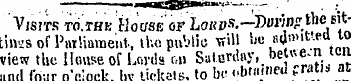
Visits to.the rloc/se of Lords. —Diirifl...
Note: This text has been automatically extracted via Optical Character Recognition (OCR) software. The text has not been manually corrected and should not be relied on to be an accurate representation of the item.
-
-
Transcript
-
Note: This text has been automatically extracted via Optical Character Recognition (OCR) software. The text has not been manually corrected and should not be relied on to be an accurate representation of the item.
Additionally, when viewing full transcripts, extracted text may not be in the same order as the original document.
Jmffl^Jjl]^ -• -' '':' .^' X1&&^ :,/ : ,...
JMffl ^ jjl ]^ - - ' '' : ' . ^' X 1 &&^ :, / ,- '' - .:: ' . ' ' : '' . ; : : ;) "; . ; :: ; j . ; .... . ; . ' .. ' , [ ' ¦
W Lr »- . .- .-
w » - . .- .-
Pebbles Ix : The Sea. Bi 3. Babkebi •T F...
PEBBLES IX THE SEA . BI 3 . BABKEbI t fh . 0 shall judge a man from manner , who shall : know him by his dress ? paupers may be fit for . princes , princes fit for some- ; thing less . ¦ ' ¦ ' ' - Cru mp led shirt and dirtiei jacket may beclothe the < ro Wen ore ¦¦ ¦ Of the deepest thoughts and feeUnga—satin vest could do no more . * There are springs of crystal nectar ever welling out of stone ; Ihere are purple buds and golden , hidden , crush'd , and overgrown . GoJ , who counts by souls , not dresses , loves and prospers you and me , ' While lie values thrones the hi ghest but as pebbles in the sea .
jianuprais'd above his fellows oft forgets his fellows then—JJasters- —raters—lords—remember , that your meanest hinds are men ! Jfcn by labour , men by feeling , men by thought , and men by frame , Claiming equal ri ght to sunshine in a man ' s ennobled name . There arc foam-embroider'd o : cans , there are little weed-clad rills , There are feeble , iuctt-Mgh saplings , there are cedars on the bills . But God , who counts by souls , not stations , loves and prospers you and me . Porto him all ' vain distinctions are as pebbles in tbe sea .
Toiling- hands alone are builders of a nation ' s -wealth and fame , Titled laziness is pensioned , fed , and fatten'd onthe sumc " By the sweat of others' foreheads , living only to rejoice , ... . . - , "While tbe poor man ' s outraged freedom vainly lifteth up its voice . - But truth and justice are eternal , bom with loveliness and light , ... And sunless wrong shall never prosper , while there is a sunny right ;; And God , whose world-beard voice is singing boundless love to you and me , _• . "Will sink oppression with its titles as the pebbles in thesea .
'¦ L&Btew9»
'¦ l & BteW 9 »
The History Of Tie Last Trial By Jury Fo...
The History of tie Last Trial by Jury for Atheism in England . By 6 . J . Holyoake . London : Watson . Mb . Holyoake has doce well in publishing this " fragment of auto-biography , ' * which is worthy the attentive " perusal , " not onl y of her Majesty ' s Attorney-General and the British Clergy— "to whom it is especially submitted "—but of all classes of her Majesty ' s subjects . During the eight years that have elapsed since the trial took place , considerable
progress has been made in the appreciation of the true p rinciples , which ought . to guide national action , with reference to matters of opinion , on subjects purely speculative and dogmatic . It is probable that the alteration in the law , which takes the initiative of instituting prosecutions for Blasphemy out of the hands of common informers , and vests it in tbe Law Officers of the Crown , will mate this not only the " last trial for Atheism in England , " but prevent the recurrence of any similar trial in future . The onl y way to arrive at the truth on any subject is , to permit all to be
said that can be said upon it . Error is the result of partial or imperfect knowledge ; and it can only be removed by having a question presented in all its possible bearings ; or , in other words , submitting it to unlimited discussion . To deny . this open and unrestrained examination is , in effect , to declare at the outset that we are . determined not to take into consideration all the possible arguments that may he presented , . but wilfully to shut our eyes upon all but our pre-conceived notions . Thisisthe way to perpetuate error , where it exiats / and it is by no means the best way of
protecting br gtrengtheningirath . - ' Granting the sincerity of those who believe that legal prosecutions for obnoxious opinions , are necessary for the benefit of the community , it remains for them to , show not only that the truth has been attained , hut that it stands in need of the aid of secular power , in its contest with error . Some , we are aware , who concur in these prosecutions , do so on the far lower ground of expediency . The unpopular opinions
may be true , but they think their open promulgation-Tin . existingcircumstanceSr-prejudicial to society . [ Now without for a moment admitting that the prevalence of truth can ever be productive of pernicious results , it is only needful to remark , that if this expediency had succeeded , in the case of onr predecessors , in stifling investigation , the world would not have made . the progress it has done—the sum total of human knowledge would have been lamentably small ,: compared , with what it
now is . But the assumption that any kind of external power is required to protect truth , in its contest with error , is a pure fallacy . It is equall y fallacious to suppose that any amount of protection from the State can guarantee permanence and supremacy to error . The interference of authority in questions of mathematical and p hysical . science , would he scouted as ridiculous . We are learning ,. we trust , that h , similar interference in speculative , moral , or
political inquiries is equall y unjustifiable , irrational , and impotent , as far as tbe settlement of any point at issuers concerned . Argument must be met by argument—demonstration b y demonstration ; or if—as in the case of Mr . Holyoake—the question does not admit of demonstration on either side , each parly ought to be content to make the best of their respective cases , and to respect , each other as sincere inquirers into a matter , which , in the present knowledge of the world is a mystery .
Apart from its compendium of arguments on the Atheistic side of the question contained in Mr . Holyoake ' s defence of himself—the work is exceedingly valuable , as throwing much incidental light , upon a . movement , the . history of which yet remains to be written—we mean that instituted by tile Socialists of this country , under Mr . B . Owen , inlS 36-7 , and which spread with such rapidity among- all classes of society . That movement appeared to die with the break up of the experiment made by the Socialists in Hampshire ; but it was in appearance only . The seed sown b y its lecturers
and writers did not . fall upon stony ground ; it has brought forth a goodly harvest , the benefit of which thousands are now enjoying , without knowing the source from whence they sprang . Among the advocates of Socialism , Mr . Holyoake , then a young man full of zeal and ardour , took a prominent part ; and his experience of the life of a " Social Missionary , " related in the first chapter , " Before the imprisonment , " are fraught with matter for reflection for all who take part in popular agitations , whether those who aspire to lead , or those whose " following" g ives the front-rank
men confidence and support . The people , too , Often expect impossibilities from those who Serve them , and the result is , in many instances , mutual dissatisfaction and separation . The talent , knowledge , and energy , which mi ght have been devoted to . the elevation of the masses , is turned aside from its natural channel into some of the safer and more lucrative spheres of action . What the people lose the ruling classes gain . To a very large exfcnt , we believe , this is owing to the . want of a clear understanding on the part of the people of relative rights and duties . They are nearly
95 exacting as the advertisers , who want governesses ' with an amount of learning and ^ co tnplishments sufficient to set up half a dozen bishops , two first-rateopera singers , and ^ ee premier danseuses , for the sum " of twenty pounds a year ; " and , like them , they can never get what they want It so happens & at talent or ability of any peculiar kind ua § its market Talueiike other commodities , jtod those who will not , or ! cannot , pay for the "est article , must , ' generally ' , he content to put U with inferior . But this is a digression—let ^ a return to the trial .
The History Of Tie Last Trial By Jury Fo...
In the course , pf Mr . Hol yoake ' s ' labours as a social Missionary , he delivered ' a lecture in Cheltenham , on " Home ; Colonisation as a means of superseding Poor Laws ' and Emigration . " At its conclusion , one of the au dience ^ cnmpliiued that though he had told them their duty to man , he had not told them ' of their duty t 6 God . " YNow , ; seeing that Mr . Holyoake did not profess to be in . " holy orders , " aud as a social missionary was only required to deal with mundane things and , tangible questions connected with the amelioration and improvement of society , we think
he would have pone wisel y to have confined himself to such questions . We thought so at the time , especially as tbe patriarch of Socialism , Kohert Owen , —the central board—the executive of the body , and the annual congress , its deliberative and legislative assent- " bly , had formally prohibited the mixing up of theological question with the new and scientific system of society ; which , as a body , they desired to recommend for public adoption . Mr . Holyoake complains in this work that " the Editor of the New Moral . World , upon whose protection he had some claim , had written no word in liis favour , " The
| reason of that was obvious enough . To havo done so would have implicated the official organ of the body ; and , as an individual , the Editor was placed in the same position as Mtv Owen , of whom Mr . Holyoake himself says ; " he is not an Atheist . " One thing the Editor of the New Moral World invariably did—he maintained , without flinching , the absolute rig ht of each individual to , the free and unrestrained publication ,. of opinions on all questions whatever , subject -of course , to the obvious 'limitation , . that where the individual holding these opinions , was connected with a public body that public body should hot be mixed up with , or held , responsible for , his personal views .
Mr . Holyoake did not confine himself within these limits , or those within which the title of his lecture fairl y warranted him iu keeping himself aud his audience . Imputations had been thrown upon the courage and honesty of the body , and Mr . Holyoake chivalrousl y threw himself into the breach . He answered the irrelevant question in a way which , gave some o f the clergy of Cheltenham , the opportunity of indicting him for blasphemy . The treatment he received from these pious personages , before and after his . trial , were certainly not calculated to convince him that he was wrong , or to render him more in : love with either the doctrines , or the system that produced such fruits .
; The volume " contains a full and an admirable report of the trial , which , of . itself , makes this work exceedingl y valuable , and deserving of preservation , as an important contribution to the history of our own times . . The sketches of gaol officers , gaol discipline , arid prisoners , during the six months of his imprisonment , are quietly ,., hut effectivel y drawn . The demeanour of the author , indeed ,. throughout , is one of calm , unaffected , self-possession and earnest reliance upon princi ple , which must leave a strong and enduring impression of admiration on the mind of the reader , no matter how much he may . differ from Mr . Holyoake in opinion . As a specimen of the spirit in which the work is written , and at the same time an affecting incident , which bears " out this eulogium , we take the follow '
mg : — When I came to leave ; home , to go to . my trial , all was calm and cheerful as usual , though there was much around to suggest uneven thoughts . On that day no otic came to accompany ine , or to spend an hour of solace with those from whom I parted . Had there been a single friend present to have made up the appearance , of society after I was gone ,: tbe loneliness would have been less bitter . As I left
the'house I heard that cry break forth , which had Been suppressed that it might not sadden my departure . Before I had proceeded far up Windsorstreet , . Ashted , I was arrested by Madeline ' s silvery voice calling " good bye , dada , "; and turning round I saw her large , bright ,, black eyes ( which every body praised ) peering like two stars ' round the lintel of the door . I am glad" I did not then know that ! I should never hear that voice again , nor see those bright eyes any more . •; , ; . = -
To turn the attention of mankind . in an atheistical direction may do harm to some . The propagationjotallnew views < ioesharm , niore or less . As in commercial speculations much capital is sunk before any returns come in , so la the improvement of the people , yen sacrifice some old feeling which is good , before the new opinion , which , is-better , can becreated . . But all the new . opinions I have at any time imbibed have never produced so much harm hi me as the prudential doctrines of Political Economy ; The doctrine that it is -disreputable in the poor to : have children is salutary , no'doubt , but it requires to beenforced under limitation . To regard the existence of your little ones as ' an expense . in which
and the gentle love of children as a luxury you cannot indulge without reproach , is to sour life , dry np affection , andblight those whose tender vears should he passed in-a perpetual smile of joy ; ' To look into the . face of your child and feel that- the hand of death , which shall hush that gentle voice , pale those rosy cheeks , and quench those animated eves , is a political blessing , is horrible . I look back with mute terror on the days when I was under the influence of those feelings I cannot dwell upon it . I would hum all the books of Political Economy ! ever read ( and I think it the science . of many blessings , ) if I could fe el once more on my knee the gentle hand of my child from whom I parted that daytoo stoical to shed a tear . - .
, After a few weeks of my imprisonment had passed away , words came of Madeline ' s failing health . Out of some money sent hy my private friends , . John Fowler and Paul Rodger * , of Sheffield , to buy hotter food ' than , the gaol afforded , I saved a guinea , and sent it to Birminaham to purchase Madeline a winter cloak—it was spent / . in buying' her > coffin . Though of perfect health , and- agility , she was one of those children who require entire preservation from . exposure , want , or fatigue . On ten shillings per week , which was all that the Anti-Persecution Union could pro vide , this could not be done , at > Eveline , then in arms , left her' mother no opportunity of increasing that small income : Cold succeeded cold , when want of more means caused them
all to go to live in a house ill ventilated , and where several were ill of fever , which soon attacked Madeline . Mr . Chilton sent me several intimations to prepare lor the worst , should h happen . Bufcl ' could not believe in the worst happening , and indeed I had yet to realise whaUhe worst . implied . At length one moraine the heavy corridor door prated on fts harsh binges , and the morose turnkey—fit messenger of njifery—put a letter into ' my hand . As it had been , as usual , broken open—for there is no feeling , not even that of affection and death , respected in a gaol—Og den knew its contents , and in endea d well
justice to him , I must say , he voure , as as one whose ability lay in his morpseness could , to speak a word of apology and sympathy . The strangeness and awkwardness of the attempt drew my attention to tbe fatal black border , which gave me sensations such as I never received before , and never shall again , for the first death of one dear to v « u . like that of the first love , brings "'"' - " . a feeling which is never repeated . I remember that some prisoner came and covered me with a coat , for I had walked into the yard without one . Capt . Mason and two friends came round , but I could not speak to them . He addressed a few words to me , but I turned away .
Then Madeline had died the death of the poor ; she had perished among the people who know neither hope nor comfort , a pledge that I shall never forsake those with whose sad destiny OHO SO dea * to me u linked . Though in the death of poverty there is nothing remarkable , though hundreds of children are daily killed off in the same way , yet parents unused to this form of calamity find in it , the first time , a bitterness which can never be told . The ten shillings per week income of the family was made up by small subscriptions by some who knew me , and by a few outside who happened to think useful tbe course I had taken . One or . two friends
whose professions had befoictimes heen profuse , Eleanor met . They were cold , or to her they seemed so . She thought they feared a continued acquaintance might lay . them under some tax to contribute to her support .. This she could never bear . Offering her hand to one who did not take it , she went home , and nothing induced her to subject herself to su ch suspicion any more . A quick and endurin" sense of independence , which ho privation
could disturb , was an attribute in her character 1 had alwavs admired , and this dreadful form of its operation I have never been able to censure . The Pnmin mother put on the armour of her son as he SentonS ?»» Mm br 0 ° S ht nome dead ftm tl , e fi-ivt without weakness - , but in that case thei strife of arms , the glory of victory , *!* sublimity of duty , audtfie applause of the senate , were so many supperls to the mother ' s heroism ; but harder far M it f , fr a mother , o bend over her clidd day byr day and ni-ht after night , and sec relentless death eat like
The History Of Tie Last Trial By Jury Fo...
a cancer into the bud - of the ¦ damask ¦ cheek of beauty , and be too poor to snatch it from the tone b —and this with no trumpet note , no clang-of arms to drown the dying scream , no incense of glory to raise the sinking heart , no applause of a generous people to reward the sacrifice-without one soul near who could penetrate to the depth of that desolation , ahd litter those words of symp 4 hy which is all which humanit y can do to soothe in the facoiof death . There were indeed ' those near who might have done so , but some could not comprehend this grief , and . otliers , for reasons of Political Economy , " did not see the good of regret" at a child dying , and they will learn from these pages for the first time that these wounds existed which , lifter eight years , are still fresh .. ¦' . - - ;
" There are homesteads ' that havo witnessed deeds That battle-fields with all their bannered pomp , Have little to compare with . Life's great play May , so-itli .-ive an actor great enough ; ' i Be well performed upon a humble stage . " j - "_ My _ dad »' s coming .. to . see me , " Madeline exclaimed on : the night of her death , with tli » t full , pure , and thrilling tone which marked her when : in health "I am sure he is coming to-nigfc , mamma , and then remembering thaLthat could not be , she said ; " writ *? to him , mamma , he will come to see me ;"• and these were the last words she utteredand all that remains ' no wis tho memory of that cheerless , tireless room , and the . midnig ht reverberation 61 that voice which I would g ive anew world to hear again . For her father , ho was debating in incoherence the vain proposition , as to whether he could prevail on the governor t ' o'let him go home for one . night to smooch and watch over that dying pillow , and ; hc would-cheerfully and-gratefully-have expiated the privilege , by six or ¦ , twelve months' additional imprisonment .
The Girlhood Of Shakespeare's Heroines. ...
The Girlhood of Shakespeare ' s Heroines . Desdemona ; the BJagni fco s Child . Talc IV . By Mar y Cowmen Clarke . W . H . Smith and 5 on , 136 , Strand . ¦ Is . this tale we have the same genial a , nd discriminating spirit " which has characterised the previous numbers of this charming series—we were going . to say of fictions—but the . word would be really inappropriate . They deal with realities throughout ; and those , too , of the gravest and most important . character , both to individuals and . to society . Mrs . Clarke never , for instance , loses sig ht of a princi p le , which , when rightly understood and duly appreciated , will be found to contain the germ of one of the grandest , most radical , and most comprehensive resolutions ' recorded in the annals of mankind . For good or for evil , every look , word , and tone—every influence , animate and inanimate , with whichchildhoodcomes into contact
- —stamp their impress upon it , and contribute to build up the matured human being with powers of reacting again upon society , either . beneficially or prejudicially . Philosophers have taught this great truth from the days of Plato downwards . In themidstof the Babel that surrounds us we hear occasionall y an Educationalist trying to call attention to its paramount importance , as the foundation upon whiqh
alone a hew superior Social superstructure can be securel y laid , and gradually perfected ; As yet , however , ' we . have made but small progress in . the practical application . ofithisgreat and salutary princi p le . Perhaps the dramatic form—the perfect truthfulness of Mrs . Clarke ' s delineations , and their striking developments and practical results , will tend morepowerfuil y to arrest public :. attention than graver and more laboured expositions .
The influences amid which " thegentleJady wedded to the moor" grew up to womanhood , are exquisitel y adapted to the formation of the character , as presented in the noblest and finest of all Shakespeare ' s plays ., Brabantio , the Magnifico , son of a harsh - and tyrannical father , but with an inherent wilfulness equal to his sire , marries in secret Erminia ,. the daughter of : a decayed nobleman—who , after having served Venice , bravely ' on the sea , ' has fallen into the ' double aifliction of blindness
and almost beggary . While the father lives Brabantio keeps his . marriage concealed , and visits his wife in secrecy . At his death he takes his way to the obscure quarter , ' where she resides , in order to bring her forth the coroneted wife of a Venetian Magnifico . ; Arrived at the dwelling ; he determined , as he had often'done before , to steal quietly to it ; ' and indulge himself with seeing his wife before she was aware of his approach . No sooner . had he raised his eyes than he beheld . her whom he believed to be as spotless as the ' unsunned snow , clasped in the arms . of a , stranger ; and returning his
caresses . At Jihat sig ht all the imperious passion of his nature burat forth ^ -rlie : darted into the chamber , overwhelmed his . wife with reproaches , and left , her as abruptly ,, / without pausing-for explanation .... The stranger ,-was Erminia ' shrother , ifiratiiino , who . had . been supposed to be ; lost in shipwreck ; butmiraculousl y preserved to come . home and see his sister give birth to an infant under . circumstances of ; painfo . 1 excitement .. - Believing , that . the . child is the issue jof . shame , ' the blind old . man dies broken-hearted ; and Gratiano . hav-ing , not without difficulty , gained access to Brabantio ,
sees him carry off his wife and child : to his palace , whither no . persuasion can induce . him to folip-vv thein He disappears immediatel y afterwards again from Venice , and does not re-appear again till after , , a . long captivity to the Moors , and . when Desdemona has grown up to womanhood , with her character decidedl y . mouldedby such , influences as , surrounded her g irlhood . . Brabantio . becomes insensibly proud , arrogant , passionate-rone before , whose : Caprices every other will must bend ; Loving his wife and child fondly ,, they , are , at the . same time , in this eyes . only part of . the material , b y which he can show his greatness ,: his riches , and his state , to the t Venetian people . The
gentle , modest , and unambitious Erminia , . would havc . beeu contented with far less glitter and ostentation ,. but she . insensibl y shrunk from any open remonstrance against the desires of her . husband , and compensated herself by following her own quiet and . charitable instincts in private , and at times when it did not interfere with the stately . and gorgeous etiquette prescribed b y the Magnifico . In this manner , Desdemona grew up the companion of her mother ' s visits to : the poorer , quarters of the city , in search of objects of . compassionand grew-, at ; the same time , accustomed to following the ; bent of her own mind , without reference to the ostensible will and the routine
prescribed by the master of the palace . Her nurse , Marianna—the wife of a poor fisherman—andher two children , Barbara and Lancetto , are assigned their due influence in tho development of character . At length Ermina dies , when her daughter is on the verge of . womanhood , to the deep regret of her husband , who , with all his imperiousness , fondly loved her . D . esdemona strove to derive consolation from a more correct performance of her duties . At home , ; she was the presiding genius ; abroad , she imitated the benevolent , unostentatious charities of her mother . Like
her ,. , . she shrunk from thwarting her father , and , pursued her own peculiar path , separate and independent . Thus trained , Gratiano and . Othello appear upon tho scene . Her uncle is installed at the palace , whither , also ,, often comes the valiant Moor , whose narratives of danger and peril moved so strongl y her pity or love , and who at length induced her to relinquish her father ' s home for one to whom she had given , clandestinely , her whole soul .. . We quote Mrs . Clarke ' s description of the first meeting of Othello and Desdemona—a meeting from which such fatal
consequences were to flow !—. And now took place the event to which all Venice had been eagerly looking forward . The Moorish captain , Othello , general of tho army of , the Venetian state , made his entry into the city . He was received from on board his galley , by the duke himself , and all the ' - members of thei senate , There was a public entertainment given in the open air , in St . Mark's place , at which the magtvincoe ; the chief families , the most distinguished members of illustrious . nouses , and all the hi g hest nobility of Tenice were present , to welcome with due honour , the return bf the victorious wa rrior . "
In virtue of his naval rank , Gratiano was one of the guests . In * 11 that fair assemblage , as may be supposed , tbe individuaUwho most attracted his attention , was the valiant moor , Othello . He was
The Girlhood Of Shakespeare's Heroines. ...
SlSSir ^^ nefwhom he he % d so Sen ' rSft £ asy 6 t ' tttoppened , he had never Cyprus JaSJ ^ M ' ¦&* & t Rhode 3 ' ^' thTservf ce ft- P ce ' Vtee his vicissitudes in I £ L » i ! -0 / ' ^ country had taken , him-. «»!» everywhere , - he had' heard - ttfosviwral spoken of mm one accord , > , trujy noblo , an accomplished soldier , a sfcillul commander , an honourable man , high in virtuei as uvrsnovmr . All that he now saw ot . tboraans bearing went to . confirm the charaV ™ t iw me ^' g'vehWm . ' -He - seemed noble 3 L , bles ; distinguished among the distin-E . on ^ - M > ff th » -awiouMd ;; full of ShlL ? r ^ oi *» ified and worthy of the So n „ , f -f ? " ^ . c by : the rhi ghest ; personages « £ SLi i thosido <> f even ducal magnificence , and iestic ,-heroic in soulas iu achievement 0
, . l-Wofll int ««« f ^ ' ^ ^ iVn 0 te PfeVS 011 W" 0 . JiiS . -f- v Grat , ano ' ' ^ stlle senator , Krttv II hlsbr . ° ther-m-law .,. With , what a con SSn . S « W ^ did I'e . onco more ' look upon 1 f t ™! i ? ° - lad P ia y ed so conspicuous a part in ™ , t 5 S » -1 * ?* ? - With what mingled -sadness and pity did he look upon the face once so handsome so hery , so ' animated , which had won the heart . of bis sister Ei-miriia , now . worn : and thoughtful , with aturrowed brow , and , a contracted lip ; the hair , once bright and thick , no w thinned , and greyish ; the frame , before so erect , alert , —so full ° f energy , Of will , and notion , now somewhat bent .
ana •• entecWed . - Yoiuw had left their traces upon the haughty , nobleman . , At the thought , that it m ° i } t- F ot for . El'minia , whioti-tuui . helped to cttcctthis change in the . person of her husband , her brother felt that he could forgive him all the pamhcjiad caused , and that he could nowciasp his hand in friendship and fellowshi p . He resolved in his heart that he would ere long do this " ; ' ti > at he would seek Brabantio in his own , house , and for his own sake , as he bad formerly shunned tho house on his account . He would be friends with ' that man who had loved Erniinia faithfully ; and wiuM . mou . rn hir with him ; in , kindness and . sincere affection . Henceforth ; they should . bejiro . tliers . ' .... _ There was ano ' theB motiveitoo , that drew Gratiano ' s heart towards , hirru Beside tho magnifico sat a young lady of exquisite . , beauty , who , he felt
could be nq other than Erminia ' s child , —that Same babe ivhoso . bii'th . ho had . witnessed , whose ' first breathbad been drawn attiitl SO Diuoh of anxiety and-agitation ; " - - - ;¦ - ¦ - How strange it seemed , that the little infant lie remembered , and that beauteous maid before him , were one and the . same being ; . and yet how ineffably precious . was the sight of . her ; thus grown intosueli consummate grace and loveliness . What joy it would lo to know her and to lovo her , for her mother ' s sake , and for her own .. ' " And that supremely , beautiful creature is my niece-my own niece !' ¦ ' was , the thought that con . tinned to fill him with pride and joy as ho looked upon her . -
¦ ' « You are fascinated , signior , by the beauty of the lady JDesdemqna , signior Brabantio ' s daughter ;" , said ' ah ilderlygentleman ,.. who happened to be closoibeside Gratiano , and observed die direction in which bis gnzo was fixed . ¦ "She certainly looks transcendantly lovely to-day'in that satin robe of virginal white , and . with those orient pearls banging upon throat " and arm ' s not less pure in huethan themselves . . 1 ; don't wonder at your admiration ; it is shared by us all , younjj or old , it is
just the same ; wecan none of us resist the cliavm of her-beauty . Thoyoun « fellows , of course , are all mad for her—itis the privilege of tlicir ago to ue as insane as they please , on the . chapter of women ' s beauty . And as for us old fellows—but I beg pardon , signior ; fought riot , perhaps , to rank you amoug the grey-bsards . " ¦ j " And yet the grizzled hue of mine , bespeaks , me far ori my way towards a claim to the ' ho noiir ; " remarked Gratiano , with a smile ; 7 and touching his chin-as ho spoke . — '
. * . « Well then , signior , ' since yon allow yourself to be a candidate , for those dubious : delights , the respects and dignities : of age-r-ah , . .-one hour of disregarded youth , is , , l .. fear , in truth , worth the whole of their , glory I— but , . since you iillow yourself ^ to be be no longer ybitng , we . may cry . cousinship in regret , and condole with each- other on being beyond the hope of - ' swelling the train of the lady Desdemona ' sadmirers . "' J ; . : "Nay , admirers oven adorers , we may be , though at .. humble and age-stricken distance ; " answered '
Gratiano , humouring the old . gentleman ' s playful : riess ; . " ¦ but as -to wooers or suitors , ' many reasons would prevent our ; aspiring to ! swell her train if those , 'I fa , $ f ? :, Her . father ' s pride of birth , for iiir stance , would be one serious obstacle , doubtless , ti a poor sailor . like myself ,. who'has nothing but his officer ' s pay . i and his good sword to entitle him ey ^ n to approach the magnifico arid his daughinr . " ! | - . "trier father ' s- ' pride V 0 , ; ay , signor Brabantio hais pride ; assuredly ; li ' o . hes ' already refused miiny worthy , gentlenien his . . . daughter ' s hand , " , on the score of lacking blood worthy to mtngie with his . " ,
. ' «« And"do < 3 s she . herself appear to favour any among this large train of ' . which you speak ? Is | it said ' that ' . she .. has , yet shown , a . p . re ' f <> rence for any suitor above the rest ?' - ' : naked . Gratiano . . ¦ : ; _ "On the . contrary , she seemsnvmo from marriage ,, and has encouraged no one ; of the numerous gentlemen who have , hitherto paid their addresses . Her father does not ' urge her to select > . 'husband ; ahdho wonder lie is not in a hurry . ' to part with his only child —and such a child J" . ¦ ¦ ' : ' ....: *• ' ¦ ¦ : . ¦*• . ., .:... * :. . ;*¦ : ; ; , ; ' -f But see , thevo is a stiv ; among the ' group yonder ; " said the old gentleman , 'interrupting himself , to note what was passing . . " Tlie duke it presentirig . thi ' general to ,, some , of- his . , particular
friends . imong the magnates of the state . Now- he approacbOH -signor Brabantio ; and . introduces . the valiant . Moor to him , - and to his" fair daughter . With what ' a modest sweetness- she curtsies . -Jfo wonder the general looks upon her with . such eyes of admiration , Itold : you so ; we all do J—young or old—soldier or civilian—native or foreigner—fair or dark—it ' s all ono ; and ; the ' Moor , for all his swarthy cheek ; jmd his warlike _ yisage ) r-rtliat has seenmany ' as torpy ^ | I take it—hath ; yet a fire m ; his , gaze that ' shows neither years nor vi & h have blinded , him to , tlie beauties , of a ! fair . Venetian lady , when she stands before him in her full perfection ,- as she now d » es in . the-person of-the divine Desrfemona . See . sir , I
beseech you /' . weht on the old gentleman " with what a . winning . grace she . stands by herfather ' i side , the unconscious mark , of : overy , eye-shot , tlie theme of every / tongue , the observed and admired of all beholders ; ; yet ' . ho ' w serene , how self-pos-essed , iti her gentle innocence and unconsciousness she remains '; tbegerioral seems a ' ddicssirijrisome ' words of courtesy , fy . her ; and . mark , how lady-like her ease how maidenly , her attitude ,, as she listens . She ; is the magnifico ' s childin her gracious air of beauty and dignity , while she mi ght bo , a c . otterls daughter , for the -meek ' " propriety , the adorable gentleness , which , above , alt else , distinguishes ' her . You will smile at my . raptures , jsignior .. ¦ ; but , in truth , the lady D . esdemona is worthy of all enthusiasm . " , . . ,..-,
VI doubt it not , believe me signior ' ; " replied Gratiano ; "it needs but to look upon , her to . read tho simple justice of yonr ; words , however ' high their cxtolruent . The lady . is indeed a rare creature . " ; ., ' ¦ — ¦ ¦¦ And oncomore he repeated within himself—" and she' is my niece—Ermihai ' s chiid-. my o wn niece !'
Tail's Magazine. March, London : Simpmn ...
Tail's Magazine . March , London : SimpMn and Marshall . This is by far the best number of this popular periodical Ave haye'feceritl y seen .- Its contents are agreeably varied , ' light ; ' and instructive and written with more . than ordinary vivacity and force .. The . first article , ' on- , ( Tenant Right and Farming Leases , " discloses a state of things in this country which ,, even on the
high an d unimpeachable authority adduced , will excite some incredulity in quarters where tho subject has not been speciall y investigated . If the question of Land Tenure and Tenant Right has not assumed the same prominence in this country as in Ireland ; it is not . because of any superiority of the law on this side of tho Channel , but , simpl y , because somehow or other we can contrive to make very bad or in-, efficient instruments , Turn out much bettor work than might be expected from them .
The necessity for leases , with compensation clauses for all unexhausted improvements , is generally admitted to be the basis of all improved agriculture ; and has become , an imperative ni cessity , if the soil of England is to be cultivated . in accordance with the growing wants of its population , and the discoveries of modern , science in this deparment ol industry . But it appears that there cxis ' s a formidable obstacle to tho granting of such leases , in the nature bf the tenure by which the immediate owner *
hold the greater part of the land of thin country . It is estimated that more ' than two-thirds of . it are held under settlements . and lees than one-third in fee simple . ! Of these two-thirds , the holder in possession for tin time bein g "has nd power , to g ive the farmer security for tlie enjoyment of any fixtures be may put up—any building , he may-erect—any drainage , fencing , or grubbing he may do—or any manures he may leave unexhausted in the soil . " The tenant , in fact , has no legal right to any legal compensation for improvements ,
Tail's Magazine. March, London : Simpmn ...
except "there be a custom , in the p »« nty for the tenant ; at the exp iraM « a ; uf . nis term , to bold on . ahvW'i ' t 0 take away a ny part ; o = J tiio proof of the custom lies on . the tenant , ' ' The law aud cu 3 toms ,. ancl its practical results , are thus described ;— - Mr Wingrove CooUc ; states the custom in existence in tho different counties .. In about seven , customs arc either formed or forming for giving compensation to an outgoing tenant for unexliausted manures ; in all ' the others , ; some custom exists for giving the oiitgoera portion of the corn crop which is upon or in . the ground when he quits ; but in no one county - . throughout England is there any established law-recognised custom for compensating
a tenant for fixtures , ' buildings , machinery , or evijii , as it should seem , for fencing and draining . Even where these customs exist they do not—except the ancient way-going crop custom-attach to the land ; that is , they only bind tho immediate -parties , - anil do not protect the tenant after his landlord ' s interest in the land has ceased . ; Such is tho position of the English farmer . He sows , and . he hopes to reap ; ' he . gathers and he spreads his manure , and he hopes to enjoy the inci-easeafruitfulness of his land ; but his crust is not in the law , it is a trembling hope of equity 5 » his landlord . s 0 long as no difference arises abmu ' J !? , K " i so long as the-agent is frtendlv and the landlord ' s interest continuesallerh . W
, , p , goes . well ; but the tenant is never alloweil to forget that this is entirely upon sufferance , ' that at any six months ' notice , a scrap of paper , with che significant words / 'notice to quit" upon it , may strip him of . . every farthing he h : isexpcndeil . up .. u his farm , and turn him naked upon the world . And yet we wonder that men whom the law places in such a position aro . n'dt a class of capitalists—rn ^ n of . intel . ligehce , scientific artisans , enlightened chymists , skilled to know , how ,.. and how ( hest , to manufacture bread , and beef , and . mutton , from t ' lu elements . - Tho history of man has been written and conned to little purpose if , ive'do not , at this tim .-of day , know that uneertainty and dependence can only produce an . ignorant , unenterprising rac » ,
shrewd , to elude the will they cannot resist , risking as little as may he upon the favour of the superior , and careful to invite no special' notice li y deviation from the beaten tr .-iek . The position of a tenantfarmer , who proposes to himself to work capital into the land has been . well illustrated by many ul the witnesses before the Agricultural Customs Committee . Wo will citootio instance ( p ,- IWJ . )—it is given by' Mr . ' . Bennett , of Bedforshire , in answer to a question from Mr . Henley . . "I believed . there . would bo . more capital employed in farming if there ivere more security ; that the capital would go into the cultivation of tho land . Now people are afraid of it ; because , under this precarious tenure , they do not know whether they
are going ' to be permitted to stay to take the benefit oftheir . own outlay . I can give a striking illustration of that . I met with a . gentleman who was not brought up to farming , but his health was rather bad ,, and ho had got a niceish property , and was induced , by his friends to hire a farm , which he did . It was a poor farm ; that is , it was noted vather . for its poor crops—I should say , on a grateful soil , that would \ ny . well for good management . He went ' to work upon it in a good spirited manner , and he soon made . it the admiration of the neighbourhood as regarded tho crops . It was talkud ' nf upon the market , " what . capital crops were grown there , lie went on very well for seven , or t-ii . »!) t , or nine years ; but , though , he knew notning nft-hc sort , the estate was so circumstanced , thac it was required ^ when one . of , the members of the family died , that it should be sold , and it was put up to auction . with four or five other farms in the
neighbourhood , - and it was sold . Tho new proprietor came to the occupier after , he had bought it , and said , ' . Well ,, sir ,. ' you ; , are a very ' good farmer , I should wish . to retain ypu , Jr uut I have given a high price for this land , and I must have an increased rent ; I must tell you ; -honestly . However , you and I will not squabble about it ; I will have a person to look ovecthe'farm and see-what it is fairly worth . ' , Tho farmer knew he was in ^ -pretty ; fix , and he found t ' h ' at . ail those improvements heihnd made were in fact put into the pockets of the landlords who had . sold- tho estate , and that , if he held it afterwards , he must-pay a rent for his own improvements . He took the farm for a year or two , ' and got out . of it as much as he could , and then gave ; up the . farming , observing to me , ' Whenever I go to farming , again I will have a better understanding as to who is to have the benefit of my improvements . '> " : ; ¦ ¦ ¦ ' ;¦ ; .. The . vemed y of the writer is thus stated : —
We think we . can point out in ten lines how a tenant-right may be given , and . our oM nobility yet preserved ., It is this ; abolish at once all-your . commissions , fori . agricultural objects . Inclosures , tithes , ' , copyholds , j drainage ^ -woods : and ' . 'forests — what need of separate boards , commissioners , assistant-commissioners , secretaries ; under-secret ' arieg , . clerks , officers , ! messengers ; and porters , for objects so essentially identical ?'' ,. Have one single commission . to . do ail . the . wdr . k , ' and . it will ; be better done ; give this commission jurisdiction to stand between a 'tenant for . life and . a remainder-man . In three months ' aUthis ' part of their , work will be matter , of form . ' . , 'Tliiy will inquire into the whole bearing's'if . the matter , settle . certain general . forms ofagvuomenta which . will moot ninety-nine , easels out of a hundred , and will deal specially with the hundredth . Add a power of . arbitration between a- landlord and his ; out-going- ' tenant . where / thorn 1
lias been " no agreement , with full authority to award . compensation for real uncompensated improyertients , and agriculture will , be . free arid settlcmentfunscatbed . ; . Moreover , you ; wiJJ save a great many thousands a-year in salaries and offices , arid will not have to pay £ 10 , 000 a-year to an attorney for giving his ; advice upon every small point of landlord and tenant law to a board , which seems to have been curiously , constituted with a . view to the production of an unspotted incapacity . ¦ Alas , we fear this is too much like common sense ever to find' favour in official quarters . There would be a long bill to draw , . many difficulties in the Commons , move in the lords ; much work for tlip . . Wir . ist ' er , more for his clerks . : But-we take heart when we seo the gaunt figure , of freo . trade , with his flail of low prices / threshvhg ' out the rents , lie presses'hard upon you , . gentlemen landlords , and in one direction or the other you miist move on .
"Craigallan Castle progresses leisurel y , jut interestingly . ; "The Pearl Divers " , is » capital story of Mexican life , which , but for want of space , we should have liked to transfer to-our columns . A series of papers by a working man , under the head of " The Working Man ' s Way . in ] lhe World , " is commenced in this number , which wo shall follow with interest , and when further advanced venture a , more decided opinion than we how venture upon . The writer has in the present paper
just completed his apprenticeship as a compositor in Bristol , and sets out on his way to the Great Metropolis in search of work . A wider aud . more stirring arena , will therefore be opened in his next " section . " In the meantime , we may say that the author possesses considerable insight into character , and the knack of hitting offits more prominent features easily and graphically . I . The manly address of tlio father to his . family when , after a reverse bf fortune they find themselves in Bristol , is quite after our own heart : —
"We have left behindus in Devonshire the station which we once he'd , but we havo . also left behind ' us an unspotted character ; and if we have lost all , we have at least the consolation remaining that , nobody lias lost anything by us . If wc had slaved much lonjrer where we were you would have heard , in a much less pleasant manner , than I now tell it you , that your father is a ' ruined man . ' Such is the phrase'the world uses in reference to cases like mine ; hut remember , it is only a phrase , a piece ot cant—the cant of the prosperous : a man is no more ruined because he is stripped of his means of spending than a tree is ruined because it is stripped of . its foliage . Tho simple fact is just this , that we must work harder and live plainer than we hare done ; and we must all work , every one of us that can , to procure food and shelter for ourselves and for those that cannot . "
Here is a sketch of a "WORKING CLASS Philosopher : •—• When I had just , completed my sixteenth year , one of our apprentices , having finished his term , left us , and his place was filled by a London hand , . who was . a . confirmed , and , hacknied . freethinker and leveller , and who laboured hard to indoctrinate us with the then new notions , He was thoroughly master of all the deistical dogmas of the day , and would talk eloquently and well by the hour together upon the monstrous juggles of priestcraft , and the im-onceivablo folly of those who afforded them credence , lie made selections from the Old and Sow Testament history , which he read aloud , and
unon which he dilated with a force and eloquence ihat would havo done honour to a barrister . With the most plausible reasoning . ho united the most , cutting sarcasm , and with a show of the most generous candour he would invito our replies to his propositions , or challenge us to produce tho arguments for our faith : woe to the unfortunate who had tllC tom « rity to iieeept his challenge . . He . wns atill better Versed in disquisition tl * anin reasoning , and overthrew every objector by the force of metaphysical argument , and the power of his lungs . Thouih I had been too early and painstakingly instructed in the doctrines of tho Christaiu faith not to he able to render a reason for adhering to it , I was yet too young to pretend to be its champion , especially against such an antagonist . I therefore held my
Tail's Magazine. March, London : Simpmn ...
peace , but . unhappily did not continue to hold ' my faith in the same reverence as I . had hitherto done . It would havo been better for . irie if I had . I , was not awaro at the time that the tirades of Maifc ' n ( such wa 3 thename of our deisfcieal declaimer ) were produemgany . effect upon my own mind . There wore many points in his character which I could but admire . He was by far the host . workman we ever had ; bo was open and generous , and ever ready to assist his follows in any nossiblo ' wav .: Efo possessed a fund of information upon all popular topics and knew much of the porson . il historv of the
publici cluiyactm of tho day . Ho had travelled all over J ' . ngland , and wrought in most of tho principal towns , and had received a substantial testimonial , at a period when testimonials were ' not hourly occurrences , for his successful advoeaev of the right ;) of the working man upon tho occasio'lt of a , strike in ' the north . ' Upon overy . topic ,. moreover ,, except Christianity , ho reasoned gently , and modestly , and was the means and medium of much pleasant and useful information to . his companions . He was a great admirer of Franklin , whom he . was continually quoting , and whom he confessedly made his model .
The writer goes into the " shop" for a liinirod period . His " experiences " behind { ilfl COtlti tor arc worth extracting ;¦—-A * tlie trade we did , though not contemptible in amount , was not sufficient to require my continual attention , I found time to read a eood many of tho books with' which tho shelves were stored . The " Age of ltcason" was among " tho first ; and , in order that , both sides of the question tni ' trht be fairly presented to mv mind , was immediatel y followed by Bishop Watson ' s "Apology for the Bible . " I "fii-. tikl have read neither . What mischief tho infidel writer effected the Bishop failed to repair . The iron Hows of the former remained indented np'in the tablet of my . memory , while the godly rejoinder of the latter soon vanished like a summer
•• -loud . Happily , the poisonous seed took noimnie ' liatc root ; my spirits were light and . gay , ! and the thoughtless vivacity of youth , so often the source ol evil , was , for a time at least , my protection from it . What sufficed , however , to give move force to the ol . jpetor against Christianity than even his own matchless effrontery , was the insight which my new position gave me into the habits and practices of my employer , who himself enjoyed a hrsfh reputation as a rc'igiousand concientionsman . By la ' s singular management , the same aniele . was constantly sold to different parties for different prices . Like . Rohin Hood , lie gave the poor , in some decree , the benefit of the contributions he levied upon the rich . Paper from the same ream were sold in quires at a price twenty pet' cent , less to the tradesmen than to his more wealthy
custom-rs . Ho piously carried his gallantry to the ladies to a . still greater extent , condescending to accen' at their hands nearly double the value of their purchases . I confess that , on the first discovery of these peccadilloes , to which I was expected , and inilc ' ed compelled , to afford my complicity , Icouldnot think of kneeling at his family altar without a feel ' iug . uf disgust and rontempt . But , so true is it t hat , habit reconciles the mind to everything , this feeling soon worn off . I began to' consider such things allowable in business , ahd to look upon the incxperience ^ ind want of judgment of the . buyer as tho lawful prey of the shopkeeper , Wo give the closo of the career of the water-drinking-free tliinker—it is painted- 'in very different colours to the pictures distributed by the "cracious "Society for Diffusing Christian Knowledge " : —
. At the , end of a year I returned to my frame in tho office , according to my stipulation . Jlartin was ill , often absent from weakness , and not able to d' » much work when present . He had caught a chill through incautiously bathing while hot . and the doctor had ' warned him that the consequences might be serious , if tint fatal ,. unless he used great caution . As be used none the admonition become a -yerficiou . s . prophecy ; the cold settled upon . bis Uvrig * , and he . soon fell into a rapid decline . " Ho would walk into the office in . the fine summer days , and , seating himself among his old companions , would discourse , as he h- < d been used to do , upon the folly of fanaticism— his term for religion —and t . hc moustrousnes * of priestcraft . It is visual
to describe the latter days a tl death of men of his character , as scenes of horn- ' r , . dismayi and despair . I know that , in the ease of Martin , there was-nothing of , tho sort . The reason may have been that ho had no doubts . It was no ! in his nature lont ? to doiihfc upon any question ; if it was ono in . whie » ho was concerned , he would have ' settled it speedily one way or another ; ' and if not , he would have dismissed it from his mind altogether . He suffered bntlittlo violent pain until -th « day before he died . Up to that period he had s- ' ught amusement ! in cheerful and entertaining books . A child of ; his . landlady rend to him as he lny upon a sofa , while ho endeavoured to ' fancy , himself , as he said , a .
gentleman of fashion paying tltu penalty of a debauch , lie sent for my ma-tec when his last hour was at hand , who hurried off to see him , in company with the parish parson ' ; but Martin vohld hear . no prayers . . " J b » vv im . f . ime to spare , " j-aid he , " for frivolities . " "Then , after a pause , "I have ' aimed you faithfully . Mr . ¦ Cousins . You will attend to my last request—will you ' not ? " Tho old mnn gave bis promise , - " ' " ' . Post that letter , after lam gone , and bury hid at S r-. It ' , is a pretty place ; ami- , if my ghost walks ,, there will lie pleasant places to . walk in . " Tho letter was addressed to a poor girl to whom he was betrothed , Hnd reached Her the next day . She earho down to his funeral , and saw that his las-t desiro was ' sratified .
"A Little 'Difficulty' in French Literature " , is an amusing - account of proceedings connected svith the late duel of M . O . Hu | o , son of the ; eminent author-:-and M . Vieijiiot , the younger , as proxy for his father , the offender—but who , -being sixty-seven years " of age . could not bo asked to-face the young fireeater sword in hand , for having called him ' , a gad-fly onthe tail of M . Curlier . A story like this' more effectuall y exhibits the difference of tho people , and the public ' opinion" of the . two nations on opposite side ' s of the Eng ' fish Channel , than the most elaborate essay . The writer is , however , good-humouredly severe Oil M . 'Victor ¦ ¦ Hugo ; tho great apostle of the Peace Congress at Paris , in 1849 , for giving
his explicit authorisation to hia son . Reall y people ought to , pay some attention to " : ippeaniiices , " and if consistency is a difficult or an impossible task , men like M . Victor Hugo , should assume a virtue if . they have it not . Mr . Gulden ' s answer to Captain Anton Smith ' s challenge , showed truer ' . ' couragr Jihd chivalry than M . Hugo ' s deference to tho socalled - '"laws of honour , " - and . had ,-besides , the merit of consistency .. Miss Frances Brown contributes a tale of the "Burning of Belfast Castle , " which keeps tlie attention of , the reader alive ; aud tho ativeious system ; of poisoning by arsenic , which has lately disgraced many parts of tbe isl . md , is < -ffecti * -i !] y shown , up in the "Philosophy of Murder *" The writer says : —• .
In death by poison thevo is no marked offending against , the natural laws of death to shock the instincts , of tbe murderer ; ho docs Heaven ' s own work on Heaven ' s own plan : a consideration fraught , with influence . No scone of bloody stviff , ot a life bursting our , strong and fierce , from that ugly wound he made , comes hack in after times to fri g ht the ., murderer in- ' . lonely places ; on the oth , er hiind , he sees it to he a gentle oor . ine away of li t ' ea kmd of diarrhoea / lie sees his victim , mayhap , hastily and unletly conclude his worldly arrangements , ftiro directions for his funeral , call his family about-him—die unconscinus and utta > - using ; and he may sleep ( we may imagine ) three thousand vears , and only . then discover , at tho = ast from
dav , that it was not God who dismissed him his unfinished - work—but his Father or his wife there ! Poisoning is murder of a quiet , unobtrusiv 0 delicate kind , offending neither eye nor car ; murder that a lady m »> bt do with clean hands-. that even Macbeth mi ^ ht have found some COintort in . "Out , out , damned spot ! " That roil s-pot diffused and multiplied , eternally . Once reflected in tlio murderer ' s eyes , with all the obstinacy ' of blood it fixed itself there ; and wherever ho looked there was still that "crimson cloud before his eyes " —unless , mayhap , he looked to Heaven . Hut bail'Macbeth beoir only a poisoner , he would havo mounted a hat-band . aiid . the . throne with v ^ vy much less compunction , though , morally , with very much more guilt .
The other , articles ,, including that , on " Budgets and . Bunglers , " makeup a very bupwior number of Tail .
. Publications Received. ; The Palace Of...
. PUBLICATIONS RECEIVED . ; The Palace of Industry . By W . J . B . Saunders . Eiiinwhani Wilsyn . Tin Wanderer' and his Ihmt . By A , T ) e Lmimituje . , ( P .-i ? 1 on r L'brarr . ) Simms u ml M 'in tyre . CMiuce- 'y .-Jleform-Tracts , ' Effimrlmai IVilSOII . . . The National Instructor , Part II . New . . SlTieS . ' Pavcy , Holy well-street . '
Visits To.The Rloc/Se Of Lords. —Diirifl...
Visits to . the rloc / se of Lords . —Diirifljr the "it-Unas ofPttiKomeiit , tho public will he admitted w view the House of Lards r , » Saturday , , betwe-n ion and four o ' clock , l , v Uckais . to br «; bt « inea gratis at the Lord Chamberlain ' s office , Abinguon-sl eet , on any Wednesday , between eleven and four o clotK .
-
-
Citation
-
Northern Star (1837-1852), March 15, 1851, page 3, in the Nineteenth-Century Serials Edition (2008; 2018) ncse.ac.uk/periodicals/ns/issues/ns2_15031851/page/3/
-