On this page
-
Departments (2)
-
Text (11)
-

4 THE STAR OF FREEDOM. ^ . L May is. ^
-

gcttceg am &m\mx# to ©orwoiHtento
-

3. T., Birltenlieaa.— We regret net bein...
-

TIE HAE OF FE1ED0I SAT5JR3A5T, iSAY to, 2S3S.
-

THE BMTOS ABROAD. There was a time when ...
-
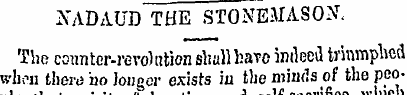
XADAUD THE STONEMASON, The counter-revol...
-
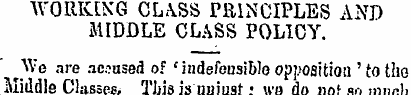
WORKING CLASS PRINCIPLES AND MIDDLE CLAS...
-
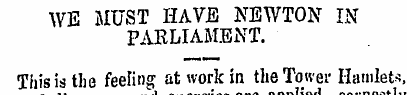
WE MUST HAVE NEWTON IN PARLIAMENT. This ...
-

THE MARTYRS OF FREEDOM IN EXILE. Sufferi...
-

. NOTES. •n.nm S S"i llAI, L . DKFEAT '-...
-

FACTORY MOVJEMENT. TO THE EDITOIt OP TUE...
Note: This text has been automatically extracted via Optical Character Recognition (OCR) software. The text has not been manually corrected and should not be relied on to be an accurate representation of the item.
-
-
Transcript
-
Note: This text has been automatically extracted via Optical Character Recognition (OCR) software. The text has not been manually corrected and should not be relied on to be an accurate representation of the item.
Additionally, when viewing full transcripts, extracted text may not be in the same order as the original document.
" Literary Confidences And The • Star Of...
* . ' LETTEES FOR WORKING ME- V . ^ l- * % _____ " * No . IV . —Masiiooo Sc tpbace . . TO THE EDITOR OF ME * STAR OT ¦ JKEBjg » . SlB ,-In my first letter I pr oposed a rieans of asceiteinmff , at the next General Election , fbe real sense of the country ; and ri » that we should peUtion against a ll members of Parliament who refuse to acknowledge the right of Mannnod Suffrage . I should have bean content to use the term Universal Suffrag e , which is pretty generally understood , but for the « reat amount of quibbling v . * e have had about
that term , under silly pretences of universal , meaning women and children , as well as men . Literally , of course , it does ; and perhaps some of these corn ct phrase-monge rs will tell us what the ' whole people ' means , literally . For I find those who strain at this ' gnat' of universal ( all the while perfectly understanding the sense in which the Chartists have ever used it ) make no faces at swallowing the Parliamentary Ki & imer ' ' camel' of a garrison of tin tcnote people to keep out the million or so vot include ' . among tbe' trJmkjoeonle . ' Bat I will use the term Manhood ¦ Suffrage , as exact enough for the mos : logical among { hem . The question I now propose to consider is :
why the sense of the ccuntry should he taken upon that one point , and that one point only , when so many questions are supposed to ha agitating that very susceptible and easily-excited tody which we call the public ? Wluit are these qui aliens ? Papal Aggression ; Tenant-right ; Rig hts of Labour ; Free-Trade ; Education ; and the suffrage iu a variety of Ehapes . —For tho first—Papal Aggressia , , the sense of the country is not to he ascertained ; but onl y a . Tast heap of the nonsense of the country about religious liberty , and the rights of petty foreign potentates to confer titles and kick up disturbances in England . Of course , ia Ireland the French Bishop of Koma has a vested right of dictating all those little matters of education , election-politics , & c , &&—For Tenant-rigid , it is yet only an Irish question . It
must become English too , and then there will be some use in taking the sense of the country upon that . — The Bights of Labour . What hope for any attention to this (« h : ch is indeed the most important question of all ) till at lowest the political equality of the labourer shall be acknowledged ? Will the men who would keep down at least a million of the labourers by a Cobden ' garrison' —will they help you here ? And among the workmen themselves theques'ion must be far better understood than it has been hitherto—than it -. vas even by the Amalgamated Engineers—before we can pretend to lead the sense of the country . Important as this question is , it can never get even consideration , except through our first attaining political power . —Free Trade . That is a question not for working men at all , unless carried \ nuch farther than the ' Free Traders' would like to
larry it . If it noes not include all tho rights of lalour , it is not a working nvm ' s question . Let the landlords and the would-be landlords , the factory Mngs , fight it out as they like . We were fools to meddle in it before . * O , but think , ' says pot-bellied humbug , so spruce in bis best broadcloth , ' think » f the blessedness of cheap bread . ' Yes ! to men nut on strike , or out of work , to suit the market , with no means of buying even the cheapest . Think of the blessedness oi ' helping Papa and Richard Cobden to bny bread for poor little children , ' as little Hellen Bright advertised it in tbe 'League' newspaper . Dear little unsophisticated drab philanthropist !
J jo not let that Manchester whine get over you again And then for Education—the intellectual means of labour , included among the rights of labour—tho food of the sous , which also needs cheapening for poor little children . What chance yot of doing anything that u-ay ? Far enough yet is the public mind from heing made up on that ground . Between those who would have only education enough to fit men for slavery , and those who insist on the rights of ignorance , and those who would leave all to voluntary chance , because our Government is not trustworthy , there is little likelihood of any good there as yet . For that end , loo , we must mend our institutions ; get the
political first in order . There is nothing to be done in the way of Government till the Government machinery is set right , it does not follow that our work will be well done by the best machinery ; but it cannot he other than ill-done by had machinery . It docs not necessarily follow that wbeu we get the machinery we shall know how to uso it , or what we nnght and ought to do with it ; but it is certain , that until the machinery is set right ail our knowledge of what could or should be done , can he turned to no account . It is for want of sufficient common sense to perceive this regular order of proceeding , that so much time has heen wasted bv us in endeavours to mend our
condition with tools and appliances that were not fit for work ; There is no need to repeat the stupidity of supposing , that to have power in oar hands is all that is required . Political power is only the means , llov it shall he used must depend on ourselves . We may turn it to some accoimt as they do in America , or make a present of it to some Louis JVapoIeon ( for which very offensive word , I apologise here to the mild speakers ) , as has heen done in France , even under cover of the Ballot . Power of course is twoedge ! ; may he used or abused . But without power we can do nothhiff . So wo must first settle this
Governmental question of the Suffrage . Well , that comes before us ia many shapes ; the Russell Suffrage of tha late Ministry ; the Rateable Suffrage of Hume and Company ; the Residential Suffrage of our good friend Mr . Daucombe ; the Manhood Suffrage of the Charter ; the Universal ( man and woman ) Suffrage , of the Republic . Tho Russell sunrage no decent man will meddle With , —no decent-looking man , since the Whigs are out ( out for ever , let us hope , at all
hazards ) . —Hume ' s rateable suffrage is already tacitly condemned . If not , let the veteran himself take the sense of the country . A far poorer arithmetician may tell him before hand a very proxim ite result . We may certainly calculate that the million uhom he izould exclude iwra'd ha opponents ; add to them all others on principle opposed to excluding a million of their fellows ; and add asain all timse who \ rouU not even extend tho suffrage to Mr . Hume ' s limit . What chance have vou of the
country , Sir Joshua ? Give it up , like an honest man , and own your mistake . The numbers "vou have enrolled as members—asr , if you were ' to count as supporters all who have ever had the patience to listen to you and yonr twelve itinerants ( nothing like . aposfles)—members and hearers altogether would not OUt-number tha excluded million . " The sense of the country has settled that dodge already . Mr . Dancomhe ' s residential impediment is so nearly of the same character , would have so nearly the same effects , that those who refuse to be led astray bv Hnme can hardly follow even the honester " misleader . Twelve months' residence as a cecessarv
quaL'ficaiiwj , ami the town or district in which you work is the property of your politic . il opponent . Mr . Dunc'jmhe used to see more clearly even when John Bri ght had yet conscientiously enlightened us as to the way ia which masters can use their position . — We come to the duke between Manhood and Unirerssl Suffrage . I own to not merel y a preference for , but a faith in , tha Universal . I know no reason why a nation should be split into two sections , uuder anv Prc-tence of sex . I care i ' . ltle for tbe foolish taunt of . you should enfranch-: e children fro . ' Universal menu every oae-every one at some certain period of
hfe ; and if at that period , sav at tbe age of tww , tvone years , or any other ago , even- one came into possession of the franchise , that would be Universal feuffrage . But this is digressing fr . ^ fa point-the choice between Manhood Suffrage , and the suffrage for men and women . I giTO my voice for Manhood Suflrigennder present circumstances ; not rmpo * M " the other , but simpl y joining that for which I believe the voice of the coautry wou'd be given Eecollcct tha point I have in view fs io asc-: t : Ia as well as may he , what is now the sersa of the country upon the Suffrage Question . Not . iu the- first j-lace , there is no ready means of asmtr . uiui' the souse of
women on this point , and in the next there lias been nomanifestationof any probability of women holding Eucb an opinion . lam at a practical mntter . ' Ha f says some Cohdenite ' you find you must give up principle im ' expediency , as we do . ' Not as you do . Firstly , A « o net deny and oppose tho principle as vou do . Secondl y , if I coald see a likelv morenmit for Womuii f tuflrage as well at Man Su & w I v . ould no lonwr S 5 0 ne ' J wold not hare the impudence , Irtoi * 00 ° WOTaen han aste * *> r the Suff-« ge , to propose mvauHnl- ™ , c » ,,.. „ «» - -, w «*; .. „ .. n
, of tSth „ , ] T f rliaps * ,, at m 5 , Iion ro « ' = « " « " cse ^ hohad asked . ButwhW at all . v . Ym
" Literary Confidences And The • Star Of...
up the right of women , I propose that we shall ascertain what is the sense of the country on the Suffrage Question . As yet tho largest numbers recorded—one million and a * quarter hi Major Cartwright ' s time , 1 , 280 , 000 in 1839 , and near 2 , 000 , 000 in 1848-have been for Manhood Suffrage . 1 want to see u the same opinion holds , or whatuumbers , less or more , are to ha obtained for a national party . There is no other shape in which the Suffrage has been put tor Which auythiii" near those numbers have been got , and in 1839 and 18 i 8 the question was accompanie d with the name and all the details of the Charter
which certainly reduced the list of subscribers i tab * , therefore , this form of tho question-Manhood Suffrage-to be proved io be the likeliest by far to obtain the voices of the country , and so to be tiro real question of the hour—the work of the hour tor all ot us who agree with that question ; if we did not agreowitu it , it would he another matter . 1 will never counsel men to the dishonest compromise of making a power by giving up a principle . But , as I said before , Jlanhood SuflMffo has been numbered with details which have unnecessarily reduced the number of na combined advocates . I propose , th erefore , Manhood Suffraqe aktie . Xot meanins thereby that I am at ft . l ialttuiih oi
lots about « Jet ; . ils , or that I " would not have others tbem ; bnt I would not allow a detail , a method , at am , or any minor matter , to come in the wsy of t !; 2 broadest possible union of those who are in aareement on a principle . Let us first find how many accord in the plain mM principle ; then will he time cnoi ^ 'li fo ? yoa ami mo , or any one , to propose this and that desired s : ) e ;! : oi ! ot proccunv , this or that adjanct and completion of tli'i principle ; snw , if we are wise , ' to prets lix-m only so far a ? shall not weaken nnicii awttscd
th-3 tond of principle . 1 C l . mH l . a ^ e our enemies to see that whenever wo have fenced of union ? o obtain our freedom , we havo bi'gun that union with somo pattv squabble about the manner of obtaining frr-edom , or the way in which we would exercise it ; some trivial dispute as to whether the words People ' s Charter , or People s something e ! se , should bo written on our banner , or whether we would pav our servants , or how often ra would elect them . The particular course of procedure should never divide men wjjo hare one common end in riew—chat is a question for
the majority of the adran-ing force ; the manner in which the victor ? should be used is a question only for the victors , not at all for us , who have vet to struggle against a powerful and united enemy . Again ( and I cannot too often repeat it ) , I want first to count the muster-roll of all thoso who are agreed upon a plain and unencumbered principle . The cours " e to be taken by us may be decided only then . Only when the numbers are called over , and we know that there is such aa army ready to march , having then to choose its leaders , and to determine its own course of action . Aye , to determine even the name that shall be upon ita flag . Suroly wo old soldiers of principle will not han < r back , beciuseit may perchance be altered from that which led us heretofore to so disastrous a defeat . SPAnTACOS .
4 The Star Of Freedom. ^ . L May Is. ^
4 THE STAR OF FREEDOM . ^ . L May is . ^
Gcttceg Am &M\Mx# To ©Orwoihtento
gcttceg am & m \ mx # to © orwoiHtento
3. T., Birltenlieaa.— We Regret Net Bein...
3 . T ., Birltenlieaa . — We regret net being able to punt your exce llent letter ; notliing lens than the utmost press of mattfr eooulo prareat car readers having the benefit of your valuable Observations . T . S .. Blandford . —Our best thanks for your good wishes , assistance and intentions . T . L —We are no ! aware that the M . P . was a slaveowner , hut we believe turn to be a thorough " nigger driver . " J . F . —According to the Septennial Act a Parliament can sit seven years , no matter how many sesMons . J . JT . —We sht . uid not like to mutilate your capital address ; could not improve it , and yet have v .- ' ? -. me to gbre it ; so you sec we are in a' fix . ' lJE 8 . vua writes , « In tbe review of "The' Comic Hist > ry of Home . " in tbe " Star of Freedom , " April 24 th , the writer has had the moralc 3 uragepubHc . lv t « avow his opinion of " Punch ; ' and I rejoice at it ; for "Punch" has become tbe frequent panderer to
bad taste issuing articles which are subversive of morality ; it is , therefore , high time that " Punch" should know that he has sunlc , and continues sinking , in the estimation of those who are capable of appreeiatVns ! bis effusions . ' A . G . Inwrness . —We r < joiee in the sentlnsents cont .-iincfl in your letter . a-. id cordially concur with your o iniona , and had thought ofcivins ; them insertion , but are overwhelmed with correspondence and that nionster bum ' uu ^ yclept , ' Parliameat . ' J . 6 ., Glasgow . —We ajn-ee with what yon say respecting tbe laws of health , and with manv of vcur remarks on the ' carving * profession . Wc have a particular aversion to the' doctors' getting hold of U 5 , either living or dead -, nevertheless , on tbe authority of our friends , Ashiurnerand lliotsou , ire are led to believe that valua We secrets have been discovered by dissection ; but this is a subject more in the * Lancet' way than ' oars . . lAJKslVAtKEa , York . —TVc 1-eScre CMSctaifionsly tbut he is madraving and irrccr . verably mad—we have bem expecting a public declaration , signed and attested to that effect , for some lime past , but , we suppose he is even too insane for that A PtEOS of Toil . —Koccivcd , with one slulHns for" European 5 ? rcod » m . '
E . Uowabd . —Tour reqnost sball be complied with . Mr . Stevenson We do not know their addresses . Jin . Kidi »' s Tora . —Eeiujr invited to visit several places in the north . 1 request all parties wishing my services to write immediately and address to ine , Xnruood . Surrey . 5 fy discourses will be cttnfiuvd at tbis time mainly on 'The Present Crisis , considered Socially and Politically . ' ilyjourucytothe chief town * between London and the northern division of Yorkshire . —S . M . Kinn , Norwood . Surrev . O'Conxok Fond . —The Chartists of Brighton , per Mr . Talitt , 10 s . Cd ., received by John Sen-ell . w . ijeodei ! , Coventry . —The pablisber will attend to your letter . Astost HASsaowiKi . —Wc are glad to near of the kind treitnicnt you met with from friends , and your safe arrival in Paisley . We trust von will s oim obtain employment T . Fosteu . —The book has not come into our har . ds . It . Q—Wc sball open our Portrait GaUcry . iuouv nest with' Rienzi , tue Il'jxax Tamo-NE . His rise an ?! fall . ' We are compelled to defer the letter on the Tailors' Association from prpss of urgent matter . A mass of Correspondence is compelled io stand oxer from trail t of space .
Tie Hae Of Fe1ed0i Sat5jr3a5t, Isay To, 2s3s.
TIE HAE OF FE 1 ED 0 I SAT 5 JR 3 A 5 T , iSAY to , 2 S 3 S .
The Bmtos Abroad. There Was A Time When ...
THE BMTOS ABROAD . There was a time when the name of an Englishman was a word of hope , and a symbol of noble chivalry . There was u timo when England led the van of Freedom , and taught the wondering world that proud lesson , when she rolled tbe head of Despotism's chiefest champion from the scaffold-block , that the right divine of kings was a lie thenceforth and for ever . She won respect and reverence in those days . She was a nation then , with a living heart beating within her , winch sent the pulse of Freedom with tnimder-tlirobbin / js through the la ' nds , for brave JOHN IiIlLTON then walked tha earth , and Ceomwkll spoke his martial words , and Hampdex lived his sublime lifc , and ike thunder of
Blake ' s cannon , and the clash ofr tho Ironsides swords , would have answered all slight , and wrong , and insult , offered to theFatlioriuu . ;; o matter by what power , or however mighty . Those were England ' s brave , and heroic days and her cisiUlren , liko the age , were earnest , truthful , and mighty . And what is England today ? What ; is tho Briton abroad ? Englishmen have ' shrunk from the giant race that looms upon us through the mists of history , large , and like the early gods , into the dwarfs of expediency ! They are soulless , servile , slaves at hnme , and England U a uoneuti ' v abroad , England , that
once issued the grand decrees of the world , and was acknowledged the lawgiver among the nations , is now scarcely ree"gimod at the council-board of their kings , * ind rulers . Englishmen nra insulted , smitten , and scourged , as they walk the streets of foreign cities . Englishmen are imprisoned on the meanest pretences ; and sometimes without any pretence being vouchsafed . An Englishman ( Edward Murray by nrime ) has just been sentenced to death by the Secret Tribunal in Home . Eor three years h J lias been shut up and tortured in a horrible prison , and prevented from seeing mother , wife and child , save
through tha bars of his dungeon . All the proceedings have been conducted in s ? crct ; ho has not been alloTved t' > examine tbe witnesses , nor t <\ cnuewt any plan of defence . The principal chargo brotlffii ' t against Murray is , that during his service as officer of police in Ancona , when the Republicans were iu power , he associated with known assassins , and that a Count Severing and another Papal partisan , were stabbed at night , while under his protection . This is , most probably , a charge trumped up against him ; his real crime doubtless consists in his being a Republican , and in League with tho Italian Patriots . He is acc-vrdinglv seatr-nced to death .
And our Government looks ou calml y , without prohibition or protest , nay , v . e believe they connive at it , wherever Democracy is concerned . Our Aristocracy have sworn to put down Democracy , and they would heartily welcome a deluge of Cossncidsm , to destroy us , root and branch , so that they might roll in lusarv and enjoy their robbers' spoils . The dry rot of Slavery and the inst of Money-grubbing have eaten out all the heart of the middle-class . They would enthrone that devil hearted dog of Russia , or those spiritual Thugs who strangle the souls of
menthe Rom * n Cardinals , if Trade did but flourish and tiie gulden harvests of gain increased : And the TTCrking Classes are gagged , and chained powerless and voiceless . England rauhtds us of a linn old oak tree we saw last summer . The sap of two centuries ran iu its branches , iUossed its giant , arms—that had wresfe ! with the warring v . imls so Ions—into the g . y . v : Ks f .-.-. sbiriC ; its leavt-s were green and beautiful , it ;•; : ' . vHbsloou . ¦>¦ myriad storms and tempests , and ?! 1- nked strong and flourishing as ever—but it -was i < 't ! i-ii at the heart of it . _ Millions of insects were i jiph-igiis vitality , and wting away ifcclife of it day
The Bmtos Abroad. There Was A Time When ...
by day , and perhaps the very next tempest m / iy level it with the ground . And such is England . It rears its proud crest amid the Buvrovrnduvg tuitions , and glances gaily in the sun o £ it £ £ lory . It has withstood tha storms and tempests ota thousand years , and it looks hale and nourishing as ever ; but lo ! it is rotten at the core . Myriads of deadly insects are preying at its heart , and destroying its life day by day ; and perhaps the first hurricane of Revolution may upset it , and mingle its boasted g lories with the dust . Tliero is little hope for England but in the young and robust life of its working classes ; and it is to them wo stilland
speak . « With all her faults we love her , would fain do something to revolutionise the tides and current * of her heart , put fresh life into her , and make her a land worth living and dy ing for . We cannot forget that it is the land where Shakespeare wrote , and Miuos sung , and Sydney fell , nor howrich she is in martyrs and heroes , hallowed associations , and thrillinor memories . And wo would have the old heroic faith again rekindled , the old love of tho Fatherland awakened , the old uame and fame revived , and see her once more cast in her lot with the struggling suffering peoples against universal oppres sioii .
Xadaud The Stonemason, The Counter-Revol...
XADAUD THE STONEMASON , The counter-revolution shall have indeed triumphed when there no longer exists in the minds of the people that spirit of devotion and self-sacrifice , which lias given so many martyrs , and has raised up so many earnest , fearless , and unwavering workers for the hol y cause of Liberty , Equality , and Fraternity . Indeed , " whatever our enemies may say of Revolutionary selfishness and ambition , it must be dear to everyone , not blinded by ignorance or prejudice , that tbe Revolution itself has sprung from tho utter abnegation of self , in the minds of the labourers iu tho cause of Humanity ; for tho Revolution , liko Saturn , almost ever devours her owu children—at least the noblest and best of them find too often the scaffold ,
the dungeon , or the miseries of a friendless exile m a foreign land . Yes ' , it is over tho bodies ^ of the bravest and best of our brothers , that our high-road to Freedom lies ; but , such is the power of a holy cause , that notwithstanding all the miseries and sufferings they could often foresee bearing down upon tbem in the future , they have pursued the path of duty with a Christ-like perseverance and ungrieving serenity , which all the tortures of the sworn enemies of human Liberty could not for a moment disturb . We cannot recall to life tbe numerous martyrs who have perished in our behalf ; we can only struggle umvearyngly onward towards the attainment of those objects for which they suffered and died . Wo cannot burst tbe prison chains of our captive brethren ,
who now lie chained in tho dungeons of tbe tyrants , for that must be the work of all the peoples , when they have arisen together in the coming day of combat . But yet there is something wo can do . " \ Vo can alleviate the sufferings of those noble men , who have been forced , by the temporary triumph of Despotism , to seek a refuge on our shores . By doing so we sha'l prove to the world that the spirit of selfsacrifice and sympathy between nation and nation has not been extinguished within us ; thus depriving the Royalists of their vain hope that the Revolution is dead and buried , by showing still alive the feelings from which it has alread y sprung , and from which it will again rise , with greater strength and vigour , to sweep for ever away from the earth all the tyrannies that are now so cruelly oppressing the people .
Iu another part of our columns will be found an appeal from the London Stonemasons to their brother workmen throughout the country , in behalf of tllfl eminent proscribed patriot , Kadaud . We are confident that this appeal will not , as it certainly ought not to be , made in vain . Tho Masons of this country cannot feel otherwise than proud , that in ono following their own calling there should have been found such a champion of the rights of Labour ,. and of human Freedom , and progress , whose eloquence , ringing through Europe , like the words of the holy Nazarene of old , ' raised visions of Liberty , Equality , and Justice in tbe minds of tbe suffering and dowt trodden peoples .
But it is not to tbe Masons alone that Nadaud ought to be dear . He was not the mere advocate of the interests of one trade , or of the rights of one class of men , but of the rights and freedom , and elevation of all tho workers . AU the workers , therefore , owe him a debt of gratitude , and no one of them will perform bis duty who does not aid , as far as lies in his power , the noble work that has been begun of testifying to Nadaud the gratitude an (] sympathy felt for him by the working-men of Britain , and iis which the Masons have gracefully and appropriately taken the initiative .
Let it not he said that British Democracy is false to the principles it professes ; that one of the noblest champions of Liberty's cause—which is our causeis allowed to suffer in our midst , while we stand bv careless and unmoved . The more so , when we see our enemies putting into practice , in their way , those principles of fraternity which we only profess , it is true they do so at the expense of the people ; but whose fault is that ? At any rate , they receive with the most cordial hospitality . , and words
of condolence and sympathy , every dethroned tyrant and blood-thirsty monster who is forced to seek a refuge here from the wrath of the people , when they are aroused to vengeance by a mise of their many sufferings , and deep wrongs . Then , let not its do no less . Let us greet with cordial welcome , and not with sympathy only , but also with material assistance , " those men who have fought our hattlo , and have de /' ended , in . face of every danger , the holy princip les we cherish .
It would be well , aid the masons exert themselves to have local committees formed in every town throughout the country , for the purpose of collecting subscriptions for NaDAUD , when , we lira sure , working men of every other calling- would hasten to accomplish their duty , by aiding such a noble and generous work .
Working Class Principles And Middle Clas...
WORKING CLASS PRINCIPLES AND MIDDLE CLASS POLICY . Wo are accused of ' indefensible opposition ' to tho Middle Classes , Tbis is unjust ; wo do not so much oppose tbem , and rush into fatal antagonism with them , as wo seek to show the working niim the difference of our respective interests , and to demonstrate that Labour has to fight its own independent battle . Our interests are opposed to those of the men of Capita / . When Capital and Labour are combined in action , they are one in interest , but when they are separated , and pitted against each other , they are opposite in interest . That is our present position . We have nothing in common with the Middle Classes !
We livo by production , they exist out of that prodnotion b y various methods of barter , cheating , and chicanery , connected with the distribution of our produce , and , according to Joins Stuart Mill , there are nine times as many as are requisite m London alone , engage : ! in this work . The producers aoffliust the whole world ! That is our position . And all who aro not with us , are against us . What wo have to accomplish is to become the masters of our own Labour , and the arbiters of our own destiny . Therefore , wo seek and need political power , as a means of consummating this Social Revolution , while they only seek further political power to enable them to
crush us , and stave off the inevitable social change ; and if we stood on a political equality to-morrow our interests would be at issue immediately , all we should I --2 accomplished would be to increase our forces , and cnUrgo our field of battle . The Parliamentary Reformers say , it is expedient to accord the vote to four millions ui tho people , because that would but let iu four feet of Democracy , which they could swim in gallantly ; but by giving tho vote to seven millions it would let in seven feet of Democracy , which would swamp them inevitably 5 Now , we do not want a mere change of tyrants—we claim tho Suffrage as a birthright . We ask to have this branding-mark of slavery eihiced
, and to he recognised its human beings , that we may lift up our brows in Nature ' s nobleness and an acknowledged equality of mankind ! There again we differ totally . ' It is not bo much against the policy of the Middle Class Reformers that wo war oven ( for perhaps , - after all , we shall have to accept what wo can get from them , ) as it is the establishment of that terrible Middle Class Despotism—more fatal and damning thau the opaque tyranny oi' VeiuluVism . ll is this lust of gain—this sacrifice of love and chivalry and all fine feelings , at tho shrine of Mammon- —this cut-throat course of each for himself , and tho dovi Uks the hindmost—this murderous competition which
Working Class Principles And Middle Clas...
crushes and degrades Humanity into tbe brute—this unl imited competition which is the beau ideal of middle-class freedom , and which sets every man ' s hand against his brother , and renders all our interests antagonistic . These are the evils against which we wage war , internecine war , war to the knife . And we might fairly presume that this were a ground on which the good and true of all classes could join with us in fighting the battle of our common h umanity against evil circumstances , and bad societary systems . We seek the deliverance of humanity from the tyrannies , the errors , the creeds and traditions of the past , too earnestly , to remain silent , while a slavery more damnable than all is being perpetrated . That is the sum total of what is termed our' indefensible opposition' to the Middle Classe ? .
We Must Have Newton In Parliament. This ...
WE MUST HAVE NEWTON IN PARLIAMENT . This is the feeling at work in the Tower Hamlets , mil if all means and energies are applied earnestly and indefatigably , in all human probability IhiB contest will end for the triumph of Labour , The workin g- men could not have made a better choice . Mr . Newton has proved himself throughout the struggle of the Engineers a man of wise forethought and trustworthy experience , great good sense , and an admirable tactician . Himself a workinp man , he can well appreciate our wants , and speak nut the thoughts whu : h are stirring in poor men's hearts which Vet await utterance . It seems a pity
to send so good a man , such , an unsophisticated and frank exponent of our rights and aspirations into such a den of rogues , tricksters , and shams ; but , it will be pleasant to see the least sign of health in that Hospital of Incurables ! And , moreover , it will be of the most vital importance to have one true and tried man there in whom we can trust . One unflinching " , uncompromising champion of the rights and interests ' of Labour would mako tyranny tremble even in its triumphant car , and send the pulse of hope through the heart of the trampled poor of this country . Men of the Tower Hamlets , you
are engaged in a noble work—a great and g lorious principle is involved iu this struggle . You must do the utmost of human possibility to get this man returned . It is not merely a contest in your district , it concerns the whole nation , and you are lighting the battle of Universal Labour . The country is alive to the importance of your cause , the eyes of the country are upon you , the heart of the countrv is with you . A no n-eloctor ' is committee is at work night and day , and on its behalf we hereby make appeal to all who are interested in this struggle , but , especially to the men of the Tower Hamlets , to contribute what
funds they can toward carrying the election of Mr . Newton as the representative of Labour , at the coming election . We shall be happy to receive subscriptions fm \ such a noble purpose . Once more , men of the Tower Hamlets , we exhort you to leave no effort untried , no means or appliances unused , to send into St . Stephen's a Working Man and a champion ot Working Men .
The Martyrs Of Freedom In Exile. Sufferi...
THE MARTYRS OF FREEDOM IN EXILE . Suffering and Persecution constitute the natural inheritance of the champions of Freedom , and the soldiers who do battle in the cause of mankind . It has ever been so , it is so to-day . When will this long and murderous martyrdom cease ? When will the seesaw of Power go up at our end ? If a man would devote himself to the cause of the people , ho must be prepared to sacrifice his interests , his time , his home , his country , his life , and his all , for these are the costs which may at any time be demanded of him . He will need the faith of tho martyrs , and the xoal of the apostles of old—tho spirit that blenches not , aud the heart that wearies not . If ho possess not these , let him slink from the contest , for his heart
may break , his faith may tire , his brain may grow sere , and iu the day of trial he will be found wanting . But Freedom finds no lack of such heroes lo stand up iu her name , fight her battles , and give up all , to follow her through the world . Men , who will work with heart , hand , and brain , and drain out their very life ' s blood in the crucible of Martyrdom , to coin it into words of flame , and thoughts of fire , which shall permeate the universal heart of Humanity , Many
such are among us who have staked then- all on tho side of tho People and lost , who have been driven from the country of their love , and severed from the dearest treasures of their lives , and the sweetest joys of their being . Who have had ' the tenderest tendrils of affection torn from bleeding hearts , and gone forth on their cheerless , cold , thorny , and desolate way , as wanderers on the face of the Earth , These men have been driven from every nation which took part in the glorious , but fatal , struggles , of ' 48- ' 49 .
1 They come to us as brothers in tho same famil y , children of the same father , and soldiers in the same holy cause . They cherish our principles ; they have fought our battles . And though we could not lift up the arm of strength to aid them when they were dying in ' battle—though we hud not the power to strike a blow for them , when their gallant numbers were wasting beneath superior forces , yet wo can do
that for them now which shall prove we are with them , aud that all our sympathies fight for them , He that giveth hut a cup of water and a- crust shall have his reward . The good deed shall bo treasured up and remembered iu the groat day of the Future . The Refugees at present among us , and in need of our assistance , do not ask to live idle upon indiscriminate alms ; not they , they want to work , and WG rejoice that a Committee has been formed with tho
intention of appealing to the country on behalf of our suffevmg , ' unfortunate , hut noble , brethren . But it will not only make appeal for funds which are necessary , and which must be gathered immediately , to be of avail—it ' also proposes tho organisation of Local Committees in ' most of tho important cities and towns of Engl nd and Scotland , with the view of procoring employmei . t for the Refugees , and of aiding them to their otvn self-help . There are , at this moment , hundreds of them suffering all the horrors of indigence in proud silence , others barely subsist on humiliating charity , while others are robbed of tboir
labour , and get in return but the scantiest pittance . Working men and Democrats ! this is our work especially . However small our means may be , we ought to share with them . And this is not onl y a political question— -it is a question of humanity ; and on that ground should we appeal to others , who , ' though not fighting with us iu the advanced guard of the world , yet have hearts and sympathies , and rejoice in the name of Freedom . Wo have received the glorious chiefs of Democracy with beating hearts , brightening eyes , and eloquent shouts . We have welcomed them with manifestations , which have sent the thrill of hope pulsing to the heart of dowu-trodden nations , and made the despots of the world gnash thoir teeth
vu impotent rage ! We welcomed them more royally than had they been Kings aud Emperors . IV i ) received them with blessings , tears , and triumph , aud it was well done . Wo proved that the spirit of freedom was not dead in the hearts of Englishmen and that tho breath of a free man could kindle it like a flame ; but , amid our enthusiasm for them , let us not iorget the lowly soldiers who have f 0 u » ht in tho vauks , NQuYrhr ,, ; thoiigh nameless , yet plead with the eloquence of wounds and scars . This is a work that hes near to hand , nnd let us do it with all our mv . hr , and thmk not that it will be always an . OurS , ^ ° ; ^ ' n 0 t ^ ysbeconquered . tat 17 , 1 ST Ti e bilttlc SW » sorely for us ; rt I , If * f H' W 06 ha , i bG « wconquerors Si . wS ? ^ 7 * dcma ds a « ° t «< logic than that ef ime Ttn ? l ; triumph is 0 Dl y a lotion of ou 7 « s US b ° ° ° mr Ma & ™* ™ ° *»
. Notes. •N.Nm S S"I Llai, L . Dkfeat '-...
. NOTES . n . nm S " i llAI , L . DKFEAT ' - l ) leSSfiu " Provisional Gon „ m , i fJ ^ Weck ''"coumwd a most decided defeat , w ! ' | Mr-Disraeli moved for leave to bring in a A 111 glV Vl \ ' -:, s vacant bv tbe disfranchisement ef St . Aiowis * nd SndhiTy to the . West Ruing of Ycr shire , and nl !! , ! * 'henV , i ; v ^ " » of Lancashire . Mr . Gladstone S ' . I ( ra ° , m fne ?™ ' » i that ^ was one involving £ L i "'l' * ' i-rii'dlM d therefore peculiarly unfit
! , ,.. p , an o hemg decaed by a " moribund Parliament » and pro . ! , ' ,.,,, ; : "; , ! , 1 : ?< ' 0 H ifec hmisc pass to the oil ^ r orders ,,, ' .. ' . ''•}¦ u """ sion f . as immediately isk' -n , ami the of riehtv' ^• h - r l . " »« jccipd bv a niBJoriir of upwards <*« £ « '« Ia at '"" st hasten the conclusion of the ISiK «? ™ CS , quenl | y , he advent of the genprnl election which m st immediacy follow . cUustt i , c „! g iIWcely C 0 | 1 ( e - ie (|> We Uv b £ ano ( h £ r
. Notes. •N.Nm S S"I Llai, L . Dkfeat '-...
column a list of " ttte fluednP '^ 4 orU ^~ T ^^ =::: ^ anri threw out Mr .. |& W ' B mSa to J ^ t , 0 tsd « fti „ , f fro » « ,. « cir AaMUt . hlSTJ . * I 2 *^ 5 w « day ofjtfgf . ne . il" on the hostinn 2 ft 8 rft general election . p at the fathco aJ The Taxes on Knowledge— the adveni ,. Minded-. remain untouched , undiminished ^ . H standing they operate as obstructive barriers to ' a ^ Hh . ment of education and employment bv large m . Ji obt % people . So the " collective wisdom ' haidefi ? to majorities . The aigumenis being on one aido « . ' % ties on tbe other . ' « % ; . People ' s Candidates ,-We are happv to leam ,. Newton , tbe working man's candidate for « ,. „ " & . tioa of the Tower Hamlets , is day by t ! av addiii . 7 tfttw « - of his nlMiged supporters . We observe Will , ml . , Ht thai , the D-mao ™ . * nf th . w-. » . > -. ^ .. - - " . ;""^ fe ,,.
dimmed f „ bring forward a candidate tf Z 2 !! rc W bars sel-cted-Mr . Samiw , Kydd . The AnCll n ! «« 4 table on ... Than Mr . Kvdd it would be iuv , o l > , ^ a man more thoroughly qualified 1 . 1 sdvo-i- « . * - °£ p * . find Labour . We trust vbs Democracy of the \ y \¦« n .- ls « f rally around the Elrction CommitW . '" lr * 'ill Ju te of the Costsnmt . -Famine is desolafwo m . of Geinrmy and Austria-otio of Mw vwults of V , ^ ment . Multitudes are flvin" from the cmmf-, 1 ^ Wu . to Amerir ., 4 e . Xumbm ^ ortmZti * ^ 4 live on rootsweedsand £ r-irbr : eoIn Kn-J a CUU 5 «< i tft
, , . . " gainst tho Press having lodtotho ai ^ oS *?^ lea ** , a , coro of newspapers , in nil pro ' vaUlh . lU { ^ Ml will exist in that country exceptm * too orVh 2 ] nx ' i-abeot -r ? ns of tho government , tficro a " T ? % Main ., of a forthcoming coup d \ tat to onaUeh If ' K mont to arrest and irft » . < iporo the leading "liVo-if * ' " - Aapmm thor . e aro 50 , 000 political prisoners in , 1 ') . 1 n Vampire dungeons . In Piedmont Mono there S & 'l esilos , chiefly Italian refugees from tho tvrauny & 1 ? 95 Pius , and Hapsbun , ' ., J " % ]
AcoiMan is CoLWBMKs .-Neariy every , hy i „;„ . - lelhgenco oi some frightful explosion , or other LK ?' " ' onlent in coal mines . The callous indifferent «? " ¥ ¦ government and legislature to this fearful destvimi , tho life is most disgraceful . Wo urge the miner !? o Sit" ° the . r apathy , and demand from the state aishnS ? 1 supervision calculated to protect them from * X . W catastrophes . Lac the Miners plead their own mm . 1 ? wo teel assured the public at large willmwtalnand biV
Factory Movjement. To The Editoit Op Tue...
FACTORY MOVJEMENT . TO THE EDITOIt OP TUE STAR OF FREEDOM Sib , —Somo years ago , when John Fieldiw ' a TPn Hours Bill received the sanction of Parliament 3 the signet of Royalty , we supposed that tho qu <* 2 of Factory regulation was set at rest . A h \ w , . " passed , and wo presumed that the duty of subjects vA . to obey . ' * aa The Factory Question had worked its way on % public mind , through the press and on the pavlia
. ment , so slowly and so systematicall y , every inch of ground being contested , and by the friends of factor * regulations won , that , when we , after a quarter of \ century spent in agitation , sa \ r the mmes of flM « di andMacaulay heading a majority m the « Commons ' and that majority strengthened h y a sweeping maid , rity in the Lords , ' we conceived that thohattle ns over : humanity had-triumphed over Mammon ; and we naturall y concluded that forthv-ith our duties would not include among their number a renewal of Factory agitation .
John Fielden ' s Factory Act was considered by itself a complete act , practically regulating Factory labour , so far as women aud young persons were concerned ' to ten hours per day . Shortl y after John Fielden ' s Act was passed , it was discovered that a previous act , known as Sir James Graham's Act of 1844 , nninion ' tioually allowed the owners of factories to work tlicm by relays or ' shifts . ' The Sir James Graham Act was passed expressly to put down tho system of working by ' shifts , ' and from tho timo of its enactment to
tho passing of John Fielden's Act iu 1347 , was efficient for that end . The wording of the act , bower , was loose . A few refractory cotton-spinners , resident in aud within a few miles of Manchester , had discovered the imperfection , and worked their mills by relays . The Factory Inspectors appointed under John Fieldeu ' s Act , and the friends of tlo Factory cause generally , complained of the aggression . After much delay and anxiety the Judges decided Una it was legal to work by « shifts / That decisiou was given in tho spring of 1850 .
The Factory Question was once more opened—parliament was applied to to make good its mistake , by decliU'iug ' shifts ' to he illegal , and John Fielden ' s ' Factories Regulation Act' the only law . The duty of Parliament was so evident , that in ordinary circumstances it would have vindicated its own honour by rectifying its own mistake . The truth was , however , that Sir George Grey had for some time contemplated a different course , as subsequent events fuUy proved . A compromise was entered iuto between the refractory millowners ( the law breakers ) and the Russel cabinet ; a compromise unequalled in the history of political treachery j a compromise disgraceful to all concerned in it . Aud who were thev ?
Lord John Russell , the Earl of Shaftesbury ( theu Lord Ashley ) , and the ' Times' newspaper . Wc will never forget the treachery of Shaftesbury . He had built a reputation on the Factory Movement , Gould , Sadlier , Fielden , Wood , Walker , and ' tho Old King ' found tho money and did the work , and Ashley had the honour . Tho traitor sold the factory children at the shrine of expediency . The ' Times ' will regret its tergiversation , and may make amends . Lord John Russell , should he remain long iu
opposition , may own his error . The heart of Shafteslwvj is eaten up with vanity—hardened by constant hypocrisy . His very lips are covered with cant ; he will never repent . Shaftesbury was tho leading actor in a morally criminal compact . Wc write " ad visedly . Shaftesbury had no authority to enter into a compromise . In the hour of trial he bartered the weak to please a few millowners , and to suit the convenience of a truculent minority . The deed was foul , treacherous , vile ; it was not the result of a sudden
emergency , arising from unknown or unexpected causes ; it was not an endeavour to sain a benefit for those whose claims were doubtful . " Ashley had but to be firm to secure that which was just ; be was false , and the fruit of his treachery was disappointment and suffering to thousands . Well , a ' compromise ' was carried into efwet . A Ten and a-half hours Factories Regulation Act received the sanction of both houses of Parliament . We have now to ascertain how the « compromi * has worked . Has the resui t proved satisfactory ? From the reports of the Factor * Inspectors , we learn that the « Factories Regulation Act , ' ( the compromise act ) is habitually and openly violated . M ; Horner , Factory Inspetor , reports a continuous a »« systematic violation of the law bv certtiu wcll-kBO *' persons .
lhat in cases where lieaduitimialtimeismiined I'yami ^ cation o ? s ; r .: » n thefts in the course of the ( lay , then .- " n - " . \ n ral . lc difficulties to tbe inspectors maUinj ; out a earn f' 1 ^ "lc -: | , nt take mto court with any hone of obtainin ; , ' a coavic ' . i * ' . there arc three jKvioils of tho day » l ; en the slcnm eWY . niiies and three when it stops . That thus there are Ms o \ W ™ V , t when five minutes may be stolen , or hall ' an hour each u ; ij . , the inspector , if lis came unnoticed , mfcjlit detect one oi tl »« " -l' j tJirris , but very f . ' ( . o ( l care would be tafceti that lie sliouta . " •' other ca-e on that day . That if we taite into account "' l > ) ih sible excuses th . t . would lie made , swh as irrigu ' . anty w ^ the mistake of tho emrineman , Ac-defences tb » l have « B •» " > j .. again heen made , nothing short of its Oeiiij ? made clear to W " ^ trates that it was a part of a systematic course of ovw »» t a would induce them to convict . That the difficulty of nia ^' jo . u . clear ease is great , for , in those places which have afa u . . "'' jicf riefvfill ' nwnviwliini * lliiira io ui , nliai ) ilnl for IMVlBb .. „
atthenr . ita ot the approach of an inspector ; and lic . "' : i » - fur beUoTiiiK that sm-imts at railway stations asd at inn : „ ' . . ( rffi ployed for this purpose . That until the work peop le tiie" 4 gS who are illegal !} employed , can be induced to come l" 1 , ' e ve , y witnesses , it must always , in the present state of the '' , f snl 9 St difficult to obtain convictions . He addi that tho ma ; - '""' ' . "^ irs , not , as they usually do , inflict the lowest penalty "'* . ., [^ jm ' sB but fine the offender in such a sum as will cemidtraW ) the profit obtained by the fraud . ¦ . . ~* Mr . Howell complains of ' nibbling' still Wb practised . Those statements are quoted from * ment issued by a committee of Factory Qpetw ' and signed James Mallalieu . ^ . / -. rv
It is remarkable that the violation of th l sV . ive Law ia most common in Lancashire . In i ° . L . the law is rarely violated . In Scotland it is . sat , lV > torily adhered to . Theu , where is the sp irit ot hellion rampant ? In Lancashire . Among ^ whose ignorance , iusoknee , and pride avc pvovei Wo could now write the names of at least " ^ dozen of those very men who are guilty ot - , thefts , ' five or six times a day . They are avove . gr eat ' Liberals , ' ' enlightened Free Traders- » , of them ' most devout D / ssenters —rchgi « ' ^ They wero all ' compromisers '—the men to E J . ^ whom tbe factory day was lengthene d . 1 «» ; a were not satisfactory . A compromise for ten <¦ ^ half was their covenant—ton and a-half h ° » ( J not S ! vtisf : ictiW'v _ ivvniiHliMn nlnvell . tWfilVC , < " \ , „„ t
hours labour out of the twenty-four , they «? " , eren then be satisfied . What they really desw abrogation of all Factory Law ; and any c ; , f lis mise' short of that end will be to them , uufactory .
-
-
Citation
-
Northern Star (1837-1852), May 15, 1852, page 4, in the Nineteenth-Century Serials Edition (2008; 2018) ncse.ac.uk/periodicals/ns/issues/ns2_15051852/page/4/
-