On this page
-
Departments (1)
-
Text (5)
-

JhHaa* ,38 g1 ' THE NORTHERN §TAft J^ — ...
-
B2PABTDBB op -3-hb Ajtkica.—On Saturday,...
-
"Further Traces op Sir John Frahkus. •- ...
-

Serial ftaf Harnett
-
" „, ! „„ MOSDAVJtjne 23. " before th? P...
Note: This text has been automatically extracted via Optical Character Recognition (OCR) software. The text has not been manually corrected and should not be relied on to be an accurate representation of the item.
-
-
Transcript
-
Note: This text has been automatically extracted via Optical Character Recognition (OCR) software. The text has not been manually corrected and should not be relied on to be an accurate representation of the item.
Additionally, when viewing full transcripts, extracted text may not be in the same order as the original document.
Dkcay Of Ihe Ihish Population.—An Abstra...
offad or not I cannot say . When he arrive ffobart Town , Sir William Denison ' s orders are Mremptory to proceed forthwith . to Port Arthur , 5 nd join tha" chain-gang , at' hard labour , to eat paste and brown bread , for a crime disposed of by the magistrates , whose punishment was simply a reprimand for being oat of his boundary . So much for the King of tbe Cannibal Isles . M'Manus has taken very ill of fever , and two medical men are attending him . " There were several estates advertised for sale in { he Encumbered Estates Court on Monday , and the attendance of persons to compete for them was considerable . of J ^ — -
The first meeting tbe Senate of tbe Queen's University was held last week in the Council Chamber , Dublin Castle . His Excellency the Lord-Lieutenant , as Chancellor , presided . The deliberations lasted over four hours . Arrangements were made for granting medical and agricultural degrees to itudents wltobad been admitted ad eundem to the Queen ' s Colleges , and who had studied one-third of tfceir coarse in these institutions . Appointment of exam iners for granting degrees was also arranged ; ft e office is to be open to public competition , and 1 beh ' eve that no less than ei ghteen will be appointed forti *» « taiy . at salaries of £ 50 , £ 75 , and £ 100 a vear , tBfl Majority at the last rate of payment . ^ examination in both faculties in arts will not be held \ . wtB next year , when the colleges will have
completeo * to * third session . The . folio * ' ! n ? ve / J" important statement relative Jo the QueenV University in Ireland appears in th « Evening Pea f & Saturday evening-. — "We are glad to announce that tne entire system of academical instruction , co . itcm , * ,, ated by the founders of the Queen ' s Colleges , is nC * completed by the full establishment of an nuiven : f . endowed with all the powers which the older am . 1 mos . ! i * ononred institutions possess . The first nhT , - ? of the Queens University was held on Thursday » 8 ' " » ™ Privy Council Chamber of the Ca ; T , tfe , trken the senate was opened by his Excellencv the 1 >*«? Lieutenant , as Chancellor of the TJaiversity . Tb ? sens *® * wmco
sat for four hoars , proceeded to coflsiu * r tot when the examination for degrees for such * student 9 S 3 had completed the courses . of lectures and instruction required in tbe Queen ' s Colleges should he held . It was determined tbat the first decree examination , should take place about the end ' of September , when tbe students in the schools of agriculture will be eligible for degrees , as having attended tbe two years' courses of lectures required in that department . The students in the faculty of arts , and in the school of engineering , will be elig ible to degrees at the end of the next session , I which will terminate iu June , 1852 , and those . in ! the faculties- of law and medicine at the end of the i
session for 3853—these departments requiring continuous attendance upon courses of study extending over periods of three and four years respectively . Special examinations in the faculty of medicine , however , will be held during the present season , for the purpose of examining the qualifications of those students in medicine who , having passed the earlier portions of their coarse at other institutions , had been admitted to complete their education at the Queen's Colleges , and are now , consequently , entitled to present themselves for degrees . Those degrees will be conferred in September , at the same time with the diplomas in the department of agriculture . The senate having determined the time of conferring the degrees this year , proceeded to consider what examiners would be necessary to conduct
the examination preliminary to giving degrees to the students in the schools of agriculture and to those in the medical faculty , to whom we have alladed . In addition to the degrees which will be conferred upon deserving candidates , prizes of a considerable amount will be contended for by the students from the three colleges of Belfast , Cork , and Galway . It is needless to say how much of character and consequence will attach to honours obtained under circumstances of such competition . Thus , then , do we hud ourselves ia a position to declare that there now exists in Ireland a comprehensive scheme of education for every class , and grade , and sect , which may challenge competition with that established in any country upon earth .
The priesthood of the two great persuasions find , in the colleges of Dublin and Maynooth , that education which their respective churches approve of ; while the laity have , in the Queen ' s Colleges , dispensed by the ablest hands tbat the empire can afford , that system of instruction which has been justly designated in a recent number of the Edhiburyh Review , ' the most solid and enlightened education to be had in Europe / There were present at the first meeting ot the senate , his Excellency the Lord Lieutenant , the Lord Chancellor , the Lord Chief Justice of the Queen ' s Bench , the Lord Chief Baron , the Master of the Bolls , Sir Philip Crampton , Dr . Corrigau , It . Griffith , Eso ,., Captain Larcom , J . Gibson , Esq ., and the Presidents of tho Queen ' s Colleges of Beifcst , Cork , and Galway . " The
following gentlemen are candidates for the Whateley Professorship of Political Economy in Ool'liu University -. —Thomas William Barnes . Esq ., A . B . ; Thomas Edward Cliffe Leslie , Esq ., LL . B . Edward Graves Msyne , Etq ., A . B . ; Richard Ifassey Walsh , Esq ., LL . B . The election will be deterii-ined the week after next . Tbe preparations for tbe reception of the Americans in Galway , and for turning the American experiment to the best advantage , are carried on with much spirit . The reports from all quarters of the country are even still more favourable than those received in the early part of last week . Summer , though some what iare , « -ews really to have set in , not with its usual severity , " but bright and hot , almost lo the melting point . The Leinster Express states that the crops in that province are iu » flourishing
condition , and that in sevea counties wheat is beginning to form in the ear . Fiom die west the prospects are equally good ; and as to the potato crop , it never iookvd btvter or wore promising . A fatal affray took place fa Londonderry last week betweeu some soldiers of the thirty-fourth depot , stationed there , and the constabulary- The affair originated in some insulting treatment offered hy the soldiers to a countryman , and the polica hatii . g interfered to disperse a crowd which had collected the soldiers attacked them , using their belts in the assault . One of the police survived the injuries which he received little more than twenty-four hours , and an inquest having been held on his remain-: , the jury found that he had died from the etfect of a blow inflicted by John D . ty , ose of the jaldiers , three others aiding and abettiag . It was strongly recommended that the custom of soldiers marine ; belts off duty should be discontinued .
Emiokatiox rnos ihe West . —A letter from ffestport , published in the Daily Express , says : — " The tide of emigration still sets steadily towards the far West , ' and the want of passenger ships alone prevents the departures being still more ueawrcus than they have beeu . The desire to leave tuc country cannot be more strongly exemplified than by a reference to the class of small vessels now employed in the trade . The following return of iiiips which have left the port of XVestpvrt thh teason will prove ibis . It will be seen tbat , with two exceptions , the number of passengers in each chip was under 100 . Heretofore the number averaged fccai 15 'J t « WS 0 by each ship : — Vessels . For . Passenger * JVh . ce « - X « w York 07 William Kew York Ill Crescent ... Boston 90
irauait Quebec Ill Waucerer ... Quebec 96 Xa ! : cy Xew York 87 . f ^ vma ... ... , Sew York i 00 ! Malvii ^ ais 5-iiil in port waiting a lair wind , po two la .-ge v « s » hs are exnectcd dailv , which trorn their ti > naage , will take about 120 p ; Issecgera f c . c-a . ' ' Mr . Robert Fmjset . a magistrate of the county ot fcligo , was : < nio : s ihe emigrants from Sligoto America , last , week . Persons of a respectable class are m « w aksus :, daily found adopting the same coarse . °
Octkjges ix Queer ' s Coesiv . —Tbe following is from tho Idtutgr Express of -Monday :- " The be Ve-ci vstate , in Queen ' s County , has been proverbially one oi the best managed in Ireland ; and it is with sincere regret we have to record the proceedings oecarumct- by the committal of one of those nhunatii ratt » $ i » which havemarked the character ft . onr > we uosttarcdtad of our peasantry . That the locality of Abheylm should have auioW its ptoplc a savage wao could be guilty ot the coward ! v cm-e ofiion « r ;« i < ra & d maiming cattle { the property of E . ' h . Swan , Esq ., agent to "Viscount Be Vesci ) reioic *! fc- > flad the inhabitants arraying th msehes ? or the discovery an-J punishment of the miscreants who have degraded their neighbourhood . "—A wetting was held at Abb-.-yleix last week . Lord Be Vesci presided . R « . -oiudon 3 condemnatory of the conduct ceniplahvd of were passed , and a large subscri ption cntewi into for the couviction of the gailty party .
Jhhaa* ,38 G1 ' The Northern §Taft J^ — ...
JhHaa * , 38 g 1 ' THE NORTHERN § TAft I _¦ I ^^^^~ - ¦ ¦ ~——^^____ ¦ |
EoVcakon . —Three of her Majesty's-inspectors of schools have pablished opinion * that " the time bas Wie for aa etJucatiaa rate ,
Jhhaa* ,38 G1 ' The Northern §Taft J^ — ...
MEETING OF SPITALFIELDS WEAVERS . FREE TRADE . ¦ ¦ ' / , ... On the 20 th inst . a very large meeting of the haudloom 8 ilk . weayers . of Spitalfields , was held at the 9 P » ' Arms , ChesVire-sireet , Bethnal-green . for the pit " . * , " 086 of lak 5 ng into consideration the present alarming con dition of the silk trade , it being estimated tbat Hearty , half the looms are unemployed . The Chairman having op 2 W » the business by requesting an impartial and patient hearing for speakers , called upon tbat i ^
H . Horns , who commenced by saying , n consequence ot the great want of emp loyment amongst the operatives of the district , and the misery and destitution which consequently prewiled , together with the many complaints which da'iy reached him relative to the general depression , and having for years past taken an active part in matter connected with the silk trade , he had , in conjunction with a few othets , felt it his duty to call a public meeting to inquire into the cause of such depression , with a view of adopting measures for their common benefit . ( Hear . ) He , had watched very closely the great commercial changes which , during the last few years , had been brought about by the
party known through the country as Free Traders ; and , notwithstanding the boast of that party , thai when their measures were matured by time and practice , tbey would produce universal prosperity , he bad found by bitter experience tbat want of employment , reduction of . wages , and almost universal poverty were tbe only results . Some three years since , when the newly converted apostle of Free . Trade had enunciated his theory , his most destructive principle relative to commerce and the landed interest—when , after having brought ruin upon many hundreds of thousands of English : artisans by . reducing the protective duties , thus throwing them into an unnatural competition with foreign producers—when that man who has been so much
lauded added to bis many inconsistencies that greatest of all inconsistencies , the betrayal of bis party , and tbe prostration of tbe landed interest , ( he working men of this country were repeatedly told that when vce recovered from the dire effects of the failure of the potato crop and the scarcity , of food generally , employment would be abundant , wages would rise , and tbat plenty and happiness would be diffused amongst all classes . ( Hear . ) And all this was to be brought about by cheapness , by reducing agricultural produce below its proper , its natural value . How absurd was such reasoning , bow fallacious has time proved it to be ? ( Hear . ) Could it really be supposed tbat the manufacturing interest
Could long enjoy prosperity while the agiicnltural interest is prostrated ? Must it not be i vident to every thinking person tbat if the farmer is unable to obtain a remunerative price for his produce he is also unable to pay a fair rate of wages to his labourers ? ' Is it not also clear that if the income of the farmer is diminished and the wages of the labourer reduced , that the means of consumption are . also diminished * and by . what class will this diminution of consumption be first felt ? Most certainly by tbe manufacturing interest . For if income and wages are reduced the means to purchase manufactured articles are reduced also . Cheap bread was the universal cry raised by a patty who wished
to push their goods into every market of tbe world , at deteriorated prices , regardless of the ruin they were bringing upon millions connected with the soil of England . "Reduce rents , " said tbey to the landowner , while they , the millccracy , were gathering their thousands and hundreds of thousands o / pounds , wrung from tbe sinews of their wretched operatives . Well , rents have been reduced ; but the farmer and the labourer are stilt in want , are still suffering from unwise legislation . And bare the weavers of Spitalfields benefited by the changes which have taken place?—( loud cries of" No , no" ) —have we been better employed , better fed , ei better clothed ?—( "No , no" )—are wages higher
than usual , has cheapness given you an additional loaf , a coat , or a shirt ? Most certainly not . Cheapness is brought about at . I be sacrifice o > labour , and the rate of wages ia reduced by bringing us into competition with foreign producers . Surely home consumption is sufficiently intense to keep down prices , without glutting our markets with the produce of countries where wages are scarcely known , or only nominally so . Well , after a long and painful trial of the principles of Free Trade , we find ourselves surrounded by want aud wretchedness , Cheapness has not increased the demand for labour , hundreds of our looms are idle , while the import o « foreign-wrought silks is on the increase , and this is
likely to be our unfortunate condition while the present administration is in power . There is no stability in tbe government likely to create confidence amongst petsons engaged either in commerce or ' agriculture . No person will speculate while > he Whig Cabinet holds its offce by suffrance only . L ? t a Stanley administration be formed , and an immediate change would take place . Under present circumstances a high duty on corn would be impracticable . But some protection would be afforded , not only to the agricultural , but to the manufacturing and commercial interests also . Confidence would be revived . ( Hear , beari ) . Trade would improve ; for , after all , a Tory administration bas
ever proved of higher value to the trading world than all the Whig political economist Free Trade Cabinets put together . ( Hear , hear . ) But how ia this to be brought about ? Simply by returning men-berg to the House of Commons who will support the line of policy pursued hy Lord Stanley and his great party . Let us not witness again the rlegrad ingspectacleof hundredsand thousands drawing such a man as George Thompson to tbe hustings , simply because be was a Free Trader , a man who would never give a single vote for the English artisan or the English labourer , who . deserted his constituency fur some speculative undertaking in
America . At the next election return only such men for the Tower Hamlets as will support the enlightened policy of those great statesmen , Richmond , Stanley , and Disraeli . Then , and not till then , may we hope for relief from the miseries wp are enduring . ( Hear . ) The speaker concluded by moving the following resolution : — " That tbe principles of Free Trade as far as tbey have progressed have not only proved a fallacy , but a decided injury to the best interests of the country ; ar . d that nothing short of protection to the manufacturing and agricultural interests will restore happiness and prosperity to the people at large . "
Mr . Hornsbv ; commenced by observing that it was all very well for millocrats to lecture landowners on the necessity of reducing rents ; but bow did it happen that tbe owners of houses in large manufacturing towns bad increased the rent of bouses occupied by operatives during the last year or two ? ( Hear , hear . ) Some of the principal advocates at Free Trade in tbe districts of Spitalfields and Bethnal-green bad during the last twelve months materially . increased the rents of the weavers , —yes , of the very class whose labour they have depreciated . ( Hear . ) Talk of the aristocracy 1 Why they are the best friends of the people . It is ihe aristocracy who patronise everything cf value ,
and who expend tbeir money liberally and usefully : not like the monied cotton lords , who hesitate no ' to work little children almost to death for the pur * pose of hoarding up money . ( Loud cries ol " hear . " ) None of the prophecies of Cobden , Peel , and others have been verified : all have been falsified . Under the system of Free Trade the Spitalfields weavers are sinking lower and lower ; wretchedness and misery seem continually to hover round them . ; the cheap loaf to them is very dear , for they lack the means to purchase ; and while the blessing . of plenty is ringing in their ears they suffer all the . pangs of hunger . 6 a the other hand .
agriculture , with the millions dependent thereon , are alike suffering from the competition to which they are subjected with the serf-gro ^ ti corn ot B , ussiaando ! Poland . To destroy the landlord interest is todeit-ay the best customers 'he . manufacturers can possibly have ; to lower ; the condition of the British farmer is to depreciate the means ' which supports the nation . He rejoiced that thfi-time was not far distant when a Stanley adminisua'ion would be again in power ; and he agreed with the last speaker , that there was no hope for the people until the present ministry were ejected from power . He then sat down amid loud cheers . , TKeteaolutiottwaa ' adopttd .
B2pabtdbb Op -3-Hb Ajtkica.—On Saturday,...
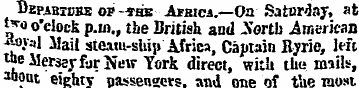
B 2 PABTDBB op -3-hb Ajtkica . —On Saturday , at ** o o ' clock p . m ., the British and -N ' ertb American * o . val Hail steam-ship Africa , Captain Byrie , left we Mersey fur New York direct , with tho mails , * uout eighty passengers , and one of the most ' doable cargoes evershipped from England to the Uaitej States . The wind and weather were both fa vourable , and she proceeded to sea amlist the CBeers of a numerous concourse ol" spectators , aft-r * Parting sain e of four guns to her tender the satellite . jldZtilWil ' S OlSTXEST ASnfoiSTiU : nXESI Uemcst at f ? 'V .. EH , ruiTHS CUBE of Scfioitu . —David Daww , a fen ?* ^ , !> fi at XrWl , ort . na < J bee " afflicted ircm his ins » - " scrotals , or Kiiic's evil , whuk was greatlv l ^ awted by the nature of his empfeyment . All die -2 m ! , ia £ fce al'Pucd to wtrc wnstaecsrstfol in ih * -ir Sri » ^ ° " '! ** " *• ev < : n , n * tt at : fce Infirmary at ; . Vr ? * "*« a-. iitr be had gone in the aooe of obtaiiiMU ?
* w re *** C 4 , n , liri " ,, he couuceiiced the ase at UoUo ^ ' ^' ¦ ¦ ¦ ^¦ ntmd , ar . d so rapid was the cure hy * nne ffledicines , that it ig Considered bj those eo » i ^ tt fttta ^ perfecalyaurMiiIODS .
B2pabtdbb Op -3-Hb Ajtkica.—On Saturday,...
ALARMING COLLIERY ACCIDENT HEAR BRISTOL . —SEARLY FIFTY MEN BURIED A * -. -. - . -.. L . J-.. I . . . . r imiTlrn rt ^ -r »* .. — .. . - .
The city of Br ^!? - to neighbouring 8 ub 2 Redminster , was thrquZ noofc Friday night and Saturday last scenes of the most painful and intense excitement and suspense , in consequence ot its becoming known that a portion of the shaft of tbe North Side Colliery at the latter place had given way , and from forty to fifty men and boys were huried alive in the pit . The accident is said to have been occasioned during the raising of a cart load of coal , which , when at above ninety fathoms from the surface of the shaft , swayed against the side , and carried away Borne of the timbers with which the wall was
packed , thus loosening and throwing down a . considerable portion of the side of the shaft , and doing mischief to so serious an extent , that for very many hftttrft little hope -was entertained that any of the poor fellows below -would ever be got out alive . The men and boys , to the number of between forty and fifty , had descended to tbeir work at six o ' clock on Friday morning , and the accident occurred about four or five hours afterwards ; but its occurrence did not generally become known out of tbe pit yard ior some considerable time afterwards , when the wives and relations of the missing colliers began to rush to the colliery , giving vent to their fears . and erief in piercing shrieks and piteous cries , and pro ducing a scene of the most painful kind which it has ever been our lot to witness .
The fall of the shaft was distinctly heard from above ground , and as soon as the cart had been landed , men were sent down to examine the mischief , and they returned with heavy hearts and irlooaiy countenances , perceiving , as they did , that the -work of repairing the shaft bo as to enable persons with safety to descend to the bottom of tbe t > it , a depth of 135 fathoms , would occupy a very lengthened period , as it could only be reached by men suspended in the bucket , only three of whom could be employed at a time . However , tbe reparat on seemed to be tbe only effort that could be used , and it was set about heartily , the meu work-; ng in relays , and evincing a readiness and unanimity to rescue the sufferers in the pit which reflected honour on them . :
. From eleven in the day till nine on Friday night was consoa'ed in this way , the men working incessantly bnt without making any perceptible procressi with further portions of the shaft now and then giving " * T and faUin ? *» thc "ottom , and without any intelluj-ence having been gained of the men below , whose faft was considered as being m a most precarious state . At about hat-past ume o ' clock , Mr . Knight , proprietor of the A * hton Vale coal pit , volunteered bia services to descend as ^ far as the mischief , in order to see if he could ascertain anything to enable him to judge of the position of the men and boys below . The period of Mr . Eiiight ' s absence was , to the numbers gathered around the mouth of the itone of the most
painp , ful anxiety . Upon his return , however , he was enable i to announce the gratifying intelligence tbat two of tbe bands , at nil events , were alive . He stated tbat having got as far as it was safe to go , he listened and heard somebody below open and close the air batch ; and , upon hia hailing them , a man answered him and asked for lights and something to eat . The men from above continued woiking to get the shaft repaired , and succeeded in passing some food to the two men in the top vein , who made other efforts to make those below hear , but could get no answer ; so tbat the fate of the forty below seemed to be of the most hopeless kind . At about three o ' clock on Saturday morning it becoming increasingly evident that to repair the
shaft so as to admit of the usual pit bucket descending wonld be a work occupying a very long time , Mr , Reynold , of the Malago Yale colliery , made a proposition for attempting in some decided manner the rescue of the two poor fellows who were known to . be alive . He proposed that one or two extra shields or bonnets should be fixed above the bucket chains , that some ropes witb nooses , through which mi * ht pass tbeir legs , should be suspended under them , and that this apparatus should be lowered to Braine and Phillips , so as to enable them to escape by its use . A small bucket was prepared , and a man named North having in the most gallant manner volunteered to peril the descent , he was lowered to the
first vein , and ma short time brought up the two men . Tbeir accounts gave little hope of tbe others . Phillips said he did not believe tbat there was a soul alive below , as he had himself crawled up to thc mouth of the tip leading to the bottom vein , and had hammered and holloaed , but without having been able to evoke any answer . Braine also expressed his apprehensions , but considered it possible tbat the men might have got to a part of the vein remote from the tip , and thought that some efforts ought to be made to descend into the bottom vein , which he thought might be done by means of a reel or windlass . Several men undertook to make this attempt ; and having cautiously descended in three parties to the upper vein , a bucket was lowered to them , in which were a windlass prepared for erection , a canvass tube for an air shaft , and apieceofr ' oj . eto lower into the bottom vein . After watting for soma time below , the signal was
given to haul np , and the men returned to the surface , having been unable to accomplish their purpose . They stated that the air was so foul that it was impossible to burn any lights there , and they did not think it possible to descend the tip-shaft . North , who accompanied them , stated tbat he crawled on his hands and knees to the mouth of the tip , where he hammered for ten . minutes , and that be called with all his might , awl could obtain no answer , from which he inferred that all the hands below had been suffocated by the foul air . Tbe men concurred in stating that any further attempt at descent would be attended with the most imminent danger , and it now seemed tbat no chance remained npen but by passing a wind-sail down the pit and forcing air ' down by means of a revolving fan , bo as to afford the men a chance of surviving till the reparation could be sufficiently completed . This plan was at once resolved upon , and the women and men around set to work with such
extraordinary alacrity that m an boor and a quarter an air tube of canvass , eighty fathoms in length , was completed . This was lowered down the pit , and air forced in in the manner described . The men went on with the work as rapidly as possible , but it was necessarily so tedious , and threatened to occupy such a length of time , that it was thought some other attempt ought to be made for tbe deliverance , if alive , of the imprisoned men . The general feeling seemed to be tbat the descent would be too dangerous to undertake , but at length a man , named Francis Smith , who had been before down , consented to make another effort , and be was lowered into the lower vein . Others followed his example , and their courageous conduct was
rewarded with success , for , after a time , they had the satisfaction of making themselves heard by some of the men below , aud of learning from them that there were none of them dead , although some of them were sinking from despair , hunger , and exhaustion . It was now felt that no time was to be lost . The pumping down of the frrsh air had so improved the atmosphere tbat candles could be kept alight , and the men , having first passed some food down below , rigged a windlass and prepj-red to haul up the men . By half-past three o'clock the first of tliem , a man named James Peddar , bad been h'dsted from the bottom vein to the top one ; and efforts were being used to briig upasecond , named James Wellon , when a fresh difficulty presented
Itself . The poor fellows had to crawl through a rery small air shaft , and Weilon , being a lusty man , experienced the greatest difficulty in making tbe passage , whereby a great deal of time was exhausted , during . which the imprisoned men in the bottom vein were kept in ti state of the most anxious suspense . At length he -was got through , and tbe work of raising the poor fellows was commenced and carried ou amidst considerable danger until , seven o ' clock at night , by which hour the whole of them , forty-one in number , bad been brought out of tbe pit—rescued from what at one time appeared to he the most certain death . Many of them , when got out , were in a very exhausted state , and some of them had to be carried
in men ' s anus , but the proprietors of the colliery had procured the presence of medical ge ntlemen to attend upon tbe poor fellows as they were brought up , and by tbe administration of suitable remedies they were sufficiently recovered to admit of their being removed to their respective homes . They state that they heard the earth and stones fall , and felt themselves blocked in ; that the air at times became so foul that tbey could hardly exist , and that they must have perished had they not succeeded , by diat of great labour , in twice " tapping , " and had cot tho occasional falling of earth and watir
brought a little air with it . Thev say that tuey worked till three o ' clock on Saturday morning , when their candles-were all eoiie , and theniselrts comph tely eshausterf , * and " they gave themselves np , and abandoned all hope of ever returning to the earth alive . Finding that the best air was in tbe bottom of tbe pit , tbey took to- 'that , where some of them . went to sleep ; others betook themselves to prayer . Subsequently , two of them forced their way to the entrance to the tip , where they heard , and were heard by , tbeir gallant deliverers , who never desisted from their exertions until every man and boy was got out .
It w stated , that an application will be made to the Secretary oi State to send down an inspector of collieries to . investigate the causes of the aecident which had nearly resulted in so awful a sacrifice of human life , and that that officer will also be requested to examine thc state of some other ot the west of England collieries to ascertain if they are being worked upon a safe principle .
"Further Traces Op Sir John Frahkus. •- ...
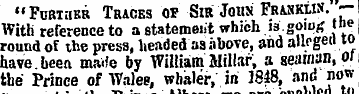
" Further Traces op Sir John Frahkus . - With reference to a statement which . is . gouig tne round of the press , headed as above , and allege" to have . been made by William Millar , a seaman , < w the Prince of Wales , whaler , in 1848 , and now gone out in the Prince Albert , we are " enabled to state that Mr . Lee , who commanded thte Prince ot Wales , says that he was riot » t the time in question in Jones ' s Sound . He supposes ho ran up nw > Lancaster Sound . He remembers guiding ft boat in shore for a short time ; but neither on its ; return to the ship , nor during the homeward voyage * o ' . d he hear of any eairn of stones having been seen . — Chittft Semec Game ,
Serial Ftaf Harnett
Serial ftaf Harnett
" „, ! „„ Mosdavjtjne 23. " Before Th? P...
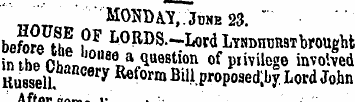
" ! „„ MOSDAVJtjne 23 . " before th ? PF L 0 ^ DS-Lord LYNonunsTbrought hi the OhoniJOU 8 V ^ tte 8 tion of P » vilege involved Uussell ^^^ y ^^ wBiUproposedlby Lord John CELioB r T ° , !? H i isCUS 8 ' ° 'in which the Lord Chas-SquU am STANI , Ey ' ^ <> tec ™™» > the o 7 n ii ^ L T oms a »« J ^ ord Brouoham took Bl faTthVr ^ that the " »*«* * hwld h 0 re - Th « 2 i ! Cora mittee of Mvileges . witltlZ the togtaration of Assurances flL » l 3 ttSS £ iN ^ ordere , i t 0 Uo read a so ?^ ao ? i ? X ° , - OOMMONS .-The bouse having again resolved itself into committee on the Ecclesilttea Assumption Bill
x , X , x £ n \ lL i n ? » aB ™ ^ endment of tho fvoNkt ' , u IP wor ( I "Whereas , " to insert km £ > m .- " - e entire independence of this . ng . 'iom ot an ) ' jurisdiction or authority of any RiX rST * u ? ' or PO ^ ntate , and that the 3 llome , had , by a certain briefer rescript , recently pretended to constitute within this realm , aceoioingto the common rules of the Church of Home , a , hierarchy of bishops named from sees and witn titles derived from places belonging to tho Crown of England . One of his reasons for proposing this amendment was , that some had supposed there was a considerable amhicuitv in the
declaratory clause of the bill , and if such ambiguity existed , it should be cleared up . Bnt his principal object was , toremedy a defect in tho bill , which ' , though it avoided tho particular brief of the 29 thof September , 1850 , did not prevent a repetition of the act , and afforded no guarantee that tho law would he observed . He wished to deal with this aggression in the same manner as our ancestors had dealt with similar acts ; not content with repelling the particu l ar aggression b y substantive enactment , tboy asserted , m plain terms , the entire freedom and
independence of this realm . '• The Solicitor-Genebavopposed tho insertion of these words in tbe preamble , which latter , in conjunction with the second and third clauses , would , he contended , sufficiently effect the object in view . No one denied that the first part of the proposed amendment was unquestioned law ; by this recital , therefore , the law would in no way he strengthened , while it would compel Roman Catholic members to sanction a declaration which they were not required to make at the table .
Upon a divisirm , after some discussion , the amendment was negatived by 140 against 131 . . Mr . Walpoms then moved another amendment of the preamble by adding words declaring that the brief purported to constitute within the realm , contrary to the Jaw and custom thereof , a hierarchy of bishops named from sees and with titles derived from places belonging to the Crown of England . Lord J . Russbli , resisted this addition , which , upon a division ,, was negatived by 141 against 117 . ¦ The committee then divided upon the preamble itself , which was carried by 200 against 39 ; and The Chairman was ordered to report the bill . Oath of Abjuration ( Jews ) Bill . —The house wentinto committee upon this bill . Sir II . Ikoms retained to tbe fullest extent his hostility to the measure , but lie did not think it expedient to trouble the committee with a division upon the present occasion . ' . '' . '
Mr . Plumptrf . concurred in tbe expediency of not dividing the committee . The fact that the government , with all its appliances and means , had only been able , in a house of 400 members , to carry the second reading by a majority of twenty-five , stamped a condemnation upon the bill , which , he trused , would not be lost sight of elsewhere . Mr . Walpoib pointed out that the legislation upon this subject was absurdly inconsistent , inusmuch as it admitted Jews to various civil offices from which Roman Catholics were excluded , for example , the ' Premiership , or the Lord Chancellorship . Colonel Sibthorp observed that if tbo bill , by some extraordinary and improbable chance , passed through another place , there would have to be all sorts of arrangements made to accommodate Jew members as to Saturday sittings , the daily prayers , and what r > ot .
The Solicitor-General reminded the hon . and learned member for lltdhorst toafc the exclusion of Roman Catholics from the civil offices to which he referred depended not upon religious , but upon political grounds . Mr . IIumb considered tho measure an act of justice already too long delayed , and which he . hoped , the government would press through parliament . Mr . Napikr remarked , that it was wholly inconsistent in the men . who had , of late , been struggling for . months in assertion of what they considered the supremacy of tbe Queen , now to foster a measure which directly tended to impugn the supremacy of our Lord and Saviour .
Lord 3 . Rusi-ELL had , not very long ago heard the hon . and learned gentleman declare in that houfc— and he had heard him with pleasure— that neither belief or opinions , but conduct , should be the test of fitness for offices and honours , Be regretted to hear tho hon . and learned gentleman now speak in so different a strain . ( Hear , hear . ) It appeared to him ( Lord John Russell ) , that while they were perfectly rt ' gat in doing all they could to promote the Christian religion , and its diffusion throughout the globo , they should feel that Christianity derived no . force from any mode of extension which could in any way or degree bo called civil persecution ( hear , hem- ); and it certainly appeared to him that the exclusion upon any such grounds of persons from office by tho power of the Legislature , they being loyal subjects of Her Majesty , was a species of . persecutiou altogether inconsistent with the high and pure spirit . of Christianity ( Cheers . )
Mr . Nrwbeoatk put it to parliament and to the country , whether it was decent tbat persons who rejected the very foundation of Christianity , should be invested with tbp power of appointing clergymen to the cure of Christian souls ? .. _ / Mr . Uetholds said , that after the painful debates which had for months occupied the house at , to , the oppression of the Roman Catholics of this , country , it was some consolation to find justice awarded to ^ mother long oppressed class of her Majesty ' s . sub *
jects . AU the facts showed tbat the general feeling of England was in favour of the emancipation of the Jews , The immediate o'ject of .. this very bill was to establish in his seat a . gentleman who had been twice elected to that house by large bodies of men , quite as ? , oo-i Christians ns any . of the opponents of the measure . As to Ireland , the feeling there was almost unanimous in favour of the Jews ' ; with one exception , every Roman Catholic member from Ireland in that house had supported all the stones of this measure . ' . " ' ,
, Col . Thompson w . is present when the house went the length of putting an Old ; Testament into . the hands of a gentleman who proposed to , take his seat . He very much regretted that advantage had not been taken of that , to admit Jews upon using the words , " On the true faith of a .. believer iu the Old Testament . " . , The clause was then agreed to . The house resumed , and the bill was reported without
amendments . , - ., •• • • - J' i The Court of Chancery and Judicial Committee Bill was read a second time without discussion .. S'lPPLY . —The adjourned debate on the report , of the Committee of Supply was then resumed by t Mr ,, fluME , who made , the : vote of £ 300 , 000 towards the expenses of . the Kaffir ^' , war ., the . subject of a complaint against . the government foriwichholding from tbo colonists " of , t , he : . Ca . pe oi . , G «« 1 Hope a representative , system granted , ' Ijy .- ' letters patent . .... '" ., ¦ . . . •»• ¦'•„ - •¦¦ Lord J . ' Russbll , in reply , stated . the mode in which a representative system Inid been ' granted to the Cape . The letters patent , contamednb distinct , details , but oiilv an . butliiie of the system , to tie
filled up in the colony , and the , scheme was to be s ^ ent home in the shape of ordinances for , tho , der cision of her Majesty ' s government . He , explained the course adopted by Sir Harry Smith ,, who , instead of filling up the vacant seats ' . of . the Council by . nominees , completed . f > h at . Assembly , by which the new ordinances were . t ' p be framed , by members elected in tbe colony ; and he detailed th ' e result of that measure ^ theVlifferences which . arose . in . tlie Council , and the Secession Of , ' Sir A . Stqcke . nstrqm and his colleagues , who , 'he . thought , had tnjeen a mo 8 t , uhfortunate '' c , ourse ,, ^ dinaiices would . uturo . Vbfeeti' ; ttaTism . itt « l ;' $ .. ' . ? $ iv ' country and received the consideration ^ bf , '" fjj ' e home government ,, and > rcpreSeiiYa'ti p * JBQn s ^ ution would have been now ii } , foMe in . the . cq l ^ y '; , - , TheVeport was then . ' . agrceu ; to . ' . " ., ' . ' :. ' , ! .. " . >;" The Smitbfieid Market RedoyalBill . asamontled , was considered . ' ' ' " '• : " ' ' ' '; ¦ ' . ' ' ! "' .
The Gunpowder Stores' ( Liverpool ) Exemption i Repeal Bill went through committee . . ... ,-. i Civil Bius , Ap . ' ^ fRBuirby BiT ^—Thc ! hou se then'wentinto commitfee ' upon these ' bills ! . 'iipqu ' which they were some time occupied . .. The CjJairmaS reported progress . ' / : ,:.. .. . .. ¦ ' Mr . LABpccnBRE , in , mo '"? * second . reading of the Lands Clauses ; Consolidation { ireU * ' nd ' ) . ' ; Bil | , observed that there were circumstances , in , ' the ; tenures of land 'in " Ireland which called . fpr ; a more ; simple summary , . a ' hrl effectual mode of proceeding , in the valuationof lands taken for , railways ., than ! hy jury trial , for which ; he proposed to substitute a gystem of arhi ' tratioD , ' upon tlie details of wfiichhai would consult Irish members ., "HeTasked the House , at present , merely . to sanction the principle of the bill . ' ¦ ¦ ' ' . " ' -. " "' :. ' . ' . !
Mr . Disraeli protested against such a course of proceeding as that of obtaining from , the . house an assent to the ! principle ol ' . a bill and ' thon se . ttling it ' sj details ; Wjth , contain ' \ members , ' out of the house .: This course was . a , new arid dangerous . one ,. ' .,. ' , \ The debate which eWueu turmsri chiefly , » pbh this ) point , Thanjijuji pia of ' tha uUl , ' tuQiu > ti objected to .
" „, ! „„ Mosdavjtjne 23. " Before Th? P...
Irlh membe rr , Wa 8 gmr 811 ? « W * « 'S ^ 1 AV'L abouchkbi ! - explained and' iusiifimi « i ., course he had taken ; ami the bill was S ! iSS tim £ , On tbe consideration of the General Board of Health Bill as amended , a discussion aroKe as to the exclusion of the town of Hastings from the schedule , which was affirmed on a division . The Lodging Houses Bill was read a third time and passed . . The other orders having been disposed of the house adjourned at a quarter past one o'clock .
TUESDAY , Junk 24 . H'OtfSE OF LORDS .-Lord Stanley postponed until Monday next tho motion of which he had given notice , respecting , the representative system at the Capo of Good Hope . Uatiosal Land Company . —A petition was presented by Lord Brougham , from members of this Company , complaining of the treatment they had received , and alluding to a member of the ' other house of parliament , whose name ho would not mention , as having been accessory to it .
Lord Eli / BSBorouoii , in a speech of considerahe length , called tho attention of tho house to the case of Jotee Persaud , an eminent Indian merchant and contractor , against whom a government prosecution had recently failed , the accused having been acquitted of the charges brought against him . There could be no question th « t Jotee Persaud had rendered great services to the British army during tbe recent campaigns , and it was the more to be regretted that the prosecution had been persisted in because a government officer , to whom the matter had been referred in the first instance for investigation , bad reported that the charges were trumped up and unworthy of credit . The noble Lord also complained that the witnesses had been tampered with , and concluded by moving for the production ot certain papers connected with the case .
Lord Broughton defended tho conduct of tho Inman authorities , and denied that the witnesses had been tampered with , or that the trial had been unfair . Ail that the government hud to consider was , whether there was a prima facie case for putting the accused on his trial . Thoy thought that there was ; Jotee Persaud had accordingly been tried aud unanimously acquitted . He could not sae that there was any hardship . in tbe matter , for the government , under the apprehension that there wasground for tho prosecution , would have betrayed its ilutv if it had . not brought the accused to trial . Jotee Persaud was entitled to tho full benefit of-his acquittal , but at the same time the Indian government must be absolved from all blame for instituting the prosecution . The noble lord concluded by promising to jay before the house all the papers hearing on the case at present in the possession of-the government .
After some explanations from Lord Ellen-borough the . rnotiou was agreed to . Lord Caiipbkll moved tho third reading of tho Registration of Assurances Bill , and after some brief discussion the bill was read a third time and passed , the Marquis of Lansdowno taking the opportunity to congratulate the house upon the satisfactory way in which their deliberations on this most important measure of legal reform had been conducted and concluded . Their Lordships then adjourned , after disposing of some other business .
HOUSE OF COMMONS .-In the morning sitting of the house much time was occupied in considering whether Mr . Mowatt ' s Metropolitan Water Supply Bill should be treated as a private bill , and whether the standing orders in respect to private bills should bo dispensed with or suspended in tho case of this bill , so tbat it might he read a second time . Ultimately the motion tor tho suspension of the standing orders was withdrawn . The Prevention of Offences Bill was read a third time and passed . On tho order for the third reading of the Smithfield Market Removal Bill .
Mr . Stafford made a strenuous protest against the measure , which , he said , was an attempt to establish a government monopoly , that would run up tho price of meat in tho metropolis . Mr . HuMBJoined in tho protest against this " rash and inconsiderate measure , " which , he alleged , cast a stigma upon the Corporation of London , and violated a great constitutional principle , that of not interfering with municipal government , He moved to deter the third reading for six months . Sir G . Grev defended the bill , and , in reply to the allegation that this was an attempt to withdraw tbe control of tbe market from tho city of London , observed that the government had undertaken the management of this matter only after the corporation had positively declined it , and the hands of the government would , still be tied up for a specified time .
After a protest against tho measure by Sir James Duke , Mr . Cardwell supported tbo third reading , and comlmtted tho objections offered to a measure which , he thought , manifested an excess of consideration towards the city of Loudon . Sir II . Vernet spoke in favour of the bill , and Sir W , Jolliftb against it . Upon a division tho third reading was carried by 81 against 32 , and the bill passed . Church Bdildixo Act Amendment Bill—In moving the second reading i . f this Bill , Sir G . Grkt described the effect of the measure , which was designed to accomplish a subdivision of large parishes in proportion to their population , with the object of facilitating the erection of Churches , and providing an increased accommodation for the public .
Mr , Hume , from the hasty glance he had been able to take at the Bill—which was only printed on Saturday ; last—apprehended that the measure would tend to diminish the number of free sittings iu churches , since powers were conferred on the bishops to levy achargc both on the seats to be constructed in new churches , and ou those . which , were now enjoyed by the poorer members of-congregations , withont . cost . Believing tbe ., Bill to involve many considerations of great importance , be
objected to its . being hurried through the house , and moved that it be read a second time that day six months ., ¦ , jv- ¦ . , the amendment was seconded by Mr . Williams . Sir B . Hall . concurred in disapproving of-the summary way in which the bill was pushed , and found , many points to which he strongly objected . ' : 'Mr .. Plumtrb supported the ; bill , though he found some fault with its details , and objected to tiny interference with the existing sittings in churches already built . .
Sir R . ' . ' HY Ikows thought that tbe principle of the bill was sufficiently understood to enable them to-. pass thosecond reading , ' and all objections might be discussed and removed when the clauses c ; imo on for consideration in committee . . - \ .- . . SirG . GRRvadoptecj the same view , and promised , if the bill were read a second time then ,-that a sufficient interval . should be allowed before the measure was brought up for committal . . .. . A , prolonged , discussion , turning chiefly upon the point whether the house had had time enough to consider and comprehend- the bill , ended in the adjournment of the debate until Frfc day . next . . The house then adjourned for two hours , reassembling at six o ' clock . ,
. Extension- of , the- Central- Criminal Court . — Mr . ¦ FiiBWRN , iiioye i a resolution recommending the exteiisfonof the jurisdiction of ( he-Control : Criminal . Court over , the whole of each county comprised in the circuit . The motion , ho stated , was designed as . a basis for legislation , in a future session .- , .. .,- ' .. : . ., ; - ...- ¦ - ¦ -.,.. Sir 6 . Grey : deprecated ,- as premature , a resolution H-hie ' f ; ' would tend to limit thc future action of the : legislature . If the change suggested by the hon . mover were expedient , be saw . no . reason why it should be limited to the home circuit . For the present he . recommended that the resolution should be withdrawn . . ' ¦ . . . Mr . Frewen cemented not to press for a division , and the . motion was then negatived .. by consent - . - -. ¦ -
" Revenue . —Mr . Disraeli gave notice , that on Monday next ,, upon the motion for . tho committal of the Inhabited House Duty Bill , he should move , its an amendment , ' a That ,, considering , the limited surplus of iwo millions announced , by . jthe'Chancellor . of the Exchequer on . tho national revenues ; considering . tbat five and a half millions of . income are ' drawn ,. from , th , o Income and . Property 'Taxi which has been renewed oiily for . a . yeaivahd , submitted to the consideration of a . select commUtce ; ami considering the provisional state in which the revenue was thus left , it appears to the house more consistent with the maintenance- of public credit , r > nd tho interests of . the public service , to abstain fi ' - oiii " makiiig '' aiiy ;' serious sacrifice .-of rover . ' ub' by effecting ' change * 1 ! in other brandies- of : taxation ; which inight otherwise have been cohsiiiei-cd "beneficial'" " ¦; "' " ¦ '' ¦¦ '' ¦ ¦ ' ¦¦ ' - ' - " '
Island Bondikg .--Mr . Milker * Gibson moved for the appointment of a select committee ttrinqtiire into the working of tho bonded warehouse syrfteiaht Manchester , as far as'it affected importers ' , dealers ; arid the general interests of trade iuUh ' aV't (» W . Manchester—as related by the hon ' . ' member—had enjoyed bonded privileges for a few years , ' upoi ^ thb understanding that ' the corporation- 'should t * y «« the custom house" expenses . - The arrangement was , ' however , left'at the discretion of the Chancellor of the Fixchequer , who had indicated a pur pose of withdrawing the privilege hereafter . r . 'ThiS ! step , he -contended , was- uncalled 'for * , rind mis ' -i chievous , and he maintained that' so -far " , worn- 'fh ' ei bonding system being retrenched , the gbv ' ernmont ; ought . to-pay the expenses attending it ' , seeing'thaty tbe public' revenue had profited by it nearly " as much as Manchester itself . - " ' - ' » ' /' -- : ¦ " ¦ : ¦; - ' •• > > uu j
; Tbe Chancellor of the .. ' . E $ qa « o $ n » .. explained that the privilege ' of bpnding ^ asla . bout . tii . ' be vjiVhy drawn fromi Ma , H 0 . b e $ erj &}^ authoritifla ^ jl o ^' wtea to or ^ u ^ e , Sfi ^ Hf ' \ W
" „, ! „„ Mosdavjtjne 23. " Before Th? P...
consequent expenses , about £ 2 , 700 per annum . If they thought the benefits worth paying for ; ho wag willing to extend them , but there was no reason why an exceptional concession should he made in behalf of Manchester , all other inland towns beim ? obliged to obtain the establishment of a bonding system by providing the cost of collecting the customs dutiea therein . ., > Bright contended fur the general principla tnat no distinction should be drawn between inland towns and seaports in conferring on them the advantages of ttw bonding system . He referred lo tho m 31 ; trnd ° & ni - «™» fwturing products o { nrten ? fe \ a 9 P ™ "Mho title that town could IffJZZ ? ? lntie unties accorded to ports ot comparatively ms . gn . ficant consequence the disunion
In subsequent tbo motion was " oi . posod by Mr . Hume , My . Labourite , and Lord Galway : and supported by Mr . Tatton E-erton Mr . Krotherton , Mr . Spooner , Mr . Heywood and Mr . Kershaw . * On a division there appeared—For the resolution , ,.. 50 Against 05—15 Savings Banks Failures . —Mr . Herbert moved a resolution , pledging tho house , on some future day to cons-dor in committee an address to tho , crown , praying that a similar measure of relief miyht ba aftVrded to tho depositors of the late Rochdale , Scarborough , Tralee , and Killamcy S'vines Banks as had been already extended to the suffere- > by t he . failure of the savings hank in Cuffe-street , Dublin . The honourable member
det .-nu « i bis proposition on the score of justice , sinco tho depositors in thc defaulting banks had relied upon the ostensible guarantee of the government ; and urged further , on the score of humanity and policy , that the loss had fallen upon a very large number « f very poor depositors , and that if they were not reimbursed , at all events partially , tha principle of self-denial and providence among tho operative classes would suffer a very severe shock . The coat of pvovwVvng a dividcnd ' equal to that paid to the Cuffe-street depositors , foy tbe sufferers by the banks set forth in this resolution , ho estimated at , something under £ 100 , 000 . After some remarks from Mr . S . Ciuwtord an 4 Mr . D . Monms ,
ihe Chancellor of the Exciiuqueii submitted that b y passing the proposed resolution , tho house would affirm thc principle that all losses incurred by the failure , from any cause , of any savings banks , must bo repaid from the public revenue . This principle he could not admit . Explaining in soma detail tho respective functions performed by the msuvajjcy , the trustees , and the government , in respect of those banks , he declared that the only responsibility assumed hy the latter was that of holding a certain portion of tho invested balances , and to that extent the depositor * were perfectly-safe . But here he limited the liability of the gormtment . Mr . Rrvnolds was so fully convinced of the moral liability of thc government , that he intended to demand the remaining ten shillings in the pound on behalf of the defrauded Cutie-street depositor ? .
• Mr . Bright feared tbat the resolution would offer a premium upon delinquency , and would result in tho annual application for a vote to cover similar defalcations . But a' the law was defective , and tho government had so far interfered with the savings hanks as to lend to an impression anions the depositors that tlieirmoney wasphtccd upon a national security , he suggested as a measure ot justice that a hill should bo brought in to regulate the future liability , and that the house should take a charitable ! view of the past .
Mr . Hume declared that the nation was morally liable to the sufferingdepositors , and could not deny their resposibility so long ,-is the law was left in its present state of- uncertainty . Mr . I-Ienlky regretted , but could not consent to make good with public money the losses of thc savings banka depositors , lie hoped rather than expected that the ministry would be able to overcome the difficulties that stood in the way of satisfactory legislation on tbe subject . Mr . FiiAkkt remarked upon tho hardship that fell upon the working classes , for whose small savings all other investments were impossible , and that of the banks unsafe .
Col . Thompson' believed that the sufferers now ia question bad an indefeasible claim in equity upoa the public purse . Mr . J , A . Smith repudiated the assertion that tha public had rendered itself responsible , now or heretofore , for the savings banks 'defalcations . Ho confessed at the same time that thc law required elucidation and amendment . Col . Dunnk supported thc motion . The house divided—For the resolution ... ... 56 Asainst 63—7 Mr . TJrquiurt moved a resolution recommending the re-appoititmeut of the select committee on diplomatic salaries . After some conversation , on the motion of Mr . Brothrrton , tho division was taken on the question tVwatVxe Vimm Aomo ^ w adjourn . There appeared for the motion , sixty-four ; against it , thirty-two .
The house accordingly adjourned at a quarterpast twelve . WEDNESDAY , June 25 . HOUSE OF COMMONS .-IIu-noarian Exilrs .-A petition was presented by Mr . It . Harris , from a public meeting held in Leicester , and signed by the mayor , praying tho house to take into considei-a'iou the case of tbe Hungarian patriots who were detained in tho Turkish territory by tho influeuco o ( Russia and Austria , and to impress upon tha executive t' 0 vera men t tho necessity of a strong and solemn protest against this outrage upon tho Jaws of hospitality , and the rights of independent , nations .
Irish Political Prisoskrs , —Mr , Anstkt inquired of the Under-Secretary of State for the Ci'lonies whether the state prisoner , Mr . M'Manus , was not discharged from the custody of Sir W , Denison ' s commandant , at Port Arthur by a solemn , order of the Supreme Court of Van Piemen ' s Land declaring such custody to be ille , « nl 1 Also whether the ' said state prisoner , after having , in coiisequeiic ? of such order , with tbe connivance of government ^ quitted Ilobart Town , and returned ' to . his own . house at iAimceston , bad not again 'been arrested by ' SirlV . Denbon upon the same charge on ' which his excellency had caused him to be placed in suck custody ? Also whether it is true that he was upoa such his second arrest brought all ' the way back frdm , L'iuuceston to Ilobart Town , a distance o £ 120 miles , on'foot ? . And , filially , whether he ' wa ^ notj at the'date '( . f tlie last . advice ' s , suffering froma , fever , occasioned by such treatment 1 \ ¦ " Mr . Hawks said that from tlie information which
the government had at present received it Appeared tbat M'Manus , at this time ho believed a prisoner , bad applied to the codrfc for a writ of habeas corpus ^ anil was in consequence' brought' before the court , ' when' the return was insufficient , and ho was again arrested . The question , was likely to be raised again before the'supremc ' court of the colony . Thchoiiourablo'and learned'gentleman should have alt ' the information on the subject which the government might receive . ' , ; l : Mr . AifSTSVSj'itf . he bad asked if the second arrest had hot taken place at Laiinceston , to which place Mr . M'Miiiius'had " returned from Ilohirt Town ' , and whether he had not been brought back on foot . Mr . Hawes said ho bad already told the hon . and learned gentleman that he ' should have all the mfonnation the government mi » rit receive .
Universities ( Scotland ) Bill . —Mr . Cowas , m itiot ' mg the sscotnl reading of-rhis-bill ; observed than these were nofc : eceIesi ( istical , but merely-educational institutions , unconnected with the cnurcb > and tbat the ; tests applied there were more of a political than of itn ceeicsiastical . nature , having heett originally directed against Prelatisrs and Papists , in order to ej » ct sucli individuals , then . holding , professorships , and to exclude them in future , from , tho chairs .. There , was ; iio real dissent . inScosland ;; the differences . had-no relation ,, to spiritual-. doc ? trines , bat arose .. from > the inroads of tho civil power ., The . ( object- ; of > . tba .. bili : vwas fo declare that individuals had been t : rive , nijOUt , of these universities by an- actdfitheciyil power , and that it
was fair andjust * that they should not be debarred from their rights , as-, British subjects-. . by ,-the en <; forcemeat of tests which -he chatactevizod as an , absurdity and .-a mockery , i ; ..:- .,.-, Mr . LocKiiARiiBaid that this was an unfortunate time-to . bring this ., 'subject , forward . tfe .. denieii that these tests ., had ., a ; mere -political , origin ; tbpy were ihtroduccdiin . © v , nev , to . str . engthcn the church * aud to , give . the . peop le , . of Scutlaad a , religious education . ; Tbi ' bill , hejcdntendcd . i . was incoinpaj tible , \ vith :. tho ; pronation , oath- a » d with the . Acjj of . Union ,, , and ., ho moved that , the- second reading bedeferred ; for ... sk ,. uiofiths . v ,,. ' ,,., - ; . . ' ' --. ' , '¦ i yMrijEivAKidefended ^ lie . btU ,. which was founded upO ! i-th 0 general , priticiplp , pfopeoi , ng . tli 6 u ' xiiyjetsitica ' to-all , JUidjW-Pfin tic ^ ' ordan ^ i ^ ithjVeligiqr ^ find with the spirit of the-timea . / ,,, . ''"' , ' ., *'* - ' *>'
Sir G . OaEx . should . vote foi-, the second . ' reading ofthe . ibiH :, atthq ! sr . mq . timo ; ih ' e , di ( l not \ h \& lt thai this was a ,, vcry . roiiy . eni cflUime . to introduce tho subject , aud adiviyon . wouM not- afipreseplt ' , exDre- ' a the question ^ tself , however ,., necessaVy ' 'i nosV tests W . ^ . -.. b ecii ... whca . penally Instituted , ' that S ®^« W ' fefe « ieS w ;» not , for . Mjntere . sts . of ' the ' universities ' them ' - B 0 M ^ ¦^¦ ur ^^ smm ^^^ vhiAw ' tsi of the H . " : » .. tO ^ rhleh . Mr ., A ' lrxanbJjr ^ BastiV objected , SJTjns tys cordial support to . the measure , . . ¦ . # , PPX 5 $ n $ \ o ^ ttie . ayesfoy the , second readmiV ; being 65 , and tho wjes'Cfj . . - ' - *; ,, ; .. ¦ ¦ -:. . ;¦ , ; ^« '" : ^ v : ' - \ , / ' •'' Enc bmbsbed ' . Estates ; Leases . ( Jreiaih )} Bj . r 'j £ r Mfv' ^^ PiM ' dKmoved , t ' apsecwl reading of twa tau , by w hich lie proposed to giyo . po ^ r to tn » commissipner ' s ,, upon , thcir ( , ' . vtj WMfcw . "LSua sale ,. to UlbTitVeUt-v ^^^ 1911 '" P ^ **
-
-
Citation
-
Northern Star (1837-1852), June 28, 1851, page 7, in the Nineteenth-Century Serials Edition (2008; 2018) ncse.ac.uk/periodicals/ns/issues/ns2_28061851/page/7/
-