On this page
-
Departments (4)
-
Text (18)
-
 Untitled
 -

t§om»
-

SCRAPS FOR RADICALS. L. t. CLAXCT. SO. T...
-
SO>'G. No. vi. COMMEMORATION OF THE CAGE...
-

IRISH ABSENTEEISM. Let parsons descant o...
-

BtfntfMJ
-

THE FLEET PAPERS. By Richard Oastleb. No...
-
PARLEY'S PENNY LIBRARY. London: Cleats. ...
-

TAIT'S MAGAZINE, October, 1841. Tait ope...
-

THE POETICAL FLIGHTS OF A FACTORY YOUTH....
-
MEMOIRS OF ROBERT EMMETT AND THE IRISH I...
-

{foreign m\Xt f3omt#ttcjznteUicccnce
-
IMPORTANT INTELLIGENCE FROM THE UNITED S...
-
A Man killed by a Tobacco Pipe.—An inque...
-

CORPORAL PUNISHMENTS IN PRISONS
-
 Untitled
 -
From the London Gazette of Friday, OcL 1...
-
From the Gazette of Tuesday, Oct. 5. BAN...
Note: This text has been automatically extracted via Optical Character Recognition (OCR) software. The text has not been manually corrected and should not be relied on to be an accurate representation of the item.
-
-
Transcript
-
Note: This text has been automatically extracted via Optical Character Recognition (OCR) software. The text has not been manually corrected and should not be relied on to be an accurate representation of the item.
Additionally, when viewing full transcripts, extracted text may not be in the same order as the original document.
Ar00322
T§Om»
t § om »
Scraps For Radicals. L. T. Claxct. So. T...
SCRAPS FOR RADICALS . L . t . _CLAXCT . SO . T . Whig pay , and patriotic perfidy ' . Oh ! Name not the bard , if he fly t © the bowers , Where pleasure lies carelessly smiling at fame ; He was bran for mneh more , and in happier hours His soul might hare burned with a holier flame . He string that now languishes loose on the lyre Might bare bent a proud bow to the warrior ' s dart , And the life that now breathes but the soul of desire , _Hight have poured _* he fun tide of the patriot ' s heart .
Thus Bang loved Erin ! thine own fond caresser , E ' er he pensioned his fame on thy _famishing poor , E _" er he _barter'd his bays to thy Saxon oppressor , E'er perfidy rallied the patriot Moore ! J His flowrets henceforth shall our children despise them ; J * o more shall they bloom in the _mldft of out wrongs ; As a beauteous collection of _Tipers we'll proTe ' em . If Erin can foster false patriot ' s songs ! !
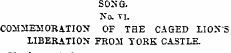
So>'G. No. Vi. Commemoration Of The Cage...
SO _>' G . No . _vi . COMMEMORATION OF THE CAGED LION'S LIBERATION FROM YORK CASTLE . March , march , Marshals » f freedom bl » w ; Breathes there a man who deems the read weary ? Muck , march , on in your might , and go Meet the cag'd Lion of Liberty ' s prairie ! Many a banner view , Hocking the Rainbow ' s hue , Streak'd like the Dolphin , but floating more glorious , Now the triumphal car , _iloves to our polar star ! Union and liberty must be -victorious .
Come from the scenes of > our late agitation , Come from the woodland , the mountain , the Tales , Sonni the loud trumpet of glad proclamation , The pibroch of Scotland , the harp-string of Wales . O'Connor _* appearing , Rapturous cheering I Thousands _conoentr'd , light-hearted and airy . Joy rmil'd on _eTerf side , Peace , law , and order , Tied , Greeting the Lion of Liberty's prairie . " New , hurrah ! for the fight ! " we have won tlie resistance ; See the old pack of bloodhounds in Liberty ' s glen ; Let us up with the Lion , nor mind in the distance The ca & s and the cur dogs that bari'd at his den . "
Who shall diTide us , " Rads . " ¦ Union ' s our motto , ]& ds ; Millions concentr'd , light-hearted and airy ! Triumph must crown our joys , Down with dissension , boys ! Long lire the Lbn of Liberty ' s prairie ; . '
Irish Absenteeism. Let Parsons Descant O...
IRISH ABSENTEEISM . Let parsons descant on the joys of eternity , Misers find pleasure in Tiewing their store ; And _Socialists talk of their blessed community Ramblers wander to some foreign shore—Nothing shall hurry me , Yex me or worry me , Working for bread as I have done before ; I will live and be happy , And laugh at the sappy , Who dare noi a Tote claim because he is poor .
Many men praise the Italian scenery , Others must go to Vienna or Rome , To Holland or Paris , to show off their finery , Leafing their tenantry starring at home—To see things so fanny , And spend all their money , While commerce is _sinking fast into the tomb Of things that has been , It will shortly be seen , Whether Irishmen tamely will welcome their doom .
Has not Erin _" 8 green meadows , her gardens , and _wosds , Sufficient attractions for freemen to prize , Or is there no charms in her mountains and floods , To constitute be * uty in Irishmen ' s eyes . 0 h , who will direct us , Support , and protect us , Unless we ourselves take the helm in our hand , And the Suffrage demand For each one in the land , Determined no more to wear slavery ' s brand .
Irishmen ! Ireland !! awake from your slumbers , Must liberty still be confined te a clas 3 ? What utility is there in boasting of numbers , As long u you ' re shackled by fetters of brass . Then off with the chains That on you remains ; Let yon ? voices be heard in one Jong loud bnrrah _, While _demanding the Tote , As your green banners float . ' Cry success to the Suffrage , and Erin go bragh .
Btfntfmj
_BtfntfMJ
The Fleet Papers. By Richard Oastleb. No...
THE FLEET PAPERS . By _Richard Oastleb . No . XL . We love to see rathe kindness and _beneyolence breaking out through the cloud of a good man ' s prejudices and party preferences . This is precisely the _difference between the patriot and the poliiical partisan ; and hence we have _unmitigated pleasure in observing that , in his " Fleet Papers , " Mr . Oastler hesiiaies not to tell truth equally as boldly to the Tories as to their predecessors . In his present cumber we find the following : —
"lam also asked , ' If I _tpprove of the delay , which his been proposed by Sir Robert Peel , for fire or six months , _bsfore the state of the nation is to be considered V Unhesitatingly I answer , 4 No . 3 Delays are always dangerous—delay , under our present circun ; staneea , will be ruinoua . The inconsistency of Sir Robert Petl ' s first proclaiming the national afikirs to be in a most ruinous condition , and then demanding the immediate expulsion of those who hid mismanaged them , and his own call to office , before he would propose a remedy , and now , when in office , refusing to attempt any restoration o _^ the national health until be has received two quarters' pay , as his pn scribing fee , on zaeet with no defence from me . It may , or may not , be _considerfed good diplcruatic generalship , by mere partisans ; that is a _question to be _settied between the two parties , and , as parties , I shall not interfere with them . Sir Robert was justified in keeping silence while the _WliigB retained cfice ; since then his silence appears to Dc to be indefeE * ib ; e .
" I object to any delay , because I know that the country _csanet _safely -ws . il . These are not ordinary times ; Great Britain has , s . t this epoch , reached her most perilous day of trial : she has been driTen about by the whirlwind of faction—she has almost lost her reckoning ; wares and billows , and rocks and sands , Etill beset her course ; she has changed her captain , not to _slamber awhiie in this raging storm , but steadily to direct her track _to-wards the haTen from which the billows of party strife and false philosophy have driTen her . If Sir Robert P « _rel has no meliorative and _restoratiTe principle to _propose , I think that he would _hiTe shewn his wisdom by _rtfusine-cince . True , he has for the moment exalted himself " and his party , but what con the nation gain , if the ruinous course of Whig _legislation is to cc _^ Uzue another six menths »
' It _ia natural _ecouci to imagine that Sir Robert may not be able , all at once , to arrest the confusion and ruin which , on the development of the _tross mismanagement of all the departments , must meet him at ef ery turn : i : would be _unreasonable to ex _^ cc : _acv man to be xea 27 wiih specific measures of relief for all that mass of _n-isgOTerniaeDt which tee Whigs have created . Ba ; there are general principles upon which the Whigs _haTfi acted , and which hare resulted in the _derange-EEr : of ail our _national affairs ; and I cannot hide from _nyseif the necessity—aye , and the sound policy also , el _s : r Robert ' s at orce stating , ' My predecessors hare _erccjbt the empire to the briEk of ruin , because- such and such have been ihe principles upon which they have _«" . « _rj ; I _fchali hope to restore _national prosperity , by _paiaiag a very different lire of policy . I shall found _^ _= ; measures of melioration ard ' restoration upon Etch and such principles . > Jv _predecessors hare _gcTen- _fd by fraud and fcree—justice to .-. 11 shall be my have stri
_^ . n ; they _pped the cottage , degraded the ' _throne , and desecrated the altar—my _ciurse will be the : restoration of the rights of all 31 eanwhile , I shall . r * _q-re Parliament to _a-d me in a searching inquiry into tfce __ condition , the disorders , and the _resources oT the * nation . ' Then , Sir , it wouM haTe _bsen wise and safe > to _haire kept Parliament together , to haTe luily inTes- ' _Egated the whole state of the nation—to haTe searched _! v * _£ f real cause of a 11 onT _stress . a * 5 1 " ' perhaps we > mould hare discovered tkat the Tery things on which we most pride ourselves— the amount cf our T » st and mdmduil masaes of _accumulated capital—the enormous I extension ef our manufactures— the vast increase of ! our untsxed machinery , and the unparalleled amount of our foreign trade , were some ol the causes at am ' _BSiioioi and domestic sufferings ; and that the Tery \ _reoedy which is proposed by the Whigs for our cure , { _* wud , if administered , only accelerate our national \ dissolution . " _'
Since tire above was written , we have receiTed . No . | v _rLm w _^ ca yfe _PTe the following remarks , by j _fflJ . Oartler , on the conferences between Mr . Thorn- i oill and the several deputations of Mr . _Oxstler ' s J _tneDds , who hare waited npon him for the purpose ' of Bolieiting Mr . _Oastltr _' s _diseharge : — ) " It is impossible that any man can be more oTercome _iy a sense of gratitude , than I 4 m , to all my friends of j _every rank , tut _etpedallt / to those cf the working dosses , ! lor the innumerable proofs of strong and ardent affection j " hieb . my imprisonment has rffbrded them the opportn- j _nity Ql « howering upon me . 1 do thank them ! but j a « t I thank God , who has men them such be & its , an . d !
The Fleet Papers. By Richard Oastleb. No...
who has thus , by them , " spread a table for me in prison . " My eomforta h » Te abounded—my cap has _oTerflowed—mj mercies h * T _» been " heaped up , pressed down , and running _orer . " " This last proof of affection has almost unmanned me . I am thankful—I am grateful to _thoie ; my TrienAa , of the working classes . And why ? Ah , Sir , the reasons why I am thankful to them press so numerously and so _toucaingly , that I cannot speak them . To contemplate , that midst all their own unmerited and unprecedented sufferings and privations , they still think most of what they fancy are mine , makes my heart melt , iu feelings force my eyes to OTerflow ; my lips cannot utter what I feel , my pen cannot write what I think . '
My privations are not like theirs—I haTe no Buffe * - ings ? This plaoe , to me , is more like Heaven than & prison ! I am wiser , I am happier , I hupe that I am better for being here . I haTe no wish to _leare this cell , except in € _fods own way . Should that day arriTe , I could sot leave it without some feelings of regret Ten such happy months were neTer my portion elsewhere . The face of man has neTer frowned upon _ae—the harsh tones of his auger has neTer reached my ears—I haTe not seen a foe in ail that while ! My friends haTe clustered around me ! Perhaps my health has suffered ; but God ; has never left me . I cannot giTo place to anxiety or ! fear , because his promises are faithful . I believed them I so , before I came to prison—now , I know them to be I true!—No , Sir , I haTe not a wish to leave ; and should | I "die , then the working men will see to it , that my re' mains shall moulder and mingle with my own York-Ehire's dust—1 know that they will .
" There is Sir , a principle involved—I am a prisoner for debt . ' I do not rebel , I do not complain—1 submit , but I protest ! If the unconstitutional law thus _barbazouslj wantons with the liberty and the life ( for that law leaves men here to starve and die ) of the subject , it also ordains , that caption pays ihe debt . ' It unjustly give * the savage murderous heart the power to choose 'body or goods , ' not both . I offered you more than the law _awarded , all that I had , and then my after earnings ! Tour choice fell on my body : it is yours , the law says so—flesh , blood , sinews , bones , skin—they are all your own ; and had I owed you all England ' s currency , the moment my body became your property , that debt would have been cancelled . Remember , you did not take my body , till I had given you all the books —books which the Terdict could not award you ! They
: were not included in your claims against me ,- nor were _i they yours . I trusted to your honour . I belieTed , from j what I heard in Court , that we were friends . When I you resolved to be Tindictive , had honour retained her i seat in Thornhill ' s breast , you would have returned the i books , which were delivered up by me , under the i conviction that your anger was appeased . But , unhappily for you , you were betrayed by those whom you i belieTed to be your frieDds : thus did the false i representation of my enemies and yeurs , compel you to ; perpetrate an act , which , when reason resumes her ' wonted seat , you will regret mueh more than I . Your prejudices now blind your reason , and force you to t " reward me evil for good , and hatred for my 1 ot &" Time will remove those prejudices !—honour will once more find a home in your bosom , then all will be well : till then , Sir , I am willing to remain your prisoner .
" I can never ( until I am proved to be in error ) admit the principle , that after ten months' imprisonment , a detaining creditor has any claim _^ u law but blood and bones , and sinews , and flesh and skin . " I hope , Sir , that my friends will excuse me—I am ffraleful to them ; but I protest , on principle , against payment for my release ! I protest , in the same of the spirit of the Constitution , against my , or any _Eogiishman's o ? Englishwoman's , imprisonment for debt!—necessity forces mo to submit . I do so with some degree of pride , knowing thai I suftr wrongfully ' . The hand which strikes me should have been the hand to nouiish me . I hops , however , that the mistaken kindness of my friends will not force me to submit to , and then protest against , my release . In reference to the Insolvents Debtor ' s court , Mr . Oastler vmtes thu 3 : —
• ' ' But , ' say yon , why does not Oastler take the benefit of the Insolvent Debtors' Act ? ' An old friend of mine , a _Jieu > one of yours , saya , ' that you ¦ wish me to do so . " Have you forgotten the birgaln made between your attorney and mine , * that Oastler was sot to avail himself of the Insolvent , Debtors' Act ? ' You remember , that it was proposed by your attorney , and agreed to by niine . " But , Sir , bad no bargain been made b « tween our solicitors , 1 could not " pass through the Court , " without sanctioning the barbarism which gives you the power to imprison and starve me to death . ! I am too much of an Englishman to admit that that is justice , and I can never become s _drilling party to that which is tyranny . Were I to regain my liberty by submission to that' law , ' I should become its plave . I would much rather be an unconsenting prisoner ' inside , than a consenting slave at large . "
Parley's Penny Library. London: Cleats. ...
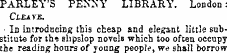
PARLEY'S PENNY LIBRARY . London : Cleats . ¦ Id introducing this cheap and _elegant little substitute for th _« slipslop novels which too often occupy the reading hoars of young people , we shall borrow from the publisher ' s address the following prospectus : — " We propose , though the medium of Familiar and _IKTEKEST 2 > G Co _> r £ RSATiO _> S , to elicit incidentally such traits of character as require correction , together with contrasting exhibitions of the nobler qualities ; and our Tales and Legends , our Poetry and Dramatic Pieces , will supply antidotes which , wUile they exhilarate the mind , enliven the imagination , and enlarge the understanding , will neutralise the _ingredients ol many a poisoned chalice , _atpresentso indiscriminately circulated . But these constitute by far the least consequential portion of our scheme . _Strenucua endeavours will be
directed to the formation of a _"rigeroua _tiste—to the creation of a just perception of what is really beautiful , _in-contradistinction to _tba prevailing rage for unmitigated indulgence in sanguinary horrors on the one hand , and gross buffoonery or maudlin sentimentality on the other . The rich and costly stores of the Greek and Roman classics , of the Tery existence of which vast numbers of the youth of both _stxea never heard , will be popularly presented to our readers by an occasional prose analysis of some celebrated author ; by which many even of those who have dog ' s-eared a school Ovid , and _substquently arrived at the distinction of applying their wretched latinity to the exposition of Greek , will derive more knowledge of the classics from ore of our humble numbers than could be gathered frem all the disjointed and _fragmental lumber which they have heaped _together in the course of their too generally worse than useless studies . "
We need only add that we have seen three numbers , and that eo far the Editor has well kept bis promises . We may also say that it is the cheapest periodical ¦ we ever saw . A VINDICATION OF THE RIGHTS OF WOMAN : _Tvuh _Strictures on Moral and Political Subjects . By Mary WoLSTO . NtcR . iFT — Third Edition , Revised and Re-editel . London : John Cleave , 1 , Shoe-lane , Fleet-street ; Manchester , Hey wood ; Leeds , Hob _^ on . This is a very carefully revised edition of a work which has been most appropriately styled " one of the most eitraord ; nary _production of the time at which it appeared . " The size is poitable and con-Te ' _niezn , the paper and prim good , and the price low . livery advocate of Semale emancipation should buy and read it .
Tait's Magazine, October, 1841. Tait Ope...
TAIT'S MAGAZINE , October , 1841 . Tait _opecs , as might be expected , _-svit _t a whip at Sir Robert . He is of opinion that Sir Robert is _jn-t as wise on the most of his future plans and purposes as a : i Ibe rest of the world : and , faith , we believe him 19 be right . In answer to tho question , " What will Sir Robert Peel do V he says , in the commencement of his article : — " This question is likely now to remain for a Christmas pUBie , or to furnish a hint for some sudden and wonderful incident , or unexpected transformation , by one stroke of Harlequins wand , to the mechanist and wit who contrives the Pantomime . Sir Robert Peel's
pertinacious silence has in the meanwhiie given wide scope to all manner of conjectures , a few of the more probable of which we may particular 33 . The truth is , poor Sir Robert is himself as much at a loss about what he is to do , or suore correctly , about what he may be able to accomplish , as any one of the _guessers . He has surrounded himself with a Cabinet , some of whom are as difficult to drive in the right direction as Tipperary pigs . Even with the Duke of Wellington for an auxiliary or whipper-in , several of them are likely to prove utterly unmanageable ; and Sir Robert ' s best hope , at present , seems the old Whig trust—the cbap _' _er of accidents ; the unknown something that may arise during the respite which he craves . "
Then follows another chapter of the " The Talented Faniiiy . " We have then a _sta-Te on the Corn Laws , which , in one shape or other , prose and verse , insinuate themselves into almost every cranny of tfie "liberal" literature of the present time . The best thing in the number is a lengthened notice of D'Israeli _' s " Amenfties of Literature . "
The Poetical Flights Of A Factory Youth....
THE POETICAL FLIGHTS OF A FACTORY YOUTH . By Joseph Kibkham . London : Cleate , Shoe Lane , Fleet _Street ; and ail Booksellers . Price One Shilling . In & simply written kind of sotobiograpbical preface , the author of this little beok informs us that at the age of nine years , he was placed in one of those dens of disease and rampant rice , a cotton mill ; where the body and mind of youth become alike corrupted and destroyed . Surely no place could be more unfavourable to the development of poetical talent than a cotton-factory ; for there the mind is rendered callous to improvement , by the OTereiertion to which the body iB doomed . Yet , under the depressing circumstances of such arduous toil j the want of the common necessaries of life ; the deprivation of the 6 ociety of those who might ( from having received the advantages of education _themselves ) , have bees able to impart to him a portion of tha ; knowledge which the budding mind of youth
The Poetical Flights Of A Factory Youth....
so much thirsts for and requires ; and being surrounded by the most mournful examples of vice and drunkenness;—he has still , by applying his mind in an innocent , if not a profitable pursuit , succeeded in 'bringing forth a number of minor poetical effusions , which have not only the claim of a purity of thought to recommend them to the . acceptance of the reader , but also one of chaste and well measured expression ; such as may well become " the tuneful Muse , " if not in her highest , at least in some of her happiest and most amiable moods . Having in the latter end of the last year a wish to try his luck in London , two gentlomen connected with the press kindly promised that if he should determine npon doine so . thev would not see him
starve ; but that if he would db willing to " turn his hand to anything" some small pittance should be forthcoming for him . With this prospect before him , our author left his natiTe town and relations , to mingle with strangers , and walked the dreary journey from Manchester to London , with but nine shillings in his possession . He arrived in London in the beginning of September last , and since then has been apprenticed to the trade of a printer . Hia master having had the kindness to lend him the use of type and furnish him with eTerything else necessary , he has composed and printed the present littlo volume in his leisure hours , independently of his usual employment .
Such aTe the circumstances under which these poetical flights are introduced to us ; and they are themselves of a character to command attention and patronage . These circumstances become doubly to teresting . when coupled with the fact , that there is in this little pamphlet a considerable sharo of that most scarce article , genuine poetry and fine feeling .
Memoirs Of Robert Emmett And The Irish I...
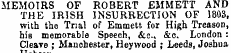
MEMOIRS OF ROBERT _EMMETT AND THE IRISH INSURRECTION OF 1803 , with the Tnal of Emmett for High Treason , hiB memorable Speech , & c , & c . London : Cleave ; Manchester , Heywood , * Leeds , Joshua Hobson . This is a reprint of some nervously written papers , comprising a memoir of the celebrated Irish patriot , originally published in the English Chaktist Circulab . We have no doubt that all will wish to have it in its present portable form . It is embellished with a very superior engraving of Emmett , on _Bteel .
{Foreign M\Xt F3omt#Ttcjznteuicccnce
{ foreign m _\ Xt _f 3 omt # ttcjznteUicccnce
Important Intelligence From The United S...
IMPORTANT INTELLIGENCE FROM THE UNITED STATES AND CANADA . ARRIVAL OF THE BRITANNIA . The royal mail steamer , Britannia , Captain Cleland , arrived at Liverpool on Thursday night . She left Boston on the afternoon of the 16 th , and Halifax on the night of the 18 th ult ., and , notwithstanding easterly gales and heavy "weather , has completed the voyage in fourteen days and a few hours . She has brought only twenty-six passengers . The files of papers received by the Britannia extend over the long space of fifteen days . Their contents are interesting and highly important .
The New Fiscal Corporation Bill , the object of which was to enact the establishment of a national bank , passed the senate by a vote of twenty-seven to twenty-two . The president , howeTer , refused to sanction the new bill , which he vetoed as he had vetoed the old one . As the refusal of Mr . Tyler to sanction the bill had been anticipated , the actual refusal did not surprise the public , nor did it cause any popular excitement . He transmitted a message to congress , embodying his objections to the bill and his reasons for vetoing it . The House of Representatives took the veto message into consideration ; on a division , however , the bill was lost by 103 to 80 , the constitution requiring the concurrence of twothirds of the house to carry a measure which the
president has refused to sanction by his signature . The disagreement between the president and the majority of the houses of congress had caused the dissolution of the cabinet , which had enjoyed the confidence , of congress and of the whig party at large . Messrs . Ewing , Crittennen , Badger , and Bell , sent in their resignation on Friday , the 10 th ult ., to take effect at twelve o ' clock on Saturday . They were accepted . The president immediately nominated in their places Mr . Walter Forward , of _Pittsburg , Pennsylvania , to be secretary of the treasury ; Mr . H . S . Legare , of Charleston , South Carolina , to be attorney-general ; Judge Abel S . Upshur , of Virginia , to be secretary of the navy ; and Mr . John M'Lean , judge of the Supreme Court of the
United States , to be secretary of war . Mr . Grainger also resigned , and Mr . Charles A . Wickliffe , of Kentucky , was appointed postmaster-general . The gentlemen who had resigned are said to have adopted their courses without any previous concert with Mr . Webster , but not without previous consultation with Mr . Clay . Mr . Ewing , in a letter of considerable length , had 6 tated the reasons which had influenced him in resigning office . Mr . Webster , in a short letter , assigned his for retaining it . Agreeing with the president on the foreign policy of the government , Mr . Webster considered it to be his duty not to abandon office in the present critical state of tho relations , it was surmised , of the United States and Great Britain .
Congress had adjourned , after having perfected and carried out all the great measures for which the extra session had been called , save only the bank bill . The senate had confirmed , by a vote of twentythree to nineteen , the nomination of Mr . Everett as minister to England , an appointment which had given general satisfaction . The trial of Mr . M'Leod was appointed to take place at Uiica on Monday , the 27 th ult . The panel of jurors made out for his trial consisted , it was said , of several _quakers and others , who would , it was supposed , be disposed to view tho matter in a favourable light for M'Leod . _Considcrabla excitement had been caused at Utica from information said to
have been received by the sheriff , that some _desperadoePj refugees from Canada , and others , whose exasperation again England and especially against the colonial authorities , knew no bounds , had entertained a design of carrying off M'Leod from the gaol at _Whitesborough , near Utica , and _hanging him , in the hope to render war inevitable . Ii was presumed , however , if the design was ever seriously entertained , that the measures which had been takeu by the local and state authorities would render any such attempt hopeless . A rumour had obtained circulation , that Mr . Fox had received , by the steamer , orders to
demand the instant release cf M'Leod , and , if it was refused , to demand hia passports ; but the story was generally discredited . The detention of the prisoner had been the subject of debate in the House of Representatives . Mr . Adams condemned the course which the state of New York had adopted in reference to him , and praised Mr . Webster ' s letter to Mr . Fox . He referred to the conciliating tone assumed towards the United States by Sir Robert Peel in his address at Tamworth , and stated his conTiction , that while the rights and the honour of the country would be firmly and fully maintained , peace would be preserved so long as Daniel Webster was secretary of
state . The city of Cincinnati had been the scene of lawless violence and _Sdnguinary conflict . The riots which had disgraced tha . t city had their origin in the _stroDg feeling which the efforts of the friends of negro emancipation had caused . A mob of whites collected and proceeded to the negro quarter for tho purpose of attacking the blacks . The negroes , who , having expected the attack , were armed , fired on the whites , some of whom were killed and more wounded . The assailants immediately fled , pursued by the victorious blacks . For several days the city was the scene of riot ; but the civil power having been reinforced the rioting was quelled and great numbers of _blacks apprehended .
Tho House of Representatives had been the scene of a general riot . In a discussion on the Diplomatic Bill Mr . Stanley twitted Mr . Wise with inconsistency ia opposing the amendment of the senate , striking out of the list the mission to Naples , seeing that , last session , he had worked hard in favour of _dispensing with tho mission to Mexico , or , at least , in favour of reducing the appropriations for it . Mr . Wise remarked , that the mention of this matter was prompted by a spirit of '" little malevolence . " Mr . Stanley admitted that ( he allusion was of malice aforethought . As soon as Mr . Stanley sat down , Mr . Wise crossed the hall to him . Words took place , the lie was given , and Mr . Wise struck Mr . Stanley . A violent _conflict ensued . Tho fight became general , members of both parties attacking
each ether with the fiercest determination . The affair threatened for several minutes general bloodshed . Amongst those who were seen in the most violent contest , each grappling at the other ' s throat , were Mr . Arnold , of Tennessee , and Major Butler , of Kentucky , Mr . Wise , and Mr . Stanley , the original combatants , were lost sight of amidst the now numerous conflicting parties . Order was at length restored . Explanations and apologies followed , and , on the following day , the quarrel between the two gentlemen , which had threatened to end in a duel , was , by the intervention of friends , amicably adjusted . A committee of the house had investigated the affair and reported on the subject , recommending certain regulations for the future guidance of members during the _debases of a personal nature .
A more minute account of the " scene" is given by the reporter of the Intelligencer \ as follows : — While Mr . Fillmore waa in the midst of a sentence , the reporter ( who nad noticed Mr . Wise cross over to the seat of Mr . Stanley , and had observed those two gentlemen in conversation , apparently of a very excited nature , ) saw Mr . Wise raise his hand violently , and aim a blow at the face of Mr . Stanley , who as instantaneously met or returned it . A violent fight followed , and in less time than it can be described in this report , a scene of mingled uproar and fight , such as the reporter in many years' experience has never witnessed on the floor of the house , ensued . _Mecsre . Wise and Stanley were lost to the sight of the reporter in the general rush , while Mr . Arnold , of Tennessee , and Mr . Bo tier , of Kentucky , were noticed in a violent personal struggle , striking at and grappling with each other . Mr . Dixon , H .
Important Intelligence From The United S...
Lewie , and Mr . _Gilmer , and others , were seen in the midst , endeavouring to quell the "disturbance , which had bow reached a pome at which it seemed impos-8 _u ; _TL arres ' Progress ., , The members bad rushed from all _partB of _thaihdlL . some rushing over , and others _standingsrupen , thatabl _«& , diterally piling _thejnaeives one on the other , and several canes were seen by the reporter raised as if , m ihe act of striking . The speaker during this time had resumed the chair informally , but no one paid the least regard to his voice
, and he called in'vain on the officers , none of whom were observed by the reporter , with the exception of the doorkeeper , who was endeavouring to dose the doors and windows against the C . ¦ j , m w ithou _*< ""no attempted to rush within the nail . The general melee ( of which the reporter was taking notes ) continued for about three minutes . It tnrn subsided , thongh by what direct process the reporter could not understand ; but he heard the voice of Mr . Wise , who had returned to his seat , addressing the chair .
The director of the bank of the United States had made an assignment of most of the valuable assets to the following gentlemen : —James Robertson , president ; J . S . Newbold , a director ; Richard Bayard , Delaware ; Thomas S . Taylor , cashier ; and Herman Cope , assistant-cashier . The course now adopted by the board of directors had , it was understood , been rendered necessary by the great number of suits instituted against the bank . These events were absorbing the funds of the bank , and it was thoughtthat the directors had consulted and protected the ; interests of the noteholders and stockholders by the course they had followed . With
this assignment the banking business necessarily closed . The shares in the institution , which sold at 13 on the 1 st ult ., had fallen to 6 * 2 , and were offered freely at that rate . The assignment of the property of the bank had induced holders of stock to realize at any price , the universal opinion being that there would not be enough property left to enable the bank to pay its debts , and , consequently , that the stockholders will lose everything . The notes were selling at from 30 to 35 per cent , discount . The exchange on England , per the Britannia , was 109 % , at which a fair Dusiness had been done . On Paris , the rate wis 5 f 20 o ; Holland , 401 ; Hamburg 36 _^ to |; Bremen , 78 * to 79 .
The intelligence from Canada is of a painful kind . Lord Sydenham had been thrown from his horse , by which accident he was severely bruised , and his leg broken in two places . The latest bulletin of his excellency ' s health was not Favourable ; he suffered a restless night , and had shown symptoms of returning gout . The House of Assembly , with four dissentients , had voted an address of condolence to his Lordship . The Canada legislature had rejected , by 40 to 29 , the Governor General ' s project of a government bank . The session was just on the eve of closing .
A Man Killed By A Tobacco Pipe.—An Inque...
A Man killed by a Tobacco Pipe . —An inquest was held on Saturday forenoon , at the Cumberland Head , City Road , before Mr . Baker , the Coroner , on the body of George Joliffe , aged 29 , a shoemaker of Graham ' s Buildings , St . Luke ' s , whose death was caused in the following singular manner : —It appeared , according to the evidence of Mary Joliffo , that on Tuesday night , the . 21 st ult ., she was following the deceased , her husband , home from a publichouse in Twister ' s Alley , St . Luke ' s , when he accidentally trod upon his boot-lace , and fell forward on the ground . He was smoking a short tobacco pipe at the time he fell , and when he arose he had great difficulty in pulling it from his month ; but she did not then know that it had been , by the force of the fall , driven into the flesh , and that a piece of it remained there . The following morning he ate
a hearty breakfast , and in a short time afterwards was interrupted in his work by a pain in his throat . Tne paiu increased , and recollecting the circumstance of his accident , he went to St . Bartholomew ' s Hospital , where his mouth , which was by that time greatly swollen , was lanced , but he was not even then certain of the cause of the pain . On Tuesday last , she took him to St . Luke ' s Workhouse , where he was immediately received , put to bed , and attended by the surgeon . The swelling in the mouth and throat gradually increased , and on Thursday last he died of strangulation . Deceased , at the time he fell , was intoxicated . Mr . Thomas Ranee , the workhouse surgeon , said that he opened and examined the deceased ' s head , and , without much trouble , found in the back part , near the throat , a piece oi' tobacco pipe , about two inches in length . That was sufficient to cause death . Verdict , " Acoidental death . "
Mail Accident . —On Sunday afternoon last , fas the mail was on its way from Snap to Kondal , and to that pan of the road called Huck ' s Brow , owing in not having the drag on the horses got into a gallop , and the driver , Thomas Marton , in vain endeavoured to pull them up . The passengers became alarmed , and one gentleman , Mr . Hare , scrambled over the luggage and dropped down at the back of the coach . He was severely stunned by the shock he sustained in coming in contact with the ground , and was obliged to stay for some days under medical treatment at Kendal . After Mr . Hare had dropped from ihe coach it proceeded about 100 yards further to a turn in the road , when one of the wheelers fell . The coach was at this time upon part of the wall bounding the road , and it is thought that if the wheeler had not fallen at the very moment it did ,
the coach would have been precipitated over tho low wall into the valley below . Its legs were broken , and it was thought proper to kill it immediately . The other wheeler was also seriously hurt , and rendered comparatively of no value . They both beloDged to Mr . Richardson , of Shap , who it is said , will sustain a loss of upwards of £ 40 . Two othor gentlemen leaped from the coach the moment the wheeler fell , and sustained no injury , as it wag at that time nearly at a stand ; the one leaped upon tho other . The coach was driven to Kendal by one of the guards , and the driver was left ou tho road . On the same day , in tho same coach , and with the same driver , another horse was seriously injured by coming in contact with a cow , upon the road between Plumpton aud Penrith . The driver is the same person who was thrown off the coach at Lancasterbridge and seriously hurt , some months back .
Rascally _Treatment of Emiohants . —On Thursday a party of emigrants , eleven in number , from Stroud , in Gloucestershire , waited on Mr . Ballantine , at the Thames Police-office , to complain of tho conduct of the people connected with the ship Himalaya , Henry Burn , commander , then on her weigh down the river to Port Philip and Sydney . It appeared , from tho statement of the emigrants , that their passage was engaged on board the Himalaya , and they went into tho St . Katharine ' s Dock about eleven o ' clock , as the ship was about to get under way , and were told they could not come on board then , and must wait a little while , although there was no reason why they should not have gone on board at once . Soon afterwards the ship began to
haul out of the dock , _but no notice was taken of them , nor were they allowed to enter the ship . They then went round to the lock entrance to mett the ship as it was coming out , and upon the swivelbridge being opened , the vessel remained in the lock some time , close alongside the quay , and they could easily have stepped on board , and were preparing to do so , when they were forced back by the Captain and others , who used tho most gross language towards them , and declaring they could not come on board until the ship reached Gravesend . A married woman with her child was , however , assisted on board by a relative , and had no sooner _# ot on deck than _ehe was rudely assailed , and a man laid hold of her , dragged her along with brutal violence , and
forced her outside the ship . She stood upon the rail and clung to the _rigging , screaming violently , while tho fellows upon deck , unmindful of her perilous situation , endeavoured to shove her back upon the pier , and one man held up her child with the intention of throwing it to the people on the quay , who hissed , hooted , groaned , and called out " Shame shame I" A sceno of the greatest confusion ensued , in the midst of which the ship made a sheer off , renderiug the situation of the poor woman still more perilous . The Captain of the vessel then called out , *• Let her stop , I'll serve them out for it , " and she wa _. s dragged upon deck and pushed about in a brutal mauer . The applicants could not succeed in reaching the vessel ; and
after meeting with a good deal of abuse were told to join the Himalaya at Gravesend . They had , however , no means of reaching that place , or sufficient to purchase a meal , and they humbly implored the magistrate to assist them and to interfere in their behalf so as to secujo them from ill-treatment during the voyage , which they were fearful might be exercised towards them alter the threats made use of by the persons in authority on board the Himalaya . Mr . Ballantine said the poor emigrants must not be left behind , and he thought more kindness might have , been pursued toward numbers of individuals about to leave their native country for a distant land . He asked who were the agents of the ship . The emigrants handed up a card , from which it appeared that _Masson and Hoggins , a very respectable firm in Lime-street-square , were the agents and bankers of the Himalaya , and it was
stated they were not likely to tolerate such misconduct as that complained of . Mr . Ballantine direoted Blaby , the chief usher of the Court , to take charge of the emigrants , to see them on board a Gravesend steamer , and pay their passage , give them a dinner , and present to each of them 6 d . to pay » boatman to convey them from the steamer , on her arrival at Gravesend , to the Himalaya . He also direoted Blaby to wait upon the agents , and inform them of what had occurred . He expected that no harshness would be exhibited towards any of the emigrants in consequence of thiB complaint . The applicants , consisting chiefly of young men and women , expressed their gratitude to the worthy and humane magistrate in away not to be misunderstood , and loft the Court with the officer . The brutality exercised towards the female who nearly lost her life , was witnessed by one hundred and fifty people on the quay , and the police . The dock-men and other * joined in loud expressions of indignation .
A Man Killed By A Tobacco Pipe.—An Inque...
The Irish Distiixehs . —The distillers of Ireland have had a very large meeting , which continued two successive days—Tuesday and Wednesday last —for the purpose of bringing before the Government the depressed condition of their trade , arising from the Btate of the law as regards the intercourse between England , Ireland , and Scotland , and also for considering what steps should be taken to obtain redress . _SuNDEBtAND . —Poor Alderman Thompson , eo recently the idol of the Tories of Sunderland , has fallen under the ban of his old Wore nippers . His political flirtations have grave names applied to them by the ' Tory magnates of that venerahie borough ; his portrait is no _longer to ornament the
Exchange Buildings ; nor are his arms to direct the thirsty traveller to where tbe b < 33 t treble X . is to . ba obtained . The Tories of Sunderland do not like being jilted by such every-day catches as the Alderman _j and they show the bitterness of their mortification by removing from their sight everything calculated io remind of a connexion not over and above cre'di ' able to any of the parties concerned . Thus at a public meating of the Sunderland Tories , held on the 19 th ult ., the following resolutions were unanimously adopted : — "That this meeting are of opinion , that the conduct of Mr . _Alderman Thompson has been unconstitutional , and highly detrimental to tho interests of the borough . ' — " That the portrait of the Alderman be immediately withdrawn
from tho Exchange Buildings , and that the same be submitted for sale by public action . "— "That Mr . Homer be instructed to remove the Alderman ' s Arms from his building , and to adopt the title of * Homer ' s Commercial Hotel . '" These resolutions were advertised at the expence of the meeting , but as we would not havo the character of the Alderman among the Tories confined to the Conservative Journals , we insert them for nothing . The picture , with two hundred engravings from it , are also advertised to be sold ; but as there is nobody in Sunderland to bid a penny for them , the borough had better make a present of them to Lord _Lovither . All parties are now sick of the Alderman , whose person and picture are equally a drug in the Tory market .
Teue Consekvatism . —A truly popular Parliament we conceive would be the most strictly Conservative body in the world , for it would mako the foundation of ail its legislation rest upon preserving to each man his own . It would put down all inroads and invasions of another man ' s property , securing from all attacks whether of force or of fraud , the fruits of man s labour whether of head or of hands—and most surely would it examine into the nature of all impositions , shams , humbugs , quackeries , and pretensions by which society is now gulled , and by which so muoh that is idle and worthless usurps the place of reality . " Money for money ' s worth , and vice versa , would be a law which would reduce to nonentity many a lord , bishop , agricultural game-preserver , Whig patriot , lawyer , doctor , able editor , idler , & c . " Let every herring hang by its own head , and every tub stand on its own bottom , " as honest S & ncho says , aud we have no fear that the world will be given to anarchy . —Cheltenham Free Press .
Death of a Wealthy Miseh . —On Monday morning last Mr . Robert Smith , who was by trade a smith , died at his late residence , No . _i" 2 , Great St . Andrew-street , Seven Dials , in tho possession of funded , freehold , and leasehold property , it is stated , to the amount of nearly £ 400 , 000 . He was of the most singular habits from early life , and was left a considerable sum of money by his father , with which he speculated in the funds and in buildiag houses , his speculations turning out almost always to advantage . In the neighbourhood of _Morningtoncresceat he built between 150 and 200 houses , besides having many other houses in different parts of the town . His property in the funds is believed to exceed £ 100 , 000 . He was born in the house in which he died , and resided in it throughout his life , be ng
about seventy years of age . Though possessed of this immense wealth , his habits wore most penurious . His mode of living was scarcely sufficient to support nature . He had no servant , but a woman used to come occasionally to char . His neighbours knew little of him , as he had no associates . His house exhibited the appearance of a tenant not provided with the means of keeping it in decent repair , and the windows were cleaned about _. twice a year . He has left a brother and sister . The former will inherit the property , as he has left no will . The latter , who was early " crossed in love , " was allowed by him £ 1 a week . She is a woman also of the most eccentric habits . Mr . Smith once held the office of overseer of tho parish of St . Giles , in which he was a resident .
Total Destruction Kinmel Hall , the Seat of Lord Dinokben . —The mansion of Lord _Dinorben , at Kinmel-park , near St . Asaph , was totally destroyed by fire last week . We _understand that soon after ten o ' clock on Monday night it was discovered that her ladyship's dressing-room was on fire , and that the flames had already gained some height . Immediately after the discovery an alarm was given throughout the mansion , and happily nono of the domestics had retired to rest , so that they all directed their efforts to quench the flames , but , we regret to _^ add , without effect . The fire had obtained such an ascendancy as to baffle all their endeavours , and from there not being any engines for many miles around , nothing could bo done to arrest the
fury of the _flitnes , which continued their devastating ravages until five o ' clock next morning , leaving the superb mansion and its costly furniture a heap of ashes . The inhabiiants of Llan St . Siors , Aber «; eley , and St . Asaph , were greatly alarmed , the conflagration illuminating the country for many miles around , and although hundreds of persons were willing to render all the assistance possible , all their exertions could not prove of the slightest use . The furniture and other property saved is comparatively small to that which fell a sacrifice to the flames , and we understand the family plate is buried in the ruins , as also her ladyship ' s jewellery . The greater portion of his lordship's valuable library and MSS . were rescued at an early stage of the fire , as we are informed . Lord and Lady Dinorben have been
obliged to take up their residence at his Lordship s land steward ' s , Mr . Murray . Lady Gardner , who was staying with her noble father , has lost everything , and is compelled to sleep at the dairy for the present . The servants of the establishment have had all their apparel consumed . The fire appears to have originated through the carelessness of her ladyship ' s maid leaving a candle too near the furniture of the dressing room . Their royal highnesses the Prince and Princess of Capua were to leave Richmond early in the ensuing week for the purpose'of _Btayiug several weeks with the noble lord and lady , and other visitors were also invited . It will be a serious loss to his lordship , for it is said the whole of the property was uninsured , aud it is computed £ 35 , _C 00 will not cover the damage done .
Attfmpt at Murder . —St . Alban s , Monday , Oct . 4 th . —This morning the town was thrown into _, a state of great excitement by a report that a young woman had been murdered at an obscure ! public-house , called the Boot , by a soldier , with ! whom she cohabited . On inquiry it was found that there was but too muoh foundation for the report , for although the girl ia not dead , the injury she ; has received ia so great that but slight hopes are entertained of her recovery . At twelve o ' clock , Mr . Rumball , the mayor , and Messrs . Lipscombe , Coles , Osboldiston , and Kindar , borough magistrates , assembled at the Town-hall to investigate the affair . The accused party was in custody . His name is _Jabtz Kirk ; be is about 18 years of age , belongs
to the 74 th Regiment of Foot , and presented a most unprepossessing appearanee . Tho following evidence furnishes the main facts of the case : —John Lacy , one of the borough police , proved being sent for , about a quarter before seven o ' clock this morning , to the Boot public-house , in the Abbey pariah . On entering the house , the landlord informed him that a soldier had committed murder in his house . On going up stairs to a bed room , the prisoner met him at the door and said , " Lacy , take me ; I have out her throat , " pointing at the same time to the girl Pearce , who was lying on a bed in the room the prisoner came out of . Witness immediately seized him by the two wrists , and sat him on another bed in the _samo room . He trembled very much , and the upper part of his person was covered
with blood . He had no shirt on , only his trousers and shoes . His face was so much covered with blood that he could scarcely distinguish his features . There was no blood on his trousers . Witness _aiked the prisoner what he had done it with ? he replied , with a razor , and that it waa on the bed where the woman was lying . Ho looked among the bedclothes for tho razor , but could not find it , when Jane Pearce pulled the bed up a little _aB well as she could , and between the bed and mattrass he found the razor he produced . [ The witness produced the razor , which was covered with blood ] He asked the prisoner if he had any reason for committing the act , but no shook his head aud made no answer . The prisoner also pointed out to witness his shirt . On being produced , it was found to be covered with blood , and very much torn . The quantity of blood < m the left side was the greatest . The prisoner washed himself in witness ' s _oresence , but had no wounds on his own
person . He saw Jane Pearce lying on a bed . with her throat very much cut . There was _alao a eut on the right arm , another on the right hand . and several more on her left shoulder ; while the bed and the room bore ample traces of the prisoner Berime . Robert Thorpe , a private in the 73 d Foot , proved that he and the prisoner were _statioaed with a recruiting party at St . Alban ' s . He lent the raaor _^ produced b y the policeman , to the prisoner for him to show on Inspection , as he had lost his own . He knew it to be the same , aa it bore his regimental mark and number—via ., E 73 , 320 . Mr . Webster , a surgeon , residing at St . Alban ' s , proved being called in about a quarter before seven this morning , to attend Pearoe . Me found her in bed with her throat cut and other injuries , and it was evident to him , from the nature and number of the wounds , that they could not have been inflicted by herself . He found two or three wounds on the left shoulder , one on the qheek , and a wound upon the left ear , obliquely running to the right side of the neck . It was deep and jagged , and had evidently been inflioted during a violent
A Man Killed By A Tobacco Pipe.—An Inque...
struggle . This wound was seven inches long , and had divided the muscles of the jugular vein , and wounded the trachea , without , however , cutting it through . There had been before'his arrival considerable hemorrhage , which had subsided ; it again , however , took place to such on extent that he had been fearful of the patient beiiig suffocated ; it had again , however , subsided . He also found that the tendons of the inside of the right hand had been cut . Mr . Webster concluded his evidence by stating at a 3 his opinion the girl was not in a fit state to be examined . The magistrates then committed the prisoner for further examination . It wa 9 stated in the court that the prisoner is a runaway apprentice from Coventry , and that he has been in the army nine months . No probable motive has been assigned . About six _o- ' clock the prisoner came down stair ? , and took up a pint of beer for himself , and a bottle of ginger beer for the girl .
Dreadful Accidsnt on the _Iokdos and Brighton Railwat—Four Lives Lost , and man y p ersons Dangerously Woumded . —On Saturday about twelve , o ' clock , an extensive train , propelled by two engines , left Brighton for London , and proceeded safely until it arrived at Hayward ' _s-heath , where from some canse hot ascertained it met with the following upset . The first engine got off the line , aud drew after it the tender and four carriages belonging to the train . The engine was dashed to atoms , and the engine driver and the engineer were killed on the » pot . The tender and the four carriages were knocked to pieces , two of the passengers were also killed , three others were dangerously wounded , and many more , it is stated , have received severe _contut-ions and wounds . It is stated that owing to the great fall of rain during the past week , the foundation of the railway somewhat swelled , and hence the rail , in a slight degree , bulged out of its proper position . Under such circumstances an accident would
most likely ensue . The passengers by thb train , which ought to have reached town by half-past two , did not arrive at the terminus until eight o ' clock , p . m . The sufferers were removed to _Crawley , and other places for medical assistance . The place where the accident occurred is about 17 miles from Brighton . At six o ' clock the superintendent dispatched an engine to ascertain the case of the non-arrival of the train , and upon its return with the melancholy intelligence , some of the Directors immediately started to aseertain the real cause of the mishap .
One of the proprietors of the first hotels in Dublin decamped in the early part of last week , leaving the late owner of tne house in question minus £ 6 , 000 , besides owing large sums amongst numerous other creditors . Tbe absconding party was hitherto deemed a person of strict probity , and has carried off property to the amount of £ 28 , 000 , leaving hia creditors minus that amount amongst them .
Corporal Punishments In Prisons
CORPORAL PUNISHMENTS IN PRISONS
SIXTH REPORT OF THE INSPECTOR OF PRISOVS FOR THE NORTHERN AND EASTERN DISTRICT . [ EXTRACTS ] TO THE MOST NOBLE THE MARQUIS OF NORMANBY , THE SECRETARY OF STATE FOR THE HOME DEPARTMENT . _Strand-on-the-Green , Aug . 17 . Ml Lord , —I have the honour to submit te your Lordship my Annual Report upon the state of Prisons , visited by me in the Northern aud Eastern District of England , in 1840 . * * * ?
The manner of inflicting corporal punishment in gaols appears very objectionable . I am of opinion the number of iasb . es , tho time of punishment , aud the instrument should be defined , and _tho attendance of a surgeon rendered imperative by legal enactment . The consequences of such not being the case are , that the keepers of prisons have nearly absolute power in the execution of this sentence ; aud that the method varies ia almost every prison , at least in the great majority of those which come under my observation : for instance , in one the whipping of prisoners is carried to the utmost extent of severity , and to tbe cumber of eight or ten doz ? n Jashea ; in another not more than ten or twelve Joshes are given , and with a lightness which makes the sentence nominal . The time when the sentence is to be carried into effect is also generally left to the discretion of the keeper . In one
house of correction punishment takes place the day previous to a prisoner ' s discharge , a practice which I have strongly recommended to be discontinued , more particularly as the whipping ordinarily inflicted there ia severe , and must therefore greatly add to the already too _nnmerous obstacles in the way of discharged prisoners obtaining employment In some prisons the scourge in use is similar to that in the army ; in others to the navy ; in another It is a simple school-rod . 1 have occasionally found these instruments improper from their weight and _siza , _and have considered it my duty to recommend the use of others less severe . The fact of whipping being now almost confined to delinquent boys , many of whom are little above the age and appearance of children , appears to me to call for the exercise of greater circumspection in the infliction , and which , from _personal observation , I am satisfied it
requires . I have most particularly to solid ; your Lordship ' s attention to the subject of juvenile delinquency at Liverpool , and to the remarkable testimony it contains of the serious consequences arising from the low and debasing character of the public amusements which are provided for the entertainment of the humbler classes , and particularly for _thosa of younger years . I cannot too strongly recommend the extension of the _pawers of the Metropolitan Police Act , to towns containing a large population , whereby some centroi may be exercised over these sources of corruption . William John Williams , Inspector of Prisons .
Ar00318
From The London Gazette Of Friday, Ocl 1...
From the London Gazette of _Friday , OcL 1 . BANKRUPTS . William Broome , Oxford-street , linen-draper , Oct . 15 , at-eleven , Nov . 12 , at one , at the Court of Bankruptcy . " _Basinghall-street . Solicitors , Messrs . Turner and Hensman , Basing-lane ; official assignee , Mr . Groom , _Abchurcb-lane . Julius Caesar Mott , _Lsughborough , Leicestershire , wine-merchant , Oct . 16 , at one , Nov . 12 , at eleven , at the Court of Bankruptcy , Basinghall-street . Solicitor , Mr . Michael , Red Lion-square ; official assignee , Mr . Edwards , Frederick ' s-place , Old _Jswry .
William Webb Ogbourne , Honey-lane , _Cheapside , commission-agent , Oct . IS , at two , Nov . 12 , at twelve , at the Court of Bankruptcy , _Basinghall-street . Solicitors , Messrs . Beaumont and Thompson , Lincoln ' _s-innfields ; official assignee , Mr . Edwards , Frederick ' splace , Old Jewry . Charles Henry Thompson , Liverpool , music-seller , Oct . 15 , Nov . 12 , at one , at the _Clarendon Rooms , Liverpool . Solicitors , Mr . De Mlna , Crosby Hall chambers , _Bishopsgate-street ; and Mr . Kent , Liverpool . .
PARTNERSHIPS DISSOLVED . M . _Lonsdale and S . Rawlinson , Barwick-in-Elmet _, Yorkshire , schoolmistresses . R . Richardson and Q . Smithson , Leeds , linen-drapers . W . Boutcher , W . Mortiinere , and S . Branscombe , Liverpool , hide agents ; as far as _regards S . _Bianscombo . J . Shepherd , J . Green , and T . Hatfleld _, Sheffield , common-brewers , as far as regards T . Hatfleld . J . Judson and R . W . Slack , Manchester , _calico-i-rinterg . T . Tatteraall and W . Clare , _Livtrpool , cotton-brokers . J . Wrigley and W . Wild , Bury , Lancashire , bleachers .
From The Gazette Of Tuesday, Oct. 5. Ban...
From the Gazette of Tuesday , Oct . 5 . BANKRUPTS . Augustas Job & nn HofFstaedt , merchant . Billiterstreet , to _surrander Oct . 9 , at twelve , and Nov . 10 , at one , at the Court of Bankruptcy . Belcher , Official Assignee ; Jones and Son , Sise-lane . JohnCorke Knell , cattle-dealer , MiUbrook , Southampton , Oct . 9 , at eleven , and Nov . 16 , at twelve , at the Court of _Bankruptcy . Pannell , Official Assignee ; Piercy , Three Crown-square , Southwaik . John Heywood , cotton-spinner , Heaton Norris , Lancashire , Oct 19 , and Nov . If , at ten , at tho _Commissioners _' _-rooms , Manchester . Coppock and Woollam , Stockport ; Coppock , Cleveland-row , St . James ' s , LondoD . John Barrett Carey , lace-manufacturer , Nottingham , Oct , and Nov . 16 , at twelve , at the George the Fourth Inn , Nottingham . Yallop , _Furinval _' s Inn , London : Parsons , jus ., London .
_Ebsnezer Bayly , straw bonnet-dealer , Exeter , Oct 9 , at one ; and Nov . 16 , at two , at the Court of Bankruptcy ; Pennell , Official Assignee , Pancras-lane , _Bucklerubury .. Henry Busbridge , livery stable-keeper , North-place , Gray _' s-Inn-road , Oct 15 , at one , and Nov . 16 , at eleven , at the Court « f Bankruptcy ; Gibson , Official Assignee , _Basinghall-fltreet ; Cutler , Bell-yard , Doctor ' seommons . : Robert _Chilver , upholsterer , Ipiwich , Suffolk , Oct 9 , at one , and Nov . If , at eleven , at tbe Court of Bankruptcy . Johnson , Basinghall-street , Official Assignee ; Overton and Jeffery , Old Jewry . Edward Cooper , Edward Peter Cooper , Benjamin Cooper , and John Alexander Cooper , clothiers , Trow _, bridge , Wiltshire , Oct . 15 , and Not . If , at two * at the White Hart Inn , Chippenham . Heatbooate and Htl _< mon . _Ooleman-itreet
Edward Wilcock , George Teudale , and John Turner , _paper-mannfactartrs , _Ulverstone , Oct 16 , and Nov . 16 , at eleven , at the Commercial Inn , Kendal . Wilton and Harrison , Kendal ; Addison , _Mecklenbnrgh-square , London . Joseph Gratton , brick-maker , Newbold , Derbyshire , Oct . 26 , and Nov . 16 , at twelve , at the Rutland Arms Inn , Bakewell . Hall , New _BoswMl-flOBrt _, London ; Charge , _ChMterfleld .
-
-
Citation
-
Northern Star (1837-1852), Oct. 9, 1841, page 3, in the Nineteenth-Century Serials Edition (2008; 2018) ncse.ac.uk/periodicals/ns/issues/ns3_09101841/page/3/
-