
On this page
-
Departments (7)
-
Text (18)
-

timeof their in. 6 * ^ T; T^: : .N.^^ Ma...
-

memetropom
-

Hbamh of Losnos during ths Week.—The dea...
-

Erje |3roDince£.
-

LrrERrooi.— Extensive Fobgemes.—On Frida...
-

Scotland.
-

COLIISIOS AT THE 2?ORTH BRITISH RAILWAY ...
-

Iieiiinu.
-

lire Tbnasi-bight Movement. — The prepar...
-

fltartral CrttttftMl ©ottrt.
-
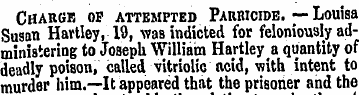
Charge op attempted Parricide. — Louisa ...
-

mWMttlMtm
-

, COURT OF QUEEN'S BENCH. Reoini v. Kbsb...
-

COURT OF COMMON PLEAS. MATtRlTT V. CASH....
-

TERRIBLE, CATASTROPHE. The following acc...
-

BRITISn COLLEGE OP HEALTH. JtoV-KOAD , L...
-

Dbummed OcT.-On Tuesday two pnvan* } Drummed OcT.-On Tuesday tvroprividf ° s , °
-

Dbummed OcT.-On Tuesday two pnvan* } ^ b...
Note: This text has been automatically extracted via Optical Character Recognition (OCR) software. The text has not been manually corrected and should not be relied on to be an accurate representation of the item.
-
-
Transcript
-
Note: This text has been automatically extracted via Optical Character Recognition (OCR) software. The text has not been manually corrected and should not be relied on to be an accurate representation of the item.
Additionally, when viewing full transcripts, extracted text may not be in the same order as the original document.
Timeof Their In. 6 * ^ T; T^: : .N.^^ Ma...
. 6 * _^ T _^ : _. N . _^^ Ma _}* , _AW
Memetropom
memetropom
Hbamh Of Losnos During Ths Week.—The Dea...
_Hbamh of _Losnos during ths Week . —The deaths _registered ia the metropolitan districts , in the week _ending last Saturday , were 857 . Taking ten corresponding weeks of the years 1 S 40-9 , it appears that the number now returned is less than in the years 1847-9 ; that it is also less than in 1843 , bat greater than in the same week of the other sis years . Tha average ot the ten weeks is 870 , or corrected for increase of population , 949 ; as compared with the corrected average , the mortality of last week shows a decrease of 92 deaths . The total deaths from the zymotic , or epidemic class of diseases , continue to be less numerous than usual , amounting only to 146 , while the corrected averare
is 1 « 9 ; from small-pox there were 4 , from measles 14 , from hooping-cough 3 G , and typhus 20 , the mortality from each of these epidemics being iess than the average . From diarrhoea there were 8 , which is about the average ; this disease exhibits a decline on former weeks . But scarlatina shows an increase , the numbers in the last three returns having been 21 , 17 , and 25 , whilst the average for the last week is 24 . Five children under five years of age died of infantile or remittent fever ; 4 _persons of infiaenza ; and 7 of erysipelas . A woman of fiftyfour died of scurvy . Diseases of the respiratory organs , exclusive of hooping-cough and consumption , were fatal to 137 persons , which is about the corrected _average : from laryngitis there were 4
deaths , from bronchitis 51 , from pneumonia ob , -from pleurisy 5 , and from asthma , 13 . The mortality from consumption continues unusually low ; this disease carried off 116 persons , whilst the corrected average is 145 ; and in tho corresponding weeks of 1 S 40-9 , it ranged from 117 to 148 . A beershop-keeper , aged forty-six years , died of " _haematcmesis ( sixty-eight hours . }" fie is reported to have been an habitual drankard . The classification of deaths in public institutions , shows that- 77 persons were registered as having died in workhouses , 37 in hospitals , 5 in military and naval establishments , and 6 in lunatic asylums . —The mean _dtily reading of the barometer in the week at the Royal Observatory ,
Greeenwich , was 29 _* 575 . The mean temperature was 46 _' 7 degs ., and was less by 5 _' 4 _dega . than the average of the same week in seven years , On every day it was less than the average , bnt especially on Monday , Tuesday , Wednesday , and Thursday , when the decrease was from 7 to 9 degrees . The wind was generally in the north-east and south-west . The Chinese Junk . —At an early hour en Monday morning the Chinese junk was taken out of the Ea-t India Dock to be removed to her new place of exhibition adjoining the Essex-street , steamboat pier . Strand . Her hull was enclosed in a holland covering , and her masts removed to permit her to pass under the bridges . She was taken in tow by two steam tags , and reached her destination about
soon . The Bermondset Murder . —A few days ago the whole ofthe property taken from Mrs . Manning , and that found at the railway station and in her possession , which , since their examination at the _Southward Police Court , has been in the custody of Inspector Yates , was handed over to the Treasury , to be disposed of as the Home Secretary may think fit , government having intimated their intention of _settling the demands ofthe _convicts' solicitors . Accidents at the New Chcbch , Westminster . —On Monday _foienoon as several men were employed in removing the scaffold from the tower and spire of Miss Burdett Coutt ' s new church , Rochester-row , Westminster , which are completed , a man of the name of William Ward , who was assisting ; fell from the platform at the top of the scaffold ,
a height of seventy-four feet , tie was in the act of lowering a scaffold pole , when the plank on which he was standing broke in two . To save himself he laid bold of 3 rope , bat he _^ _as unable to prevent his descent , and he came in contact with a cross-pole . This , with some others , checked his fall , and when about twenty feet from the ground , a man cwght him in his arms , but , notwithstanding , he went to the bottom . He was instantly taken to the Westminster Hospital , where , upon being examined , the only injury received was found to be a slight abrasion of one of the ribs . A few weeks ago a man fell a height of eighty feet , and was taken to the same hospital . It was then stated that he had a clear fall _, fie was admitted into the hospital , and was immediately discharged , not having received any injury . The church , it is expected , will be completed i i the ensuing month .
Suicide at Wandsworth . —On Saturday evening last Mr . W . Carter concluded an inquiry at the Spread Eagle Hotel and Tavern , High-street , "Waadsworth , relative to the death of a gentleman at that time unknown , who committed suicide there on Wednesday night . The name of the deceased , it appeired , was William Baker , and he was a native of Kingston . He had been employed as storekeeper at the Clarence Foundry in Liverpool ; but , in consequence of a dissolution of partnership in the con cern , he hid been thrown out of employment , and , being of a desponding turn of mind it was conjectured that he bad committed suicide under the pressure of fear that he could not obtain another engagement The jury were unanimously of opinion that the deceased was of unsound mind when he committed the act , and returned their verdict accordingly .
Suicidr . —On Saturday last Mr . Baker held an inquest at the Star , Wilkes-street , Spitalh ' elds _, on the body of Thorn ia Pickard , aged eighteen , tiie son of Mr . Pickard , one of the . parish rate collectors of Spitalh ' elds , residing at 37 , Wilkes-street . Mr . Thomas Pickard . the father of the deceased , deposed that his son was apprenticed to a cabinet maker and upholsterer , bat resided at home with him . He had noticed for several weeks past a great alteration in his mind and appearance , which he was _apable to account for . He was in a low and desponding state , and of late refused taking his meals . He had frequently asked deceased if anything was the matter , to which he invariably replied , " Nothing , " and he was not aware that he had formed any
attachment to a female . ___ On the previous Wednesday he was in a very dejected state , which was also noticed bv his _master , but who was unable to account for it . He slept in the same room as witness , who was called by h s daughter about _ekht o ' clock on Thursday morning , and on entering ths kitchen he found the deceased lying across the doorway of a closet , the walls of which were covered with blood , and on lifting him op he found his head nearly separated from the body , aud only adhering by a small piece of skin at the back of the neck . One of witness ' s razors was firmly clenched in the deceased s right hand . —Mr . Lewis , a surgeon , slid that the deceased had been dead for some time , and that his death must have been instantaneous . —In answer to a
question by a juror , Mr . Pickard stated that the deceased would have come in tv £ 509 on his arriving at twenty-one years of age , which he was fully cognisant of . —After some further evidence the jmy re turned a verdict of " Temporary Insanity . *' Suicide fuosi tub Duke op York ' s Column . — On Tuesday an extraordinary degree of excitement was caused in the neighbourhood of St . James _' spark and Pall-null , in consequence of a most determined suicide , which was committed in the sight of hundreds of people , from the Duke of York's Column . The railings which surronnd the capital of the column are about four feet high ; but notwithstanding the protection afforded by them , it has been usual for one of the two attendants who are
stationed at the building to accompany visitors to the top , and a portion of their duty , it is believed , is to watch their movements , and endeavour to prevent the occurrence of such a catastrophe as unfortunately took place . Abont half-past ten o ' clock a respectably dressed man applied to the doorkeeper ofthe Duke of York ' s Column , and addressed him in French , which he did not understand . He then paid him sixpence , and intimated by signs that he wished to go to the top . Smith , the guide , accompanied him np , the stranger , who was evidently a foreigner , still conversing in French . They walked round the top once , and nothing , particular was observed in the conduct of tlie stranger but what was attributed to the peculiarity of a _foreigner .
While the visitor was looking at the corner _tow-y-ds Carlton-terrace , Smith was standing at the door only abont three yards from him , when in an instant the deceased , by a sudden and violent effort threw himself over , and before Smith could catch lis legs he jumped from that portion of the column which faces the mansion of Chevalier Bunsen in Carlton-gardens . His body in falling struck the base ofthe column , rebouuded thence to the flagged way front which the monument springs , and when taken up by some of the passers-by it was found that life was quite extinct . The body was conveyed to St . Martin ' s workhouse , and it was discovered that the unfortunate gentleman was M . Henry
Stephan , of her Majesty _s Theatre . His engagement as horn player in the band , at £ 3 16 s . per week , from this month to August , was found upon his person . The unfortunate man , Henry Stephan , was identified in the course of the morning by his brother-in-law , a musician , residing at 17 a , Gerardstreet , Soho-square . It was stated that he was about forty years old , and that this was his second seasonal _engagement in the band of her Majesty ' s Theatre . He was a first-rate musician on the violin and French horn , and was formerly engaged at the Repartoire , Paris , which place he left under an engagement to Mr . Lumley . For several days past it was noticed that he had behaved in a very flighty manner . He was a native of Paris , and a
fat _. _ip-arned man , his wife residing at 85 , Faubourg St . ~ i > - _j-.-J _?™ is _» Paris , but he was in the expectation of her _*» _"? r' _^ _nral hourly in Loadon . Mr . Tetsel , the master * _Jt _ii-i _^ _iF * . _tjie _, workhouse , took charge of the bodv , the upper part of which is shockingly mutilated , and _-sr ' _i : _^ _it _^ ° i : f ture ! entirelydestroved by the _Sj _3 . _ifc : _H ledl _^ ? _cc from the top of the column to _^ _-r * _fe ? irem _^ _»*« mt 100 feet—On Wednesday _S _«^« 2 _'tf , J « _*» _Westmin-5 _*» _^ l _* _w * _w £ TJi » _^ _* W _*» workhouse , _* _, _« _,, o ? thehpdy ,: When the jury returned a verdict of * r — '" " Temporary : insanity , and recommended that
Hbamh Of Losnos During Ths Week.—The Dea...
there should be some railing round the top of the column , to prevent such occurrences in future . The coroner inquired whether many persons had been permitted to ascend the column since tho fatal occurrence?—Smith , the officer , replied that no one had been admitted on Tuesday after M . Stephan leaped from the column , but large numbers had visited the place that day ( Wednesday ) . In reply to a question from a juryman , Smith cam _» railing would prevent persons throwing themselves over , and would not interfere with a view of the surrounding scenery . The proceedings then terminated . __
Erje |3rodince£.
_Erje | 3 _roDince _£ .
Lrrerrooi.— Extensive Fobgemes.—On Frida...
_LrrERrooi . — Extensive Fobgemes . —On Friday VTr William Threlfall _, cotton spinner , of the Addingham loir Mills , near Bolton Abbey , was apnrenended at the George Hotel in this town , on a _charge of forgery , which he is supposed to have committed to the extent of several thousand pounds . When the prisoner was searched at the bridewell , £ 3 , 000 was found on his person , and , in a carpet ba < r , which was found in his bedroom , £ 3 , 000 more was discovered . It is stated that a subsequent inspection of his pocket-book disclosed a further sum of £ 5 , 000 and bills , apparently available at any moment , to the amount of £ 12 , 000 . Some of these
are certainly forgeries , but several appear to be genuine . Along with the bills were found numerous letters on business and relating to private affairs . Shortly after his apprehension , the prisoner was placed in the dock , before Mr . Rushton _, and Mr . Harvey , of the firm of Messrs . Harvey and Falcon , appeared to prosecute . It appeared from the statement of Mr . Harvey , that , on the 13 th of February last , Mr . Timothy B . Bourne , cottonbroker , of this town , received a letter from the prisoner , enclosing a bill for the sum of £ 2 , 000 , drawn by Mr . Threlfall , upon the Hull Flax and Cotton-mill Company , and purporting to be accepted by Mr . Joseph Rylands , manager of the said company . The writer requested Mr . Bourne to
get the bill discounted , and to apply the money for his ( the prisoner ' s ) advantage . The bill was discounted by the bank of Liverpool ; but , on Thursday , in consequence of information he had received , Mr . Langton , the manager of the bank , went to null , and there discovered that tbe acceptance was a forgery . Word to that effect was instantl y sent by electric telegraph to Liverpool , and the prisoner was in consequence arrested here . —Mr . Harvey , at the conclusion of his statement , prayed the magistrate for a remand , which was granted . —On _Saturdaj afternoon last , the prisoner was again placed in the dock , and the court was crowded by merchants and brokers , many of whom were personally acquainted with the prisoner , and recently had had
transactions with him . Mr . Harvey again appeared on behalf of the prosecution , and Mr . Aspihall _, barrister , assisted by Mr . Bremner , of this town , and Mr . Barratt , solicitor of Leeds , for tho prisoner . The latter gentleman was informed on Friday , by a telegraphic message of tho prisoner ' s position . —Mr . T . Bourne produced a bill drawn by William Threlfall , dated the 10 th of March , 1850 , for £ 2 , 000 , upon the Hull Flax and Cotton-mill Company . He also produced a letter which he received enclosing the bill . In pursuance of the instructions contained in that letter , he got the bill discounted at the Bank of Liverpool , and transmitted the money . In answer to Mr . Aspinall , witness stated that he did not know prisoner to be a
partner in the Hull Flax and Cotton-mill Company . —Mr . Layton , manager ofthe Borough Bank , proved the discounting of the bill at the bank , nnd said that he had been assured by the accepter that it was not genuine . —Mr . Superintendent TowersoD , examined by Mr . Rushton , stated that he had examined the carpet bag , and in it he found a small lock and leather bag . In the small bag were the bond stamps which he produced . He also found some red ink and paint . One of the stamps _contained the words , " Hull Flax and Cotton-mill Company , " and the other " chief manager . " He had looked at the bill of exchange produced , and he believed it was stamped with the instruments produced . The nrisoner was remanded .
Scotland.
_Scotland .
Coliisios At The 2?Orth British Railway ...
_COLIISIOS AT THE 2 _? ORTH BRITISH RAILWAY STATION . —A collision of a very alarming character by which the lives of about sixty persons were placed in extreme jeopardy , occurred " on Saturday last , at the station of the North British Railway , below the North Bridge . The passengers by the mail train for London , which usually leaves Edinburgh at eleven o ' clock a . m ., having taken their seats , and the signal haying been given for the train to start , the engine driver immediately turned on the steam , but at the first revolution of the machinery , the crank of the axle of the driving-wheel of the engine snapped in two , by which the locomotive was
completely disabled . The superintendent immediately despatched a pilot engine to the company ' s works at St . Margaret ' s for a fresh engine ; and in the mean time it was proposed to remove the disabled engine by the locomotive momentarily expected . This step , however , was not adopted , as being likely to occasion the entire derangement of its machinery ; and , in these circumstances , to enable the new engine to be attached to the train , the carriages were moved backwards to the turning table , and shifted to the centre line of rails , leaving the disabled engine on the line , close to the platform . The operation was effected in less than ten minutes , and tbe train , as then arrainged , consisted of a cattle-truck , filled with swine , for Leeds : a
passengers luggage van belonging to the York , _Newcastle , and Berwick Railway Company ; a second-class carriage , a _Carriage of the first class , and two other second-class carriages . Scarcely had the train been removed to the centre line , when the engine expected was seen to emerge from the Calton Hill tunnel at a rapid speed . The brake seemed to have peon applied , but as the locomotive approached the station with no diminution of steam , and at an apparent rate of more than twenty miles an hour , the alarm of the officials , and such of the passengers as saw it approach , became excessive . The eagine advanced on the same line of rails which the train occupied , and dashed into it with great force . The concussion was tremendous , and
spread the greatest terror among the passengers , some of whom , as the engine came up , seeing the danger , vainly endeavoured to escape from the train . The cattle-truck jn front of the train , which experienced the full shock of the collision , was nearly smashed in pieces , and the unfortunate pigs were thrown high into the air . It doubled , in a manner , over the luggage van , and separating into two parts , the upper half fell over on the south line of rails , leaving the wheels and axles on the line where the collision occurred , deeply imbedded in the ground . The luggage van sustained scarcely less injury , the roof and sides being dreadfully shattered , but singularly enough , the framework remained upon the line , and ( the couplings
connecting it with the truck having been broken ) with the train , which also escaped being thrown off the rails , receded backwards from the severity of the shock twenty or thirty yards . The engine was found to have remained on „ ho line , but the tender was thrown off , when the wheels sunk in the ground to some depth . The damage to the train extended no farther than to the truck and the luggage-van . T-The passengers , beyond the excessive alarm occasioned by the collision , suffered comparatively trifling injury . It is rather singular that only one pig was killed by the collision . —It is difficult to account for the occurrence of the collision . The engine-driver , of the name of Aitken , is one ofthe new hands employed in consequence of the recent strike of the regular engine-drivers and stokers , from an attempted reduction of their wages by the introduction of some new regulations . He was formerly a mechanic in the
company's establishment . The explanation given of the collision is , that having been anxious to display his promptitude in the emergency that bad occurred Aitken had come up at too rapid a speed , ¦ and becoming confused on his near approach to the station , had lost the command ofthe engine . The regular stoker was absent , and the man despatched for the engine was acting in that capacity when the collision took place . Neither of them sustained any injury ; but we believe that the guard in charge of the mail bags , who occupied the compartment of a second-class _carriage , sustained some injury on his back . Aitken , the engine-driver , was apprehended by two sheriff ' s officers in the course of Saturday afternoon , and was taken into custody . —It is stated that the cause of the accident to the regular engine of the train was the sudden application of two much steam at starting , by the engine-driver , who is also a new hand .
Iieiiinu.
_Iieiiinu .
Lire Tbnasi-Bight Movement. — The Prepar...
lire _Tbnasi-bight Movement . — The preparatory committee of the Tenant-right Conference have issued an address to the friends of tenant-right throughout the country , setting forth the duties which they have assumed to perform in making preparations for the approaching conference . They propose to delay the summoning of the conference till the second week in June . The address contains the following passages : — « The preparatory com . mittee propose that the conference shall be
considered essentially a meeting of business ; that all the _arrangements will be such as will best conduce to a despatch of business ; that there shall be no attendance of reporters for tho public press ; and that no other publicity shall be given to its _procsedinga than what the conference itself shall judge fit . The preparatory committee will report to the conference the various plans for a rightful tenant law that may be laid before them ; and , for tbe convenience of eliciting opinion , they hold themselves bound to submit to the conference a connected and detailed plan , such as , in their judgment , mil-Seine best calculated to secure , with least risk
Lire Tbnasi-Bight Movement. — The Prepar...
and most certainty ,, the just demands of the tenants-They also hold themselves bound-te . 'lay boforo ' the conference , and to submit to its judgment , the out * line of a p lan for a tenant league , to agitato for an improved tenant law . " Orange Lodges . —Among the " signs of the times" is the general movement of disruption which is going on at present among the Orange lodges of Ulster . In the Derry Standard we find another series of resolutions setting forth the motives for breaking up the institution , and signed by no fewer than fourteen masters of lodges , who are described in the local journal as men of respectability and integrity . Mr . Pooly _, the Paymaster of Constabulary , has been arrested under a fiat , and lodged ia Kilraainham _. ' at the suit of government .
Petitions for Sales . —There were twenty petitions for sales of estates filed in the Encumbered Court in the week ending oa the 2 th inst . The entire number of petitions is now 784 . Prosperous State of the Irish Linen and Yarn Trade . —The staple trade of Ulster had held up wonderfully during the famine , and the extensive employment it afforded contributed in no _Bmall degree to prevent serious destitution in the northeastern counties . Latterly there have been decided symptoms of further extension , especially in the flax-spinning mills ; and the trade altogether is in a more flourishing condition than at any period daring the existence of Protection . Evictions in _TirPKRiRT . —The Tipperary
Vindicator contains the following lamentable statement — " No less than thirty-six families , comprising upwards of 336 individuals , were ejected on the 6 th inst ., by the under sheriff of the county , on the estate of Mr . Henry ( encumbered ) , in the parish of Bellina and Boher , barony of Owney and Arra , county of Tipperary . A scene so utterly appalling has been seldom witnessed even in a county proverbial for the exercise of the depopulating system . The misery and desolation to which these poor people hare been thus subjected may be imaginedit cannot be described . The Nenagh Union , which has been so deeply suffering from the wholesale clearances at Toomevara , and the ejectments in several other parts of that union , has had , in this
instance , an augmentation to its misery which must tell with fearful effect on the struggling ratepayers of the union , already hardly able to bear up against the burdens that oppress them . Thus , in this case , there are no less than 336 human beings cast on the world ; thirty-five houses were levelled to the ground , of which nothing now remains but the black chimnica and the wrecks of roof trees , startling monuments of the progress of that desolation which is bringing the country to ruin [" Emigration . —The emigration , which has been upon so formidable a scale since the opening of spring , is still carried on with undiminished vigour , so that there appears to be scarcely sufficient shipping accommodation for the multitudes seeking their way across the Atlantic . The Limerick Chronicle remarks that the arrival of each American mail " conduces still more to stimulate the farming
classes to emigrate , by the cheering accounts of prosperity and contentment , with numerous money orders from friends abroad , encouraging their relatives to quit their native country . " Another description of emigration—that of able-bodied paupers—is also extending considerably . At the last meeting of the poor law guardians of Kilmalloek , county of Limerick , a motion of Mr . Bolton Massy —that one thousand persons should be sent out to America at the expense of the electoral divisionswas unanimously adopted , and a committee was appointed to carry out the project . In urging the plan , Mr . Massy remarked that those poor mon _, by their industry abroad , would be enabled to remit money for some of their relations left behind ; and that although the expense of so large an emigration might press upon the ratepayers in tlie first instance , they would find it the best and the most economical course before long .
Assaults on thf _Militart . —Several civilians have been convicted at Limerick for assaults on the military , and sentenced to various amounts of fines and imprisonment . Evictions near Crossmmslen . —On Monday last a formidable array of police mustered near Crossmaglen , from the neighbouring stations of Porkhill , Newtownhamilton , Glassdromond , Cullehanna , and Keady . About ten o ' clock the sub-sheriff arrived from Armagh , accompanied by four men , whose appearance was very much in keeping with the sort " of work they came to execute , namelyhouse levelling . From the strong force of police collected , it would seem as if formidable resistance was apprehended , but there was no indication of a breach of the peace . Nino families were evicted on the property of Mr . IV . C . Quinn , two on the property of Mr . Reed of Rabans , and one on the property of Mr . Tipping . Only one house was
thrown down ; the others were spared possibly for want of time to perform the work of demolition . It is said that 120 ejectment notices were served latel y on the tenants ofthe Tipping estate ! It is even remarkable that the clearance system is carried on extensively in higher quarters , and that may landlords , influenced by what would appear absolute infatuation , do not hesitate to take up the land from wealthy tenants of the highest class rather than yield any abatement of the rent to meet the altered circumstances of the country . This has taken place in several instances in the county of Meath and Dublin , and the consequence is that large tracts of country must remain partly unproductive , for want of cultivation and stock . Thb Repeat . Association . —There was a miserably small attendance at the meeting of the Association on Monday . Mr . Hagarty presided . The rant for the week was £ 20 2 s . Id .
Tenant Right . —Mr . Sharman Crawford has intimated his intention of being present at the tenant right conference in Dublin , and of postponing the introduction of his own bill on the landlord and tenant question , for the purpose of having its principles discussed by the members of the conference . The Weather . — After several weeks of sharp ungeuial winds , there was a fortunate change in the weather on Tuesday , and some refreshing showers fell during the day . This rain was much required , in consequence of the backwardness of vegetation . A week or two of moist weather would new be of incalculable service to all the growing crops , which afford such fair promise of an abundant harvest ..
The Cork Examiner publishes the following particulars relative to the escape of some of the Irish refugees in 1848 : — " The captain who rescued O * Gorman and his friends Doyle and _O'Donnell from the tender mercies of the British government , is now , or was recently , at Passage , and ho gives an interesting account of the adventure . His name is Taylor , and he is a native of Northumberland . He had discharged corn at Limerick , and left in ballast , but , owing to the weather , was obliged to bring up in the roads at Carrigaholt . On Saturday , the 2 d of September , he happened to go ashore in a small boat ; and as he landed , he was accosted by a man dressed in a frieze coat , who inquired whether he had any room for passengers . The captain said he thought he had , and told him he was going to Malta to look for cargo . The stranger did not seem to like the idea of going to Malta-at alland
, wished to know whether he could not land them in France . The captain , however , stated that it was probable that he would afterwards go to Constantinople , and he then asked whether they were refugees . To this question the person addressed , whom he afterwars learned to be a citizen of Limerick , replied that they were and that he hoped he might confide in him . At two o ' clock on Monday morning the refugees , all armed , were put on board at a place just under the police barracks ; and immediately ' afterwards the vessel set sail . The weather , however , continued bad , she was obliged to return to the same spot , and was detained there for a whole week longer . During this period the refugees , as may easily be imagined , were in a state of great suspense . Several oircurastances occurred to Bhow how active was the search for
them . Tne captain speaks with strong feelings of the zeal exhibited by a retired military officer in the neighbourhood , who used to go round tho ship in a boat , and say , " Well , Captain , you're not gone yet . " Upon one occasion , as he passed under the stern , O'Gorman and the others were looking at him through the cabin windows . Captain Taylor seemed utterly unable to comprehend the conduct of this individual , or how any any man ' s loyalty could oblige him to be a _spv , and to hunt down men who were in misfortune and no longer dangerous . It happened that tho officer of coast guards at the place was a townsman of Captain Taylor s , and moreover particularly anxious to touch the reward for the apprehension of tho felons . ¦ ine vessel
naa _oeen searched on leaving Limerick , and he did not thmk ' it necessary to search her again , because he had full reliance on the captain ' s concurrence with his views in that respect . Dining with him ashore on one occasion he said lie had a sharp look out for the fugatives , but there was no need to search the ship , because Captain Taylor would be the best searcher himself , to which the captain nodded assent . On the second Saturday they again set sail , one of her Majesty ' s vessels steaming suspiciously all the way ' between them and the land , to see that there was no _communication with the shore ,-until they got into the broad waters . Oa their arrival at Malta the captain sirictly forbade them to show themselves during th A ! _ty ! bo ) 2 * _¥ ? used t 0 g '» _k them a si _« ht
? . fl „ _ri _?& ii «„ h _« ue saystheywero the finest fellows ho ever met with . During tho voyage they used to remain up at night disputing upon political matters-and the controversy often became so warm , that he used pleasantly to tell m Till * / ' * fortunate circumstance S _oSlS _^ ° i nUmber - _When they landed at . Constantinople , he procured them a lodging , S 1 _l Uate _A _f l ln , very quarter of the city _£ S , _W _h sador _l _^ - Theyremaineu S _^ _iSSl n _? * Two da 58 after they left _M' $ . _^ _P * _"t som e men : to arrest _«? £ ' .. i ii ? u belloves that Sir Stratford knew perfectly well { hey were _in-Constantinople , and that
Lire Tbnasi-Bight Movement. — The Prepar...
_*„' slyly _ascertained the , time , of their departure , in ordei ' tdniako a show ' of - zeal afterwards—a ' trait like his generous character . It , may' be stated that _C-iotain Taylpr makes . no secret of his connexion with the affair .. Oh his return he told the whole stor y to the collector of customs in London . Will it be believed that for his courageous and honourable act , he lost the command of the ship in which he then served' "
Fltartral Crttttftml ©Ottrt.
_fltartral CrttttftMl © ottrt .
Charge Op Attempted Parricide. — Louisa ...
Charge op attempted Parricide . — Louisa Susan Hartley , 19 , was indicted for feloniously administering to Joseph William Hartley a quantity of deadly poison , called vitriolic acid , with intent to murder him . —It appeared that the prisoner and the prosecutor , who stand in the relation to each other of father and daughter , occupied a room in the Hope publie _» house , Gravel-lane , Southwark , and the prisoner was engaged in attending to the domestic concernsof the prosecutor , and she was in the habit of gettin g the breakfast ready every morning before her father went out to work . On the morning ofthe 16 th April the proseoutor was asleep in bed , and the
prisoner awoke him and told him that breakfast was ready , and she at the same time handed him a cup of coffee and some bread and butter in a small tray . Upon tasting the coffee the prosecutor discovered a sharp , burning taste , and he accused the prisoner of having put poison into his coffee . She denied having done , so , and _^ he tasted it a second time , and again felt the same sensations , and the prisoner was again accused by him of putting poison in the liquid , but she repeated that she had not , and took up the cup and empted it into a wash-hand basin , in which there was some soapy water , and she then went to the fireplace , and rinsed the cup and wiped it with a towel . The prosecutor then got up and put the contents of the basin into a ju « r , and took them to Guy ' B
Hospital , where they were examined by Dr . laylor , the eminent professor of chemistry at that establishment ; and the result of the analysis to which they were subjected was the discovery of about half a _teaspoonful of vitriolic acid ; but it was stated by this gentleman that the effect of this quantity of acid being taken into the stomach" , would not have been to destroy life , but that the results would have been merely temporary , and would have entirely ceased after the lapse of a few hours . In addition to this evidence it was shown that the prisoner had repeatedly complained of her father having beaten her , and that she had upon one occasion threatened to burn his clothes in vitriol , and afterwards put some for him t » take : and at another she said rather than her father
should lock her up , as he had threatened , she would cut his throat while he was asleep , and put the razor uuon his bed to make it be believed that he had done it himself . It turned out in the course of the case _, that the prosecutor appeared to have taken very great pains to get up the case against his daughter , and there were some circumstances tending to throw suspicion upon his evidence . —Having heard theevidence the jury returned a verdict of " Not Guilty . " The Argyll Rooms . —Mr . Clarkson applied to the court ir . reference to an indictment against Emile Laurent and others for keeping open a place called the Arevll Rooms , in Great Windmill-street , as a
disorderly house . He said that the prosecutor was unable to hear the expense of any __ further proceedings , and he therefore desired to withdraw from the prosecution . —Mr . Parry ; who appeared for the defendants , said that after what had fallen from his lordship , he begged to say that the respectable solicitor who conducted their case , had instructed him to say that they were no parties to any compromise ; but , in point of fact , they had been put to great expense by a prosecution instituted by a common informer , who bad now abandoned it . —The several defendants then surrendered , and a verdict of " Not Guilty " was recorded .
Brutal Assault . —William Steers , 27 , chairmaker , and Catherine Steers , alias Duncan , 38 , married , were indicted for cutting and wounding Richard Burn , with intent , & e . It appeared that the male prisoner , who is a well-known associate of thieves , cohabited with the female , in a place of notorious character , called Francis-street , Old-street-road , living upon her prostitution ; and on the day of the commission of the offence , the 10 th of March , they had a quarrel with another prostitute living opposite , and she coming home at a late hour , the two prisoners most brutally assaulted her , and her cries brought prosecutor , who was a policeman , to the spot , the two prisoners fled into their own house . The woman in question being very much injured , and
bleeding protusely from the face , the constable went to take the prisoners into custody , but they refusing to come out , he forced the door , and seized the female , upon which the man said he would serve him as he had the injured woman , and took up the leg of a chair to defend himself against being taken into custody . The officer then seized him , and after some scuffling got him into the street , where the female prisoner attacked him , and got him to the ground , where she held him by the hair ; and whilst on the ground the male prisoner beat him most fear * fully about the head and loins , threatening . to murder him , and would in all probability hate carried out his threat had not assistance arrived , and they xvere taken into custody . The injured officer was then
placed under the hands of the police surgeon , who found that the blows about the loins were of so brutal a character as to have positively broken the flesh , though inflicted from the outside of his coat . The result had been that he was disabled for life , and those , in conjunction with the injuries on the head , had rendered him subject to epileptic fits ever since . —The jury found them both "Guilty . " —The Recorder , having commented upon the extreme brutality displayed by the male prisoner , sentenced him to ten years' transportation , and the female prisoner to eighteen months' imprisonment and hard labour in the House of Correction . Taking Forcible Possession of Goons . —John Sadler , 39 , carpenter , stood indicted for larceny .
The facts of this case were these :-The prosecutor , Mr . John Southgate Williams , having disposed of a business that he had in St . George ' s-in-the-East , was about to leave , but being indebted to the landlord the sum of £ M , he made a compromise with him by paying £ 20 down and giving a bill for £ 14 ; and the prisoner , who had acted as a sort of broker or agent in the matter , put his name to the bill as acceptor , and as the prosecutor was going into the country for a short time , made an arrangement to leave his furniture , amounting in value to nearly £ 200 , warehoused under the care of the grisoner , who , however , it appeared , under the pretext that he should require some further security for the liability he was under in having accepted the bill , obtained from prosecutor
a decunient purporting , to hare sold the goods in question to him . The goods were then placed into the cart to be removed from tbe premises , and no sooner were they so done than the prisoner intimated his intention of keeping them ; upon which prosecutor ordered the carman to drive them to his own place , and there prosecutor watched them all night , intending on the following day to- remove them , and have them kept at the warehouses of the Eastern Counties Railway . The prisoner , however , came with several men , and forcibly took possession ofthe things , and removed them to an auction room , where he said he should at once sell them . Prosecutor then went and obtained the £ 14 with which he paid the bill , in order that the prisoner might not
imagine he had any claim on them , and then went and demanded the goods , when prisoner laughed at him ; first asking £ 20 , and then £ 3 r _> _, before he would part with them . _Prosecutor refusing to give it to him , went and gave notice to the auctioneer not to sell the things , which , however , was done in defiance of him , they being sold at a most ruinous sacrifice . — Mr . Bullock : The case was clearly not one of larceny , although the . prisoner would not have any answer to an action for trespass or trover . An "Acquittal " was then taken . Forgery on a Bank . —E . ' Barnett , who pleaded " Guilty " on Wednesday , in the Old Court , to anindictment for forgery on the London Joint Stock Bank , was brought up and sentenced to seven years ' transportation .
Stabbing . —J . Smith , alias M . Terrardi _. an Italian ' , aged 30 , was indicted for stabbing Patrick Scanlon , with intent to murder him . Mr . W . Cooper , prosecutor , and the prisoner cross-examined the witnesses through the medium of an interpreter . —The prosecutor stated that his parents kept a lodging house in East _SmithBeld , and on the 22 nd of April the prisoner came to their house with a girl , who got into conversation with a young man who was with him upon this the prisoner became much enraged , and complained of its being ' very hard that ho _shou'd be deprived of her company , when he had been spending money on her all the evening . Prisoner then became very outrageous , and wanted to tight the man he was jealous of . Prosecutorhowever , _interfered to
pre-, vent the quarrel , and he then . saw prisoner put his hand into his pocket , and heard a click , as if of the opening of a knife blade . lie then made a run at him , and thrust at tbe lower part of his belly , and he felt himself cut , the knife—if a knife it was , for he did not see what he was struck with—in its passage wounding , him in the arm , which he put down toward off the blow . The prisoner then withdrew his hand , and rati off . Prosecutor immediately felt very sick and faint , and was subsequently conveyed to the hospital , where he had his wounds dressed . When his clothes were examined , it was found that they were cut through , and that had it not been for the miraculous interposition of a pack of cards that he had in
his pocket ; which partially arrested the progress of the weapon , the blow must have proved fatal . —Mr . John Wyatt , house surgeon at the London Hospital , said that the prosecutor was brought into the hospital on the 22 nd of April . He had an incised wound on the arm , above the wrist , and a punctured wound about an inch and a half in width in the most daneerous part of ; the abdomen . The blow must have been struck with much force to have ' inflicted the wound Hhad ; fortunately not any serious consequences set in , arising from tho happily slight depth of the wound .-The jury found him " Guilty " ofthe entire ; charge .-He was then sentenced to' twelve months imprisonment . "
Mwmttlmtm
_mWMttlMtm
, Court Of Queen's Bench. Reoini V. Kbsb...
, COURT OF QUEEN ' S BENCH . Reoini v . Kbsbaly . —Mr . Crowder , Q . C ., and Mr . Huddleston appeared for the prosecution , and Mr . Whateley , Q . C ., for the defendant _^ This was an indictment for an assault committed ' by the defendant , Edward Kenealy , a barrister upon his child , described as Edward Hyde . The defendant pleaded "Not Guilty . " Mr . Crowder said , he appeared as counsel on behalf of the prosecution , which had been instituted by the guardians of the West London Union against Edward Kenealy , who was . charged with an aggravated assault , upon a boy ofthe age of six years , and who , it appeared , was tho natural child ofthe defendant . The defendant said that the child was excessively
obstinate and addioted to telling lies , and that it was necessary for him to receive chastisement . But it would be for the jury to say whether _excessive punishment had not been inflicted , or whether tho child was only punished with ordinary chastisement . —Witnesses were called who deposed to the finding the child on the 13 th of February last in Skinnerstreet , Snow-hill , covered with stripes and bruises . —Stephen John Birt examined : 1 am a surgeon . I saw tho child on the 14 th of February , the day after it was found . I found a mark on his throat from ear to ear . The back part of tho neck was scarcely marked . There was no mark on the back part of tho neck . On the front part of the throat the skin bad been removed , apparently by pressure ,
by a cord , or somothing passed round the neck . Scabbing had taken place on some portions . Other portions were undergoing suppuration . The suppuration had been produced by pressure and struggle with the child . Inflammation had ensued before suppuration could take place . The suppuration was on the part of the throat where the skin was removed . The whole of tho back , from the shoulders to the posteriors , was covered more or less with bruises produced by a rod or a cane . They were of a different colour w here near the bone . The marks might all have been inflicted at the same time . From the posteriors down to the ankles there were marks which showed evidence of the same castigation . I should say great violence must
have been used . From the shoulders down to the hands thero was evidence of the same treatment previously . It might have been done by a rod or cane . A common birch rod would not produce such marks . —The evidence of Edward Hyde , as given before the magistrates , having been put in and read , he was produced , and having repeated the Lord ' s Prayer and answered several questions put to him by Lord Campbell , was sworn . He said : I recollect the day I was found in the street . Before I was found inthe street I lived with Mr . Kenealy . I used to sleep along with him . I was beaten by him before I went into the street ., That is the cane I had in my hand when I was found in the street . He beat me for not learning my lesson . I had my
clothes off , all of them . My shirt was on . I was in the little room where I sleep . I was not tied _, my neck was hurt . Mr . Kenealy put a rope round my neck : Mr . Kenealy \ _ras catching hold of the other end of the rope . It hurt me because it squeezed . I did not try to get away . It hurt me round my neck . He flogged me . The flogging was all at once . I went to bed after I was flogged . It was night . I dressed myself to light the fire . I went out after that by myself and went to play ; I went home after I had been playing . I remember when I was found in the street . He did not catch hold of my hand . I went out by myself . I went to the left . I went far before the people came round me . He told me to go out to Highgate all
alone . —Cross-examined : Mr . Kenealy told me to wait at the corner of the building , and he would take me a walk to Highgate . I went , and instead of waiting lost myself . I was not frightened when I found I had lost my way . I was not frightened when the people and police came round me . Mr . Kenealy often took me for a walk , sometimes to Highgate , and sometimes into St . James ' -park to feed the ducks . He taught me to spell and read and to say my prayers . He bought me playthings and books with pictures in them . I sometimes told him lies . He was very angry with me when I told him lies , and told me I should always tell the truth ; and when I told the truth he was always kind to me . He always told me to be a good fine boy , and I
would make a good honest man , and that it was vefy wicked to tell lies . When the weather was good he sent me out into the square to play ; and when it was bad he kept me at home and gave me things to play with , ne told me little stories and taught me little songs . I was with him some hours every day . and slept in his bed every night . I remember his bringiug me over from Ireland . I had not then learned to read , and had not learned my prayers . He began to teach me to read as soon as I came to London . He kissed me every day . When he told me not to tell lies I promised that I never would any more . He would then take me in his arms and kiss me . He was angry when I told lies , and was always kind when I spoke the truth . —Reexamined . ' —I read to Mr . Kenealy . I was not
reading to Mr . Kenealy the night when he beat me . He beat me for not knowing my lesson . —By Lord Campbell . —I had not forgotton the beating . I had not been telling many lies that night . I forgot what I had done to make him angry . I cried much when I was beaten . —Mr . Whateley addressed the jury , and Lord Campbell having summed up the evidence , after a few minutes consideration the jury gave a verdict of " Guilty" on the second count , which charged a common assualt . Lankford v . WiLsoN . —This action was brought by the plaintiff to recover damages sustained
through the neghgenco of the driver of one ofthe defendant ' s omnibuses , which was one of the Favourite line . The injury was inflicted near the Holloway-gate on the _e ' th of January last , under the following circumstances : —The omnibus was on its way to town , and came into collision with the plaintiff's chaise cart , at a point of the road where it was pavtially blocked up with a number of brick carts . The plaintiff was thrown out by the shock , and had his _ajm broken . Tbe question was who was in fault—the plaintiff or the driver . —Witnesses were called on both sides , after which the jury returned a verdict for the plaintiff—damages , £ 75 ,
EVANS V . WAYLETT . Malicious Prosecution . —Mr . Chambers stated that this was an action for a malicious prosecution . The plaintiff was an omnibus conductor , in the service of the Richmond and Sunbury Omnibus Company . The defendant was a silversmith in Oxfordstreet . A robbery had been committed on tho defendant in the following manner : —A man , subsequently discovered to be named Rolls , came to the defendant's shop , and , opening the door , asked him to step out , and pointed out to him in the window a bracelet , the price of which Rolls asked , and , after a few words of conversation , went away . The defendant was then about to enter his shop when he found a man thero , who likewise made
some inquiry about articles in the shop , and then went away . The defendant afterwards found that his till had been robbed , and that a drawer , which had contained more than twenty sovereigns , had been epened and its eontents carried off . Rolls was discovered , and taken into custody . On the 27 th of October he was examined before Mr . Broderi p , when the plaintiff , heiog at that time present in custody on another charge , ho was sworn to by the defendant as the man who was found in the shop on tho defendant re-entering it after his conversation with Rolls . The defendant thereupon made the charge in a formal manner and the plaintiff was remanded . On the 31 st of October the plaintiff was brought up for re-examination . He
then offered evidence to show that he was not the person , and could not have been present at the robbery , for that at the time of its being committed he was doing his business as an omnibus conductor many miles from Oxford-street . The magistrate , according to a bad practice at police-courts , refused to receive this evidence , on the ground that it was not his duty to try the case , and so committed the plaintiff for trial . The plaintiff was tried at the Central Criminal Court , and was acquitted . These wero the facts of the case ; and tho plaintiff now sought for damages for this charge , in order that he might re-establish his character , which had been
thus unjustly made the subject of so serious an imputation . — Witnesses wero called to make out this case , and the alibi was distinctly proved . — Lord Campbell said that the simple question hero was , whether the defendant had been actuated by malicious motives ; for , if ho had acted sincerely throughout , a mere mistake in such a case as this was a , misfortune for which the law gave no redress to the party who was thereby injured . His lordship then went through the evidence , leaving it to the jury to say whether the defendant ' s conduct had proceeded from malice or only from error . —The jury returned a verdict for the defondant .
# EVANS V . WILCOX AND WALKER , Tins was an action brought by the same p laintiff against the persons who had first given him into custody . Tho charge here was that of stealing a gold watch , in _company with Rolls . The same evidence was given as in the former case , establishing m a distinct manner that the plaintiff could not have been present at tho place at which the robbery was committed . —Lord Campbell told the jury that the only question was as to the amount of the damages , and the jury returned a verdict for the plaintiff , damages £ 25 .
Court Of Common Pleas. Mattrltt V. Cash....
COURT OF COMMON PLEAS . _MATtRlTT V . CASH . False Imprisonment . —Tho plaintiff is a dealer in stale bread , living in Wentworth-street , Whitechapel , and keeps a stall in Petticoat-lane . The defendant is a beer-shopkeeper in Lower Claptonplace , in the same vicinity . On Saturday , the 20 th of October last tho plaintiff , who frequently dealt in such things , bought a goose of a person named Wallace for 4 s ., and sold it again to a person named Dadson for 4 s . " 6 d . On the samo day the defendant lost ' a- goose , 'and having ascertained . that a man , answering tho description of the plaintiff , had been
Court Of Common Pleas. Mattrltt V. Cash....
een going along the Hackney-road , withT _^ a harrow , gent for police-constable M . * Sn a , and went with him in search of _twH Having found out that _Dadson had _bonX _& V of the plaintiff , they went to the _plaintipAN and asked him if he had sold one to _ftX » _H ' plaintiff-replied he had , and the poll 2 _\ " That goose has been stolen , and you r _^ _f _? _•* sider yourself in custody . " The plaintiff _ih _^ - ' " I bought the goose of a man named Wall , ' _^ here is his card , " and produced to theiri _i 'M which was inscribed _« ' Mr . Wallace P _» _t _* _% Cambridge-road , . Bothnal-green _, " but th _" * _theless took him into custody , and went _$ _\^< to the Hackney station , where the Mr _h charged him with stealing tho goose JSt i . fendant signed the charge-sheet . Tnev _hT * _<* him in the cell , and went to the houV , k Wallace , who is a wholesale dealer in tWm _^ used by bootmakers , and has lived in _Ci _M "
. for thirty years . They got there abZ ih o clock at night , and , according to Mr w . S statement , the policeman , who was in _niiiJ ! , e ' i asked him if he had sold the plaintiff _an'I K Wallace , who did not recollect the LiS § said " M . " The policeman said , WJ ! S man . Do you mean to say youhavp !„ P _S goose to a baker to-day ? " % _, _WalM Sold _» he had done so . The ' policeman ££ „ I " ' _% a stick he held in his hand in aT _^ manner , and said , with an oath , ho U i _H mind to lock him up , and that if he hnii L gtCj ' one man he would do so . He repeated im - _fl _m-nnf . m _nrl in A * I * „„ it _"HWieU he WF .
conversation , during which he severalX _? _- he stick in a menacing manner , he told Mr & to be at _Worship-street , at eleven 1 llstl Monday morning . Mr . Wallacei s 2 i h ck ** be there , to which the policeman repL .. _W if you are not there , I'll have _PZ ' vJ _^ and apprehend you . " Thev then J , _u % and lE Wallace , went to _^ the pi _tt ° ' and found his wife and children R aUi _, _?*' He then went with Mrs . Marriet iiu _^ lbW police-station , and stated to the officer n _« L _^ he had bought the goose of _ahalff , » _A i _¥ home , and leave him m custody . _ThfnU _? _«« ing , being Sunday , they * en _t _^ _tJZ'IT station and there met thedefenfi ? . ' m V ° fc repeated his statement , and then the defendant 3 ?
_« "He ooks morn 1 kn tho m _™ » « r . ™ . _r ? Wi " He looks more like the man , " and gave him !?' custody . Mr . Wallace said , « Why , ? mJ ? S taken for a thief before . I have beenT _£ keeper for thirty years , and I _bought the goose _wT tcrday in my open shop . " Notwithstan ding 2 they took him into custody , searched him , Md to * from him all he had in his pockets , and then locked him _upia a small cell , without a chair or bed th _» whole ofthat day and the night following , and let the plaintiff out on bail . The next morning ji _f Wallace was marched with others to the police ! court , where plaintiff duly surrendered , and _haviwj been kept there while other cases were disposed of until between four and five in tho afternoon , tke « were brought before Mr . Hammill _, the _masristMc
lhat gentleman , having heard the case on both sides , immediately discharged tho plaintiff and Mr Wallace , observing that " there was not the slightest pretence for charging them with a feW that he was perfectly satisfied with the explanal tionsthey had given , and the more so , as he under stood from some officers of his court that they knew them both perfectly well . " On the other hand the policeman , who was called for tho defence and gave his evidence in a very rough manner swore that when he first asked the plaintiff if he * had sold a goose , he made no answer ; but be admitted that before they had left the house the Dlain .
tin told him that ho had ; that he had bought it of a man in Bethnal-green , and that he snowed him the card Mr . Wallace had given him . lie also swore that when he first asked Mr . Wallace if he had sold a goose , Mr . Wallace said " Jfo , he had not had such a thing in his possession ; " that when told what the defendant had said about it , he said , "Da could not think who the fellow could be that could tell such a lie ; " that when the card wa 3 showa him , he said , " He would take his oath it was not his writing ; " but on being further told the man lived in Wentworth-street , and kept a barrow , that
he replied , " Oh , yes , I did sell him a goose . " All this , however , Mr . Wallace denied positively . —The defendant addressed the jury on his own behalf , contending that he had reasonable grounds of suspicion against the plaintiff and Mr . Wallace , and urging upon them that tho action was a speculative one on the part of a Jew attorney , and that it would be _useles to find a verdict against hira _, as , if they did so , he should be obliged to pass through the _adjoining building , meaning the Bankruptcy Court . —The jury , after a short deliberation , returned a verdict ior the plaintiff , with £ 20 damages .
Terrible, Catastrophe. The Following Acc...
TERRIBLE _, CATASTROPHE . The following account of the terrible catastrophe which occurred at Algiers on the 4 th of May _isgiren in a letter to the Constitutional '" We write these lines under the influence of the most painful emotion , and our readers will forgiveus if we relate simply and without elaboration the fearful accident which we have witnessed , and to which several of our citizens have just fallen victims . " It was announced that this day , at nine o ' _clock MM . Barthelon and Dussard , contractors for the conveyance of materials for the corps of Ensineers and the hydraulic works , would spring a mine in the quarry of Bab-el-Dued , charged -with 4 , ( 100 kilogrammes of powder . It is easy to understand
with what eagerness so attractive an invitation was responded to . Early in the morning a numerous crowd was seen proceeding in the direction of the engineers' quarry , and we do not believe that we exaggerate in estimating at 5 , 000 the number of persons which crowned the surrounding heights . An experiment of the same kind had already been made inthe month of December last , and , as it had completely succeeded , a great number df ladies , attracted by the desire to witness a spectacle of _magni ' licence of which they'had heard vaunted , did not hesitate to join the crowd of sight-seers . Several mothers even—so great was the feeling of securityhad brought their children with them . These groups , ranged one above another from the boUora ofthe
ravine up to the Targarnis , formed a most . inin »' ted and picturesque scene , and the sun , wli'ch shor . 8 on them , seemed to beam forth promises of enjoy * ment for this festive day , whicli was destined in s few minutes to become ' a day of mourning , At 3 quarter past nine & loud report announced that the fusee had been ignited . Twenty minutes were required to elapse before the fire reached the two excavations , in one of which were placed 2 , 500 _kiogrammes of powder , and in the other 1 , 500 . « k _® the fire had gained the first gallery twenty-one salutes were fired in celebration of the annivi'r > ary of the Republic . A fuw minutes after ' an _csplosion took place in the interior of the mountain , » " _" _<¦ _*
smoke enveloped the quarry , and a . volley ot sum " and large blocks of rocks was hurled in the _direcuoa of the city with prodigious force and to incrediuie distances . Persons standing at a distance w ™ , than 800 metres from the quarry were strucK , m we are informed ( hat the substances _pW'" _^ reached not only as far as the New Prison , but _*" , to the terraces of the Casbah quarter . We shall nw attempt to describe the _frightful spectacle which F ' sented itself shortly after the explosion . As t . crowd was scattered over a large space , and _occupy various points at a distance from each other , it _j , _ impossible to perceive at once the extent of ' " y aster , and only by going from group _togtoupM 1 " an idea of the number of victims be formed . " We shall not seek to exaggerate , nor ¦ undew _^ their number , and our readers will find below ai- ¦> whicli is unfortunately but too correct : —Eigh « _P sons killed , several wounded so badly as to leave _* U L „„„ „ _f _„«„ . „„ ,.. „ n . iA a _luivro nnmllfT l'JU .
more or less severely ; such is the sad result ot j unhappy day . Among the deaths we have to rcu that of M . Jourdan , Juge _destruction at tne i ' bunal of Algiers , who was struck by a _projectile the old Christian cemetery , at a distance of _ni"reI ° _» 600 metres . —Considerable anxiety exists on thel ' y of the public with respect to the cause of tin * '' event , and the strangest rumours are afloat . * . ; being competent to pronounce any opinion on '" j point , we judge it more prudent to await the '' _^ _L the inquiry , which is appointed to be made forth **• ' It would be unjust to visit the contractors wit" . responsibility of this accident , they having _S're" . necessary admonitions to the public , and taken" sures to insure the least dangerous position' _" ° taken ; nor are the police to be accused of _ncgl'fi * . _^ as every pains was taken to point out the < laB S J which it was attended . —The list of dead and _vrw t contains the names of six persons dead , and u * _^ \ two whose names have not been _ascertained number of wounded amounts to twenty-i "" '
Britisn College Op Health. Jtov-Koad , L...
BRITISn _COLLEGE OP HEALTH . _JtoV-KOAD , LOSDOX . TO THETIXAN 0 IALT 8 O 0 IAL REFOl _^' ' THROUGHOUT GREAT I 3 RITA 1 > - _FEtMW-CduNTimiEx , —Prove , as most ws' J , _^ can , how the doctors have lor ages cheated _tnt _^ I _,,., _; ¦ on the question ot their health , and all the ' , _$ } that you demand must follow , and that , ' _"" _{' w _-ji j succession . The dishonesty of the me dical _w . . be most easily established . We are , Fellow-Countrymen , Yours in tho cause oi Salutary nofor _>» _- _« _^^ Tun Members of ihe Bums ' l April 11 th , 1850 . of _Ueai 1 "' i .
Dbummed Oct.-On Tuesday Two Pnvan* } Drummed Oct.-On Tuesday Tvroprividf ° S , °
Dbummed OcT .-On Tuesday two pnvan * Drummed OcT .-On Tuesday tvroprividf ° s , °
Dbummed Oct.-On Tuesday Two Pnvan* } ^ B...
_^ battalion of Coldstream Guards stationeo _v Georgo ' s Barracks , Charing-cross , were dr » _^ out of tho corps with the usual formalities tl Rogue ' s March , " & c . The offence for _w _^ C 1 punishment was inflicted did not transpire .
-
-
Citation
-
Northern Star (1837-1852), May 18, 1850, page 6, in the Nineteenth-Century Serials Edition (2008; 2018) ncse.ac.uk/periodicals/ns/issues/ns3_18051850/page/6/
-