On this page
-
Departments (3)
-
Text (15)
-
Untitled Article
-

Untitled Article
-
Untitled Article
-
Untitled Article
-

Untitled Article
-
Untitled Article
-
Untitled Article
-
Untitled Article
-
Untitled Article
-
IHE NORTHERN STAR. ; SATURDAY , JULY 21, 1838.
-
Untitled Article
-

Untitled Article
-

ORIGINAL CORRESPONDENCE. 1
-

TO THE EDITORS OF THE NORTHERN STAR
-

Untitled Article
Note: This text has been automatically extracted via Optical Character Recognition (OCR) software. The text has not been manually corrected and should not be relied on to be an accurate representation of the item.
-
-
Transcript
-
Note: This text has been automatically extracted via Optical Character Recognition (OCR) software. The text has not been manually corrected and should not be relied on to be an accurate representation of the item.
Additionally, when viewing full transcripts, extracted text may not be in the same order as the original document.
Untitled Article
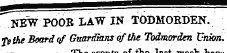
"NEW POOR LAW IN TODMORDEN / . fe the Board of Guardmns of the Todmorden Union . G&TLsazSf— The events of the last week , have v pei of a kind altogether newin this hitherto peaceful Taller , &oi wDl be long remembered . These -rents , and the answers which 1 am informed you ijari 1 given to questions put to yon by the deputations of ih op-tpppere and others , -who thought it their duty to wait on you , have convinced me that to pertevere jcst xow in carrying into execution that , of which I , on behalf of my brothers and my !> elf , haye jtpeatedly given you notice , ironld hazard the lives of the innocent and unoffending ; and that it would we no effect in inducing you to yield to the en-^ ggg ^^ Mg ^ gM MMM-MI I ~ I IIIIII I — " XT ~ -TTTrTT-TT
treaties of an immense majority of your fellow rate-payers , not to lend Yourselves to introduce the New Poor Law into this-District . To prevent , if possible , the shedding of inBoeent blood , and to ioinply vith the wishes of those who petition us , ire feel ourselves morally hound te postpone carrying out the measure implied in our notice , and we have re-opened our works this day . On& of your "board , a newly dubbed official , with the military at his call , on Monday last made this assertion , ' * that he thought the Old Poor Law better ( ban the New one , Mr . Fielden could not suppose , that they would be able to prevent the new law being putinto ' operation—that itwas the law of the land , and it would be put in force , or half the troops in the
country weuidoeconcentratea nere to enect it . _ I p ity this gentleman if he has consented to be a tool to introduce this law , and with such a force ; he ihould not forget the efforts made by two near relatives of his , along ^ with others , to disunite the township in -which he and I live , and in which our forelathers have long lived , from other townships , not ret forty years ago ; and the general satisfaction that has always been expressed at those efforts haying been successful His assertion on Monday last , eonpled with the fact of a military force having been $ snt to Todmorden that day , and on Friday thf presence of the commanding officer of the district , ( who , accordine to the newiDnpers , was in London
on Monday , ) would seem to imply that there were ether and higher authorities in the back gronnd . ready and Trilling to supply the force , and to introduce tbe Uw amongst us by slaughtering tie people , has been done in other parts . To oppose force to force , we are not yet prepared ; but if the people , of thii and the surrounding districts are to be driven to die alternative of either doing so , or surrenderine their local government into the bands of aimncoiisutntional board of law-makers , the time mav not be Jar distant when the experiment may be tried , and 1 would warn those who provoke the people tu such a combat , of the danger they are incarrin ? . Yon . Gentlemen , say this New Poor Law is " the
law of the l&no—th&tyou are opposed to its principles sad details ; but , that asit is the law , it must be pnt in force , and you will be tue instruments to do it . Suppose a law to have been passed , requiring von to cat off the heads of all the poor people who " app lied for parish relief , —and such a law would have been a merciful one compared -with , that which starres them to death by metes;—mi ^ ht rou hoi have used the same argument for cutting off their heads ? And would you be justified in doing it r In support of this , I would refer yon to the letter of Mt . Baktox , the chsinnsn of the Board of Guardians of the Havant Union , addressed to the Editor of the Horning Chronicle , and recently pub-.
ashed in that journal . In detailing the sufferings of the poor , nnder the New Poor Law Act , M ~ r Barton says , — " A singk case of destitution , close to our own doors , afivcts us more than a thousand such cases dispersed in distant country parishes ; soilless is our sensibility affecrsd . when the sufferings endured do not exhibit themselves in a visible form , as immediate consequences of a privation of the necessaries of life . If we heard that a whole farcilr iad been found dead in their beds from starvation , ire should be struck with horror ; but the sufferins is not less , or less real ( it is even greater , because more prolonged . ) if they are so debilitated , by a conniined privation of needful food and clotnin 1 ' . as
paduallyto fall victims under the attacks of feter . consumption , or dropsy . I do not hesitate to express my conviction , that many hundreds , nav . thonsands of families in the agricultural districts , are bow suffering these protracted miseries . " Mr . Barton , it farther appears , is well acquainted with ihe _ practical working of the new law , and would praise it if he could ; his apology for addressing the pnbLc ear is thus stated : — " 11 is not till after having repeatedly and earnestlyrembnstrated with die Commissioners in private , till after having used mv best eadeavours to obtain a hearing before the Committee of the House of Commons , that I thus appeal to another tribunal But having failed in these endeatoths , I cannot in conscience suppress the painful spprehensions that I entertain on this snbiert : also .
sa the dread that I feel of the effect of the measures of the ^ Commissioners , during the forthcomine linger . " 1 know myself , that many have been j mikras to give evidence before the Committee of the House of Commons , who deeply deplore the sufferings of the poor under this new law , but who hare not been allowed to do so ; while the Committee have admitted the supporters and workers of it , and prevented them answering questions which wonld have proved its cruel operation . Mr . Pearce chairman of tbe Board of Guardians of the Woburn Union , was thus protected when I weuldhave inquired into the case of the Widow Deacon , of Wo-Cum , whose relief had been gradually withdrawn . * sd who . in despair , from harsh treatment of the Guardian ? - , drowned herself in the moat of the clergyman , nnder the walls of Wobum Abbev
But how is it we have two Laws ? The New Law tss passed in 1 S 34 , and we have hitherto carried on our parochial affairs unoer the law which was in besg before 1 S 34 , and which is still in being . Yon . tken , who are but at best self-elected Guardians ^ have the choice either to allow us to continue to act under the Old Law . or to resign , and not brine aeracepayers under a law of which yon disapprove . The New Law is so far weak , at any rate , that it cannot be put in force without Guardians . No one can be compelled to be , or to remain u . Guardian : to be one is a voluntary act , and no penalty or
pmishment attaches to refusal . 1 blame the Legistmre for passing such a law ; but on you rests the Mium , the r ^ ponsibQiry , and the consequences , of yutoag this law in force here ; and I am sure-all toe people in this neighborhood think the same lour saying that if yon do not put it in force , we fflall be united to other townships , is a mere subterfeee , and degrading to those who nse it . It amounts « Hy ' o this , that you will be tools to do us wrong , ten others should do so if you do not . What better is it than saying we ourselves will reduce the wages 01 the poor , and cause them to -perish of want . ninsr
than suffer others to do it : On i par with « oi begging of the question , is your saying you will reaga rather than treat the poor unkindly . Recollect n yon get ihe relief of the poor into tout hands as bnardians nnder the New Law , you are to be subject 0 use rotes , orders , and regulations of the Poor Law commissioners , whatever they may be . Read your maracnons , and see how often this is repeated ; and ^ Jf , ^ instructions they sen t forth to other owfcof Guardians , in order that you may know » rat they nave already done , and how unsatisfac-= > rj tteir doings have been found to all humane "WWians . Recollect , too . that your office is not a permanent one ; that if you continue in office , you asm be re-elected . lfotherssucceedyou , youknownot * tot they will do ; bu : if yon be re-elected , and find ^^ -ase you cannot do what von « mr nrrmn < P ™
^ do , tou will then resign , —wnat wilf the state of ^ 3 t hvn be ? Will you not have placed us in a POauoa identical with having no Poor Law at all , -F s"tas confirm what Earl Fitzwilliam is reported « ej to have said in Ms place in theHouse of Lords , t&at , the wise view to take of tixe Poor Law ^ fflsndment Act , is to consider it as the stepping sacs to no Poor Laws at all . " If yon be sincere in Pa assertion , that you wish the poor to be better isast-ed . yon have now more power to effect this "by * re | ular " attendance at the parish board than von
• tmkl have-when acting under the Cemmisioners " : — * sof your time too would be required , ro secure = «> rereHef to the poor . Trh en the New Poor Law j * been put into operation , however unsatisfactory Mjorkuiginay be , I see no way for you to return to ** old law . It would be unwise therefore , on , ocr par ^ t 0 1 ^ 3 OTer ^ p ^ j . ^^ ^ _ ^® s , against their wiH , to the Comnussioners of r ^^ et House , before you have secured those laments in the new law , which you say are v ^ v ^ ed . The new law was professedly given as a " 3 ^ the agricultural interest ; the boon was to ^^ ^ reduction of Tates ; and the Noble Lord 4 ¦ ** d n" 1 ^ T C ^^ iT rl ^ t ^ **^\ ^ ¦ > ' n ^ ^^* k «« 1 ¦ 1 1 Iiti ^ p «» . A- a _
nums !^ ^ - Bm ^ ras Passing through-the Com-¦* t D . iioB ?^ P ^*^ , whose affairs -were managed " * 2 h "K ^ . 3 n 5 er apprehension of being interfered Boiiof ^ Commissioners . " The principal crite-^^^ good management , Mr . Power , one of their fce lownt ^ f v eTidence recently given , says , is ¦* m , X ^ 5 rates - ^ t Mr . Power then shew SnkttoS Can reduce the-xateB , and do what Sm cP ^ r ^ - ' before ? 0 VL Income his slaves , ^ tenninaft ^™? ? on ma 7 7 et reconsider your &rt iS ' reso ^ that yon wffl not be the J * uaDk 1 rl-v toTlolate Ae sound constitutional l ^ toSwP ^ 9 nires taxation and representa-5 «* £ * to ** tan ^_ wiS hing you may do this . ^«* rdL £ t ? f " Guardians , and thereby allay ^ o ^ satisiaction which you know prevails ,
I am , Gentlemen , Yours , &c W ^ ., T JOHN HELDEN . ' ^ ade , July 16 , 1838 . p t . ^ ttoi ^ 1101 ^ P ^^ g ) as apointworOiv of ^ fi ^ S ^ T conad eration , that your real daffi-£ ^^ T ^^ ^ T ? ? * * xrnxeS ioa an ? » v ^ iP " bem ^ adminiftered by your ^ bererm ; ~ f ° ™ cera acting under it . SnppHes » od S ^^ 5 *« rates wfl ! have to be collected j , ^ = r navmg disregarded the entreaties ot your 1110 srte-payers , this may be much more difficult
Untitled Article
to accomplish than you expect , even with the threatened force at your back . You have hr ard that tithes could not be collected in Ireland , and if yon pers evere , 7 ° ti may have the tatisf action of knowing , that rates cannot be collected in England . ° "" """^ ** " T" * """"^ " ^
Untitled Article
THE GREAT MEETING AT CARLISLE . We have received so many letters of disappointment at the omission in our last of the splendid speech of Mr . O'Connor , at Carlisle , that we feel it necessary notwithstanding a press of other matter , to insert it below . Mx . O ' Coxxor came forward , and was greeted with cheers and waving of hats for several minuted He said poor but honest , hard worked but badly p aid , men of Carlisle , 1 thank , you . He held in his hand a bill by which the meeting was convened , and by the concluding paragraph , he found that the committee had selected a subject for nim ; it was the dependency of labour upon capital . ( Cheers O Though he was a stranger , it appeared the committt"e
were aware 01 nis opinion j lor of all the absurdities in the world , thegreatest was , « n endeavour our preseat system , to make labour independent of capital . ( Cheers . ) He knew enough of Carlisle to know that there were 800 Hand-loom Weavers , over 21 years of age , and that , out of that number , only 19 had votes , and consequently , those 19 were but -poor make-weights in the struggle with , the money-mongers for the complete dominion over their order . ( Great cheers . ) All , said Mr . O'Connor , tbe people know to what I am coming ; they are aware that if the 800 Hand-loom Weavers had votes , that the gTeat improvement in machinery , which displaces . them from their position , wonld be directed to tbe general comfort of man , and not to the
advantage of those who trafficked upon labour , because they had the protection of the franchise . ( Cheers . ) Universal Suflrage , —( renewed cheering)—that , said Mr . O'Connor , is the one , the great , the only balm for all your sores , and that yon shall have , S ; ud he , or with you 1 shall die in procuring it . ( Uproar ions applause . ) Now , said he , the Tory Palriot and tie Wh % Journal will denounce this on Saturday as extravagant ; whereas , the one would laud him if he preached the importance of a town Councillor . ( Gieat laughter . ) What , said he , tien has the sop been thrown at one of your former Radical friends , andisbe now either silenced , or hired to denonnce him , Mr . O'Connor ? ( Cheers , and aye you ' re right ) These were th
courted . i « j y prated the " \\ tugs in pulling tbe Tory linger out of the people ' s pockets , and , in return , they put in the whole V > hi g risk { Great cht-cring . ) "ft as it likely that if labour was in truth the only capital , that either Whigs or Tories would surrender any portion of that authority which turned labour to their advantage . ( Cheers . ) On Saturday , we shall hear that some few thousand raga-mufnns assembled to hear the destructive Feargus O'Connor , but if the Whig and Tory rubbish told the truth , and said that there was a strong sprinkling of soldiers cheering with the people , — ( immense cheerine , in -which the soldiers Joined ) If tile rubbish told thiv . it would staler those who relied upon what was called tbe discipline of the
troops . ( Cheers . ) Look at them ( continued Mr . O'Connor ) are they not very like men , and very like yourselves ? May they " not have fathers and mothers , and cousins , and friends among you ? But should they not , are they not quite sure to have hear : s of freemen , in which neither red coat nor blue-coat can stop the free course of the free blood of the freemaa . ( Repeated cheers . ) No , no ; he was not afraid of the soldiers ; but no matto , he hoped the time never would arrive when the people and tbe soldiers would be opposed to each otherbut , if it did come , he ( Mr . O'Connor ) wonld fight upon th « side of the people . Many were the struggles which took place on that spot for a choice of evils ; and let the people , after all , think for a
single moment that so general is corruption , and so rife is hypocrisy , that it makes no difference whether they sent a de \ il or an angel to the House of Commons . ( Cheers . ) What good is one white sheep among the black sheep ? And if they sent an angel , the ? rest would soon make a devil of him . ( Cheers . ) The very first familiar word , "And will you give me the honour of your company at dinner in Downing-street to-morrow . " ( Cheers and laughter . ) There was the rub ! The night is spent in breathless anxiety to know by what means the representative can best discount his constituents , and not only them , for the fools would deserve it , but how he can also discount your industry at the shrine of ambition . ( Cheers . ) Let us
thereiore , said Mr . O Connor , give up , and for ever , the notion that a Whig is better or worse than a Tory , or that a Tory is better or worse than a . Whig , but that both are privileged , when in power , to appropriate all your money , and _ when out of power , betb are interested in preventing you , at all events , from having anv share in the distribution of your own wealth . ( Cheers . ) Now this meeting would puzzle them , for they were in hope that the coronation pantomine would have served for a prop during the recess ; but they are mistaken , as the people would take care to turn the holidays into field-days for" marshalling their forces . ( Immense cheering . ) Mr . O'Connor never did , never would condescend to address them upon any substantive wrong ; nor
indeed could they expect themselves to aid in the redress of a single grievance , or in the formation of an entirely new constitution , —( cheers)—and for this Teason , the prt-sent _ system oppressed al ] , while the act of removing a single grievance might but benefit a small body of the community . ( Cheering . ) Then up like free ' men . and let us throw off the whole burden with one gigantic struggle . ( Uproarious applause . ) What have the people to expect from the Whigsr A tree is known by its fruit—( cheers)—and let us not judge of those farmers of our rights by one sample of legislation ; it would be unfair ; let us judge of them , as com buyers do , by tops and bottoms . ( Laughter . ) At the " top of the rank , then , -sre find the suspension of the Irish
constitution , « uch _ asit was —( shame and cheers)—we find the coercion bill —( groans for them )—and at the bottom , we find the suspension of the constitution of Canada . ( Cheers . ) We learn that Lord Durham has taken into his own hands complete authority there , lest after consideration should attach odium to those acts which might be thought necessary .. ( Cheer * and langhter . ) Now , this he thought a most wise provision for indemnifying himself , but treason against the people . ( Cheers . ) But ( said Mr . O'Connor ) look to the press . The very journals who poured forth their execrations against die bloody Cumberland , for suspending the constitution of Hanover , laud the pigmy Durham to the skies for slaying the constitution in Canada .
( Great cheers . ) Here is even handed justice ; and this from a Radical leader . ( Laughter . ) From such leaders , good Lord deliver us . ( Cheers . ) Mr . O'Connor then informed the soldiers and the people of the attempt to disturb the meeting at Newcastle , and assured the soldiers , that had the hair of & man ' s head been hurt , the barracks and the town would have been in flames . ( Hear , hear , and cheers . ) He then addressed the well-dressed classes who skirted the meeting , and were , in the windows , and showed the utter folly of endeavouring to withold tbe rights of the people . He spoke at considerable length upon the Five Radical Principles , and the necessity of making a grand struggle out of the House , since the riehf of petition had been
destroyed . He complimented tbe trades upon their junction with the people , and assured them , that the interests of the tradesman and that of the humble labourer was precisely the same . He read a most cntting lecture to the former Radical . who were silenced by a place in the council , and , above all , cautioned the _ people against reposing any confidence in the Municipal Reformers , wno would cut off the King ' s head when they wanted power , but who would cut off the people ' s heads rather than share the power thev baa secured for themselves . ( Great cheering . ) Here are thousands of hand-loom weavers , whose duty and allegiance , they are told , is to Tear God and honour the Queen , and all that are put in authority under her , while they find this
allegiance and dnty consists in sanctioning the enormous sum of £ 15 , 000 a year being taken from the wretched weavers ^ nd given to the idle Archbishop of Canterbury , the key-stone of the law church . How many nt 2 s . 4 Jd . a week would that support ? Why , nearly 1 , 500 men and women and their children . ( Cheers . ) But he is pious , and loves God , because he partakes of the good things ; while you are called Infidels , because you do not believe that God created 1 , 500 men and 1 , 500 women paupers , to bring up thousands of little paupers , all of whom , every one , went to support one great Infidel , who believes in tithes , but does not believe in God , or he could not join in the oppression of his
creatures . ( Repeated cheering . ) He could not conclnde -without expressing Ms great delight at having thus perfected the great chain between London and Edinburgh , and Glasgow . All the links were now perfect London , Birmingham , Sheffield , Manchester , Leeds , Newcastle , Carlisle } Glasgow , and Edinburgh , had now become forged asit were together , and although the wages of corruption were taken from the provinces to snpport the idle in the metropolis , yet a spirit was now growing up which nothing but justice conld put down . Night , he said , was now about to close the glorious scene ; and as he had not breakfasted , he ¦ would conclude with this one observation . All men
who advocated Democracy were called spies and hired mercenaries ; there were many such : but as for himself , he had never travelled a mile , or eaten a . meal , at the expense of either Whig , Tory , or Radical ; nor would he , as p ledged to his constituents , ever accept place , pension , or emolument from any Government save that which was chosen by Univer sal Suffrage . ( Loud cheering . ) He was the reaflv unpaid , tindeviating , unpurchasable friend of liberty and servant of the people . Mr . O'Connor then retired amid waving of hats , and cheers that made ine * buildings tremble , and the soldiers were not backward in . their expression of gratification .
Mr . O'Coxsor again presented himself to acknowledge the vote ol thanks whicbhad been so enthusiasti cally carried . He returned to bear Hanson congra-
Untitled Article
SK ? J ? eIn uP 0 Q ^ "ar approach the Town Hall . SStoBa ^ Sfl hr f * : TJ * building , the SSTt oSfc bel 0 . & ed t <> them , and he hoped £ ? hL \ ¥ *> ^ Possession of the interior-( abeeKO-for m truth since tbe Whigs had got there ^^^ stfesra Words are but wind , Action * speak the mma . SJft fn ^ m 8 Q itejae&k to the word , and this night form an association , a Radical association O&eera , and Daniel o'Connell will put us downo This wmthe signal for Mr . O'Connor , who seized the opportunity , and turning to tbe man who made the observation , he saxd , will he ? He has run the length of his tether ; the force which he dared to ^ »>— - - - T II ||
oppose has put him down-he kicked down the aSt ? I ? a ? he reached the summit- ( loud cheers ) and if he ( Mr . O'Connor ) stood alone , he would put him and his servile tail out ot joint , or make them do justice , real justice , to Ireland . Mr . O'Connor then entered at considerable length , by moonlight , into the question of Trades' Unions , fully justifnng their proceedings , and making it appear that afi other Unions were monopoly , forestalling , usurious , and unconstitutional ; while an Union to protect labour was a sacred duty , and -constitutional . - He drew a picture ef O'Connell sitting between Barny M'Ueary and the Lord Mayor , in . their battle against the Irish Unions , while Canada was mourning his absence , which drew tears from tae
meeting . He followed O'Connell through his whole career , showing Mm to be the veriest hypocrite in existence , and closed the scene with a picture of Ireland—her sufferings and credulity , which never will be forgotten by the hearers . Mr . U Connor then gave a specimen of a Tory and of a n mg addressing a constituency at a contested election ; and drew the picture so near to life * as to convulse the whole meeting with laughter , so that it was impossible to give anything liKe a correct roport . He agam returned thanks , and concluded a speech which has given more than satisfaction , and , which is still better , has been the means of
forming an Association of the unrepresented . The market-place was crowded to the last ; the most perfect order was observed , and Mr . O'Connor spoke in a tone of voice , capable of being heard at a distance beyond the meeting , from the stillness of the night . He came forward for another moment and said , working men , the press has been your bitterest foe . The senility of the press has made such demonstrations as the present necessary , and when I discovered this fact , I armed myself with its power , and to day I have not come alone . I was not fool enough to leave my address and your respoHse in the hands of either Whitr or Torv . so 1
have brought a reporter at my own expense , and your meeting shall go to the wwrld through the medium of the Northern Star . Mr . O'Connor then retired amid cheers and blessings which followed him to his hotel . The most anxious admirer and critical reporter can givp but a faint idea , of the effect of Mr . O'Connor ' s address upon the meeting . It was one continuous and uninterrupted strain of eloquent invective , and argumentative denunciation against the _ opposers of free institutions ,: and what most astonished his hearers was , the correct knowledge which he seemed to possess of all local matters , even to the Barnes of the local parties and their former profpssions and present opinions .
Untitled Article
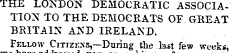
THE LONDON DEMOCRATIC ASSOCIATION TO THE DEMOCRATS OF GREAT BRITAIN AND IRELAND . Fellow Citizens , —During the last few weeks , we have addressed you on subjects of momentous importance to yoursplves—of vital interest to the working classes generally . But before we can reasonabl y expect any generally response to these appeals , _ it is absolute necessary that you should be tully informed as to who and what we are ; our object * as an association , and the means whereby we purpose to achieve these objects . Br iefly , we state that we aie working men , who , having devotd the flower of our youth—the morning of our days to the sacred caase of our country ' s rigeneratiou , only , hitherto , to meet with
disappointment , to see our brightest hopes blasted , and the visions of by-gone years vanish as the mist of the early dawn , have resolved to concentrate our energies into one great , united , unceasing effort for the attainment of our rights ; firmly resolving , ' that our Association , once established , shall be maintained through all future difficulties and dangers until the objects , for the attainment of which it has been founded , have been achieved , the tyrants of our country punished for their crimes , oppression for ever cast down , and the sovereignty ol the people established by the victorious triumph of the great principles of democracy . In accordance with these ourhoart-feltsentiments , we proclaim to our countrymen the following as bur objects , to obtain which , we are united heart and hand .
First—The objects of the Democratic Association are , to avail itself of every opportunity in the progress of society , for practicall y establishing the princi ples of Social , Political , and Universal Equality . Second . —To this end , they desire to unite the unrepresented of all classes into oue bond of fraternity , for the attainment of Universal Suffrage : this Association being convinced that , until the proletarian classes are fully and faithfully r < presented , justice in legislation will never be rendered uuto them .
Third . —To obtain , in addition to the extension of the Suffrage to every adult male : that the country be divided , according to the population , into equal electoral districts . That the elections of the Legislative Assembly be taken annually : the Legislators to receive wages of attendance : and the only qualification required , to be the confidence of the electors . In other words , to obtain an effectual . Reform of the Commons' House of Parliament , the the basis of which shall be Universal Suffrage ; equal Representation ; Annual Parliaments ; No Property Qualification ; and Payment of Members . Fourth . —To devise every possible means and to make every exertion to remove those oppressive , odious , and unjust enactments that prevent the free circulation of thought through the medium of an untaxed and honest press .
Fifth . —To procure the total and unqualified repeal of ihe infamous New Poor Law Act , and a restoration of the spirit of " the 43 d of Elizabeth , with such improvements as the circumstances of the country may require . Six . —To promote an abridgement of the gouts of labour in factories and workshops , and the tothl abolition of infant labour altogether . Even in the present artificial state of society no adult person should be required to work more than eight hours per day , especially while so many thousands are without employment at all . Seven . —1 o support , as circumstances may determine , by all available means , every rational opposition made by working men against the combination and tyranny of capitalists , whenever the latter shall seek to reduce the wages of labour , extend the hours of toil , or institute proceedings against the labourer , the character of which proceedings in the estimation of the association shall be deemed vexatious and
oppressive . Eight . —To promote public instruction and the diffusion of sound political knowledge . And finall y the great object , end , an < -l aim , of this association is the destruction of inequality and the establishment of general happiness . Feliow-Countrymen , these , our objects cannot fail to be well understood by all , and require no comment from us—except that as will be seen , we have chosen to adopt all that we considered to be wise and good in the objects of associations , formerly or at present in existence , rather than any new YfOrded list of our own having the same meaning . We reserve for another address the exposition of the means which we hope to obtain the objects here stated . Yours Fraternally , The Members of the London Democratic Association , ( Signed on their behalf . )
JOSEPH FISHER , Chairman . GEORGE JULIAN HARNEY , Secretary Market Coffee Rooms , Smitnfield , > July 2 nd , 1838 . 5
Untitled Article
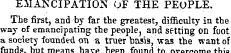
EMANCIPATION OF THE PEOPLE . The first , and by far the greatest , difficulty in the way of emancipating the people , and setting on foot a society founded ou a truer basis , was the want of funds , but means have been found to overcome this obstacle by means of extending throughout the kingdom associations similar to that established at Wisbech , under the name of the United Advancement Society , the nature of which is as follows : — The organization and constitution of this Society contains the germ of that which by expansion and extension may emancipate the labouring classes every where from their present position .
It consists in laying aside from their earnings sixpence per week to form a fund with which to purchase land , so that the working classes may become landowners , lords ot the soil , collectively if not individually . And by the contribution of the weekly deposits after thp ' . lasd is bougnt , to construcc for themselves spacious , health y , beautiful habitations , in lieu of the small , unhealthy , wretched cabins they at present inhabit , and thus to bring about a State of Society , that thos&by whose labour the food is produced , the habitations raised , and the clothing manufactnred , shall , themselves be well-fed , welllodged , and well-clad , and their children be welledncated . Now , although many of the labouring classes may be unable to set aside sixpence per week , the fact ,
Untitled Article
Svto ^ y 1 * W . : wa « efiiily and injure ously to themselves a considerable sum in the purc ^ l ^ T r ^^ ' ^ -: . ^^ *> -it . tf-it' * ere shewn to ^ hem that by « o ^ 1 a * , 6 Uch Oenefi . ciaLxesulti would be accomplished . Then , can they be accomplished ?^ that is the question . I know many at a first glance , will say , the ^ meang are too small to accomplish the end ! Just let us see . Piye hundred persona forming * uch a society , and depositing sixpence per week , become possessed of six hundred and thirty pounds in the short space of' twelve months . Five thousand persons ^ cumulate between six and seven . thousand pounds in the , 8 ame time . Five hundred thousand persons , nearly seven hundred thousand pounds live million persons nearly seven million sterling „ , , ,
per annum - and so in proportion with a larger or smaller number . Tbe constitution of the society is that of universal suffrage and vote b y ballot in the choice of its officers . Ihe security to the members consists in the appointment . . . of fiva or more Trustees , chosen by themselves , ^ wh ose name the money is vested on behalf of the society , which being enrolled under the law which regulates Friendl y Societies is protected by Act of Parliament . '¦ ¦ *¦ : . If from change of residence , want of employment , or any ^ otfcer cause ,, . a member wishes to withdraw he or she receives back the whole sum deposited by him or heF . When a purchase of land is made some modification of this rule may become necessary , but to effect an alteration a general meeting must be held , up to which time it is quite right there should be the power of withdrawal
The Society in Wisbech having now been established a . few months , and having acquired property to the extent of nearl y Two Hundred Pounds are desirous of seeing the princi ple carried out . They therefore recommend their fellow labourers in other towns to form branch SociQties . It is thought wise that each town should choose its own Trustees , and thus have charge of its own funds . Nevertheless when , from the multiplication of societies , a large sum is accumulated , all , or several societies , may unite their funds for the purchase of one or more
estates of magnitude , instead of several smaller ones , for the best members from each Society may be drafted out to be the first occupiers of the " Promised Land , " or the Land of the People , until , by the superiority ' of the arrangements , and continued accumulation , the , whole population may be placed in circumstances equally advantageous . —Star of the Ettnt .
Untitled Article
TO THE EDITORS OK THE NORTHERN STAR . Gentlemen , —I was not a little surprised to find myself the object of fierce personal crimination in the Star of Saturday last * not being aware that I had committed any offence at all calculated "" to provoke this proof that you are capable and not unwilling to " return railing for railing . " I shall abstain from remarking on the moral character it indicate * , being free to believe that its symptoms were induced by transient and mistaken causes , Hnu which onl y need explanation to obtain from you a hill and lrank acknowledgment . I content myself , therefore ,, with most emphatically denying having employed any such language as that you attribute to me , anA which occasioned the article in question . The only reference which I made to the Star
was in consequence of an assertion made by a Socialist to the effect that , in the course of " my lecture , I had denied principles which he bad obliged me to admit in public discussion at Leeds ; which admission , he affirmed , was inserted in the Star by Mr . Hob-jim , who wa < present on the occasion referred to . In rebutting this charge , I remarked that if any such statement had appeared in the-Star , it should be received with caution , inasmuch as Mr . Hobson is himself a Socialist ; and lor my own part , " } , . . particular , I regarded Hie Star as no authority . 1 his is positively the wkole amount of my " attack " upon your journal ; and I appeal to your candour , and to the candour of your readers , if it be sufficient to justify the serious assault which you have made against my personal character .
If any such admission as the one referred to above ever found its way into your columns , I have no doubt that you inserted it as news ; and , therefore , 1 most cheerfully acquit you oi any intentional misrepresentation . Had I designated the writers in the Star as "Infidels" ' / nuhesltutinglij grant that I should have been consciously guilty of " base and malicious falsehood . " In reference to' thr Leeds Temperance Society , I beg to inform you , that the transactions to which you allude were of a strictly private nature , and that no&eof the parties most concerned ever accused me of the charge you wish to convey .
I desire also to inform you that what I stand indebted to the Working . ¦ . Jviany Association is the fulfilment of a voluntary promise to contribute to its funds , which I shall have great pleasure in discharging so soon as circumstances will allow There are some Other remarks of an exceedingly uncharitable , impertinent , and puerile character , which I regard " as " the offspring of passing excitement , and therefore undeserving of reply . I may state , however , in conclusion , that when your correspondent charged ine with asserting that " the Owenite ' s" ought not to be permitted to go into community -without giving security for the public mornls , " he palmed upon you a base fabrication of his own fertile fancy . 1 most strongly deprecate all coercion in such matters ; let them be put down by fair argument or not at all .
Relying upon your general candour and love of fair play lor the insertion of this communication , 1 remain yours respectfully , WILLIAM PALLISTER . Leeds , July 18 th , 1838 . [ We , have great pleasure in giving insertion to this letter , because we think every man should huve fair . play . The statement of Mr . Pallister's attack on us was made by several parties on whose veracity we placed the most implicit reliance . And as Mr . P . admits that if hi had made such an attack he
must have been donscionsly guilty of "base find malicious falsehoods "—he cannot be surprised that ¦ we , believing the fact to be so , thought it necessary to shew the public that he who wa * capable of making such an attack , was unworthy of credit . Tin statement of our informant , and Mr . Pallister ' s denial , are now before the public ; and those who were at the lectures must decide on their relative accuracy . Fully desirous of injuring no' man unfairly , we think it right also to give the following letter received from a respectable Socialist , in Halifax , since the above was written . —Ed . Nokthern Stah . ]
Untitled Article
Halifax , July } 8 th , 1838 . Gentlemen , —I feel bound in honourto state that the report conveyed to you respecting Mr Pullister and the Northern Star is not strictly trnc , whoever has been the reporter ; for I was present during the whole of the three lectureS fl . aud must have heart ! something of it had it boen such as it is represented to be . M r . Millington was more the aggressor a great deal than Mr . Pallister , for it was him who brought forward the two Leeds papers , as it respects the articles which have appeared in them wrote by Socialists as he stated , and which they lavishly declared to be Infidels ; but on the second night of meetingr , he came
forward and stated expressly that he wished not to be misunderstood with respect to the remarks that he had made on the Leeds papers ; for he believed that neither the proprietors nor editors were Socialists or Infidels . The worst remark that 1 heard Mr . Pallister make was this , " why any body knows what the Northern Star is , " which was said at the spur of the moment , when his friends were doing their best to back him out ; had worse been said ! should have noticed it myself . The chastisement for all that , may perhaps do him good , for I must say that his impudence was unpardonable in some respects . 1 remain , Gentlemen , Your obedient Servant , R . T .
Untitled Article
' ¦ !¦» - ¦ " -r- " TO THE RIGHT HONOURABLE LORD BROUGHAM AND VAUX . Mv Lord , —Inreading one of the public journals the other day , I perceived that your Lordships have been engaged in a review of the conduct and expressJ ° ns ° J Joseph Rayner Stephens , in reference to that abomination of . desolation , jelept , the Poor Law Amendment Bill . You , my ^ Lord , asIts ft&her , ^ hlu L protect your own oflspring , even should that offspring be a personification of the devil , are said to have stood forward . conspicuously . But what I have to call your Lordship ' s attention to moreparticularly on that occasion , is an assertion maWbv in
you , reiereuce to your own language , used while canvassing for the representation of the county of York , lou are there made to say , that you never did give utterance to ; the following expression , 7 ? " ^ r Y " 7 hat the kea ' OT Kings would , a ^ one day , become playthings for little boys to kick along the streets ! " in proof of which , you declared , that , you never stayed at that place , except to change horses . This is all very tine , my ^ Lord , and strikingly depicts the powers of quibbling in that class of men amongst whom you rank so high , whose trade is based on traud , tergiversation , and falsehood . Were you aware ,
Untitled Article
o ^ r ^ or ^ " ^ " " was ^ W . the county H * . * ° ™ . « or had you any recollection of havintf UhpH S ^ mS x ^^^ aa-isist ™ TS * V mdif J » " » . ^ Stotfe * 'S 5 iS i-pps ^^^ afe Archbishop Cramner , in avowing the change yon oh that occasion are said to have appealed to their lordships to know if that was voiir ^ onftral mn ^ nf . v .
pressing yourself , and it is there stated that the answer you received was 0 Imtgh . What a comfortable manner noble lords appear to have of answeringveryimportant questions . This alone is proof sufficient that you have emerged out of one atmosphere into another , as you used to be WOnt to compel answers from those you appealed to . But , ™ 7 * l ord > yQur W F esents one continued scene of shuttling and change . Did you not in 1814 , when a V n ? cy was lilcel Jo take-place in the representation ot Westminster , in consequence of Cochrane ' s impeachment , declare to Major Cartwright , that you were an advocate for Universal Suffrage , Annual Parliaments , and Vote by Ballot ? and did you not immediatel y afterwards , when that question was oeiore
o . ougui the House by Lord Cochrune , give your opposition to it ? and did his lordship produce your own hand writing to prove your advocacy of the principles in question ? Did you not then change and endeavour to quibble away the meaning of your own document ? but passing over a great portion of your Lordship s public life , did you not , after your return for this county declare , in the House of Commons , that you had arrived at the summit of your wishes , as representative for the great county of J orkr and did you not , in the same place , a short tm , e afterwards , declare , that you were rea . ly atany time , tosacrineeyour life in defence of the " Aristocracy of your country ; and were you not , almost immediately , elevated to the peerage ? Did you uotin
, your taraous speech on the Reform Bill ,- —I mean , famous on account of its length , —declare , that the man whose house was not worth a shillin " had _ an equal right to a voice in the representation , with a , man whose house was worth a thousand pounds ? Did you not in die same speech , in reference to the Ballot , make use of the following words ? "Who has ever conceded less to the mob or the rabble , or the populace , than I have done ; ' Have not I shawn them the delusion of their favourite Ballot ? " And in the same speech , did not you say , "I now come to speak of the people , not the mob , or the rabble , qr the populace , but the respectable ten pound renters ? " Thus drawing —Mt . ^ * miWA ciuaiuiiuuii
-- - , . _ u--- Lurougn int ? great body or the people . These , my Lord , are a few of your Lordship s own expressions , which fully carryout the idea that men are given to change . I new : come to one of your Lordship ' s tricks ot more recent date , reported in the public press of last week , where you are made to say , that so convinced were you ot the baneihl influence of the beer-Aops , and the encouragement they afforded to vice of every description , that you would present to the House a bill to repeal that Beer Act , and concluded by laying your bill on the table , which , if carried into etlect , would put an end to the operation of the Beer Act after the 1 st of April next . Your ally , the Dnke of Wellington , is next reDortal to Wp
risen changed , like your Lordship , by disowning his own child—the Beer Act—and standing godfather , £ u y 0 Ur Lor ( lsui p ' s bill for starving the people . ); hat a ^ strange being this noble Duke must be ! When he has not the privilege of shooting the people , he is determined to assist you to starve them . You , my Lord , have now both agreed to join in the cry of " Blood , blood , blood ! " Beware , my Lord , lest you engender thi « s cry in the people . V on may goad them on to the sticking point ; but mark , it you do , there will be terrible work ; and perhaps your Lo rdship would not be able to escape to your nice villa on the Continent . But , to the subject . You are reported to have said in reply , that you have listened with great delieht to the
observations of the noble Duke , and that you considered that the sentence of death had gone forth against the beer-shops , that it was only respited for forms which must be complied with before it could be finally executed . Really , ray Lord , after this I shall certainly be led to question your saiiitv . The mandate has gone forth from the Duke of Yv ' ellington , against one of the laws of England , and it is virtually repealed . Why , really my Lord , I can scarcely believe that your lordship did make use of trie words , but if you did the people can require no stroriKw proof of your madness , and , therefore , I should recommend your relations to remove you to some place of security . Yes , my Lord , when you declare the people of Ens ; land , to be under a military
despotism—that the laws of this country only require the sanction of that military despot , ( with whom you appear to have formed an alliance , ) for their repeal , is one of the most strange assertions ever made in any legislative assembly . Now , my Lord , you have been and still continue a great stickler for vested interests , this being the case , I want to know from your Lordship , invested intends are not granted and protected by Act of Parliament ? If they are , and we have no other protection be careful how you begin to play with vested interests . You , my Lord , may reply and say tliatyou always take care when the vested interests of the rich are in any degree availed by the voice of the people ; that j-ou make a provision for the loss .
by an enactment granting compensation . The £ 20 , 000 , 000 to wit , granted to the aristocratic slave holders , but the beer-seller * are a set of plebeians . This , certainly makes a great difference , but let me ask your Lordship and other Noble Lords , if you possess property in this country , do your Lordships ever play with each other ' s property by making Acts of Parliament to render it valueless ? No , my Lord , you are a privileged order , which appears to to give you a license to induce men to embark their property in a line of business , after which you exercise such licenseby defrauding them of the property so invested , and which you pledge yowrsriws by act
or rarnament to protect . Do you think my Lord , that the people of this country will submissively continue to be mocked , insulted , bullied , and robbed , by an irresponsible faction for ever ? I tell you no ; and should your robbery bill pass into a law , thousands in this country will make it an act of kindness , by still continuing the business and saving the expense of Licenses .. Your present correspondent being one of the number engaged in the trade , thus informs your Lordship that he for one will , if you rob him of liis property by law , continue the sale of the articles in which he deals contrary to law . 1 remain with all the respect I possibly can have for your Lordship , Your Lordship ' s humble servant , PETER BUSSEY . Bridge-street , Bradford , Jul y 10 th , 1838 .
Untitled Article
MEETING OF THE NORTHERN UNION AT LEEDS . The progress which the Northern Union is making in this focus 0 / fl'lii ggery is indicative of the speedy overthrow of that system of delusion , for which the town ot Leeds has been so long distinguished . The working classes have too long been led astray by a knot of pious , long-faced , canting political charlatans , who , in saint-like slang , spoke of their attachment to the cause of reform , while Uiey would not as much as lift one of their fingers to remove the least particle of that onerous load of oppression
wliicli . sinks honest industry to the dust . But this cheating is now become top notorious to succeed in future . Such pseudo-reformers never come forth to aid the operatives in the attainment of their rights , —for aught these creatures care , the operatives inay be ground to powder , and their children murdered with impunity in Moloch ' s cursed dens , —all this , and more , the working men know , and they are acting wisely in casting faction and its agents aside , and in determining to do their own work themselves . —this they must , if they would have it done well .
At ameetiug of the Union , held on Monday evening last , at Mr . Standing ' s Temperance Coffee-house , a little above Kirkgate-end , Bfiggate , the following resolutions were proposed by W . Rider ; seconded by Mr . John Peacock ; and carried unanimously . I . —That the members of this Union are resolved , steadily and zealously , to persevere in their endeavour to obtain their natural and imprescriptible r ights ; and are determined not to become the panders of party , nor b « the willing tools of any ambitious political adventurer ; yet , they will , at all times , cooperate with every man , or number of men , whose objectis to effectuate such a change in the laws , and the administration thereof , as shall secure , to every man , ' m _ the British dominions , the full enjoyment of those rights which nature , reason , and justice , declare to belong alike to all .
2 . —That the numbers of this Union , contend that Annual Parliaments are essentially necessary for the maintenance ^ of an honest House of Commons —that as all men are born equal in respect of their rights , and as that which is the right of one individual , as a man , must be the right of another , this meeting is , therefore , of opinion that Universal . Suffrage is the only foundation on which government ought to stand ; and it is the only ' one on which good government can stand—that "Voting by Ballot is necessary to preventcorruption at elections , and to protect the humble voter from the unjust influence of those on whom he may be dependant and ti 1 at . vir . tu 9 and talent are more requisite qualifications in Members of Parliament , than the possession of wealth . This meetings therefore , demand the adoption of those principles , and declare their determination never to rest satisfied with any less extensive measures of Rtfbrm . 3 . —That this Union being convinced that the miscalled Poor Law Amendment (!) Act , " is a
Untitled Article
direct and wholesale robbery of the Poor ; that it it un « onstitutional , inhuman , unchristian , and insulting to the Author of our Being ; how declare that they will , ( in conjunction with their fellow-country men , ) oppose ev » ry attempt to enforce its provisions ; and if our tyranis assay to enforce it by the point of the bayonet , we 1 will resist it with the same . The . meeting haying been prolonged to a late Hour , it w asj > roposed by Mr . Jones , and seconded "br a person- whose name wag not ascertained , " That tbepnnciples contained in the resolutions should in ^ wWrfS ?? the next weekly meet proceedings will commence at th £ £ roedfief (« gato ' cTock ) , the members are renSsteTto bi punctual in their attendance , re 1 uesiea to be
Untitled Article
FA 1 SE ALARM . —On Saturday last , the town of Barnsley was thrown into a greater consternation than when the 26 unfortunate beings wSSuS from hence into eternity , by the thunder storm , at bilkstone . A person came into Barnsley from the collieries of Messrs . Field , Coopers , and Co . at JN ew bukstone , galloping down the town as fast as possible , and making his way to the surgery of Mr . G . H . Smith . An alarm was at Once given * that a large number had bee n killed by an explo sion of tire damp . In the end it was affirmed that 150 persons ! had lost their lives at : the above collieries . Thi s caused hundreds to repair to the plaee , but on-arriving there , they were gladly disappointed m learning that only one person had been hurt , and not very materially .
_ Hibe hnian Society . ^ - a meeting of the Hibernian Society ' s Committee , held on the 5 th instant ,, at the house of Mr . Patrick Fltzsimmons Head ot the Tide , Newcastle-on-Tyne , it was resolved unanimousl y "That the thanks of this boeiety be presented to Feargus O'Connor , Esq . for the invaluable services which he has rendered tothe people of these realms—especiall y to his manly opposition to the Irish Coercion Bill , and his stem and unflinching opposition to the "Whi g P 6 or Law-Amendment Bill , during the progress of that infa *
mous measure in the sycophantic House of Commons , -for the establishment of the Northern Star . and for his praiseworth y conduct at the great meeting lately holden at Newcastle ^ n-T yae ; with all the other unpaid services which he has rendered to our unhappy and oppressed countrymen . Accustomed as we have been to be deceived by those whom we have both raised to power and paid to support , no man , in whose veins flows Irish . blood , can be unmindful of the mighty sacrifices which the famil y of O ' Connor have made in the
attempt to emancipatetheir country . Effects of Lightning . —A very fine oaktree , in the'Park of the Duke of Buckingham , was shivered . into shreds by lightning , lately ; every particle of the outer bark was torn off the trunk and larger branches , and scattered to a distance of sixtyyards fronvthe tree . The fibres of the wood itself were separated into fragments like thread . A partridge was found dead within forty yards of the trunk , and had evidentl y been killed by the explosion .
Ihe Northern Star. ; Saturday , July 21, 1838.
IHE NORTHERN STAR . ; SATURDAY , JULY 21 , 1838 .
Untitled Article
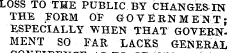
LOSS TO THE PUBLIC BY CHANGES-IN THE FORM OF GOVERNMENTESPECIALLY "WHEN THAT GOVERNMENT SO FAR LACKS GENERAL CONFIDENCE AS TO BE COMPELLED TO SUPPLY THE WANT OF VIRTUE BY THE USE OF GOLD . When the Government of a country represents , not only not the whole people , but not even the majority of the constituent body , who should be the trustees of the people , some means , beyond what
prudence suggests , or justice sanctions , must be resorted ^ to , to preserve power in the hands of the ruling party-. Hew those means may -vary in amount , has been' sufficiently made manifest , by the continuous increase in our general expenditure . Under any system of Government , by which the whole people are not represented , funds beyond , those necessary for the mere exigenr > i »« « f tkw
Statemust be raised , either directly or indirectl y , as the wages of corruption ; and the required amount must at all t imes depend upon the strength of the dominant party . Should that party be sufficientl y powerful to beat down opposition , with the mere support which constitutional appointments furnish , no great experiment in the art of corruption will be required in order to strengthen the hands of such a Government . The Members in such cases
content themselves with what is considered a strict adherence-in their appointments to old and recognised abuses ; but when two rival parties in a State are so ne . arly balanced , that a single vote becomes a matter of ^ consequence , then does a vote rise in price , just as any other marketable commodity becomes more valuable as it becomes more scarce . Such is precisely our present position . Under the old Tory rule , that party had sufficient support from appointments which fell to their disposal in the usual way of business . Borough patronage , Corporate influence
Army and Navy appointments , together with Civil appointments , and the Civil List , the Pension List , and Secret ' service money , the Church , Excise , and Customs . From these sources the Tory party derived sufficient patronage to bold their enemies at defiance in England ; while the appointment of Sheriffs alone made them omnipotent in Ireland . The Sheriff had the nomination of grand jurors , who had at their disposal the entire road-money and county rates , and other funds and appointments throughout the kingdom , which insured to the partisans of the
system a . Teady support from those who lived upon its abuses . The long and almost uninterrupted reign of Toryism gave to that party all the support which those appointments were capable of creating . The Judges are appointed for life , and will not die or resign to please either Whig or Tory . Officers in the Army and Navy purchase or receive their appointments-- for life . Tenure under tbe Civil List is , in general , a good title , and the Pension List one for life . In the Post-offiqe , Horse Guards , Admiralty , Customs , and Excise , there are many places
which , if not altogether independent of Government are sufficiently so to make the whole patronage which legitimatel y falls to the lot of an experimental administration , insufficient for the purposes of a Government struggling for existence ; and attachment , to ' which , from its want of stability , must be dearl y purchased . The firm position of the Tories made them so far independent , as to enable them to meet the demands upon them , by the expectancy of what might . fall out , and their rule being considered permanent , the reversion . was good security
for present support . The Reform Bill , however created a new description of franchise , and consequently new patrons , and with them new applicant * , wno from great and recent service upon the one hand , and the instability of Government upon the other , were not satisfied with the windfalls which fell in the usual co urse and consequently a completely new- order of patronage was established , as extensive in its nature , as were the Reform locusts in number . It was accomplished by the creation of an . '" imperium in imperio , " of a nature sufficiently sweeping to leave the Tories in undisturbed possession of Tory appointments , while
new ones were created with an unsparing hand for Whig " supporters . Thus have we two expensive establishments , the one which the Tories , though out , are sufficiently , powerful to defend for their friends in reserve , and the other a substitute lor the weakness of the Whi gs , they not being sufficiently powerful or honest to make a general assault upon Tory abuses . la our next , we shall point out the new and constitutional appointments , both at ho me and abroad , which have been resorted to as substitutes for Whig inability—through duplicity—to possess themselves of the usual modes of corruption .
Untitled Article
the Editors of " The Northern Star" wish to be distinetlv undrrstoodthc f t in affording a vehicle for the discussion of n * eul Public tttmstionsj they are not to bu identijled with the ' Sentiments erthe language of their several Correspondents .
Original Correspondence. 1
ORIGINAL CORRESPONDENCE . 1
To The Editors Of The Northern Star
TO THE EDITORS OF THE NORTHERN STAR
Untitled Article
to hem July-21 , 1838 . - THE NORTHERN STAR MMBM ^ M-M-MMMMMMMM I ^^ . , / , " .. .. . . .. ,. ; . - ¦ . ¦ ¦ . : " . . _ -.- ¦[¦ - . ] > fh — -
-
-
Citation
-
Northern Star (1837-1852), July 21, 1838, page 3, in the Nineteenth-Century Serials Edition (2008; 2018) ncse.ac.uk/periodicals/ns/issues/vm2-ncseproduct1015/page/3/
-