
On this page
-
Departments (2)
-
Text (8)
-

Untitled Article
-

Untitled Article
-
Untitled Article
-
Untitled Article
-

Cfwrttet 3£nt*Ui3CHtt.
-

T0 IHB LANDLORDS OF IRELAND.
-

Untitled Article
-

Untitled Article
Note: This text has been automatically extracted via Optical Character Recognition (OCR) software. The text has not been manually corrected and should not be relied on to be an accurate representation of the item.
-
-
Transcript
-
Note: This text has been automatically extracted via Optical Character Recognition (OCR) software. The text has not been manually corrected and should not be relied on to be an accurate representation of the item.
Additionally, when viewing full transcripts, extracted text may not be in the same order as the original document.
Untitled Article
1 KTTEB IT . MT LO&DS AXD GESTLEKES , —I h * T 6 HOW Shown m m Irish former occupying 100 acres of land for iLtj-. fi ^ yeais , Md requiting , at the very lowest ^ lltioD , a apitel ^ ^ 00 to * " •*** * - at the piratic * of that period , if all goes T « y well , no lL than fire cent , w £ 250 , u the accumulated TIL invest upon his capital ; and that he , his -wife , d five children , have laboured for « o miny yean for * ° ^ gabsstenee , with & * l ^ ging and clothing ; lieress co mpound interest , a * six per cent , which is le 5 a ] interest of the country , would hare left him ^^^ . t Jito and £ 506 in the same time . Such is ftis Hgtween «• **• *•«** w - - - —
, " aoa ; Trt $ e feW labourers ^ I 1 * 1 * 115 can command ^ n posnds after a life of toil , starvation , uncertainty , " ^ hsre ' sho wn that farmers hire heavy responsibili liabSitiea , and calamities to contend against . jtjj- jars all tlie responsibilities attendant upon the —jB ^ nt of * settled rent , keeping the stock together , ^ ZZxing their families , and paying their way ; they Slto contend against the liabilities to -which you , lectors and autocrats , chose to snr-jeet them . " b 3 T 2 the calamities , casualities , and fluctuations towhicb " nature and the markets expose them ; and in at one or those responsftffities , liabilities , ot
calami-*^ _ ,- r » . » t > in * t /> r « . You draa the rent in ¦ H are ? oa participators . You das the rent in vri harvests from the capital , and thus set them strugrijKfor yean to hold possession by loans , for -which S ^ v pay in many insaaces as high as 30 or 40 per rather than quit the spot upon which they hare f ^ d and to which they have become attached . While jw thos , free yourselves from all chances and changes V&ch v * 7 operate unfavourably , you take advantage rf ^ Tery turn -which improvement by the farmer ' s still , iai , and attention yield ; and you raise his rent as ii , reward far industry . Thus do you become not only pooasonof the soil , bat regulators and disposers ot is produce and its occupiers .
O , farmer cannot so easily rid himself ot rtspon-BKUty , iBasmuch as he nresi employ labourers ; and T 0 BI blithing infi-ieace operates against the interest of the labourers also , because the bad remuneration and ^ certainty of tenure prevent the farmer from em-DloTisr more thsn one-half the number of hands ie Vorid do , H freed from jour eternal pulling , dracgiag . * » tchisg , aBd « re " wili SMy Lords and Gentleman , having thus inverted all * e rules of Providence , having stinted and limited uited to
? cdst * to the siandard of political power , s your own interests , you have created a " surplus prpujition - -which yoar friends , the political economists , now % u us " presses hardly upon the means of snb-Bstencs . " Thus have you made paupers ; -while the economists hsve nnde slaves of the bees upon -whose koctv ± s droaes live ; and in fcxact proportion to the inability of the bees to produce does your billet of idle drosei ' increase : asd this is the -whole , the sole , the only cause of distress , dissatiifaetion , and discontent , » M-h no power on earth can remedy so long as
the syr-em which creates and upholds it is allowed to om tiniifl . >"< nr , mj Lords aid Gsn-lsmen , I shall etter into a Tery rrief , acd 1 trust , c ' . ear , fiir , and unbiassed coaadrr&tion of my clients case . In the first place then , labour is the foundation of afl wealth . That is indisputable . The barren surface of your soil , until mace available by the poor man's Ubtmr , has no mm value than the shapeless block of m&rMe , rough from the quarry , before it receives value from the sculptor ' s hand , who puts the stamp upon it ; ud even its value is but ideal , or ratter it must be regulated by the price of the produce of the land . So wish every luxury that you use in this -world , from the ger / eous feast , the gandy trappings of yoar person- ' , the sumptuous furniture of your mansions , and
&e splendour of your canapes , down to the mere nesassaries of life , —ali , all are rtjulsted by the pr . ee of labour : and having deteriorated the value dlafeosr by ycur law of primogeniture , settlement , jud entail , as also by your whimsical mode of leading ground foi terna of years at fixed rents -wiihout reference is sjmiiAi produce ot price , ( of ¦* fc : c ! i more hereafter , snd also fry bad tenure ar . < J destraciive conditions » 2 E £ X * 1 in occupation ; having by these complicated
erors deteriorated the value of labour , you have drugged the -world with its cheap proOuce , while you have smothered i £ e bees in tha midsi of their own hocey , not allowing taern the very meanest subsistence after all ; and you now viinly hope to limit suffering to those Tery prcdnesrs , never rcSreting that all other properties , of every description and however guaranteed , ¦ wheiher they be Sxe-3 incomes , salaries , or fluctuating iieomes , aad whether insured by rents , Acts of Parliament , cistoni , or contract , must , sosner or later , ¦ catch the iifcctijn and take the disorder , which
ispjTtrty . In this state of things , allo-sr me to claim , upon behalf of my clients , the full benefit of the latest , most brntally ciasocted decree—that decree-which " threw the poor man upon his own resources . " Beyond that I do n » : go ; and the fulfillment of that I have a rich * to demand . The rich hare thrown ths poor '' apon tt eir otb resources . " I am Sitisled ; and you hiv ' . ng made the law , I doom its spirit for my clients . Throw them , then , " upon their own resources : " those " resources" are labour , health , and industry , or peculation , fraud , end
ttkTery . "VThlch do you choose r If the latter , abroptz aad destroy all impediment * to a full vxercise of thoe " resources , " by the repeal of all laws for the pu-Jttsomeat of such offences . If the farmer , give to them the only means whereby in this world they can live upon thai jabenr , their health , and their iadastrr , whjeb are their resources , by opening the gate of 2 s ' attire ' s field , * nd allowing them to enjoy these biessicga for ycur * na their own advantage , freed from more aiiiaoiaJ conitraint thin is absolutely necessary for the existing « t » ts of society ; and , above all , allow each to have a Toie > in ri-gulsting the existing state of things .
My Lords an-1 Gentlercea , the skill asd indastry of tie British and Irish people are proverbial all over the Tofld ; pray bear in mind , of the people ; not of the Sunblicg aristocracy , the speculating merchant , the l ) Biifing Churshnian , the sporting Squire , or tie shooting soldier , but of the people . Is i : not , then , high "&Q 6 that the system sfeoald be changed which pre-Tenta the one from wearing a Eaff . cient poriion of the « 5 oihes he makes , an ^ the other from eating a suScieat Portion of the food he produces ? Xsy , more , that
'"' y not be on . of fiihion , I will go cpon " reciprocity , " " 0 * WOnomist ' S caterer for all man ' s tracts , t-y an in torkinre of . their respective surplusage ; and is it cot Passing strange that the producers of E = glsn-J cannot ¦^ dauge , -with the producers of Ireland , th-ir Burplus PH > dnce , or any portion of it ? nay , more , that over the a 5 niation of supply and demand , they , whose very ¦* ° < Oiee depenis upon a jealous -watching of the fcknee , have no control , tither directly cr indirectly ? ^ o » , ij not that very straEge , very wrong , and very tt Bdi at variance with all the rules of free trade and
* Bebroeity »*• and ye : those very peaple who cannot «* d the waters , or stem the torrent at tonie , are asktd "to be free trad era with all the nations of the earth , border tfcat , by a " reciprocity , " cr mntnal return , ¦¦ iadj is tie meaning of " reciprocity , " tis-y msy get a ^ onintod over the Government and valuable produce of * 1 foreign countries ; -while they cannot make a police-BaD , appoint a magistrate , sit upon 3 Jury , vote for •* Kpreseatitive , or appropriate one acre of land to ***» ai purpDiss at home ! Is it not disgusting oanial nonsense , ^ to hope to cram a starring people * & rach moonshine '
« X I ^ rds sad GeuUemen , I hold that man in utter " f * ^ , who , seeing and feeling the justice cf Mb case , * ^ ^ ds nay portion or it from the most jealous in-^ fcf&aaad rigid scrutiny . But in fact , politics and *« ti arrangements kave been so mixed up together of * j"Mlat very many honest men are fearful of explaining 7 ~ T the great social changes which they anticipate ** & &e success of a politieal measure . We know that ^ -aiaded men -who dread the result , will from " **¦ axsrested motirei ^ e a decided and do ^ ed ^^ tioato the proposed change , without adducing ^ J ***« argument than : " / don ' t like it ; " "I don't fl ,- " « Iimt tee fte ust of it ; " " FFe do very i * mi " Depend upon ii , it would fail of satisfying " * ¦ Wlcoaitei "
^* J ^ se furnish no ar / ument ; ray , not rren '^ J *?** ' ^ " 7 amount to no more than a perverse ^>* Bl « i . Moreover , I now feel myself in a situation ^"" yoa with all the hostility which dogged folly f * erfe » e conclusions can fnm-sb , I feel that my J ^ '' tni sufflriently strong to stand firml y with ^" 1 » before , witi-ia the memprr of man ; ncr was
Untitled Article
it in that position till the disselntion of Parliament My monitions may now lose the tone of appeal , and assume the tone of -warning and judgment . I shall therefore fearlessly tell you all that is required for the completion , perfection , and stability of my plan . I have shown you that a conditional sale of your land upon the terms of MinnaJ render of payment is tbe only means of cultivating it to the highest state to which it is capable of being brought ; and now I proceed to show' you the egregious folly and injustice of requiring a stated rent through all time , while I show you at the same time the injustice of the present system to yourselves .
land is to produce , what cotton is to calico , wool to cloth , tallow to candles , leather to shoes , bread to wheat ; that is , it is the raw material out of which the article is manufactured ; and of course , as the value of produce and ra-w material in all other commodities reciprocally act and react , now for and now against , the speculators who buy and sell with the day;—( pray keep that in mind , who buy and sell with the day ;)—the longer overholding than is necessary for a corresponding return between recent purchase of raw material and immediate
Bale of the manufactured article becomes matter of fair speculation for the manufactorer , and subsequently for the tradesmen who retails it . The one sells to C 0 HYeaieBC 6 himself ; the other buys to convenience himself . It would not be judicious for a manufacturer to lay by a fourteen years' btock of raw material ; and much less would it be to lay by a thirty-one years' stock , without reference to , or control over , the price of the manufactured article : and yet the system of leasing land upon fixed renia for a term of years is precisely the same : not a particle uf discernable difference .
Let us now Bee wherein authorities and titles higher than yours , bear me out in my principle . Firstjy , then , I will take the ruling power of tbe Church , and I will show you bow the principle of annual render according to annual produce is thereby acknowledged ; and I will also show how you , when you altered the old practice , you brought it still to bear upon tbe principle of reciprocity . Tithes , then , are annual render of a tenth of all the produce of the land ; and before the enactment of the Tithe Composition Bill , which ordained a seven years'lease of them , the parson was partaker with the tenant in many
casualities . If the tenant thought the valuation too high , or if the crops were destroyed , he could mike the parson draw his every tenth sheaf , tenth grass cock from the meadow , and the prodnee of every tenth rod , of every ridge or drill from the potatoe field . To obviate this inconvenience to the parson , and at the same time to make a beginning by way of experiment upon an appropii&tion of tithes to your own uses , you gave the farmer a seven years' lease ; and just think of the principle npon wnieh you acted . Tou gave him for the seven years to come an income established by tbe average of prises for the seven years past . ' Well ,
unjust sis that was , it w ^ s , nevertheless , a full acknowledgment of my principle ; it tskes prices of produce as the standard of yearly income ; but it would have been much more just and fair to have made the tenant pay money on account during six years of the current seven , and then to have balanced accounts by a whip upon the . last year , than to have made the average of 1 S 34 to l&iO , bjth inclusive , a standard for the regulation of payments for the subsequent years of 1 S 41 to 1 » 47 , inclusive . Indeed , taking the average price of each year is precisely the seaie . bnt too simple , as tie average for aay , or for e-rerj year within tbe year . However
I am glad to be able to establish my title upon clerical principles , and therefore I adopt it , bnt I must ceverihelfss explain to you the fully of taking a seven year ' s average , or any number of years as an average , in- ' stead of an average price within each year Observ e , then , that the average price each year constitutes in the end the average price of any number of years ; for instance , ! tike seven years' average prices at the following '_ amounts— 14 s ., 17 s . 6 d ., 21 s ., 24 i 6 J ., 2 Ss ., 31 s . 6 ., 35 s . ; asd you will find 2 is . « d . to be the average ; and jou will also find that the parson or person entitledto the seven years' different sums would have received j precisely tfce same amount if be received tbe average price of each year within the year . j
; Thus far I have the principle acknowledged by I church usage and commercial usage ; and now I bring I the practice of Government to bear , in all their con- ; tracts , from the relation of duty upon grain down to ; the supply of stores and provisions of all sorts ; we j find tbe principle tf " buying and selling 'with the day" strictly acted upon by annual tenders and i dec ' &nticns , and contracted for , fcr tbe year . j Having said so much upon the subject of tenure and mode of annual assessment of value , I shall now show , i and I think clearly , that a rent reflated by the price of grain , familiarly called " a cora rent , " is , the only jest mode by which the annual value of rest ; can be ascertained without a risk of chances , all the '
bad ones being on tbe side of the tenants , and all the giy > d ones on the side cf the landlords . If a manufacturer goes to market te purchase raw n-. 3 terial , he is regulated in his targains by the market price of produce ; so with tha butcher who buys live stock ; so with tbe farmer who buys dairy cows or other stock ; so with those also who even purchase in the wholesale and Bell in the retail market ; they , one and all , " buy and sell with the day : " while the very man
whose bargain should be in some way defined , in order-the better to lead him to a calculation of surplus af ' . er rent , tas no means whatever of judging even while the crop is reaping , ol what portion becomes his share , or what portion becomes the landlord ' s Bhare ; and while in his share there is mixed up labour , capital , risk , responsibility , and personal security , tbe landlord ' s is altogether fr = ed from any such harassing drawbacks .
: Sow , I ask , what can bs mare absurd than a stamped agreement to pay for each and every year , of thirty-one years , tbe same amount of rent , without reference to produce ? It is rank nonsense . and , upon the other . hand ; I ask what can be more just , seeing that the produce is of theland , and its render being annual , than that the standard of rent should be ascertained by value of annual produce ? One silly gentleman once said to me , wh&n talking over the subject , that " a majority of ¦ farmers would prefer the principle which left the widest field open for speculation , and that a corn rent
would damp their energy , and in high years would act against them ; " upon the other hand I contended tl ~ at the present system net only damped , but forbid all energy , beyond & mere existence point ; while the field of speculation would be incalculably increased by the substitution of a corn for a fixed-money render . 1 explained , that only with a corn rent could the benefit of leases in perpetuity be made equally advantageous to landlord and tenant , by giving to the landlord the only means which , apart from folly , he should enjoy of squaring his annual expenditure by his annual receipts .
I fnrther aver , that in such cases high rents would be more beneficial to the tenant than to tbe landlord , inasmuch as upon all surplus produce tbe tenant would have a five-fold increase , while the landlord would have but a single increase . ThuB : suppose ten acres of the land of Blackacre , to be taken by A . at 20 s . per acre , on a corn rent when wheat was 2 » s . per bag ; and suppose the price to rise to 30 s ., and the rent to be consequently increased to 30 s . ; in such CABS the landlard , would , have hut au increase of 10 s . upon the acre , while A . would have an increase of 1 »* on every bag , or
£ 3 on every acre . It is true that the rule would only apply so extensively to grain-producing land ; but inasmuch us the price of grain regulates the price of all other produce , It would effect all the grass land to the full amount cf the difference « f ten shillings ; that is , tbe difference between twenty shillings and thirty shillings ; while It would leave to the tenant the benefit of all surplusage of profit above rent upon grain ; and what could be to great an inducement for the encouragement of the growth of grain , in which , we are teld , we stand in bo much need ? My Lords and Gentlemen , custom reconciles the mind to practice aad \ rinciplea the justice and pro-
Untitled Article
priety of which few mea will venture to defend ; and while the defence of those principles and practloes invariably subjects their supporters to universal scorn and reprobation , nevertheless are the principles and practices preserved and universally acted npon . For instance , the Duke of Newcastle has been censured , and most justly , for defending his " right to do as he pleased with his own ; " and no apologist appeared even from the ranks of the practitioners . Mr . Bruen said that tbe Irish were " savage , " and he too was universally censured ; but is there a country upon the face of the earth , or do we read in history ot any country , where the principle of the Duke of Newcastle and the belief of Mi . Bruen is or was more extensively acted upon than both are at the present time in Ireland ?
Those requirements do not amouut to innovation , experiment , or even Reform ; they , one and all , whether social or politieal , amount to no more than restoration . They ars a restoration to Ireland of her Parliament ; and a restoration to the whole people of their electoral rights , with entire and ample means for their fullest enjoyment Such may be considered tbe two great principles ; while the whole of tbe detail benefit sought may be gleaned from the following xneaf . ens which , I rejoice to say , still stand upon the journals of " the House , " and to which is appended the name of Feargus O'Connor .
My Lords and Gentlemen , when I discovered , late in 1833 , that the windings of the Repeal question were too mysterions for my comprehension , and when I supposed that many more Ignorant than myself were , equally with me , liable to misconception upon that point ; when I discovered that Repeal was but intended to be a drawn sword held orer the heads of a party which it no longer frightened ; when I found that it had lost its buggabooism , I then turned my attention to tbe immediate correction of many abuses . Jfow pray understand me . In fact , I was se ardent in tbe cause of Repeal , and being convinced that if one dcZ ; n men had worked for it
outside , as I worked , and backed as it was by fortytwo votes , and powerful eloquence and great courage inside , that it must have triumphed if those forty-tWO remained firm , which Ireland would oblige them to do . Thus for the first year I abandoned all minor considerations , and clung to that question , which ever has been , and ever shall be , the darling object of my life . However , finding that the whole thing was a piece of magic , I placed tbe figure on the wall in 1834 . showing its strength , its justice , and its prudence , asd at the same time exhibiting the great superiority of the arguments of its supporters over the factious opposition of its opponents .
As iay next letter shall contain a plain and simple development of what Repeal would accomplish for Ireland , and the hopelessness of expecting benefit even fr » m the adoption of any agricultural plan , or indeed from any other plan without giving to it tLe protection of thft master ' s eye and the guardianship of a freelyelected representation , I shall say no more upon that abject now ; but shall at once proceed to lay before you the five measures which I proposed for immediate relief in 1834 and 1835 .
No . 1 . To move for leave to bring in a bill to compall Irish landlords to give leases for ever at a corn rent ; and in all cases where lands are now held upon lease or accepted proposal , aud are considered too dear , to give to tbe tenants of such lands the right of appealing to a Jury , who shall establish the value in like manner as tbe value of private property is now ascertained , when required by the Crown , or 2 ega'Iy authorised corporations or individuals , for national purposes . No . 2 . For leave to bring in a Bill to make a legal provision far tbe poor of Ireland . No . 3 . For leave to bring in a Bill to consolidate tbe several Stamp Acts now in force in Ireland .
No . 4 . For kave to bring in a Bill for the better regulation of Quarter Sessions' Courts in Ireland , with a view of making those courts cheap courts of equity as well as courts of law , whereby cbeap justice might be brongbt home to the door of every poor man . No . 5 . To move a resolution of the House , that it is desirable , as well for the eads of justice as for the tranquility of Ireland , that all clergymen , being magistrates , should be deprived of the Commission of the Peace . Now , by these five measures , you will at once discover that I have been long looking after my project . The law to regulate tenure I shall presently explain fully .
The Bill for a provision for tbe poor was of a very different nature from that which tas since been adopted ; by it I meant to mske as good a provision for the unwilling idler as for the wholly destitute ; and I meant to carry out my plan , as announced in one of my speeches upon the presentation of a petition , by a tax upon absentees , middle men , and landlords ; aud by agricultural and labour premiums for the working fannerand labourer . My plan was persuasion ; yours compulsion .
By the Stamp Act , ( a full draft of which I handed to Mr . Littleton , and received Lis aiBurance to bring it forward ) , 1 meant to dej / tiTe landlords of a right to take moEies on account ol rent , without giving stamped receipts , by a want of which tenants are cheated out of thousands annually . By the Quarter Sessions Bill , ( which I foolishly reliuqubheJ , relying upon Mr . Littleton ' s honour that he would adopt my every suggestion , ) I hoped to establish a kind of Court-roll , or Baronial Court , where tenants might , in case of dispute , lodge monies for their landlords and receive receipts upon notice given to the
landlord ; might cheaply register their leases , and the Seneschal of which should have certain powers in cases of dispute . I also hoped to confine all questions of equity between landlord and tenant to those cheap courts , instead of seeing the farce of a man of straw going to the Court of Chancery to defend the best equitable title against a golden calf . I also bope . d to take from landlords the power of distraining for rent , and giving them the same mode of recovering as all other persons who deal in the world have ; making them liable to double costs in case of illegal or
vexatious proceedings against their tenants . I also hoped to simplify the law of ejectment , by making it more inexpensive , and rendering the re-assumption more easy in cases of fraud , failure , or non-payment of rent ; thereby fully proving tbat with just and equal laws for all , I would be as ready to defend the rich man ' s right a 3 to defend tbe poor man ' s right Indeed , I have seldom , or never , known a Bingle instance of a rich man and a poor man going to law , wherein tbe poor man had not both law and justice on his side ; and the very fact of a poor man braving the danger is , " prima facie . " evidence of the justice of his case .
My Lords and Gentlemen , I now come to a consideration of the justice , propriety , policy , reasonableness and mntual convenience of my proposition as regards a tenure in perpetuity of land at a rent regulated by the graduating { or sliding ) scale of prices of produce . Firstly , then as to a lease of land for a term of three lives , or thirty-one years ; or fourtron years , which is the shortest term ; or for any term at a fixed and unchangeable rent , —it is rank nonsense ! What would you think of a clothier , a hosier , or a wine merchant who should say to a purchaser : " You must give me so much for this article , because two years ago I gave so much for it myself In the wholesale market ' . " and yet
it would not be one-half as absurd as the practice of requiring a fixed annual price for your wholesale raw commodity withont any reference to the retail manufactured market . Besides the folly—the national loss is too enormous , and '' population presses too hardly" vpon the means ALLOWED BY YOU for its subsistence to admit ot the continuance of a vidons praetlce , which deprives the community of the full detelopement of all that tkill , industry , capital , and even honourable speculation , which the husbandman would more freely and largely expend upon his own account , than he can be expected to expend to his own disadvantage . Yeu ride a hired horse harder and take less care of him than you do of yoar own horse ; BO wiUt
Untitled Article
the poor man who merely hires your ground at yoar will for a job . Secondly , the very fact of your being compelled to make leases for over of your land , would , for selfinterest , work ont my principle of small farms ; inasmuch as you would then Bee the great advantage of a retail market . Thirdly , the whimsical mode of lendtog land operates prejudicially not only against the farmer bat also against tbe labourer , whose services the farmer will not venture to hire , except at tbe very lowest rate and the lowest amount ; while if he had a lease for ever be would make a garden of his every inch
of ground . An Irishman will work from sun-rise till sunset , and work cheerfully , too ; and so would an Englishman , or Scotchman , upon his own ground , and would require no military force to put him to bed at the sound of the dread curfew . He would sleep sound , and awake to the pleasing reflection , that " his chief happiness really consisted In the modest comforts of his condition ; " bis face you wbuld ne « r see in a court of justice , or resisting military authority . Ah ! a bad hit that for my client , as echo answers , " No ! " and therefore you would never see " my son" upon the bench , or pleading his cause , or commanding the said military to fire upon him . But , however , to the case .
Was ever the system , of serfdom and vassalage more perfect ?—softened down as It may apparently be by the assertion , that the vassal and serf is a free agent an .- ! enters upon the coutract with his eyes open ; he does so : nor is he blind to his position , but he has no alternative . Tbe moment he becomes your tenant , be is to all intents and purposes , your vassal , slave , and bondsman , fsr the whole term of his tenancy . He cannot keep a gun to . « hoot a crow without your license ; he is bound down by conditions of every sort you think proper to impose for the management of a farm , for tho rent of which he is answerable ; you are part proprietor of his capital , of his skill , his industry , and liis labour , while you are released , as 1 have shown , from all casualities and liabilities . You have hia capital , as a sinking fund to fall back upon in case
of bad years ; while at the expiration of his term , should he get a renewal , it is in general on condition that he give something more for his own improvements than another will bid over his head ! and , above and before all , he is compelled , at tha hazird of losing his farm , and perhaps his life , to vote for your nominee , who is most likely an enemy to his interest , his religion , and his political feelings ; and yet this is called the justice of " doing what you like with your own ; " this ii the leaven of the system of which all have a right to complain ; this is the cause of tbe demand for foreign grain ; this is tbe original cause of " overproduction for the fancy market , " of " surplus population , " and a fcauty supply of food . You first limit the amount of tbe land's production , and by so doing , you increase the amount of " surplus popu-LatieD , " while you diminish the means of traffic !
Now are these things not quite plain and obvious ? Firstly , you withhold the land from its most beneficial application ; secondly , even under your own system of large allotments yuu annex such conditions to a bad tenure as prevents the tenant from improving or producing the most ; thirdly , you encourage horse power to the ousting of a much better power , and you thereby create a " surplus labour-population , " according to the means you allow them even for existence , aud , fourthly , you prevent tho fanners , t > y your general practice , from becoming a dealer in too manufacturing market : the result of all which absurdities is , that those paupers displaced by you havo become a reserve
in tbe English labour-market , upon which the roasters can fall back , as a means of compelling all to work at a mere existence point ; while they also constitute a corps of willing assailants , ready to be led on , ( and " small blame to them l "> in any assault against their aggressors , who are , undoubtedly , the Irish landlords . So far from the Irish people having any just cause of complaint against the English people , I unhesitatingly assert that the tjranny of Irish landlords baa been the ruiu of the English operative , and indeed of all English labourers . You havo sent a swarm of bees from your own hive , ( whose labour , and more , was required at home , ) in order that you and your families
may live in luxury upon the idle paupers' fund of which you hold the masterdom , by limiting tenure to tbe standard of class legislation , and which you can only accomplish by firstly starving the Irish people , aud then asking who would enfranchise such paupers ? by goading them into crime , and then asking who would enfranchise such " savages" ? by withholding all tbe means of improvement , and then asking who would enfranchise such ignarant creatures ? by making your class-religion an object of just hatred , scorn , and resentment , and then asking who would enfranchise the
enemies of our " holy religion" ? by using the laws for their ruin , and then asking who would enfranchise men who had no respect for our " laws' ? while all are consequences of your oppression and misrule , and to which a speedy termination , commensurate with the effaces , has beea long protmcted by a patient and enduring people . I am , my Lords and Gentlemen , Your obedient , And very humble servant , Fkargijs O'Connoh . July 27 th , 1841 .
Untitled Article
TO LORD JOCELYN . Mr Lord , —a person writes to me from Manchester , to say that another person told him , that he was informed by some one , tbat some one else bad beard one Bakewell ( who from bis name I tako to be one of the fraternity of " plaguy large loafers , " and who is a correspondent of the Sun newspaper ) say that I had received £ 500 from your Lordship for services rendered to you at your recent contest for Leeds .
Now , my Lord , aa what so many persona say may be true , and whether true or false , may be believed by some one , and as I would not wish any one man , woman , or even child in the world to believe that I could be guilty , at any price , of offering so great an insult to my country , my party , and my understanding , as to assist you ia an endeavour to represent Leeds , ot any other plac » , I beg of you as feUowa : —that is .
Untitled Article
if you have paid to any person any sum of money on my behalf , you will Lave the goodness to claim its restoration as money received under false pretences , and I will prosecute the offender as far a » the law will allow . My Lord , while my hand is in , I may be permitted to say that this is a very curious coincidence , inasmuch as I took no part in any single election throughout the recent struggle , save and except in your Lordship ' d ; and as perhaps you may have paid some one something for that , let me tell you what part I did taka Having aorne interest , and many friends in Leeds I
was naturally waited npon , consulted , and questioned as to what I thought the most prudent course to be pursued by the Chartist voters at the Leeds election . My answer to one and all was , «• For my part I think it signifies nothing ; but , as an Irishman , I beg of you , for the honour of God and my country , not to vote ' for Lord Jocelyn , aa whatever his politics may be , he represents , in his name and person , the very bloodiest faction that ever disgraced humanity—the Irish Orangemen . " I further said that if you were returned , I should never again have a hope of convincing my poor countrymen , that even the non-electors were not Orangemen .
wow , my Lord , I am happy to inform you that my influence , and canvass , and imploring , and beseeching , had the effeot of relieving you of all the trouble and anxiety consequent upon the acquirement of the trust you sought . My Lord , another palpable falsehood which some person informs me is abroad , is , that my publisher , who is an elector , voted for you . This I can grapple -with , and the curious , can arrive at the truth or falsehood of it ; but , meantime , I beg te assure your Lordship that he , with many others of my friends , rejected all solicitations on your Lordship ' behalf , and did not vote fok you ; nor would five hundred times the £ 500 , i believe , in my conscience , have tempted him to do so . I learn from him that he did not vote at nil .
My Lord , I am expected to be very pure indeed , and I will endeavour to be so ; and while I nni upon tbe subject , I may as well request of your Lordship to pevform a friendly office for me ; for being , as I presume you are , a member of the Carlton Club , you can do it without much inconvenience . The aforesaid Bakewell further assures aorne persona that I received the sum of £ 1 , 500 from the Carlton Club for my services . Now , my Lord , the smallness of the amount for such services as I am supposed to have
rendered , would , to a sensible community , at once bo a direct refutation of the slander . In fact , what would £ 1 , 500 be to me when I could have had twice as many thousands . However , you will oblige me by assuring the Club thai , I never heard of the affuir till it came to me in tbo indirect way in which I have stated ; and if it has been paid , it also should bo refunded , as it was hcquired under false pretences . Curious that a Club whose arrangements generally appear so complete , should pay large sums of money away in such a slovenly manner .
I assure you , my Lord , that not one member of the Carlton Club , nor of any other club in the world , would , for ten times the amount , presume even to ask me if I would accept of a gift for the violation of my principles . But as a disinterested politican is a " rara avti , " and as busy slander cannot Bad one foul spot in my character , fiction , always ready to aid in thegoert work of destroying tho fame of all persons useful to the poor man , has tendered its services ; and what is most curious in the whole afiair is , if the said Bakewell was put to his oath to-morrow , or indeed if every man in the kingdom was pnt to his oath , not one would swear that he believed l was c \ pa , We of selling mystlf for an > sum of money , or for any principle short ef Universal Suffrage .
My Lord , I think it right to inform you that I received a very pressiog letter on your behalf from Mr . Harvey , assuring me that you were a very good man , and very fond of the poor , which letter I took as a great insult , and never answered . Perhaps , my Lord , he has been kind enough to receive the reward of merit on my account ; if so , you should make him refund . His letter was evidently written either at y » ur Lordships dictation , or at the suggestion of your committee . My Lord , once for all , I beg leave to assure you that there is not money enough in the Bank of England to purchase a sentence , line , or word from me , which would aid tho causs of either Whig or Tory , or injure the cause of my own party .
Jly Lord , you will , of course , take this letter in a purely political sense ; as I have no reason whatever to doubt any one of the many handsome complin ) en ts which Mr . Harvey paid to your private character . I am , my Lord , Your Lordship's obedient Servant , Feargls O'Connor . York Castle , July 26 th , 1841 .
Untitled Article
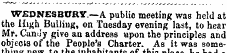
OTfiDNESBCrRY . —A public meeting was held at the High Bulling , on Tuesday evening last , to hear Mr . Canu ' y give an address upon the principles and objects of the People ' s Charter . As it was something new to the inhabitants of thia place , he had a Rood attendance of hearers . He entered fully into lm eubject , and convinced his audience that nothing but the attainment of the Charter could heal the wounds that taxation and an oppressive Government had made in society . He was attentively heard , and the working classes were highly satisfied with the lecture . Three cheers were given for the People ' s Charter and the Northern Sear , and three times three for Fcargns O'Connor , the unflinching advocate of the working men . A good working Committee was formed , and a number of working men came forward lo form an Association .
WOLVERHAMPTON .-A meeting was held &t Mr . Mogfis , Temperance Hotel , Snow Hill , on Wednesday , which was well attended . Mr . Candy delivered an excellent address upon the science of Government . The Committee at Wolverhampton wish to remark that Mr . Candy ' s engagement will terminate in a fortnight from this time ; and if any of our friends would wish to have the services of Mr . Candy , they recommend him t . s a worthy , able , talented , and unflinching Chartist lecturer , deserving the support of every lover of Chartism . Letters to be directed to Mr . J . Wilcox , news-agent , Worcester-street , Wolverharopton . They would wish to enga-e Mr . D . Taylor for one month , in the place of our friend Candy , if ho is not pre-engaged .
BIZ . STON . —Tho cause of Chartism ia making great progress here . Mr . Candy ' s lectures on the People ' s Charter , the principles of Government , and other political subjects , haa been the means of attracting great numbera of hearers each evening . At the conclusion of each lecture we have an accession of fresh members . A spirit of union and friendship is manifested both in our public meetings and Committee , and we are now getting well and thoroughly organised . DARIiASTON . —Mr .. H . Candy gave a lecture on the old Poor Laws as they were , and the New Poor Laws as they arf , at tbe Bull Stakes , on Monday evening last . There was a large assemblage of persons present .
xausssx . BUKCrH . —A public meeting was bold in the Ffeentaaons' Hall , Musa « lburgh , on Tuesday evening week , the 20 th Instant , for the purpose of forming a Charter Association in this town , Mr . D . M'Pberson in the chair . Tbe meeting was very ably addressed by Mr . William Taylor , of Dalkeith , for two hours ; nfter which twenty men came forward and joined the Association , and there is every prospect of the cause getting a great number of supporters in the town of Musselburgb . daikeith .-The cause ia progressing here with great spirit . The Association is Bending deputations to the neighbouring towns and villages , to address meetings and form Associations . God s ^ . eed them ! It ia talked of holding a delegate meeting in Edinburgh , for tho purpose of forming a better organisation for the county , and to try to get a lecturer for the same .
WOTTON-TJNJttEIt-EDGE . —The Cbartifitu of this place passed resolutions at their last meeting denouncing Collins and O'Neil , and expressing confidence in White uf Birmingham .
Untitled Article
tElCEST £ !» .-Althou * nifest , now tn «> jle ei-i ^ n strong under-ourreni : !¦ Chartism ia very discover * ; .. . .. Cooper ' ^ political sermons in - ' . ' Nmlii- ' -K ^ Sunday evening , co n tinue to attract great Bombers , aad to create busy discussions amotog all olasses . The general meeting , last Monday night , wm an in * teteBting one , and was addressed by Messrs , Smart , Markham , Bowman , &o . with their usual good sense . The people display deeper interest than ever on all CharJist subjects . It was learnt tha ** Richardson was in difficulty , and a plan ^ waa iiigtantly set on foot to relievo him ; seventy have already pledged themselves to contribute one peony each for six weeks , towards a fund for him , and more will be added . The Executive , the grand main-spring in our political enginehas not beenforgotten {
twenty-, five shillings were sent , the other day , to Mr . Campbell , the secretary , as a tribute frwii oar fnnds ; to which was added fifteen shillings , caHected by a fewreal friends to Chartism , at Melton Mowferay . Tho fact of snch a sum being colletted in tha * amtwtratto centre of fox-hunter s for such a noble parpose , is not a intle remarkable ; the money was brought over and paid into the hands of Mr . Cooper , the Leicester secretary , not a little to his pleasurable surpriae — The Leicester Chartists wish it to be generally known that Messrs . Seal and Burdan have no longer any connection with the body . —Communications for the L e icester friends ought to be addie 8 Sed either to Mr . Cooper , secretary , 11 , Church-gate ; Mr . Bowman , treasurer , Pasture-lane ; or Mr . Markham , committee-man , Belgraro gate . —Mr . Smart commences a scries of lectures on the Charter , next Mouday evening ; and Mr . Cooper preaches , as usual , in the Market-place , on Sunday evening .
YORK . —The OConnor ' s Release Domonscration Committee held their usual weekly meeting , on Sunday , the 25 th instant , when a variety of business , relative to the forthcoming demonstration , was brought forward . The committee highly approve of the suggestion ef Mr . G . J . Haraey , for holding a delegate meeting to arrange tbe various demonstrations that will take place on the release of our glorious chief , and have determined on sending a delegate frem York oh that oocasion . The secretary was instructed to communicate with the various localities , requesting the co-operatfoa of their Chartist brethren throughout the United Kingdom , aa the men of York are determined to do > their utmost in order to render their demonstration effective , and to show to tbe inmates of this den of corruption their determined iatred of oppression , and their love for the glorious principles for which that truly " Noble of Nature , " P . O'Connor , Esq ., has solong and ao unjustly suffered .
LAMBETH . —A meeting will be held on Tuesday evening next , at 54 , Wehb ' a Row , Waterloo Road , fur the purpose of nominating a sub-Treasurer , when a ll members are iequebted to attend , as there is business of importance to transact . JjEIGrH . —Chartism in this this town is rapidly progressing , so much so that the authorities have detnieil it prudent to arrest Richard Brook 3 , on the 21 st instant , because he is a zealous advocate of the elective franchise * . He was placed under arrest , no doubt , for the purpose of retarding the progress Of public opinion , on a charge of beinjfa party to a seditious placard , issued prior to the I 2 th of August , 183 U , he having absented himseir for one year and nine months , but immediately after the division in tho House of Commons on the release of
all political prisoners , he ventured to return , and after being at large in his own town for three months , they at last seized him and broughi hi . ii before the magistrates for examination on the 22 nd inst ., who sat for the first time in the New Town Hall , and on being arraigned at the bar , Brooks requested of their Worships that the charge or indictment should be read , and there bting no indictment , ' their Worships thought it judicious to adjonn for an hour , during which time an indictment was made out . After thia announcement the Court was cleared by tbe police-officers who were in attendance . When tho Court resumed , after their deliberations , the Magistrates bad determined to commit him to take his trial at the nest General Quarter Sessions . Brooks then enquired if ha had tbe privilege of
choosing whether he went to the Assizes or the Sessions , which was answered in the negative . He also begged of the Bench as he was a poor working man to be as lenient as possible in the amount of bail , and their worships decided that he should be bound biniself in £ 30 and two suretits of ^ 25 each . Bail baviug been obtained and sworn that that they were worth £ 25 when all their jusi debts were paid ; their worships demanded twenty four hours notice before such bail should be accepted . Several persens waited on the Suptrintendant of Police to enquire if the bail was accepted , when it turned out they were rejected ; two others having been obtained wereaccepted , when Brooks enquired what-he ha-i to pay , Mr . James Smith , the Magistrates' GStrk , stated it to be ^ l ios . ad ., and on being paid , Brooks was once more set at liberty .
DUBLIN— The Universal Suffrage Association of this place , held their usual weekly meeting on Sunday the l . v . h inst , Mr . P . M . Brophy , in the chair , who opened the business of the meeting by declaring its objects , which he said were the principles of the People ' s Charter and the Repeal of the Legislative Union . He repudiated the idea of the Chartista beiDg Tories or torch and dagg-. r men and showed that even Mr . O'Connell had softened down the charges he made against them in April last , when ke said it was " a transportable offence in Ireland to be a Chartist . " Now , he only wanted to know what cplour they are , and the worst he can do is to call for three groans for them . The Chairman concluded by introducing VIr . Handcoct , of Msnchtster , who ia very ' eloquent terms and at
considerable length pictured ~ the state of public feeling in England towards Ireland . He eaid ne knew of no Chartist in that country that was not a repealer to its full extent , and that if Irishmen were not to be partakers of the fruit of the Charter , Englishmen would not accept of it . AH tire aristocracy dreaded was a union of sentiment between the three countries , and he said that that the present meeting was a foreboding of such a union . He gave some very striking proofs of the evil conduct of Irishmaa ( whom he believed to be of the lowest grade ) at Manchester and other towns who , he said , were acting on the advice of Mr . O'Csnnell , and who to their eternal shame , acted a most brutal part at the Stephensoa ' s-square meeting , and one of whom he said , told the veteran patriot Wheeler ,
" to bo preparv . il to meet hisGod . " > lr . Handcock concluded amidst the plaudits of the meeting . A gentleman from Bradford , here stood up and commented in very ssvere terms on the conduct of the Chartists of that town , whom he said had acted vtry uuwise in taking part with the Tories , and said that they , the Chartists , were acting on the advice of Feargu 3 O . Connor , who seme time ago , wished tbat the House of Commons had in it 658 Tories . He gave it as aa his opinion that ths conduct of Martin , at Bradford , was anything but calculated to further the cause , when Patrick O'Higgins £ tood up and said that the gentleman who spoke last , had , he thought , acted severe in passing such strictures on Messrs . O'Connor and Martin . He said the meeting should bear in mind that ifc
was not the men but their policy that was condemned . Now . be I Mr . OHiggin ' s ) had very great respect for Mr . O'Connor , although be differed from him in many points . He said he yielded to no man ia his admiration of Mr . O . Connell ' s transcendant eloquence , although persons present thought otherwise , yet he denied altogether his title to the character of a statesman . He said there never was a man . in the world who possessed so much power , and who at the same time made so bad use of it . When the " base , bloody , and brutal factions" were persecuting him ' , the people in Eugland and Scotland turned oat in tens of thousands so hail his entrance into Birmingham , Manchester , Newcastle , Edinburgh , and Glasgow , and forced the middle-classes te do hanour to the man whom they hated and whose
power they dreaded . Sir , O'Connell had at that time all Ireland with him as well as England and Scotland . And with all this power what did lie get for thepeop' . e ? What did he ever prepare in Parliament for the benefit of his country or of any other country ? It could scarcely be txpected that he would be able to carry any measure in a Whig Parliament for the good of Ireland , but he should have had . the moral courage to have proposed something as others , even if he were left withont a seconder ; but , instead of attempting to carry , or even bring forward in his place in Parliament any measure calculated to benefit or alleviate the sufferings of those Who would have sacrificed their lives for him , and who suffered the most ciuel and heart-rending persecution , on account of their adherence to him , he
turned round npon l ; is deluded followers , and got the Coercion Act for tb * m . And when Mr . W . S . O'Brien , the M . P . for tho County Limerick , moved the continuance of that Act should be limited to two years , Mr . O'Connell ,. and every member of bis family , wb » were then in Parliament supported tbe Whig motion for the duration of that Act for five years ; and Mr . O'Connell justified bis conduct on the miserable plea of the necessity of the Act , in order to put down agrarian disturbance . . And again , ( said Mr . O'Higpins , ) when Mr . S . Crawford moved the Repeal of the Coercion Act , let it be remembered , to the eternal enameof Mr . OConnell and bis family , tbat the-rote * of every one of tbera are recorded against the repeal of that Act , and their votes are to be found in an authentic document , called " The Votes and
Proceedings of the House of Commons . " Again , when that parent of patriots , Mr . Crawford , brought forward bis motion far the total abolition of tithes , Mr . OConnell voted with Mr . Peel , Sergeant Jackson , Mr . Lefroy , aad all the Tories ia the House at the time against tha motion , and afterwards had the face ( o tell his dupe * that Mr . Crawford's motion was calculated to oast the " Liberal" Government , and bring in the Tories . He ( Mr . O'Higgins ) would Bay nothing at present about the barefaced and open sale of the County of Dublin to non-Repealers—the County of Meath to non-Repealera —tbe County Kerry to non-Repealera—nor about tbe
recommendation to tbe favours of the citizens of Dab * lin , tfcose who congratulated the Marquis of Anglesey for arresting Mr . OConnell and others . He should reserre anything he had to say upon these subjects for a future occasion . He concluded by reading a letter from Mr . A . M'Kenzle , of Bristol , which animadverted on tbe conduct of Mr . O Connell in very forcible terms . A person present evinced some disapprobation at it Tbe Chairman interfered , and , the meeiing being again composed , it was further addressed by Messrs . Lee and Wood , Tbauks being given to the chairman , the meeting separated in very good spirits .
Untitled Article
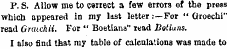
P . S . Allow me to wrrect a few errors of tbe press which appeared in my last letter : —For " Groechi " read Gnvxhii . For " Boetiana" read Botiuns . I also find that my table of calculations was made to appear , in the first edition of the paper , completely toj > sy turvy , by the blundering of a compositor , who was entrusted to make a trifling correction in the totals , but who , instead of foilowiug the marks in tho proofslip given to him , transposed the lines , and put the totals just where they were « o < wanted to be . Below I give ngain the table as it should have appeared at first—and as it did appear in the last edition of the paper .
£ . a d . Nine bags of wheat , at twenty stone the bag , at £ 1 5 s . the bag 11 5 e Produce of a cow and half , valued at £ 8 per cow 12 0 0 Five barrels of oats , at fourteen stone the barrel , at 10 s . the barrel , or less than 8 d . per stone 2 10 0 Profit on four bacon pigs , fed from May to March , and bought at nine months old £ 2 103 . each 10 0 0 Profit on four sheep , fatted after shearing , 10 s . ahead 2 0 0 Eggs , poultry , linen , ( or spun flax ) 5 0 0
Those amounts , added , make ... £ 42 15 0 From which deduct : — Bent and rates 11 0 0 Laid by for girls' portion and casualities , per annum 7 15 0
total £ 18 15 0 which deducted from the £ 42 15 s ., leaves £ 24 to be annually expended in the manufacturing and commercial market .
Cfwrttet 3£Nt*Ui3chtt.
Cfwrttet 3 £ nt * Ui 3 CHtt .
T0 Ihb Landlords Of Ireland.
T 0 IHB LANDLORDS OF IRELAND .
Untitled Article
! YOL . IT . NO . 194 . SATURDAY . JULY 3171841 . """ JZZEEJZZSSr ' : "
Untitled Article
¥ ' ' . '¦ ¦ f J ^^^^^^^^ f ^^^^^^^^^^ FJ ^ B /^^^ F / X ^^^^ k j ^^ M I ^ H ¦ ' " /^^^ - ^ ^^^^^ ^^ ^ y ^^ l I AND LEEDS GENERAL ADYEBTISEB .
-
-
Citation
-
Northern Star (1837-1852), July 31, 1841, page unpag, in the Nineteenth-Century Serials Edition (2008; 2018) ncse.ac.uk/periodicals/ns/issues/vm2-ncseproduct1120/page/1/
-