On this page
-
Departments (1)
-
Text (3)
-

Untitled Article
-
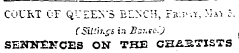
COURT OP QUEERS BUNCH, Fa:i>- .i\ M.^ ?• CSiUi7.§s in Bzr.ec ' J ( SE2TN£KCE3 OS" THE CHABTISTS
-

Untitled Article
Note: This text has been automatically extracted via Optical Character Recognition (OCR) software. The text has not been manually corrected and should not be relied on to be an accurate representation of the item.
-
-
Transcript
-
Note: This text has been automatically extracted via Optical Character Recognition (OCR) software. The text has not been manually corrected and should not be relied on to be an accurate representation of the item.
Additionally, when viewing full transcripts, extracted text may not be in the same order as the original document.
Untitled Article
THE QCEE > r . C 00 PE 3 A >' £ EICEABrS . These defendants appeared in court this morning . : lord Chltf Justice Demsa . n askid if they had acy tEuavits to put in ? The defendant C / oper then pnt in an aS ' arit , t ' sting that the evidence gmn agsu-s' hiu : t : 5 Uf . id cLivfij Erosa from spheres and act * s : l < -red to I . vr been * poktn ^ ad dac e fey the def ^ - ^ ts r ^ otht-: -- ;
that tb > se aioso from the fact of the n-. 11 . ufsctur . r 3 ' irtcmion to reduce the wages of ttrfr v-. -. -kaita At Itit prricd great latitude of speech hid t-en all- ^ * - . : by the Guvtinintst to 'he magistrac ; - fl other * K - thcittr j p 2 f- £ T tilled the JkS £ ? jc ? Taj Circ- j nr , ¦ vritb tLe t-mcti ^ n of the Cora Lst L igue i . f ^; .. a zna-y of the iru ^ i Jtrst ^ s Were m-. nib-.- -s IL » iin-Uv . t tle-n wett en to give extracts 1 / -ui : r i pi : i : u : n , but the o £ cer of the court , who -i , Ts ^ r ..-. : tt affidavit WIIS tt ' . piXd Ij Lore De > -su > -, vsho said he 1 ' r- « i ihe e £ w : t did Eot .-s ' -iin mcch iLstttr of that k-.: d r-ecuuse it die ' tct tr-T Rr-y .-i ^ " : c " . ii- ! n ' -- > ' - ** - £ c ~» r ; it c . dd iiij ^ e wax-iti tosh . » Th ; kiri , f iMiiU ' -jfs ¦ which hiC c 12 U 5 «' , ? ut tht C-. r . rt couj-l DCt jvrui'i Ivor ' s ¦ rai ; st olive's who wet ; notprfci = Ei to he placed epea tic £ ici cf Uh- eourt . C-.-pn said , tt * t he ar , 3 Lis ? cre ? 3 le fik-d i , B--b ^ Tfis s " ' c-a-. i i ^ -l a ;_ 2 rieVfcU if th-. y Kctw ^ - Itw > . t-. i r . _ * e -hf- - £ ; iT : rca- \ L--rd D > : > Ma > - 5 s : a th-. y vr : re n . it tryirg alter psrrur-, :. 3 r t : = ¦ n :: 5 : ui : ;" uri of clears was do j- > i . £ citier , -.-f itr iC 3 of the dtrftri- ^ snts . G > i * t ^ v . i it we tter f ^ -= ? 'Ln * they ttcm 1 . t the guilt 7 pities , bu ; that other per ^ r * vrrre , whoha ^ ctbeen indicted . I'rd De > : maS raid that hwl nothii-g to do T ? itL incitin * to sedition . C ^ -ptr ss . id they must beg the Court to allow the aSdavt ro he md . I ^ . rd De > xa ^ said they might have the benefit of the argument without the Cur ; hearing tfcat read , ¦ wh ; rh was p : uuca , ar } y cfifen £ iTe 3 and j ^ rhaps mkht be editirca .
Cc-op-cr esm * h- ~ felt : t tard ttat ttey , es wciimc men . sb r iii'i bs iEru - < d , while tho 5 eTrho weie great in the bed ¦ were- : uff . Tcd t » go free . This appe ^ rert to them to be semrUiing like a sueemnz of ibe rich ; it 6 t-enied iiie ose law for the rich and toother for th ? p >> r . If the sffiiavit v = b not read , he sb : u :-1 feel i » tc > br nr-just Tney were sv perpetually ibterrapted st 5 uff >> rd that they did not expect scch heatment in this &vr \ 1--TC Dz ^ MA ^ ihcaght that - ^ onld have led them to expect it . O oper esid , thit those pewocs in authority , to irhcic the poor lc < ked up , had not tten xros ^ cuied by ttr G-Temrcent , while the workbg mtn had biec iu ikted . L-rn De > 'Ma ^ siid if he chose to pnt forward 3 ceneral st- ;! . TLirt to that efF-ct , there would be do objectioL ; bnt the \ rhoie of the time was not to be tnker . np in bearng libels charged on other parties not btfrre the Coct .
C » p * r said ^ he offid ^ Tit so arranged as to a series cf extract * , < i > "w : ^ - the parties who vere to hUme . Eig armament Tai , : hit ttc Gj ^ emjien ' . bei . g aw * re of th . s . had tolerated i ; to such a degree a » to amoast to & Eanctisn . Lord D £ XMAS said zbii . might b * stated in general terms ic the aEdsrir , but the C ^ virt could no : permit the affidavit in its present st » te to be put apon the £ ies of the O- 'Tirt . Cooper said be felt a strong r . luct&nce to tafce the sffidaTit back ; it appeared like assenting to an injustice .
X * rd Dx . vmas wca ; d not allow the iffidaTit to be read ; the defendants , if they did not choose to alter the afSdafit , iatght address the Court in initjgstiua of panishn _ ent-Cooper s « id he cuH not then defei . a himself , and he IHi 2 b * 8 . 5 "Well ait down at uEOe . Lord Di . > "M . AS—Sit dowti , then , if yen don't choose to address the Court in mitigation ; we gi 7 e yen the opportunity if you think proper . Cooper Said it weald be iEpossirle to procsed if he ¦\ ras tresttd , ir this msiner . He was about to request the Court to reconsider their deS ' crrninatirn . If he ws » thn ? to be treated it «< u impcsi . ble bo cculd addrea theCotirt . The ueftsndast Rie-hrjds tb > n proceeded to a ^ drefi th ? Court . He wotld take a short revic-pecUTe Titw of the r . a « tnd or . g s of theee disturbances which had disgrsctu SDaffordshiir dari ^? thesniLiner of 1 S 42 . It iras well known that there w&re ir-n masters carrying
\ J 2 J e * - ^ iisirc « vrii 3 1 U viiiJi t ^ - —uij . jr rjui &vill ~ C 2 U » ie * dccii was niacs in rhe vrjees cf tht wcikmen ; this re- dnction had fcx * irp = rated ThrTr Eicds ; but they had EtrugkVfcd on with the di £ cn " . ara sjis . rg from the re- dnction for « nne weeks , when a still ^ nater reduction took pl ^ ce , and eTcntusUy some ontrigis ha-i taken place . They were charged with being the instigiioTS cf the oat ^ sjt-s , bu : he would ask p ^ mis ^ ion to drsw the attention of the Ccurl to t tr . rccii-r ^ acce which bad transpired in tee town of Uurslem some ds . T g btfnre \ he Cw > nrrrctir = iit ff " •!¦ : wtre tent ; n tm-Pi . 'tt-ry riots . TL .-rt w ^ s fccrue t ' Vcc'iot ; raadc icr r ' r . e Euppcrt ^ f thos * who were tut if ciripkynitEt . T . ry corg'dered thczns ?] Tes to be irfil- ^ n . they were arrestid aj '; eoOinki ' -t ^ l to prison . Th ? nas ., unuied to that kind of creatEifn * . ImiLcaia : * 7 dt : erAr , n ^ l on tt s re l et se of tneir nt ' ghtKjrs . They Lc-ccjEpiished it . Ttis was two weeks befors the cctrt ^ e , a ^ d it conld % >¦ % bs said thit he an I his frtsnd Co-jper coald be the
instigators . Tbe C-UTt would seB that the cr . eia and cause of ch 2 c-3 a * ts did not lie wirb h m Jt nis frieird , bi ; t Dins ; ir * vLcr-. i to the account of those who hrd tnrned th ^^ e nen out of eniployment , and had pxvreratei ths mindH of their workmen . He ccui i net be the instigator of a thing cf wbicn he knew uotbirg as-i hr . d no actirg part . Xo man e- dM <" er \ re vhat had taken pkvc * more thsu h ' rn-8 ^ if . Ei tb' -asr . t mm h : s ger-erJ cba * 3 Ctir , ceTetr haTiBg bee * : b-. forfe a mj-sistrate for thTty years , that thr C art wonid pr ? ju'tie he had cot been such an in-Btirt ' or . B ? h- ~ x ^ i that cirt-dT ! istsvE . c « would h ^ te it »
en ? vr .-ieht npc > E tLetr LordEiips' minds . He atimiited that ne ha 4 r-icosmended » cessation from labour , but ¦ witli tbesi- cor . ditior —that everr man shouid k ^ ephinjk'J v > h-. r and not c .-coine a bur : ea on the parish . That EuTicc "w-j not acted upon , ard the nnfurtacnte c > ccnrrence ;^\ ylate . Hs lamented that many of iheeuiHy psrti-s act-i rjicer the infla ' - n-fr of liquor . Th * re existed no proof that he had in th- slicLtest degree instigated any of thsse parties to acts of violent-. He would rtfer to the evlienee of Andrew Rowiey . Teat w'tne * s s ^ ore to facts T ? bich he most hsTe known to bare been ' . * ls ? He wcuid call the attmton of ihe C : urt to the eTii . ncs > f z pereon of the name ~ oi Forrester , and t > tht ui ' -etin ^ at Siokr . The meeting wlis conTened for the purpose cf o tahiin 5 r-. ^ -LB for the sap tort of those who ore in distress . It was va . ied togiiaer by the in * . ii , riti = s , and held bj th ? - ' r consent ; as that TfiS
the case , the mettJig could not bf c usiderca a * ilkga : in its character . , und he ccuid not conceive ho'v his atttr .-di ^ c * at that meeting could be considered as a brwicb of tht ; sw . particularly a ^ his on y o ject W 3 S tbe relief cf his fellow creatures u ,- dirrrcis . F . rrtster stated thit Joseph Capper r-ff-Ted to gi-re up h " u p ^ Dperty pro-rided aEy crhtr person attending tbe mating -w ^ uld second the v . ^ nozi . He did not thluk that tbe e-ridence of Mary Bridley , who Wi 3 the wife of the policeman , ought to hsTe been admitted . He had drelared that he had an obj > vcticn to serre in th « army . He did not think that his objections 0 : 1 this jrcajid cnebt to ha ? - militated against him . The observation --3 aace in the course < .- ! pr : rat « c-. mTe-jsation , a- - - * , it waa monstrous iijustice that this cb-Sc . TJtl z . should be brought ^" iiast h Anx . Th ~ ; witness Br _ : r . jr 3 ffis little Isas than a min-, i « . H ^ could te was
* iih little d ^ iulty ts ^ ibiish to is v . -i scand jtin-i . and his eTid-nce arait ^ -t hisi w _ ~ worth little or jotbiug . Had he been peTEiir . ri . > . t Cvuld- haye pr&-: nc * d tbe moat rctpsetabla cri-ieace to substantiate £ Ter 3 thing that he haa stated . B . 2 had observed , and ¦ wouli repeat it aeain . tfcat the lsboDrin * man had no protection , and ther ^ f ? re he r . ¦> recommesded the * dop * ionof the Charter . Tai ? hjd prwinced great discontent among the iah ^ arlne c ! " - »? es . gi 7 ^ n risd to Brgry feelings , ard ie-d to the sets .-f Tioiei . ce of which they hid besn char ^ i-J . He la ^ . Dtiirbd thai uniT tr 5 al representation w ^ s a right of the people . As the possession ot the cl-rt : Te frs . uehis .- bctKred a man's condition , it wis natnril thsi their doctrine should meet ^ fith suc h . uniTcrs-ai jopj : > ort um-, zig the labouring classes aiii ¦ working nien , Witt . ju . ' . the possession of this right the p :, ir ir . ari ccald not br elr-va . * fcd in tbe conoitiv uf sc > ciety . Hi . r ; pn . iW ^ I the imputa . tion of *~ -2 . ilj a I > -struct .: ve . If it w ^ re a criaje to advocate UnlT ; -
sal >• : « -.-, he a . Cit --r . ji-u- as long as hi iiv-r ! tr > cc : l' ; : : ;¦?» : cr iLi ^^ ioS" 3 . He had triYeilti en :.: i tW ' .. ; y y ^ ur- of r ' u \\\~ a-. "i Lad seen tuuih vi dtsvitu-Uu-. -. he bad Sv-rc f . ¦ :, "; = ¦ nak-d ar . d s . arvi-. g ; snd waB i : sar ris . ng . br . Tii .. s-. >¦•? this diitre ^ F . th _ : he shouJ" . fee ! i : ti > Jufern ^ f b , s fcllow-vr ^ attres ? It v . js to _ nrilrUe th s raiticSs that the PejpV > CIia ^ cT Wi-. s ori ^" -3 atcd . The po . r \ , irls uf the minirg di * tric s ¦ ¦
» « = — a state uf j . jjT' -ry Lxr nj . . 'e r = '/ iiirg thi :. th ¦ wo . rt w ejrfripti - --3 tf ii-vtry in the T \\* t Icailn Irlactls . Et hi-i bbtn in thu Wett lrd : ^ , as * : sf . jk-- - fr , » m jafi .-lul . x j £ f - ~ 2 . ce Wj < it nuta bvnsToliLt ohj .-ct to i .-. ^ fn-Tour to aU-Yiiu . > ' . he tv - . i ^ ' . tiun of ih- wyrk . ng p-ovi- ? Aj f ^ r tfeeBiiilo :. ii -s-otiid be of no scmee to hiu ; ' zt as a means of protecting the poor from tfct 7 iBgtai . l-i . J theii richer nti ^ hbonra , he a ^ Tocatod secret -Votin ? . With regard to the abo ! it ? on of the property qn . aliSeatioQ , tilo Chartlste only claims that which -hej had a rifhi to by tbe aac ; ent prfnciplai of the cons : > tut : on The CUarUsU also adrocated cqial electorlii d . &trk t *
tbrougtoat the country . Tbti .- were tbe views of the ChaniaU . He had advocated these prinrple * for the latt iiittS je * n- His tutors Were Char Ice James Fox , H * j >> r Cartweight , and other eminent men of that day . Another eontidaration he wished to bring before the Court f » , that be had a ' . ready b * &n inc ^ rctraEed twtlre Vtx k j . He app ieU f ^ r bail , but whether magistrates understood him er nut , be did not know , bat he -Ras not bailed . He had not then b ^ en tried , and was on ; y charged with a mi * ienn-anuar . He had for three week * Wly one pound and a half v . f br - > d a day and the pump . Wa * that tbe way to ejauiliate hi--- m ^ rid ? If that w ^ e the intantioB , was that the p- * n to ^ iupt ? Tuey had
Untitled Article
i ' .- - e : his r-rregies vpon iv . s ii ; .:: d by ii .-..- ; r cui uuc :. i ¦ .. + M av . i . "' t s .-orue—thv 1 tl- pttwiii . t jfr > . ; ou > its uiu . - i -. u .-itii U '« Jios him by ttoee who ha > l formeiiy rfsi « .-ttdhim , ' ind thought it an honour to walk with bUn . One of the constables asked him a few days bc '^ -r * L . is arrest why be dij not rua away ? He anb * -fred , no . never would he run away when he was not guilty of a crime . He believed all that was wanted ¦ was tbe banishment of himself and a few others from the to ^ rn . tithough he Lad never injured any one . He w .-nld not advert to his advanced period of life , bnt let : h C-urs consider th-j expence to which he had been put in drfendins himself , and fee thought tbe Court wou'd then think be had been pretty well punished for
a-Jv-jL-2 tin £ the People ' s Charter . He hoped the C > urt w n ) d iovk at all the circamstances of mitigation which ¦ uUl . t a-iseto thftir minds from the arguments he had - < - _ td in bis fuvour . Tre def-indiit Cooper then pioseeded to address the C i"Tt . H ; -. d the affidavit buen mlmitt-. d . it ^ ou'd hhTc slipped th . it they had erred , if they had erred at a'U , ; n 1 llowicg a prrceaeiit set them by tbe Anti-C ° ! n L ^ L-. i ^ ne , and tolerated by ths Governmtnt . He k- -w r hid br € n obstived by the Judges that tbe concur" of tc = Auti-Corn Law League wjs no justification fci his a ^ ud frien d and himself ; if the Leagne bioke the IjW , it gave others 110 rifcht to ds the same ; and he kntv : that more than one jutige had said , that if the L-. azae had done that which wis alleged against it , tbo parties 1 ugbt to hj » VB been indicted , and that if in-• . cti ( ' , - vhey would be convicted . But so far from !¦• ¦ : Lf . fut the League broke the lr > w , his friend and Lii _ . — " .: " :. rgufd that they weie f . llowing the examp : e -: v -l ; n vffi . -e , and that tbey r . ust be keepii g the i _" . T ! : \ -r &king it- It was imp i . 'sible that tbe coml . ii 1 - c ; ' t tould be at all a-Ktie that it was WTorg to in ; . ' . ; i . v ; li ^ ic « ho wtr © above thrm . Their c ^ 'iuet v ^ . ^ a t-eiai-tted by th e G >> verinieat , and how could the c- >»!' . ucu ; ed purple kc ' . w that they Were wrong ? Ettry n . sn ki . Cw wLat was meant by ruurder , and othtr srimes of : L » t Dr . tu » is , but tbty tiid not know , nor did he raajority of persona Lu tbtt court know what was
n . ea . jt by sedititn . The GbveruuicDt alone knew lt-Tti G-j » crnmeut knew what they meant by sedition , which v ; i 8 somatbing tending to bring thf > Govemmtnt into contempt ; and conspiracy was something lenuing to brine the Government iuto danger . Thtv could not loss sight of the fact , that a large number of persnuB wLo wtre wealthy and tubatantial had used language f-r months past far stronger than any used by bims-elf it his friend , and that those persons were still at brge . TLey feit they wtre treated wiih great injustice . Tr-ey had read criticisms upon the acts of tl . ci G ^ v . ^ rnmenc ia tbe Anti-Corn Lav Circular , the Morn \ n < j Chronice , tfcf G ' . obt , and other papers , in which was language more ii . flammatcry than any they hud used . The defesdant then expressed hia thanks to Lord Chief-Justice Tindal , snd the judge who bore the honoured name of Er&kine , for the kindness and urbanity he bad received at their hands . He also thanked th& S-licitor-Gancral
for his conduct towards him , and be wished be could exterui ii to Mr . Serjeant Talfourd . The people imagic ^ d th ;' . t what was allowed to be said in 1840 might be pei muted io 1 S-43 Although tb »? affidavit was not T \ ceived , yet as son . o obaervatious were permitted him , he trusted the Court would conceive that they had strong ground fur praying mitigation when they could shew that persons in authority had used such strong 1 nonage . In the Quai terly Rtvitw , Times . & >! ., it had been siattd that tht Anti-Corn-Law Leagne had spread sedition through tbe land . These facts had been stated o"ir acl over again by the organs of the Government . E . ery cne knew what was meant by murder ; common
people know that murder does not sanction muroer ; but it was evident there is a broad distinction between that and sedition—tbut tbe cou-mon people might presume that when strong language was permitted to persons in power , those who take them as their example might think tiemselvea ill-treated if they were not allowed to adopt the same Ii e . As the Government were the only judges a * to the extant of comment to be made upon their acts , if people suffering complained , aad it was natural tbey should , when Ern in rank used such language , the defendants stood , in their own conception , justifiod in following th * -m . Those persons remained not only unpunished
but unchecked , and he complained of the eonduc" of the Government itself , in not acting in a fatherly manner . If it allowed tbe wealthy and those who sit in the StDate-honse to spread sedition , the Chartist * felt it ex . rtxuely hard that » uch a Government should cause them to be brought forward for punishment . It was not their object to cry to tbe Government to pros-cnte the Anti-Corn Lsw League . Songs had be * n published by the League , and yet they we-e pe : mit ; ed . The Ch&rt&s in their hymns bad never used such language . Nothing wag no like to raise into rebellion as the belief tfeat there was one law for the rich and another for the poor . The Government could not plead ignorance of tbe real catue of the evils ; every common man knew that hia betters &i Luc yuLiu ^ wutcu couiauicu eucu
: ' ' : ^ u - uuua ar ^ umiats . that the conviction of the Conservative party ¦ was that the Anti-Corn Law League were tbe author * of all ; he outbreaks . There was a wide diff-rence between that case and those in Lancashire . I ! might be said he was mixed up with vio l ence ; that although he tii'clit Epes& in mitigation , he bad no * legil arjjunuai if : uT ^ e . He had noticed the intense eagerness of tte L--rr . t > a Serjeant to remind the serious Attorro-Gc . eJ , ¦ wha did cot seem much incih . ed to ¦ r : :, ¦ uroD the case , of every circumstance that bore 1 ' :: i .-ii . irlj against him , while the Court was reading tte rej . jrt of UK evidence yesterday . As those things j ii .: y would be urged agaisst him , be would direct b ' . a atte ' -. tion to the muin poiiit . It hadbttn said that he kid bc » -a called by the Morning Chnndc ' e the precursor of tbe Pottery outbreak . He had read tte obscivations of tbe Attorney-General in the House of Commons with ^ reat surprise . He thought it exireme ^ y hard as
he -oias not at trial tbatbe should have been proceeded against . He did not deny that he waa at the Potteries bnt if it was any conspiracy , it was only a conspiracy aramst violence an 4 against sufferipg , bnt he repudiate . i the rmputstion of the Morning Chronicle that he was the precursor of these outbreaks . Ho wished to direct the attention of the Court to the p ^ tchwoTk - of whic ' a tbe evidence against him was composed . There ¦ was a r ^ al incomp ^ tency aboutjtht' evidence of Jame * , Davenport , tte surgeon , and cthera . James observed that they should not cram the Charter down hia throat , ai . il yet he sd . d be did not know what the Charter was This Witntss was an uneducsted workman . He ( James ) said tba . if he had to pronounce sentence , that tbey ( the Cfeirtists ) should have fsurteen years of it . This
man sa-d if Richards that he ( Richards ) bad observed , a " iJudin « to tbe Qieen , if these are the Queen ' s sympathies , then to hell with her . Now Richards had not utt * r-d at any puMic meeting at the Sea Lion any such laiguace . The chaiiman and many others who were preient at that meeting had r . ot heard his venerable friend Richards make use of any ? uch language when speatirg of the Queen . He w » b , being a minister of the gospel , incapable of doing so . He bad been charged with committing arson , and when this po . nt was urged against him on hia trial , he had interrupted the Learned Sergeant , and he had declared it was an irrelevant point to bring against him . Brennan was one of the incompetent witnesses . He bar ' , asked whtthtr that man was insane , but he lad
Commons aid not represent the people was sedition . He iMr . Devonport ) did not appear to know that this lacgu ^ e C 2 d been used , cot only in newspapers , but by membei s of the House of Commona . Mr . C&bden bad stated as much ; and yet such waa the ignorance of this witness that he did not appear to know that such expressions were extremely common . If the Court would r . fer to the evidenee of Rowley and many others , it vfouid bt f . ur . d that their character was extremely defr-ctiva . He complained that he was to be punished on the evidence of 'die vagabonds , perjurers , and men ef th » most depraved character . He would itfer te the eTidebc- - of Michael Holt He trusted that their Ljriships would not give any weight to the eTivieDce of that witn-ss . Michael Holt , who w-5 s Mcthooist , exrresstd himtelf fihocked at r . i iCi . "vp ; ry > notions on the suljjet of tbe - " 5 -j . bcith day , the Trinity , and the eternity of punishluent . He ; Cooptri certainly exercised hia iigLt to think for hini 3 e ! f on ? heso points , and considering thb latitude of fpinion allowed on such occasions , he felt that , the Court wou . u cot allo-w this f&ct to militate iiajfiit hiai . With respect to the burning of Dr . Viie ' s bi _ -jsb , it was ro : : s : ablished by the eviderce that he Lu 1 b-en implicated in that circumstance . It had been - 'a-. J , that he bad instigated others , and w . is himself
•¦ eta told that that was an improper question to a * k . That min was not a proper person to plate in the witness-box against him . Hs had asked that witness whether he had net been in an asylum , and he observed ¦ snth trr ^ at Tiolecce that he had too good a head for that . This witness , it wa . " proved , bad in hie possession c . z " . zin stolen bottled . The policeman who gave eviditiice ag&intt him had been entreated by his fellow policeman to come forward against him , and repeat some words which it w&s represented had fallen from him > Cooper ) when confined in a watchbouse . Tha policeman Lad said that he sCoopat ) told him that he was present at cne of the fires . Such was ; . ot the fact . GolOsiiiitk and Devonpori wer 9 also incompetent witness ,, s . The latter , is was observed by the Court , had most singular notions on tbe subject of sedition ; this Mr . D ^ vonpprt observed , that saying that the House of
c iinjcttt with the burniug of several other houses bck :. ging to the clergy , and th- only proof was the ^ 2 " C : work evidence to Thicii he had r- ; furred , and the fait of hia having ustd ' . Jiguage against the ckr ^ y . NVcj hu to bo arraigned for being a Unitarian ? He was infuruieJ that the Learned Strjeant himself ( Talfour 2 ) ent « r ^ ltied Uaitarian principles—that the > oble Daie wao had recrntly been bnried was an Unitarian , and that he had inculcattd such notions iuto the ruind of the highest personige in tha realm—that Archbishop Whateley , and his Right Re-v . friend , the present Bishop of Norwich ( laughter ) also disputed the
doctrine of the Trinity . Why even Dr . Paley , the author of the Etidauxt of Christianity , was an Unitarian . ( A laugh , i Perhaps the meagre term Unitarian was not euffititnt for the Learned Sergeant . If he found dignltarie * of tha Church , eminent writers , in favour of Christianity , ti > d individual ? holding higb Btations near the throne , entertaining such opinions , sur « iy be ( a •' Oiking man . was not to be punished for following ttv . r txample . Thtn , ag . dn , he was not to be air-sig ned for disputing the idea of the eterii ' . y < , f punishment , or the divine origin of ihi Sihl-ath . He was capable of reading the Testament in tie original Greek , and he maintained
Untitled Article
th it ti : tre v .. s no r . \^ ' -Kurd to ha fou :. ii in ' : - Gr-ck ; n-. i ( rurc > .. I'h : ' L ru ? J Sc-rjeint on a previous occasion haxi taunted him with vr . nity , that was a tubject on which any man might bo aH-iwed to be vaii . He bad learned himself ten languages , ere he was twenty-three years old . He thought it was exceeding bad taste in the author of Ion to accuse him of vanity . He might some day write a tragedy and not spend ten y ^ ars ovst it , yet the Learned Serjeant could sneer at & self-eduoated shoemaker . Ho did not expect such sne « r 3 from the author of Ion . One witness stated ha
bid said the Bishops were rolling in splendour while the poor were starving . That might be calloil sbdition . bat he believe . 1 it . The fact was known to all . C , iu ! d he or a teacher tell the people that the right reverend fathers in G ;> d never rode 3 d carriages , wore hor » e-b ; ur wigs , or lawn sleeves ? Conld be say tbat they were patterns of their Saviour—of the man who clothed the ¦ widow ? , and wiped the tears from tbeir eyes ? He must bavf tain that which Lad b- 'e ; : contradicted so often . Could he huve toll the people that whiub was not true ? What waa better known than the couplet from
Hudibras" What makes a church a den of thieves ? " A dean and chapter and lawn eletves . " He cited HowitCs Principles of Priestcraft—language much more strong than his had been used . Tbat book had been permitted by the Government , and had been largely circulated amongst tbe working classes . If it were just that he should receive a severe sentence , was it ri ^ ht that that book should hav e been suffered to exist ? The utility of the archbUhops seemed to be to wield their mitres sit in Parliament and assist Ministers , and manage their large domains . So far from this being a novel heresy , a writer in th 6 middle ages bad saiJ that poison was poured into tbe Church . It was said tb'j bishop had no fl ick , but bad to ait in Parliament , rtc ' ive his iarce revenues , and sit in bis
temporal courts . He hoped tbe Court would pardon a poor Chartist preacher , who had only attacked ihe bishops in tbe same Kianner as those who bad gone before him . B : > hop Portius bad written that one murder made a villain , millions a hero ; and yet that very same bishop bad af : urwanis voted for a war , and when asked by a whty peur whether he had not written those lines , he answered they were not written for tbat war . Bkckwuod , in his magazine , bad said in answer to a question , why ^ aa such a person made a bishop ? that it waB because he er > joy » d the relationship of some female favourite of r-i \ R ' . iy . When he bad all this before him , w ; is it ta be e : iid that he was to preach the contrary ? Was the Court thv . n to sand him to a pr ison for years or months ? Lntimar and others bad
said so much , Mid Litinier had said that be would be unbishoped if bis sovereign opposed Christianity . He had seen the fire flash from too poor men's eyes when be preached to them tbe conduct of thoso gieat men . Waa that to be called a violation of tbe law ? As the poor had to pay taxes , aua as It was understood that the wealth o" tha bishops formed part of the taxes , their riches bore hard upon the labour of the people . If all Chartists were put ' n prison to-day , they would preach Chartism to-morrow , isnd un * ll they were convinced they vrcrt vr-ng . The defendant read avast number of extracts from Howitt's book . The Government uad permitted th ; a book to be sent into tbe poor niau ' s house , and why then should the Chartists be pTOBecuted who had not us > ed language anything like so strong as
be bad written ? He said tbat tbe bishops of tbo present day did not follow the example of Christ . He said no more than many others had said before him . This ought to be taken into consideration when tbe Court came to tbe question of mitigatiua of punishment It was extremely bard tbat Howitt and other writers , who had openly advocated opinions adverse to tbe existence of an established church , should be allowed to escape , and thai h ^ and his venerable friend BhouM be brought np that day to receive sentence for inculcating Bimilar notions . Why should there be one law for tbe rich and another fur the poor ? If be was to be punished Tot honestly expressing his opinioBS with reference to the abuses of the church , and incapacity of tbe cltrgy to tenth thb truths of religion , he wonld retire fioiu that
bar to bis prison with a strong sense of the ijrtut Injustice of the sentence . He most solemnly said tbat he did cot instigate to acts of violence—tbat he did not commend it . The Learned Strjoant had sneered at his iCooper " sj having used the wurds " peace , law , and onltr . " Why should be be sneered at for doing eo ? Witnesses had sworn tbat be bod at public meetings cautioned tbe people aiMinat acts of violence—tbat he bad urged upon them the preservation of the public peace . He did not complin of tbe conduct of the magistrates uf Staffordshire : they bad always treated him with kindness . But be did complain of the questions which tbe magistratts put to a witness . The witness who heard bis speech at a public meeting waa asked what was bis peculiar look when be was making
that speech , and tbe witness said in reply tbat bis ( Cooper ' s ) speech was an " inuendo" speech Was the evidence of sucb a man to be taken ? He told tbe people that tbey were wrong to indulge in drink , or to destroy property . He * as a temperate man himself , and had not ta&ted liquor for two years . It bad been said he talked a ^ out the harvest and yeomanry . The witness did nut swear to any connected * nttnces , but merely to di * j"i > it > . 'd words . Ho bad cemicly said that tb re Wtre only ten solrlitra in a p . rticnUr town , Lut be did not do » o with tbe view of promoting violence ann ;;^ the poop ! e . He certainly advised the stoppage uf all work till the Charter waa ub : aitied . The jii't ^ e on the bench hiniself , said that he iCooper ; was perfectly legal in rkcomnifndiDg
the cessation frca ' aiour and tbe adoption of the Charter . Hj bad not told the people to go and take possession of tbe harvest , and yet that hud been charged against him , and merely in consequence of tbe witness who talked of bs ( Cooper's ) inueuiio speech at the public meetings which took place just prior to tbe outbreak . With regard to the evidence of Palmer when be was prtt > se < t in the Court , he ( Palmer ) haid , that be would n <> t sweat- to his ( Cooper's ) having said tbat it was " right" to commit nets of violence . It had been said that be iCoop . rj bad declared that he commended the men for " turning ont the hands ; " ho used tbe words , "turning oat tbe bands , " as a technical term , whish menut merely cessation from labour . He knew as a democrat , as a man , that be had no risht
forcibly to oiuipel men to cease from work . There was no evidence to establish tbat he bad instigated others to acts of violence . The Staffordshire paper had accused him of little less than treason for examining Rowley in court for four hours . There was no doubt but that witness had committed peijury . This man swore that I was in Stafford on the I 2 th of August , a short period It fore the outbreak . Why , ft thousand witne- 'aes were prepared to provb tbat the statement of that witness wai false , and the Learned StTJ < -ant himself admitted that tbe witness had taken a false oath . Andrew Rjwley said tbat he ( Coopert talked a ^ out the Queen ' s bastards , meaning , as be subsequently declared , that I meant illegitimate children . When this man was pressed he could not say
what Queen I referred to . H « entertained great admiration for her Mtje :, ty . He knew what every person acquainted with the pipers knew—that the first act of her present Mojesiy when she ascended the throne was to banish from the palace tbe illegitimate children of the preceding uio'iareh . He most emphatically declared tbat be never utteied any language disrespectful of the reigning sovereign . It was altogether false He had always said , that if a tenth part « f the population of the kingdom -would come out unarmed to support the People ' s Charter , it -would become the law of tbe land , anil he repeated that now . The LearnHd Sergeant had kfleeted upon bis democracy for asserting that
one-tenth pnrt or the minority should attain tbe Charter , but tbe Learned Serjeant mast be aware tbat tbe mass of the people were always apathetic and tbat every great work had been achieved by tbe energetic few . The same thing bad taken place at tbe time of the Reformation ; it waa the act of an energetic few . He meant nothing about arr- ' *; the people were far too poor to purchase arms , A ¦ witness had stated that he ( Cooper ) had ttid the people to so away and attend to their busiuess . Was that a mode of setting fire to people ' s houses ? All the outbreak * and the fires bad been occasioned by the anti-Corn Liw Loagne . The poor people were now Baying t ^ at there was no God , or he would not have allowed them to suffer so much .
This error he had always endeavoured to point out , and to assure the people that when they looked at this extraordinary worin uf contrivances there evidently must be a great contriver . It was because true Christianity had gone ont uf tbe land tbat things had ceased to be in common . When Christianity returned * then the true brotherhood , or -what people called Socialism , would again exist . They stood there to say they were not the encouragers of the i utrpges tbat bad taken place ; tbey knew nothing of tl ; em . The resl author of the outrages was Edward Abington , he was proved to have in his possesbicn a silver pencil case , the property of Bailey R . < se , stolen when his house was burnt down . He had ass . rtea tbat he intended to have the initials taken ont , bide it in a bt > ttle of oil and get his own
initials engr . ived , when all suspicion was lulled . If it had not iwtn for bis ignotancb of the rules of tbe Court , he could have brought other stolen property home to Abingtc 1 - He was sten on the night of the fires rubbing his hands with g > e and saying what a glorious blBZi it would be , wb ^ n tbe bouse caught flrs . He was at Fenton , when the outrages took place , giving drink to the men who were ru ^ bic ? to the scene of violence , be it was who threw out money to encourage the men , and asked if they knew where Bailey Rose lived ; was tbat inuebdo ? Yfet Le was at large and encouraged , whilst they were to be consigned to a felon ' s cell ; yet this W 3 « a witness whom the Learned Serjeant termed respect ' able , a nian who fainted in court from the enormous weight of bis own perjuries , and one whose conscience would not support in his villainy . He , the calumniator of
the injured Ellis , who was convicted on his evidence , though he had previously declared that he was not at tbe fire , or be , Abington , must have seen him , though he only swore be saw him for a few minutes , and then only a side face , and though Ellis distinctly proved an alibi , yet . on the evidence of this convicted felon , this perjured tool of the Corn Law League , waa the noble Ellis sent across the seas . This Abington was the confidential servant of Mr . Ridgeway , the great Corn Law Repealer , wt > s entrusted with the education of his child in tbe business , waB a delegate to that Conference in August last , where such strange resolutions were parsed , which assembled only a few yards from the present Court , and assembled to defy the power of tbe Government , yet these men were at large , wearing their honours thick upon them , whilst him and his friend
Untitled Article
l ; i < : lYi > poor sLoa ; n : iii ' is , Weve i . lusja before ha L' > rdbfr ' p . The L arrif )( t S- ¦ jtanr . hnj suet-ied at hin reputation of Peace , Law , and Order , was it stiiir . ^ e that a man surrounded by dangers with houses in fl imes around bir o , should insist upon tbe necessity of law and order ? hut it was in vuin that he cried order , whilst a dem n ltka Aliington rubbed his hands with glee at the sight of tbe fl lines . It was in vain tbat he cried Peace , whilst a demon in huma . i form was inciting and tncouraging them to violence . They stood tb » re to denounce Abington and tbe League , as the authors of the outbreak . What cured he for an imprisonment of five or ten years in tbo cause of truth ? Ho should glory in it . But they complained of injuatice ; but tbey could not forget that nuiu- 'tjrs of poor persons had baen sent over the seas for
having been |> u . ti-. ' -s iu these out . ra . ej . He bad heard the c ' . ankin ^ of the r chains at teu o ' clock at night when thoy were beii' « sont away . Anton ? , them waa E . lt 3 , who b . id betn convicted on the evidence of a , man who was the imnieciiate n ^ ent of the Anti-Corn Efcw Lcanuu , through which the whole of th" outrage bad benn occasioned . The League bad contended , that the abolition of the c"m laws w , ; ul >! ralifcve tke poor from their sufferings—he bad alvt&yu urged the contrary . A . t soon aa thoBd laws were altered the manufacturers -would reduce the poor man's wages , and he would soon be in a worse condition than he was air ear ! y He bad seen about one hundred and sixty prisoners during thu time be was in gaol , and only ten of these persons were Chartists , and tbe only person who had avowed himself
guilty of participating in the outrages bad been cismisaed from the Chartist society for bad conduct . He urged that tbe manufacturers had combined to injure the poor man , aud wished him to join the Anti-Corn La ' . v League , but the poor man said—it is true the coin law may be an evil , but give us the Charter , tbat ia what wj want The defendant then read passages from different pamphlets to shew the distress of the common order of workmen at Leicester and at the Potteries , and then utked tbeir lordships if they could wonder at tbe people becoming Charti&ts , or that the starving poor should take fire and become participators inoutrsgeB ? A poor man , hia wife , and four children by bard work at stocking making , if they bad employment , could earn 14 a . a wetk , but when a deduction was made from this
for rent and other things , the net sum was only 6 s . a week for tbe support of a man and his wife , and four children . Could tbeir Lordships wonder at these people becoming Chartists ? The defendant Cooper then read from a Government report a statement of tbe exlading amount of distress in Nottingham , Glasgow , LeudB , and other large manufacturing towns . The misery to which be hod referred had driven men ta the commission of acts of violence under tbe idea that tbeir employers who cried out for cheap bread were leagued against them . If they turned Chartists they were treated as a public nuisance . If they turned Sociulibtu it was as bad . If tbey urged tbat there ™ as no God , or He would not permit snoh misery , then they were Atheists . If the clergy , like Bishop Latimer of old , were
to gird on their fneza coats , take the English Testament instead of the Greek , and visit tbe poor cottegars to see wh > ther tbey wanted bread or clothing , tUen there would he no complaint of want of affection to the Church ; there would be no want of attachment to its ministers . Mr . Cooper then detailed tbe content that , until the few last years , prevailed in Lincolnshir ? , and stated tbat he had imbibed the ennob . ing principles of deniocr » cy when only fourteen years old , by reading the glorious history of Greece ; but hifl opinions then were only theories—he had then no practical acquaintance with other similarly constituted minds . All were then contented and tl urishing ; but even in Lincolnshire , discontent was now raging . Pool
was now putting bis hand into their pockets . He bad never heard a Chartist lecture until be heard Mason lecture two years ago , when be went to Leicester in his capacity of rrpotter . He then , found that the principles of the Charier were his own principles . Till tbat journey to Leicester , he nevtr k ew of the amount of distress which raged in tbe country . Mr . Cooper than described his astonishment on bearing the low rate of wages paid in Leicester , and stated that from that bour be bad determined to endeavour to relieve the sufferers . He had left a situation worth £ 300 a year on account ef his principles , and would sacrifice everything to the cause of truth . He hoped that tbeir Lordships would permit him , as he felt much exhausted , to proceed with the remainder of bis case to-morrow .
The Lokd Chief Justice—We propose to hear yon out this evening . Defendant Cooper—I perceive that your Lordships ' judgments have been prejudiced against me by the various publications to which I have referred . The Lord Chief Justice—I deny tbat wo are influenced by any such motives . You have needlessly occupied tbe time of tbe Court by reading documents and papers which have and can have no possible connexion with your cose , and I cannot comply with your request Defendant Cooper—I feel myself physically incompetent to proceed with my case this evening . I trust tbat yeur Lordships will permit me to conclude tomorrow morning as I have the most important part of my case to go into . The Loud Chief Justice said that the Court had determfd to sit that evening unfl the defendant concluded his case .
The defendant Cooper then proceednd to read various extracts from tb « Anti-Corn Law Circulur , embracing the eeiitinitnts of Dr . B > w , ing and others who wore connected with tbe Anti-Corn Law League . He asked whether those who used this exciting and icfl unmutory language and circulated it throughout the country by thin Lt a ^ ue were nut to be prosecuted ? Why should not Dr Burring and tbe men who supported this paper he prosecuted ? The fact was , tbey were magistrates and membera of tbe aristocracy , and therefore tbuy escaped with impunity . Tbe Anti-Corn Law Lea « ue had employed lecturers who use language much stronger than any that he and his aged friend had ever used . Ha referred
particularly to the sentiments promulgated by Mr . Fiuagin , a person in the pay of the , Anti-Corn Law advocates . Was Mr . Cobden to be allowed with impunity to say tbat three weeks would try the mettle of the country ? Mr . Cobden , tbe owner of cheap wares and tall { chimneys , the mocker of tbe people , had declared that iu the course of throb weeks the people would understand tbe merits of the Corn Law question—tb&t tbey would not require physical force , because tbe people were unanimous . That man bad used language ten thousand times more calculated to excite tbe people to acts of insurrection than any that be bad ever used . He would ask Her Majesty ' s Solicitor-General whether it was bis intention to institute
a prosecution against Mr . Cobden ? Mr . Cobrien was a Member of Parliament ; but was tbat to screen him from tbe operation of the laws ? Then there was Mr . Stnrge , generally called Joseph Broadbrim , who said he was a Chartist , but whotu in hia heart , he believed , to be no Chartist , or he would consent to be called by their name . He did not wish to be uncharitable to a man professing tbe s . inie principle ; but he could not believe such a man to be sincere . He bad not taken up time wantonly or perversely ; be bad only battled tbe case as ho thought he was compelled to do . It waa justice to himself and to the democratic body to which he belonged . Had bia strength permitted him he would have defended the principles of the Charter . Tl « e principles were not
new ; they were tbe same which were . entertained by Fi x , Burke , and other persons of great talent many years since . Bven Mr . Pitt had said those principles were glorious and great . The defendant then argued in defence of tbe principle ' s of tbe Charter . In conelusion , he said , that whatever the judgment might be his faith in the principles of democracy waa unshaken and w * uld so remain , and whatever course might bo taken by Government to put down the democratic feeling all the struggle would be in vain . Truth was abroad in every cottage , and if the clergy would not teach the people , the people were taught by some means or other . The schoolmaster was abroad , light was dawning in every corner cf the kingdom . The pet plo felt it was wrong that they should be
compelled to drag on an existence , and work as they did , to pamper those who did not work , and who tyrannised over them . Let the Government become fatherly and tbe protectors of the country , and a change would soon take place in tbe minds of the working classes . If the present evil system of Government continued , bis Lordship must not think that would be tbe last time a Chartist would be brought before him for judgment . I trust your Lordship will hear me when I assert on behalf of tbe gVeat d « mocratio body of this country , that 100 trials and sentences would only have the efleots of increasing thfeir energies and strengthening their convictions . If be was sentenced to a dungeon , tbe first breath of heaveu which he drew on bis release , should be expended in proclaiming liberty and the Charter .
If , when be was again released , ho saw misery existing as strongly as before , thtsy must not think be would 1 e less anxious to effect a change . He believed he nbould do this from the natural feelings of a benevolent heart . It wjs not that they were fond of uttering sedition—it was not that they were desirous of a struggle , or b'Mng men of ciesperatH fortunes , that they were desirous of a revolution—having nothing to losa and everything to gain by a change : but it was because they had hearts that felt for their fellow creatures that thoy were desirous of the Charter . He believed he might sa f ely say he had a beart which felt for his fellow beings . He had contracted upwards of £ 100 debt in Leicester , in serving their en use . He bad given away last winter upwards of £ t ; 0 in bread and coffee to those who were famishing for food —( Great sensation in tbe Court . ) He
did not think that imprisonment would make him leaa desirous to serve them . The Judge at Stafford bad spent fifteen minutes in commisser .. ting the distress of the poor . Their patience under their ' misery was a theme of praise in the House of Commons , and seeing tbat he bad moved against this mass of human miseryseeing that they bad better opportunities of being acquainted with it , and that their hearts were rent till they conld endure It no longer . Were not these causes to plead in mitigation of any strong language which might have been used . He trusted their Lordships would reflect on these things , and not send him and his snowy-headed friend to prison , especially at bis advanced years . Bs thanked them for the patience and attention with which they had beard him , and should confidently rest his case in their hands .
Lord Denman then called upon the connsel for the Crown to adoress the Court in aggravation , although it was balf-past bix o ' clock ; he thought the Court ought not to give more time to this case . Mr . Serjeant TaifOURD then addressed the Court . It was who . ly unnecessary for him to advert to many of
Untitled Article
thu t'ip ' u urg . 'd b ; the clef end art ; th" y . i' - 'UM ' c : ' vi . l dravsn of tht iiiT . serieb tfvtt prvvai ^ O . aiiio % tti <> po ¦ rer clasBL 8 were unJoubtedly but too faithful , but - . o far from that forming anything like a palliation for the conduct of the defendants , tbat was a most grievous aggravation of their offerics . One of tbe defendants bad alluded to language which be said had been used by some persona of considerable station in the country . All ha could say was , that if these articles were eitber written or spoken in the terms the defendant had read , he bad no sympathy with those who bad uttered them , and if the partita were brought before the Court full and equal justice would be dealt out to them . No doubt there had been great distress among the people in those populous districts , which was greatl / enhanced by the disputes between tho waste .-a and the men : tbo latter had refused to work unl ' .-ss
they had adequate wag ?? . Tina involved no offence , but w . is a great calamity , because it was a great calamity that the ties between the higher . and lower classes should be placed in a state of hostility . Hia case against Cooper was , tbat be watched hia opportunity ; when he sa w tbeir distress had come and was increasing he hftd then m . ide speeches relative to the Pt'opln ' 3 Charter , in order that he might turn tbe paa-« iv > ns of the people for the purpose of exciting their uiirxin relative to tho Charter , which he could not hope speudiiy to obtain . The L ° arned Serjeant then adverted to facts , and recapitulated evidence of whkh the public have already b ^ en often put in possession . Oa tbe I 5 ih of August a meeting waa held at the Ciown-bank , and the two defendants attended . -Cooper
referred at that meeting to tbe field of corn and tbe soldiers , and called upon a person to move the resolution that work should cease t'il the Charter bec-. mo the law of the land . Immaoiately nfter tbat meet ins ' had concluded , a nmriberof parsina who bad be « n present , and had heard tho exciting language of Cooper , commenced immediately comnj . tcing various acts of rk-prudation . They attacked the policetffice and r-ileased the prisoners . They broke opt'n ssveral houses , set fire to them , aud destroyed the furniture . Where was Cooper at thia period ? At the commencsment of these outrages Cooper was stationed in a house , receiving from Mr . Palmer accounts of the outrages which were being committed , at which he ( Cooper ) exclaimed , " That is the way to do it . " Cooper did not upon that
occasion protest against these acts of violence . Shortly after tbat both Cooper and Richards beaded a procession singing a Chartist hymn . Cooper certainly urged tbe mob not to get drunk , but whut he actually said waa , " Do not get drunk because yon will bo detected . " He ( Cooper ) had told tbe rioters that they bad done rfght in turning out the bands . He could not conceive how any man who had passed a resolution to the effect that the working men were to be forcibly turned out , and that no man was to be permitted to work until the Charter was obtained , could aak for a mitigation of punishment . If such a proposition was advocated by the defendants , ad that was most conclusively established , then he ( Mr . S-rj ^ ant Talfourdl maintained that Cooper was guilty of -an tivert act of high treason . There was a direct connection between the speech of Cooper at tho meeting at th' : C town-bank and the acts of outrage which immediately followed the breaking up
of the assembly . With respect to Richards , aAtbuugh not at the meeting to which be referred , yet he was with Cooper when he received tbe accounts of the depredations of the mob . There waa no doubfc Richards bad used language having a direct tendency to excite tbe people to acts of violence , and oueht to be held responsible . Cooper had not during his trial called a single witness to prove that there was tbe slightest connection between these outrages and the language need by members of the Anti-Corn Law League . He did not wish to press heavily upon the defendants , but that there were seta of violence committed , and that these men were directly connected with them , there eould not be a question . There was not a doubt upon that point . Having taken a part in the trial of these men in Staffordshire , be could net do otherwise than state to the Court tbe reasons wby he thought the Court ought to pass judgment without any mitigation of punishment .
The Solicitor-General said the defendants were convrctffj of misdemeanour only , but it was of a most serious character nud called for a serious punishment In con « . quence of the state of the Potteries , it bad been easy to excite them to deeds of outrage and to do that which was contrary te the law . He believed it was not the misguided men who had already been pui iahed tbat w < ie the mast guilty patties , but those by v . Lorn they had been excited . The two defendants , with two other parsons who were now suffering punistmrtit , had met several times before these outbreaks ; they had frequently addressed the people in language which tended torxsito them to acts of violence and outrage . Cooper had addressed th' . m the very day before this outbreak took place . Tbe mob was attbe time in a great state of excitement , but th » y dul nut find Cwper using one word having a tendency to calm them , or ta bring baek tbeir minds to a seusa «> f their situation . There was no remonstrance or attempt to etop that mob when about to commit those outrages . It was for
the Court to say what punishment should be awarded to him . As regarded Richards , he would wish the Cuurttogive every leniency on account of his age ; bnt be appeared to have taken a very active part in the different proceedings . Mt . Richards and Mr . Godson did not address the Court . Mr . Justice Patteson then delivered the judgment of the C-iurfc in the following worde : —Thomas Cooper and John Richards , you have been convicted upon an indictment which charged you with unlawfully , wiakedly , and seditiously conspiring , combining , and confederating with divera other persons unknown to raise and make routs , riots , anil seditious and tumultuous assemblies and meetings of large numbers and bodies of
persons , in breach ef the public peace , and to incite , provoke , and procure large numberfl of persons at those meetings to meet to resist and obstruct by force of- arms the execut , ou of the lawa , and that for the more tff jctually carrying out tbe said purposes to come there armud with guns , pistols , and other weapons . Tbat is the charge laid in the indictment , an .-i i . gees on to Bay , tbat in furtherance of tbe con . pirwy , you and tke other persons did with force and ar «; s , at Burslem , unlawfully and seditiously address and speak , and in the heating of , divers subj ^ c ' . s of the Qieen , divera false , libellous , scandali us , and inflammatory speeches , With intent then and there to excite and persuade them to discontent , hatred , and disaffection of the laws and Government of the realm , and to
resistance and violation of the laws and constitution of the Government The charge therefore is , that of having conspired together for the purposes here stated ; and tben the indictment goeB on to state that when the assemblies did take place the seditious speeches were made in furtherance of tbat conspiracy , but the indictment is not for tbe speeches but for the conspiracy . I mention this because it is of great importance that it should be known what the charge agains ; you was , because you , particularly John Richards , iu addressing the Court have laid before us your opinions with respect to certain political matters which you call the " People ' s Cbartei , " as if you aup = poBed you had been persecuted either for entertaining those opinions or expressing them . The case is not fio .
The indictment does not charge the holding of any sucb opinions , or expressing any such , or endeavouring to persuade others by argument and discussion to entertaiu those opinions also . No such indictment has beea preferred , and therefore ail you have said with r « spec'c to your right to entertain them , with respect to its being right and wrong , is nothing to the purpose in the present charge . Every man has a riijht to entertain such opinions as he may think fit with respect to the institutions of tbe couutry , and with respect to tbe possibility of their being mads better by alteration , provided he entertain them , and if he disseminate them , d < jes 60 in & proper manner , , and relying upon the change being rtade by that consticution of tho country , entrusted with the power of unking
that change . All the people in the country havts no rifjht to make that chaDge . The charge therefore ia not of entertaining any opinions with respect to tke P . op e ' s Caarter , nor of giving publicity to those opinions . As 3 in , in the address made by you , Cvioper , totheCounat very great length , you have entered fully and at large into tbe statement respecting speeches and publications supposed to have been made by other persons , and which are supposed to contain very atro ;; # , very seditious , and very infli minatory language . You have at length entered into them , and the Court was uawilliug to prevent your doing so because you seemed to consider it was material you should enter upon that line as your defence , not as a defence to this indictment , be cause you are not now making your defence , but were
here addressing the Court af cer convictioniu mitigation of punishment , and not on any motiou to set aside tbe v \ -. rliict found by tbe jury , nor ou the supposicion that the verdict was contrary to the uJiiience , but to urgs auch things upon the Court &a might induce tb-m to see if tbey could , as they are always glad if they c u . mitigate the punishmont . You mi ; de in-iny statements with respect to the publications of other persona , &nd particular observations to show tint a gre : it many speeches and publications had taken place by persona you call the Anti-Corn-Law League . It is not quite clear with what object jvucisely these olasrvati&Ds were laid before tbe Court . If intended to inculpata the Corn Law League , to bring any charge against them , to hold them up to censure , they are not before us , and we cannot take it as a fact that these things were published by them at all . If we bad teen your affidavit , stating that these things had been bo published by them , otUl it would be tbe height of injustice
that this Court should allow persons wbo were absent to be inculpated and censured by anything tbat mighs pass in this court without their having an opportunity of meeting the charge or showing it to be false , and therefore it would be wholly improper for us to suffer such observations and accusations to be put upon the files of this Court by way of affidavit If these observations were made with a view of inducing thiB Court to believe that yon bad been partially dealt with , tu it seemed to me they were , because yon said the Government had acted partially in preferring an indictment against a poor man , and passing over what had been published by other persons in higher stations in life ; if that waa your object , then , we will suppose for the moment that each publications have actually takeu p ^ ace , and we might do so without casting any imputation on any person supposed to have , been the autkor of them ; but this Court baa nothing to do wuh that ; it dots not deal with the rich in one way ana with tl ^ poor ia another . Any accusation brought against a man ,
Untitled Article
b- he rich or poor , the Court v : )] . v- ; l -cyith him aa th la-. F of the lan-1 r * q' : ir < - « j ha should be dtalt with , witv out referenc-j to the question of wealth or poverty . Jh \ . Court does not institute proceedings against any m % n they are brought by others ; and therefore this Courr ' not to be charged with administering the law ona *» for the rich and another way for tbe poor , becauae thl rich man has not been brought before tbe Court at all If these things did actually tike plnce , it was the duty of other persens to bring before us the parties so acti / and then it would be our duty to deal with them ; but it c * n be no excuse for any man found guilty of a . offence to charge other persons with having coratnitt ^ a similar offence wbo are nofr prosecuted and broa ^* before tbe Court ; that can be no excune for any man .
The passages you have read and tho language wh- ch you fcay bas been used on various occasions appear to bava been of a very strong irinUnimatory and wictgrt description , end I do r . ot at all b&sitate to sny , tlyt if persons have been guilcy of using that language delib ^ j . atr- 'y and intentionally , and it is brought clearly hoig . " to them , no doubt they weuld have committed a Hri ons offynce for which they would be severely punish */ and it may be that they ought to be brought befoj * the Court ; but tbe Court cannot tell that sum , things have taken place . Bat , indeed , if any evident had been produced on tbe trial , to show that these publications bad already taken place , tbat they ht& been disseminated among the people whom you ad . dressed in the month of August , and that these peopij bad been excited to acts of violence
by those public ^ tions , or if it conld have been proved that agents hart been in that neighbourhood stirring up the peopl « {« acts of violence , if you could have shown that thev committed acts of violence at tha instigation of others anti you had nothing to do with the others , it -wooM bave been a ground for an acquittal , or it muht after , wards bave been a subject for tbe consideration of thij Court ns to the punishment they were to pass upoa you ; but there is no such evidence to be found of any . thing of this sort—nothing but mere surmise on youi part with which the Court cannot deal . Then , enn . posiug there was some evidence of tbe peop e havia » been excited feefore , if tbat were knows to jou at the time it ma . ie it incumbent on yon to take care that
you did uet , ia adverting to the People ' s Charter , add to that excitement and discontent . Take it in any way , there is not any evidence which enables thii Courr to fix npon any person as having been the instigator of what took place , or that can ev « n form any defence , any reason why we should not pro . nounce our sentence npon tbe supposition of any other person being concerned . In the course of your addresi you have repeatedly urged tbat the jury were induced to find a verdict against you , as if it was a wrong v « . diet , because it appeared you had been in tbe coarse of your address en the 14 th of August speaking very strongly with respect t « the bishops and clergy ; and therefore you thought that it was to have been taken tbat you bad instigated the mob te set Ire to Dr . Batert
house ; but no sucb argument took place at all . It jg clear that the jury found their verdict upon the general evidence , upon the whole case taken together , upon the conviction that there was a combination between you two and others . And with respect to any speeches mad © or language used towards the clergy , it was a mere circumstance , not th-t yon had been the canse that bad induced the people to commit the destruction , but we sea here tbe state of things which at that time existed , and , what has been stated already by the learned counsel , how , before you went into" the Potteries In the month of August , there bad been many people out of employ , there was great distress in the country , much dispute between the masters and tbe workmen with respect to wages , great hostility existed as early ai
ApriL It appears that a great many were out of employ , and it was put to the jury with respect to thai circumstance in the moat favourable view for yon that could possibly be , becauso tbe Learned Judge told the Jury a workman bad a right to demand what waget he thought his labour entitled to , and tbat he waa sot obliged te work for any lower wages—that he hu i right to stipulate for what wages he will have ; and no doubt that workmen , if they agree as to wages , if it i » done peaceably and without intimidation , may do ao , and not commit a breach of the law ; but then vbea they came to another matter in which it mi clear you had recommended to all persons to abstain from work at all , not to insist npon having particular wages , bnt recommending all persons to abstain from Wttrkinz
altogether until the Charter became the law of the landthat matter is a very different one indeed . This Court does not say it is lawful for any men to combine not to do any work at all , and that it is clearly illegal foi person * to compel other workmen throughout the whole country to abstain from work until tbe Chartei becomes the law of the land . That is an act which hu been characterised as an overt act of treason ,- tt all even 1 b , it is most unlawful . When we consider the number of persons tbat were at that time ready to commit any mischief , and did commit all sorts of ontia * e , although yon Bay they were not Chartists , tin mischief dune by addressing a large number of persons indiscriminately most have been apparent It might have been different if you had been addressing your own club . Several meetings were held where joa addressed the people , and even after you had hoard of the outrages yon addressed thfem , but you did not say I will not bave anything more to Co with
yi » , you are not the men I took yon foT . It to clear the jury were well warranted In their verdtet You told the people not to * t * al , but you told them not to work , and they mast bave a subsistence , and the inference , therefore , was clear . As to tht defendant Richards , it appears that he used woidi with respect to her Mi jesty—that he said " To hell with her , " and other language equally improper , and it is clear that you were combining together for the purpose charged against you . Taking nil tha circumstances into consideration , and that you . Richards , are much advanced in years and bave been alrsady confined some time , the Coart thinks it right to make tome distinction in your punishment . The sentence of the Court is—that you , Thomas Ceoper . be imprisoned in Stafford Gaol for two yeara ; and you , John Richards he imprisoned in the same place for one year ; and in the meantime be committed to the custody of the Marshal of the Marsbalsea .
Cooper then begged that he might be allowed to remain in the Queen ' s prison . The Court would decide in the course of tbe term . Cooper tben asked if he might have literary privileges allowed bim , but The Court said it could not interfere with th « regulations of the prison .
MONDAY , Mat 8 . THE QUEEN V . GEORGE WHITE . The Attorney-General ( with whom were tbe Solicitor General , Mr . Sergeant Adams , and Mr . M . D . flul ) moved for the judgment of the court on this defendant , who had been convicted at the last assizea at Warwick , for using seditious language at certain public meetings at Birmingham , and in placards and letters issued by him . The defendant appeared on the floor of tbe court , to spoak in mitigation cf punishment-Mr . Justice Wightman read Mr . Baron Alderson'i notes of the trial .
The Defendant then addressed the court . . He complained that he was ill-used , for he was prosecuted merely for matter of opinion . He was a Chartist , and that was tbe reason he was prosecuted . Every man who had opinions would , if he was an honest man , express those opinions . He would do so . Nothing should prevent him from doing what he considered to be the right of an Englishman . If magistrates chose to turn fools , that was no reason wby be should gi « np his rights as a man . The meetings which he was prosecnted for attending had nothing to do with the turn-out . They were held to discuss Chartist principles . There was no seditious language used at those meetings . The witness who spoke to such words haying been usedhad admitted that she was a prostitute
, and a tkief . She was not fit to be believed ; and a " the witnesses had admitted that he had told tha peopla to be peaceable . Why was he brought to the court ? If it wa 3 the intention of the Judges to bring the law into contempt among the working people , this wastbs way to do it He could bave brought the tradesmen from two streets who would have sworn that there was no cause for apprehension . The police could not nna any tiadesinen who would give evidence against b ' -ffl . If because persons difftrbd in politics , their wot 0 * werG ta be watched and turned about , and tken hsul to be seditions , tbeir Lordships wonld have nothing else to do but sit there and try persons for that offen ce . T& < j evidence was of the most trumpery description , ana
the witnesses were bo Ignorant they conld not repeat one S 9 ntence after another . If tbey were not to attend public meetings , what would become of the po ° working classts ? \ % was belter p . nd more 'manly W stand up ar < l uvow your principlf s than to sfcuut in a corner and hecu :: it conspirator . So long aa he felt tC ' ^ a system w . 13 . \ oing on which i ;) ju : ec ! him , ho wou express his seriUiuflots , and do what he could for a » suffering c .- . 'jrs ' . rymen . Ta . k of law , how could a workin g mun wik to thia cuurt for ju 3 tice if ha cottia not , protivct a sum of nun-jy ? There was no law for him , aud th = rtfort hu called upmi the court to protect him , r . r » d La trusted ihar Lordships wooia doc alia * hmi to be hunt-d fibout in this manner ; tDa »
they w <» u'd s ' : ow to the cjuiury that thera was si " justice ior the working rniin . It nrald have done more wood if tbfi whole of these prosecutions bad been given up . It w ,-m clear tbat these prosecutions were carriea ou iu a vindictive spirit . If : i rich man bad started ^ P aud recommended the people tp attend a public inee ^ ing , woi-. lu that man bave been indicted for sedition . tiuuainiy not . It waa not a crime to do that which ta « jury had declarednot to be unlawful . Part of the seojuou charged » gainst iiim was only proved by a stopi _ ignoraat fellow , who had said he ( White ) bad told tfl « men to be prepared to stand against the police , ana bring their jackets with them , and bring th ? in in Uie JAcket-pocketa . What sense was tberbin this ? Eitn « they were to bring the poiice in their jscket-pocRrts or their iafifentH themselves in theil JaCket-pOCK «»
Mr . Baron Alderson had said the language was periew nonsense ; but if he was to be sent to prison upon 1 soca stuff ao tbis , so . be it . Instead of his being placed tneie , tbe Birmiug ' cani magistrates should have bean mobs " up for abuung their office , for making use of their n-- < paltry power to lay hold of a man who was no faToar " ° vi tbeira he having been opposed tu their cor ^ ° "" ^ Many of those persons befoie the passing of tha & * - » " Continued in eur seventh page . )
Court Op Queers Bunch, Fa:I≫- .I\ M.^ ?• Csiui7.§S In Bzr.Ec ' J ( Se2tn£Kce3 Os" The Chabtists
COURT OP QUEERS BUNCH , Fa : i > - . i \ M . ^ ?• CSiUi 7 . § s in Bzr . ec ' J ( SE 2 TN £ KCE 3 OS" THE CHABTISTS
Untitled Article
6 T H E N 0 RTHEII N S T A R _
-
-
Citation
-
Northern Star (1837-1852), May 13, 1843, page 6, in the Nineteenth-Century Serials Edition (2008; 2018) ncse.ac.uk/periodicals/ns/issues/vm2-ncseproduct1212/page/6/
-