On this page
-
Departments (3)
-
Adverts (1)
-
-
Text (7)
-

Untitled Article
-

Untitled Article
-
Untitled Article
-

S Bvz&tg $£isft$mm$*
-

NOBTH AMERICAN LAND AGENCY.
-

Cfoaritet SnteUfgenc?.
-

Untitled Article
Note: This text has been automatically extracted via Optical Character Recognition (OCR) software. The text has not been manually corrected and should not be relied on to be an accurate representation of the item.
-
-
Transcript
-
Note: This text has been automatically extracted via Optical Character Recognition (OCR) software. The text has not been manually corrected and should not be relied on to be an accurate representation of the item.
Additionally, when viewing full transcripts, extracted text may not be in the same order as the original document.
Untitled Ad
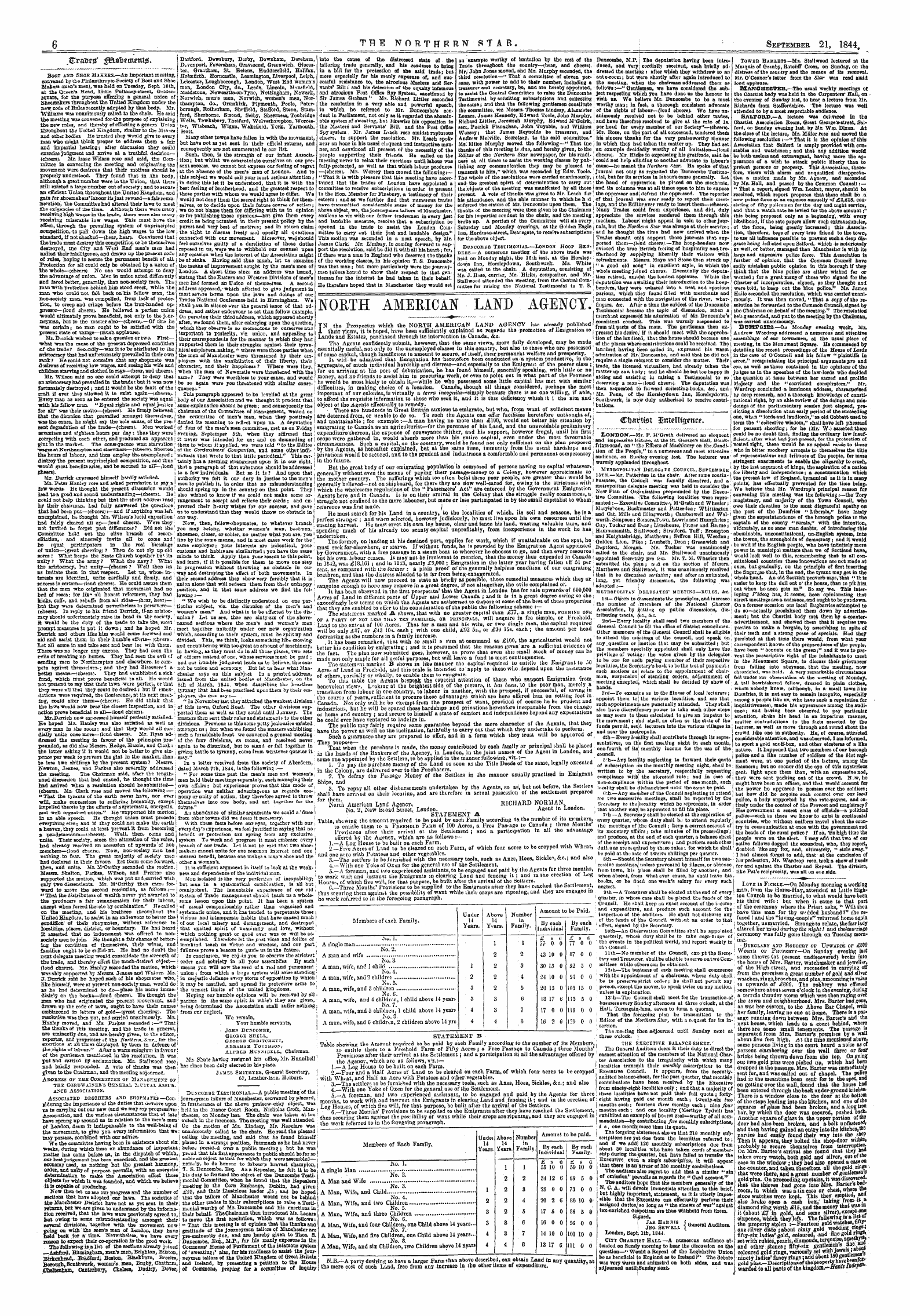
IN the Prospectus which the NORTH AMERICAN LAND AGENCY has already published i tfeeiT Yiew 5 » it is hoped , have been Buffioiently explained as regarda the promotion of Emigration to j Lands and Estates , purchased through its intervention ia Canada , &o . j Tha Agents coafidently submit , however , that the game views , more fully developed , may be made essentially useful , not only to tho unemployed classes in this country , but also to those who are possessed of some capital , though insufficient in amount to secure , of itself , their permanent welfare and prosperity , j It -wit ! be admitted that Emigration has heretofore been conducted on a system productive , in the j aggregate , of much individual hardship and distress—and especially to the Emigrant of the poorer class ; : for on arriving at tis port of debarkation , he haa found himself , generally speaking , with httle or no i money , and no friends to assist him in precuring work , or even to point out in what part of the Province I he would be most likely to obtain it , —while he who possessed some little capital has met with similar I difficulties , in making choice of a location . Canada , though all things considered , perhaps the most ) important of our colonies , is virtually a terra incognita—simply because there is no one willing , if able , t to afford the requisite information to those who seek it , and it is this deficiency which it i the aim and object of the Agents effectually to remedy . i There are hundreds in Great Britain anxious to emigrate , but who , from want of sufficient means > are deterred from , or unable to do so . To such the Agents can offer facilities heretofore unthought of , j and unattainable ; for example : —A man having no more than £ 100 , would not better his situation by emigrating to Canada as an agriculturist—for the purchase of his Land , and the unavoidable preliminary | expenditure thereon , the expence of conveyance thither , and his support , however frugal , until his first ] crops were gathered in , would absorb more than bis entire capital , even under the most favourable circumstances . Such a capital , on the contrary , would be foand not only sufficient on the plan proposed by the AgeniOj as hereafter explained * bat at the same time , immunity from the usual hardships and privations would be secured , aud to the prudent and industrious a comfortable and permanent competentcy in the future . But the great body of our emigrating population is composed of persons having no capital whatever generally without even the means of paying their passage-money to a Colony , however approximate to the mother country . The sufferings which too often befal these poor people , are greater than would be generally believed—not on shipboard , for there they are riow well-cared for , oy / inz to the strictness with which the wholesome regulations of the " Passengers' Act" are enforced by the Government Emigration Agents here and in Canada . It is on their arrival in the Colony that the struggle really commences , a struggle not confined to the mero labourer , but more or leas participated in by tho small capitalist to whom j reference was first made . , J j He must search for hia Land in a country , to the localities of which , its soil and seasons , he is a perfect stranger ; and when selected , however judioiously , he must live upon his own resources until the ensuing harvest . He must erect his own lo « house , clear and fence his laud , wasting valuable time , and spending much of hia already too scanty capital unprofitably , from inexperience in the work he has undertaken . The former , on landing at hia destined port , applies for work , which if unattainable on the spot , he must seek for elsewhere , or starve . If without funds , he is provided by the Emigration Agent appointed by Government , with a free passage in a steam boat to wherever he chooses to go , and then every resource I but his own labour ceases . Is may not be irrelevent to mention , that the money thus expended in Canada i in 1842 , was £ 18 , 161 ; and ia 1843 , nearly £ 9 , 000 ; Emigration in the latter year having fallen off 51 per cent , as compared with the former : a plain proof of the generally helpless condition of our emigrating j brethren , and that the distress alluded to is far from being exaggerated . .. , . ' The Agents will now proceed to state as briefly as possible , those remedial measures which they ar sanguine enough to hope may remove in a great degree , if not altogether , the evils complained of . | It has bevn observed in tho first prospectus' thai the Agent in London has for sale upwards of 600 , 000 Acres of Land in different parts of Upper and Lower Canada ; and it is in & great degree owing to tho ; exceedingly low terms on which the Agents are authorised to dispose ot some of the beat of theso properties i that they are enabled to offer to the consideration of the public the following scheme : — ' The statement marked A . shows , that with no greater capital than £ 77 , a single man , forming one of a party of not less than ten families , OB principals , will acquire in fee simple , or Freehold ,, Land to tbo extent of 100 Acres . Tbat for a man and hi > wife , or two single men , the capital required will " be only £ ' 67 , or £ 43 10 s . each ; with one child , £ 92 03 ., or £ 30 15 s . each ; the amount per head decreasing as the numbers in a family increase . . . > It has been remarked , that with so small a sum at command as £ 100 , the agriculturist would not better his condition by emigrating ; and it is presumed that the reasons given are a sufficient evidence of the fact . Tbe plan now submitted goes , however , to prove that even this small stoofc of money can be , made not only ample for all useful purposes , but will leave a fund to meet contingencies . i Tno siatempnt marked B shows in like manner tho capital required to entitle the Emigrant to . jO Acres of Land in Freehold , and this scale is intended to apply to those who depend upon tlio assistance of others , yariiaily or wholly , to enable them to emigrate ; . To tnis table the Agents bespeak tbe especial attention of those who support Emigratvon from benevolent views , Looking at ihe brightest Bido of tbe picture , it has been , io the poor man , merely a transition from labour in one country , to labour in another , with the prospect , if successful , of saving in the oour ^ e of years , sufficient to procure those advantages which are here offered him on netting foot in Canada . Not only will he be exempt from the prospeot of want , provided of course he bu prudent and industrious , but he will be spared those hardships and privations heretofore inseparable from the change oi' home and country ; and secure to himself a state of comtort aud independence beyond any expectations he could ever have ventured to indulge in . ' The public may fairly require some guarantee beyond the mere character ot the Agents , tnat mey have the power as well as the inclination , faithfully to carry out that which they uudertake to perform . Snch a guarantee they are prepared to offer , and in a form which they trust will be approved of " ^ Tn at when " the purchase is made , the money contributed by each family or principaHhaU be placed in the hands of the Bankers of the Agency , in London , in the joint names of the Agent in London , and some one appointed by ihe Seulera , to be applied in the manner following , viz . : — 1 . To pay ihe purchase money of the Land so soon as the Title Deeds of the same , legally executed in the Colony , are delivered over to the Purchasers . _ . 2 . To defray the Passage Money of the Settlers in the manner usually practised in Emigrant Ships , and 3 To repay all other disbursements undertaken by the Agents , so as , but not before , the Settlers shall havo arrived on their location , and are therefore in actual possession of the settlement prepared ° ' fton ' fl American Land Agency , RICHARD NORMAN , No . 2 , New Bioad Street , London . Agent in London . STATEMENT A ' Table , shewing the amount required to be paid by each family according te the number of its members , to emitle them to a Freehold Farm of 100 Acres , a Free Pasi-age to Canada ; three Months Provisions after their arrival at the Settlement ; and a participation in all the advantage offered by the Agency , which are as follows : — 1 . —A Log House to be built on each Farm . . 2 —Five Acres of Land to be cleared on each Farm , of which four acres to be cropped with Wheat , and one acre with Potatoes and other vegetables . 3 . —The setters to be furnished with the necessary tools , such as Axes , Hoes , bickle * , &c ; and aleo 4 . —With one Yoke of Oxen for the general use of tbe Settlement . 5 . —A foreman , aud two experienced assistants , to be engaged and paid by the Agents for three months , to work wuh and instruct the Emigrants in clearing Land and fencing it ; and in the ereotion ot Log Houses , of which five will , for that purpose , be built after the arrival of tho bottlers . ,,, _ ., . 6 . —Three Months' Provisions to be supplied to the Emigrants after they have reached the Settlement , thus securing them against the possibility of want while iheir crops are ripening , and they are engaged m he work referred to in the foregoing paragraph . TT , . . xt u Amount to be Paid . I Under Above Number M-w , *«* * ,..,. y £ ,, YIL . * X &S& ?! X ' 3 wTT n £ s U £ b d ; A single man 1 1 77- 0 . 0 77 0 0 I No . 2 . A man and wife 2 2 43 10 0 87 0 0 ! No . 3 . : A man , wife , and 1 child 1 2 3 30 15 0 92 5 0 Aman , wife , and 2 childreii . ' . 2 2 4 24 10 0 90 0 0 No . 5 . : A man , wife , and 3 children 3 2 5 20 15 0 103 15 0 No . G . A man , wife , and 4 children , 1 child above 14 year * 3 3 6 18 17 6 113 5 OL No . 7 . I A man , wife , and 5 cbildreu , 1 child above U year ? 4 3 7 17 0 0 119 0 0 i No . 8 . ! A man , wife , and 6 children , 2 children above 14 yrs . 4 4 8 16 2 6 129 0 0 STATEMENT B Table shewing tho Amount required to be paid by each Family according to the number Of its Member ? , to entitle them to a Freehold Farm of Fifty Acres ; a Free Passage to Canada ; three Mouths ' Provisions after their arrival at the Settlement ; and a participation in all the advantages offered by tho Agency , which are as follows , v'z .: — 1 . —A Log House to be built , on each Farm . 1 2 . —Four and a Half Acres ol Land to be cleared on each Farm , of which four acres to be cropped 1 with Whvat , and Half an Acre with Potatoes and other vegetables . ; 3 . —The settlers to be furnished with the necessary tools , such as Axes , Hoes , Sickles , &c ; and also J 4 . —With one Yoke of Oxen for the general use of the Settlement . j 5 . A foreman , and two experienced assistants , to be engaged and paid by the Agents for three months , to work with and ins-rnet the Emigrants in clearing Land and fencing it ; and in the erection of Log Houses , of wJ . ich five will , for that purpose , be built after the arrival of the Settlers . ! 6 Three Months' Provisions to be supplied to the Emigrants after they have reached the Settlement , thus securing them against the possibility of want while their crops are ripening , and they are engaged in : the werk referred to ia the foregoing paragraph . ' i ,. , ., « „ . „ Amount to be paid . : Undei Above Number r I Member , of Each ftrffr . 14 ^ M ^ ^ „ | ' Individual i amily . I ¦—— Kf ) i ' " ~ £ s o £ s a ! ABingle Man * °± 1 1 « * ° » «> " > » A Man and Wife _ » , > 2 3 * 12 6 69 5 ° j A Man , Wife , and Chmltt - .. ; 1 . 2 3 25 0 0 73 0 0 I A Man , Wife , and two Children 2 2 4 20 2 6 80 10 0 ' A Man , Wife , and three Children - 3 2 5 17 5 0 86 5 0 A Man , Wife , and four Children , ' one Child above 14 years ... 3 3 6 16 00 96 00 A Man , Wife , and five Children / one Child above 14 years ... 4 3 7 14 10 0 10110 0 A Man , Wife , and six Children , two Children above 14 years 4 4 8 13 17 6 111 0 0 | N . B . —A party desiring to have a larger Farm than above described , can obtain Land in any quautity , at the mere cost of auoh Land , free from any increase in the other items of expenditure .
Untitled Article
Boot ± hd Shoe ALikebs . —An important meeting , convened b / the Philanthropic Society of Boot and Shoe Slaters ( men ' s men ) , "was held on Tuesday , Sept 10 Hi , at l h * Qcjsen ' s Head , little Pnlteney-street , G-oldea-* gnaBi for the purpose effecting a geneiil union of Shoemakers throughout the United Kingdom under the new coda of Holes recently adopted by thai body . Mr . Williams -was unanimously called to the chair . He said the masting -sres convened for ^ tce pnrpooe of explaining the new rales , and thereby of effecting a genera : Union Jhronghont the United Kingdom , similar to the Sim-xa 2 Bd otfesr bodies . He trusted thty -would give to every man who might think proper to address them & { sir and impartial hearing ; after discussion they could exercise judgment and arrive at a truthful
decision—( cheers ) . Mr . Isaac WilBon rose and said , the Committee in convening the meeting and originating the movement were desirous that thsir motives Bhonld be properly understood . They found that in the body , althongh a great number -were in the Union , that there still existed a large nnmber ont of society ; and to secure an efiLriem Union throughout the United Kingdom , and gain Sot shoemakers'labour its joat reward—a fair remuneration , the Committee had altered their laws to meet the exigeaci&a of lie time . Although tbeio 'were icany receiving high Wases in the trade , there -were also m : my Teeeiviisr miserable low -wages . This must have the effect , through the prevailing system of unprincipled competition , to pull down the high'wa . ges to the low Standard , if not chocked —{ hear ; hear ) . Convinced that the trade must destroy this competition or t = e themselves
destroyed , the City and Wtsi End men ' s ma had finited their intelligence , and drawn np the present code of rales , lioping to Becnre the permanent benefit of aiL Protection for ail could only be obtained by a union of the "whole —( cheers ) . No one would attempt to deny the advantage of union . 2 Jec in union acted differently and lared better , generally , tbsn non-Bociety men . Ths man - with protection behind him stood erect , while the man ^ rho xxrald not 1 * J 1 back on'biB fellow man , the non-society man . was compelled , from lack of protection , to creep and cringe before the iron-handed oppressor —( lend chteis ) . He believed & perfect union ^ rould ultimately prova beneficial , not only to the jonrneysoan , but to the master also—( cheera > . —Of t £ is he ^ ras ce rtain ; no man ought to be satisfied with th 9 present state ot things —{ much applause ) .
Mi , Derrick -wished to ask a question or two . First—* rhat was the cause of the present depressed condition of the trade ? Secondly—was ittolw attributed to tbe aristocracy that had unfortunately prevailed in their own rani ? He could not conceive that any ahopmate was desirous ol receiving low wages , and seeing his wife and children starring and clothed in rags —( bear , and cheers ) . Sir . Wilson said no ene conld attempt to deny tfeat anaristocraey hadprevailedin thetrade : but it was now fortunately destroyed ; and it would be the fault of the craft , if ever thby allowed it to exist again—( cheers . ) . Every man as boob as he entered the society was equal > nth his fellow man . "Egual rights and egnaljusiice
for all" was their motto —( cheers ) . He firmly believed that the disunion thst prevailed amongst themselves , was tbe cause , he sight say the * ole cause , of the present degradation of ihe trade —( cheers ) . Men worked seventeen and eighteen hours per day : tfens they were competing with each otter , and prodnced an apparent glut in tha market . The constquence was ; starvation ¦ vagBS at Northampton snd else-arbere—( ctseera ) . Shorten thfi hours of labour , and thus employ tfc « unemployed ; destroy the present unprincipled competition , sijd thus would great bentfita arise , and be Becured to aiF—» lond cheers ) . Mr . Darrici oreress ^ d himself hardly satisfied .
Mr Peter Hauie ? rose ana asked permission to say a lew words . He tfconght the present discussion would ; Isad to a good and sound "understanding—tcheers ) . He ! conld not help thinking bnt that the short address read j by their chairman , had fully answered the questions ' that bad beai put—( efceers ) : —and if anything was left * nnexplained , h = bought Mr . Wilson ' s lucid exposition ' bad fairly cleared Ell ap— ( loud cheers ) . Were they not invited to forget past differences ? Did not the Committee hold out the olive branch of recon- ' cQi&tion , and siEcerely Invite all to come and , ' be equal participators in the real blessings ' of -nnion ^ Jgreat cheericg ) ? Then do not rip up old sores ! What keepB the State Church together but iu
unity ? What the army ? What the navy ? What the aristocracy , but unity—( cheers ) ? Well then iet us imitate them in that respect . Let us , whose interests are identical , unite cordially and firmly , and success is certain—tlsud cheers ) . He could assure them that the men who originated that movement had no bed of roses : for lik ° ail honest reformers , they had kicks , cuff * , and rebuffs from all sides—( bear , fee « ir >—bui -they were deteraiined nevertheless to persgvjre—( cheers ) . In reply to his friend Derrick , if-an aristocracy Bhonld unfortunately raise its head in thf society , it wonld be the duty of the trade to take the . sioEi prompt measures to put it down ; and he hoped Mr . Derrick and others like him would come forward and aid and assist them in their humble efforts— ( cheers ; .
3 * et all come in and take scot and bear lot with Xhsm . There was no longer any excuse . They b . ad seen the evils of breaking up homes . They had seen the evil r-f < ppfling men to ycrtfczmpton 3 nd elsewhere , to compete against themsdves . ; and th ? y had discovered a better means—schsers ) . They b = d established a sick fund , which mnBt prove beneficial to all . He would not -pretend te say that their laws , were perfect , or Xfca * . tbey were aa tfcat ibtj could be desired ; bai " if emencations were required , the Conference , at Us next mtttiDg , could alter them —( cbeenj . He " did thick tfc . it the laTfB would now bear the closest inspection , and in action prove beneficial to all—lloud cheers ) .
Mr . Darricb now expressed himself perfectly sabssed . ' He hoped Mr . Hanley was also satisfied as well as every man in the room ; and thst they wonld all cor- ; dially -unite once more—tlond cheers ) . Mr . Ryan ad- dressed the meeting in favour of the principHss propsnnded , as did alse Messrs . Hedge , Harris , and Clark : the latter askinz if it would not be better to give six-, penes per week to prevent the glnt in the market , than >' to lose two shilBrgs by the present system ? > Iessra . ; 2 * ewton , Jeansa , and Pirkts also severally addressed \ the meeting . Tlie Chairman said , after the length- \ ened discussion that bad ensued , be thought the time j bad amred when a resalntion sbonld be snbmittei—( cheers ) . Mr . CUrk rose and moved the following : —
"That the tjxatts of the earth never Lave , nor ever j ¦ will , make concessions to suffering humanity , except | impelled thereto by tbe tfforts of asratematiCj energetic , snd -well orjfaDi ^ e < i BnJon . " He 'supported his motion ] in an able speech- He thought union must precede j everythute * llej and if they could not make the earth % heaven , they could at least prevent it from becoming j » pandemonium—s ibeers ) . Well , then , come and 1 unite . Their society , since tie alteration of the rules , j bad already received an accession of npwards ' of 300 members—iicad cb = esBj . 2 fow , con-society men bad nothing to fear . T > is great majority of society m&n i bad declared in their favour . Let toem come fo . ward , ; then , and unite , ilr . M'CsTtby seconded tbe motion , j Messrs . Skelton , P ^ rkes , Wikon , and Prestoi * also supported the motion , which was put and , carried with , only two dissentients . Mr . McCarthy then canst for- '
¦ ward to move the second reso-lnlion , as foUows : —! " That ttedistributors of wealth never yet awarded to \ the prodncer 3 a fair temuneration for their labcur , \ except when forced tharelo by combination . " He called i on the meeting , and his brethren throughout the j United Kingdom , to assist in an endeavour to better the j condition of their shopmates , without reference to localities , places , district , or boundary . He h 3 < J heard it asserted that do inducement was offered to non- i society men to join . He thought * fair chance of better- j ing the condition cf themselves , their wives , and i families ought to be srffiei-nt . He had no douH the ; next delecate meetin ? ¦ would consolidate tbe strength of ] tbe trade , " and thereby effect the much-desired object— } { loud chsfrs ) . Mr . Hanley secoDded the motion , which l vasably supoorted by Messrs . Jeanes and WaJner . Mr . J . Derrick ? aid he hoped such of bis shoproates who ,
like himself , wsre at present non-society men , would do : as he h& 6 determined to do—plaea his name imme- ' fiiately oa tb . 9 Tx > oks—llond . cheers ) . He thought tbe men wIm bad originated tte present snovenient , and ! drawn np the code of laws , ought to have their names "¦ emblazoned in letters of gold—( great cheering ) . The ? resolution was then pnt , and carried unaiiimouily . Mr . j Hsnley moved , and * ilr . Parkes seconded : — " That j the thanks o ! this meeting , and the traae in general , j are eminently due , and are hereby given , to the editor , i reporter , and proprietor * f the SorQian . S : ar ^ for the . ; exertioua at aU times fiiEplsyea by tbem in deffeBCS of ' tte . iigbtB of istoirr . " After a warm enlo ? inni in favonr = ' of tlie genUemta mentioned in the resolution , it was ' . put and carried by acclamation . Mr . Stallwood rose ' Bnd briefly responded . A vote of tfr * r . frn tpas tbtn ' g iven to tbe Caairmaa , and thB meeting aajouraea . Aiwbess op thb Committee or Ma > mgesie > t of i THE COBDWjaSSi S GESEB-Ai liTTltAL
AsstH-ASCE ASSOCIATIOS . I ASSOCIAT £ D BHOTHEES i >' B SHOPMiTES—Con- ; sidenng the importance of the duties that utvoive upon ns in carrying out our new ( and we may ssy progressive > Association , and the various circtmEtances that of late nave sprung up around us in relation to the men ' s men of London , deem it indispensable to the well-being cf the movement , to give you every information that we may possess , combined with our advice . We the committee having been in existence abent six Treeksr during which time an abundance of important matter > " . » come before ns , in the dispatch of which , © or best judgement has been exercised , and ihe greatest economy used , as nothing bnt the greatest harmony , Ordei , and unity of purpose prevails , with an energetic fietermlnatisri to make the Association tffact those objects for whieh it was founded , Mid which we believe it is capable of producing .
I » ow then let ns see our progress and tbe nnmber of geefions that have adopted cur laws . The societies of tie Manchester District have no . t as yet sent in their returns , bnt we-are given to understand by the information receivtd , that the laws were previously agreed to , bnt owing to some misunderstanding amongst their several divisions , together with the movement now going on with the men's men of I > endan , they have beld back for a time . Nevertheless , -we have every reason to expect their co-operation is-the good work . Ibe followiiig ia a Bst of tbe sectiwns already joined —Ashford , BhmiDgham , men ' s men , Brighton , Bllston , Birkeahead , Bradtordi Boston , Blackburn , Bfcdes , Borough , Sonttiwark , women ' s men , Bugby , Chathim , CMtenLam , Cflnterbnrv , Cliebea , Dudley , DoTer ,
Untitled Article
Dirtford , Dawsbury , Darby , Downham , Dareham , D = vonport , Feversham , Gravesend , Greenwich , Glocester , Grantham , St . Heibns , Huddersfield , Halifax , HoJmfirth , Homcastle , Leamington , Liverpool , Leiph , Leicester , Lougbborough , London , West End women ' s men , London City , do ., Leeds . Lincoln , Manefleld , aiaidstone , Ifewcastle-on-Tyne , Nottingham , Ndwark , Norwich , men ' s men , Norwich , women ' s men , Northampton , da , Onnskirk , Plymouth , Poole , Peterborougk , Botherbsm , Sheffield , Stafford , Stene , Stamford , Sherborne . Stroud , Selby , Sheerness , Tonbridge Wells , Tewksbury , Thetford , Wolverhampton , Worcester , Wkbeach , Wigan , Wakefield , York , Yarmouth , HulL Many other towns have fallen in with the movement , bnt have not as jet tent In their official returns , and consequently are not enumerated in oar list
Such , then , is the strength of our infant Association ; but whilst we congratulate ourselves on our present success , we cannot but express our feeling of regret zi , the absence of the menV men of London . And to this subject we would call your most serious attention ; in doing this let it be understood , that it is with the best feeling of brotherhood , and tbe greatest respect to those parties with whom we would agree to differ . We would notdeny them the sacred right to think for tfeem-Belves , or to decide npon their fnture course of actienwe do not blame them for differing with hb in opinion or for publishing those opinions—bnt give them every credit as being actuated in their present policy by tbe purest and very best of motives ; and in return claim the right to discuss freely aud openly all questions
connected with our movement Moreover , wej Bhould feel ourselves guilty of a dereliction of those duties reposed in us , were we to withhold our counsel upen any occasion when the interest of the Association might be at stake . Having said thus much , let us examine the means of improvement sought by the men ' s men of London . A shon time Bince an address was issued , stating that the Eastern and Western Divisions of men ' s men had formed an Union of themBslves . A second address appeared ,- which affected to give judgment in most Bevtre terms npon the laws and doings of our Trades National Conference held in Birmingham . We shall pass in silence ever the general tenor of that address , and rather endeavoui to set than follow example .
On perusing their third address , which appeared shortly after , we found them , after enlarging upon tbe question , which they observe is so momentous to ourselves and important to poiterity , viz union , and appealing k > their corraspondei . ts for the manner in which they had snpportfcd them in their struggles against their tyrannical employers , asking , •¦ where were those parties when the men of Manchester were threatened by their employers with the annihilation of their liberty , their character , and their happiness ? Where were they , when the mea of Newcastle were threatened with the same ? They wtre worthless to your cause , and would be so again were you threatened with similar conseqnenees /'
Tois paragraph appeared te be levelled at the great body of our Association and we thought it prudent that some explanation should be given ; and consequently the chairman of the Committee of Management , waited on the ccmnuttee of men's men , wben they positively denied its meaning to rtfisct upon us . A deputation of four of the men ' s men committee , met us on Friday evening , Srptemper 5 th , when they affirmed that it never was intended for us ; and on demanding of them to whom it applied , we were told " to the Editor ol ise Cordxvainen' Covipanion , and BOme Other individuals that wrote to that little periodJcaL" This certainly hz * a Beeming strangeness upon it in our sight , that a paragraph of that Bubstance should be addressed to a few individuals . But so it is ? And upon that authority we felt it our duty in justice to the men's men to publish it , in order that no misunderstanding should spring up in tbe country on that point . They also wished to know if we conld not make some
arrangement to accept and relieve their cards ; and expressed their hearty wishes tor our success , and gave as to understand that they would throw no obstacle in our way . Now , then , fellow-shopmates , to whatever branch you may belong , whether women ' s men , bootmen , shoemen , closer , or cobler , no matter what you are , you live by tne same means , and in most cases work for the same employer ; your interests are indentical , your customs and habits are similarised ; you have tbe same minds to think . Apply then your reason to this point , and learn , if it is possible for them to move one step in progression without throwing an obstacle in our way and destroying tbe effect of both movements . In their second address they show very forcibly that it is union alone that will redeem them from their unhappy position , and in that same address we find the following : —
" We wish to be distinctly understood on one particnlar subject , viz . the disunion of the men ' s and women ' s men . " And what is to be effected by the disunion ? Lrt us see , thre are sixty-six of tne abovenamed sections where tbe men ' s and women ' s men meet together unitedly under our new organization which , according to their system , must be ypiit up and divided . This , we think , looks something like crossing and encumbering with too ^ great an amount of machinery , in bsvirg , as they most do in all these places , two Bets of officers instead of one , whose services must be paid ; and our hunibie judgment leads us to believe , this cannot be union and economy . But lot us hear what Manchester says on this subjr-ct In a printed address , issued from the united bodies of Manchester , on the 8 th of Much , 1844 . when dtscribiog the heartless tyranny thaX bad txren practised npoa them by their employers , Vhe njen say : —
" In November last they attacked the weakest division of this town , Oxford Boad . The other divisions supported them &s well as they could until January . The masters then sent their rnles and statements to tbe other divisions . Previous to this seme petty jealousies existed amongst us ; bnt when we found the masters exhibiting such a formidable front we convened a general meeting &f the four divisions , en masse , and resolved never again to be disunited , but to siand or fall together in giving battle to tyranny , come from whatever quarter it may . " In a letter reetived from the Bociety of Aberdeen , dated March 7 th , 1844 , is the following : —
" For some time past the men's men and women ' s men held their meetings separately , each managing their own affairs ; but fxperience proves that this mode of operation was neither advantageous as regards economy or unity of fiction , they therefore agreed to throw themselves into one body , and act together for the future . " An abundance of similar arguments we could a'duce from other towns did we deem it necessary . W ith these facts before onr tyes , together with our every da }" a experience , we feel justified in saying that no benefit or protection can spring from any exclusive system . To work and progress it must embrace every branch of our trade . L * t it not be eaid that two ahoezuakt-rs cannot unite for one common in tore ; t and one mutual benefit , because one makes a man's shos acd the other a woman ' It is sufficient argument in itself to look at the weakness and dependence of the indiviAul man .
Ma isolated is tbe very perfection of incapability ; but man in a systematical combination , is all but omnipotent . The lamentable experience of our old system of Trade management sho-aM tsack us a wholesome lesson npon this point . It has been a system of casual companionship rather than organised and systematic union , and it has tended to perpetuate those vicious and intemperate habits tfeat have caused much of our local misery and derangement , and destroyed that exalted spirit of unanimity and love , without which nothing great or good t-Vcr was or will be accomplished . Therefore let the piai ; rices and follies of mankind teach us virtue acd wisdom , and our past faflnres Drove a feeacon to guide us in the future .
In conclusion , we enj -in vou to observe the strict ^ si order sud sobriety in all your assemblies By auct means you will sow the seed of a real and permanent onion ; from which a l" ? ga Eystem will arise standim in msj'iBtic defiance every storm of opposition by whicl it may be assailed , and spread its protective arms t < the utmost limits ef tbe united kingdoms . Hoping our humble opinions will be received by & 1 parties in the * ame spirit in whJeb they are given being determined tbe Asoociation shall Euffsr nothini from our neglect , We remain , Your humble servants , joh . n dc . nco 5 tbe , Geoh&e Shell , &EOBGB CBEITCHETT , ABB . AHA 11 youiH 5 O >' , Alfbed Hc >> -ii 3 ELL , Chairman .
Mr . Sinte Laving resigred his office , Mr . Eunnibe has since been tinly elected in his place . James Smitbtes , General Secretary , 67 , Leather-la :: e , Holborn .
Untitled Article
into tbe cause of the distressed state of the tailoring trade generally , and his readines to bring in a bill for the protection ol the said trade ; but more especially for his manly exposure of , and successful resistance to , the atrocious Master * and Servsmts Bill : and his detection of the equally infamous and atrocious Post Office Spy System , sanctioned by Sir James Graham '' Mr . Richard Littler seconded the resolution in a -very able and powerful speech , in which he referred to Mr . Duncombe'a conduct in Parliament , not only as it regarded the abominable Bystem of sweating , bat likewise his opposition to the Masters and Servants' Bill , and the Post Office Spy system Mr . James L * ach rose amidst rapturous
cheers , to support the resolution . Mr . Leach spoke near an hour in his usual eluquent and instructive manner , and convinced all present of the necessity of the peoplo supporting their friends . He called on the meeting never to relax their exertions until labour was fully protected , as well as that which labour produces —( cheers ) . Mr . Wowey then mo ? ed the following : — "That it is with pleasure that this meeting have ascertained that the trades of London have appointed a committee to receive subscriptions in order to present to the Hon . Member for Finsbury , a testimony of their esteem : and as we further find that numerous trades have transmitted considerable sums ol money for the
above object , v » s , the journeymen tailors ol Manchester , anxious to vie with onr fellow tradesmen in every jpst and laudable measure , resolve that a subscription be opened in the trade to assist the London Committee to carry © ut their just and laudable design . " This motion was seconded in a neat speech , by Mr . Jamas Clark . Mr . Lindsay , in coming forward to sup- port the resolution , Baid he did it with all hlaheait ; for , if there was a man in England who deserved the thanks of the working classes , in his opiaion T . S . Duncembe , was that man ; but more particularly were tbe journeymen tailors bound to show their respect to that gentleman for the interest he bad taken in their behalf . He therefore hoped that in Manchester they would set
Untitled Article
an example worthy of imitation by the rest of tbe Trade throughout the country—( hear , and cheers ) . Mr / John Jones moved , and Mr . Murphy seconded , the third resolution— " That a committee of eleven persons , with power to add to their number , including a treasurer and secretary , be , and are hereby appointed , to assist the Central Committee to raise the Duncombe Testimonial by soliciting subaaripUona and collecting the same ; and that the following gentlemen constitute the committee , viz Messrs . Thomas Lindsay , Alexander Lenars , James Kennedy , Edward Toole , John Murphy , Richard Littler , Jeremiah Murphy , Edward M'Guirk , sen ; , Patrick Flanaghan , John Tuyable , and William Worsny ; that James Reynolds be treasurer , and Andrew Melville , Secretary , to the said committee . " Mr . Miles Murphy moved the following— " That the
thanks of this meeting is . due , and hereby given , to the Editor of tbe Northern Star newspaper , for his readiness at all times to asaist tne working classes by publishing any communication they may be pleased to transmit to him , " which waB seconded by Edw . Toole . The whole of the resolutions were carried unanimously , and tbe greatest aplrit of determination to carry out the objects of tbe meeting was manifested by all those present . A vote of thanks was given to Mr . Leach for his attendance , and the able manner in which he h id enforced the claimB of Mr . Buncombe upon th « ni . The thanks of tbe meeting were then given to the Chairman for bis impartial conduct in tbe chair , and tbe meeting broke up . A portion of the Committee will sit every Saturday and Monday evenings , at the Golden Eagle Inn , Hardman-street , Deansgate , to receive subscriptions for the abova objoct .
Duncombe Testimonial . —London Hoop Be . h debs—A numerous meeting of the above trade was held on Monday night , the lG . h inat , at the Horsleydown Inn , Horsleydown , Southwark . Mr . WhiSe was called to the chair . A deputation , consisting of Mr . J . Rose , currier , Mr . Hicks , compositor , and Mr . Stullwood attended the meeting , from the Central Committee for raising tbe National Testimonial te T . S .
Untitled Article
Duncombe , M . P . j The deputation having been introduced , and Tory ] cordially received , each briefly addressed the meeting : after which they withdrew to an ante-room ; but were Rhortly after again introduced to the meeting , when the chairman addressed them as follows : — " Gentlemen , we have considered the subject respecting which you have done ns the honour to visit us . We believe Mr . Duncombe to be a most warthy man ; in fact , a thorough consistent advocate of the rights of labour —( loud cheers ) . We have unanimously resolved not to be behind other trades , and have therefore resolved to give at the rate of Is . per bead for every member of our Society "—( cheers ) . Mr . Rose , on the part of all concerned , tendered them his sincere thanks for the very praiseworthy manner
in which they had taken the matter up . They had eet an example decidedly worthy of all imitation —( loud cheers ) . Mr . Hicks in expressing his gratitude , said , he could not help alluding to another advocate in labour ' s cause—he meant the Northern star * He spoke of that journal not only as regarded the Duncombe Testimonial , but for its services in labour ' s cause generally . Let the hand of oppression be placed on the mechanic , and its columns was at all times open to him to expose the oppressor and ! defend the oppressed . The reporter of that journal was ever ready to report their ineetinga , ami tbe Editor ever ready to insert them—( cheers ) . Many Trades conld from experience , aud did , duly appreciate the services rendered them through-this medium . Labour might appeal in vain to other
journals , but the Northern Star was always at their service ; and he thought the time had now arrived when the Trades should only support those journals that supported them—( l « ud cheers ) . —The boop-benders now evinced the true ^ British feeling of hospitality and brotherhood by supplying liberally their visitors with refreshments . Messrs . Mayn and Stone then struck up " a good old Bong" in excellent style , in which the whole meeting joined chorus . Eventually tbe deputation retired , amidst the loudest applause . While the deputation was awaiting their introduction to the hoepbendors , they were ushered into a neat and spacious parlour , which they found filled with merchants and man connected with the navigation of the river , wharfingers , &c . After a time the subject of the Duncombe Testimonial became the topic of discussion , wben a
merchant expressed his admiration of Mr . Dancombe ' a consistent conduct . This was warmly responded to from all parts of the room . The gentleman then expressed bis desire ; if it should meet with the approbation of the landlord , that the house should become one of the places where contributions could be received . The landlord having been called in , expressed bis warm admiration of Mr . ! Duncombe , and said that be did not require a single moment to consider the matter . Their trade , the licensed victuallers , had already taken the matter up as a body ; and he should be bnt too happy in aiding and assisting iu raising a Testimonial to bo deserving a man—( loud cheers ) . The deputation was then requested to forward collecting-books , fed ., and Mr . Penn , of the Horsleydown Inn , Horsleydo-vn , Southwark , is now duly authorised to receive contributions . ;
Untitled Article
IaONDON . —Mr . P . M ' Grath delivered an eloquent and impressive lecture , at tbe St . George ' s Hail , Backfriara-road , on " the Effects of Machinery on the . Condltioa of tbe People , " to a numerous and most attentive audience , on Sunday evening last . The lecturer waa warmly applauded throughout . Metropolitan Delegate Council , September 15 th . — M . i . Pat ter den in the chair . After some routinbusiness , the Council was fuaially dissolved , and a metropolitan delegate meeting was held to consider the New Plan of Organisation propounded by the Executive Committee . The following localities were represented : —Executive Committee , M'Qrathand Wheeler ; Maryle ^ ono , Buckmaster and Patterfiea ; Wbittincton
and Cat , Mills and ill ing worth ; Camberwell and Walworth , Simpson ; Soiner 8 tTown , Lawrie and Humphries ; City , Tucker and Dear ; Limeheuse , Fraz-jr and Brume ; Hammersmith , S call wood ; Stratford , Tuff ; Brompton and Knijfhtsbridge , Matthews ; Siffron Hill , Weedon ; Golden Lion , Pike ; Limbeth , Dron ; Greenwich and Deptford , Morgan . Mr . Tucker was unanimously called to tbe cbair , and Mr . Stall wood unanimously appointed Secretary pro tern . Mr . T . M . Wheeler teen submitted the plan ; and on the motion of Messrs . Matthews and Stallwoort , it was unanimously resolved tbat it be discussed seriatim ; anJ aftor an animated , long , yet friendly discussion , the following waa adopted : — i
METROPOLITAN DELEGATES MEETING—RULES , &C 1 st— Objecta to disseminate the principles , and increase the number of members ttl tbe National ( Charter Association , by getting up public discussions , distributing traots , Ac , &c 2 ad—Every locality shall send two members of the General Council to fill the effice of district councilmen . Other memoers of the General Council shall be eligible to attend the meetings of the council , and speak on any . question or motion that may be submitted ; but the members specially appointed shall only have the privilege of voting : the votes given by the delegates to be one- for each paying member of their respective localities , the Secretary ' s bo "b to be the Ust of payment : such motions as relate to tbe appointment of chairman , suspension j of standing orders , adjournment of meeting exempted , which shall be decided by show of bands .
3 rd—To examine as to the fitness of local lecturers ; appoint them to tbe various localities , and see tbat such appointments are punctually attended . They shall also have discretionary power to take such other steps as may seem to them calculated to give an impetus to the movement ; and shall , as often as the state of the funds permit , send lecturers into tbe Various villages in and near the metropolis . 4 th—Every locality shall contribute through its representatives , on the first metting night in each month , one-fourth of its ; monthly income for the use of the council . i 5 'h—Any locality neglecting to forward their quota of subscription on the monthly meeting night , shall be written to by the secretary , respectfully requesting compliance with tbe aforesaid rule ; and in case of non-compliance within the period of one month , such locality shall be disfranchised until the same be paid .
Rib—Any member of the Council neglecting to attend for two successive meetings , shall be reported by the Secretary to the ( locality waicD he represents , in « rder tbat another may * : be appointed to fill his place . 7 rh —A Secretaiy shall be elected at tbe expiration of every quarter , whose duty Bhall bo to attend regularly tbe meetings of the Council ; keep a correct account of its monetary affiira ; take minutes of its proceedings '; and produce , at the end of each quarter , a balance sheet of the receipt and expenditure ; and perform such other duties as are required by these rules ; for which he shall be paid at the rate of twelve shillings per quarter . 8 th . —Should the Secretaiy absent himself for two successive meetings ; unless prevented by illness , or absence from town , his place shall be filled by another ; and wben absent , from what ever cause , he shall leave his books , or be fined one week's salary for every such neglect . ;
9 th . —A Treasurer Bhall be elected at the end of every quaiter , in whose care sball be placed the fuads of the Council . He sball keep an exact account of the income and expenditure , and produce such account for the inspection of tbe auditors . He shall not disburse any of the funds of the Council without an order to that effect , signed by ! the Secretary . 10 th—An Observation Committee Bball b 9 appointed quarterly , whose duty shall be to take cogrrztnc *) cf the events in the political world , and report weekly to th ;> Council . ¦' llth—No member of the Council , txct-pt the Sacretary and Treasurer , sball be eligible to sei ve on two Coniiii it tees while others can ba obtained . 12 th—Tbe business of each meeting shall commence with tho appointment of a chairman , wbose duty shall be to preserve ' strict order ; he sball not permit any person , except the mover , to speak twice on any motion , unless in explanation .
13 " . h—Tho Council shall meet for the transaction-of business every Suuday afternoon at three o ' clock , at the Hall , Turnagaia-lane , seven to form a quorata . That the foregoing plan be transmitted to the Editor of the Northern Star , with a rtquest for its insertion . ¦ The meeting then adjourned until Suuday next at three o ' clock . !
THE EXECUTIVE BALANCE SHEET . " The General Auditots deem it their duty to direct the earnest attention of tbe members of the National Charter Association ( to the irregularity with which many localities transmit their monthly subscriptions to the Executive Council . It appears , from the recentlyaudited balance-sheet , for the past quarter , that monthly contributions have been received by the Executive from ninety-eight localities only ; and that a majority cf thuse localities have not paid their full quota ; fortyeight having paid one month each ; twenty-six two months each ; fourteen three months each ; nine four months each ; and one locality ( Merthyr Tydvil ) has exhibited an example of honest zaal—worthy ef all commendation—by contributing five monthly subscriptions , i e , one month ; more than its quota .
The forgoing statement Bhows that 210 monthly subscriptions are yet due from the localities referred to ; and if we add ] 120 monthly subscriptions due fr <» m about 30 localities who have taken cards of Membershi p during the quarter , but have failed to transfer the Executive eveii a single subscription , it will appear that there is aniarrear of 330 monthly contributions . The auditors also regret to add that a similar ' sin of omission" prevails as regards the " Card account . " The auditors hope that the members generally of tbe N . C . A . will devote immediate attention to this brief , but highly important , statement , as it is utterly impossible tbat the Executive can effectually perform their assigned duties , ] so long as " the sinews of war" against tax-enriched despotism are thus withheld from them . Signed , ! j « o : KSI {«™<* *** " * London , Sept . ltb , 1841 .
City Chartist Hall—A numerous audience attended on Sundy morning to hear the discussion on . the question— " Would a Repeal of the Legislative Union be as beneficial to England as to Ireland ? " The debate was very warm and animated on both sides , and wa 3 adjourned until Sunday next .
Untitled Article
Tower Hamlets—Mr . Stallwood lectured at the Matquis of Granby , Ritcliff Cross , on Sunday , on the distress of the country and the means of its removal . Mr . O'Connor ' s letter from the Star was read amid load applause . MANCHESTER . —The usual weekly meetings ot tbe Chartist body was held in the Carpenters' Hall , on the evening of Sunday last , to bear a lecture from Mr . Richards from Staffordshire . The lecture was well attended to by a most respectable audience . SiUiFOHD . —A lecture was delivered in the Chartist Association Room , Great George ' a-street , Salford , on Sunday evening last , by Mr . Wm . Dixon . At the close of the lecture , Mr . Miller rose and moved tfco following resolution . — " That it is the opinion of this
Association tbat Salford is amply provided with constables and watchmen ; and tbat any addition would be both useless and extravagant , having more the appearance of a wish to attack public liberty than to protect persons or property . This Association , therefore , views with alarm and unqualified disapprobation a motion made by Mr . Agnew , and seconded by Mr . Hall , and passed by the Common Council : — " That a report , signed Wm . Locket , mayor , should be received , which report proposes that there shall be a new police force at an expence annually of £ 2 , 618 , consisting of fifty policemen for the day and ingDt service , and that a Watch rate be levied for the above amount ;" this being proposed only as a beginning , with ever ; likelihood , if the rate payers allow such extravagancies , of the force , being greatly increased ; this
Association , therefore , begs of every true friend to the town , to use all influence possible to prevent such a deep disgrace being inflicted npon Salford , which is notoriously as well , or better , managed than Manchester is with its large and expensive police force . This Association is further ot opinion , that the Common Council have sadly mistaken public opinion in this borough if they think that the blue police are either wished far or wanted ; for a great many of those who signed for the Charter of incorporation , signed , as they thought and were told , to keep out the blue police . " Mr . James Haile seconded the resolution , whieh was carried unanimously . It was then moved , "That a copy of the resolution be forwarded to the Common Council , signed by tbe Chairman on behalf of the meeting . " The resolution being seconded , and put to the meeting by the Chairman , was carried unanimously .
DUMFRIES—On Monday evening week , Mr . Audrew Wardrop addressed a numerous and attentive assemblage ol eat townsmen , at tbe usual place of meeting , in the Monument Square . He commenced by detailing the recent proceedings of the House of Lords in the case of O Connell and his fellow " plaintiffs in error , * ' recapitulating the principal arguments pro and con , as well as those contained in the opinions of the judges as in the speeches of tbe law-lords who decided the question at issue between her sacred and prolific Majesty and the " convicted conspirators . " Mr . Wardrop concluded a luminous address , characterised by deep research , and a thorough knowledge of constitutional right , by an able review of the doings and misdoings of the parliamentary sessien just elapsed ,
predicting a . dissolution at an early period of the succeeding one , when " lords and landlords , " as old Cobbett used to term the " collective wisdom , " shall have left pheasant for peasant shooting ; for he ( Mr . W . ) asserted there could be no doubt tbat , finding the ordinary law insufficient , after what bad just passed , for tbe protection of vested right , there would be an appeal made to those who in bitter mockery arrogate to themselves the title of representatives and tribunes of the people , for more stringent enactments to enable the oligarchy to crash , by the last argument of kings , the aspiration of a nation for liberty and independence ; a consummation which the present law of England , tyrannical as it is in many points ; has effectually prevented for the time being . We believe that Mr . Wardrop " s principal reason for
convening this meeting was the following : —the Tory magistracy , and majority of the Town Council , who owe their elevation to the most disgraceful apathy on the part of the Dumfries " Liberals , " have lately given the superintendence of the borough police to the captain of tbe county " rurals , " with the intention , ultimately , as no sane man doubts , of introducing thid abominable , unconstitutional , un-English system , into the towns , the strongholds of democracy ; and it would be well if the English people , who have infinitely more power in municipal matters than we of Scotland have , would look well to this , remembering that in all constitutional countries these innovations are not made at once , bat gradually , on the principle of first inserting the finger , jso that , in the end , the tyrant may get in the
whole hand . An old Scottish proverb Bays , that " It is easier to keep the deil out o" the house , than to pit him . out when he ance gets in . " So say . we . This interloping Vidocq has , it seems , been opinionating that street meetings are a nuisance , and ought to be put down . Oa a former occasion onr loeal Dogberries attempted to do so—actually proclaimed them dowii by advertisement ; but the Chartist body met them by a counteradvertisement , and showed tbeiri that it requires two parties to make a bargain , by assembling in spite of their teeth and a strong posse of specials . Had they persisted at that time there would , from what your correspondent knows of the preparedness of the people , have been " bonnets on the green ; " and it was to prevent the prescriptive richt of the inhabitants to meet
in the Monument Square , to discuss their grievances from falling into abeyance , that the meeting , now chronicled , was held . A very remarkable circumstance f « ll uades ows obsexvaVlon at tbe -meeting ol Monday . A tall bewbiskered fellow , dressed in plain clothes , whom nobody knew , ( although , in a small town like Dumfries , it is not easy to remain incognito , especially among a people like us , who have such a reputation for inquisitiveness ) , made his appearance among the audience ; and having been observed to pay particular attention , shake his head in an imperious manner , mutter contradictions to the facts asserted by the lecturer , as well as move through and round about the crowd like one in authority . He , of course , attracted considerable attention , and was observed , I am informed , to sport a gold snuff-box , and other etceteras of a like nature . It happened that two members of our borough police and a like number of soldiers of the 91 st regiment were , at one period of tbe lecture , among the
listeners ; but no sooner did the eye of this mysterious gent , light upon them than , with an expressive nod , they were sent packing out of the crowd . Njw , he might have been an officer , and that woulducconnt for the power he appeared to possess over the soldiers ; but how did be acquire such control over our local police , a body supported by the rate-payers , and entirely under the eontrol of tbe Provost and magistracy ? Has government a secret class of officials—a political police—snch as those we know to exist in continental countries , who without uniform travel about the country in communication at once with the government and the heads of tbe rural police ? If so , 'tis high time the people were on tbe alert . I may add that two ef our active fellows dogged the scoundrel , who , they report , doubled like any fox , and , ultimately , " stole away . " I had almost forgot to add , that at the conclusion of his prelection , Mr . Wardrop rose , took a show of hands for acd against the Charter and Repeal . The division , like Pat ' s reciprocity , was all on one side .
Love is Fickle . —On Monday morning a working man , from the Horse-Hay , attended at Little Highton Chnrch to be married , to what Would have been his third wife : bat when it came to that part of the ceremony where the Priest asks , Wilt thou have this man for tby w * dded husband ? " She refused ! and the "loving-couple" returned home again together , un married . Strange to relate , the fair lady altered her mind during the night ! aud the ' marriage ceremony was fully gone through on Tuesday morninc .
BUEGLART AND RoBBERT OF UPWARDS OF £ 800 Worth of Property—On Sunday evening last some thieves ( at present undiscovered ) broke into the house of Mrs . Barter , watchmaker and jeweller , of the High-street , and succeeded in carrying off from the premises a great number of golfl and silver watches , rings , brooohe 3 , and pins , amounting in valae te upwards of £ 800 . The robbery was effected somewhere about seven o'clock in the evening ^ during a ternfio thunder 3 torm which waa then raging over the town and neighbourhood . Mrs . Barter bad gone , as was her custom , to the Above Bar Chapel , with her family , leaving no one at home . There is a passage running down between Mrs . Barter ' s and the next house , which leads to a court behind , where
there are some small tenements . The passage 13 separated from Mrs . Barter's premises by a wall about five feet high . Ax the time mentioned abovei some persons living ia the court heard a noise as of persons clambering over the ' wall three or four bricks being thrown down from the top . Oa going out two gold pins were picked ap , which had been dropped in the pa&sage . Mrs . Barter was immediately sent for , and was called out of chapel . The police had io the meantime been sent for to the spot , and on getting over the wall , found that the house had been entered through the back under-ground kitchen * There is a window close to the door at the bottom of the steps leading into the kitchen , and one of the squares of glass had been brokenand a long iron
, bar , by which the door was secured , pushed l > acfc Another square of gl& 33 in the upper portion oftna door bad also been broken , and a bolt unfastened , and then having gained an entry into the kitchen , tM parties had easily found their way into the fib ° P Then it appears , they bolted the shop-door witbu >) probably to secure themselves from interruption * On Mrs . Barter's arrival she found that they bw taken every watch , both gold and BilYer , out of t » 9 case in the window j they had also opened a caseoa the counter , and taken therefrom all the gold nfl ^ a that were there , and a great number of gentlemen * gold pins . On proceeding tip stairs , it was discovered bed
that the thieves had gone into Mra . Barter ' s - room , in which was a tin case or chest , Where tne store watches were kept . This they emptied , ano also broke open a cash box , taking from it . » diamond ring worth £ 15 , and the money tbat was in it ( about £ 7 in gold , and some silver ) , except one sixpence , which they left , the following : is * lwt g the property stolen : —Fourteen 8 oliy ^^ l ^ 2 . one rilver ditto ; about sixty gold weddmg nngat fifty-six ladies'iold , coloured , and- ^ W « gg set with rubies , pearls , diamonds , torqnoise , » n » tay » . and other stones ; fifty-six gentlemen ^ fir ^ Ljg . coloured gold rings , varionslyset withjewels rttPg ninety ladies' fancy rings jand aboaUSO genflmeJ " gold pins .-Deficriptionsof the proDcrty hftvebeen ^ warded to all parts of the kingdom . -lffl ^ Ute jx *
Untitled Article
Dcscombe Testimonial . —A public meeting of the journeymen tailors of Manchester , convened by placard , in furtherance of the above praiBewortby object , waa held in the Manor Court Room , Nicholas Croft , Manchester , on Monday last . The chair web taken at ten o ' clcck in Use forenoon . The / meeting was well attended . Oa the motion of Mr . Lindsey , Mr . Renclare was unanimously called to the chair . He read the placard calling the meeting , and said that he found himself placed in a strange position , inasmuch as he had never before presided over a public mteting ; hut he was pruud that his first appb&raDce in public should bBfor bo nobie an object as tbat for which they were assemblednanwly , to do honour to labour ' s bravest champion ,
1 . S . Doneembe , Esq . As a Repealer , he felt it to be bis duty to forward the object of the Duncombe Testimonial Committee , when be found that the Repealers meeting in the Corn Exchange , Dublin , had given £ 25 , and their Elustrioua leader £ 5 ; and he hoped thai the tailors of Manchester would not be behind the other trades in their subscriptions to raise a Testimonial worthy of Mr . Duncombe and his exertions in their behalf . TfieChairman then introduced Mi . Lenars te move the Srat resolution , which was as follows : " That this meeting ia of opinion that the thanks and gratitude of tbe journeymen tailors cf Manchester are pre-eminently due , and are hereby given to Thos . S . Dancombe , Esq ., M . P ., for his manly exposure in the Commons' House of Parliament of the infamons system of sweating ; ' also , for hia readiness to assist the journeymen tailors of the "United Engdem of Great Britain and Ireland , by presenting a petition to the House of Commons , praying for » committee of inquiry |
S Bvz&Tg $£Isft$Mm$*
S Bvz&tg $£ isft $ mm $ *
Nobth American Land Agency.
NOBTH AMERICAN LAND AGENCY .
Cfoaritet Snteufgenc?.
Cfoaritet SnteUfgenc ? .
Untitled Article
6 . _ TBE NORTHKRN STAR . j September 21 , 1844
-
-
Citation
-
Northern Star (1837-1852), Sept. 21, 1844, page 6, in the Nineteenth-Century Serials Edition (2008; 2018) ncse.ac.uk/periodicals/ns/issues/vm2-ncseproduct1281/page/6/
-