On this page
-
Departments (4)
-
Text (17)
-
Untitled Article
-
Untitled Article
-

Untitled Article
-
Untitled Article
-
Untitled Article
-

Untitled Article
-
Untitled Article
-
Untitled Article
-
Untitled Article
-
; foxtim $fobem*nt&
-

Untitled Article
-

agriculture anft ftmtirottms+
-
Untitled Article
-
Untitled Article
-

Bankrupts, at*
-

ifflarfcet inteUtamce*
-

Untitled Article
Note: This text has been automatically extracted via Optical Character Recognition (OCR) software. The text has not been manually corrected and should not be relied on to be an accurate representation of the item.
-
-
Transcript
-
Note: This text has been automatically extracted via Optical Character Recognition (OCR) software. The text has not been manually corrected and should not be relied on to be an accurate representation of the item.
Additionally, when viewing full transcripts, extracted text may not be in the same order as the original document.
Untitled Article
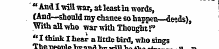
" Ana I will war , at least in words , ( And—should my chance so happen—deeds ) , ¦ With all who war with Thought !" " I think I hear a Httle Krd , who sings thepeople tjanaty will be the stronger . "—Biflo » . ITALY , AUSTRIA , AND THE POPE * so . vi . Mr . Mazzisi next combats the argnments of ths " moral force philosophers , " who , professing love for the causeof Italy , bid the Italian patriots to useother than insurrectionary means to attain their ends . The men who say , "Try legal means ; combat through the medium of ideas ; better your condition by degrees ; progress morall y and intellectually , since politically you cannot . It will be long before you will have liberty ; but peace is in vour powerpeace , the best of a people ' s benefits . In now obstinately persisting in a system of revolt and physical force , yon sacrifice the worthiestamong yon , and you degrade your cause in seeking to attain a noble end by means that are incontestiblj beneath it . " Thus say some . Let our readers weigh well Mr . Mazzixi ' s reply : —
Unquestionably , sir , it is very natural that you , for your own purposes and those of the foreign absolute governments jou lore so much , sheuld desire to gain credit for tliis error : but it would be strange if , with the practical common sense that distinguishes yoar countrymen , they should long suffer it to mislead them . There is no centre in ( Italy—would to God there were one!—for aught that agitates , conspires , or is insurrectional } - . General discontent there is ' : and from this discontent , met by our governments with violent reaction whenever their suspicions are attracted to its extent , naturally arise those manifestations that from time to time arrest the attention of Europe . Without doubt , associations Co « xistin the bosom of the country ; but the vastest and most dangerens association is that—without union
without organization , without oaths—of ell men of soul , conscious of the evil , and earnestly desiring to see its end . These men know each other , divine each other , in every cityinevery province : they fall into communication when Eome event , abroad or at home , cheers their hopes ; then , tenor and espionage magnify these communications to the eves of their masters ; arrests arerife — extraordinary measures of safety are put in force : till the hot-headed and those most in danger spring into the arena , sometimes to set action an example , sometimes in an energetic endeavour to find safety . Without doubt , certain men exercise an influence in the ranks of the National party ; "bnt rather a moral influence than a substantive poweran influence imprinting a tendencc and giving a colour to
manifestations that it neither organized nor suggested . Since 1832 , this has principally been the part of La Gioeine Italia . Young Italy is a standard . By oral instruction and the press it has enunciated and diffused principles thst have sunk into the heart of men of action . It has done what lam in part doing at this momentpleaded the cause of the Italian nation , and sought , with some degree of success , to unify its tendencies . So that its seal has been impressed as it were on many events that have occurred in Italy , though the eveutstheuiEelves , Ire-asser ^ arose spontaneously , unforeseen , and almost instantly , from the state of things , from the measures of Government , from feelings natural to a people oppressed , Kith no chance of alleviation for their sufferings save by the path of insurrection .
Toumaypreacb , then , as much as you l < ke to those Individuals on whomyouhave fixed the appellation of chiefs , but yon will put no stop to Italian agitation . Nevernot even with the concurrence of those chiefs if you could obtain it— will you succeed in re-establishing in Italy what yon are pleased to call peace , as long as things remain as they are .
How is it possible for the people to remain peace ful when the despotisms wage a perpetual war against all that is liberal and enlightened , whether men or ideas ? In the article winch appeared in the Star of last week reference was made to the insurrections of 1820 , 1821 , and 1831 . Those arc the three most important movements which have transpired since the fall of -Niroixox . But there has not been a single year since 1 S 20 that has not furnished its contingent of resistance , of conspiracy , of outbreak , of terror , andof victims . In 1825 Romagna was subjected to ihe proscriptions of Cardinal Kivarola , when five hundred and eight persons were proscribed by one monster decree . In IS 27 political prosecutions recommenced at Naples and in Calabria . la 1828 ,
the insurrection organised in the province of Salerno was whelmed in blood : three patriots were executed at Naples , eleven at Salerno , twenty at Bosco , fiftytwo were condemned to the galleys for life , and a crowd of others to minor , punishments . In 1 S 33 , Italy seemed tremblina in a -volcano from one extremity to the other . Three different plots were discovered at Naples ; the Cavajiere Ricci perishedon the scaffold at Modeua ; thirteen individuals were shot at Palermo ; thirteen officers and others in the Sardinian States ; and condemnations to Spielberg took place at Milan . In 1837 twenty-nine death sentences at Modena , eight at Penne in the Abruzzi , eight at Catania , and twelve in different parts of Sicily mark that year . In 1341 the city of Aquila witnessed five condenwatioLstothe ergastolo , fortyone to irons for twenty-five or thirty years , and nine to death . In 1 S 44 the tragedies of Coscnza and
Buio * ua were the consequence of the combined machinations of Italian tyrants and English Ministerial traitors—traitors to every sentiment of honour , to tic dignity of their own country , and to the hopes and lives of some of Italy's noblest sons . Such is thefrctte of Italy . How vain , then , is the babbling of those—it mav be well-intentioned , but weak-minded -pereons , who bid Mr . Mazzisi and his countrymen look to \ mcealle and legal means to save their country . Such persons are unwittingly advising the exiles to withhold their assistance from a combat wjucli no human power can now prevent ; advice much , if followed , would leave the youth of Italy without friends , without guides , the ready victims of the implacable despotisms of their country . Mr . Jmazzlvi would fain embrace moral means , if such means were practicable , bnt no such means exist in Italv : —
If another path could lead towards the goal—if efforts conceived in a pacific spirit could advance our country towards die conquest of its nationality—the existence of that path , how narrow soever , how painful soever the progress , might make it a duty in the individual to bury wtiira him that sentiment of consolidation that now tapds us to the arena on which our brothers are doing battle , and to talk of the subject with calmness and resi gnation . But where is this path to be found ! last in vain an answer to this question . I cannot bring myse « to imagine thatyou expect a man to walk who is ned hand and foo ^> without first severing the cords that tandliim .
When you Englishmen have a reasonable object to attain , you have the great highway of public opinion open io your steps : why should you digress into the by-lanes ot conspiracy or into the dangerous morass of insurrecnon . You pnt your trust ia tbe aU-potverfnlness of « mh , and you do well : but you can propagate this truth » 5 the press—you can preach it morning and evening in jour journals—yon can insist upon it in lectures—yon « " > Popularise it in meetings ; in a little while , it stands menacingl y on the hustings , whence you send it to your larhament , seated in the majority . We Italians have neither Parliament , nor hustings , nor liberty of the press , nor liberty of speech , nor possibility of lawful public assemblage , nor a single means of expressing the opinion Starring within us .
Ital y is a vast prison , guardedl y a certain number of gaolers and gendarmes , supported in case of need by the bayonets ofmen whom we don't iniderstandand who don ' i understand us . If we speak , they thrust a gag on our mouths ; if we make a show of action , they platoon us . A petition , signed collectively , constitutes a crime against the State . XoUiing is left us but the endeavour to agrte in secret to wrench the bars from the doors and tviudows of our prison—to knock down gates and gaolers , that we may breathe the fresh life-giving air of liberty , the air of God . Then , a career by pacific means of progress will be open to ns ; then will begin our guilt and con demnation if we cannot bring ourselves to be content with it Let those fools and fanatics , who would pledge a people never to use physical force in their struggles for justice , and under " no circumstances" employ the ineansto beat down oppression , which tvrants invariably employ to beatdnwn thfineorie : let such fand
there are , or have been , such misehevions idiots in « us country , who , by carrying their moral force "octrines to the extreme of absurdity , have caused IS » """ divisions , and almost irreparable mischief ) read the following :-fal ™ J vaxtisaa ot that Jesuitical maxim , the end ^ r ., 'e mt < " * : bnt I must confess , it seems to me equally absurd , equally unjust , to exalt into an axiom the vpuuon that on aU occasions ana at all times censures ^ application of physical force . It appearsto me more a in « t * ° sa ^~ -wneneTer a way remains open to you in just cause for the employment of moral force , never ^ ve recourse to violence ; but when every moral force is «« reanp _ when tyranny stretches so far as formally to ift » **** of « FW »« W m any manner soever down * c < mcdret » l » the truth—when ideas are put ttoufc ba * onete—G » en , reckon with yourself : if , weat ?""? nced justiceison your side , you are still in a jjjr . "Unority , foia yonp alms ^ a j ^^ witness to your m prison or on the scaffold—von have no rusht to OM if
fo Z ° ^ country in a hopeless civil war : but you ofmiui ma 3 ° lil y > if your feeling prove to be the feeling ^ r ™ > l'ouse yourselves , and beat down the oppresnW Cowardly to bow the head before brutal rive- ceBIiholmn g " . jastice , when the arms that God has to 1 r- 0 usufficeforits overthrow , is to degrade yourself Eaer * ; 1 *^™ condition of the animal—to betray the for */ CaUSe ° * Truth and of God—to enthrone tyranny Itis ' ^ &e pretext of atoning physical force den . f d conntly that honours the memory of Hamp-% of p ym , of Vanej and flf ofter greafc republicans , ^ RSSH adduce aea 5 nst - *~» of
Untitled Article
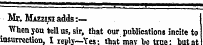
Mr . Mazzisi adds : — When you tell us , sir , that our publications incite to insurrection , I reply—Yes ; that may be true : but at home we have neither liberty of prtss or liberty of speech . When you tell us that our secret associations aro illegal , I answer , that the right of association for good is legal , and that the exercise of tn » right becomes illegal from secrecy only where public association is permitted . You cannotin conscience apply the principles of your normal state to our peculiar condition . You cannot censure or repudiate our means of action , the only ones left us , without declaring by implication that despotism is a good thing , that the liberty of whichEngland boasts ii an evil The following facts show what success has hitherto attended all attempts at promoting improvements by " intellectual , " " legal , " and " peaceable" means : —
In 1818 , a knot of men , influential from their social position or their intellectual faculties—Count Frederick C jnfalonieri , Count Porro , Count Pecchio , the Marquis de Breme , Pellico , Borsieri , Bomagnosi , and others , determined on trying if there were in Lombardy a , means of peaceful realization for the cause of Italian progress . They established a literary journal , the C < m « 8 lator « , whose aim was , with all the moderation that could make it acceptable to the Censorship , to advocate ameliorating tendencies , material improvements , with liberal , large and
, unprejudiced views in literature and education . They made an effort to practise what they taught : they founded schools ; they placed themselves at the head of some industrial undertakings . In 1819 this journal was suppressed , and its founders enrolled in the Austrian black-book * . In 1822 , they were almost all at Spielberg . They were compromised , you Kill say , in the conspiracy of 1821 . Possibly : but do you think these men would have become conspirators if they could have been aught else—if every avenue of peaceful and gradual progression had not been closed against them 1
In 1831 , when the insurgents in the Papal States had succumbed to Austrian intervention , the provinces of llomagna and Bologna—encouraged by the memorandum which the five powers had addressed to the pope on the 21 st Slay , pointing out to him the necessity of reformresolved on essaying whether it were possible to obtain a few administrative ameliorations by legal routes , by a peaceful expression of then-requirements . On evacuating the states , Austria bad handed over the Marches of Pesaro and Ancona to the papal troops ; and llomagna and Bologna to the National Guard , on whom the pope bad himself imposed the maintenance of public order . Thatportionofthis guard representing the city and province of Bologna , numbering more than sixty thousand , through the hands of their General-in-Chief Giuseppe
Patnzzi , addressed to the Cardinal-Secretary of State Bernetti a petition raUonnee , settingforth their grievances and indicating the remedies . Another petition , more or less to the same purpose , was presented on the part of the magistrates and the municipal corps of Perugia ; another by the provincial council of Ravenna , composed of men known for their devotion to the Government , with a Pro-Legate for President ; another from the city of Forli , bearing thousands of signatures , and among them those of the Municipal Corps and the Bishop ' s Vicar ; more followed from different districts , town and country . The Judges and advocates of Bologna subscribed a separate petition confined to judicial matters , addressed to the Pro-Legate Count Grassie . Finally , a deputation , chosen by the heads of the provincial magistracies , assembled at Bologna on the 25 th January , 1832 , to press
on the Pro-Legates the prayers of these petitions . In conformity with the memorandum of the five powers , they prayed the admission . of laymen into all the offices of Government , the participation of thepeople in theeleetion of the councils , and the establishment of a central Junta , to watch over the higher branches of administration . The Secretary of State replied , that no deputation would be attended to ; the petitions received no answer ; the dissolution of the civic guards was announced . With the aid of a " loan facilitated by AuBtria > the Government formed a corps of five thousand men , principally raised from tiie prisons of Chita Castellana , San Leo , and Sant Angelo . They poured into the Romagna , where aged women and unresisting men were horribly mas . sacred . And when , exasperated at these cruelties , the younger populationof certain cities flew to arms , for the second time , Austria intervened , in July , 1832 .
In 1834 , shortly after the irholesaleslaughters at Genoa , Alexandria , and Chambery , efforts in the path of popular education , similar to those In Lombardy of 1818 , were made in Piedmont Some praiseworthy young men advocated the necessity of gradually enlightening the children of the poor ; they entreated means for this end ; they received subscriptions , and proposed gratuitous schools . Such was the list of promoters appended , that it wa 3 impossible openly to discountenance the project without exciting a dangerous spirit of discontent . The Government assented , but to have its own share in the undertaking , handed over the direction of the schools to the Jesuits , or to religious associations formed under their auspices . Two years of effort and sacrifice on the side of the national party resulted in the surrender of some hundreds of young souls to the enervating , niindstrangling corruption of Jesuitism . 2 vow comes the question , that every true Englishman will answer as one man : —
I ask , then , of every true Englishman , After these facts , after this experience , can we entertain hopes of our future through means peaceful and legal ? I pat to every true Englishman this simple question-Imagine eighty thousand French soldiers stationed in Ireland or Scotland ; imagine that whenever the people in that portion of the English territory remaining free called for improvement , advancement , or change in their internal laws , the eighty thousand foreigners should intrude the points of their bayonets , and say , " in the name of brute force , stir not ; " what would you do ? What you would do , we have made up our minds to do : and we are trying to understand each other , so as to be able to do it . That sums up Hio Italum question : In that consists whatto-day yon brand with the name of conspiracy—what yon would hail to-morrow , should we triumph , with the title of gloriouj « ktortf .
Yes , yes , Sir James Graham , you "brand" the efforts of the Italian patriots to save their fatherland with the name of conspiracy ; but not so , vow , the British people—at any rate , all you who love liberty and demand justice for yourselves—you regard that " conspiracy , " as yon will hail its victory , as glorious . The only conspirators whom you will" brand " with your hatred and scorn are the conspirators against the rights of man—kings , popes , and felonious seal-breakers . Against them men of all nations conspire , and their conspiracy is a Bacred and indispensible duty .
Untitled Article
* The suppression of periodicals entirely literary , whose every line undergoes the supervision of censors ecclesiastical and political , would appear a fact inexplicable ; but it has often occurred in Italy . The "Indicatore" of Genoa , the " Indicatore" of Leghorn , the " Antologia" of Florence , all in turn suffered this fate . Other literary miscellanies , such as the " Subalpino" of Turin , were compelled to insert from time to time , as if from tho editor , a political article furnished by the Government .
Untitled Article
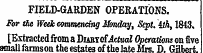
FIELD-GARDEN OPERATIONS . For the Week commencing Monday , Scpt . ith , 1843 . [ Extracted from a DwYcfActual Operations on five mnallfarmson the estates of the late Mrs . D . Gilbert , near Eastbourne , in Sussex ; and on several model farms on the estates of the Earl of Dartmouth at Slaithwaite , in Yorkshire , published by Mr . Nowell , of Farcley Tyas , near Huddersfield , in order to guide other possessors of field gardens , by showing them what labours ought to be undertaken on tkeir own hinds . The farms selected as models are—First . iwo school farms at Willingdon and Eastdeanof
, hve acres each , conducted by G . Cruttenden and John Harris . Second . Two private farms , of five or six acres - . one worked by Jesse Piper , the other by John Dumbrell—the former at Eastdean , the latter at Jevington—all of them within a few miles of Eastbourne . Third . An industrial school farm at Slaithwaite . Fourth . Severalprivatemodelfarmsnearthe sameplaee . Theconsecutiveoperationsinthesereports will enable the curious reader to compare the climate * nd agricultural value of the south with the north of England . The Duur is aided by "Notesand Observations " from the pen of Mr . Nowell , calculated for the time and season , which we subjoin ..
" It is a very pleasant sight to see children engaged in useful and healthy labour upon a spot of ground which they can call their own ; they shall be kept apart from the vice and folly of the young men of the city . " No ie . —KescfiooZ farms are cultivated lyloys , wto in return for three hours' teacldngintlie morning , \ give time hours of their labour in the afternoon for the master ' s lenep , which renders Hie schools self-SCPPORIixg . We believe that at Farnly Tyat six-Kvenths of the produce of the school farm uM be assigned to ike boys , and onc-mehth io Vie master , who will receive the usual school fees , help the boys to cultivate their land , and teach item , in addition to reading , writing , dx ., to convert iheir produce into bacon , by attending to pig-keqaing , which at Christmas may be divided , after paying rent and levy , amongst them in proportion to . their services , and he made thus indirectly to reach their parents in a way the most grateful to their feelings . 1
SUSSEX . Mohdat— WiUingdon School . Boys thrashing wheat . Eastdean School . Boys holyday , master hosing between the cabbages , and digging potatoes . Piper . Digging up potatoes . Dumbrell . Carrying barley and wheat . . ¦ ToESDiT— Wff lingdon School . Boys thrashing . Eastdean School . Boys carrying wheat , thrashing it , and packing turnip leaves for the cows . Piper . Gleaning lucerne , and mending it with liquid manure . * JOumbreU . Hoeing turnips , carrying wheat .
Untitled Article
? Xwoerne . —On the 6 th of September , whenPtper applied liquid to his lucerne , lie had already cut it three tunes during the season , and was on the eve of cutting it the fourth . ¦ ¦ t Turnips after Tares—At this season the turnips after tares are generally pulled in the South for the cattle , and plenty left to stand the winter- for them . ' per strongly advises that plenty of manure shallbe used for the ¦ crop of turnips after tares , and observes tiiat if ( too crops will not pay for well manuring , qx £ crop , bekdt assured , cannot dO 60 ! "¦ ¦
Untitled Article
Wbdnesdax— WUlingdan School . Boya thrashing wheat . Eastdean School . Boys emptying privy tubs , and mixing up cow liquid with mould . Piper . Hoeing white turnips after tares , and pulling abundance for the cows . f Lumlrcll . Thrashing peas . Thtosbat— Waiingdoa Scliool . Boys thrashing wheat and tying up straw . Easulean School . Cleaning wheat , trussing straw , building a wheat rick : Piper . Hoeing turni ps . Dumbrell . Carrying wheat , hocmg turnips . Fbidat— Willingdon School . Cleaning the allotment tenants wheat . Eastdean School . Buildin ° - two oat ricks , carrying wheat , and cleaning barley . Piper Ihrasmng ; barley . Lumlrell . Hoeing barley Saturday— Willingdon School . Boys cleaning wheat . Easti > oumc School . Boys cleaning the ptetye and school-room , and emptying the tank . Piper . Digging ground ! or rye sowing . Dumbrell . Hoeing turnips , carrying seed tares and dung with the hciter .
COW-FEEDIKG . Willingdon School . Cows living on clover and white turnips . Dumbrell . One cow grazed during the day , and fed in the stall morn and even with man » el wurzel i ^ YP- - ° ? e cow and heifer entirel y stall-fed upon loilus . of clover .
Untitled Article
but this is i subject which will be discussed more at length hereafter . There is a curious question arising out of this matter , —which is , how far nitric acid—a compound of nitrogen and oxygen—can itself be considered as a manure , or how far , in fact ,. it can be considered as contributing to the nourishment and growth of vegetables , as u sourco of nitrogen . Ammonia certainly contributes to the growth of plants , and so does nitric acid in some way or other , but we do not understand how . We know that nitrate of soda , nitrate of potash—the common nitre of commerce—and other nitrates , are very important manures : —but the discussion of these belongs to themost advanced part or our inquiry . There are several manures as they are called , that seem to actmerelv
uynxing carbonate of ammonia—one of the results pt the decay of organic matter—and thus become very unportantagents in the growth of crops : for instance , there w gypsum , or sulphate of lime-sometimes called " plaster of Paris . "—which , when reduced to powder , and moistened , contributes very much to the growth of certain crops ; -a great part of its operation seems to depend on its power of combining with carbonate of ammonia . If carbonate of ammonia be added to a solution of gypsum , decomposition takes place , and there is thrown down carbonate of lime , or ™ . a «« sulphate of ammonia is not so volatileso liable to escape into the air—as carbonate of ammonia , and , therefore , it docs not go away until the root of the vegetable comes to look for it , and takes
«• tip tor lood . lhere is , as we have already said , an enormous quantity of sulphate of ammonia manufactured m our gas works , and it is found to be a very valuable manure ; and it is so because it contains nitrogen in the form of ammonia . Many burnt clays act as ammoniacal . absorbents ; and many clays derive a great part of their value from fixing , or . as it were , drawing ammonia into their pores . Charcoal is another substance which , in a remarkable degree , absorbs ammonia from the air , and thus beorues a valuable manure , and contributes to the fertilization ot the sou . As far as manures generally are concerned , we may say that their value is mainly in proportion to the quantity of nitrogen thev contain . If
tor instance , we take certain vegetables that contain very httle nitrogen , such as potatoes or rice , we can live on these , but we are obliged to eat enormous quantities of them . On the other hand , we can live upon comparatively small quantities of animal fibre , or of those vegetables that contain a large quantity ol albumen or gluten , inasmuch as there is aconsidcrftble quantity of nitrogen contained in their composition . VVe find , in fact , that the relative value of diffeent kinds of food may be expressed in terms relating to the quantity of nitrogen they contain . Wheat , peas , ami several other grains , contain a large quantity ot nitrogen , and hence their comparatively Teat nutritive power . ( Tole continued ) .
Untitled Article
BANKRUPTS . ( From Friday ' s QazeUe , Angusl 22 nd , 1845 . J Thomas Howell , Queen ' s Head-passage , Ifewgate-strcot , hotel-keeper- John Sims , Tolhu-d Royal , "Wiltshire , wheelwright—James Mantle Pratt , Berners-street . Oxford . street , wine-merchant—John Kivkman , Lupus-stveet Pimlieo butcher-Benjamin Ling , l ? ovc stvoet , Liraehouse , timbeidealer-Edwiird Thomas Hogg and William Neale Walton , Dukes-strcet , Adelphi , wine-mercbauts-Natlian Solomons and Eleazer Solomons , Church-lane , Whitechapel boot and shoc-makcrs-Robert Sugden , Bogthorne , Yorkshire manufacturer of worsted goods—John Holman Suckhnc Birmingham , ironmonger .
BANKRUPTS . ( From tU Gazette of Tuesday , August 26 , ) John Kirkliam , Lupus-street , Pimlieo , butcher—Robert Bloomfield Clarke , Gower-street North , St . Pnucras , plumber-William Verey , Higli-strect , Kingslana , victuallcr-Viilham Matthew Hansard , Park-road , Hollowav , florist-John Hodgson , Liverpool , scrivener— Abraham Hindes and Johu Thompson , Leeds , stock and share brokers .
DIVIDENDS , Sept . 18 , T . F . Lucas , Long Buckby , Northamptonshire , money » crivener-Sept . 18 , J . M . Leader , Oxford-street concu-mnkei ' -Sept . 1 !) , B . Chandler , Stamnore , Middlesex ironmonger-Sept . 18 , T . Seddon , Calthorpe-place , Grnv ' sinn-road , upholsterer—Sept . 17 , J . Holroyd , "Wlieatlv , lorkshire , cotton-warp-maker-Scpt . 19 , L ., J ., and J . liostrou , Manchester , manufacturers — Sept . 19 , W Mainwaring , Birmingham , suvgeon-Scpt . 19 , C . Parker . Bristol , tailor-Sept . 19 , W . May , Liverpool , draper . Ceetipicates to be granted , unless cause be shown to tho contrary on the day of meeting . Sept . 19 , 17 . II . Rawe , Fortsca , Hampshire , currier—Sept . 18 , S . King , Newgate-stvcet , City , warehouseman—Sept . 18 , W . IVarltors , Harcourt-street , Jlarylebone , silk-mercer -Sept . 19 , E , Thomas , Clifton . 'Bristol , wine-merchant—Sept . 19 , G . Byl ' ord , Liverpool , wholesale grocer—Sept . 18 , J . Mack , Liverpool , pawnbroker—Sept . 18 , T . IV ' adley ,
Liverpool , bvokev-Sept . 18 , J . S . Wooil , Liverpool , winemerchant—Sept . 18 , J . Evans , Liverpool , ironmonger—Sept . 18 , D . Parry , Ruthin , Denbigsliire , currier—Sept . 19 , J . M . Gardner , Liverpool , wine-inerdmnt— Sept , 23 , C , N . Cutcliffe , Pilton , Devonshire , surgeon-Sept , 23 , J . Pitt Plymouth , grocer-Sept . 16 , S . ltussell , Sheffield , Britannia metal manufacturer-Sept . 10 , J . Pestell , Beeston . Bedfurdshivo , corn-factor-Sept . 16 , W . Astlc , Wolverbamp-, ton , Staffordshire , plumber—Sept , 16 , J . Molion and Richard Simons , Minciug-lane , City , ¦ wine-merchants—Sept . 16 , B . S . Jones , Wroekwavdine , Shropshire , grocer —Sept . 15 , P . Perks , jun ., Stourbridge , Worcestershire , hattcr-Scpt . lG , J . Turner , Manthorpe cum Little Gonevbr , Lincolnshire , wool-buyer—Sept . 10 , J . J . Ayton , South Shields , linen-draper—Sept . 16 , J . Peters , Kent-street , Haggerston , fancy trhmmng-uianufacturer—Sept . 16 , W . L . Brown , Liverpool , merchant—Sept . IS , G . SJater , London-terrace , Hackney-road , grocer—Sept . 1 C , J , Hardy Wisbech St . Peter , Cambridgeshire , grocer .
PAHTNEH 8 DIPS DISSOLVED . W . B . and H . Butler , Ncwark-upon- 'f rent , Nottinghamshire , mercers-W . Tooth and T . Taylor , Gatcshead , Durham , glass-mauufacturers—J . R . Reeve and T . Cracknell , Dales worth , Suffolk , brewers—IV . IV . Trewavas and J . Crabb , Liverpool , provision-dealers—It . Western and E . F . Fairthorne , Brackley , Northamptonshire , attorneys—A Hill and J . Bates-T . Shorter and J . B . Johustone , Jermyn-street , St . James ' s , tailors—W . Smith and W . Collins , Bridport , Dorsetshire , grocers—P . A . Phillips and E D . Boulter , Queen-streot , Cheapsido , cotton-manufacturers-T . North and W . Wise , Blackfriars-road , zinemauufacturers
—T . C . Woddy and T . Gooeh , Norwich , upholsterers—3 . Maginnis and J . Gib m , Pool-quay , Montgomeryshire , miners—T . M'Tuvk , S . Puckering , and W . T . Makins , Kingston-upon-Hull , woollen-drapers : as far as regards T . M'Turk-H . Hills and "W . Dickinson , Free School-street , Southwark—W . Fuller and G . Timms , lloxton , carmen—J . Ashmore and R . Smith , Birmingham , carners-J . Hall aud J . Gordon , Liverpool , brokers-J . Stewart , R . Appleby , and W , Gibson , Newcastle-upon-Tyue , buildcrs-B . B . Long and W . T . Sanderson , Wigton . Cumberland , ironmongers—E . Miller and C . Selkirk Spring-street , Paddington , glass-deslei's—T . and n . Marshall , Steyning , Sussex , drapers .
Untitled Article
Liverpool Cattle Mamcet , Mosnii , August 25 . —There is no alteration to state in tho supply of our cattle market from last week , the number being a fair average , but the greatest portion of inferior quality . There \ va 3 a numerous attendance of buyers , and anything good was eagerly sought after at high prices . Beef 6 d .. to 6 Jd ., mutton 6 Jd . to 7 d ., and lamb 6 R to 7 d . per lb . Cattle imported into Liverpool from the 18 th to the 25 thof August- — cows 2943 ; calves 11 ; sheep 10 , 285 ; lambs 410 ; pigs
London Corn Exchange , Monday , Atjg . 25 . Similar weather to that experienced here appears to have prevailed in all parts of the kingdom since Wednesday , and under its favouring influences the grain crops are everywhere progressing rapidly to maturity . In all the counties lying this side of the river Humber the cutting of wheat , barley , and oats has become quite general ; and should the weather remain propitious till the close of the week , an immense quantity of grain will be secured in good order . Though the reports from those districts where the greatest progress has been made with tho harvest are not altogether as favourable as could be wished , still they are fully as satisf « 017 as we wore led to expect would be the case ; and we are inclined to
think that with a fine month of September the produce of wheat would not , after all , prove much below an average , whilst the yield of spring corn and pulse will , if well secured , undoubtedly be large . We are sorry , however , to learn that the potato crop has been extensively attacked in the south and west of England , as well as in the Channel Islands , by a Bpecies of blight , and a very great deficiency in the produce of this article must , vre fear , be calculated on . O wine to farmers having been fully engaged with field work , some falling off in the supplies of grain has lately taken place , notwithstanding which , business in wheat has become exceedingly dull . At many of the markets held on Friday and Saturday tho turn was decidedly in favour of the buyer ; and at Mark-lane .
this morning , the trade was languid in the extreme . There was much less wheat offering by land-carriage samples from the home counties than on Monday last , but the quantity exhibited proved more than equal to the demand . In the early part of the day factors refused to make she slightest concession , and the millers being unwilling to pay former terms , scarcely a sale was made till near the close . An abatement of Is . to 2 s . per qr . was then submitted to , at which some progress towards a clearance was effected . There were only a few small lots of new wheat at market , the quality and condition by no means fine . It must be recollected , however , that the wheat now brought forward must have been carried during the wet weather . Next week we expect to see a decided improvement in the samples . Holders of foreign
wheat remained firm , and the finer kinds could scarcely have been bought cheaper than on Monday last . Bonded parcels were more pressingly offered , and it would not have been difficult to have bought 2 s . per quarter below the top prices of last week . Town manufactured . flour hung heavily on hand , and ship marks were certainly , the turn cheaper . Of English barley there was . verjf little on sale , and having . ai slightly improved inquiry for the finer sorts , rather . enhanced terms were realised . Bonded barley met with . some demand for shipment to Holland . During the past week between : 3000 and 4000 qrs . were exported , from hence to Rotterdam , mi further quantities are likely to . be taken . : The fresh arrivals of oats from our own coast and Scotland were small ; having ,, however ,. received . a good supply from Ireland during the past week , and a fair quantity from m
Untitled Article
^ BJpW ^ Wi ^^ WBBI ^^^ BB ^^^^^^^^^^^^^^^^^^^^^^^^^^^^^^^^^^^^^^^^^^^^^ W ^^^^^^^^^ abroad , ' there " was a plentiful show of samples thi > morning . The finer qualities were certainly not cheaper ; and though inferior . sorts were somewhat easier to buy , the decline was not of sufficient impor tance to render any alteration in quotations necessary . Beans did not move off so readily as of late , and having rather an increased quantity on sale , purchasers h : id the turn in their favour . The few pap . eels ofne . v white peas offering were of good quality , and realised 40 s . to 42 s . per qr . Of grey and maple peas there were none on sale . CURRENT PRICES OP GRAIN , PER IMPEBIAL QUARTER .-BHtiih . as s > Wheat , Essex , < & Kvit , new & old red 48 60 White « 04 Norfolk and Liuouln . ... do 49 S 5 Ditto 57 53 Northum . and Scutch white 49 5 $ Fine 88 OT Irish red old 0 0 Red 48 51 White 52 58
K . ve Old 29 32 New 29 30 Brauk 3 i §| Burley Grinding . . 28 27 Distil . 28 30 Malt . 81 S Malt Brown .... 52 54 Pale 65 59 Ware 60 62 Beans Tieksold&n 8 TT 37 38 Harrow 38 40 Pigoon 41 4 * Peas Grey 35 38 Maple 37 88 White 38 4 » Oats Lmcolns & Yorkshire Feed 22 24 Poland 24 26 Scotch Angus 23 25 Potato 26 28 Irish White 20 23 Black 20 28 Per 2801 b . net . s 6 Per 2801 b . net . a Town-mado Flour ... 51 53 Norfolk & Stockton 86 Bg Easel and Kent .... 38 « Irisb . 87 § Frae . Bond .
Foreign . t * as Whsat , Dantsie , Konigsburg , &o 59 Cl 38 43 Marks , Mecklenburg 5 G S 8 83 38 Danish , Holstein , and Frieslnndred 48 52 28 30 Russian , Hard 43 82 Soft ... 48 52 28 29 Italian , Red . . 50 52 White ... 54 58 32 85 Spanish , Hard . 50 52 Soft .... 52 52 31 31 Rye , Baltic , Dried ,... 28 SO Undried . . 25 30 22 24 Barley , Grinding . 24 26 Malting . ; 28 30 19 24 Beans , Ticks . . 3 t 36 Egyptian . 34 35 28 32 Poas , White . . 37 39 llaple . . 36 37 28 30 Oat « , Dutch , Brew and Thick 23 25 20 22 Russian feed , 20 22 14 16 Danish , Friesland feed 20 22 14 . 17 Flour , per barrel 28 30 21 23
AVERAGE PRICES Of the last sis weeks , which regulate the Duties from tho 21 st to the 27 th of August .
Untitled Article
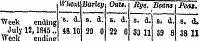
If / teul liarhy OaU . Rye . Beam Peat . Week ending s - a - 9 - a - B - a - s - 3 . 8 . d . s . d . July 12 , 1845 .. 4810 29 0 22 C 33 11 39 8 38 11 Week ending July 19 , 1845 .. 50 0 29 6 22 4 32 8 39 9 40 2 Week ending July 20 , 1845 .. 51 7 29 2 22 5 31 7 40 3 38 10 Week ending Aug . 2 , 1843 .. 53 3 28 8 22 5 34 6 40 S 41 0 Week ending Aug . 9 , 1845 .. 55 S 29 7 22 8 33 10 41 0 39 0 Week ending Aug . 16 , 1845 .. 57 0 29 4 22 2 34 4 41 2 89 7
Aggregate aver , age of the last six weeks .. 52 8 29 4 22 . 5 33 0 40 4 39 7 London averages ( ending Aug . 19 , 1845 ) CO 1 28 7 22 3 0 0 42 2 40 11 Duties .. .. 18 09060962636
Iupoets mom August 18 to Auodst 24 , inclusive . english scotch . 1 b 1 sh . fokeign total Wheat .. .. 11 , ( J 47 5 U 0 3 , 861 15 , 558 Barley .. .. 76 0 1 . C 25 1 , 350 3 051 Oats .. .. 14 0 20 , 034 11 , 941 31 , 979 Rye .... 0 0 o 0 0 Beans .. .. 301 0 0 0 304 Peas .. .. 358 0 0 58 41 C Malt .. .. 5 , 349 0 lv 0 3 , 559 Tares .... 0 0 0 0 0 LmsetU .. 0 0 50 1 , 855 1 , 905 Rapcseed 20 0 0 27 47 Flour , sacks 5 , 540 0 100 0 5 , 640 Ditto brls ... n n n n n
Untitled Article
Loxbon Smitiifield Cattle Mahket , Monday , Aug . 25 . —Since this day se ' nnight the imports of live stock from abroad for our market have consisted p t 43 oxen and cows , together with 100 sheep , 20 lambs , and 6 calves , per the Neptune and John Bull , from Hamburgh ; as also 113 beasts , 60 sheep , 20 lambs , and 14 calves , per the Batavier , Ocean , and William Jollilfe , from Rotterdam . The Batavier having encountered a terrific storm on her passage , 20 of the oxen on board of her were smothered , the remainder being so much injured that they were killed on being landed . Such was the bad state m which this stock was landed that the beasts were scarcely worth £ 1 per head . To-day we had on offer 50 beasta and CO sheep , chiefly from Holland . As
tiiey were of very interior quality , they commanded very little attention , and were disposed of at miserably low figures . Our letters from Hamburgh and Rotterdam state that the prices of live stock there are considerably on the increase , witn every prospect of a further advance in them ., The arrivals at Hull have amounted to 126 boasts and 200 sheep , chiefly from Rotterdam . Compared with those on Monday , last , the number of beasts from our own districts was on the decrease , and of but middling quality , though there were some well made up animals amongst thenu Although tho beef trade was by no means active , the primest Scots sold steadily at prices quite equal to those paid last week , the middling and inferior breeds moving off slowl y at barely late rates . From Nortolk , Suffolk , Essex , and Cambridgeshire , wcreceived 800 Scots , shorthornsand homebreds ; from the
, western and midland counties , 500 Herefords , runts , Devons , Irish beasta , &c . ; from other parts of England , 600 of various breeds ; and from Scotland 200 horned and polled Scots , the remainder of the supply being chiefly derived from the nei ghbourhood of the metropolis . The number of aheep was small for the time of year ; yet they were fully adequate to the wants of the buyers . For the primest old Downs , which were scarce , tho demand was steady , at full prices ; but all other breeds were heavy , and the turn lower . The supply of lambs was somewhat on the increase , owing to wliich the lamb trade ruled dull at barely the late depression in tho quotations . Cajves . wero in moderate supply , and heavy demand , at last week ' s prices . Prime- small pigs sold freely , otherwise the pork trade was dull . From Ireland we had nearly 200 on offer .
By the quantities of 81 b ., sinking the offal . w ' 1 *• d > 8 - d - interior coarse leasts . . . 3 8 3 0 Second quality .... 3 2 8 4 Prime large oxen .... S 6 3 10 Prune Scots , &c . . , , 4 q 4 2 Coarse inferior sheep ... 3438 Second quality .... 3 10 4 4 Prune coarse woolled ... 4 6 4 8 Prime Southdown , , , 4 10 5 0 £ aiubs 4 . 8 5 B Large coarse calves . ... 3 6 4 2 Prime small . . . . , , 44 4 g Suckling calves , each . . . 18 0 28 0 Large hog * ..... 8 0 8 8 Neat small porkers ... 3 10 4 4 Quarter-old store pigs , each . . 16 0 20 0
HEAD OI C 1 TT 1 B OH BALE . ( From the Books of the Clerk of the Market . ) Beasts , 3 , m-Sheep and lambs , 28 , 850—Calves , 211-FigB , 300 . Richmond Cobs Mahkit , August 23 . — We had ; no great supply of grain in our market to-day . Wheat sold from Is . to 8 s . 6 d . ; oats from 3 s . to 4 s . ; barley from 4 s . to 4 s . 3 d . ; beans from 4 s . 6 d , to 5 s , per Bushel . Manchester Cobm Market , Satubdat , Ar ; ocsi 23 . —The very boisterous and ungenial weather experienced in the early part of the week , which appears to have extended throuebout the kingdom , and
is reported in some districts to have produced disastrous effects on the crops , and to nave retarded harvest operations already in progress , has been succeeded by a favourable change , and tho trade , under its influence , lostthe excitement previously exhibited ; a steady consumptive demand , however , taking off all fresh supplies of flour as they arrive , at the currency 01 last week , may be noted . At our market this morning there was but a limited extent of business transacted , and in the quotations of this day sennight we make no alterations . Towards the close of the market there was a very heavy shower , and the weather has assumed a very unpropitious
Liverpool Corn Markm , Mohdat , August 25 . — The imports of wheat and flour from Ireland continue to be of fair extent ; of oats and oatmeal the supply is limited . The duty on Foreign wheat nnd rye has declined Is . per quarter on each . The weather during the past week has been very changeable . On Wednesday , Saturday , and yesterday we had rain nearly the whole of each day , and on those days an active speculative business was done ia wheat and flour , both fr « e and bonded , at improving prices . The chief transactions were in the best qualities of Irish wheat at 8 s . to 8 s . 4 d . and RoBtock and
, Stettin , in bond , at 6 s . to 6 s . 3 d . per 701 bs . United States sweet floor , m bond , brought 24 s . 6 d to 25 s . Gd ., and sour 21 s . to 22 s . per barrel . The sales pf Canadian flour have . bcen at 31 s . to 32 s . Gd per barrel for fine and superior brands . No particular change lias occwired iatnimlueof other articles , and the demand has been verysmoderate ; the beBt Irish oats have commanded 3 s . 3 d . to 3 s . 4 d . per 45 lba Oatmeal 26 b . fid . to 2 fa 6 d . per 2401 bs ; grinding barley 3 s . 8 d . to 4 s 3 d . per 601 bs . ; Egyptian beans , 34 s . to 35 s ., and Indian corn 30 s . to 32 s . per 4 S 01 bs . Canadian peas , 35 s . to 36 s . per 5041 bs .
Leeds Cloth Markets . —Since our last the cloth market has somewhat recovered from its depression . In the warehouses there has been a fair business doing ; and at the cloth halls on Tuesday there was a marked improvement . Should the weather take a favourable turn for the harvest , a good autumn tradfr may be confidently expected . Leeds Corx Mabkbt , Tcbsdat , August 26 .-r With the exception or a six hours * rain yesterday afternoon , the weather has been fair since last Wednesday ; it is fine again to-day . The arrival of wheat during the week is large , and a good show of samples on tlie stands this morning , for' which tfiorft is a very limited demand at fully one Is . per i } vi . rt « belowlast . Tuesday's rates . Oats and , teans commit in requMat full prices , and the inquiry for bariej and malt increases ; "•
: Mamoh Corn Marrbt , August 23 . —We have had a good supply of wheat offering to this day ' s market for the season , which was sold on much , the samo terms as last week . In oats vre make no alteration . Wheat , red , from 44 s . to 62 s . ; white ditto , 58 s * to 64 s . per quarter of 40 stores j oats , Hid . to 12 jd perstone .
; Foxtim $Fobem*Nt&
; foxtim $ fobem * nt&
Untitled Article
^ S ^ htS ^ i ^ ^ S ^*^ A letter addressed to C Albf ^^ !^ It- ByJosephJJazrini- Xondon : ^ oe JaSJ' . ^ nfn-greet , Golden-square ; . Cleave , ^ t di £ ^ SSs ^ ate 0 "' Pau 1 ' - 1
Agriculture Anft Ftmtirottms+
agriculture anft ftmtirottms +
Untitled Article
BONES AND SULPHURIC ACID . „ BY W . C . SPOO . NER . ( iromthe Journal of tlte Soyal Agricultural Society . ; As the council invites the attendanceand co-operation of members , and as the subject of the application or bones and sulphuric acid has so recently engaged its attention , I beg to communicate the result otan experiment tried by me during the last year . «? lni , m-f eat -j i ! er of instances the bones and Sft ^ iff ? Y been applied i n a liquid state , fillw the n Brea ?? , believe tha ' foemort favourable results are ikelyto follow this mode of application , yet the trouble and inconvenience attending it , involving , as it does in the first place , a serious outlay , and tho difficulty of confiningih , ' iS !
the drills , are so great as to preclude formers generaUy from availing themselves of the important and valuable discovery . It must therefore be very desirable to show them that the bones and acid can be applied by the common drill ; and having done so during the last year , I beg to communicate the information . Wishing to try several manures , I devoted a piece of land of about four acres to the purpose . On the 4 th of July the Swedes ( Matson ' s ) were drilled under very unfavourable circumstances . The land , a loam on the London clay , was drained in May , and what with the cartage of the tiles , the clay brought to the suriace , and the remarkably dry weather that succeeded , the knobs were of such a nature as to defy the continual application of the harrows and thn
roller , and ( having no clod-crusherat the time ) could only be reduced to a comparative state of fineness by a number of men with sledge-hammers . The nature of the land will be better understood by my saying that it precisely resembled the field immediately adjoining , on which the trial ot implements for heavy lands by your Society took place in July last . I intended to apply the bones and acid at the rate of 3 J bushels per acre of the former , and one-half by weight of the latter . I accordingly prepared sufficient for halt an acre , by putting the bones in the state of dust in a tub , and adding about 401 bs . of acid , and four times the quantity of water . After some hours a few bushels of fine mould was added , and the following day a sufficient quantity of coal-ashes , to make
the whole amount to fifteen bushels ; my object bein <* to drill the field at the rate of thirty bushels per acre . I should have tried the mixture to a greater extent , but could not at that time procure the acid for less than 23 d . per lb . I also used other manures , such as South American guano , gypsum and guauo , bones and guano , and boue-dust , at the rate of sixteen bushels per acre , with asues . But having unfortunately lost the memorandum of the experiments , I can only speak from memory , and must therefore confine my remarks principally to the effects of the bones and acid , and the bones alone . This , however , I may say with regard to guano , that the experiment convinced me that this valuable manure can be readily and safely applied with the common drill ( without any particular provision being made for covering the manure with earth before the
deposition of the seed } by merely mixing the guano with about fourtimes the quantitv of fine mould , and adding as much ashes as the drill will deposit . In the case in question the guano was used . at the rate of three cwt . per aore , and the mould and ashes were added so as to make the whole amount to thirty bushels per acre . The bones and acid were used three days after their preparation , and at the same time as the other manures ; but whilst the latter were consumed by the quantity of ground intended for each , the former , from being in a somewhat damp state , often adhered to the cups or scoops of the drill ; and as I did not discover this till the intended half acre was nearly fiuished , the result was that the bones and acid intended for one-half , extended to
threefourths of an acre , being at the rate of little more than two bushels of bones per acre . Now the remedies for this evil which suggest themselves are , to prepare the compost for a longer period , previously using a less quantity of water and a greater quantity of ashes , and looking occasionally to the scoops of the drill , and cleansing them out . But as the application of manures to the turnip crop in a damp state must be ( if practicable ) of great importance and advantage , it is , I venture to suggest , a matter well worthy the consideration of the inventors and judges of drills , to contrive that the scoops shall not retain the manure , though damp , after each rotation , either by rendering them less concave , or otherwise altering their shape , or having some method of scraaing or
cleaning them . The bones and acid turnips wero the first to appear above ground ; the tops grew luxuriantly , and for some time maintained a superiority over the rest of the field ; the guano turnips , however , after some time , rivalled them ; and those manured with bones alone , though lagging behind terribly at first , made amends towards the latter end of the autumn ; and on weighing a few rods in the month of December , scarcely any difference could be discovered . The bones and acid roots were the largest , but exhibited more bare spots , probably owing to the irregularity of the deposition of the ' manure from the cause before mentioned . Besides which I should state that they laboured under the disadvantage of being on the outside of the field , and near a high hedge . To say the least , however , two bushels of bones , with the addition of tho acid , " successfully rivalled eight times the quantity of bones , though " the latter was employed on land considered previously
much superior to the other . I beg to conclude my remarks on this interesting subject with the observation that , when we find that sulphuric acid enters very largely into the constituent parts of the Swedish turnip , are we not justified in concluding that the remarkable effect attending the application of the bones and acid united is in some measure to be attributed to the specific virtue of the acid in affording food to the plant ? 100 , 000 parts Swedish turnips contain no less than 890 parts of sulphuric acid , being twice the quantity of phosphoric acid possessed , whilst the common turnip has but forty-one parts of the former and seventy-three of the latter . Would not some experiments with common turnips drilled with bones and acid , and also guano for comparison , throw some light on the subjeet , and deserve the recommendation of the council ?—Southampton , April 22 , 1845 .
Untitled Article
ORGANIC CHEMISTRY . A DIGEST FfiOM THE LECTURES 07 PROFESSOR BRANDS . ( Continued from our last . ) " Organic Chemistry signifies the chemical history of the \ a . iio \} s proximate principles which have been observed in the auimal and vegetable kingdoms , and which are there associated together , so as to produce a peculiar structure , termed organic , such as is never seen in any of the products of the mineral kingdom . Gum , sug&v , starch , woody fibre , albumen , fibrine , gelatine , and all those numerous substances of which plants and the bodies of animals are compssed , constitute those proximate principles which are the products of animated nature . "Dr . D . B . Beid .
18 . Carbonic oxide is the result of a great number of operations , in which carbonic acid undergoes imperfect decomposition . Like carbonic acid , carbonic oxide extinguishes the flame of a taper , and of almost all other combustibles ; but , unlike carbonic acid , it is itself combustible , and burns in contact of , or mixed with ; air , with a peculiar blue flame . We sometimes observe , in a clear coaliire , that a blue lambent flame plays upon the surface ot ' tbe fuel ; this arises from the conversion of the carbonic acid which is first formed , into carbonic oxide ; that is , the carbonic acid produced by the first access of oxygen to the fire , acquires , bypassing through the hot coals , an additional atom of carbon . This production of carbonic oxide , also , is apt to ensue where common fuel is burning
with averjr limited access of air ; it sometimes is produced in Dr . Arnott ' s stoves ; aud when there happens to be any cavity in which it can accumulate , and where it gets blended with a certain adequate quantity of atmospheric air , it may perchance form an explosive mixture—for carbonic oxide . and oxygen , in equal volumes , explode violently when ignited , and produce carbonic acid . 19 . Carbonic acid is the product of so many operas twins , naturalas well as artificial , that a detailed history of it cannot here be entered into , but some of its most prominent sources may be noticed . And , firsts-it is evolved in an enormous quantity in that extraordinary process called fermentation . If sugar
and water be mixed , with the addition'rif alittle yeast ,, alter a little time the sugar begins to disappear , and in its place there is a quantity of alcohol and carbonic acid formed . Now itmay be inferred from this , that sugar contains the elements of alcohol and of carbonic acid ; and we will find , that , during the progress of this fermentation , in proportion as the sugar disappears , the liquor becomes spirituous , and carbonic acidis produced . The process of fermentation , therelore , amounts to a slow combustion of sugar , during which it is resolved into carbonic acid and alcohol . — Then , respiration is a very abundant source of carbonic acid ; ra fact , we arecontinually throwing off carbonic acid from thelungsin an enormous quantity ; Its source is the charcoal contained in our food , which , pv a process analogona to alow , combustion , yields
Untitled Article
c arbonic acid , and evolves heat so as to maintain the empera « re of the body .. The amountof the carbon thus thrown off by respiration , and emitted along with aqueous vapour from the blood as it passes through the lungs , amounts , in the course of twenty four Hours , to about eleven ounces . It is found that tho amount of carbonic acid given off in this way varies lndiflerent individuals , and the same individuals at dinevent times m the day . Sjon after a hearty meal , a considerabl y larger quantity is given off than in the m t * r ? St ? » u hen the stomach is empty . The reason ot tins will be shown afterwards .-, But among the most common sources from which we obtain carbonic acid , are the varieties of carbonate of lime—viz cualk , marble , and limestone . If a piece of marble ( which vs carbonate of lime ) be broken up , put into a bottle , some water poured upon it , and then a little muriatic acid added , an effervescence ensues , and carbonic acid is given off with great facility , and in
great abundance . Chalk and limestone rocks contain carbonic acid to the amount of many thousand tons and in the operation of lime-burning it is set free and goes into the atmosphere , where It performs a very I important part m reference to the nutrition of plants j by which itjs absorbed and decomposed ; they , in fact , ; assimilate its carbon , and return the oxygen to the atmosphere ; and , strange to say , it appears to be fvom ^ S ^ H " ^ 31 } ° aibon of the animS Se ErKr * " *' ""^ ' iVed ! but ° f this 20 . Having dwelt upon carbonic acid at greater t" ! i ^ lian . ma ?> P'raps , be thought necessary , we sha 1 now direct attention to another substance found in the atmosphere , though in verv minute nnnntif . v _
wnicii is ammonia . It will be recollected that our fit'f-T ? " ^ mixture of the different substances which are found in it , and not a chemical compound ( par 8 . We have , for the great bulk Jf "th ^ BT- H ^ ^ ^ othescare supemdded carbonic acid , m the proportion of only 1 to 1000 and ammonia , about which we arc now to treat 21 . It we analyse the atmosphere with the utmost care , we cannot find ammonia in it , or at least nothing beyond the slightest occasional trace but if we expose water for . « long time to the contact of the air , it . will ultimately b ? found to have acquired ammonia If we examine the rain as it falls through the atmo-Rphere , wealsofindit in minutequantities ofammonin ,
it is clear , therefore , that though wo tnay possibly find noaramoniainthe atmosphere , we do find it in certain things which have been exposed to it , for ammonia is a very soluble , and a very combinable body ; and many substances eagerly take it up , when exposed to gaseous mixtures which only contain traces of it . No sooner does a shower of rain tall through the air , than ammonia is carried down in aqueous solution . Certain kinds of limestone and . sandstone , when exposed to the air , also absorb ammonia , and so does oxide of iron . In short , it will be found that ammonia , minute indeed in quantity as it is in the air , performs nevertheless , a most important part in regard to the nutritive powers of the soil , in fitting it for the growth of vegetables . This subject has been lately importantly elucidated by the researches of Dumas and
Liebig ; ana one ot the most striking parts of the new doctrine consists in calling our attention to ammonia , if the source of nitrogen was there , but we never knew precisely where it came from . We knew that nitrogen constituted the great bulk of the atmosphere , and that it was the medium through which many other things are diffused ( pars . 8 , 9 ); but we had no evidence that this nitrogen was to any extent absorbed either by plants or animals ; and , in fact , the source of ' thc nitrogen which these contain was never clearly understood , till reccntinvestigations taught us that ammonia was its adequate and efficient source . In fact , vegetables derive nitrogen from the soil , absorbing it in the form of ammonia ; and , although certain fertile soils may possibly not contain ammonia , we shall probably find in them nitrogen in some other
sbape . Ammonia , therefore , is a highly important substance in organic and agricultural chemistry ; and , consequently , its presence in the atmosphere and m soils and manure , —its sources , and the means ofproducing and econo- mising it—are subjects which wo shall have frequently to dwell upon . 22 . We will now notice a few facts , bearing upon the composition , and upon the properties and distinctive characters of ammonia . Some of the properties of h y drogen and of nitrogen have already been adverted to ( pars . 9 , 12 ) . Hydrogen is an inflammable gas , nitrogen an inflammable one ; and neither of them are what ate called supporters of combustionthat is , they both extinguish flame . If three parts of hydrogen , and one of nitrogen , by bulk , be mixed together , the relative weights of the gases are to each
other as 3 to 14—the density , or specific gravity , of nitrogen being to that of hydrogen as 14 is to 1 . Again , these three volumes of hydrogen , and one volume ef nitrogen , will form four volumes of a mere mechanical mixture of tho two gases : under these circumstancesthey manifest not tho slightest inclination to enter into chemical combination , How , then , can we bring about their union , or induce them so to form ammonia ?—ammonia being a compound of certain proportions of these two elements . We can do this very readily , by presenting them to each other in their nascent state;—that is , if , instead of collecting hydrogen separately , and nitrogen separately , and mixing them together , they areelicted from their various compounds at one and the same time , in contact with each other , they will then combine to form ammonia .. The Mowing is the exact composition of ammonia : — Atoms . Equivalent weight . Per cent . Nitrogen , 1 .. U ., 8 W 8 Hydrogeu , 3 3 18 . 87 Ammonia , 1 .. n .. ^^ Or , 50 cubic inches of nitrogen .. = 'fs ^ g _ 150 ditto hydrogen ., = " i 100 ditto ammonia .. = 3 18-26 Thus we find that one volume of nitrogen and three volumes of hydrogen become combined and condensed so as to constitute only two volumes of ammonia —or in other words , that 60 cubic inches of nitrogen and ISO of hydrogen do not form 200 , but only 100 cubic inoiieB of ammonia .
23 . Ammonia is a very extraordinary body . It has no colour , but has arery strong and peculiar odour and if it gets into the nostrils in its undiluted state ' His a ino 8 teau 8 tic substance , but if diluted with air ' is an agreeable stimulant , constituting , in fact , the stimulant part of smelling sal ts . Ammonia furnishes a good instance of the extraordinary change of properties which result from chemical combination and of a compound in all respects unlike its components Nitrogen arid h ydrogen are insoluble in water , and quite tasteless ; ammonia is very pungent and acrid and very soluble in water ; nitrogen and hydrogen have no alkaline properties : ammonia ia a very powerful alkaline base . Ammonia extinguishes flame a mixture of hydrogen and nitrosen is inflammnhlo '
whilst nitrogen alone extinguishes flame , and hydrogen alone h inflammable . Another character belonging to ammonia is , that it is alkaline—that is , it reacts on vegetable colours in the same manner as potash , soda , arid other bodies which are called alkalies . If a piece of yellow tumerio paper iBput into ammonia , it immediately becomes brown or red , and apiece of reddened litmuspaperhasits blue restored . Ammonia , again , is very soluble in water . Water takes up many hundied times its volume of ammonia so that if only a few drops of water be put into a jar of ammonia , the water will take up the whole of it . When thus dissolved in water , a strong alkaline solution is formed .. If ammonia be absorbed by acids , ammoniacal salts are obtained : one of theso
and a very important one , is obtained by passing ammonia into dilute muriatic acid ( or by mixing ammonia and muriatic acid gases ); this is the salt formerly known as sal ammoniac , now called muriate or hydrochlorate , of ammonia , or sometimes chloride of ammonium . The evolution of ammonia is often made manifest by the abundant white fumes which are in such cases produced by the approximation of a glass rod dipped in muriatic acid , and which arise out of the formation and condensation of sal ammoniac . If apiece of glass , moistened with muriatic acid , oe exposed to the atmosphere , it is not uncommon , in particular situations , to find that the acid absorbs a sufficiency of ammonia to saturate it , and to cause the formation of crystals of sal ammoniac short
In , wherever a great deal of coal is burned any where organic bodies are undergoing putrefaction , we nml a proportionate formation or evolution 0 ammonia . In London , small stellated crystals a , e often observed upon dirty windows , and , if examined ! » 3 » Jiff - ^ ' «» -W , || oSstsar ^ r £ SK'J lvor y' ? r bone-dust beputintoaretort , and heated , ammonia is formed . The substances in question contain no nre-existent ammonia , but they ST ° genan ^ hy dr ° g - Duri » g «> e expert SfSilftK prea ^ ed t 0 each ot « er at the moment nSnXate * Vl Sltl T JU 9 t , ? ntermed , iu their 2 SS . ™ i ' f » undersuchcircumstauces , they SStel ?? T ^ mmonia : tbis is easily shown , b > ? Sri ? I evolved ™ Pours to come in ciatactwith tumeric paper , which , is immediately reddened , ^ fl ^ ' ^ ioraiation of ammonia ensues when
* ££££ & f ?* ^ rdin ;^ c ;; ses mrtfXS Tlf ? 8 ' This ammonia , though £ Sprite ? ' f £ yftfosint 0 ne * « ° mWna-SSS . ST' ^ ^ lt s w , ayin inconsiderable quantity into thegas mains and service mVa and oeueyea , to . the occasional formation of nitric arid Hi tLthltvL m thr ^ dilute Bul P ric acid , ^ M ^^^ ^^^^ mmmm
Bankrupts, At*
Bankrupts , at *
Ifflarfcet Inteutamce*
ifflarfcet inteUtamce *
Untitled Article
August 30 , 1845 . THE NORTHERN STAR . 7
-
-
Citation
-
Northern Star (1837-1852), Aug. 30, 1845, page 7, in the Nineteenth-Century Serials Edition (2008; 2018) ncse.ac.uk/periodicals/ns/issues/vm2-ncseproduct1330/page/7/
-