On this page
-
Departments (2)
-
Adverts (11)
-
-
Text (8)
-

Untitled Article
-
Untitled Article
-

! THE NORTHERN STAR. SATURDAY, OCTOBER 17, 1846.
-

Untitled Article
-

Untitled Article
-
Untitled Article
-

Untitled Article
-
yowrcaitjr, l'rire One Shilling. THE SECOND EV.1T1ON 4F MY LIFE, OR OUll SOCIAL STATE, PaRt I.
Note: This text has been automatically extracted via Optical Character Recognition (OCR) software. The text has not been manually corrected and should not be relied on to be an accurate representation of the item.
-
-
Transcript
-
Note: This text has been automatically extracted via Optical Character Recognition (OCR) software. The text has not been manually corrected and should not be relied on to be an accurate representation of the item.
Additionally, when viewing full transcripts, extracted text may not be in the same order as the original document.
Untitled Ad
a l « em , lyEftNEST JOKES , Barrister at Law . VCt nope the author will be encouraged by the public to c ontinue his memoirs . —Literary Gaztttc , An unrqumH-alhr strange and eventful history— Ossianic in its e , ualitj . —Horning Ucrtild , Lady Cacrlcon and her Lord five portraits trua as any that Lawrence erer painted . Beautiful in description , tender , pathetic a » d glowing in the affections of the hewt . the author ' s penis not wifliout a turn for satire—Ifaval and Military Gazette . It bears forcibly and patently on the exiStinR State of society , its vices , its follies , and . its enmes . —Court Journal . Published by Mr . X £ wl $ -, 72 , Jto . timer-street , Caren-< ish-squarc . Orders recerred by all booksellers .
Untitled Ad
•• THE GREAT BOOT OF ALL OCR NATIONAL EVILS . " This'day , second edition , price reduced to 5 s : bound in T ^ ITE ARISTOCRACY OF ENGLAND ; a Historj 3 br the People . By Jons IIampdes . jun . " Their history is one continued series of spoliations committed on the people from the time of the Konnnn Conquest downwards , and well i « that history told in tlie ¦ w ork before us . "—Brighton-Herald . We conscientiously pronounce this to be one of ilie best works everissued from tlie press . Since ' Pane ' s Bights assailcr
Untitled Ad
IUPORTAXT TO PHOTOGRAPHISTS . AX application was made on tlie 22 nd September , to the Vice-Chaucellor of England , by Mr . ISeard ( who , acting under a mostextraordiny delusion , considers tnms&fitie sole patentee of tlie Photographic process !) to restrain JIR . ESEKTO . V . of 1 , Temple-street , and US , Fleet-street , from tiking Photographic Portraits , which le does by a process entirely different from and very Superior to Mr . Beard ' s , and at one-half the charge . His Honour refused the application in tola . ~ So license- required t- > practice this process , which is taught by Mr . Egerton in a few lessons at a moderate charge . Jill the Apparatus , Chemicals . Jkc , to be had as usual at his Depot , ! , Temple-street , Whitefriars .
Untitled Ad
LITHOGRAPHIC EXGEAYIXGS O ? THE DTJNCOMBE TESTIMONIAL . MAY still he had at the Office of Messrs . M'Gowan and Co ., lfi , Great Windmill Street , Ilaymarket , London ; through any respectable booksel ! erin town or country" ; oratany of the agents of tlie Northern Star . The engraving is on a lan ? e scale , is executed in the laost finished sty le , is linelv printed on tinted paper , and fires a minute " description of tlie Testimonial , and has the Inscription , &c . &e , ensnwed up m it . PKICE FOUKPEXCE .
Untitled Ad
A GOOD FIT WARRANTED . UBSD BLL AND CO ., Tailors , are now maVing up & complete Suit of Supsrfine Black , any size , for £ 3 ; Snperfine "West of England Black , £ 3 10 s . ; and the very best Superfine Saxony , £ 5 , warranted not to "spot or Chanse colonr . Juvenile Superfine Cloth Suits , 24 s . ; Liveries equally cheap—at the Great Western Emporium , Kos . l and 2 . Oxford-street , London ; the noted house for good Wackclotlis , and patent made trousers . Gentlemen tan choose the colour and onaiity of cloth from the largest stock in Louden . The i . i of cutting taught .
Untitled Ad
1 HFOBTAST TO TODXG AND HEALTI 1 T MES . UNITED PATRIARCHS BENEFIT SOCIETY . Patron : T . S . Dd . vcombb , Esq ., if . P . London Society House : —Round Table Tavern , St Martin ' s Court , Leicester Square . John * Calf , Treasurer . London Office ' . —13 . Tottenham Court , Hew Roafl , Si . Pancras . Daniel William Rdfft , General Secretary . Avi opportunity is offered for a short time to Healthy Men , under Forty-Five years of age , to become members of this institution . It is Enrolled , and empowered by Act df Parliament to have Agents , Medical Attfnd mts , Branches , an ^ Branch Committees , ivith o : her important privileges , and to extend over the Unil < d Kingdom .
Untitled Ad
This Testimony to the Rules was given by T . S . TJcscombe , Esq ., M P ., who honoured the Society by taking the chair at its first anniversary , on Monday , July Cth , 1 S 1 G : — The Chairman * . —The next sentiment I have to submit to you is the toast of the evening— " The United Patriots ' and Patriarchs'Benefit Societies : and prosperity to the branches . " 1 assure you it is a subject in which I feel a deep interest , having introduced a Bill into tlie House to remedy certain defects in the existing laws ; and I fe" 2 l a peculiar interest in jonr so aetj , / or on turning
Untitled Ad
TO TAILORS . LOSDON and PARIS FASHIONS FOR AUTDMN ASD WINTER , 1 S 4 G-47 . By READ and Co ., 12 , Hart-street , Bloomsbury square , London ; And G . Berg . r , Holy well-street , Strand ; May fce had of all booksellers , wheresoever residing .
Untitled Ad
CHARTIST POEMS , BY ERNEST JONES . Price Three Pence . TUo Wish having been expressed in several quarters for thu autkor 10 publish in a coUedted form his Poemg that have appeared in the Xorthcrn Star , he begs to ail . noancc that a revised and corrected selection under the above title 5 s noir ready to be issued ^ A fine edition , printed on thicker paper , and in an elegant binding , will presently be published at fid . Agents are requested to send their orders tothe autl »<* or to Mr . Wheeler , at the office of the K . C . A ., 83 , Dean Street , Soho , London , or to Jl'Gowan & Co ., Printers , 1 G , Great Windmill Street , Hajmarket , London .
Untitled Ad
NOTICE TO AGENTS . All agents who hare had their accounts transmitted , and do not forward the amount forthwith , will 'be handed over , without distinction , to our solicitor . We will not be fooled by the pretext that the poverty of the people obliges agents to gi ? e them credit . We don ' t believe it : it is false , and if they did , they must not speculate upon oar property . The people all pay for their papers , and we must be paid .
Untitled Ad
MALCOLM M'GREGOR . ,
Untitled Article
vered the MVi ^ 6 ssilj » lity serving two Masters , and hence arose the anomalous necessity of satisfying the double cravings of represented land and machinery by t ! ie plunder of unrepresented labour and parings from the clerical board . The English people were sacrificed to the Maltlnisian policy , which would secure cheap labour for the manufacturer , and diminished poor rates for the landlord and his serfs , and in each the unrepresented poor were sacrificed to the represented rich ; but , as we foretold , the monopolists are now compelled to disgorge , when the policy of their Government has subjected their properties to ( he unscrupulous re-assumption of the famishing sufferers .
We hare said that the greatest danger to the state , consists in the limitation of the appointment of . ts government to aclass or section , who may have inerests antagonistic to those of the commonwealth . And as the two rival interests which are now placed in deadly antagonism are machinery worked by unbounded capital and credit , and protected by its owners government , and laws ; and unrepresented labour , limited by the laws of compelion , capricious speculation , and uncertain demand , the forthcoming struggle should be solely confined to the realization of such a representation , if not a government , as
will make labour a dangerous rival , and ultimately a successful competittor for representation and a representative government . We have great confidence in the machinery of trades unions for the regulation of trade affairs , but we have no confidence whatever in those who would urge them as a substitute for governmental protection ; but on the contrary , we have ever , and ever Bliall , look upon such men as the O'CONNELLS OF LABOUR , who would preserve wrong and misrule , that a few may fatten upon the promise of redress . Landlords , merchants , and manufacturers , although protected by their own
government , nevertheless see the necessity of associations in the arrangement of their several class affairs , and upon the same principle we have contended for the necessity of Trades' Unions , even with a Chartist government , while in the present struggle for the achievement of labour's right we brand the limitation of their exertions to the mere arrangement of trade affairs , as treachery , treason , and fraud , of the blackest die—treachery , treason , and fraud , the more vile and damning , because it entails the perpetuation of labour's wrong for the benefit of labour ' s idle deceivers . And , truth to say , we should
wish to see the whole machinery of Trades' Unions conducted and managed by men who worked by day , and met , IN TURN , by night , to concoct the means of speedily healing the fresh wounds and blisters from recent toil . The idea of telling slaves whose fetters are forged in the political fire , that they must steer clear of politics , is digusting in the extreme , and only reminds us of the new version of moral force , which says , " stay not the hand that is raised to shed your blood , but console yourself with the Christian revenge of assuring the assassin that he is WRONG , VERY WRONG . " When did
remonstrance ever stay the tyrant's vengeance , or when will suppliant labour ever wrench the grasp of capital from labour ' s neck , or humble its proud oppressor ; or when will Trades' Unions ever secure for labour that protection which representation and a representative government alone can give . The charm of government should consist in the equality of the laws , and the assurance of obedience from respect rather than coercion ; a blessing which , however , can only spring from so large , so just , and so untrammelled a representation ol the whole people as will make disobedience of laws a national insult , instead of meritorious daring ; that will secure a
just punishment instead of vindictive revenge for the offender , and that will leave the minority of malcontents so small that their opposition will be contemptible , because the nation's will would be backed by the strong executive of national strength . Much a better system than that by which the caprice of faction is enabled to outlaw a nation , and would lead to a more strong , respectable , respected and moral government than the present tool of faction , which lives upon popular licentiousness aud dissipation , and should bend or fall before a virtuous , moral and reformed mind . We believe that even in Russell there is more of good than of evil , aud therefore , even in justice to him and those of his
class similarly situated , we call upon the whole people from the Laud ' s End to John O'Groat's , to apply the magic wand of virtue to the human mind , to devclope the good in all , that evil may be subdued , and thus establish such a government as may ye \ even yet , make England the envy of the world and the admiration of surrounding nations . This can only be accomplished by the PEOPLE'S CHARTER , and therefore do we now appeal to the virtuous and strong to seize the hour of faction ' s weakness to secure for labour a RESTING-PLACE , for the monarch a THRONE , for the Government RESPECT , for the laws OBEDIENCE , and for the whole people PROTECTION by the enactment of
THE PEOPLE'S CHARTER A Charter strong in its entirety , but incomplete if shorn of any one of those points which the Nation has characterished as abominations . And now , having , developed and analysed the several points of the People ' s Charter , and having shown the inevitable necessity of such a government-as can emanate from its enactment alone , we call upon the Nation to convince us of our error in supporting it , or to retract its error in having denounced it .
Untitled Article
provide against the powfoilily of famine , while we have attached more dignity to the Chartist cause than the allegation that its advocates consist of the desperate , the needy , and the idle . Chartism has been denominated "A hungry howl " , and , truth to say , the apathy of the labouring classes in seasons of prosperity in . part sanctions the charge ; but yet we cannot war with a nation even in error , if error bespeaks the national character . We ascribe error to the law ' s oppression , or , as the result of misplaced confidence in the continuance of delusive and capricious , and only partial prosperity . If rulers
undertake the responsibility of governing , and surrender : the calm of private life for the pomp of office , they are morally , socially , legally , and equitably bound to administer the whole national property for national purposes . ^ Ve shall not now clog our observations with the general principle of '' equitable destitution , " but we aver that a contingency like the present demands a prompt and instantaneous relaxation of all the ordinary rules of government , and imp eratively calls for a religious and moral , rather than a strictly legal and constitutional administration of the national wealth . The English
will not tamely submit to be butchered in the streets'for the crim <> . of hunger , and as the universal epidemic is fast approaching to THEIR doors , , we ask in time , whether a seasonable surrender of a portion of the existing wealth , or the loss of all , is preferable . Let it be borne in mind that a kindly disposition to meet the calamity will considerably augment the . scanty store , or , at least , make it go much farther than if it is capriciously divided or recklessly destroyed by a starving people . Famine , when partial , is not unfrequently i ncreased by the improvident consumption ,
destruction , and waste of those who help themselves in the general scramble , and to avert this calamity , as well as to insure some safe estimate by which the worst may be discovered and the most may be made of the present amount of provisions , we would strongly urge upon the government the propriety of taking stock of every man ' s store of food , and , in defiance of the laws of political economy , to assess the price at which it should be sold and the mode of sale , assigning to each his rightful share , neither committing waste nor sanctioning any improvident use . This , by parochial valuation , could be done in a week ; in another week government could be
in possession of the amount , and could calculate tli e necessity and , should feeble resistance be offered , the people would cheerfully act as the " posse comiiatus " to aid government in this truly useful commission . It is worse than childish folly to undertake the farce of the slow process of baronial assessment , or of talking just now to a famishing people of nexl sea son ' s prospects ; which in truth , increase in gloc my anticipations . Food . existing food , is the thing wanted , is the thing existing , is the thing visible and convertible into immediate relief , and a scant supply may be much augmented in amouut , if , by some process , the starving can be assured that THIS is NECESSARY ,
and that ALL ABOVE HIM PARTICIPATE IN THE CALAMITY ; but the producer will not tamely consent to be the only sufferer , while the idler increases his wealth by his necessity and want . A thorough knowledge of the ulterior results , as well as the immediate consequences of the failure of the potatoe crop , is indispensable to a fair adjustment of the question ; and as no portion of the press lias
handled the subject otherwise than as an immediate and pressing necessity , to be met" by political device or the laws of political economy , we shall lay bare the whole significance , import , and importance of the potatoe failure . There are many wiseacres who confine their estimate of loss to the mere value of the lost commodity , without note or comment upon the collateral contingencies . AVe have laboured incessantly to draw the distinction between
PRODUCTIVE AND NON-PRODUCTIVE LABOUR . We h'tvc shown that the erection of huge mansions and c llossal railway stations , of palaces and gaols , and p 3 or , houscs , and what are called public works , are UNPRODUCTIVE Labour—while the rudest cultivation of thesoil is PRODUCTIVE labour , because the husbandman can live upon his own produce while he is reproducing ; but not so with the operative , mechanic , artificer , or artizan engaged in unproductive work . We do not mean to say that all unproductive labour is useless labour , far from it ; but we do mean to say , that the most productive , useful , neccssarv ,
and indispensable , the means of providing sustenance , should not be the least encouraged and protected . The Irish Landlords appear to have learnt this lesson tardily , as we find they are now petitioning to have t !; e pauper labour expended upon the cultivation of the soil , instead of being foolishly lavished upon " unproductive" public works . We shall now furnish an illustration so plain and simple of the consequences of the failure of the potatoe crop , that neither Editor , minister , or political economist can refute or deny . , We have frequently reminded the working classes of the simple fact , that thev must sell their labour before
they can buy food at any price . This then is the present Irish difliculty . The food upon which the Irish usually live is gone , and its failure renders it . impossible for them to procure a substitute at any price . The usual operations in this particular season of the year , in those districts where distress has become most imminent and appalling , are digging potatoes , and thr ashing a sufficiency of corn to pay the Michaelmas rents , and the partial collecting of manure for the ensuing season's crop . Now all these resources are closdJ , there are no potatoes to dig , and the farmers gloating over the famine , and prospect of
a rise wont thrash ; but prefer lugging out some of the OLD GUINEAS , of which , as Lord Stanley told their Lordships , there is still an inconceivable quantity in Ireland , while the two successive years failure of the national crop , and manure being solely applied to that crop as a preparation for wheat , has so paralysed the agriculturist , as to render all preparation for its further growth so much labour lost . In passing , we may observe , that not one part in every hundred of the manure made in the south of Ireland , where distress principally prevails , is applied to any crop save potatoes . A potatoe . crop is alwavs the
preparation for wheat , llicre is no such thing known as your" clover lay , " your fallow , or your turnip crop . Having said so much , we now proceed to our sum of the loss contingent upon the potatoe failure . In the most distressed counties , one seventh of every farm is invariably under potatoes ; that is , a farmer renting seventy acres will have ten \ acres of potatoes ; an acre of potatoes requires thirty men to dig them , and fifteen women or boys to pick them . We are informed that at least two-thirds of the crop has been ploughed up , " or will be allowed to rot in the ground . It would require three hundred men to dig and a
hundred and fifty women and boys to pick ten acres of potatoas , and allowing two-thirds to be left undug we find that two hundred men , or two-thirds of the required number , and one hundred women and boys , are deprived of this source of ' employment upon every seventy acres of ground ; that is , of course , two hundred men and one hundred women and boys lose one day's employment upon every seventy acres , or about twelve individuals lose a month ' s employment . If , then , we estimate the loss so low as six hundred thousand acres , we find that twenty-scven millions of people have been thrown out of employ , mont for a dav , or ONE MILLION ONE
HUNDRED AND TWENTY-FIVE THOUSAND FOR A MONTH ; now , in ordinary years , this would no ! be so material a grievance , inasmuch as nineteen iu every twenty Irish labourers grow a sufficient quantity of potatoes TO PUT THEM OVER CHRISTMAS , till the spring work begins . This calamity cannot , therefore , be estimated by any arithmetical rule , the result is PERFECT STARVATION . Add to this the fact that the farmers
Untitled Article
will not thresh , another of the usual operations 11 this season , and the further calamity that they will not go to any expense in making manure , which means the collecting of old earth and bog stuff to put in the farm yard and up to every door and window of the house , and the still jgreater calamity the stoppage of the usual credit when a partial failure only occurs , and the reader has a simple sum of the calamity , present and future , of the potato f . iilutc . In those districts where the system of renting " con acres" prevails , the calamity will be still worse , as there the tenant of the mere potato
crop will not even dig two-thirds , or any portion , lest he should be charged rent for the whole . The amount of wages thus lost to the people is as nothing in comparison with the value of money , but becomes incalculable in value as well as considerably increased in loss , when the increased price of provisions and the impossibility of procuring any sum to purchase them , is estimated . When the potatoes fail in Ireland , the people have no market for their labour , and they are unaccustomed to live from hand to mouth . We asserted last year that the full effect of the failure could not then be
estimated , while we now caution the government against the folly of presuming that national habits and national customs can be changed by any jerking process , and that a whole nation , however susceptible of that pliancy which may be occasionally turned to the most opposing policy , while living upon potatoes and hope , can he as easily reconciled to starvation and despair . The Repeal of the Union can be kept within the bounds of individual cunning am caprice , aud will be kept alive by hope ; but hunger knows no such capricious limits , and will break through stone walls , and the most stringent acts of
Parliament by- which power can hope to fence its possessions . Let the Government , then , understand in time that it has as yet but seen that miniature , of which next season will present the monster painting of a starving nation , and that its only safe remedy is in productive labour , sweetened , encouraged and increased by the assurance and guarantee that the husbandman shall be the first partaker of the fruits of his own industry , and secured n possession of the land upon which he shall expend it , beyond the power of tyrants or class-made laws to eject him . The land is God ' s gift to man , his existence is his t ' tle-deed , his strength is his capital , his industry d stinguishes him among his fellows . The land
furnishes everything that man lives upon and lives in , wears and sleeps upon and exchanges , its loss lias made him a slave , its possession alone can make him a FREEMAN , and therefore what we counsel is , an immediate and impartial assessment of the amount of food in the country , with a view to its use and necessary application to a pressing demand , and the restoration of the land to its Creator ' s orig inal purposes , to serve man ' s necessities instead of his tyrant's cupidity and lust . Let speculation wait upon surplus after an abundance for all , and , in the name of justice , let us recognise , our country ' s greatness in individual happiness instead' of mercantile speculation .
At present distress would appear limited to the south and west of Ireland ; and yet , those who undertake the management of that countrry ' s affairs , and the press which enlightens them , are ignorant of the reasons why the people of those parts should be first affected by the national calamity . Upon several previous occasions we have described the peculiar habits , manners , customs , and mode of life of the several provinces . We have explained that while the people of Connaught and Minister for U 12 most part , if not wholly , live upon potato diet , that those of Ulster and Leinstcr live upon oaten cake ,
stir-about , bacon , eggs , milk , and butter . Again , Leiuster and Ukter being thinly populated , as com pared with Connaught and Munster , the poor of the two latter provinces flock to the two former in droves , to reap the harvest and dig the potatoes . The Galway , Roscommon , Cork , Kerry , and Limerick -poor especially , migrate to the interior or midland counties , to perform these works . That channel is now closed—and hence we find Skibberecn , Clonakiltry , Yeughal , Galway , and those very remote districts against whose poor this source of living is closed , have become the scenes of the most appalling
distress . To ratet such a calamity as this , the Government obeys the economic dictates of the Maming Chronicle , by raising the price of food , lest speculators in famine should be baulked of a portion of their plunder ! while its new ally , the . Times , invokes the religious aid of the " SURPLICED RUFFiANS " whose mission , authority , and power , the trembling sycophant uo ' . v recognises and acknowledges ; while it has been wont to ascribe ev ry national want and grievance to that source to which it now submissively prays for protection . We , too , trust , that the shepherd will exercise his influence to
protect his flock from the ruthless hand of the assassin ; but , we also trust that he will fulfil bis holy calling , which the Times now acknowledges , by teaching the people that their suffering is the dispensation of class-inade laws , and has been increased 131 per cent , by a class-made government , in deference to the laws of political economy , which are the devil ' s edicts , aud not God ' ordinances . We trust tha ' t the Catholic priesthood of Ireland will make the distinction between God's dispensation and
man's monopoly , and that tney will speak to the people thus— " Behold , my children , the land which the Lord your God has given you , see its produce gathered , harvested , granaried , stacked , and stored , and fenced iu by the laws of man , and withheld from the kindly uses to which the Great Giver hath assigned it . Get the land , my children , and fence it with an equality of power , live upon it , cultivate it , harvest its produce in your own storehouses , and if you have surplus after comfortable subsistence , darter it in the commercial market for those necessary commodities which machinery can supply at a cheaper rate than individuals can produce . "
Untitled Article
pleased to furnish for our use , and we pray that tiiou wouldst be pleased to ALLOW tliy servants to share this , thy bounty , with thy poor and famishing people . Amen , "
Untitled Article
" THE NATION ? AND " THE CHARTER . " " We have received a printed address from the Chartists of England to the Irish people , with a request that we should insert it in the " Nation . " We desire no fraternisation between the Irish people and the Chartists—not on account of the bugbear of ' j ) hgsical force '' but simply because some of their five points are to us an abomination , and the tchole spirit and tone of their proceedings , though well enougkfor England , are so essentially English that their adoption in Ireland would neither be probable nor at all desirable . Between us and tliem there is a guy fixed ; we desire not to bridge it over , but to make it wider and deeper . " From the " Nation" of Jug . 15 . 1846 .
SUMMARY OF ABOMINATIONS . GOVERNMENT . By Government is meant the delegation of power to the chosen few of that party which a majority of the electoral body shall have selected under the representative system as most fit to be entrusted with the management of state affairs , and with the appointment of the necessary machinery for the adjustment of domestic regulations and foreign arrangements ; and , therefore , as all persons of every degree-but more especially the weak and impotent
—have an interest in those several matters , it becomes the paramount duty of all to struggle for a participation in the selection of the Government . Upon the Government for the time being devolves the responsibility of enacting laws , as with it rests the power of doing so , from its command of that majority of whose will it is the executive . The ministers are the government ; and the executive , whether elective or
hereditary , or howsoever appointed , is their servant , bound to affirm their acts ; and , although possessing a negative power of refusal , yet seldom , if ever , daring to use it . Indeed , the executive may be justly compared to a hangman , whose only duty is to obey . When the Government of a country possesses such vast and irresistible power , ITS greatest danger , as well as the greatest danger to the state , consists in the limitation of its appointment to a class or section , who may have interests antagonistic to those of the commonwealth , while ITS greatest safetv , and the general welfare of all , consists in its
responsibility to all , universal approval , or , at least , the sanction of the majority upholding it , against sectional dissatisfaction and factious complaint . Under such a system the laws would be yielding to mercy and stern against oppression , with an executive exacting an implicit obedience to their mild authority . Upon the other hand , when Government is a mere emanation from the capricious will of the powerful few , it becomes an object of distrust , contempt , and resistance to the many , who recognise in their rulers a surrender of mind to the fascinations of patronage—the barter of national justice and universal right to class necessity .
The many struggles that have disturbed the peace of this country from the period of Harry ' s plunder of the poor down to the MURDER OF THE IRISH WHO ASKED FOR LABOUR TO BUY FOOD IN DUNGARVAN , have been one and all consequences of the responsibility of Government being confined to that class who have the power of making and unmaking it . Hence , for centuries the Whigs , as well as the Tories , were the slavish Government of a landed aristocracy , in whose hands was placed the power of appointment ; and since manufactures became the active competitors of sluggish agriculture , that class has now assumed the ascendant ; and thus it matters not whether the Government is
Whig or lory , Peel and Russell must equally bend to the new control . The Reform Bill was the last great struggle for the transfer of irresponsible power from the few to the niauy ; but so great was the obstructive influence of the laud party in the upper House , that the Commons were compelled to barter the principle of the measure to insure the acquiescence of the Lords , by the enfranchisement of 108 , 000 of their agricultural slaves , or more than 25 per cent , of the whole rural constituency ; a circumstance which emboldened Peel to fight the battle
of resuscitation in the Registration Courts , and the result of which was the anomaly of a majority of ninety-three Tories in the eighth year of Reform , a much larger majority than Mr , Pitt could command in the rampant days of corruption and boroughmongering . Russell , Lord Palraerston , and Sir Henry Parnell , . very speedily discovered the effects of the Reform Bill upon the rural constituencies , in their unceremonious ejectment by their old friends , and the necessity of taking refuge in small boroughs . The effect—the inevitable effect—of this reliance of
Government upon class approval is the source of the master
grievance—CLASS LEGISLATION ; and it is , therefore , for the entire , not the partial * destruction of this grievance , that the NOW weak and impotent contend—not weak and impotent in numbers , skill , and industry , but weak and impotent in resistance to class-made . law ; too weak and impotent to resist the most unjust or tyrannical exercise of the law , but sufficiently strong and powerful to change the source of law from the narrow channel of class caprice to the boundless ocean of universal progressive thought . The waste of the popular strength in mere pigmy assaults upon the
breastworks of corruption has been the great , and indeed unpardonable error , of most popular leaders ; ihey have contended locally and sectionally against laws which judges have told them MUST BE OBEYED , HOWEVER HARSH , while the same strength that has been vainly spent m these sectional crusades , if wisely directed against the system from which the grievances emanate , would have been irresistible and long since triumphant , The Reform Government being the bond-slave of the manufacturing interest , and still bound by the Chandos £ 50 tcnant-at-will clause to the landed aristocracy , very speedily disco-
! The Northern Star. Saturday, October 17, 1846.
! THE NORTHERN STAR . SATURDAY , OCTOBER 17 , 1846 .
Untitled Article
FAMINE .
When the grim monster FAMINE stalks through the land , the Peer feels COMPASSION FOR HIS TITLE , the landlord for his DOMAIN , the money lord for his TREASURE , and the Minister for his RESPONSIBILITY , but none really feel sympathy for the sufferers . Hunger is the great leveller of distinction , and in its progress stays not at the law's bidding or at authority ' s command . The bullet of the soldier may mow down whole ranks of the enemy , but every gap is speedily filled up by an unconquerable reserve , until a thinned population shall no longer press too hardly upon the remnant of subsistence allowed to the industrious from the store-house of their own produce , and then vengeance is satisfied with its triumph . Hpw often have we told the working classes that , however laws may free the wholesale article from restriction , yet the poor consumer would fail to recognize his share of the change in the retail article , when checquered with alL the profits of speculation and risk . Ten shillings increase in a quarter of wheat cannot be arithmeticall y distributed upon its { . roduce in quartern loaves , aud as all to the baker will secure his profit upon the rise , the retail article becomes nearly double in value , or , at least , in price , when placed on the consumers board . Thus we find that , however the government of a class may sincerely desire the improvement and protection of the people , that , yet , the power of class will absorb to its own kindly use all the proposed relief . When gaunt hunger is fast threatening the Irish people with extermination , and when the enemy is weekly nearing our own door , we cannot bring our minds to bear upon any of the minor grievances which affect society . We may abuse the government , which , by the acceptance of power , incurs all the responsibility and dangers consequent upon the calamity , but abuse of the government will not feed the hungry or arrest the destroyer ' s march , It becomes the duly of every man of common feeling and humanity to aid by suggestions , even the most ridiculous if they are the solemn convictions of reason , in the hope that out of a multiplicity of advice , wholesome action may spring . We have done our share , and we modestly but proudly assert more than any living man , to
Untitled Article
WEEKLY REVIEW .
Ireland still occupies the foreground among home topics , but there are scarcely any new features in its condition . The step taken by the Lord-Lieutenant , of advancing public money for the improvement of the soil , seems to have met with unireraal approbation on both sides of the Channel , as a common sense and practical measure in itself ; although we find that many of our contemporaries take the same view as we did last week , as to the impropriety of
allowing the landlords to reap the entire ultimate benefit , which the expenditure of national capital and labour will inevitably produce . Even the ultra-economical Chronicle has boon driven into something like ordinary reason on the occasion , and advises , that if we are to employ the unemployed people of Ireland in improving the partially cultivated lands of that country with the money of the public , it shall be on such conditions as shall ensure to the labourers so employed , the ultimate possession ami enjoyment of the soil thus reclaimed and rendered fruitful .
But the difficulty of dealing with a powerful bodj of landowners , who would almost universally unife to resist what they would call an aggression on the privikgesof a position , the duties of which they either do not know , or are unable to fulfil , seems to frighten the Prime Minister now at the lielra of affairs . He looks on silent and inactive , at the very time when of all things promptitude , decision , and comprehensive measures , are imperatively ( lemandi'd ^ The Irish branch of the Executive are actively , if not always wisely , employed in the endeavour to avert or alleviate the calamities of the sister Island .
The-Home Government give no sign of life save in theoccasional holding of a Cabinet Council , the results of which are nil . This conduct has not escaped animadversion in Ireland . The papers speak out on the subject . Mr . O'Connell d—ns the Whigs with faint praise . His copious and exaggerated euloginms on the bravery and wisdom of Lord Besborough are only so many left-handed hits at Russell . In truth , the crisis demands far other Statesmen than those who now administer the affairs of the country . From the details we have given , as to the state of things in Ireland , it will be seen that the southern , western , and some of the midland counties , are the scenes of serious and increasing sufferiris :,
and its concomitant outbreaks . The shipment o provisions is obstructed , and their inland transit prevented . Provision shops and stores are plundered Corn is carried . from the haggard and openly thrashed by the road-side . In some districts the tumults have almost assumed ah insurrectionary character . Dungarvan may be said to be in a state of siege . At Cork arrangements have been made for the military defence of the town ; troops are concentrated at Athlone , ready to act as occasion ma , y require , in repressing risings in the adjacent counties ; and both the navnl and the land forces at the disposal of the Irish Uorernment , has been greatly augmented .
In the very midst of this appalling state of things , the empty puppets who play Punch and Judy at Conciliation Hall , are squabbling amongst themselves as to who shall sit for this and that borough , evincing by their conduct the callousness of their hearts , and the slender degree of real interest they feel in the fate of their unhappy country . If the calamity which has stricken it , be only of service enough to open the eyes of its poouliition to the rascality , venalitv .
selfishness , and vanity of those who have so long mis . ruled them , it will not have occurred in vain . Such disgusting scenes as that enacted between Messrs . O'Neil and John O'Connell , then Lawler and some worthy descendant Jof the great humbug , are sureiy enough to exhibit these worthies in their true character of traders in their country ' s miseries . Until Ireland sets rid of its quacks , it will never be in a healthv state .
One gleam of sunshine has broken athwart the formerly unrelieved gloom which hung over the for « tunes of Ireland . It is reported that in several cases , whore the potatoes ha'l been giv >; n up as hopeless , the fine September weather has restored them to health ; find that , though small in size , and an inferior crop as to quantity , they will yet be fit for food . Should this be true to j > ny great extent , it would mitigate the distress , but by no means afford any excuse for relaxing those continuous and comprehensive efforts , which must now be made to rescue that country from
being ever on the verge of starvation . There is land enough , and labour enough in it , to produce abundance for all . Whatever obstruction starnls in the way of the union of these two primary elements of al wealth , and their consequent offspring plenty and fertility , must give way . If the Church is the obstruction , remove it ; if the landlords are the barrier , ulear them out " What is sauce for the goose is sauce tor the gander . " When the poor are drren by thoa * sands fnini their humble homes and holdings , it is justified on the plea of state necessity and the public cond . We onlv ask that the same measure may . at
this emergency , be niekd out to those who have urged that argument . The object of all human institutions are , or are assumed to be , the happiness of those who live under thorn ; when , as in the caSe of Ireland , the existing institutions are confessedly an utter and hopeless failure ; it is time that they should no longer be permitted to cumber the ground . The new member for St . Albans has launched a somewhat showy and imposing scheme under the iitleofthe National Anti-Poor Law Union . The objects of this confederacy , at first sight , appears desirable and most philanthropic . It is true , there fa no great novelty in them , nor in the machinery for carrying them out . Friendly Buuefiu , Benefit Building , and Life Assurance Association Societies
have long existed among us . The new features of Mr . Ciibbell ' s society seem to be simply their agglomeration into one association , and the somewhat queer condition , that nobody shall be a member unless recommended by a parson of Bomc sort , and that all benefits shall be forfeited if the members " cease for three months , ( not being sick or otherwise legitimately prevented ) from attending some place of divine worship . " This last ? V ( . 'mainly a novelty and one of such a character as will , we are bold to say , deprive Mr . Cabbell of any support from the independent and mentally free industrio us classes . They have h ; ul enough of priestly domination in times past , without voluntarily running their heads into a new parson-trap , however cunningly ( liFsruised .
Mi . Cabbell wo believe to be a very charitable man , but it is clear he knows nothing whatever of the task he has taken in hand—the very constitution of his society implies that the existing Poor Law , with all its abominations in principle and practice , is to be let alone , as fit for , what he calls , the idle ; ind vicious classes ol ' society . But there are some preliminary questions to be asked before we as « s > o his premises . What made these classes idle and vicious ? The vicious nnd most immoral iiiitiunions of society , whioh , as jt were , predestined them to poverty , ignorance , aud the influence of bad
example . Society having made them thus by its own neglect has no right to take advantage of its own Ifich . es , and condemn thorn to the limbo of poverty , vice , and its attendant retributions for ever . In the next place , why should the industrious and prudent of the labouring class be culled upon to provide by means of a voluntary association , that relief incases oi' sickness , old age , accident , or want of employment , while they are at the same time taxed tor the support of the idle and vicious by law ? Mr . Cabbell ! i : is matlo a mistake at the beginning as many a belter man lias . Ik must "hark back" aiui irj
again , Meetings to memorialise the Government tb > - the o ; icnii ) 2 0 ! the ports have bei'ii held at Dundee' anil Aianek'stei ' . At the latter placo speeches ^ erc mads in sin-port of this measure , which are quoted by the Chronicle in an approving leader , as being tlic
Untitled Article
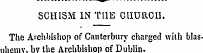
SCHISM IN THE CHURCH . The Archbishop of Canterbury charged with blasphemy , by the Archbishop of Dublin . ¦ ' The Archbishop of Dublin protests against the I ' m m Of prayer prepared by the Archbishop or' Canterbury , and agreed upon , by her Majesty in Council , as well as to that settled by the Lord Lieutenant ot Ireland , humbly imploring the Almighty Gdd to avert from these countries the impending calamity of famine . The objections are of a two-fold
naturelegnl and spiritual . Dr . Whately denies the constitutional right to issue such a command ; and , as he considers the visitation a direct judgmcut from God , he looks upon any attempt at propitiating the Divine wrath in the nature of a blasphemy . Ilis Grace preached a sermon upon this subject on Sunday in the Episcopal Chapel of St . Stephen , in which he expounded his views , political and religious . Copies of the form of public prayer , n . s it appeared in the Gmnu , woi'G distributed thrrtujjhoufc the church , but were subsequently removed , and the prayer not was read—orders , as it was said , t <> that effect having been issued by the Archbishop . "
This is a precious go , \\ c presume that ins Grace of Dublin , rather than have no prayer at all to avert famine , adopted the prayer of the Archbishop Chartism , which was no doubt more to his taste , as his Grace is the head of the Malihusian tribe—and , therefore , i » that prayer , \ vhich recommends increased labour with INCREASED PROFITS , he sees tV . e realization of the true principles of political economy . However , when Archbishops fall out , it is hard to expect their flocks to agree , so that , according to the
old adage , we may expect thai HONEST MEN WILL COME BY THEIR OWN . We should be glad to know if either of their Graces have suffered from the famine ; and if not , how it is that such high aud mighty vicc-gen-nts have been overlooked in the dispensation . However , we have supplied a pi aver , and we shall now supply a grace for their Graces . " 0 Lord , we thank 1 hec for these thy gifts , and all the good things of this life , which thou hast Leen
Untitled Article
' ' October 17 , 1846 !" 4 THE NORTHERN STAR .
Yowrcaitjr, L'Rire One Shilling. The Second Ev.1t1on 4f My Life, Or Oull Social State, Part I.
yowrcaitjr , l'rire One Shilling . THE SECOND EV . 1 T 1 ON 4 F MY LIFE , OR OUll SOCIAL STATE , PaRt I .
-
-
Citation
-
Northern Star (1837-1852), Oct. 17, 1846, page 4, in the Nineteenth-Century Serials Edition (2008; 2018) ncse.ac.uk/periodicals/ns/issues/vm2-ncseproduct1388/page/4/
-