On this page
-
Text (2)
-
Untitled Article
-

Untitled Article
Note: This text has been automatically extracted via Optical Character Recognition (OCR) software. The text has not been manually corrected and should not be relied on to be an accurate representation of the item.
-
-
Transcript
-
Note: This text has been automatically extracted via Optical Character Recognition (OCR) software. The text has not been manually corrected and should not be relied on to be an accurate representation of the item.
Additionally, when viewing full transcripts, extracted text may not be in the same order as the original document.
Untitled Article
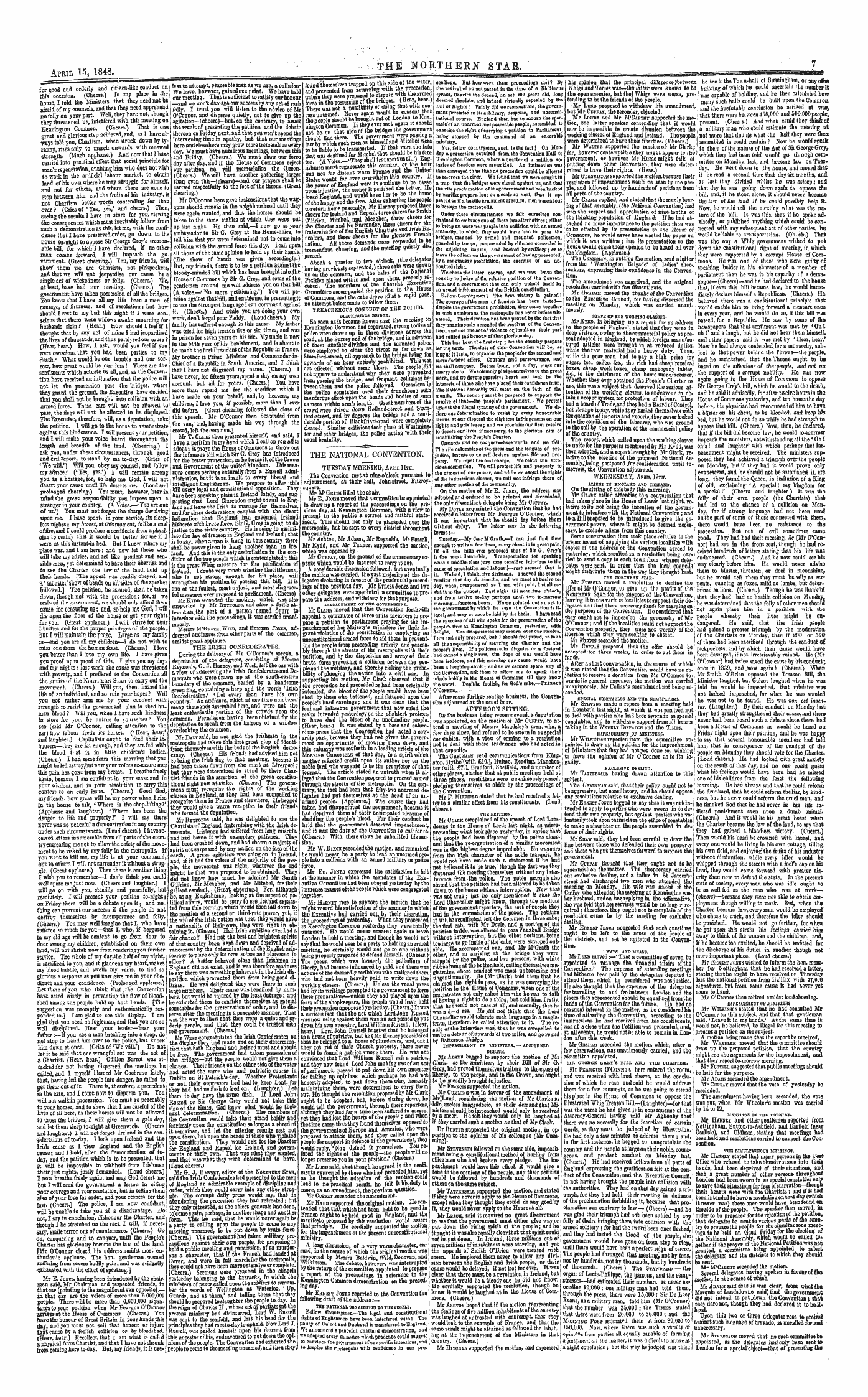
for good and orderly and citizen-like conduct on this occasion . ( Cheers . ) In my place in the fcouse I told the Ministers that they seed not be afraid of my counsels , and that they need apprehend no folly oa your part . Weil , they have not , though they threatened u ? , interfered with this meeting on Keanington C ommon . ( Cheers . ) That is one great and g lorious step achieved , and . as I have always toM you , Chartism , when struck down by tyranny , rise ' s only to march onwards with renewed strength . ( Much applause . ) And now that I have carried into practical effect that social principle for
man's regeneration , enabling him vrho does not wish to work in the artificial labour market , to obtain land of his own where he may struggle for himself , and not for others , and where there are none to step between him and the fruits of his industry , is not Chartism better worth contending for than ever ? ( Cries of ' Yes , yes , ' and cheers . ) Then , seeing the results I hare in store for you , viewing the consequences which must inevitably follow from such a demonstration as this , let me , with the confidence that I have preserved order , go down to the house to-night to oppose Sir George Grey ' s treasonable bill , for which I have declared , if no other
man comes forward , I will impeach the government . ( Great cheering . ) lou , my friends , will show them we are Chartists , not pickpockets , and that we will not jeopardise our cause by a single act of wickedness or folly . ( Cheers . ) We , at least , have had our meeting . ( Cheers . ) The government hare taken possession of all the bridges . You know that I have all my life been a man of courage , of firmness , and of resolution ; but how should I rest in sy bed this night if I were conscious that there were widows awake mourning for husbands slain ? ( Hear . ) How should I feel if I thought that by any act of mine I had jeopardised the lives of thousands , and thus paralysed our cause ?
( Hear , hear . ) How , I ask , would you feel if you were conscious that you had been parties to my death ? What would be our trouble and our sorrow , how great would he our loss ! These are the sentiments which actuate us all , and , as the Convention have received an intimation that the police will not let the procession pass the bridges , where they guard the ground , the Executive have decided that you shall not be brought into collision with an armed force . These cars vrill not he allowed to pass , the flags will not be allowed to be displayed . The Executive , therefore , will , as a deputation , take the petition . I will go to the house to remonstrate against this hinderance . I will present vour petition ,
and I will make your voice heard throughout the length and breadth of the land . ( Cheering . ) I ask you , under these circumstances , through good and evil report , to stand by me to-day . ( Cries of We mil . ' ) Will you obey my counsel , and follow my advice ? ( 'Tes , yes . ' ) I will remain among joa as a hostage , for , so help me God , I will not desert your cause until life deserts me . ( Loud and prolonged cheering . ) You must , however , bear in mind the great responsibility yoa impose upen 3 stranger in your country . ( A Voice . — ' You are one of us . ' ) You must not forget the charge devolving upon me , I bare spent , in your service , six sleepless m ' ehts ; mv breast , at this moment , is like a coal
of fire , and I could produce a certificate from a physician to certify that it would be better for me if I were at this instant » in bed . Bat I knew where my place was . and I am here ; and now let those who vrill take my advice , and act like prudent and sensible men , yet determined to have their liberties and to see the Charter the law of the land , hold np their hands . [ The appeal was readily obeyed , and a' monster show of hands on all sides of the speaker followed . ] The petition , he assured , shall he taken down , though not with the procession ; for , if we resisted the government , -sve should only afford them cause for censuring us ; and , so help me Gfod , I will die upon the Soor of the house or get your rights
for yon . ( Great applause . ) I will strive for yaur liberties and for the proper privileges of the people ; bat I will maintain the peace . Large as my family is—and you are all my children—1 do not wish to miss one from the human feast . ( Cheers . ) I love you better than I love my own life . I have given job proof upon proof of this . I give von my days and ray nights ; last week the cause was threatened with poverty , and I proffered to the Convention all the profits of the Kortherx Star to carry out the movement . ( Cheers . ) Will you , then , hazard the life of an individual , and so ruin your hopes ? Will you not rather arm me by your conduct with sh-engib to resist the government plan to shed
human blood ? "Will you , when I have such kindness in store for you , he untrue to yourselves ? You see ( said Mr " O'Connor , calling attention to the car ) now labour feeds its horses . ( ' Hear , hear , and laughter . ) Capitalists ought to feed their labourets—they are fat enough , and they are fed with the blood t-: at is in little children ' s bodies . ^ Cheer s . ) I had some fears this morning that you might be led astray , butnow your voices re-assure me ; this pain has go&e from my breast . I breathe freely agam , because I am confident in your sense and in your wisdom , and in your resolution to carry this contest to an early issue . ( Cheers . ) Good God , mT friends , how great will be mv power when I rise
in the house to ask , ' Where is the shop-lifting ?' ( ApplaHse and laughter . ) 'Where has been the danger to life and property ? ' I will say there never was so peaceful a demonstration in any country under such circumstances . ( Loud cheers !) I have received letters innumerable from all parts of the country entreating menot to allow the safety of the movement to be risked by any folly in the metropolis . If you want to kill me , my life is at your command , but to others I will not surrender it without a struggle . ( Great applause . ) Then there is another thing I wish you to remember—I don't think you could well spare me just now . ( Cheers and laughter . ) I will go <> n with you , steadily and peacefully , but
resolutely . I will present yonr petition to-night ; on Friday there will be a debate upon it ; and nothing can prevent our success if the people do not destroy themselves by intemperance and folly ( Cheers . ) Yon may well imagine that I , who have suffered so much for you—that I , who , if beggared ia my eld age will be content to go from door to door among my children , established on their own land , will not shrink now from rendering you farther service . The whole of ray day , the half of my nig ht , 13 sacrificed to you , and it gladdens my heart , makes my blood bubble , and swells my veins , to find so glorious a response as you now give me in your obedience and your confidence . ( Prolonged applause . )
Let those of you who think that . the Convention have acted wisely in preventiug the flow of bloodshed among the people hold up both hands . [ The suggestion was promptly and enthusiastically responded to . ] I am glad to see this display . I am glad that you need no fugleman , and tbatyou are so well disciplinea . Hear your leader—hear your rather : —If you see a man breaking into a shop , do not stop to hand him over to the police , but knock him down at once . ( Cries of 'We will . ' ) Do not let it be said that one wrongful act was the act of a Chartist . ( Hear , hear . ) Odillon Barrot was attacked for not having dispersed the meetings he called , and I myself blamed Mr Cocbrane lately ,
that , having led the people into danger , he railed to get them out of it . There is , therefore , a precedent in the case , and I come now to disperse you , You will not walk in procession . You must go peaceably to your homes , and to show that I am careful of the lives of all here , as thess horses will not be allowed to cross the bridges , I will give them 3 gala day , and let them sleep to-night at Greenwich . ( Cheers and laughter . ) I will not forget Ireland in the considerations of to-day . I look upon Ireland and the Irish cause as I view England and the English <» use ; and I hold , after the demonstration of today , and the petition which is to be presented , that It will be impossible to withhold from Irishmen their just rights , justly demanded . ( Loud cheers . )
I now breathe freely again , and may God desert me DUt I will read the government a lesson in citing toot courage and your resolution , but in telling them also of your love for order , and your respect for the law . ( Cheers . ) The police , I am now Confident , will be unable to take you at a disadvantage . Do not , I say in conclusion , dishonour the Charter , and { hough I be stretched on the rack I will , if necessary , smile tenor out of countenance . ( Cheers . ) Go on , conquering and to conquer , until the People ' s Charter has gloriously become the law of the land . \} Hz O'Connor closed his address amidst most enthusiastic applause . The hon . gentleman seemed suffering from severe bodily pain , and was evidently exhausted with the effort of speaking . ]
Mr E . Jones , having been introduced by the chairman said , Mr Chairman and respected friends , in ebstcar ( pomting to the magniScentTan opposite ) . — ia that ear are the Toices of more than ' 6 . 000 , 000 people . There will be more than 6 , 000 , 000 signatures to your petition when Mr Peargus O'Connor Simes at the House of Commons . ( Cheers . ) Yoa have the honour cf Great Britain in your hands this dsy , and you must not soil that honour or injure t&St cause by » foolish collision or by bloodshed . ( Hear , hear . ) Recollect , that I am what is cailrd a physical forte Chartist , and that I have not shrunk fro ia eomiBg here to-day . But , ay friends , it is use-
Untitled Article
less to attempti peaceable men as we are , a collision ' We have , however , gained ope point . We hare held oht meeting . That ia Bufficieat to satisfy our honour —and we won't damage our success by sny act of rash folly . I trust jpu will listen to the advice of Mr O'Connor , and disperse quietly , not to give ap the agitation—( cheers)— -but , en the contrary , to await tho mult of presenting the petition and the debate thereon en Friday next , and that you won't spend the intervening time in apathy , but that our meetings here and elsewhere may grow more tremendous every day . We must have numerous meetings , between this and Friday . ( Cheers . ) We must show our force day after day , and if the House of Commons reject sur petition we Trill memorialise the Queen-( Cheers . ) We will have another gathering larger than even this —( cheers )—and our prayers shall be carried respectfully to the foot of the throne . ( Great cheering . )
Mr O'Connor here gave instructions that the waggons should remain in the neighbourhood until they were again wanted , and that the horses should be taken to the same stables at which they were put up last night . He then said , —I now go as your ambassador to Sir G . Grey at the Home-office , to tell him that you were determined not to come into collision with the armed force this day . I call upon all those of the same op inion to hold up their hands . ( The show of hands was given accordingly . ) But , my friends , there is to he a petition against the bloody-minded bill which has been brought into . the House of Commons by Sir G . Grey , and some of the gentlemen around me will address you on that bill ( A voice . — ' No more petitioning . ' ) You will petiiion against that bill , and enableme , in presenting it to use the strongest language I can command against it . ( Cheers . ) And while you are doing your own
work , dcn'tfsrget poor Paddy . ( Loud cheers . ) My family has suffered enough in this cause . My father was tried for high treason five or six times , and was in prison for seven years of his life . My uncle is now in the 50 th year of his banishment , and is about to be made the first President of the Republic in France . My brother is Prime Minister and Commander-in-Chief of a Republic in South America , and I think that I have not disgraced my name . ( Cheers . ) I have never , for fifteen years , spent a day on ray own account , but all for yours . ( Cheers . ) You have more than repaid me for the sacrifices which I have made on your behalf , and , by heavens , my children , I love you , if possible , more than I ever did before . [ Great cheering followed the close of this speech . Mr O'Connor then descended from the van / and , having made his way through the crowdleft the common . ]
, Mr T . CLiKK then presented himself , and said , I have a petition ia my band which I call on yon all to adopt : it prays the House of Commons to throw out the infamous bill which Sir G . Grey has introduced for the better protection , a _ B be termsit , of the Crows and Government of the united kingdom . This measure comes perhaps naturally from a Russell administration , but it is aa insult to every liberal and intelligent Englishman . We propose to effer this bill every legal and constitutional opposition . They have been speaking plain in Ireland lately , and suggesting that Lord Clarendon ought to Bail to England and leave the Irish to manage for themselves , and for these declarations , coupled with the direct intimation that England had governed Ireland hitherto with brnfce Force , Sir G . Grey is going to do
justice to the sister country . He is going to assimilate the law ef treason in England and Ireland ; that is to say , when a man i 3 hung ia this country there shall be power given to hang another man in Ireland . And this ia the only assimilation in the condition of the two people which is contemplated ; this is the great Whig measure for ths pacification of Ireland . Idoubt very much whether theiittlemap , who ia not strong enough for his place , wili strengthen his position by passing this bill . It is one of the foulest , most unjust , and most disgraceful measures ever proposed to parliament . ( Cheers ) Mr Ktdd seconded the motion , which was also supported by Mr Rbtsou > 3 , and after a futile attempt on ih « part of a person named Spnrr to interfere with the proceedings , it wa 3 carried
unani-Messrs M'Gbass , Wild , and Edstohd Jokes , addressed audiences from other parts of the common , amidst sreat applause .
THE IRISH CONFEDERATES . Daring the delivery of Mr O'Connor ' s speech , a deputation of the delegates , consisting of Messrs Reynolds , G . J . Barney , and West , left the car with a view of addressing the Irish Confederates and Democrats who were drawn up at the south-eastern boundary of the oonimoD , headed by a handsome ereen fiV , containing a harp apd the wordg Irish Confederation . ' ' Let every man have his own country . ' An audience , which at one time numbered many thousands assembled here , and were not the least enthusiastic portion of the crowds upon the common . Permission having been obtained for the deputation to speak from the balcony of a window overlookins the common ,
MrDiLTsaid . he was glad the Irishmen in the metropolis had taken this first great step of identifying themselves mth the body of the English democracy . ( Cheers . ) His friends had advised him not to bring the Irish flag to that meeting , because it had been taken down from the mast at Liverpool ; but they were determuaed to stand by their Chartist friends in the assertion of the great constitutional right now at stake . ( Cheers . ) The government mu 3 t recognise tke rights of the working classeB in England , as they had been compelled to recognise them in France and elsewhere , He begged they would give a warm reception to their friends wha formed the deputation .
Mr Retkouis said , he was delighted to see the Chartists of Eng ' and fraternising with the Irish democrats . Irishmen had suffered from long misrule , and had borne it with exemplary patience . Taey had been crushed down , and had shown a majesty of spirit not surpassed by any nation on the face of the earth . A great agitation was going pn in Ireland , and , if it had the voices of the majority of the people , the movement was right , whatever tho end might be that was proposed to be obtained . They did Hot know how much he admired Mr Smith O'Brien , Mr Meagher , and Mr Mitchel , for their gallant eenduct , ( Great cheering . ) For , although he , as an Englishman , looking at the aspect of political affaire , would be sorry to see Ireland separated from this country , which would then fall down to the position of a second or third-rate power , yet , if the will of the Irish nation was that they would have
a sationality of their own , they were right in obtaining it . ( Cheers . ) Had Irish ambition ever bad a fair chance ? Had not the best and brightest spirits of that country been kept down and deprived of advancement by the determination of the English aristecracy to place only its own scions and placemen in office ? A better bshaved class than Irishmen in England did not exist , and it was therefore madness to say there was something inherent in the Irish disposition which prevented them from being good citteesa . He was delighted they were there in such large numbers . Their cause was benefited by numbers , bnt would be injured by the least outrage ; and he extorted them to consider themgelvea aB special constables for the preservation of order , and to dia » perse after the meeting in a peaceable manner . That was the way to show that they were a quiet and orderly people , and that they could bo trusted with self-government . { Cheers . )
Mr West congratulated the Irish Confederates on the display they had made and on their determination that both England and Ireland must and should be free . The government had taken possession of the bridges—but the people would not give them a chaace . Their friends on the other side of the water had acted tne same wise and patriotic course in Dabh' n on St Patriek ' s-day . Whether Protestants or not , their oppressors had had to keep Lent , for they had had no flesh to feed on . ( Laughter . ) Lefc them to day have the same dish . If Lord John
Russell or Sir George Grey would not take this sign of the times , God knew what would be their next determination . ( Cheers . ) The members of tha Convention weuld take their stand boldly and fearlessly upon the constitution solorigas a shred of it remained , and let the ulterior results rest not upon them , but upon the heads of those who violated the constitution . They would ask for the Charter for England and Repeal for Ireland , and governments of their own . That was what they wanted , and that was what they were determined to have .
( Loud cheers . ) Mr G . J . Harket . editor of the Noetherh Stab , said the Irian Confederates had presented to the men of England an admirable example of discipline and order , which they wonld carry into aay other struggle . The corrupt daily press would say , that in abandoning the procession they had retreated ; but they only retreated , aa the ablest generals had done , to ' come again , perhaps , in another shape and another form . This 6 e said , that he would never again be a party tQ calling upon the people to come to any meeting unarmed , to be put down by teute force . ( Cheers . ) The government had taken military precautions against their own people , for proposing to hold a public meeting and procession , of bo murderona a chsraeter , that if the French had landed at
Dover , and were in full march for the metropolis , they could not have been more extensive or complete . ( Cheers . ) Sermons were preached in the chapels yesterday belonging to the barradrs . in which the ministers of peace called upon the soldiers to remember the words of Wellington at Waterloo , ' Up , Guards , and at them , ' and telling them that they should be prepared to slaughter the people today . In thereiga of Chasies II ., whose act of parliament the present ministry bad disinterred , Lord W . Russell was sent to the scaffold , and lost his head fir the principles they had met to-day . to uphold . Now Lord J . Rus > ell , wLo pti < kd himself upon his descent from tbis ancestor of his , endeavoured to put down the opinions of the people . The Convention had exhorted the people to corns to tho meeting unarmed , and then they
Untitled Article
found themselves trapped on this side of the water , and Prevented from returning with the , procewion , unleK ywere prepared to dispute ««* tho «™ fovoa in the possession of the bridges . ( Hear , hear . ) There was not a possibility of doing tbafc wth boocess unarmed . Never again would ho consent that the people shQuld be brought out of I *» 4 ° » * £ ? : ^ 2 Tff * "A B £ «« 2 ttbaiwasi'Siretta toa ( A Voice .- ' They shall transport us all' ) Eng . HshmenmuS regenerate this country or , tbe hour was not for distant when France and the XJ " te < States would for ever overwhelm this country , i the power of England were tocpnlmw > to be p hased Hpo ! injustice , the sooner it penshed the better He loved England , and would have her to be the home SSvandthefree- AftwexhortiHgthepeople
tontarn home peaceably , Mr Hamey propoaea in ee cheers far Ireland and Repeal , three cheers for Smith O ^ Brien Eel , and Meagher , three cheers for the Charter and No Surrender three cheers for the fraternisation of the English Chartists and Insh Repealers , and three cheers for the glorious French ! 3 Ku All these demands were wpondfldI to 1 by tremendous cheering , and the meeting quietly
dupersed . . , , , About a quarter to two o ' clock , ( the delegates hatSg revi 5 uSly separated ) three cabs , were drawn up on the common , and the bales of " 8 « JWma Petition placed within and ^ n ^'^^ Jt cured . The members of the Chartist Executive Cemmitteoaooonipanied the petition to the florae of Commons , and the cabs drove off at a rapid pace , no attempt being made to follow them . TREACHEROUS CONDUCT OF THE POLICE . BLACKFRfAIW BRIDGE . So soon as it became known that the meeting on Kennington Common had separated , strong bodies or police were drawn up in three divisions across the road , at the Surrey end of the bridge , and in advance of them another division and tbe mounted police were employed to clear the street as far down as Stamford-street , all approach to the bridge being tor nnyarWf ! nf an hour entirely prohibited . This was
not effected without some blows . The people ; dio not appear to understand why they were prevented from passiDg the bridge , and frequent collisions between them aHd the police followed . Occasioualy the police constables used their truncheons with murderous effect upoB the heads and bodies of sucn as were within arm ' s length . Great numbers of tne crowd were driven down Holland-street and Stamford-sheet , and by degrees the bridge and a considerable portion of Blackfriars-road were completely cleared . Similar collisions took place at Westminster and other bridges , the police acting with their usual brutality .
Untitled Article
THE NATIONAL CONVENTION . TUESDAY MORNING , April Hid . The Convention met at nine o'clock , pursuant to adjournment , at their hall , John-street , Fitzroysquare . Mr M ' Gnun filled the chnir . Mr E . Jon 2 S moved that a committee be appointed to ; draw up a report of the proceedings on the previous day , at Kennington Common , with a view to present to tbe publ ic a correct and faithful statement . This should not ouly be placarded over the metropolis , but be Bent to every district throughout the country . Mr Ashtoa , Mr Adams , Mr Reynolds , MrFassell , Mr Kydd , and Mr Tanner , supported the motion , which w&s opposed by Mr Cuffay , on the ground of the unnecessary expenBQ which would be incurred to carry it out .
A considerable discussion followed , but eventually the motion was carried , the vast majority of the delegates declaring in favour of tha prudential proceedings of the previous day . Mr ErneBfc Jones and two other delegates were appointed a committee to propare the address , and withdrew for that purpose . IMPEACHMENT Oi THE GOVBHNMENT . Mr 0 . LARK moved that this Convention forthwith appoint a committee of three of its members to prepare a petition to parliament praying for the impeachment of her Majesty's ministers for their flagrant violation of the constitution in employiHg an unooEsillDlional armed force to aid them in prevent , ing the people from proceeding orderly and peaceably through the streets of the metropolis with their
petition , and by the disposition and array of their brute force provofcing a collision between tbe people and the military , and thereby risking the probability of plunging the nation into a civil war . In supporting his motion , Mr Clark observed that if tbe procession bad proceeded aa had been originally intended , tha blocd of tbe people would have been shed by those who battened , and fattened upon the people ' s hard earnings ; and it was clear that the foul and infamona gevernment that now ruled tho realm intended yesterday , on the slightest pretext , to have shed the blood of an unoffending people . ( Hear , hear . ) It was stated by a base and calumnious press that the Convention had acted a cowardly part , because they had net given the governmenfc an opportunity of mowiDg them down , and
this calumny waB setiortu in a leading article of the Morkikg Chronicle of that day , 10 a spirit which neither reflected credit upon its author nor on the noble lord who was said to be the proprietor of that journal . The article stated an untruth when it alleged that the Convention proposed to proceed armed through the streets of the metropolis . On the contrary , the fact had been that fifty-two unarmed delegates had put themselves at the head of an unarmed people . ( Applause . ) The ceurse they had taken had disappointed the government , because it had deprived them of their anticipated pleasure of shedding the people ' s blood . For their conduct he held that the government deserved imp . eaehment , and it was the duty of the Uonrention to call for it . ( Cheers . ) With these views he submitted his
motion . Sir W . Dixos gecondedthe motien , and remarked he would never be a party to lead an unarmed people into a collision with an armed military or police force . Mr Ed . Jones expressed the satisfaction he felt at the manner in which the mandates of the Executive Committee had been obeyed yesterday by the immense raaasea of thepeople which were congregated together . Mr Habnet rose to support the motion that he might record his satisfaction of the manner in which the Executive bad carried out , by their discretion , the proceedings of yesterday . When they proeeeded to ZennJBEton Common jesterday they were totally
unarmed . He would never consent agaia to leave London to hold a meeting , and though he would Bot say that he would ever be a patty to holding an armed meeting , he certainly would Dot go to one without being properly prepared to defend himself . ( Cheers . ) The press , which was formerly the palladium of liberty , had beeome influenced by gold , and there was not one of the dastardly scribblers who maligned them who had not been heavily paid to write down the working classes . ( Cheers , ) Unless the venal press had by it 3 writings prompted tbe government to form these preparations—unless they had played upon the fears of the shopkeepers , the people would have held fcheirprocession unopposed yefcterday . ( Cheers . ) Itwas a enrioHs fact that the act which Lord John Russell
was now using against them was an act passed to put down Mb own ancestor , Lord William Ruseell , ( Hear , hear . ) Lord John Russell boasted that he belonged toa house of patriots , but he ( Mr Harney ) considered that he belonged to a house of plunderers , and , until they got rid of their Church property , ( here never would be found a patriot among them . He was not convinced that Lord William RusseJl was a patriot , and they now found Lord John making use of an act of parliament , passed ioput downlm own ancestor for taking up opinioHS which perhaps he had not honestly adopted , to put down those who , honestly
maiBtaieing them , were determined to carry tbem out . Ha thought the resolution proposed by Mr Clark ought to be adopted , but , before sitting down , he would tell the government , through their reporters , although they had fer a time been suffered to coerce , yet they had lost the hearts of the peop le ; and when the time came that they found themeelves opposed to the governments of Europe and America , who were prepared to attaek them , and they called upon the people for support in defence ef the government , they would reply , 'No ; defend it yourselves . lou refused the rights of the people—the people will no longer preserve you in your position . ' ( Cheers . )
Mr Lund said , that though he agreed in the sentiments expressed by these who had precedeahun , yet as he thought the adoption of the motion could lead to se practical result , he felt it his duty to move , aa an amendment , the previous question . Mr CcraAT seconded the amendment . Mr Ktod supported the original motion , He con . tended that that which had been held to ba good in France ought to be held good in England , and the manifesto proposed by this resolution would assert that principle . He cordially supported the motion for the impeachment of the present unconstitutional ministry .
A long discussion , of a very warm character , ensued , in the course of which the original motion was supported by Messrs Baldwin , Wild , Donovan , and Wilkinson . Tha debate , however , was interrupted by the return of the committee appointed to prepare a report of the proceedings in reference to the KenningtoH Common demonstration on the pieceding day . Mr Ernbet Jones reported to the Convention the following draft of the address —
THE HATIONAL C 0 NVIHT 10 N TO THK rEOrMi Fellow Couatrjmen _ -The lvgal and constitutional rights of Englishmen have baeu interfered with I Tha policy of Gulznt and Ducnatel is transferred to Eng land . We announced aptaceful unarmid demonstration , ft "" we adopted every m < : a ? me which prudence could auggest to csnvluce the government of our pacific intentions , and to inspire tho PjctroPoliB fivh confidence in our pro .
Untitled Article
oeadinga . But how "ere these proceedings met ! By the revival of aa act passtd in the time of a libidinous tyrant , Charles the Second , an act 200 years old , long deemed obsolete , ana indeed virtually repealed by tho Bill of Rights I Vainly did we remonstrate ; tbe government persisted in its arbitrary , daspotfo , and unconstl . tutional coarse . England then has to mourn tha spec tacloof an unarmod andp 8 acoablop 89 ple , t » fl 8 ombled tc exercise the right of carrying a petition to PMliamont , being stopped by tho command of an execrable ministry .
Yes , fallow countrymen , such Is tho fact ! Oa Monday apraoesBion repaired from , the Convention Hall to Kunnington Common , where a quarter of a million votaries of freedom nero assembled . Ac intimation was than conveyed to ua that no procjfition could be allowed to re . crojs the river . We found that wa weta oaught in a trap , that the ' briflgos were eloBcd against us , and that th » vile proclamation of tbegovarnnwnthad been backed by warlike prepara'iooB ona scale so vast , t )> at it ap » psaredaB if a hostile armament ef 200 , 000 men w « re about to besiege tho metropolis .
Under theso circumstances we felt ourselves constrained to embrace ono of theso two alternatives ; either to bring on unarmed people into collision with an armed authority , in which they wonld have had to pass the bridges manned by armed and mounted policemen , guarded by troops , commanded by rlflomen concealed in tbe adjoining houses , and backed byariiHeiy ; or to have the odium on the government of having prevented , by a BQnginuary prohibition , tho exorcise of &n undoubted right . Wa eheao the latter course , and wo now leave the country to judge of the relativo position of tho Convention , and a government that can only uphold itself by an armed infringement of the British constitution .
FelWCountrymen ! Th « first victory la gained ! Tbe co'irage of the men of London has been testeddespite ths government prohibition , they came together In imoh numbers aa the metropolis has never before witnenBed . Their devotion haB been proved by tfao factthat they onaHimously seconded the resolves of the Convention , and not one net of violence ot insult on their part bad GUllied th o honour of that glorious day . This has been tho first step ; let the oountry prepare far tho noxt . The duty of this- Convention will be , as 1 OB [ J 88 it lBBts , to organise the pwplefor thi second and mow docUivo effort . Couraeo and perseverance , snd
we shall conquer . Not an hour , not a day , must our energy abate . VTe solemnly pledge ourselves to tho great work , and we devote ourselves heart and soul to the Interests < f those wno have placed theirconfidonoo in as , The National Assembly will meet on the 24 th of rhe month . The country must be prepared to support the rasolve ef that—the people ' s parliament , ¦ "We protest aR&tast the illegal tjranny of tbe government , Tfe declare our . determination to resist by every honourable means at onr disposal the slightest infringement on our rights and privileges ; and we proclaim our firm reaolvo to devote our lives , if necessary , to the glorious aim of establishing the People ' s Charter .
Onwards and we cosquer—backwards and we fall ! Tho vile calumnies of tbe press and tbe tongues of prejudice , impute to us evil designs agninat life and pro . perty . We repel tho foul charge . We rebut the atrocious accusation . We will protect life and property to the utraOHt of onr power , and while we assart tho rights of the industrious classes , we will not infrlEge those of any other section of the community . On the motion of Mr E . Jones , the address was adopted and ordered to be printed , and circulated , the onlv dissentient delegate being Mr Cuffat . Mr Doyle acquainted the Convention that he had received a letter from Mr Feargua O'Connor , which it was important that he should lay before them without delay . The letter was in the following terms : —
Tuesday , —My dear M'Grath , —I can just find time enough to write a levr lines , as my chest is In great pain . Of all tha bills over proposed that of Sir G . Grey ' s is the most damnable . Transportation for speaking what a middle-claBB jury may consider injurious to the oauae of speculation and labour!—rest assured that Is it . 'Wehad , I think , five divisions . I moved the second reading that day six months , and we meet at twelve today , wbetl i overpowered as I am with pain , I shall resist it to the utmost , Last night till near two o ' clock , and from twelve to-day perhaps until two to-morrow morninff fourteen hours . Hurae pointed out an set to the government by which he says the Convention is
illegal , aod may at oneobe laid by 111 © heels . I iiaVGrBftd the speecbos of all who spoke for the preservation of tha people ' s HveB at Kennington Coismos , yistwday , with delifbt . The disappointed may mourn over our resolve . I ara not only prepared , but I ohould feel proud , to tali * all the responsibility of sicuring the Charter and tu « people ' s liveB . If a policeman . ia disguios or a fostpad bad caused a single row , the dogs ot war would have been Ut loose , and Ibis morning our cause Would have been a laughing-stock ; and aa we cannot spare any of the Convention , ask them to allow me to apeak their mindB boldly in the House of Commons till they know the worst . Don't be foolish , for God ' s sake . — Feabgus O'OoHNoa .,- ¦ ¦ -- ¦¦
After some further routine business , the Oonven tion adjourned at the ustinl hour .
AFTEROON SITTING . On the business being rpcommenced , a depu t ation was appointed , on the motion of Mr Cuffat , to attend a meeting of Messrs Maudaley ' a men , who , a few days since , had refused to be sworn in aa special constables , with a view of coming to a resolution not to deal with those tradesmen who had acted in that capacity . Tho , Chairman read communications from Kingston , Hythe' ( with £ 10 . ) , Hulme , Reading , Manohester ( with £ 7 . ) , Bradford , Sheffield , and a number of other places , stating that at public meetings held at those places , resolutions were unanimously pasBed . pledging themselves to abide by the proceedings of the Convention . Mr F . Mipfield stated that he had received a letter to & similar effect ! from his constituents . ( Load
cheers . ) THE PETITION . Mr Clark complained of the Bpeech of Lord Lansdowne in the Hou ? e of Lords last night , a 8 miarapresenting what took place yesterday , in saying that the people had been dispersed by the police aloneand that the re-organisation of a similar movemeat was in the highest degree improbable . He was sore from the high character of the noble marquis , he would not have made such a statement if ho had not bettered it to be true , though the fact was they dispersed the meeting themselves without any interference from the police . The noble marquis also stated that the petition had been-allowed to be taken down to the house without interruption , Now that
was not true ; but he only mentioned it that the Lord Chancellor might know , through the medium of the government reporters , the sort of people they had in the commission of the peace . The petition it will be recolleoted / left the Common In three cab * ; the first cab , with Mr Doyle , and a portion of the petition inside , waa allowed to pass Vauxhall Bridge without interruption , but the other portions , being toolasee to go inside of the cabs , were strapped outside . Ho accompanied one , and Mr M'Grath the Other , and on arriving at the bridge they were Stopped bj the police , and two persons , with white ribbon hune at the button hole , calling themselves
magistrates , whose conduct was most unbecoming and ungentlemanly .- He ( Mr Clark ) told them that he claimed the right to pass , as he was conveying ; . the petition to the House of Commons ' , When one of the magistrates not only asked him who he was to talk of having a wfib . t to do a thing , but told him , firstly , that lieshouid not ; pass at all , and secondly , that he was a d—d as 3 . Ee . did not think that tfee Lord Chancellor woutd tolerate auch language in a magistrate , therefore , he called attention to it . The re-Bult or' the interview was , that he was compelled to make a detour of upwards of two miles , and go round by Battersea Bridge .
IMPEACHMENT OP MINISTERS . — ADJOUBNED
DEBATE . Mr Abams heggei to Bupport the motion of Mr Gtetkt as fcho minister ? , by their Bill of Sir G-. Grey , had proved themselves traitors to the cause of liberty , to the people , and to the Crown , and ought to bd sneedily brought to justice . Mr Francis supported the motion . Mr Cumming was in favour of the amefidment of M / Lund , considering the motion of Mr Clarke as idle , useless braggadocio , as their demand that Ministers should be impeached would only be received by a sneer . He felt they would only be laughed at if they carried sneh a motion aa that of Mr OJark . DrHuNTER supported the original motion , in opposition to the opinion of his colleague ( Mr Cumming ) .
Mr Stevenson followed on the same Bide , impeachment being a constitutional method of hurling from officemenwhobad broken every pledge . The impeachment would have this effect , it would give a tone to the opinions of the people , and their petition would be followed by hundreds and thousands of others on the same subject . Mr Tattersaii , supported the motion , and stated if they were never to apply to the House of Commons , except when they thought they could do any good by it , they would never apply to the Honee » t all . Mr Lsaoh , said it required no great discernment to see that the government must either give way or
put down the rising spirit of the people ; and he thonght it was also eqnalJy clear thai that spirit could not be put down . In Ireland , three millions out of seven millions of inhabitants were starving , and yet the appeals ef Smith O'Brien were treated with Ecom . He implored them never to allow any division between the English and Irish people , or them cause would ba delayed , if not lost for ever . It was dear that there maat be a revolution in Ireland , but whetke * it would be a bloody oue he did nod know He cordially supported the resolution , though he knew it would be laughed at in the House of Commons . ( Cheers . )
Mr Ashtoh hoped that if the motion representing the feelings of five million inhabitants of tbe country was laughed at or treated with contempt , that they would look to the example of France , and that the same result mi ght be attained as followed tho Mining at the impeachment of the Ministers in that country . ( Cheers . ) Mr IIiichen aupporfcfid . the motion , and expressed
Untitled Article
hia opinion that the pr incipal difference Jbetween Whigs and Tories was—the Jatfcer were known to be tho open enemies , but the ] Whigs wcr < 3 worse , pretending to fas tha friends of the people . Mr Lund proposed to withdraw big amendment , but Mr Cuff at , the seconder , objected . Mr Lownr and Mr M'Cabtht supported the mo-1 lion , tbe latter speaker contending that it would now ba impossible to create disunion between the working classes of England and Ireland . The people ' were determined to have their liberties . < Cheers . ) Mr Waltbb supported the motion of Mr CJark ; for , howevar contemptible they might appear to the I government , or however Mr Hume might talk of putting down their Convention , they were deter- ; j :
mined to have their rights . ( Hear . ) Mr GLBtwisrojr supported the wotion , because theii resolution of impeachment would be seen by tho peapie , and followed up by hundreds of petitions from all parts of the oountry . Mr CiiARK replied , and slaied fbafc the manly bearing of that assembly , ( the National Convention ) had won the respect and approbation ef ninetonths of the thinking population of England ; If he had attached no more importance to the petition than was to be effected by its presentation to the House of Commons , he would never have wasted the paper on which it waa written ; but its presentation to tho houaa would cause their ipinios . to be heard all over the kingdom . ( Applause . )
The Chairman , in putting the motion , read a letter from the ' Washington Brigade' of ladies' shoemakers , expressing their confidence Sn the Convention . The amendment was negatived , and the original resolution carried with few dissentients . Mr UitAHAjf moved the thanks of tha Convention to the Executive Council , for having dispersed the meeting on Monday , which , waa carried unanimously .
STATE OP MB WOItKSBG CLASSES . Mr Ktdd , in bringing up a report for an address to the people of England , stated that they wfro in deep distress , owing to the commercial policy at present adopted in England , by whioh foreign manufao * tured articles were brought in flt reduced duties , while the raw material had a heavy duty . Thus , while tho poor man had to pay a high price for Bitgar , tea , coffee . &o ., the rich had cheap musical boxes , cheap work boxes , cheap mahogany tables , < fce ., to the detriment of the home manufacturer . Whether thoy ever obtained the People ' s Charter 0 ? do ; , this was a snbjeet that deserved the serious
attention of the working classes , to endeavour to obtain anroper system for protection of labour . They had a board of Trade , and they had a Beard of Control , bat sWange to Say , while they busied themselves with tbe question of imports and export ? , they never looked into the condition of the labourer , who was ground to the soil by the operation of the commercial policy ef the country . The report , which called upon the working classes to unite for the purposes mentioned by Mr Kydd , was then adopted , and a report breught by Mr Clark , relative to the election of the proposed National Assembly / . being postponed . for consideration until tomorrow , the Convention adjourned ,
WEDNESDAY , April ! 2 wr . ALIENS IN ENGLAND ASD IRELAND . On the sitting of tbis body this morning , ' Mr Cube called attention to a conversation that had taken place in the House of Lords last night , relative to its not being the intention of the government to interfere with the National Convention ; and to a Bill proposed to be introduced to give the government power , where it might be deemed necessary , to exclude aliens from this country . Some conversation then took place relative to the T ) reper means of supplying the various localities with copies of the address of the Convention agreed to yesterday , wbich resulted in a resolution being carried to send a copy to each town from whence delegates were Bent , in order that the local councils might distribute them in the way they thought best .
THE NORTHERN STAR . Mr Fusselii moved a resolution to decline the effar of Mr O'Connor , to givo up the profits of the Southern Staii for the support 0 ! the Convention , leaving it to the various localities to support their delegates and find them necessary funds for carryingon the purposes of the Convention , He considered that they ought not to impose ' on the geuerosity of Mr O'Connor ; and if the localities could not support the Conrention properly , they were not worthy of the liberties which they were seeking to obtain . Mr MmpiN seconded tho motion . Mr Coffay proposed that the offer should be accepted for three weeks , in order to put them in unds .
/ After a short conversation , in the course of which it waa stated that the Convention would have no objection to receive a donation from Mr O'Connor towards its general expense ? , tho motion was carried unanimously , Mr Cuffay's amendment » ot buicg seconded .
SPECIAL CONSTABLES AXD THE NEWSPAPERS . Mr Stevens made a report from a meeting held in Lambath lastnight , at which it wa ? resolved not to deal with parties who had been sworn in as speoial constables , and to withdraw support from all houses taking in the Weekly Dhpatch and the Times . IMPEACHMENT OF MIKISTERS . Mr Wilkinson reported from the committee appointed to draw up the petition for the impeachment of Ministers that they had not yet done so , wishing to have tae opinion of Mr O'Connor as to its legality .
EXCLUSIVE DEALWGf . Mr Taiiersall having drawn attention to this subject , The Chairman said , that ( heir policy ought not to bo aggressive , but conciliatory , and he should oppese any resolutions relative to exclusive dealing . Mr Ernest Jokes begged to say that it was not intended to apply to parties who were sworn in to defend their own property , but against parties who voluntarily took upon themselves the office of constables to make a slaughter on the people assembled in defence of their rights . Mr Shaw said , they had been careful to draw the line between those who defended their own property and those who put themselves forward to support the government .
Mr Cotfat thought that they ought not to be squeamish on the mattes . . Tha ^ shopooracy carried out exclusive dealing , and a tailor in St James ' sstreet had discharged two men who attended the meeting on Monday . His wife was asked if the Cuffay who attended tho meeting at Kennington was her-husband , andon her replying in the affirmative , she was told that her services weuld be no longer required ; therefore , they ought not to complain of the resolution come to by the meeting for esoluaive dealing . Mr Ernest Jones suggested that such Questions ought to be left to the sense of the people of the districts , and not be agitated in the Convex ion .
WATS AND MEANS . Mr Lund moved : — ' That a committee of seven ba appointed to manage the financial affairs of the Convention . * The expense of attending meetings had hitherto been paid by the delegates deputed to attend them , wbich he considered was not justice . He » 1 bo thought that the expenses of the delegates for travelling to and fro between London and the places they represented should be equalised from the funds of the Convention for the future . He had no personal interest in the matter , as he considered his time of attending the Convention , according to the instructions he had received from his constituents , was at a dose when the Petition was presented , and , at all event ? , he would not be able to remain in London after this week . Mr Graham seconded the motion , which , after a few observations , was unanimously carried , and the committee appointed . SIR GEORGE GUEy ' s BILL AND THE CWARTER .
Mr Feahgus O'Connor here entered the room , and was received with , loud cheers , at the conclusion of which he rose and said he would address them for a few moments , as he was going to attend his place in the House of Commons to oppose the Illustrated Whig Treason Bill—( Laughter)—for that was the name he had given it ia consequence of the Attorney-General having told Mr Aglionby that there was no necessity for iho insertion of certain words , as they must be judged of by illustration . He had only a few minutes to address them ; and , in the first instance , he begged to congratulate the country and the people at large on their noble , courageous , and prudent conducfi on Monday last . ( Cheer 3 . ) He had received letters from all parts of England expressing the gratification felt at the conduct of the Convention , and the Executive Council , in not having brought the people into collision with the authorities . They had on that day gained a
triumph , for they bad held their meeting in defiance of the proclamation forbidding it , because that proclamation was contrary to law— ( Cheers ) —and he was glad their triumph had not been sullied by any oily of theirs bringing them into collision with the armed soldiery j for had the sword been once fleshed , and they had tasted the blood of the people , the government would have gone on from step to step , until there would have been a perfect reign of terror , The people had thronged that meeting , not by tensi not by hundreds , not by thousands , but by hundreds of thousands . ( Cheers . ) The Standard — the organ of Lowia-Philippe , the parsons , and the sempstresses—had estimated their numbers as never exceeding 10 , 000 ; one military man had told them , through the press , there were 15 , 000 ; Sir De Lacy Evans , as a military man , told him ( Mr O'Connor ) that the number was 35 , 000 ; the Times stated that there weve from 20 . 000 to 50 , 000 ; and the
Moiling Post estimated them at from 80 , 000 to 150 , 000 . Now , where there was such a variety of opmious from parties all equally oaoable of forming a judgment on the matter , it was difficult to arrive at a ' right conclusion ; but the way hejudged was this ;
Untitled Article
¦ he took the Town-hall of Birmingham , or anyoths building of wbich be could ascertain the number it 1 was capable of holding , and be then calculated how I many such halls could be built upon the Common and the irrefutable conclusion be arrived at was , i that there were between 400 , 000 and 500 , 000 people , present . ^ Cheers . ) And what could they think of a military man who eould estimate the meeting at ! not more that double what the hall they were thea assembled in could contain ? Now he would speak to them of the nature of the Act of Sir George Grey , which they had been ( old would go through committee on Monday , last , and become law on Tuesday . He went down to the house , and moved tba 6
it be read a second time that day six months , and at last they divided whilst he was asleep ; and that day he was going down again t . > oppose the bill , and , if he stood alone , it should never become the law of ihe land if he could possibly help it . Now , he would tell the meeting what was the nature of the bill . It was this , that if he spoke advisedly , or published anything ; wliich could be connected with any subsequent act of other parties , he would be liable to transportation . ( Oh , ob . ) Tht * was the way a Whig government wished to put down the constitutional right of meeting , in which they were supported by a corrupt House of Commons . He was one of those who were guilty of
speaking bolder in his character of a member o £ parliament than he was in his capacity of a demagogue —( Cheers)—and he had declared to the house that , if ever this bill became law , he would immediately declare himself a Republican . ( Cheers . ) Hft believed there was a constitutional principle that would enable him to bring forward a measure once in every year , and he would do so , if this bill was passed , for a Republic . He saw by some of the newspapers that that sentiment was met by Oh I oh ! ' and a laugh , but he did not hear them himself , and other papers said it was met by ' Hear , hear . ' Now he had always contended for a monarchy , subject to that power behind the Throne—the people
and he maintained that the Throne ought to ba based on the affections of the peopk , and not or the support of a corrupt nobility . He was now again going to the House of Commons to oppose Sir George Grey ' s bill , which he would to the death , and he said it advisedly , for after twelve hours in the House of Commons yesterday , and ten hours the day before , bis physician had recommended him to have a blister on his chest , to be Wooded , and keep his bed , but he wonld not do so while he had strength to oppose that bill . ( Cheers . ) Now , then , he declared , that if the bill did become law , he would to-morrow impeach the ministers , notwithstanding all the' Oh I
oh s I and laughter' with which perhaps that impeachment might be received . The ministers supposed they had achieved a triumph over the people on Monday , but if they had it would prove only evanescent , and he should not be astonished if , ere long , they found the Queen , in imitation of a King of old , exclaiming 'A special 1 my kingdom foi a special ! ' ( Cheers and laughter . ) It was the follv of their own people ( the CbartJsts ) thai had led to the chance of a collision on Monday , for if strong language had not been used on the part of some of those connected with them ] there would have been no resistance to the
procession . But out of evil sometimes came good . They had had their meeting , lie ( Mr O'Connor ) had sat in the front seat , though he had received hundreds of letters stating that his life was endangered . ( Cheers . ) And he now could see his way clearly before him . He would never advise them to bluster , threaten , or deal in moonshine , but he would tell them they must be wily as serpents , cunning as foxes , mild as lambs , but determined a 9 lions . ( Cheers . ) Though he was thankful that they had had no hostile collision on Monday he was determined that the folly of other men should not again place him in a position with tbe people whereby Iheil lives might be
endangered . He said , that the Irish people had gained a greater triumph by the moderation , of the Chartists on Monday , than if 200 or 300 of them had been sacrificed through the conduct of pickpockets , and by which their cause would have been damaged , if not irretrievably ruined , He ( Mr O'Connor ) had twice saved the cause by his conduct ; once in 1839 , and . now again S ( Cheers . ) When Mr Smith O'Brien opposed tbe Treason Bill , the Minister laughed , but Guizot laughed when he was told he would be impeached , that minister was not indeed impeached , for when he was wanted he was not to be found . He was non est inventus . ( Laughter . ) By their conduct on Monday last
they had greatly strengthened their cause , and there never had been heard such a debate since there had been a Hou < se of Commons as would be heard on Friday night upon their petition , and he was happy to say that several honourable members had told him , tbat in consequence of the conduct of the people on Monday they should vote for the . Charter , ( Loud cheers . ) He had looked with great anxiety on the result of that day , and no one could guess what his feelings would have been had he missed one of his ' children from the feast the following morning . He had always said that he could reform the drunkard , that he could reform the liar , by kindness , but he never could reform the cruel man , and
he thanked God that he had never ia his life in * flicted punishment even upon a dumb animal . ( Cheers . ) And it would be his great boast when the Charter became the law of the land , to say that they had gained a bloodless victory . ( Cheers . ) Then would his head be crowned with laurel , and every one would be living in his own cottage , tilling his own field , and enjoying ' the fruits of his industry without diminution , while every idler would be whipped through the streets with a fool's cap on bis tead , they would , come forward with greater alacrity than now to defend the state . In the present state of society , every man who was idle ought to be as well fed as the man who was at
work—( cheers )—because they were not abh to obtain employment though willing to work . But , when the Charter became law , every man would be employed who chose to work , and therefore the idler should be punished . He would not go further , for when , he got upon this strain bis feelings carried him away to think of the women and the children , and , it he became too excited , he should be unfitted for the discharge of his duties in another though not more important place . ( Loud cheers . ) Mr Ernest Jonbs wished to inform the hon . mem . ber for Nottingham that he had received a letter , stating that he ought to have received on Thursday last the national petition from Halifax with 47 , 000 signatures , but from some cause it had never yet come to hand . Mr O'Connor then retired amidst loud cheeriDg .
IMPEACHMENT OF MINISTERS . Mr Wilkinson stated that he had consulted Mr O'Connor on this subject , and that that gentleman said , ' Leave it in my hand ? . ' At the same time it would not , he believed , be ilJegal for this meeting to present a petition on the subject . A motion being made that the report be received , Mr Wheeler moved that the c < mmittee should draw up the proposed petition , that the country might eee the arguments for the impeachment , and that they report to-morrow morning . Mr Fusmt suggested that public meetings should be held for ihe purpose . Mr Adams seconded the amendment . Mr Cuffat moved that the vote of yesterday ba rescinded .
The amendment having been seconded , the vote was put , when Mr Wheeler ' s motion waa carried by 14 to 12 .
MEETINGS IN THE COTOJIBY . Mr Harnbi and other gentlemen reported from Nottingham , Sutton-in-Aabfield , and Darfield ( near Carlisle ) , and Oldham , stating that meetings had been held and resolutions carried to support the Convention .
THK SUIULTAISEOUS MEETINGS . Mr Habne ? stated that many persons in tbe Tost Office who refused to take blunderbusses into theii hands , had been deprived of their situations , and that a great number of other persons' throughout London had been sworn in as special constables only to save their situations for fear of starvation—though their hearts were with the Chartists ; and if it had been intended to have a revolution en that day ( whica it never was ) those men would have been found on
t ! ie side of the people . The speaker then moved , in order to be prepared for the rejeotion of the petition , that delegates be sent to various parts of the COUHtry to preparothe people for thesimultaneonsmeetingatobeheld on Good Friday for the eleotion of the National Assembly , wliioh wouW be called to gether if the prayer of the National Petition was not granted , a committee being appointed to select the delegates and the districts to which they should ha sent .
Mr M'Cakihz seconded the motion . Several delegates having spokea in favour of the motion , 3 a the eouvse of which . Mr Adams said that it was clear , from whai tha Marquis of Landsdowne said ^ that the government did not intend to put jdown the Convention ; that thej dare not , though the ; had declared it to be illegal . Upon this two or three delegates vese to protest a-jainst such language of bravado , as uncallea for and unnecessary * Mr Steyeksoh moved tbat no sveh commiltee bi appointed , as the delegates had only been sent to London for a speciarobject—thafc of presenting ths
Untitled Article
i '*¦¦ '• . -.- ¦ 8 ¦ . ¦ . THE NORTHERN STAR . . . __ J _
-
-
Citation
-
Northern Star (1837-1852), April 15, 1848, page 7, in the Nineteenth-Century Serials Edition (2008; 2018) ncse.ac.uk/periodicals/ns/issues/vm2-ncseproduct1466/page/7/
-