
On this page
-
Departments (1)
-
Text (11)
-

Untitled Article
-

Untitled Article
-

Untitled Article
-
Untitled Article
-

Untitled Article
-
Untitled Article
-

Ireuvm.
-
Untitled Article
-

Untitled Article
-
Untitled Article
-

Untitled Article
Note: This text has been automatically extracted via Optical Character Recognition (OCR) software. The text has not been manually corrected and should not be relied on to be an accurate representation of the item.
-
-
Transcript
-
Note: This text has been automatically extracted via Optical Character Recognition (OCR) software. The text has not been manually corrected and should not be relied on to be an accurate representation of the item.
Additionally, when viewing full transcripts, extracted text may not be in the same order as the original document.
Untitled Article
S * T < f ehsold weeojfard . liks geek hat to tt&Eft , Exiiteace ia boadsga-ssd gbsme ! Shall we bid the fair spisit her image efface , And linger on etUl ia eternal disgrace , Unworthy of honour otfene ! Hark , hark , even not ? to . the echoing S 0 O& 3 , Bssouaaing from ralkj to till , It ricks on tha whirlwind ^ encircling around , The nationi of Europe ia tjranuy found , — Up , up , then I We will t Ay , we will I We respond to tbe call fox oar spirits flSTe felt , Great God I 'tis a message from thes , And we swear bj the tbreae , before which we hare kaelt , Thtt the Countries thou ga-2 Rt to Saxon and Celt , SkaUnUmt be enjoyed by Ike free . John Skbltjjt .
Untitled Article
Easter term opened on Saturday , when the grand Jury found true bills for seditien against Messrs O'Brien , Meagher . and Mitehel , acd they were placed under a ' rule to plead in four days , How far thess parties are likely to be intimidated by such proceedings , may be learned from the following extracts from the Umtsd Irishman , which we take from the Mosskg Chsoxic&b of Monday , sad which very truly remarks— ' There is not tJse slightest abatement in its ( the Uwted Irishman ) tone of treasonable deBanca . On the contrary , it is more violent and determined than heretofore . ' The extracts are from a letter of Mr Mitchel , to Lord John Rus ell : —
'You heard Saith O'Brien on Men lay last , smidst the kowlinga of your Parliament mob . deliver Ireland's defiance : —think you tlm man will shrink from your new-made London ' felony , ' or be gagged aud frightened by your ' bills * with their huge mob majorities ? But , perhaps , you imagine it was s mere display of individual contumacy , or piqued vanity ?—my lord , in every word , every syllab ! e , everv title that O'Brien promised or threatened on Monday night , he knew that he was uttering tbe inmost thoughts and feelings , the cordial hatred acd defiance , of five million hearts ; and it shall bs made
good to the letter . No more fortunate event has happened for Ireland than yonr selection of William Smith O'Brien and Thomas Francis Meagher to ba treated as degraded criminals or dangerous lunatics , bacausa they are precisely the men who . wili not bleach before your judges , your bijonets , yoar juries , of joiif gibbets . Ylhat the people wan , to see in their leaders ia indiridoal heroism ; U the determination to do themselves what they incite othera to do ; and seeing that , I believe they will follow , though it were totiw gibbet ' s foot or the cannon ' s muzzle .
' See , now , what it it you have undertaken to do ! First , to crash and frighten men who hare taken upon them a task like oors , moved by such motives , Btirred by snch passions , sustained by such determination , S 3 I have described to yen . Second , to stay discontent and disaffection by shutting tbe mouths Vno utter what all think and feel . On this latter point Iaiasnrprisedthat your lordship ' s well known learning ss a ' political economist h& 3 not aided you . There is a demand , a brisk and increasing demand , for treason and sedition ; you know demand ( sea Adam Smith ) creates & Isu&ply . If the TJsited
Tbtsttuiv ba removed , others will he found to furnish the article in any quantity that may be needed ,-and indeed , I hereby advertise to all enterprising ' Jaeak ins , ' that in Ireland there has been opened an altogether boundless market for this kind of ware ; that the article wanted is of the coarsest and strongest kind ; that ornaments ' and trimmings ( as brilliant humonror tender poetry ) are notabsolutely necessary ; all that ie regaired beisg good , sound , hearty , bonafidt sedition , plsin military instructions , sharp incentives to rebellion , strong treason , and thorough goiag felony without benefit of clergy .
• However , my lord , as you kave undertaken this task—aa you have deliberately pitted this British law against the Irish nation , there ia one litt ! a matter I should like to arrange with you . I have already broached the subject to my Loid Clarendon ; but there is no use ia talking to him—he is too hopelessly committed to bad oompany , and involved in evil courses . I mean , of coarse , the packine of the jury . Your lordship , however , is tho author of a work on the British Constitattoa , asd also ( perhaps yoa forget it , as most other persona do , bat I assure yon that you are ) of a memoir of Lord William Rus sell , yonr distisgHished ancestor . It is mainly for the sake of refreshing your memory ( and the pab-He ' s ) upoa tae subject of this memoir , that I have
chosen ta address my present letter ta your lordship . Yon had great zeal thirty years ago for ' constitutional liberty , ' and all that sort of thing , ( you may forget it , bat I do sssnre yen that you bad )—and you teli , in this memoir , with becoming indignation , low that the Court , when it intended to shed the blood of the popular leaders , cheated the citizens of linden of their rights , and got tola of tna appoin t , ment of the sheriff * ( his villany was only temporary ia London—it is a permanent institution ofstatsin Dublin ] , and now the Court ' soon had an opportunity of making use of their new power ;'—how , 'baring shed the blood of Colledge , the Court nest attempted tha life of Lord Shaftesbnry' ( toI . ii ., p . 6}—how the city was thronged with troops to intimidate the
people ; and how Roger I / Estrange , in the columns of the Obseevatob ( which was the name the Timb 3 then sent by ) , declared that a citizen ' s skull was bus a thing to try the temper of a soldier ' s sword upon '—( vol . ii ., p . 11 ) . Yoa farther cat-rate , my lord , how that when tbe bloodhounds at last pounced on Lord Russell , ' after the examination was finished , he waa sent a clese prisoner to the Tower . Upon his going ia Be bid hh servant , Taunton , that he waa e ^ rn against , aBd that they wonld have his life . Taunton said he hoped it would not be in the power of hi * enemies to take it . Lord Russell answered yes , the devil is leess ( meaning that the sheriff had his
instructions ) . From this moment hs looked on himself as a dying man , and turned his thoughts wholly to another world . He read much in the scriptures , particularly in the psalms' ( yoI . ii . » p . 25 ) . ' Truly , it was time for him to make Ms soul Bat tie trial eame on , asd ' upon calling over the name ? , Lord Russell challenged no less than oneand-thirty . a fact wbiek can Hardly be explained , ' says yoarHordship , 'but by supposing that some pains had baen taken by his enemies in the selection , ' ( p . 40 ) . Yonr lordship may say that- But all his challenges were of no avail : his enemies had selected too skilfully ; and taejr murdered him oa 2
Werbill . 'In the acfc of 1 William and Mary , annulling Lord Russell ' s attainder , it is recited-teat he was convicted by means of andae and illegal returns ot jurors . ' It seems , then , that there was packing of juries in those daja-a horrible scandal , when ; practised fn England , atd against so amiable a nobleman . ' But dees not " your lordship know that all __ these eaortnitie ? , and worse , are regularly practised in Ireland down to the preseRtday ? Do you not know that in Dublin the Bheriffi 3 always the ereatore oi the Cr * wn ? And that he is created ior this express purpose ? Di you net know that your faction—I mt&tt tbe English government—never t , ot one verdict against apolitical offender , aave from a well and skilfully packed jury ? And that in the only case where thty did not p&ck ( riz ., Tbe Qneen against Duffy , tried two ye * rs ago ) , they failed
ignominiously . . ' The reason why they did not pack ihejnry in this case was , that they had been thoroughly ashamed and brought into disrepute by the nmstrous fraud practised ia tbe framing of the jury to try O'Connell and the receal conspirators a short time before . They thought they wuld not repeat that trick so goon ajrain ; so they foolishly admitted three of the national rarty into the box . . ' I know , ray lord , you will not commit that mistake a ° ain . I do not quote these passages from your lordship's b jok in the expectation that any wily weakness will prevail to make you giro us a fair trial . 1 hope I know my place better : we are mere Irisfl ; asd I have not the presumption" to imaeine that we are entitled to as fair a jury as the noble British martyr , Lord Wildsm Rassell . I have Bet these things dnwn , therefore , not beeausa I hope to produce any effect upon jou , but bf cause I know this letter will be read by ( or read to ) at least a hundred thousand
? Of conrse yon will pack the jnry against us , merely because all the world knows you dare not bring ui to trial before an impartial jury of oar countrymen . If you do , ifc will be the last criminal prosecution in Ireland at the suit of * Our Lady the Qaeec '—as indeed , in any case , I trust it will be the
last . 1 It matters little now whether you pack or do not pack . Whatever kind of trialyou eelect-a fair one or a fraudulent a trial for misdemeanour , or a trial for felony ; or whetheryou drop juries altogether , and try grape-shot , I tell you that you » w met . The game is a foot ; the werk is begun . Ireland has cow the' Brithh"Empire' by the throat ; and if she relax her gripe till " the monster is strangled , may she be a provxcee , " -lashed and starred for ever . Amen . Irexoain . my Lord , JOHK MlTCHBIi . ' Mr Mitchel alsoconiinues hh military instrnctions undw the head of ' Our War Department Here are a few illustrations of the nature of these lessons as quoted by the Mossisa Cbromcix .
'No . Ill— Drulwg ( ceKnsra ») —We hava ex DJa'O £ dhowIiBe 3 of pikemen should charge on inantry . Unless the pikemen are well disciplined , ' or unless a good prizs is to be wod , suchas a parfc- . of field artillery , or baggage , or ammunition wag ? ons , nrotected by cavalry , a charge oa the latter / ooald seldom be hazarded . If they are fools enouf n to sit eto ck-still on their horses , and wait for yofi , cnarge on them at once , as on infantry ; with V ' uis difference the ranks of the pikemen should cVose np—the points of tie front rank should be elevated to the evel of the necks of the horseF , or the breasts ef the riders—the points ofthasecond rank should ba pushed orwsrd on a level with the chests o ' , the horses—and tbo poiatsof the third fank aiiouW . bo thrust b&Sfl § ea
Untitled Article
the first and second rank , as far before the first rank as possible , just as ia charging infantry the pikes of thegecondaro thrust between the men of the first rank . But a charge en cavalry , except on their flank , trotu & cross street , or read running at an angle to their lineof march , er other ambush , will seldom be possible ^ e&valry always charge . Their great strength . » in . the impetus of tha gallop . To destroy them it is- only necessary to drill pikemen to go through the foriB 3 of receptionMtU grace and effect . 'To Rsesira CAVAiisr . —Dispose yonr pikemen ia an « s , at least three raaks deep . The front rank saould drop on the left knee—placo the butt-end of their pikes . Jwfeich , for this purpose , and to fealance the head , should be armed with a ferrule of iron ,
reuuded to a point ) on the ground at the ksea , or behind th&hnee , if the pikes bd over long—and slope the > haftB forward , so as to bring the points to a level with the ridera' breasts when charging " . Tha second rank stand" immediately over the rank kneeling , aud throw their pikes forward at a level with the horses' chests—the third rank close up , and throw their pikes forward between the files of the second rank , on a level with , or a little more elevated than , tha points ef the eeeond rank . Here is a human ehtwux defrki impregnable to cavalry , The pikemen all should stoop the shoulders somewhat , and throw their bodies forward a little , 89 as to support with their whole weight the pike point , and to allow musketeers and riflemen to play fr-m behind .
'Pikemen should receirecavalry is line , only when their flanks are completely covered—as in a road or street . ^ In the field they should form into squareeach side three or four , or more , ranks deep—the froat rank kneeling , and tha second and third rank disposed as we have shown above—musketeers and riflemen in tha centre . Hollow squares—that iB squares of pikeaien , each of the sides of which should be at least three , and not more than four ranks deep —are the best ; they allow fire-arm * to play from tha centre , which squares of greater solidity do not . Perhaps the following are the plainest and easiest directions to foraa them : —Draw us youl ? body of pikemen , in common , twelve ranks deep . Let the three hindmost ranks wheel full round—march
farward as many paces ss there are men in the rank , and halt—let the six diddle ranks wheel also full round-the three ranks then foremest wheel in line td the Jeft , piloting on the left flank . When this operation is fully performed . ^ let the other three rank 9 ( of the six centra ranks in column ) wheel to the rigb > , pWotiHg on the r ' ght flwk—musketeers and riflemen fall in , the sides close up , and your squire is coppleta . A little praetice , aad this can ba all done in half the time necessary to write it , ' So much for cavalry . Artillery muat be captured in a rush , and among the earriages all order ia
impossible . The only rule is , spike away everything but tho horses and guns . In this sort of fighting ' , and in every melee , as whea regular infantry club their muskets , all rales are impossible , and uselesseverything depends on courage and activity . After the first rush , however , the pike should be grasped in the centre , and your enemies spikedjright and left , or knocked down—or otherwise got ria of . Two or three men for every gun , or ammunition carriage , should seize the horses' heads , snd run them off , while pike-men cover the left , and right , and rear—• so as to prevent their recapture by a charge of oa-Yalry ,
'Tho man who pulls His trigger ' without being sure of his aim gives strength to the enemy . Mind thai 'To take sura aim , tha same general rules are applicable both td smooth bores and riSes , allowance being made for the sights in the l » tter ., and for every man ' s experience of his own barrel . We give a few of these rules : — ' 1 . At hundred and fifty yards aim for tho centre of your enemy ' s figure , at one hundred or less , at his breast ( unless jour gun throws hish , ) which you should avoid by reducing , and thereby savin ? , the powder—nerer at his head . At a horacaaii moving quickly past you , never rest your gUE—follow him for a second , till you get into his gait of going , and then prefer firing at him after he has passed you , when moving iff , and never fi o at him when he ia exactly opposite to you—taat is , when your line of aim is perpendicular to his liae ef progression .
• 2 . Be sure you ses your man plainly over the nail before you nail him . ' 3 B ' ing jour gun to bear by the strength of your right arm ; throw as little weight s > 3 poBSib ' e on jour lefr , until you have cohered , and are about to steady your aim ; then grip hard with the left band , draw the elbow a little in , and tighten the musclrs of the left arm . Linger as shortly on your a m as possible . ' L Ia firjbg at a standing figure , or figure moving full front towards joiit raise vour aim from his feet to the level of his breast—and steady . ' 5 . From the moment you raise the gun to the shoulder till you have fired , hold your breath t ghtdo not re .-pira or inspire i if you do , ten to one your enemy may not expire . ' Ram your ball heme—let yonr rod hop on it , before you consider it leaded properly . If a gun be not proptr ' . y loaded , it is mera chance .
* These short rules * e recommend to all rifle clues and musket and carbine men . Next week we shall hare other matters to treat of . ' Tbe Natiox is equally determined in it 3 ( one . Tha Freeman ' s Journal , referring to the Repeal debate in the House of Commons , says : — ' Ofie great difficulty will be removed by this refusal to entertain the question of Ireland ' s right to make her own laws . Men—men whe bare manho d and tbe sense of dignity which it confers—will hence forth for ever abstain from comin ? before the British parliament in the character of suppliants . The last petition to an English parliament for a repeal of the union has been signed : wither the slavish hand that erer signs anothtr ! Ret the coward tonzue that would counsel such degradation ! The Rubicon has bpn paised . Henceforth our path lies in another d Kction . '
GS 4 SD nEHOSSTHATION OP IWPBALBR 3 . On Satorday a grand soiree took place at the Music Hall , Abbey-street , which was crowded to excess in every part . " The hall waa tastefully adorned wi » h evergreens . TJatre wera raws of tables along the room , at either si ^ e of which sat those who had purchased tickets . Tb / y Yrereabunelant ' v supplied with , tea and coffe * , &o . Ttt 9 table on the p ' atform was deeorated with vases of flower ? , and a service of china and decanters well replenished . Over tha chair were two lar ^ e flags . One of them the flag b ^ rne before the 1 st repment of Irish Volocteera ,-the ether an Irish tricolour with a larte shining ' pike' at the top . The mottoes were : ' The
Volunteers of 1782 } ' ' Welcome home , Deputation from France . * On an orange an « l g-een flag , ' Ireland ' s Truest Patriot , \ V . S- O'Brien , M . P ; ' ' Ireland ' s Legislative Icdepecdence ; ' ' Repeal and No Surrender ; ' ' The Qneen , Lords , and Commons of Ireland . The mist conspicuous members on the platfo-m were Old Irelandera , but with their moral force principles completely evap irated , as they seemed to vis with the Confederates in the spirit of Republicanism . Shortly after eight o'clock , Mr Smith O'Brien entered , accompanied by Mr Stritch , Sfr Duffy , Mr Joseph H . Dunns , jun , and Mr Doheny , all ef whom , except Mr O'Brien , appeared ia the military costume of the defunct ' 82 Club . On the motion of Sir Simon Bradstreet ( au Old Irelander ) ,
the chair was taken by Mr St < itch . After tbe circulation of the cup which ' cheers bat not inebriates , ' the Chairmak ro ? e . and proposed Ike health of ths Queen of Ireland . ' In prefacing the toast , he said they would appeal from the Imperial Parliament , which had seornfnlly rejected their claims , to the Queen . He hoped she would be alive to her own best interests , and that she would become acqunated with the important truth that the stability , perhaps the existence of her empire , d » ptnded on her granting an immediate repeal of the Union . The Chairman gave the next toast , ' The People . ' Mr Fraskr ( the celebrated ironmonger , ) beins ca'Ied upen to respord , said be felt proud at being called upen to speak to the toast of the people , parnoblest
ticularly so when ons of Ireland ' s sons was arraigned tHat day as a criminal . He believed the power of the Irish was never riehtly . fathomed till they laid hands upon him . ( Vehement cheeH tot loved this sentiment ) Before thev arraigaed for ssdition . they should first have removed toe cause of such sedition . All the Reorders required was the repeal of the Legislative Union , they should have that , they would not be satisfied with less . ( Cheera . ) The Chairhas next gave , The Legislative Independence of Ireland , ' with which he coupled ine Memory of the Volunteers of 1782-The Chaikmas then gave , amid vociferous cneering , ' The health of Ireland ' s uncompromising representative , Mr Smith O'Brien . '
Mr O'Dohoohub , secretary to tho trades committee , then read an address from that body to Mr O'Brien . Mr Babrt then presented the hon . gentleman with tbe flag before-mentioned , inscribed with tne werds , ' Ireland ' s truest Patriot , ' &o . Mr Frasss desired to hava the volunteers' flag of 1782 lowered from the place itoeiupied , so that he could formally present it to Mr O'Brien . The hon . gentleman accepted these flags , and bowed to the individuals who severally presented them . . A harper , oa an elevated platform behind the chair , played some appropriate airs , whieh excited great enthusiasm . An amateur bind was also in attcp . dacca , which , on Mr O'Brien coming forward to * , he front of the platform struck op * The conqr . eringhero . '
Mr O'Brien made a lengthened reply in the course of which he said : A portion of the aaserably wei' 3 pledged to carry out certain operations in the country —one of whi' -h was a National Gnard , or an array of volunteers of 1 S 43 . ( Cheers . ) . He was happy to see that Old Irelanders acted upon the saggertion given by the Confederation , that every man in this country should provide himself , with , some weapon . He was glad to perceive that tho advocates of . Moral force did not thi&k it sufficient to controul bad men . He did not regret that the Orangemen ( though it may appear a paradox ) were arming , and that S&rgeant ' Warren ' a call was being responded to . As to the formation of & Natioa&l Gu « dt ha -an : ; his colleagues of tho dapatatrba bad v&sa $ aina
Untitled Article
to ascertaia the formation of the French Notional Guard , and , if he waa not in prison , fie would submit in a faw dajs W 3 views oh the matter . He nest alluded » to the flag ho held in his hand ,, and expressed his convfetion that though he might bo confined within th ? . wallao } a prison ina few days , that fl > g would ba borne before a regiment of velan * eers ot this country in 1848 . He said he had not the opportunity of psaotically entering upon military exercise , but there- was nothing which any individual was disposed to do . be was not prepared to do . ( Cheers . ) He would commsnee aa a private , andiuheenpyedthe good-wll of his comrades be mignt be placed in comniEBd of a regiment , over whioh that ( meaning the- volunteers' flag ) would flo * t as- a standard . ( Cheers . )* He then alluded to tha council of 300 , and said the objection raised against it by astute lawyers had bee » removed . All gectiona
of Sepealsrs were anxious for its formation , and nothing was required but a definite system of organisation . He then expressed adosira to have additional cluba formed in Ddbl ' iai . ( , The Secretary informed him there were five organised since he left Dublin f jr Paris . ) He said ewry knot of Repealers ought to torra themselves inte local clubs . He then cautioned them against secfet organisation , which alwaya proved a failure . He next urged up m them the importance of abstaining from intoxicating liquors , tie then besought the peasants through the country to cultivate the land , so aa to provide what was called a good commissariat . ( Cheers . ) He then animadverted upon Judge Or . impton ' s address to the Jury , and said tb . it he ( Mr O'Brien ) was actuated by purer motives than ever animated his ( Judge Crampton ' s ) bosom . The honourable gentleman concluded a very long address amid vociferous oheers .
The Chairman next gate , « Mt 8 srs Meagher , O'Gorman , twllywood , and the remainder of tke de ^ putation to France . ' ( Vehement cheering . ) Mr Mbaohsb came forward amid deafening oheerSi and said though a true bill had been found against him , he intended to speak his true sentiments again . ( Chiera . J He referred to t&e reception Mr O'Brien met minin the House of Commons , where he stood alor . e ; but by crossing tho Channel he ( Mr O'Brien ) stood encircled by millions who had sworn to give effect to the words which he uttered acrosa the table of the hou 39 . ( Cheering ) The people of Ireland turned their backs upon ihe English House of Commoiw , and looked towards their own , the gates ot which , if necessary , they would break down with an
armed hand . ( Cheers . ) He wished to say those thing 3 before tha termination of their trial and before the passing Of the bill which was in progres * through Parliament , ( fie hald ia his hand a very showy flag-, of green , white , and orange . ) The white , he said , being a symbol of lasting union between the orange and green . He hoped the handi of Protestant and Catholic would not only be clenched but elevated , and that if a bloody struggle ensued , England would behold in the centre ef that flag the red iiand which struck her down nn the plaits of Ulster . He con * eluded with a prayer that Heaven might bless tlie vengeance which that social union would be sure to kindle ! ( Here the harper played the * Battle © f the B . iyne' amid great excitement . )
The Chairman next proposed * The Freach Republic ' Mr Josbph H . Dunne responded . He said , he was sprung from tho people—offered his sympathy to Mr O'Brien , Mr Meagher , and Mr Mitobol , with whom he was happy to fraternise , and to suit the action to the word , he cordially shook hands with them . He said that if the right of petition ms denied to them , and the few remaining privilcgf s of the constitution taken away , he too would * ay with Mr Meagher , ' Up with the barricades , ' and invoke the God of Battles . ( Vehement cheers . ) TheCHKiRMAS again rose and said , though it was not right to speak of men upon their trial , yet he would ask this meeting tor their verdict . ( Loud cries oi' Not guilty . ' )
Mr MitcheIi then replied , and pointed to the bright shining pike blade at ihe top of the flag before him , and expressed a hope to 8 eo it glittering over a forest ef pikes . ( Tremendous cneera ^) He said as long as he had a tongue or a pen he would praetiVe the duty of inculcating disaffection to the English government . ( Ca « ers . ) He did not care if they neglected the registry provided they did not neglect the rifles . My friends ( said he ) that glittering pike head before me rises like a morniBg star in thedarkne * s . The Chairman proposed the' Repnblio ot America . ' Mr M'GnEE replied tuth his usual eloquence , in tbe course of which hesnid , he nerer raw during his residence in the States , children without a home , nor men and women begging for bread which they could not obtain . |
Mr Doheny next addreosed the meeting , and expressed his determination to violate tbe Actef Parliament at present under consideration . ( Cneers . J He said he would joyfully submit to the hulks , and leave his wife and children to his country , provided that country succeeded in tbe struggle ; and , if not , he had' no wish to lire for wife or children . ( Cheers . ) The meeting broke np at twenty . five minutes past twelve in good order .
Untitled Article
( Frem our own Corre » po » denl . J Dublin , 17 th April . Contrary to the . fears of legions of wellwishers , and to tbe hopes of many malevolent enemies on this side of tho channel , tho great Chartist demonstration of the 10 th has passed away
without giving our rjranta-an opportunity to wr * nk their vengeance on the people , and quench the Ii tme of liberty in the blood of slaughtered thousands . It is a subject of congratulation that the Chartist millions demeaned themselves in a way to disappoint their blood-thirsty enemies , and secure tie ultimate success of their projects . It is also a cause of national pride that Mr O'Connor ( a ' mere Irishman , ' and an inveterate and professed foe to the British government , ) should be able to maintain h ) a honourable position a 3 Chieftain of British millions .
There is littleof particular interest to record of tbe by-gone week in Dublin . Events , no doHbt , seem hastcniut ; with railway speed to a cris ' u > , and nobody can tell bow soon an explosion may happen . The people , all over Ireland , are preparing ! ' The blacksmith has a busy time of it making ; pikes , and 'tioiag up' old rusty sworda and bayonets , whilst in every district , not yet under the restrictions of the Coercion Act , the guHsmith and armourer are plying a lucrative calling , The government should pause in their ' gagging' career . Every man in Dublin is armed already . Pifeea are being manufactured in every lane and alley . They are exposed for sale in jnany a stall and shop , and nobody now Beems surprised &t seeing them lit the hands of the very urchins in the streets . I have aeea hundreds of them . TerriBc-looking things they are , and in the hands of raen sworn to ' use them , ' they must be fearfully destructive .
The government " are bent on victimising Smith O'Brien , Meagher , an
ftationalist . True bills for uttering « aeditious nnd inflammatory speeches , ' on the J 5 fch of March last , ate found agidnat O'Brien and Mesghcr , whilst to ' makeassurance doubly sure , ' two bills for publishing seditious articles in the Umitbd Irishman are found against poor Mitchel . He will pay' Blatk Mail' or the Devil ' s a witch ! Mitchel , however , 19 not a fellow 10 be terrrified at trifles . Tts& years or go in tha' stone-jua' oannot drive tbestubborn Northern from the battle ground . As the song expresses He < H < 3 iT before ,
And he'll do It again ' Mllehel way go fce a prison , but the flama wlsish he has been fanning these three months , will be Qeanebed rnly in tbe blood of two millions of Irish patriots It will not be quenched s » t all !! It will bliaaa redly , aBd fiercely , and gloriously , over the ruins . ©! tyranny and oppression , and usurpation . It wU burn for
erer . T he 1 traveraew do not retain oounacl atibe approach ? ing trials . Esch has his rospective solicitor , bat they defend thenutht * . May heavo * defend ihe right . Much _ excitement is expected duriBg the trials , and it is said that government are alreadyadopting steps to secure the vindicsilon of—of' la-b *!" outside , at well as inside , of th& Court of Queen / Q Bench . Yoa know what I mean . The soiree given to the Freat& deputation , cams off in the Princess Theatrei Abbey-street , on iaat Saturday evening . It wa < a sfjSendtd affair ; 689 ba * down to dinnty , whilst tho galleries , and every other portion of the building , wera filled to oversowing Hundreds of ' fair women * © iogled amongst thousands of' brave men , ' to do honour to the noble
fellows who represented IrBlaud in sunny France as well as in g * ee& Ireland . The speeches , the toast 3 > the heaving 0 ? the numbers present , betokened ' nosucrender , * and showed the government that coercion amu prosecution ave now ' nogo'in Ireland . ' It was pleasant to see tbo ' fraterniaatioa ' of parties nn that occasion . Many of the leading mpinbers t \? tho Repeal Association Bat at the board with the- chiefs of Yonng Ireland ; shook handa corlUaJly . with their antagonists , and mingled their sb ' juts fur-Iri'h independence and an Irish nations Ic was a gratifying spectacle—nay , it was sublime . I may aay that now there is an end to all rivalry bo . tween Repealers in Dublin . Particular iodividnalmay . still hold on the . old ground ; sel interfi » t ,. may operate , insoms&w i ' n&tanseg , against a unmrsal
Untitled Article
fraternisation—But , no matte *—Young and O ' xklreland are bottom ; . Tiler are aM Irishmen , hoadeS together for Ireland ' s cause . A po-tion of the Protestants of Ireland—and a iarsc portion of them , to : —are abeat to form ihemaelves into a Protestant Repeal Association , ' and will hold their first meeting in this city immediately . What particular line of operation these men mean to pursue , is not yet known , but it is certain that , before Ion ? , the ' Green flag' will be surrounded by legions of Profwtanta and Presbytemas , as it was mi 1782 . This is glorious . Everything looks brilliantly in the viata , . which opens wider and wider on Jreland' 8 political hioriaon . We will soon see our country ' assheoaghtttobe '—need I add what that naeans ?
There is a report here that a deputation from the Chartist Convention i& about to come to Dublin to tell their brother Democrats in this country hew they « pugh aloijg' tho- great highway to humaa freedom in England . Tqh is rh ? ht ; Irishmen were tea long kept blindedon . the principles and objects of Chartism . They are now ready to hear irhat their Saxon brethren have- to say ; Irishmen aad E&-elifhraen have been too long strangers to each other . Let them unite . Let them know each other , and they irust be good friends . Welcome , the gentlemen of the Chartist Deputation £ 50 , 000 throats will ohuer their arrival in the metropolis of Ireland . More soldiers are crowding into Dublin . There are now 12 , 000 red-coats- is this city . 4 , 000 men or wtber leas formed the strength of our garrison in ordinary times . We have now treble that force , and the cry still is , — ' They eorae , they cerae . '
Theaccotmts from the ' interior' bring fresh intelligence of deathB bv famine and pestilence . The work of extermination goes on bravely too . The landlords are clutching up all they can get , and where all ia gone , the unfortunate tenantry are sent adrift on the world . The [ tide of emigration flows rapidly . Everybody who can amass sufficient means to defray the expense is' quitting his native country . Thousands < juifc the different Irish seaports every day in the week . The spring operations in the meantime , are progressing cheerily . A great breadth of potatoes h already planted , and tii ^ h hopes are entertained that they will do again in Ireland . The Catholic clergy are fraterniaing with the people . They , too , are disgusted with ' agitation . '
Untitled Article
ADDRESS OF THE NATIONAL CONVENTION TO THE PEOPLE OF GREAT BRITAIN AND IRELAND . Fellow Countrymen , Tho social condition of the people of England has been Ion ? neglected ; the rights ef labour and the duties f f property have betn seldom reasoned upon ; and when they have been di ? cuf ; ed , it has , in too many cases , been for party purprsea , and with a view to political ascendancy . It is a decree of very ancient date , that ' man Bhould earn his bread by tbe sweat of his brow . ' The justice of such a decree is proved by the necessity for labour . Man stands , in his relation to the material world , as controller , to a given extent , of all the elements of individual and national greatness ; and Great Britain is pre-eminently the leaner of " European nations in industrial production : but it is a lamentable feature in the progress of her civilisation , that an lHCreaso
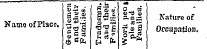
of wealth within the state has been followed by an increase of misery to her laborious citizins . And , whilst all tho secondary interests arising tcom labour have received tbs attention of the legislature , and he protection of the law—including law interest , Chare !) interest , Efwt and * West India Docks , Ac ; : and , whilst men in their social relations in life uav » been inclined to admire the products of the skill and ingenuity of our working population , they seem to have neglected the physical welfare of the labourers ; and , though an increase of wealth baa given an in crease of comforts and luxuries to a few , the following evidence will convince you that it has in no way tended to promote tho welfare and happinesa of tho producers . From a mass of information nowtefore aa we quote tbe following documents from parliamentary reports : — Tablo showing the Comparative Mortality of different Classes composing the PopuUtioa of Large Tonna and Citien with the Average Age op Death .
Untitled Article
Time and space do not allow us'to write all we know of the people— but we regret to be compelled to state that we have personally known many deaths from starration ; tbat our experience teaches us that the English working people are rapidly declining in physical Btrength ; that vagrancy and disease are cm the increife ; that myriads of families in tbe localities wkick we « present , have no visible means of living ; public works in many cases are closed , nnd all trade suspended—language fails us to describe the misery and wretchednefs everywhere manifest .
We d 6 not bow wish to di » onss all the causes that have conduced to bring about the present state of English society , as such a wiah would imply the necessity of an inquiry into the organisation and circumstances of tbeentire community ; but we do desire to impress upon your minds the great truth , thafc if the producers of wealth are not cared for—if they are to exist as the mere hewera of wood and drawers of water , whilst others possess the wood and drink the water , anarchy , confusion , fever , and death will stiik triumphant through tbe land—that the continued neglect of the interest of hbour will sap the foundations of cationil greatness , and in tbe end be ruinous to the true interests of all .
The responsibility between a government and a people should ever ba well understood , and we wish to address the government in plain Jan ? aage , on matters affecting their interests , in common with tbc true interests of the people . Unfortunately the exiatinjt government of England has increased the national expenditure , and has shown an almost uniform determination to protect the interests of the rich , and to overawe the peopfe by physical forse ; toponiah rather than protect the poor ; to trust ; to party ascendancy rather than a developement of our natural resources ; to decrease rather than increase tbe representative
principle ; * o take from the people tbe hst remnant of English liberty . We are aware that from the associations nnd education of the members of the Houses of Commons and Lords , they live apart ftom the people , and inform oar legislators that in the cellars and hovels inhabited by our brethren—in the workshops and factories—in the clubs and in the streets , the poverty and discontent is universal ; and that w ? recommend the English governmezti , to consult the working men in England , oa all questions affecting the social condition of society , and endeavour to con suit the trne interests of labour , st > the paramount duty of government .
We are anxious to secure peace and protection to all ; we respect life and property , aad call on all classes to think of tho destinie 9 of this- great people ; and we would especially call on the- members of the present parliament , snd her Majesty ' s ministers ,, to take goad heed what they do ; toremember tnat life , without an cnj&yment of the requisites of bunwn sustenance , ia more to be feared than death ;¦ . thai there are liraifcs to the endurance of human wrongs and neglects ; that civilhatioavin its present fowa , 5 b to many me ?* cruel and insufferable than tto most rude exiftenee of savage barbarity . We a ? a > ofi toe people , and know the people , and again r « rn the existing ' gdvernr&eut to take good heed whattthe ? do . That despite of our wamiaa they refuse to-o&se for
the peopJe—to acknowl&dg&tbeir rights—^ 0 . legislate ( Or theisr interests—that-the present unhappy war of interests , may become a war of classes ,, and ) that th ? breaking up of the family ties , and local ! associations that biad society toge&er—may lead fco-sapteasaDt cons 3 <§ iiences . If tbo- rulera of our land still contins © ft » legislate on narrow and partial : peHoy ^ , in prefeFasee to an ackno-wfedgetnent of g ? a&t principles w&will regret their follies andcMtaes , and mourn aster their ignoraaso ; and while ¦ w . ei suffer from the ignorance of ethsfSj we will use oar influenco to ahange the insinuations of the e&tafcrr , to create 2 more healthy pu&Sic mind in Csrsat Britain and Ireland , and sectine as an heirloeia to posterity , privileges and cosjifftrts , which we , know to be our ri $ » b , is , but unhappily 3 » not enjoy . Scientific * Institution , \ pti \ 21 th , 1843 .
Untitled Article
THE NATIONAL CONVENTION . MONDAY . Ab * il 17 tlv . In tho absence tf MrM'Gimn , Mr CuMMrao , frwtt Edinburgh , was called to the chair . Mr Clark read a letter from Dublin calling upoa Mr O'Cinnnr to attend a meeting in that city to uiiiiport tba Charter on Easter Monday ; and a variety of letters from various parts of the country , approving of the cwduct of Mr O'Connor andtks Couvantion on Monday , the 10 th .
THE PBIITIbX . Mr Clark said he was anxioua to call the attention of the Convention to the ressrt of the coniraittfl © ef the House of Commons on the subject of the na « tional petition . It was represented that tbat petition was an attexopfc to imp » se upon parliament , and therefore it required some explanation should 09 given . He believed that all petitions presented to tho House of Commons weru inspected by a com ~ mittee appointed for that purpose . Now , in the present iuBtance , the principal part of the signatures were noE obtained until Friday and Saturday before ihe meeting , therefore it was impossible to count them . Petition sheets from L » eria were stated to contain 54 000 ; Manchester , 170 , 000 signatures ; which was taken for granted to be correct , and tiff believed the numbers were correct . ( Hear , hear . ) Mr Fear ^ us O'Connor made bis report of the »
umber of signatures from a written statement which was handed to him shortly before he went down to parliament , therefore he could not be' biamed . Ifc was impossible to prevent improper names being placed to public petitions , and with respect to indecent , signatures , he felt evident tfast ( bey were affixed by enemies of the Chartists . Delegate * could n ? t beresponiib . ' e for names attached to a petition . He believtd similar charges might , be brought apainst every public petition which had ever been presented to pariiarrent . There raight have been some negligence on the part of those persons who prepared aad conducted tte petition , but there was no criminal misrepresentation . ( Hear . ) A great error no doubt had been made of tbe number . of signatures to tbe petition , and therefore ha thought they ought not to bt » ashamed to acknowledge it . They bsd not wilfully . made a false representation to parliament , and therefore he moted for a committee of inqu '
ry-Several delegates stated they were of opinien there must be some mistake on the part of the committee of the Ilouse of Commons , and expressed a wish that they could ? efc tbe petition back again to- * examine it . ( Hear , bear ) The resolution' that a committee be appointed to draff up a statement with respect to tbe signatures to ihe peliUoi ) , in on ! er io eel the public right S 3 regarded the conduct of members of" the Convention , was agreed to by a . majority of 14 to 4 . Mr Clark , Mr Wheeler , and Mr Graham ,. werenominated to draw up tho statement . Mr Julias Hab ? : *? read the following document * " wiiick failed forth great choorina : —
M 0 TT 1 NOH 1 H LIFE AND . FSOPEBTX . PfiOTBCTIOP B" : CI » TY , It « a » rktolveii M & public moetin <; held at tlie Seren . StaM , Barler Gate , on Friday Evening , April 14 . 1848 , That the houtebolders and inhabitants . af jlho ( own ef Nottingham , t ^ en present , io agnsMo enrol themselves as a Life and Property Protection Society , for the following reasons , aud holding tho subjoined o'jects ia riew : — 1 « . — -To prov ? in tha most emphatic manner tbat w& repudiate with indignation nnd abhorrence the inteo . tionc , objects , and sut * of all rioters , thieT « s , piek » pockets , ebopliftsrs , and incendiaries . 2 nd . —To calm tbe apprehensions and 4 o away wit !* tha alarm of all Btanufncturpre , merchants , flhopksrpcr * , and tho middle class generally , tiy affording a » peedy aad » ff « etlve protection to their property in nrilW , macbinerjy irnrehoxtBeBj ghops , dwelling liou » e » iso ., io .
3 rd . —To save tbe town of Nottingham from the great ezfense of summoning and eivoaring in ppecial constables , aa well as to do away nith the vast lose sod unnecessary trouble attending sucli service . 4 th . —To avoid any possible won forgiving r ise to the assertion that the peoplo cA Netting l-ann d * 3 irfl fo > d ' sturb tho pssc « , injure the property , or assault tna persono « f tbe middle classes . 5 ; h . —To secura by the maintenance ot peace , lsw and order , in all public meetings hrld in Nottingham ^ the inalienable rights of the British people to assemble tegetber in all proper placss , anil ut all seasonable houra * to consider sad dlsems their grievances , and to petition , tor the removal of the game by Initiative means .
6 . h , —That aa th « highest legal authorities proclaim ? he undisputed ri g Hl & { xll Englishmen to pOSBCSS and use arms , we fjrthivlth aijree to provide onrseWes vfhh defensive arms at our own Individual ezpeuBa , and for tha protection of life and property , believing the sstue t » be in strict conformity with the uustoms and laws of OUT country . 7 : h . —That ws shall hold oarielres in realite-a to acfc with the authorities in any case when au attack is made * upon toe jroperty or lives of tbe middle or working * olasw . 8 . h . —That all meetings of the society shall be public . CnABLES HoBEBTa , Chairman , All persons desirous of bein ^ r enrolled as members of the society can do so any Monday evening from eight until teu o ' clock , at the Sevsn Stars , Birker Gitev whera every information can bo obtained .
A report wa 9 delivered from the ReeiatrahoS Committee , after xritich tbe foYlomng resolution ¦ wa * adopted ;— ' "f bat the Election and Registration : Committee shall consist of twenty members ; thefivo membsra of tbe Exscutive Committee , and fifteen , persona elected at a tublio meeting to ba holden id ihe metropolis ; any member absenting himself"froia three cousecuti-e meetings to be disfranchised , unless he shall give a valid reason for bo diing . ' The Convention then adjourned . WEDNESDAY , Apru 19 . The Chairman ( Mr M'Grath ) read a letter , giving " an account ; of holding of large meetings at Maccles-Seldand Northampton , at which resolution ? , Jo support of the Convention and the Charter , and denunciatory of the Whiga and their Gagging Bill , had been unanimously adopted .
THE NATIONAL ASSEMBLY . Mr Cocctranb moved , ' That Ayrshire be author * iaed to return a delegate to the ensuing National Assembly . ' Mr Shirron seconded the motion . Ca tried unanimously . THE CHAUTJS 3 PETITION . Mr Clark reported from the Committee which had been appointed io inquire into th-t ftumi'fir' of signatures to the monster petition , that they could not ascertain whether the number of signatures Btated by
the Bouse of ComrooD&as affixed to the petitinn , op th& huniber stated by those who were entrusted wifcit the getting up of tbe petition , was correct . ( fletir . S The only plan that cou >!* J be adopted to- ascertain tbat would be l * r the Douse of Commons to coBsent to the motion of F . O'Sonnor , and appniat a select committee of inquiry . In the absence of the-petition it was impossible to aa-y f n trhicq side the error Jay . The } c ' Uld not torraaoy correct opinion nn the subject- The committee appointed by tba * Gonyentioa consequently had declined drawing up any report .
POSirONKMENT OyTHE NATIONAL A 33 BMBLT . Mr T . Clark said , he hal o * Herved from an answer given by Sip © . Groy . as to a proposed precession ot Mr Cbaria&Cochrane , on Baater Mooday , that it would be impossible that any aiemori . il iotha Qlueen or the goveraaKint ; could b& presented next week , in oonsequence of the Eaater rect 33 , pncl that Ubalionsaof Commofia "WDuld aUo k « adjourned . Ho i thought , therefore-,, tftafc they ought to pualpoms tbe imeeting of the Niitional ^ Siembly for a week , when jiainiaters would £ ^ a n be in town , and parliament \ liave reoumed it » aittings . He tbeneloro moved thafe \ th 8 meettug of tha National Aa « emb ? y shoald bet i postponed from fee-24 th of ^ April until Mondiy the ! 1 st of May . The motion haying leen secrajed , Mr MinyiEEDi aaagoated that it would be as well that the delegates from the couatry should come aj » aad agitate loodon .
After some eanrersaUon , Mbr Whkelsr 9 iid ka was of opinioa that the Convention might lay down rhe manntriawhichjthe As * emb ; y should pieaent t&o memorial Mr \ CiaiS thought the ( Taavention had no ngnfe to arrange ihe business fos-a iarecr body . Mr Si 324 Rt > Ji considered tSat the memo-ial should , be presented by a procession , and he would therefore move aa an amendment tiat they s-hauld meet oa the 2-itbi instant , in orde ? to arrange the course to be HuriSued with regard Jo such pracession . Mr Cochrans seconded the aDjeadiaent , as Ihs only-argument in favor of the motiwa was , that Sir G . Grey vould be ouiof town .
l&t Reynolds supported the motion for various reasons ; not because Sir G . Grey would be out of toffn , but because he thought thejr tbenv = clves could } i » % xt week be better employed in mo 3 tirg their various constituencies , and mutually exchanging opinions . After the specimen of legislation Sir G . Giey had just given them , b / which tbey were liable to transportation for speaking their minds , they should naver mention biananie but with execration , an the Cas'lereaih of 184 ' 8—the Narraex of EngLmd . ( Cbeera ) Iltfth » ugbt tbat thoBe elemod on Goed tbuwffi
Friday should have time toste whether , il' « -y independent language , the country were prepared togo to any sxtsnt ia ilu'ir support , bosause , if so . b < would be prepared to use any language i > ° might consider necessary , regardless of all , ' r''"fS even though he aubjectoi himself to tran ^ . rtatioa fot seven vean , or ( or life . But he would not do so ualeas he had an assurance from tbe people that they S ; SKoSreSlS g , ^ t ^ ev 8 ho , Ul taboat
& ° lubmw supported tho motion . THoy had tosco « wh « i-ti < Biroonntrvinoa wo » ld Submit to live Itt S % offi « ™ enough to fight for tbeir rigbta . He won told tbeie v . ' » s another alternative , namelf , to ba transported . Now , he di-i not recommend fiub'ing but ho would rather be hung or tranapeftedi then star 7 e , ifhefound , howdver , tbat he trm nab aai'P orted bv the eounOy , he . would not $$ fat wd , Mr uWst wished to ask if they fea 4 ' fends" ^ o
Ireuvm.
Ireuvm .
Untitled Article
« Sg 3»— Atienptkd Suicide cv Tom Sisble , ' the Head PACiFiWSon . '—On Wednesday evening , an attemnt at suicide was made on Waterloo-bridge by Mr Stsele , better known as * Toe& Steele , O'Connell * 3 head paoi fioator . ' It appears that tha unfortunate gentleman mounted one of th&sentaon the up . pt . r side of the hridge , andinetantly plunged head foremost from the tbird arch into tha ^ viver , but a watetmaa . who was eross ' ms tbe river in a boat , saeceeaed In ro 3 cninj ; him . He was immediacy taken t > Baw-street police station , and from thence to King ' s College Hospital , where he at present remains . Whilst in therecoiviu ? room of the hospital he expressed a wish to b » removed to Peel ' a Coffee . house .. He also said tbat he had doted ? ery fooliahlv in not waiting till it wasdarl-, a ? then he could have done' tis business efVeeiually . He did not Btato what had induced Mm to iaake an attempt upon his life . Mr Steole formed ? p 9 ? aesscsl agosdfiftatftin Ireland ,. but has laitesty $ Wi i » *^ d . uced cir ^ iaatancoaj
Untitled Article
IHB LATE OHJBTIST BEMOSSTBATIOX . —THB ABMING — THE STATE PROSKCUIIOIM . —GRAND SOIIIEE . ~ TIIK PROTESTANT RBPEilBBS , — O 0 VJ 5 RMMBMT PREPARAS 10 KS . —FAMIHU AKD EXTERMIWIJOX .
Untitled Article
| | l l || III Nature of Name of Place . ? - |^ -g ^|| Qce ijfc , if £ 1 ^ Years . Years . Years . Tm-o 41 ) 33 28 Miners Derby 49 38 91 Agriculturists Manchester ... 38 3 D 17 Manufacturers Briton Union ... Si 23 18 ditto Bethoal Groen 45 26 16 Artisans Leeds Brvrough il 27 19 Manufacturers Xends ) UdIod ... 45 SO 34 ditto Liverpool ... 85 22 35 Commercial County of Wilts 55 48 33 Agrieulturista D' > . of Rutland 52 4 t 38 ditto
Untitled Article
- - - ' XHE :.... ^ QETHE ! , 11 N &TA-. R-. - ¦ , h _ 3 j
-
-
Citation
-
Northern Star (1837-1852), April 22, 1848, page 3, in the Nineteenth-Century Serials Edition (2008; 2018) ncse.ac.uk/periodicals/ns/issues/vm2-ncseproduct1467/page/3/
-