On this page
-
Text (9)
-
Untitled Article
-

Untitled Article
-

Untitled Article
-
Untitled Article
-

Untitled Article
-

Untitled Article
-
Untitled Article
-
Untitled Article
-

Untitled Article
Note: This text has been automatically extracted via Optical Character Recognition (OCR) software. The text has not been manually corrected and should not be relied on to be an accurate representation of the item.
-
-
Transcript
-
Note: This text has been automatically extracted via Optical Character Recognition (OCR) software. The text has not been manually corrected and should not be relied on to be an accurate representation of the item.
Additionally, when viewing full transcripts, extracted text may not be in the same order as the original document.
Untitled Article
f ^ ~ ^ i& $ riirnTO Atrocious ATiEiiFT at Poison in Manchester . —A carious case is under investigation by the police of Manchester . Two well-dressed men , having ; the appearance Of gentlemen , called a few weeks back at a large and respectable cigar shop in Manchester , and were waited upon by a female . It was about ten o ' clock in the evening , and having purchased some cigars , one of them remained in conversation witn the lady , whilst the other smoked his cigar at the door . The one who remained in the . shop deposited his cigars in a handsome box , apparently of silver , and produced from another box , apparently of u e metal lozsngeswhich he offered to ine
same , some , la-iy . She decl ined them at first , but having a colfl , and being assured thev would remove it , she was ultimately persua ' ded to use two of them . After loitering some tinie about the shop the gentleman departed , and had been ' gone but a short time when the effects of the lozenges became apparent . She was seized with a burning sensation in the throat , followed by vomiting , and had to be led home by a fnend . 1 hese sensations were followed by faintness , and pam of the eyes , which affected the sight . She was put to bed and lost all consciousness of what was passing . Three surgeons were ultimately ' called in by-her friends , and an eminent physician , arid with their assistance a portion of the contents of the stomach
were dislodged , containing poison . She entirely lost the sight of her eves for two days , and consciousness was affected for nearly a week . She has only , this week been able to resume her duties at the shop , and the particulars of the matter are now under investigation by Mr . Berwick , the chief superintendent of the detective police , in the hope that he will be able to discover the men who administered the poison . The recent administration of a drug through the instrumentality of lozenges in a railway carriage bas led to the suspicion that the same parties have been at work in this case , and that the object was , bad the poison taken effect sooner , to have robbed the shop . Some traces of the parties has been obtained , but they are not yet in custody .
Elopement of Capt . Douglas with Miss Elliott . —A painful degree of excitement prevailed in Cheltenham last week , on the subject of an elopement . The parties are Captain Douglas , late of the 16 th Regiment , whose name has been recently brought before the public in connexion with a courtmartial , held in the island of Guernsey , and Miss Marianne Elliott , youngest daughter - of Letsam Elliott , Egq ., agentlemau of independent property , resident in Cheltenham . The parties first eloped during the absence of the young lady ' s father on a visit to the Earl Fitzbardinge , at Berkeley Cas ' -le , a few days since , but a clue having been obtained of iier retreat , she was brought home on the following day , and precautions were taken to prevent a repetition of the indiscretion . All the means taken , however , proved insufficient , and on the 7 th inst ., she
quitted her father ' s roof in disguise , and came to London by the next train . Captain Douglas has a wife and two children , and has been resident in Cheltenham for some weeks . The young lady is only nineteen years of age , highly accomplished , and the 'dol of her family , Mr . Serjeant Warren , the author of" Ten Thousand a Year , " who defended the captain before tb . 3 court-martial , and addressed a letter to the Queen uoon the hardship of his client ' s case , thus apostrophises him in one of the early pages of his pamphlet : — " Captain Douglas , himself a father —the father of lovely children , and one of them a son ; but the mere sight of them is agony to him ; for they bear , alas ! a now dishonoured name , and are the unconscious offspring of a ruined outcast —that gentleman I believe to be at this moment one of the most deeply injured men in your Majesty ' s dominions . "
Rochdale Savings Bank . —The following notice has been issued by Messrs . John and James Fehton : " In consequence of the position of the Rochdale Sayings Bank , Messrs . John and James Feriton beg to inform the public , that they have decided to receive at their bank any sums not lower than £ 1 ; hoping that shortly some other means may be afforded for the public convenience . Their present rate of interest is £ 210 s . per cent . Should the deposits of the Savings Bank be paid in cheques , Messrs . J . and J . Fenton will be glad to accommodate the depositors by taking the cheques at their bank , the same as money . —Rochdale Bank , 6 th March , 1850 .
Important Factory Case at Blackburn . —At the petty sessions on the 6 th inst , the Messrs . Hopwood , cotton manufacturers of this town were summoned by the sub-inspector of factories , Mr . Ewings , foran infringement of the act regulating the duration of the hours of labour in factories . An applica * tion for an adjournment by Mr . dough , the advocate for the defendants , was refused . There were fifty cases , only one of which was heard , viz ., the case of Ellen Wood , whose evidence conclusively established the case against the defendants , she having commenced work at six o ' clock in the morning of Wednesday , the 2 fth ult ., and was still employed at her looms , oa the occasion of Mr . Ewiog's visit at twenty minutes past six the same evening . After a short consultation , the bench fined the defendants £ 70 ( £ 3 each in ten cases , and £ 1 each in forty cases ) , and costs .
Alarming Fire at Manchester . —An alarming fire broke out in Bateman ' s-buildings . Blackfriars , on Sunday iiight , and was discovered by the police about ten o ' clock . One front of the pile of buildings is to the river Irwell , and was partially occupied as a cotton factory . It is five stories high , and the flames were seen from Blackfriars-bridge , issuing from the windows of the fifth story . When Mr . Rose arrived at the spot with the fire-engines of the borough , the flames had reached the next story below ; and the buildings adjoining and surrounding being very closely packed together , great alarm prevailed lest the fire should extend up to Dean ' s-gate in which case it must have made havoc with a vast amount of property . One ground for fearing that the fire ; would not easily be subdued was that , besides the
combustible materials in the upper part of the building , there was an immense Quantity of tallow stored in the cellar , wh-ch had the flames have reached it , must have fed them , and placed them beyond control . Not many doors distant there was also a gunsmith's shop , with a good deal of powder in store , and much fear was entertained of mischief on this account . Four engines from Manchester and three from Salford were set to work , however , with such effect , that in half an hour the fire was under the control of the firemen , and before it had reached the chief sources of alarn , whilst the destruction of property was limited to about £ 2 , 000 worth , a very small proportion of what it was once feared must fall a prey to it . The cellar story , filled with tallow , is occupied by Messrs . T . C . Horrocks and Co ; , refiners , whose stock received no injury . The next floor was partly occupied by Mr . J . B . Thorpe , as a beaming arid
dressing room for the warps of cloth , and as a mechanics' shop . A good deal of the materials in this story were destroyed by the fire , but the floor was not burnt . Mr . James Buckley , wood turner , ¦ who had materials on another part of the > ame floor , sustained no damage from the fire . The third story was wholly occupied by Mr . Thorpe as a weaving roam , and about thirty out of fifty-seven looms were destroyed . ^ The fourth story was occupied by Messrs Gibbons and Brown , mechanics , and their stock was entirely destroyed . The fifth story , in which the fire commenced , was occupied by Mr . Hector Christy , with cotton winding and dressing frames , and his property was nearly all destroyed . The roof , two of the tipper floors , and part of the third were destroyed . Mr . Thorpe has an adjoining mill , and Mr . Christy another , and both these were on fire several times , ' but the vigilant exertions of the firemen as often checked them and saved them from
destruction . Another large cotton factory adjoining was also on fire several times , but was saved with but little damage . Of the £ 2 , 000 worth of property destroyed about £ 1 , 100 was in the stock of the several occupants , and the remainder is the estimated damage to the building , which is covered by insurance in the Phoenix Company . The stocks in various parts of the building are insured by the Rojal'Exchange and Yorkshire offices . The flames shot up to a great height at one time , and , being seen at a great distance , drew together an immense concourse of people . By twelve o'clock the flames were almost entirely reduced , but several of the engines bad to be kept p ' aviug on the building all night .
Ploughing By Steau . —A trial in this way was made at Grimsthorpe , on the 7 th inst , by Lord Willoughby d'Eresby , The machinery employed consisting of a small locomotive engine , with a capstan attached , moving on a portable railway . An ordinary plough , followed closely by a ' subsoil plough , was drawn by a chain from the . capstan , working with perfect precision , and at a greater depth and speed than usual . Several gentlemen and farmers who were present expressed a favourable opinion of the experiment .
A Fraudulent Preacher . —The . Kendal Mecvtry tells a story of a preacher who made a great sensation the other day in one of the . " secluded dales" in that neighbourhood . After he had astonished the entire neighbourhood with his eloquence , it was whispered abroad that the admired preacher was not in holy orders , and had unlawfully desecrated the place of worship . The rural dean has referred the case to the high dignitaries of the church , and the result is , that the parties are cited to appear before the Ecclesiastical Court .
Cases of Poisoning . —Some weeks after Christmas las ; an old man . named Samuel Tunncliiff , formerly a- weaver , and whoresided in a small cottage of his nwo at Bullerton , went to reside at Swinscoe , nearAshbourne ,-with ay .. ung man named William Chadwick , who had married his newphew ' s daughter . Not feeling comfortable in his new situation , the intended returning to his cottage at < Bullerton , hut he became unwell , and died after eight or ten days' illness . After 'the ' old man ' s decease Chadwick , instead . of employing ajoineror undertker to provide a coffin ,. took the dimensions of the body himself , and had . the coffin made to order . lie then screwed down the lid with his own hands , and had the deceased buried in the churchyard of-Blore .
Untitled Article
1 ffim * 3 i « te ^ afteF' * ** 8 rtea forr ^ BuirerlOTPaSo claimed the old matfs , property , which ; con 8 isted of a dilapidated cottage and twojjlots of land , valued at about £ 60 . Tunncliffe had , nearer relatives ,, , who at the time were in possession of the property , and circumstances had raised a suspicion that he had been foully dealt with , the body was exhumed , and the stomach and intestines subjected to a chemical analysis , the result of which showed that the deceased had been poisoned .. On the inquest which ensued , besides the preceding facts , it was proved that Chadwick had asked for arsenic at a shop of a druggist in Ashbourne shortly before the old man ' s death , stating that he wanted to poison rats and mice . It was also proved that when Tunncliffe was dying .
Chad « ick pressed him to sign a deed , which , however , he did not do , and that during the illness of deceased Chadwick gave him his drinks . The coroner ' s jury returned a verdict of wilful murder against Chadwick ,. who is in custody . He is a remarkable tall man , with a heavy sluggish expression of countenance , and is occupation is that of a labourer . He betrayed no emotion during the proceedings , but is said to have made statements since calculated materially to strengthen the evidence against him . Another case of poisoning has been discovered at Castle Camps , in Cambridgeshire , of which the following are the particulars : —Susan Lucas , wife of a labourer at Castle Camps , died on the 22 nd ult , after a verv short illness , in the curse of which she
exhibited all the s ymptoms of having taken arsenic , It was immediately rumoured that she had been poisoned by her husband and sister , who were said lo have been guilty of incest . In consequence the accused parties have been arrested , and the coroner ' s inquest has been adjourned , in order that medical evidence may be procured ns to the cause of death . In the meantime the charge has been brought before the magistrates in petty session , and the witnesses examined appear to establish a strong case against the prisoners . The female prisoner , it was stated , ' prepared the mess for the deceased , which led to her illness , and the male , it is said , had expressed his desire to get rid of his wife either by death , or otherwise , " as he had a bastard child coming , " They had both been committed to stand their trial at the assizes .
Untitled Article
iraflitB . Abolition op the Irish Court . —The question of the abolition of the lord-lieutenancy is privately debated in all parts of the city . Saunders' News Letter of Sunday last contains the following : — "The contemplated arrangement is to create a Secretary of State for Ireland with a scat in the cabinet , and to transfer to him , by Act of Parliament , such of the executive rights as are at present vested in'the Lord ^ Lieutenant . The prerogative rights will go to the Queen . This Secretary for Ireland will have a parliamentary Under Secretary , and an office establishment , uniting the Chief Secretary ' s Office in Dublin Castle with the Irish Office in London . .,
By the constant residence ' in London of the Secretary for Ireland , Irish members of parliament will have the government of Ireland always on tho spot , without dropping in at the Irish Office , or going to the Home Ofiice , or writing over to a Lord Lieutenant of Ireland , as at present . These arrangements will of course involve some others , and be perhaps themselves somewhat altered , but the abolition of the vice-royalty is expected to take place before the opening of next session . Such at least is understood to be the proposed changes . An occasional visit of the Queen is part of the plan . " Cultivation op the Soil . —In that quarter of the island where improvement was more imperatively needed , the symptoms of a return to a better state
of affairs are gradually but surely gaining reality . Even in Mnyo , the stronghold and last resting place of tbo famine , it is admitted by the Castlebar Telegraph , that the gloom is dissipating before the fair prospect which is at length dawning upon that impoverished district . ; At the assizes now being held in various parts of the country , there have been some , convictions for offences of a very serious character . In Waterford , on the 7 th inst , two men , named Downey , were found guilty of the murder of Michael Hogan , a person who had been sent to the lands of Curragaun , in that county , to distrain for arrears of rent due by a farmer . . On the . 6 th inst at tho same assizes , four men were convicted of having made an attack
on the police barracks of . Cappoqum in September last . During the trial there were fifty pikeB , fixed upon ash poles seven feet long , lying on the table of the Court-house . These instruments furnished strong evidence of the intention of the parties under prosecution . In Limerick there was a conviction of two men for a whiteboy offence—an attack on a dwelling ; and , in the King ' s County , a man named John Ryan was convicted of the murder of Staff-Sergeant Grant , who was assassinated in November , 1848 , whilst on his way to Shinrone , whither he was proceeding to pay some pensioners . As yet few remarkable cases have been tried at
these assizes . In Westmeath Mr . William Vise , a p erson holding the rank of a gentleman , has been acquitted of a charge of murder for Bhooting a man named Flynn , who was one of a party of men who came to take forcible possession of a house .. The case excited a good deal of interest when the occurrence took place . Mr . Vise is married to the niece of a deceased gentleman , Captain Ogle , and was in occupation of the family mansion at Dysart , in virtue of a will bequeathing the property to his wife , and disinheriting the nephews of the deceased . The latter came with a numerous pavty to take the house by force , when Mr . Vyse fired and shot one man dead , wounding another .
Extraordinary Outback . —The Limmck Reporter contains the following strange statement . If unoxaggerated , it is quite a new phase in tho relationship between landlord and tenant' . — " Great excitement has been created in the neighbourhood of Croom by one of the most daring attacks , made within our remembrance , by a party of fifty or sixty men , with whom was Mr . Bevan , of Glen Bevan , on a respectable farmer of the name of Fitzgerald , the holder of twenty acres of land at Bawnogue in that neighbourhood . It appears that Fitzgerald had been dispossessed , and was re-admitted by the land bailiff of Mr . Bevan ; but that gentleman , on the day of this awful occurrence , denied that he had given authority to the land bailiff to admit the
Fitzgeralds ; and such violence was never , we believe , before witnessed in that or any other part of the country . To describe the fearful manner in which the Bevari party acted would be impossible . Demands were made on Fitzgerald to leave the house ; he declined doing so . Then began the row . Sticks , stones , every implement that could be laid hold of , were used against the Fitzgeralds , who resisted , as well as they were able , the outrageous treatment they received at the hands of the Bevan faction . One of the Fitzgeralds was left for dead on the wayside with , three fractures of the skull . The police of the Ballycollen station were on duty in the neighbourhood . Their attention was attracted to the scene of the outrage . Bad it not been for their interference further injury , and perhaps a great loss of life , must have been the result . The constable and party succeeded in arresting four
of the ringleaders whose violence they witnessed . They brought , them before Mr . Lyons and Mr . B . Maxwell , handcuffed ; but , strange to say , those Gentlemen refused informations against the depreators , whilst they took informations against the Fitzgeralds . The facts having , however , been laid before Mr . Gould , R . M ., he took the informations of the Fitzgeralds , and the case is to undergo a further investigation on Monday week , summons having been issued for that purpose . The Beven men , it need not be said , succeeded in ejecting the Fitzgeralds by this new process of entry and ouster ; but with what result remains to-be seen . Tho greatest excitement continues to prevail on the subject throughout the country . " We extract the following details of house levelling and starvation from the Limerick and Clare Examiner' . —
" On Saturday last W . Leake , Esq ., sub-sheriff of tho county of Limerick , accompanied by a large party of police from Newcastle and the adjoining stations , and a number , of bailiffs , proceeded to . the lands of Baheenagh for the purpose of dispossessing a body of occupiers . The wretched work was soon accomplished . After turning out thirty-four families the bailiffs proceeded in their work of demolition , and rapidly and summarily executed the task assigned them . . The dwellings which were habitable a moment before were in ruins the next . A long rope was attached to the rafters in such a manner that the entire roof was dragged off in a haul . No scene could be more heart-rending . Old men and women , young mothers with infants at their breasts * , weeping children of every- ago were
put out together , bomo or them were stretched on the bed of sickness in fever and d ysentry . It would move a heart of stone to hear these poor creatures demanding a respite for a few days until they would be able to rise , or would have breathed their last . The houses demolished arid tho victory gained , the landlord cautioned- the" relieving officer of the district against giving , relief , lest any . of . the poor creatures should attempt to , find ; shelter in the locality .- 'Lot them go to tho workhouse . ' Thus , in one part , of the electoral division of Kilcedy wore thirty-seven families thrown houseless on the world , a 3 they could not afford to pay ; former rents , an impossibility which the landlords themselves have fully , demonstrated . - Tho whole of these families , amounting , at five members , each , to 185 souls , nms
Untitled Article
45 econw ^ aTgeabie on the rates and resources of the Newcastle union .- . . ¦¦ < ., ¦ ¦ : ^ v ^ -jo ; ; ' ;; : ^ aiv . iTW ' «« A young . woman , Mary Donnellan , M- Rinana , left tho Ennis Fever Hospital , and endeavoured to crawl home ; faint and fasting . ' adistance of ten mile 3 ; she got into some kind of a wretched old hovel , where she was found next day dead m hunger and exhaustion , and her face eaten away by rats . ' ' ¦ ¦ ¦ \ ¦ : '> ¦ . ' \ . "A hitherto powerful athletic man , Michael O'Brien , for strength the pride of the village , died of starvation on Monday at a place very properly denominated 'the hulk , ' and there ho remains till the hour-1 write ( Thursday ) uninterred . This man rec eived a marriage portion of . £ 70 , and leaves now a widow and six children , one of whom is a stalwart form of living death , bones and sinews kept
together by the tise of a few stolen turnips , for the last eighteen days . I saw crowds- of hungry -candidates last night about ten o ' clock , returning from their unavailing mission to the . workhouse , in the most lamentable state of destitution , after their fourteen miles' journey . Would to God that some Christian friends who read this unexaggerated statement would transmit to Rev . Mr . Furness , P . P ., fqme assistance to help his deplorable flock in this their time of fiery ordeal . Rents in this lo-. cality are enormous—in some cases £ i 15 s . an acre ; and in others £ 3 , and down to £ 1 15 s ., without any authentic reduction that I could vet learn . " It would appear , from the subjoined paragraphs , contained from the Nenagh Guardian that the land is as fertile a source of contention in the county Tipperary as ever .
" On the 6 th mat , as Michael ltyan , of Upper Church , was in the act of seizing a cow , under a distress for rent , duo by a man named Jamos ltyan , John Ryan struck him with a pitchfork on the head , from the effects of which he lies dangerously ill , his skull being fractured , but it is hoped he may yet recover . " At one o ' clock on the morning of the 7 th inst , three brothers , named , James , John , and David Carey , seized for rent cows belonging to Denis , and Pat Sweeney , residing near Cashel . After the seizure having been made a quajfcel took place and a riot ensued , in which both wio Sweeneys were seriously -wounded , one of them , having received a blow of a stone , which fractured his head , and blaced his life in imminent danger . " ... :
Piracy . --A most shameful outrage was committed last week by the . inhabitants of Boffin and tho neighbouring island , upon an Austrian vessel named the Avelette Bochesi . jit appears that the vessel sprung a leak , and . becoming unmanageable from stress of weather ,. sho . drove . on Shark Head , whereupon Mr . H . Hildebrand , with the coastguards and others , came to their assistance ! but . flnding it impossible to bring off the vessel , they immediately returned : to Boffin for further-aid , after which a large-number of persons , armed with hatchets ., heaaed by ' aperspn named Qfrady , attacked the crew , and plundered the sailors and vessel of every portable article . The ruffians actually forced some jewels , worn by ; the captain and mate , from their persons .. Eleven of these pirates have already been lodged in gaol , and it is probable that
an admiralty commission will issue lor their trial at the ensuing assizes . " .. '¦• ' , The authorities seem to be taking timely precaution , to prevent anything like a renewal of the Dolly ' s Brae affair on St . Patrick's Day . Strong detachments of military and constabulary , are being sent to those parts of Ulster where there is reason to apprehend the Ribbon party may be disposed to celebrate the feast of the patron saint . Some companies of the 1 st Royals , and a portion of the Eimiskilling Dragoons left here on Monday for the north . Rkpbal Association . —Bankruptcy looms over Conciliation . Hall . The rent has fallen to £ 9 , and an adjournment of three weeks is agreed to in order to give the small leader time to start it in the provinces , in the hope of raising the wind outside the pale of an ungrateful metropolis .
Untitled Article
—^ POWDER-MILL EXPLOSION , AND LOSS OF LIFE . A fearful explosion took place On Monday , afternoon at the powder mills of Messrs . Curtis and Harvey , near Hounslow , attended by a lamentable loss of life among . the workmen present when the accident happened . "The buildings-are situated about two miks from the Houqslow Railway-station , and about half a mile on the southern , side of the public highway ^ and are surrounded b y a belt , of stately trees . They are approached by a narrow cart-road , and the situation in which' they are placed appears to have been carefully selected to prevent the occurrence of a catastrophe like that which , has just taken , place . On Monday afternoon , about half-past 3 o ' clock , the inhabitants of the surrounding district were startled by a sound resembling the discharge of a whole park of artillery , which shook the houses to their foundations , and made the inmates rush forth in . terror . and
dismay to learn the cause . A dense cloud of smoke was seen rising in the air , and the bodies of men hurled aloft with portions of the building were observed to drop among the trees which surround the mills . Scarcely had this taken place when another explosion , ; of still greater violence than _ the first , was heard , and the roof of one of the coming-houses was blown , upwards to a great height . A third explosion then took place , louder than all the rest , and so tremendous that its effects were sensibly felt at Brentford , Kew , and even . Richmond , from which places several hundred people started to ascertain what accident had happened . It is also said that horses and pedestrians nearly , a mile away from the mills were thi-own down by the concussion . Several other explosions are said to have taken place after this , but owing to the confusion arid excitement which prevailed it was impossible to-ascertain the exact
Humber . ; . . . . ; The scene which followed baffles all descriptionwotiien rushed madly forward to ascertain the fate of their husbands , and children also hurried to the spot to know if their parents had been injured . A dreadful spectacle presented itself when the crowd ol anxious inquirers reached the mills . No less , than seven of the buildings were found levelled to , the ground , and scattered in different directions were the miserable workpeople , some bleeding profusely , while others ; scorched and blackened by the explosions , could hardly be identified by their friends . Five were quite dead , and in . the surrounding fields the shattered remains of ; three or four human bodies were found , so that the whole number killed on the spot is
supposed to be eight or nine . Several of the sufferers stiij alive are so frightfully injured that no hope of their recovery is entertained . Res pecting the cause of the explosion nothing is at present known . It is believed that the first took place in one of the corning houses , but all the workmen employed there have been either killed or so dreadfully injured as to be unable to give any account of the way . in which the accident happened . Besides the destruction of the works already alluded to , all the small houses occupied by . those employed on , the premises have had the glass in their windows broken , and the roofs displaced ' . Every exertion appears to have been made
as soon as the extent of the catastrophe was known to obtain medical aid for the sufferers , and to extinguish the flames which followed the explosion . A body of police happened , luckily to be at Hounslow to prevent a walking match , which was expected to come off . from taking place on the public thoroughfares . Their services were aoplied t « keeping off the crowd of spectators attracted to the spot , and a large party of the 11 th Hussars arrived with the fire engine from the barracks , and soon extinguished the fire in the ruins . Until night closed in men were employed in searching the surroundirg fields for the mangled and shattered remains of the unfortunate beings who had perished in the explosion .
FUKTnER PARTICULARS . ' ' ' On Tuesday morning the extent of injury to life . and property by tho dreadful explosion at tho powder-mills of Messrs . Curtis and Harvey , near If qunslow , was fully revealed . It was then ascertained beyond doubt , that eight human beings had thereby-been killed , and that two more had been very seriously hurt . The names of the unfortunate victims are as follows : —¦ Richard Glazier and Henry Strange , who perished in the sporting powder dusthouse ; Robert Goddard , who was in the sporting powder coming-house when the accident took place , and who lived for an hour and a half after the explosion . John Compton was with him , and , though riuch injured , still survives , James Perry , who
was in the middle glazing-house at the time , was killed ; and William Pierce , his companion , was seriousiy hurt ' , and is since dead . In the roller corning-house three men perished , their names being William Borrows , Thomas Penfold , and James Bookraaster . To this list the name of Henry Clifford , next in authority to the foreman of the works , must bo added . When he heard tho . explosion he throw himself into the river Colne , which passes close at hand , and in that position he remained while the roof of one of the buildings was blown right over his hoad . He has sustained some injury , and appears to have owed his life mainly to the shelter which the river afforded . In order to render the account of this intelligible , it is necessary to give some description of tho manner in which tho nowder-mills are arranged . Messrs . Curtis and
Ilarvey ' s works aro within about two miles of Ilounslow , and cover a largo area of ground , probably from fifty to sixty acres ,, the whole , being enclosed by a handsoine park'railing , with a thick fir p lantation shutting it in oh every sido . The area itself is dotted by fir and alder plantations , in the midst of which aro situated the various buildings where the manufacture of powder is carried : onsuch as the glazing mills , corning , mills , pressing houses , . etc ., these buildings being thus ' placed , in order that , in thoevent of an explosion , the trees being thickly planted , might deaden its force and prevent an extension of . the accident . Tho result of the present catastrophe would appear to prove that the plantations of . trees aro not a sufficient safeguard . -.. No less than five separate buildings -the first at least 100 yards from the second-suecessively exploded :. the whole time occupied by the
Untitled Article
Seeidenr beirig ' actvlallj ?^ tmder two mmuteB . TThelliS five buildings . must be understood to form ^ only ' a very small portiori of Messrs . Curtis 'and Harvey ' s works , erections of a similar character being vert numerous abeut'thegrounds , in addition to which the firm have ; very extensive premises within the enclosure , where the earlier stages of the manufacture , such as the grinding- the charcoal , saltpetre , « fcc , are carried on by steam power , and near to which are situated the offices . The works are bounded on the east by the river Colne , which supplies all the water-power required for the corning and g lazing mills , and upon the banks of this river stood three of the buildings destroyed . The accident -was very distinctly observed by
some agricultural-labourers , who were at work in a field within the enclosure , the plantation running between themselves and the river . They describe the first explosion to have taken place in what is stated to have been a treble dusting house , this being the technical term for the place in which first-clasH powder is subjected to a-finishing process , namely that of separating any particles of dust from , and making it up in packages for sale . This building was situate on the west side of tho plantation ; about two hundred yards from the river . When it exploded there appears to have been only two men working in it . The stock of powder it contained was , however , about eight or nine barrels of ono hundred weight each , and as a matter of consequence , every particle of which the building was composed , from the
foundation to the roof , was thrown up into the air to an enormous altitude , and scattered about in every direction . Some portion of the ignited splinters were blown in the direction of the rivor , and fell upon a corning house situated about tho centre of the plan * tation . ¦ The next instant thjs building was razed to the "round by an explosion which , in its turn , communicated with a second corning house on the banks ofthe river . From this building the force of the explosion directed itself up the banks of the river , and next . destroyed ; a glazing-house , from which it spread to a , pressing-house , after which it did no further mischief . By the explosion of the lower corning-hbuse a mixing-house was fired , which burnt itself out before the fire engines on the
establi s hment could be brought to play upon it . The whole ofthe buildings within the enclosure were more or less injured by the explosion ,. the , tlles being torn off the roofs , and all the windows broken , and the ! effect of the accident upon the plantation was frightful , the largest trees being snapped off and rooted up in every direction . . .... . . . ,. It appears . to-be quite ascertained that the mischipf commenced in what is called the " Treble Dusting-house , " i . e ., the house for " dusting '' or cleansing sporting ; powder , which was situate on the ; eastern margin of a fir plantation , with a field of turnips on the one side of it and tho wood on the " Other . In . this small building no machinery of any . Kind was kept which could at all lead to such a
castrophe . Two small spindles and a sieve of copper wire were the only implements employed ; and how anything could have arisen to create combustion here ' is the mystery which must be solved before the origin of the accident can be understood . The appearance , presented at all the spots where the great explosions took place is , as nearly as possible , the : same ; not one stone being left upon another , the trees for some distance around being shattered , overthrown , and scorched , and the ground being strewed with bricks , pieces , of . timber , and fragments , of machinery . A portion of a water-wheel was resting between the boughs of a fir tree , near its . summit , and several heavy rollers , after being hurled upwards to a great height , 'had imbedded themselves deeply in the earth . Besides tbe five
great explosions , two . smaller , ones occurred , in othfer portions : of the works ; but as these did not do much damage beyond displacing a few timbers in the roof , it is not necessary to enter into any details with regard to them . Among the heavier disasters of the day , the composition-house , that in which the materials of gunpowder are brought together , took fire , and everything , except those solid portions of the machinery which . would not burn , was reduced to ashes . This record ofthe disasters which have overtaken the works of Messrs . Curtis and . Harvey would not be complete without mentioning that the roofs of nearly all the buildings within reach of those where the explosions took plaqe have been almost entirely destroyed , the tiles being displaced as if hy a hurricane . . The windows have also been blown in and the plaster shaken off the walls .
Untitled Article
TO MY ^ ELLOW COUNTRYMEN . Aye you aware , fellow-countrymen , that the bodies , of those , who diejn the hospitals are sold by doctors to medical students as they say to teach them anatomy , . but really to fill their pockets !!! Yo , ur legs , and _ arms are sold just as if it were a butchers' shop ; and all this done under the plea of science ! ! Oh ! oh ! the guinea trade . — -Fellowcountrymen . !—The only . thing really required , is bone setting ,: whieh might . be learnt from lithographic designs , without desecrating the remains of the poor and making money out of their dead bodies . Surely there must and will be a day of retribution !! ' What would the rich say if their remains were hacked and cut up as those of the poor are in the j hospitals ? Mr . Morison , the Hygeist , has clearly shown anatomy to be a perfect humbug . j Yours , Ac ., A Htoeist . London , March 12 th , . 1830 . .
Untitled Article
AJ Romance of Real Lire — Seme , twenty-five years ago , ' a stranger—a Scotchman- 'came to Huddersfield , took lodgings , and after a little inquiry , took premises and commenced business in the retail flour and corn trade . He would ¦ then be nearly fifty years of a ? e , and called himself Alexander Black , in which name he has continued to trade in Hiiddersfirid up to the period of his' death , which occurred some few'weeks ago . From the first of- his reaching the town , he ' paid attention to several females , and made offers which were declined . At length a young girl who obtained her livelihood by deliveringmilK for sale , listened to his overtures ; but as her mental qualifications were scarcely deemed high enough for the " Canny Scot , " he ' tookthe precaution to send
her ; to a boarding school and other places of instruction , to qualify : her to be a helpmate for him . In due time she was married in the name of Black , Fortune seemed to smile . upon the Scotchman ,, for his business visibly increased , ' and also his means of enjoyment—a dwelling of a higher class being occupied by the couple . ' At length there seemed to be a turn to this good fortune , and roost people were surprised to hear thatafiatof bankruptcy had been issued against Alexander Black . The fiat was prosecuted ; it was under the old bankrupt law , when the . exaraination Of the bankrupt was taken in presence ,. of the creditorB , generally in the town where the bankrupt resided . While A . Black ' s examination was proceeding , the sheriffs officer . in attendance , having reason
to believe that all the property . that Black possessed had hot been given up , left the room , and went in search of the ( IIuddersfield ) wife , to whom he represented that he had been sent by her husband " for that money , " and that unless it was sent , he ( the husband ) would have to be committed to York Castle . This representation operating on the fears of the poor distracted wife ,, she went to the hiding place , and produced £ 1 , 100 in gold , which she delivered to the sneriffs , officer , and which was by him speedily laid before the assembled creditors , lo their great astonishment and delight . This bankruptcy being worked to the . end , and a certificate obtained , our Scotchman commenced the world again in the same lineof business—borrowing £ 200 to enable him
to do so from the very sheriffs officer who had so cunningly stript him ofthe secret £ 1 , 100 ; and who ? e faith in Black ' s integrity seems to have been of an extraordinary kind . It should here be mentioned that the affair ofthe £ 1 , 100 so preyed upon the mind of the Huddersfield wife , that she was for a considerable period an inmate of a lunatic asylum ; and in a few years after her release she died , leaving our Scotch townsman apparently -a widower .. A few weeks ago he also died — and then came tlierevelar tions we have now to detail . Fortune had again smiled upon him , and having some £ 1 , 500 to dispose of , he willed small Kortions amongst some memers ofthe family he had married into in Huddersfieldsome other portibns . to bis housekeeper , and the rest
to parties whom he named , resident in Scotland , and whom he described as his nieces and nephews . To this will his old friend , the sheriff ' s officer , was made one of the executors . When one of the " nephews " came from Scotland to look after his interest , he came furnished with proofs to show that Alexander Black was not the name of the party who had been so long known by it ; that his real name was ——¦ , ¦ what , for the sake ofthe family in Scotland , we do not here mention ; that the " nephevy" was the "veritable son of the ostensible Alexander Black- ; that thasaid son had four brothers and si 4 era still living ; that the mother of these children , and the first wife nfthe said Alexander Black , was also still living , ueing now upwards of eighty years of age ; that rt the time " Alexander Black" left Scotland , he left a second wife behind him ; , who is also still living ; that he had fled from Scotland on account of these
marriages , and his whereabouts not known for a considerable . period . —Leeds Mercyry . Revenue of . TiiE . DucnY of Coiinwall . —The accounts ofthe revenue ' ofthe Duchy of Cornwall up to the end of 1849-have been published . Tho whole income ^ received , : including arrears of outstanding accoun tsVamounted to £ 51 , § 82 13 s . 2 d , , The . Fuiiis paid . to . ljis RoyalIlighnes 9 ' suse out ofthe gross income ^ mounted to ^ 29 , 55710 s ., arid tlie payments to the account of the Dulio of Cornwall at tlie . Bank of'England were £ 3 , 750 . These sums , ' together with' £ 5 , 244 ? 16 s . remaining at the bankers' to . the credit of the * account of the Council of , his Royal Hjglinoss : the ' prince of Wales , and the various items for salaries , law , expenses , repairs , tithes , fficT , make up thecxpendituro side of the'balance . A boy , fifteen years of age , has been arrested at Leghorn , for writing ' a revolutionary letter to' ariother . boy . . . . . . f
Untitled Article
¦ w i yi . - ; - ^^""^ Wwl ^ mm r ^ ™ Heamh of Loxdos Dokixg the Week . — The weekly mortality continues to decline ; in the week ending last Saturday the deaths registered in london were 875 , being a small decrease on the previous week . T he steady decrease is exhibited in the following series of numbers , being the deaths returned each week since January , namely , 1 , 094 , S 57 , 933 , 911 , S 96 , and 875 . To compare the moriality of last return with that ofthe same -week in former years ( 18 W-9 ) , it appears that only iu IS 12 and 1 S 46 were the deaths less that 900 ; with three exceptions they were always above 1 , 000 , and in 1 S 4 G rose to 1 . 141 . The average of ten corresponding weeks , corrected for increase of population , is 3 , 095 , compared with which the deaths in last week show a decrease of 220 . Amongst epidemics ,
small-pox , scarlatina , hooping-cough , influenza , and typhus , show considerably less than the usual fatality ; measles and diarrhoB have now fallen to the aver . ige . the latter numbering 9 ; and in the whole epidemic class arc enumerated 133 deaths , whereas the corrected average is 196 . Sixty-five persons died of bronchitis , 71 of pneumonia , 17 of asthma ; the first beins rather above the average , the lust two below it . " ~ In the class of diseases ofthe respiratory organs ( exeks ' ve of pthisis and hooping-couoh ) 171 deaths are included , whilst tho corrected average is 207 . From pthisis , or consumption , 107 persons died in tbe week ; . the average is 152 . _ An infant in Pheasant-court , Grays-inn-lane , is certified to have died of the impure air of an apartment . At Hammersmith , in Downt ' s-yard , King-street , ihe
¦ widow of a labourer sunk under the infirmity of age , laving lived 101 years . Mr . Roy , the registrar states that she had been twice married , and afterwards lived as a widow about 30 year s . A certificate shows that she was baptised ninety-nine yeara ago , at which time she was upwards of two years of age . She has been in the roeeipt of parish relief for many years and her general health , till recently , was tolerably good . In the last week 101 persons -were registered -who bad died in -workhouses , 67 who had died in hospitals , 8 in prison and Millbank Penitentiary . Ofthe 67 in hospitals , 12 occurred in naval and military establishments and 11 in lunatic asylums . The mean daily reading ofthe 1 aromefer at the Royal Observatory , Greenwich , was above 30 in . on every day except Sunday ; the mean
ofthe week was 30 . 179 in . The mean temperature of the week was 43 deg . 4 min ., exceeding tbe mean ofthe same week , on an average of seven years , by 2 deg . 7 min . On Sunday , Monday , Wednesday , and Thursday , the mean was from 4 deg . to S deg . above the average of these days . The births registered last week were 1 , 476 , Mysterious Dbath . —The body of a boy named John Jones , aged seventeen years , was found on the 8 th inst . in the waters ofthe Grand Junction Canal , and it is generally supposed that the unfortunate youth has been robbed by a gang of miscreants , and afterwards murdered . Jones was in the employ of Mr . Taylor , a baker , of Old Brentford ; and on tbe 13 ih ult , be left his master ' s shop , witha basket containing loaves of bread , for the purpose of serving several customers residing at Tonshall and Hanwcll , and did not return ss usual . About a week
afterwards tbe basket in which the d < ceased was known to carry his bread was discovered concealed in some boshes in Colonel Clithero ' s Wood , which is contiguous to the Grand Junction CanaL A fresh search was made for him , and it was not until the 8 th inst , that bis body was found floating in the Caual , a considerable distance from where the basket was found . When the body was removed upon the towing-path , it was found to be covered with bruises and contusions . Information was quickly for warded to the police , and the body was conveyed to the Victoria Tavern , in that parish , where the police district surgeou attended , and carefully examined the body . He was of opinion that the deceased had received some tremendous blows upoa the back part of the head during life . Tbe deceaseJ ' s hands were firmly clenched and filled with mud , as if he had struggled violently at tbe moment of death .
Fatal Accident . —On Saturday an inquest was taken by Mr . Bedford , at tbe Westminster Hospital , on the body of Francis Barry , aged forty-four , who -was killed by the horses and carriages of Earl de Grey . About a fortnight ago , about ten o ' clock , tbe deceased was crossing the road opposite Fendall's Hotel , in Palace-yard , when the carnage of Earl de Grey came from the direction of St . James ' s-park , towards the houses of parliament . The coachman called t'i him several times , bnt deceased appeared tipsy , and staggered agaiust the pole of the carriage ,
and he was thrown down , the tore and hind wheel going over him . Had he stood still the carriage wonlil have passed him , and the coachman did a ' lin Ms power to pull his horses up . He was at once conveyed to the Westminster llospital , where be appeared to be suffering from the effects of some severe internal injury , and he died on the morning of the 6 th inst ., apparently from inflammation of the lung ? , accelerated by the accident . The jury , after a very short consultation , returned a verdict of "Accidental death . "
Suddes Death . —An inquest was held by Mr . Bedford , at the Charing-cross Hospital , on the body of a man who was found iu the streets under the following circn--nstances : —> It appeared tliat abont four o ' clock on the morning of the 6 th inst ., as a policeman was . ' g ping round his beat at Charing-cross , he observed a man lying on his face in the Strand , aud apparently quite dead . Witness had passed the place about ten minutes before , but the deceased was not there then . He was conveyed to the Charing-cross Hospital , and examined by the surgeon , but expired in a very short time , and , as was subsequently discovered , from disease of the heart . The deceased was respectably dressed , and had the appearance of a warehouseman ; butljt . is a singular fact no one has called to inquire " alter Him , nor was a paper found on him wlrcb . couldCSealfto his identification . The clothes will remalffTniti ^ . possession of the constable for that purpoleT , ' , eyury returned a verdict of
? irb k ToTiENffAkiCOTiRT-ROAi ) . —On Tuesday morning , between ; five . and six o ' clock , a fire broke out on the extensive ^ " premises belonging to ] VIr . Gabriel , the -steacaLsaw ^ mills , in Milford-place , adjacent to : J / dridoji-stree % Tottenham-court-road . The pol'ce discovered ^ tbe flames breaking through the roof ofthe mill , which . though but one story in height , extended a considerable depth in length ; a range of cow-hou > es ( belonging to Mr . Howe in Princes-street , Tottenham-court road , ) flanked one side of the building . As soon as the police could arouse the family of Mr . Gabriel , who resided in a
dwelling abutting on the mills , they exerted themselves iu the re-cue of the cows out of the adjoining premises—a matter of no little difficulty , the poor animals being terrified by the fames emanating from the mills , which by that tinw \? ere on fire in every p irt . The brigade and west of England engines -were soon on the spot ; but , notwithstanding the great exertions used by the firemen , tke flames could" not be mastered until the whole of the sawmills were burned dovmand the valuable machinery destroyed . There were also many of the adjoining premises more or less injured . The total loss is said to exceed £ 2 . 000 ,
Fire Akjuhlator . —Several interesting and successful experiments were exhibited last week , at the Iiondon Gasworks , Vauxhail , before a numerouscompany of ladies and gentlemen , invited to witness the effective power of Mr . Phillip ' s new invention for extinguishing fires . After adverting t » the inefficiency of water as a means of quenching flame , and the consequent loss sustained annually throughout tbe kingdom by the destruction of property , to the amount of about £ 2 000 , 000 , he introduced one of tbs smaller of his own machines , and explained that the agent by which be sought to accomplish flis object was a mixture " of gas and vapour . After several experiments on a small scale , to show the success he hai attained by these means , the attention of the company was directed to a compartment of a
large open building , quite twenty feet high inside , 'which was fitted up with partitions and temporary joisting of light wood , well soaked with pitch and turpentine , and overhung besides with , rags and shavings soaked in like manner . The' torch was applied to this erection , and the fkioes , which ascended immediately , at length roared with vehemence which drove the spectators back to a distance of forty feet , and was already beyond the power of water . The inventor then brought forward one of Ms hand machines , and threw out a volume of gascou 3 vapour , which , in a half a minute , entirely suppressed all flame and combustion , and to show that the vapiur which now filled the space was quite innoxious , Mr . Phillips mounted into the loft , and passed and repassed through the midst of it with a lighted candle in his hand . The machine with which tbis effect was
accomplished was rather larger than a goodsized coffee-pot , and consisted of three tin cases , one within another , and mutually communicating . There was a small quantity of water in tbe bottom of the machine , aud in the centre case was a composite cake , of the size and colour of peat— containing , in the middle cf it , apMal of sulphuric acid and cholorateof potash . la order to put the machine into action this phial is broken , and a gaseous vapour is generated so rapidly and in such quantity that it immediately rushes out from a lateral spout with great impetuosity . Mr . Phillips explained that a machine of any size could be made according to the purpose for which it was intended , and that a company was at length formed to carry the invention into effect . The company present , who seemed taken by surprise , very cordially expressed their satisfaetioa-wilh the success of the achievement .
Piwposed Alteeatioxs is St . Paul ' s Chdhchx ^? * —^ vei 7 gesend feeling prevails throughout the Oity in fwour of the plan recently proposed in the . Court of C immon Council , for the removal of the cumbrous iron railiogs round St . Paul ' s Cither amA . depnta . tion to the Archbishop of Canterbury , ^ Zi ? ^ - L : mdon » and : Pean Millman will be he ^ l ^ y three pf the City members . Sir J . Duke , Baron Rothschild , and Mr . Masterman , and it is confiaepHj , expected that the removal will commence early w the ensume month .
Untitled Article
ScoHatrtu The CoLxonEN Monument . — The Invirnest Courier says : "This monument has now progressed to some height , but the fund receives accessions-so slowly , that tbe possibility is anticipated of seeing the monument struck in a half-finished state , and so left soon to become a shapeless heap of rubbish , not much to the credit of that enthusiasm out of which the proposal arose . " S ^^^^^^ v ^ rfS ^^^^ tov ^^ - ^ v ^ - ^^^*
Untitled Article
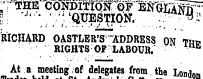
IT the" cdmiTlWof' "STOffigr ° ; ¦ •"'• y ;' question .- ^^ klCHARD OASTLER'S "ADDRESS ON Thp RIGHTS OF LABOUR . n * At a meeting of delegates from the LornW Trades held . at St ; Andrew ' s Coffee House Ho ? born , for the purpose of considering the best means to be adopted at the present crisis , to to arrant the trade and industry , of England , as shall tend to enable the industrious portions of aocietv ta Hv « h »
tbe fruits of their labour—Mr . George Read inthft chair—Mr . Oastler delivered the following address . I came here , sir , ' at your invitation , and was told * that this assembly would be composed of thou ghtful steady , and respectable working men , in ffh 0 Se judgment the different trades of London confide , I am , then , about to speak in the presence of ' tb he _ ad , the heart , and the eye of the different jndns trial branches of this great metropolis , and , throuah them , to the whole of the working classes of thi * mighty empire ; for it it true ' a little leaven leavenelh the whole lump . ' The subject unnn which I am called to speak is the most important that can occupy tbe mind of man embracing it
, as does , the well-being of every . class in society , and of each individual cemposing th ose various classes , r rejoice at this opportunity of communing wjik thoughtful working men thereon , the other clas 8 . & being too much engaged in pleasurable , commer cial , or party political pursuits , to allow themselves any opportunity seriously to enter inio tke invest ? gation of this most solemn subject ; least of all have those men in whom others habitually confide —I mean the great leaders of the different contend ing parties in the two bouses of Parliament - any even the most distant opportunity of devoting either their time or their , great talents to the inves tigation and mastery of . this all-important science
They ,. therefore , habitually . evRde the subject and for the last thirty years have persuaded themselves ana acted . on that persuasion , that Adam Smith had dived into its mysteries , ' unravelled its intricacies and settled the question . . 0 / course , none of them can have carefully collated Adam Smith , if tbey had , ' they . would have discovered , that Adam Smith did not even pretend to have settled the questionbut had left it as full of doubt as he found it . It is , however , a melancholy fact , that , for thirty yean , that delusion has operated upon the legislature of England , and the . absurd notion , that every individual in seeking his own aggrandisement must neces . sarilypersue that course which will benefit society ( which means neither more nor less than that a cun .
ning and a selfish rich mau needs no restraint in hU dealings with the honest and industrious ) , has been the principle , adopted b y every government , as the foundation of . all the newfangled experimental acts that have recently disgraced our statute books , and destroyed the value of labour ; * Well , then ,, upon this principle our English society has been conducted for the last generation . ; and , what Is the result?—misery , wretchedness , destitution , and deBpair accumulated in masses , such as man never bad before to study . * Our philanthropists stand aghast , and hope to find relief by removing a few thousands of the sons and daughters of adversity to distant climes ; but still the . tide of misery keeps
'flowing , and after all . the efforts of the benevolent , the mass of wretchedness increases , until even if the most hardened of the sons of man , dared to diyeinto * the depths of that fearful misery , which , like a sea of death , surrounds us—ay , even if their hearts were as hard as nether millstones , they would , feel for others , and weep as if they were stricken in grief , and clothed in sackcloth and ashes . There is . not in nature an effect without a cause . Our business tonight is , if possible , to find but ; . why , amidst so much industry and such immense masses of accumulated wealth , there should exist such boundless shoals of rapidly increasing misery . There is no mau who more admires the spirit of p hilanthropy which is abroad .
than I do . But , desirable as philanthropy is , noble as it is , it is nevertheless more excellent and more wise effectually , to . prevent ,. than vainly attempt to relieve . Relief , when successful ; is not even a remedy , except when followed by prevention , proving the wisdom of the old proverb— ' prevention is better than cure / I was . , the ,. other ,. day in company with one whom I consider to be the greatest philanthropist in this City , devoting , a 3 he does , 'all his time and all his large income to feed the hungry , to clothe the naked , and house the houseless . I said to him , 'Far be it from me to check the generous impulse of your nature ; but let me ask , does it never occur to you , as you survey the groups of the
destitute , why are they so ? ' ' Yes , ' he replied ; ' but that requires a greater and more expansive mind than mine ; I must be content to occupy a lower bench in the school of philanthropy . My mind is too narrow to grapple with that broad question / That cause must , . however ,, be discovered , that immense question must be grappled with , or the whole of British society will very soon be dissolved . Some years ago we discovered in the . factory districts one of these causes , and for upwards of thirty years we grappled with iti We thought we had corrected hV
but at present it seems we shall have that struggle to recommence . There we found , that the strong athletic able-bodied rean was thrown out of work f the , order of nature was reversed , and to secure cheapness , , women—nay , very babes , were made todo the work assigned by God to men . To such an extent was this cruel and unnatural system carried , that I have known babes of five years of age absolutely worked seventeen hours out of the twentyfour .. But then so darkened was the public mind , that it was said to be a sin to interfere ! What was
the consequence upon society ? "Was it their benefit ?; If the accepted . principle . of the day be true , society must have been improved thereby . Has it been so ? Ah , no ! It began by destroying the home of the working man ; he had no wife there , no child there : it was to him no longer home ! If he could not . find , other employment , his big and manly heart no longer brooking to be fed by those whom he had sworn to nourish , his very ' soul was demonised , and he became a criminal ; another son of labour was then called in , to watch his depredations and apprehend him . Thus were two sons of
labour rendered worse than useless to Bociety , all the expenses of litigation arid maintenance for idle men—wtid ought aud who would have been usefully employed under ,. wise arrangements—all these expenses being , borne by the parishes . Idleness encouraged , ' and . property burthened—man taught to hate , who ought to have been taught to love . And how did the wife and mother fare ? She , brokenhearted , toiled from early morn to late at night ; waiting her strength until strength was gone .. She then wa 3 pauperised , for tbe gain of her employer , but society maintained her as a lingering and expensive atom on its surface . Tlie babes were often
pitied by their mother earth , and called too early to cradle in her bosom , there to sleep the unbroken sleep of the long night of death ; and if , unhappily , yes , I say , unhappily ( for in that struggle , death is preferable to life , ) they we ' re spared on the surface of the earth , they became dfgenerate . I will not trace them in their downward course . Those homes were not destroyed by the 'dogs of war . ' No : England had cried 'Havoc , and let slip tJie icolvei of avarice . ' . The loss . and misery I have just glanced at , is a beneficial change , if the teachings of Adam Smith are tree—they are the natural result of ' let * ting things alone , ' allowing ' every individual to take his own course , in seeking his private advantage : '**
this disorganisation of society is wise , if the so-called ' dictates of common sense' he true ; for those men > women and children , of whom I have been speaking , are ' the few' who are then justly sacrificed to the interests of the many , ' Gdi . d « , required by ' the many ; ' are made cheaper' by the sufferings of these 1 , ' and thus , our wise philosophers tell us , ' th ? benefit to society is great I How contrary is their teaching , to that of God , who , in the Book of Trutb , assures us , 'Love vforketh no ill to his neig hbour . He careth for all . ' How then , upon bis plan , should the factory sjstern have been introduced . Every invention that destroys the value of the labour of man should have been rejected , until roan ' s loss of labour could have been compensated by its use . Till then , that invention became destruction ! Every contrivance to increaie
production b y destroying the Lealth and , home-bapliiness of those engaged , therein , should' haveV been rejected , until it had been also discovered how to use it without such penally , least , of all , should inventions have'been encouraged , that removed the burden of lab ' ourfrpra raan , to cast it upon woffle " and babes ! ' . Again , it is madness to stimulate pro * dMtip ' n by new inventious , havingnor ' egard to # J increased . deman d !' . ' The . ' . scie ' nce ) iow mi scalled polijiicalecquoniy , lias cast . off . all , tfese " considers * tipns—cheapness , and . clieapjissa only , being the goal at which it aims ! ; Anti ^ ve , are , forsooth , vfe professing Christians , are fri g htened by the pl >" " sopliic bug-bear . — 'If we will not thus encourage production , / ' other nations Will ;! ; If we will n ° * aflow free scope to capital and '• ingenuity . otwf . peb ^ Ievriil ! ' And' '" thu& th > y will undersell & > and we shall lose our trade ; ' and our wealth . ' , J *«
Untitled Article
6 ; . ; rm IQ . ft ^ H . RRM s ^ Aff , __ _ _ _ MmmMMor
-
-
Citation
-
Northern Star (1837-1852), March 16, 1850, page 6, in the Nineteenth-Century Serials Edition (2008; 2018) ncse.ac.uk/periodicals/ns/issues/vm2-ncseproduct1565/page/6/
-