On this page
-
Departments (4)
-
Adverts (2)
-
-
Text (13)
-
Untitled Article
-

3m$tv\<d ^arlismnrt. i^ .
-

Untitled Article
-

Untitled Article
-

TQ THE PUBLIC.
-

Untitled Article
-

THE NORTHERN STAR SATURDAY, FEBRUARY 10, 1838.
-

Untitled Article
-
Untitled Article
-
Untitled Article
-

Untitled Article
-

TO READERS & CORRESPONDENTS
-

Untitled Article
Note: This text has been automatically extracted via Optical Character Recognition (OCR) software. The text has not been manually corrected and should not be relied on to be an accurate representation of the item.
-
-
Transcript
-
Note: This text has been automatically extracted via Optical Character Recognition (OCR) software. The text has not been manually corrected and should not be relied on to be an accurate representation of the item.
Additionally, when viewing full transcripts, extracted text may not be in the same order as the original document.
Untitled Ad
T ^ . ™ ^ ; ¦ ¦¦ - . " . ¦ Every Yorkshire Purchaser of the Northern Sf » T , of the 24 th of February , 1838 , will be Presented with a Splendid ' STEEL EFaEAVINa ¦ '¦ - ¦ OF -. - . - , - ¦ - - ARTHUR O'GONNOR , THE EXILE OF ERIN . Every Lancashire Purchaser will receive a like Present on the 3 rd of March .
Untitled Ad
ARTHUR O'CONNOR . We iire compelled to delay the splendid Portrait of ARTHUR O'CONNOR for one week longer than the time specified , for reasons which the following letter from the Artist vrill sufficiently explain . "' - ¦' . London , 5 th Feb ., 1838 . Dear Sir , —I was concerned to : find you called at my house yesterday , without seeing me ; and the more so , because I wanted to show you the impossibility of my being able to finish the Portrait in the time you gave me . I assure you I have made the utmost exertions , and continue to do so , to get
Untitled Article
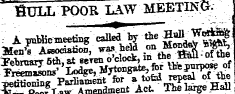
Bull poob law meeting : A ^ bBcmeeting calkd by the ^ fv ^^ SEerf Assodafi ^ , was heM /" J&gJ * gg ^ Sfls ^ i ^ CTr Poor Law Amendment Act . 1 be large nan -S ^ S wtS ^ ^ weened Aeb ^ i ofAe mee&gV a short speech £ * Seh He quoted from the Scriptures to | ow that -fire New Poor Law was ^ nte opposed to them . He Sen calkd aponMx . Co ^ en to more the flowing esolutionswhich be fid fa * ™? ! h
r , SLT * *^ jSSni ^ n * ' &e Planers of Holy ^ Trinity , and St . ttarps , bare long iad the manageaent of the poor , Sfld have exercised the pawn Sh the law gate them in that behalf , to the ^ adsfecfion of &e ^ ate-payere andthe poor . . 2 That iMs seefing most decidedly disapproves <* the Poor fcsir Amendment Act , both as regards its principle -and its details . Of its principle , SJU by ^ stag the fends raised for the rehef of Uie poor ia Sehands of three Coinmisaonera , at «** £ «* Tftrase . the rate-payers are deprived of all which
^ owei If uppking the money ^ taey pay ISTpuS ^ d because this meeting confers SchSS / so vested , to be highly dangerous t o ILSS Bberty , and subWve of d ^ pnnoples < rfjnWoeaadoftheEngbA Consbtut « m . JflSt it is the opinion of this m ^ w , ^ t these sowers given to the Commisaoners by the act , iave fceeTby them exercised in a nwstW manner lo ^ fe fte poor , who have had Ae misfortupe to eome-mider Sdr control ; . -flat they have , without TCfertnce to the character or the arcumstaneesof 1 he Parties , refused relief to the unemployed , able ^ ofiM labourers , unless they submit J » beineareexated in prisons , called Union mrkhouses , there to "be separated , the man from his wife , and the children , from their paremts . ,., „ ,. decidedl
4 , That this meeting most y disapproves of -that part ef . the act which relates to bastardy , inasmuch as it provides that the fetter- of an iDegitiaaate child shall be exonerated from the liability to aBaintaia Ms own progeny , and throws the Jnsin--tenanc * exclusively on the mother , thus changing -a » responsibility from the stronger to the weaker -party—from the seducer to the seduced . Mr . Lukdy then addressed the meeting in a short . speech . , - Mr . Wilde followed him in & speech of considerable length , in which he tool : a short review of the criginof the Poor Laws in the reign of Queen Elizabeth , and a surrey of the different encroachjaents which have been made down to the present Act He proceeded to show how the poor had
. leen libelled , and stated that the amount of . -poor rates was about £ 8 , 000 , 000 per annum , which -the poor were charged with consuming . He showed , : from a printed document , that there was nearly . £ 3 , 000 which the new corporation had to pay , -which used to come out of the Poor rates , and that other towns used to have to pay in the same propor-&on , and that the poor would not cost much above one half what was charged to them . He" was loudly applauded during Ms speech . Mr . "Wilsox then addressed the meeting in a roost excellent speech , ia which he stated that nothing , short of a real Democracy would mate the working any better ; and if we should not be iappier if " we were like Democratic America . During his speech Tie was frequently applauded ;
Mr . Collet Bedsokd , a guardian of Holy Trinity Parish , then came forward , and in a speech of consderable length , went into , the-principles of the New Poor-Xaw , and referred to Lord-Brougham ' s speech , when he introduced his Bill to the House of Lords ; and referred in particular to that jart of it in which he says that the hard working man should lay by out of his wages enough to keep Trim in old age .. He then proceeded to compare his actions with his professions and stated that Lord
Brougham , had received for the four years he was 5 n office the sum of £ 40 , 000 3 nd asked if he ought 3 iot to have saved sufficient to ieep him without receiving a pension of £ 5 , 000 per annum . He -calculated labouring men ' s wages at 15 s . per week ; &t 25 years , which does not amount to £ 1 , 000 . and asked how it was likely a poor man could . save any--thing when Lord Brougham could not out of , £ 40 . 000 for four vears . Mr . Pawsos then briefly addressed the meeting . Mr . "Wxlde moved and Mr . P ^ wsox seconded that this meeting do adjourn till next Monday night . at seven o ' cloekpreeisely , carried unanimously .
3m$Tv\≪D ^Arlismnrt. I^ .
3 m $ tv \< d ^ arlismnrt . i ^ .
Untitled Article
HOUSE OF LORDS . TUESDAY , Fee . 5 . The Lord Chancellor took his seat on the ¦ Woolsack at the usual hour . - The Earl of SHAFTESBUKY presented " a petition from Birmingham against the Abolition of Imprisonment for Debt BilL . The Earl of DEVON presented a petition ' from Ottery St . Mary for the establishment of Local Courts . Also a petition from Devonport against certain provisions of the Abolition of Imprisonment ibr Debt BilL Lord WHARNCLIFFE presented a petition irom the Guardians of the Poor of the parish of Luton , Bedfordshire , praying that the ' rates on houses below £ 10 might be levied on the-owners .
Lord BROUGHAM presented petition * from Tiverton and "Wigton far the Ballot ; also from J ? erih and its vicinity ,: and from the Dumbarton 3 Lefonn Associates , " for the Ballot , Extension of -the Suffrage , and of the Shortening of the Duration « cf Parliament . ILori BROUGHAM also presented petitions from Dent , in Yorkshire , South Shields , Moreland , In Westmoreland , AndoverjUromley , Cawood , - and several other places , praying that the Abolition of Jf egro Slavery might be thoroughly carried into jeffect withontfurther delav . ,
Lord BK 0 UGHA 3 I then presented eleven peiitioia from various-districts of Westminster , ten from Xambeth , six from Finsbnry , and also petitions from CheLea , Poplar , Whitechapel , Bethnal Green , St . John's , CierkenweQ , St . ClementDanes , SL Luke's , Chelsea , from Walwerth , Paddington , -and from the City of London , all strongly deprecating the conduct K > f Ministers towards the Canadians , and praying that the gr ievances of these colonists aright be redressed without further delay , Gne of ihe
petitions from Chelsea ealled cpoa their Lordships to ia-• peach ihe Ministers fox t "" r conduct towards Canada . One of the petitions from Lambeth was subsequently withdrawn , in consequence of the omission therein of the usnal words "humbly pray . " The Noble and Learned Lord aleo presented petitions from several bodies of Dissenters , against any farther grants to fee Church of Scotland !^ and from Bedford , in -favour of Mr . Bowland Hairs plan of . Post-office Bdbrm . ~ ' - The House then adjourned till Thursday .
HOUSE OF ' COMMONS . Mr SCHGLEFIELB presented a petition frpm ^ Birmingham against the existing system of Negro Apprenticeship in the Colonies . Major MACKAMARA juresented petitions from several places in the county of Clare , for the Abo lition of Tithes , Corporate Eefona , Vote by Ballot , and Shortening the Duration of Parliament . Mr . PAEEOTT presented several petitions against the Highway-rates' Bill . Mr . B . PALMES presented a petition from the owners of certain tenements in Berkshire against the bill for rating the owners instead of the occupiers of small tenements . Mr . H . BERKELEY presented a petition from six hundred householders of Bristol against the same
lill . The Clerk of ihe Committee appeared at the bar with 1 he redoeed list of the committee appointed to -try the merits of the Eoxburgh election petition . - " The Clerk of the Committee appeared at fhe bar -with the reduced list of the committee appointed to iry the merits of the Ipswich election petition . Immediately afterwardstheClerk ' of ; the Committee appeared at fhe bar with the reduced list of the committee appointed to try the merits of the Salford ¦ election petition . " .
The CHANCELLOB of ihe EXCHEQUER rose , in pursuance of his notice , to nove for leave 4 o bring in a Bill to amend the Law withrespect to Clerical Members * f Joint Steck Companies . The Bight Hon . Gentleman observed , tfiat he felt it necessary to make his motion in eonseguence of ^ i recent decision by ihe Court of Exchequer ,, to the effect that it -sras unlawful for a xdergy ^ nan in orders to be a member of any joint Htoek company . It
appeared , that in fiie year 1817 , a bill was introduced into die other House , and afterwards passed into a law , prohibiting all spiritual persona from engaging in any trade for gain or profit , and impo ^ ig a penalty upon any transgressor of the law . Not only was that penalty imposed , but it was enacted that the acts of any company imto which such . spiritual persons had been introduced were anil and void . This was the present state of the law , jand the result was . that if asy clergyman became a
Untitled Article
- profllrifefc * of stock in any of those companies , ; not bea > $ charter companies , but being joint-stock f Sitoerships , that the companies in question would » incapacitated from lecovering any'just or lawful debt f and it mightbe pleaded , in bar to any attempt made to recover a debt from persons who had been engaged in business with them , that there was ¦ $ ¦ clergyman a member of the company , that he , vf »§ engaged in trading , contrary to the intent tuiS meaning of the 57 th Geo . HI ., and , confteqafcntl ^ they were not competent to xecover a just dtbt . After a few words from Mr . HINDLEYj « id others , leav « was given to bring , the bill . The CHANCELLOR of the EXCHj 2 QCER moved forleave to bring in a bill for the foundation and endowment of additional schools ai ^ k » Highlands of Scofland .
After a short discussion leave was : gwen to bring in the bill . Captain BOLBERO rose tb mow *> r a return of the number t > f deserters from her Majesty ' s troops stationed in the Caeadas , betwem the years 1830 and 1837 . Great tiesertioDS had taken place from the army in the Canadss , and how could any man wonder at it ? Let the house look at the treatment which the soldiers received . X . et them compare the press of labeur imposed with the pay which the soldiers received . Look at the discipline fallowed
up ! It was sustained too muchhy coercion . Show a little mere kindness and consideration towards the soldiers—let them be rewarded better , and he was convinced that the service would be very much improved . N , * -. ' . "' . Loid Yiscount HCWICE . did not think it right to comply with the motion of the Honourable and Gallant Member , and for this simple reason—that he did not see in what manner it would contribute to enable the Honourable and Gallant Member jto devise any plan for permanently checking desertion from the army in Canada .
After a smart debate in which Captain Wood , Mr . Leader , and Mr . Hume , supported' the motion ; while Mr . Shaw , and Mr . Peter Borthwick , supported the minister in his refu ° al . The motion was withdrawn . - Mr . FRENCH moved for leave to bring in a bill for the better regulation of hospitals , dispensar ies , and other medical charities in Ireland , vrhieh had received the sanction of the president , of the College of Snrgeons in Ireland , and of the hignest medical authorities there . It differed in some respects from the bill of last session , but had the same object in view . Leave was given to""bring in this bill .
COUBT OF SESSION ( SCOTLAND . ) The report on the salaries of officers under this bill was brought up by the LORD ADVOCATE , and after a few observations from . Mr . HUME , in which he recommended a limit to the granting of allowances to retired sheriffs substitutes , the report was agreed to . The Parochial Schools ( Scotland ) Bill , the Medical Charities ( Ireland ) Bill , and the Joint Stock Companies Bill , for the introduction of which leave had been given in the course of the evening , were then severally introduced and read a Jfirst time . The House adjourned at a quarter to eight o ' clock .
HOUSE OF COMMONS . WEDNESDAY , February ? . SALFOB . D ELECTION COMMITTEE . The Committee met at two o ' clock , the Earl of EUSTON in tile Chair . Mr . Thessiger , Mr . Bellair , and Mr . Wrangham , appeared in support of the petition ; Mr . Hill , Mr . Austin , and Mr . Rushtpn , for the sitting Member , Mr . Brotherton . John Oldham having been _ objected to on the part of the petitioners . Mr . AUSTIN submitted that the objection was not properly specified , inasmuch as the number attached to " the voter ' s name did not correspond with the number on the register , or on the poll .
[ It appeared tkat in the printed lists the numbers did not correspond with those on the original register , which had been divided into several parts , each alphabetically arranged for the convenience of taking the votes . ] Mr . THESSIGER contended that the printed lists were those by which the Committee ought to be guided , { and that this had been the uniform practice . \ Mr . AUSTIN having replied , the Committee decided that the objection of the Learned Counsel must be allowed . The Petitioner ' s Counsel then requested the Committee to adjourn in order that they ' might considerwhat course to take as the objection taken would probably apply to all the eases . Adjourned until eleven o'clock to-morrow morning . The House of Lords stands adjourned till
to-mor-HOUSE OF . COMMONS . The Speaker took the Chair at Four o'CJoct . Mr . MARK PHILIPS presented petitions from Ashton-under-Lyne and its neighbourhood , against the Bill for " making the owners of Small Tenements liable to the rates thereon . Mr . BURROUGHESpresented a similar petition , but the description of the petitioners was not heard in the gallery . Mr . T . ATTWOOD presented a petition from the Chairman and Secretary of the Birmingham Political Union against tht Bill . The petitioners stated that if it were allowed to pass , it would have the effect of disfranchising one-third of the borough constituency . Mr . HINDE presented a petition from the Borough of Preston in favour of the Bill .
XEGRO SLAVERY . Mr . SANDFORD presented a petition from the town of Wellington , praying for ¦ the total Emancipation of the Negroes . Sergeant TALFOURD presented a petition from the Protestant Dissenters of Birmingham to the same effect Lord J . STUART presented a petition against the Sherina'Courts BilL Sir W . SOMERVILLE presented a petition from DroghedaJbr a Reduction of the Rates of Postage . Mr . MTQNNON presented a petition from Messrs . Howell and James , and other tradesmen at the West end , in favour of the Law of Patents
Bill . Mr . HODGES ^ presented a petition from 1 , 100 inhabitants of a parish in Kent , in favour of the Ballot . Sergeant JACKSON presented petitions from the clergy of the Dioceses of Armagh and other places , praying for protection to the Established Church . Mr . W . PATTEN presented a petition from the woollen cloth manufacturers of Lancaster , praying for the repeal of the duty -on sheeps' wool and olive oil . . Colonel CONOLLT presented a petition from Donegal in favour of the introduction of Poor La ^ wa into Ireland . Mr . DUFF presented a petition against the Sherifis' Courts Scotland Bill .
Mr . O'CONNELL presented petitions from the Protestant Dissenters of East-street , South Shields , against Negro Apprenticeship ; from Dublin , against the mode of Local Taxation ; from St . Catherine ' SjDublin , against Tithes ; also a petition from the same parish , against the Ministerial Poor Law Measure ; also a petition from St . Ann's , Dublin , praying for Corporate Reform in Ireland ; from St . James e s , Dublin , for the Total Abolition of Tithes and Ministers' Money , and for the payment of the Clergy out of the Consolidated Fund ; also , petitions from the same parish , in favour of the Tote by Ballot , against the Min-sterial Poor Law Measure for Ireland , and in favour of Municipal Reform for that eountrv . .
Lord EBRINGTON brought up the Report of the Committee * on the Standing Orders . Mr . PENDARVES presented js . petition from the Licensed Victuallers of . Cornwall , praying for a Repeal of the Duty on Servants , on Licenses , and ob Windows . ' - - ' * Mr . WAKLEY presented petitionsfromWorking Men ' s Associations in HuU , Edinburgh , Bristol , and Westminster , praying the "House to interfere in order to obtain a mitigation of the punishment which had been inflicted on the Glasgow Cotton Spinnera , -and graying &r a foil inquiry into all the practices of Trades ' -Associations , which had been mneh maligned . ; ..
Mr . HUME presented a . petition ' from South Shields , praying for an Extensiea of the Suffrage , Vote by Ballot , and the shortenk ^ the duration of Parliaments .
UPPER CAHADAMr . HUME presented a petition agreed to at a meeting . in York , in Upper Canada , stating that certain . measures adopted by Sir Francis Head was in violation ; -pf the Constitution of that province ; that by the ^ lst : of Geo . ILL , chap- 31 , it was required -fliat ^ jtjSkets of , the Legislature of that nrovinc « interfering . with the established institutions should not receive the sanction of the Ciewn or nass a law until acpny of the Act had been laid on the table of thai . House . . The petition forther . stated , that a Court -of Chancery had been established there , and that Sir EraucL'JHead . instead of laying the
Untitled Article
row
Untitled Article
. ¦ ^^^ ^^^ ^ i ^ BBB Act estahli' ^ ig ft ou tiSs ; tabfe < & & » t Hoiiaei fa order thr ^ ft ti& 0 \ « cehre her Majesty ' s sanction , k ^ ?* , flis flwtt tftfcord saHctioned tibe Acti and' theref ° re . Aad > « S the petitioners oonfended , lnfringea . on * , *» ^ dnstitut ion . The petition was signed by * e Chairman oh behalf of the meeting , but he believed the Chairman and those who attended the nretetMg had , since they signed the pjedtion ,-bectme . ^ ^ Se we understobd the Honourable Melfifeer to say . ) He should , to-morrow , call the fcttefeifoli of the House to this petition , and move forr ^ fttfns connect ed with it , in order to shew the teXtfeafc of the abuse and the cause of discontent .
Sir ED . KJ ^ ATCHBULiLw bmitted the petition cond not be received , as the ffetitiqn came from indir viduals whom'the Hon . Member for Kilkenny himself designated as rebels * v ' ; Mr . HUME—Oh ! what nonsense . I neter heard of such an absurd proposition in my life . ( Hear , hear , and laughter . ) The petition was agreed to at a meeting in August last , and represented the sentiments and opinions of the country at that time . Was it therefore fit or proper that the petition should be rejected because the person who signed had since become a rebel . If thepetitionhad been agreed to since those individuals joined in the revolt , the case would have been altogether different . ( Hear , hear . )
After some further discussion , the petition was received and ordered to be printed . Mr . HUME gave notice that to-morrow ( Thursday ) he would move for a return of the titles of Acts passed by the Legislature of Upper Canada since Governor Sir F . Head had arrived in that province , and which , by the Act of 31 Gee . III ., ought to have been laid before Parliament previous to their receiving the Royal Assent , specifying the dates of their receiving such assent without having been so laid before Parliament . . Captain POLHILL presented a petition from Bedford , praying for a reform in the Post-office department , according to Mr . Rowland Hill ' s plan . ;
Mr . WOLVERLEY ATTWOQD brought up the London and Greenwich Railway Amendment Bill , whieh was read a first time . Mr . AGLIONBY presented two petitions ; from places iu the Western Division of the County of Cumberland , on the subject of negro slavery . The Honourable Member then presented a petition from Coekermouth , signed by 300 persons in favour of the Ballot . ; Sir H . VERNEY postponed the second reading of the Rating of Small Tenements Bill till after Easter . ( Hear . )
The Common Fields Improvement Bill was read asecondtime , and ordered to be committed on this day week . Sir MATTHEW WOOD moved the seeand reading of the Hackney Carriages ( Metropolis ) Bill . Read a second time , and ordered to be ceinmitted on Monday . Banking Copartnership Bill read a second time , and committed for to-morrow . Mr . O'CONNELL moved for leave to bring in a Bill to amend the Law of Libel . —Leave given . <* No other business of importance was transacted . The House adjourneclkat six o ' clock .
Tq The Public.
TQ THE PUBLIC .
Untitled Article
Mr . Oastler ' s letter to Lord John Russell isunavoid ~ ably omitted for want of room * The same reason must be accepted for the non-appearance of several other articles of
correspondence . Several Books have been received for review , which shall be noticed as soon as possible . The " Lines on the New Poor Law , "'from Brndr ford , do credit to the Author ' s feelings , but will scarce bear publication . Observer very properly enquires , why the Leeds people are so apathetic on the Cotton Spinners ' case . His letter shall appear next week Poetical friends must excuse us for the present .
Thomas Lingard is- informed that we do purpose to give a Portrait of the late Mr . Hunt . We are much obliged to our kind hearted friend at Rochdale for the honest effusion of his good opinion , but our modesty will scarcely allow us to publish it . We know that our object is " to dp good both in public and private , " and we are liappy to hear tfiat it is attained . James Ashton , Middletori , his direction shall be attendedto .
John Knight , Oldham * We received his draft , and beg to inform him , that the price of the Portraits is the same as that of ' thepaper . Erratum , last week . In the letter of James Turner : published in our last , it is stated , by misprint , that a pauper , named Paliner , went 13 miles , instead of Smiles . J v •'" '¦ ¦ The Report of the Ashton Meeting came too late ; it shall appear next week . Silk Weaver's Statement next week .
We have received an important letter relative to the Flogging of Soldiers in the Leeds Barracks . Its insertion is delayed until next week , when tee shall illustrate the Christian and humane practice , by an appropriate Wood Engraving .
The Northern Star Saturday, February 10, 1838.
THE NORTHERN STAR SATURDAY , FEBRUARY 10 , 1838 .
Untitled Article
THE BALLOT . The Christmas holidays are past and gone ; and with them , the hocus-pocus of the Ballot High and mighty were the expectations of the drowning Whiga , from this political straw which was set floating upon the surface of agitation . Great was the expectation from Lancashire and Yorkshire ; but thanks to the indomitable spirit of an oftinsulted people , they saw through the delusion , and successfully opposed the rat-trap , in which the vermin constituency of this Reformed kingdom were to have concealed their acts and deeds from the vulgar
gaze , and searching scrutiny , of those for whom they hold the trust . The archives of political trickery weie searched for shadowy arguments whereon to base the bright to use in secret , that which was intended for , public purposes , and designed to be submitted to general scrutiny . The "ignorant agriculturalistsequires protection from bis tyrant masters , " say * one Demosthenes " Don't refuse aright to another , which tod claim for joHrselves , " says another Political Tyro . " Takeit , as it is « ae of ' the ^ adieal principles , " says . a . tMrds . ageLyeurgHs . Wfishall . Oeal summWarily
Untitled Article
witif ^ se'U ^ ttf ^ nen ^ F ^ regardfothe pro 1 ^ tion ) frM ^ iyts . Dt ^ not eve i ^ maa in his sensesknow , and know full VffeVl , that while hljgh rents ^ are BJreserved by high priceSj depending upon ah' * upjii ) at \ ; liEiwy . } tlie' - : £ enaai ' , under any ^^ ^ circuinstjincesj whethef of ballot , or open voting , will beruled ^ -if not by the secret manoeuvres of ^^ hisi landlord , —by what he considers ^ ^ his interest p iWill he not reflect upoathebest means of preserving that fictitious price , which . the fcora laws , enacted by > and for the benefit bfj his landlord , i has put iipon the produce of his land } thus ihdeniifyinghis interest with that of the landlord ? ^ That then would be
; &e ' ' ^ ea |; ''bo 6 ii \ of ^ e ; 'b ' dlot ' to ; the , f . amer ' f ; . >; Simply , the . opp ^ rtudity of doing that m ^ private , jivhich theartfal pb ) rddn of that coinmuhity ^ now pfpfessa to do reluctantly ; namely , the opportunity of . voting for the candidate , who would pledge hiinself to tip . hold the value of the existing contract between landlord and tenant , Many farmers are now
compelled by political influence to vote for what are called " Liberal men ; " whereas we assert , without fear [ Of contradiction , if self preservation be indeed the , fir 8 t law of nature , — -that the Ballot would divide the enfranchised communiry into two distinct classes Upon bne ^ hand would be the supporters of high prices ; and upon the other , the supporters of cheap labour . ; The Landlords and the Manufacturers
would then be arrayed in deadly hostility , fighting their own battles ; with their respective allies , from the middlei classes ; while the poor producery thus deprived even of the pleasure of knowing his friends from his enemies , would bear the ; blows ; of the political pugilists . The Ballet would convert every agricultural voter into an opponent of '' liberal " measures , lest a repeal of the Corn Laws should follow- in the train of " Innovation . " " Why deny the fight to others , which you claim for , yourselves ?"; To thi * argument we shall : deyote but a
linej Begapse the concession of thehight TO THEM WOrjLD , FOR EVER ^ WITHHOLD THE RIGHT FROM vs , bV withholding the necessity for exercising it . ( t It is one of your Radical principles , " says a third . So is it a principle that a parson should be presented to a vacant church , but not without the tithes . The Radical principle is Universal Suffrage , and Vote by Ballot . But if thefriends of tlje Ballot were really sincere in their professions , when they ask for secrecy , merely to hasten an extension of the Suffrage , \ yhy not at
once accede to the proposal of the Radicals , and fight the battle together ? ..-, Then , indeed , we would be irresistible . The Ballot party and the Universa l Suffrage party would force both measures from either Whigs or Tories in less than one month , Have we not , then , a pght to look with suspicion upon men , who prevent the accomplishment of their " own desires , " rather than assist us in the good work for which alone they profess to value the Ballot ; namely , the securing of the Suffrage ? Aw'ay with such blarney and sophistry ! They
want the Ballot to limit the Suffrage To prevent the ^ Ignorant" people Ironl interfering at elections . To represent their wealth and capital in the House of Cbmhioiis ; to make merchandize of the labouring millions ; and , finally , to trade upon unrepresented indigence , until they shall have reduced the men , women , and children , of this once glorious Enjpire , either to a state of absolute bondage , or to the dreadful necessity of regaining their lost position by an appeal to arms ; i
The i Ballot , with the Suffrage , would be a general [ protection against individual interference with a ' constitutional privilege . The Ballot , in the hands of the present constituency , would be an individual ' s , protection against the universal right ot investigating the mode of discharging a sacred trust . No Ballot—no Ballot—no Ballot -without the vote which it is intended to protect .
Untitled Article
BEER HOUSES . We are constantly hearing of the tyranny and imposition to which Beer House keepers are subjected , by the authorities and their spies . Indeed we exhibited a fair specimen of the lengths to which the law can be stretched , in some former numbers of the Star , but , nevertheless , ; though persecution ceased for a time , it was but to break out ; with increased rigcv . r . In the House of Commons we advocated the cause of those rneri ^ and see no reason now , why their time for entertainment should be limited any
more thstn that of publicans . Perhaps the Aristocracynevtir drink beer after ten o ' clock ; it is their time for something more exhilarating ; but we are at a loss to know why the law , which should protect all who speculate under its provisions , should be unjustly stretched against a particular class ; it fihall not longer be so , for in our next , we shall point out such means as the nature of the case suggests for the defence of those who have justcause of . complaint * The Beer Houses are looked upon by our Goyernmfent , as places for half-cocking the toil-wQrn slayesj who will be sure to put themselves on full-cock , in some gin palace , when the hour comes for denying
them the wholesome beverage . In pur nex ; t we shall put the Beer House keepers on the defensive , while at present we deem it necessarj' toinform them that Captain PechelljM . P . for Brighton , intends to niove for leave to bring in a Bill for preventing beer frombeing drunk in Beer Houses ; the publicans are backing the Captain in this assault , while , at the same time , they are praying to be reUeyed from ani act , which iniposes on them responsibility for goods left in , 'their- custody ; also to he allowed the power of seeing creditors who may be indebted to them in any amount : now we haye no objection to assist i publicans in relieving themselves froni two
unjust and oppressive enactments : but they cannot hope for our support or syippath y , while , possessing certain privileges themselyesj they deny them to others . Preparations are now being made b y the owners of gin palaces , for the purpose of strengthen * ing the ease of the Member for Brighton . Let the Beer House keepers , therefore , prepare petitions without delay , showing the systematic persecution towhich they are subjected . We should like to see a deputation- from the body , in prder to confer with them upon the best means of self defence . They shall have our very best assistance . We are for " fair play , " all the world over .
Untitled Article
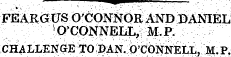
FEARCrCJS O'CONNOR AND DANIEL O'CONNELL , M . R CHALLENGE TO ; PAN . 0 'c 6 n ^ LL , ; m . P . Sib , —In your late proceedings against the Trades of Dublin , you had it all your own way the Trades , generally , had no advoeate > and those of Dublin ; when your slaves , did one the hoiiour " - ' t 6 say that they , searcely knew of my exisfenee .- — Nevertheless , as the question of Labour is a riitioiial question , I hereby challenge you to a ; discussioii upon the following questions ^ and upon the followconditions : —
Firstly ^ argue whether or no Trades '; Associations ar , e beneficial to the Trades . ; 'V . : Secondly , 'to consider ^ whether or no any of those crimes attributed'by you to Combinatibn have been committedy with ; the knowledge or consent of any portion of the Trades' Associations . And ; , ¦ . ¦ . '¦ -.: : ; '• . ¦¦ . [[' ¦ - ' - " ::- . ¦¦ ¦/; . .. . '' :: ¦ ' . ' ¦ - ;¦ ¦ " ' '; ' : ¦[ Thirdly , vrhether or no the House of ^ Commons is such a , tribunal as the Tradeii can safely appeal to for a decision . upon those questions ? Conditions , Free admission , I pledge jinyself that no : n . Qti ( S shall be taken ,
Untitled Article
in the dis ^ gsiph , of the : differencea " , existing between uj , ^ e meeting shall be held when ^ nd where j'ea select , you ; giving me tea days' notice Yoft Me hot to be at any expense , ; Two persons u ^ &ti your part , and two upon my part , are to attend at the place of meeting , to see that / the doors are opened to all at the same houn i You are to speak first , I am to answer ; you reply , and I Tejoin . t after which the . meeting shall decide between us . You must name either London , Dublin , Edinburgh , or Glasgow . I have now givenyou ah opportunity of testing the sincerity of your motives ^ , , ' FEARGUS O'CONNOR ;
Untitled Article
TO TilE TttADEr { JNro ^ OREAT BRITAIN AND ^ IRELAND ; v ; " _ : ¦¦ ¦ :: ' 'tondoh ; , Jan . 1 th , 1838 . Men of the Trades . —I am induced to address you a few words in consequence of certain proceedings which have recently taken place in Dublin , and in which I find' that a . rch enemy of yOurs , Mr . Daniel p'Oonnell , busily at work to sacrifice ; your interests on the altar of Mammon , as he formerly sacrificed those of the poor Irish 40 s . freeholders , and as he has invariably sacrificed the
rightsTof industry wheneverhe has had the opportunity . It is now seven years since I first unmasked O'Connell in the Midland' Representative- ^^ newspaper then edited by me in Birmingham . I subsequently denounced him iti tb&Poor Man ' s Guardian , ; and Destructive ^ as a man utterly destitute of principle , and unworthy to take , a lead in any great national question , or indeed in any question , other than vile Sectarian ones , in which fraud rides on the back of folly , to aggrandize a few Schemeraj at the expense of the duped multitude ; f described him as a
species of political blacklegj whose game was to make all parties , in turfy his partners , that he might discover their mode : of play , and i then victimize them , when he got them for adversaries ; at the same time taking care to make his partners contribute his share of the stakes as well tis their own , and always managing so to shuffle and cut the pack as to give his adversaries the bad hands and turn over all the trumps to himself . Many is the fraudulent cut and shuffle he has made in his time , and many is the honor has fallen to him * in consequence ,
which fairly belonged to the opposite side . This I have often shown ia the Guardian , and Destructive , but I regret to say , with little eflect at the time . O'Connell was then in the hey-day of his popularity ; —the whole of the soi-disant liberal press was on his side , and as I had not a single Journal in the kingdom to suppprt ray views , my exposures of him were ascribed to personal pique or prejudicft , instead of a desire to serve the good cause ; and my writings had , in consequence , no other effecit ^ han that -pf injuring' myself and the interests of the papers I
edited . I well remember the Guardian ' s losing 1500 subscribers in a fortnight in consequence of my attacks on O'Connell ; and it not unfrequently happened that the Catholic Vendors refused to sell it from an honest , but deplorable , belief , that to attack O'Connell was to attack the Catholic religion ! But did that or like circumstanceSj deter me from warning my fellow-countrymen against cherishing a viper in their bosom , that I knew ' , \ wuld one day or other , sticg them to death , if his power should he only equal to his will ? On . the contrary , my
friends , it only stimulated my ? eal to increased exertion . Feeling that I bad a sacred duty to perform I continued from time to time , to rub ; the glare from otF the counterfeit-,, ( in the Twopenny ' Dispatch ' , London Dispatch , and latterly in the London Mercury , ) till the progress of popular ititelliperice on the one hand , and the progress of O'Coiinell ' s own turpitude on the other , had brought a phalanx Of talent to my side , —( need I uamt ; Bell , Oiistler ; and your friend , Feargus O'Connor ? J—which « ooh :
brought down the Goliah , and relieved me frorn ^ H future trouble on his account , O'Connell is now a fallen man . His corrupt practices are known to the whole country . His turpitude is known ( to use his own rhodomontade ) from the bill of-Howth to the wilds of Cunnemara , and from the Giant ' s Causeway to Cape Clear . Every factory slave in England and Scotland is ready to bear testimony to his perfidy- ^ every pauper in Ireland curses the bigbeggarman , who would allow no public alms to am-body but himself . There is not a Trades * Union
m the Empire which is not ready to exclaim with the Trades of Dublin— "You vile Traitor . ' " - - And what is most glorious tif ail , the Catholic poor of Ireland , on whose religious passions he had so long traded , have at length discarded his Worship , and learned the salutary truth that the spirit of Orangeism doesTnot reside in a . man's creed or religion , but in his character , station , and interests . The ; day that witnessed Daniel O'Connell sitting cheek by jowl with Davy M'Cleary , in the rump
of the Orange Corporation of Dublin , and lending his sweet voice to those worthies in their unholy warfare against the rights of labour—that day exorcised the fell Juggernaut-spirit whose worship had so long bewitched and be-deviled the Irish poor , and severed them for ever from the chariot wheels of their idol . O'Connell is now > I repeat , a fallen ¦ spirit ;' .- . and he is fallen , I trust , like Lucifer , never to rise again . May such be the end of all spirits that love darkness better than light !
But why , my friendii , do I draw your attention to these facts ? My reason is two-fold . 1 st—To remindyou how : absurd and dangerous it is to pin your faith to great names rather than to great principles— -to jadge of men by their reputation instead of by their conduct . Had the Irish people judged O'Connell byhis oto « acfeinstead of by the factitious reputation , fabricated for him by the public press , they would have discarded him long agbj and taken their affairs into their own hands ; in which case the public opinion of Ir eland would have been altogether
different from what it is now . What is true of O'Connell applies equally to many" English leaders I rtiould namei . The reputation ; got up for these gentry has hitherto bedizened you from your own solid interests , and lured you away in pursuit of every will-o-the-wi . sp scheme that artful demagogues have conjured up : to amuse you with the shadow while they grasped the substance to themselves . \ Of what consequence to you , ( in your present condition , ) are the thousand and one " reforms'' which political tricksters are
every day putting forth to decoy your attention from the only two objects which really concern you , namely , your wages , and your politicalri ghts \? 'Of what consequence to you , are Church Reform , Corporation Reform , the Corn Laws , Free Trade , Church Bates , Negro Slayer }' , the Pension List ^ Reform of the House of Lords , expulsion of the Bishops j the Balloty Repeal of the Malt Tax , or ev ^ n the Repeal of all ¦ the Elxciseable ^ Taxes ; --of what consequence , I say , are ¦ any , or all , of these questions to you in your present degraded , outlawed condition ? Of none whatever . Were you
indeed in possession' of your , ^ political rights they wopld he of consequence to you , for in that base you would have a controlling voice over the masses of property of Trhich an adjustment of those questions would determine , the appropriation :. But in your present state , that is to say , shut out ^ as you are , from the Councils and Institutions of the country , it sig ^ iifiW not how these questions are decided ; for however the masses of property affected by them may be made to change hands , ino portion of it will fall to your share , or pass put of the hands of some one division or other of , the present constituent body . The various interests
Untitled Article
whfch compos ^ ^ Inilvide , and shift , and sCTanvble for , and fesy aBont , the property in questiov ; but , Iirepeai again and again > that though it be ^ 1 dhWic property , qq share of it will everget intoi your hands , or , be appropriated to your use so long as you ; shall liayer no voice in the legislation of the eoikjtry . The only question , then ; wbich ^ r the ^ re » en ^ uld occupy you ; are yonr wages and ^ ompolitical i ^^ jy ^ , these your attention has ^ en hitherto det ^ ed a ^ ay by demagogues and tiie press ; , 1 have lo , g ^^ nessed the fact ; with paiii , and . that ia one ^ rt two reasons why I commence this letter it-fa reminding you of my former exposures of O'Coa ^ nell .: ' .-.: ; . v .- ; .. ;^ . •••• ¦ ¦ ,: ¦ - . . ..:: , ~ :..- ¦ - . : .-: ,.- ¦¦;¦
'My other reason is , thatI may satisfy you of my owri trust worthinessf in tespect of the advice , or rather suggestions , I am about to offer you . If during -a period of ^ ; seven year ^ , that vs . io say , since the beginning ^ of xoj political existencej I have neverdeceived . youin . a single instance , either with respect to men or things ^—if , during that timp j I have never shrunk from unmasking all ypur' deceiyjers , no matter to what class they belonged ,, no matter with
what pomp or popularity . surrounded , no matter though they were a thousand to one against me ^ and though I had been ni }* self the xm conscious instruirientof their elevatipn , - ^ if I say ^ I have always thus acted , ( and the proofs are in my writings , ) never for bnemomeht turningU ( theright or to theleft , bu . t uniformly presenting mea and things in their true light , and movingr straight forward to the one singleundivided object , the prosperity and happiness of
the labouring nonulatinn •—^ . { f- T »» v ; tWak « a Vocn . the labouring population ;—if , I say \ this has beent my conduct heretofore , I trust I do not now ehdat too much when I call you to ; credit my sincerity in offering you the following reflections ^ howeyer you may doubt the wisdom . .. ; b ' f the reflections ' themselves . ^ : ; ; ¦ '" ¦ '¦ ¦ / . -. '"' '¦ \ ' - ' . ' ¦ -- " - ' : / : ' ; . "' . ; . - .- : F . irsty with respect , to the Trades' Meetings in .
Dublin , yvhat was the object of those meetings ? - The object of O'Connell and the capitalists was topass certain resolutions condemnatory of" Trades : Combinations generally ,, hut particularly r of the combinations existing in . Dublin . The object of the ; tradesmen / on the other hand , was to prevent sneh resolutions from being carried ^ or in other words , to maintain the justice and necessity of their
combinations . - : --. ' ' ^ : / - ¦' .-:. ' ^ - ' " :, ¦'¦ ¦¦ : : '; . V ' :- ' '' : The first question which 'natupally occurs in . the affdir is this . What business had O'Connell to interfere in a matter which j apparently fionGertia only employers arid their men ? This question was repeatedly-. and vehemently . ' . put-to O'ConaeU ; by the tradesmen , but neither O'Connell , neranybody for him , answered the question . I will answer it for him ; ' ' " ¦ ¦ ¦ '• . ¦ ¦ ¦ •• ¦ ¦ ' ¦ - ' ¦ - ¦ ' ' . ¦ ¦¦ ¦ ¦ ' . ¦ •; . ' -. : '¦ ¦ ¦ ' - ¦¦ ¦ . . ¦; ' ¦
O'Connell ' s business was this . —O'Connell is a sheer fellow , and , being a sheer fellow , he knows right rascally well that trades' combinatioas concern the whole community , as well as masters and ' men . Had the toasters been the only parties concerned , ( besides the men , ) he would never have dared to risk his popularity in suppprt of the former . But So far from being the exclusive advocate i > f masters on the occasion , the masters were the very parties he least thought of in the business ( except the men ) . ; for , truth to tell , it was less their question than that
of consumers generally , more especially the owners of money-property , whose interest it is to make money dear and labour cheap . Dear money and cheip labour are , in fact , convertible terras ; for you cannot make money dear , without making labour cheap , nor labour cheap without making rnoney dear . QTonncli was ^ therefbrej not the advocate ot ; the Hipsters on the occasion , but the advocate oi ' a | l the nioriied-drones , of society , who , to make their money more valuable to theiii ^ seek to beat down the price of all commodities , and all manufactured articles ,
and with them , of course , the price of labour , which is the prime : ingredient of cost in all . He was the advocate of the fund-holder , who now gets between two or three bushels of wheat for the one bushel which the same amount of stock gave him twentyfour years ago ; who gets three times the amount of Birmingham manufactures now , which begot 24 yeafs ago ; who gets ten pieces of Lancashire cloths for the one piece he got thirty orforty years ago ? "Who , in short , has had his income enlarged to the exact e . x . tent of the reductions which have taken place in
• all manufactured goods ^^ and wages . What is true of the fundholder , applies equally to all other annuitants , and persons living on fixed incom « s 8 The wealth of all these parties increases by every reduction in workmen's ¦ wages , because a reduction of . wages involves a reduction in the prices of commbdities ; thus giving the monied drones an increased command over bur markets and produce , at the labourer ' s expense ; and this without any just or legal claimy on their part , to the increase .: If you vvill onl y consider ^ these ^^ facts , my friends , you
willlearntwootherimportantfacts . You ^ willsee , first , of what descriptions of people O'CoNNELi . was the advocate when ; he opposed your brother-tradesr men in Dublin ; arid secondl , you will see that it is riot jour masters you have mbstto dread , but the public and private annuitants of the country , whoa re ¦ , your masters' chief customers , and to whose secret influence you are to ascribe the part your masters and O'Connell take against ^ bu . Not that your ; masters have not also an" interest in screwing and oppressing yoa , bufc their interest is
remote and insignificant , compared ¦ with "that of the other parties alluded to . The case , as betweea you arid your masters , is exactly this . ¦ : 4-If . your wages are low , your master charges low prices ^ ( though not alwa . ys , by-the-way , ) if your wages be high j his prices will be high also . In either case he takes care , of course , to have a remunerating , nrofit ; but he gets most profit when wages and prices are highest , because he lays on an additiohal profit , for any additional outlay he makes in wages or otherwise . Thus , supposing consumptiph to
remain the same , or , in other words , supposing huh to sell as many goods at Mgh prieee , as he sells at low , ( which he ought to do , and would do , if youj my-friends , were in a condition to be purchasers and consumers of your Own produce , ) his iritereat would exactly correspond with yours . In other . words , his- iriterests as a master or einployer , -are not opposed to yours , but rather the reverse \ and , therefore , ' if he oppresses you , be assured that he either does So from constraint , or with a yiew to the remote interests he will have as a consumer only ,
when his turn coriies to retire from business , and live oh his accumulated profits " . In , the . present state of things , then , he oppresses you for two reasons ; firet , becausie he is constrained to do so by the monied Vampires already described , these being now his chief customers , ( because the principal consumers of your produced—and second , because he is always looking forward to the time when he is to pass into tbefmpney-spiending , or idle classes , in which capaci ^ r his interest will be what that of the monied : drones is how--rthat ia to say ,
to . get every thing dirt-cheap in exchange for hi ? money . In plain English , it will be then , but not till then , his interest to grind you doyrn to the starvation point of wages , for every addition which may be then made to your poverty ) will be po much clear gain to him , and to all who may inherit hi * accumulations . " : ; i ^ v ! ifou see , then , my friends , that your masters are not your greatest enemies , and that it was not for their especial sake O'Connell took the field against you at the ; Dublin Exchange . What infererice do I wish you to draw from ! this ? I 8 ' *
To Readers & Correspondents
TO READERS & CORRESPONDENTS
Untitled Article
. yritt k ' ¦ ; .. ' ¦ — -- ¦ :: ¦ - - — ^ * M : m 0 mx $ . mm : ^
-
-
Citation
-
Northern Star (1837-1852), Feb. 10, 1838, page 4, in the Nineteenth-Century Serials Edition (2008; 2018) ncse.ac.uk/periodicals/ns/issues/vm2-ncseproduct340/page/4/
-


