On this page
-
Departments (1)
-
Text (8)
-
Untitled Article
-

Untitled Article
-

Untitled Article
-

Untitled Article
-

Untitled Article
-
Untitled Article
-

ORIGINAL CORR£«PONDENCE.
-

Untitled Article
Note: This text has been automatically extracted via Optical Character Recognition (OCR) software. The text has not been manually corrected and should not be relied on to be an accurate representation of the item.
-
-
Transcript
-
Note: This text has been automatically extracted via Optical Character Recognition (OCR) software. The text has not been manually corrected and should not be relied on to be an accurate representation of the item.
Additionally, when viewing full transcripts, extracted text may not be in the same order as the original document.
Untitled Article
JUSTICE . ' JUSTICE !] JUSTICEJJ ] . 2 ^ London Democratic Mtociation to ^ Wu * O'Connor and the Democrat * of Greed Britain and Ireland . Follow CovTrnrnzs—We had intended that this , - « ur first address , should hare been an exposition of -onr principles—a statement of oar objects as an As-• sociarion —« nd the means whereby we hope : to .-achieve them . We were preparing tbo * to address yon , -when lo ! a cry of grief and horror resounds -through the land , calling upon us to at unce arouse trom out lethargy—to at once commence our labours , -and boldly grapple with the factions who are drenching ia blood the once happy cottages and peaceful : Sre ? ides of oar brethren , the labourers of Kent
The dying groan of the slaughtered labourer hath -ascendrfd to his Maker—the trail of the "widow , and "the cry of the orphan ascends to heaven ; their cry is ' £ qt Justice—Justice for their nmrdered tuBbanas- ^ - ¦^ atbers—BOBB- ^ and—brothers?——Jnsti » e for tliejr 'iiomes , n . ade desolate for their heart ' s despair . On becoming acquainted witixtheKentish butchery . > sre Were aware , from sad experience , that not the 3 east dependence could be placed on the statements -of-the Daily Press ; we , therefore , at once , rejected -ithe disgusting fabrications of the alleged fanaticism * - « f the " people , and patiently , bnt anxiously , waited ^ or the comments of the Democratic Press , anticip * fr ' j \ g that there the troth would be found . We re-Sceaiat we hare not been disappointed . . Ye *! the afl-florions Northern Star hath shed its Tight upon this foul , this wicked deed , and every word -written by that Friend of . the People , BaosTERRZ , "Snds a heart-felt response within our breasts . Yes !
-we re-echo the demand of the " Poor Man ' s Guar-< Jtdn , " \ fe demas p jfhat the viurderers qf our bre-Jirex be delivered over to the decrees of Justice . Accept , Sir . our grateful thanks for the insertion of "She glorious letterto which we have just alluded , and jiiewise for vonr editorial commenis on the same -subject . Happy "was tie day for our conn ' ry , wtuM your glorions Star first apppeared—the great cham' ^ i onof the Democratic cause—b ' nt however excellent , isdll the fact cannot be concealed , that beinga weekly paper , it is inadequate to straggle successfully with ihe faction *" . A dailv paper is required—a daily . ^ paper we miut hare . ' Prom the fast intelligence of ^ the Kentish tragedy reaching London , for upwards -of a week , the working men had no other guide to ihe di ^ cerery of the troth than the hireling writers of the Whig . Tory , and Sham-Radical factions . How different would have been the present state uf the pnbiic mind in the metropolis and the country generally , had tiie projected Evening Star been in
^ existenex :. - . But amid the general corruption of the press , it is - -cheering to humanity 10 witness honourable exceptions ; and foremost in the ranis of " the free—un-• iraminelled by party . Untainted by the oppressor ' s - ¦ gcM—we gladly recognise in our provincial press ¦ as next in importance to the Xortliern Star , that 'ijoDgsc Sni talented jovntrii the Xurlher / i Lileruior >• , ? u \ iuors of vbicli have shown themselves to be the » vorthv successors of our lamented friend , the vir-5 nous and immortal Beaumont . To reiarn 10 the sanguinary outrage , we deny Slavic was fanaticism t ' uit cause-i tins gatiwrlu « ot -Zie labourers—if was distress and misery . It h « i = - _> iens 3 id , ' The land's uespair , Cn * s out to Hpaven . anJto ^ iai ; e grows Too Lard for even the psor tjo ik- ; ir . "
: \ nd the poor thus situated , their prayers unheeded , _ iie ; r petitions scorned , "have no alternative but to sxirtrt by fear wliat will uni be granted to them by pravc-r . - * So far from ih ^ . labourers being " brutally f gnorant , " they 'know too much fur their oppressors , -an-i hence this united yell about fanaticism ; aud tie object in view in enacting this preconcerted traceJy was to strike terror into the hearts of the peasarfri-; tlait without further rcsis ' arice they muy sidmii ( o tli £ infvmsus Poor Laic , and prepare tiie ¦ erevfor a rural pofice !
TUe vile Whig press have 1 oe 2 threatened the w Anti-Poor Law Agitator * . " with ibe terrors of th : ~ : z .-x ; already lins tne reign of terror commenced ; an I those who adored the ealbrit Conrtenay while iivinjr dare not say a word ia his drfence now that ae is do more . The following extract from the lettt-r of the limes' correspondent will enable the working classes to see how deep is the hatred of the factions towards those who dare struf ^ j to emancip : rie their country and mankind—•• Tiie -village of Dunkirk , from which most of them ( the " rioters "' ) come , labours under a most - Ji . -eraceful reflation . The men are said to be jioachers . and of the women it- is enough to say , ^ Jitti titey laid their reasons for making Gourtenay ilieir farourite . "
Will die men of England submit to tLis ? No ! it » t one burst of execration from the Tweed to the -L ^ cd ' s End repel-. this foul slander on our sisters ; iet one ? cry resound throngh oar father-laud , invoking justice on titf beads of those who bare mnrdere-i our brethren-For ourselvei i ^ we are unable to do all that we could desire ; we are-unable -to " , perform -all- that as an A ^ socvatira we hope speedily to be able to do . 5 iuweT .-r , we intend forthwith to petition the legislature , demanding an investigation into this wholesale assassination Situated as we at present are , Tsejiledge ourselves that all we can we will do—at least , i : shall nor . be said that when our . countrymen ^ r vi given over to militarr execution , we sanctioned - ; ne outrage by our apathy , or tacitly approved the iorri ' ii deed br our disgraceful silence .
Your Fellow Labourers , the Members ' Of the London Democratic A ^ isociation . ( Signed on their behalf . ) JOHN TURNER , Chairman GEORGE JULIAN HARNEY , Secretary . London , Juce 12 , 3 S 3 S .
Untitled Article
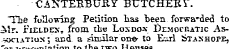
CiiNTEEBUPwY BUTCHERY . "Tee following Petition lias been forwa'ded to ^ k lr . iriELDEX , from the Losdox DrMOcaATic Association ; and a similar on ©^ to Ej . rl Stashope , ror presentation to the two Ileuses . Td l / ie Honourable the House -Gf CoTmnons of Great Briruitt . and Ireland in 1 ' arliammtassembled , Die 1 ' etKiou of the London Democratic Association , Humbly Sheytcte , That we , your Petitioners , nave heard , through . ie ine-iinwi ' of the public press , with feelings of the most } Hj " . snaut regret , of tae deplorable event which lias lately transpired in the neighbourhood of Canterbury . . Tnai from reading in the public papers the jarring * tnunnenx * , the contradictory evidence , and the un-% ast inferences deduced therefrom , we -have arrived
at tLe c «> nciusion , that it is a matter so serions in its uatnre , so important in its relations , as to call fur the interference of your Honourable House . Tkut therefore , for the following reasons , deduced from ihe abore assertions , we your petitioners do ErDr > Jjy pray your Honourable House to appoint a rommiure to enquire into the facts connected with t " :. e above-mentioned lamentable catastrophe ; and , vaasrmica , that for the ebtaining the ends of justice , it Is necess-iry that the per > oas now imprisoned on the -ehcrge of murder be liberated , for the purpose of giving their nijcontronled etiJence before the comtiiiiure ? o appointed , vre implore your Honourable llo- ^ se ikat the said pardt-s be forthwith discharged . 'lii . it we submit to your Honourable House the fol !> iwhiz reasons z-
—Firstly * it is alledged , that the unfortunate man known > y the name of Sir William Courteuay was a madman ; and various proofs have be « -n advanced zo substactiite this allegation : and yet , in conrra--dicfkin lo xhw , and in contravention to the law , . Taicb does not take cognisance of the acts of maniacs as beig criminal , the tmd individualis branded 3 sb murderer ; and his followers , who hare escaped : n . e trapcal end of their brethren , and of whom it Is slifiied , that they were afflicted with a species y f cental derangement , fanaticism , are committed lo prison as accessories to his crimes ; which crimes , - « usitiering the circumstances of alleged insanity , jour petitioners believe could only . have existence m < he iniaeinations ol those parties who are ever ready
ro wreak vengeance npon the heads of all who dare -to sdvi cite the cause of the oppressed . That , secondly , it is admitted by all parties , that previous to the tiling of the T " ] XtcAolas Mears ^ who went in the assumed capacity of a constable , bat who , it has been proved , was not a constable , to arrest the said Sir WHEam Courtenay , no breach of the peace had been committed ; and consequently as was the fact , do magisterial authority had been delegated to the sajdindmdual to act as he attempted io act ; your petitioners are therefore oi an opinion , that tbe killing of the said individual on the part of -the said Sir William Courtenay , was in justifiably repelling the unlawful attempts of his assailant , ' seeing that the laws of our country authorise the
resistance by force of illegal aggressions . That , thirdly , U is stated , that the said Sir 1 m . Counen 8 y and his . followers were rioters , and so = being , the military were called out to aid the mil power in quelling the alleged riot ; but your petitioners submit that no proofs , have been adduced to substantiate this statement ] but , on the contrary , it has been distinctly stated in evidence , that they , the alleged rioters , did not riotously assemble , while an obscure intimation is gratuitousl y Siven thiit •' they meant to be riotous : " but the facv that th % magutra 'tes present sot having done their duty , as nrescribed py the law , ; of reading the riot
act , is to oer mind aufficient eridence that the said parties were . not riotoas , and we further think that in neglectiog ' tliis important part of their daty , the - znagistrate * have Tendered themselved justly respon-. siblt ; lot tbeewfol lesolU , particularly when we take : into eoBaderatton the rustrnctioas given to the nnaitMj ^ ypr . Poore , that + iihej were lo tale ^ Gbarfgmj dead or alive -j" coupled too with the fact ¦ ^> 0 « ed in « iadeBce by one of the witnesses at the inquest held on the body of Lieutenant Bennett . 'ihat , fttal officer had commenced the affray , which ^ tenninatedin the destruction of h » own life , and in rlh&t 61 tea of Ms unoffending countrymen .
Untitled Article
That , moreover , we y » ur petitioners are of an opinion that it is not to " Fanaticism" oa the alleged " brutal ignorance" of the people that is to be attributed the gathering In this particular instance of the agricultural labourers , but on the contrar , it ia the consequence of unbearable distress , arising from the operation of bad law ? , mere especially of that unnatural law miscalled the " Poor Law Amendment Act . " ; ¦ ' ' We" your petitioners d © therefore most urgently call npon your Honourable Hou * e , to appoint a Committee of enquiry , to investigate the circumstances of thii deplorable event , and to cause all judicial proceedinjfs connected therewith te be stayed , nntil your Honourable House shall have received tiie Report of your Committee , aad have com « to a decision thereon . And your Petitioners , < fec . &c . Signed on behalf of the Association . THOMAS IRELAND , Chairman . GEORGE JUL 1 AN HARNEY , Secretary .
Untitled Article
HAND LOOM "WEAVERS . The Rer . J . R . Stephens b ? ing requested by R . M . Mugeeridge , Esq ., the Assistant-Commissioner of the " Hand Loom Weavers Inquiry Commission , " to state his views of the question , mads tbe following observations , at the close of tiie examination on Friday , the 18 th of May , in the Court House , Ashton-under-Lyne : — Verbatim Report from Mr . Muggeridge ' s Notes . Mr . Stephens . — "I have found , Sir , the Hand Loom Weavers , in censeqnence of their abject porertyand distress , and feeiing at the same time the lull influence of the . ancient spirit of independence now , unhappily , so much weakened in this country ,
rather than expose their dilapidated wretchedness to a public gaze , appear almost to withdraw them ^ lvej from all places of paDlic observation , especially on the Lurd ' s-day ! 1 believe very few of them , or their children , as compared with other sections of . the working classes , artead either church , chapel , or Sunday school . They are not irreligious or immoral people , but they choose rather to ¦ worshi p God at home in patient resignation , than to ia : x with their better-d'essed and more comfortable fellow operatives in public assembly . In " many instances I have iound tkeir children unbaptized , and on inquiring the reason , 1 have been told that they really could not afford to pay the baptismal fee .
" I have heard the evidence of Mr . Owen , and of Mr . Clay , this morning ; and of Mr . Broadbent , Mr . Leech , and part of Mr . Stewan ' s eridence , yesterday ; audl cuu add my testimony to theirs , as : o the high moral character of the baud loom weavers . 1 believe there ^ s a higher Siaies of honesty amony tliviu than prevails ia i »» tiiiy other quarters ; they pay in-.-ir wi ; y , as it zs called , as far as they can ; they are very thrifty , very sober , very industrious , and Iiave a spirit of independence traditionally from their : atbers , who w ^ re e : nployedin the domestic branches ofiuiiu ^ ixy now extinct . I attribute this morality to t :-e fact of thfir ha > 1 ng their cliiLireu moreiiniutv-¦ -iniely under their owu eye . Father , mother , and uiVspnng- srillmalce np one hoiisfholo . Tiie imtura )
iiiecuons and social sympathies , and the relative jatitfs of man to his neigiibour and his God , are implanted and clierislied iu this its native school '; - ji ; -i it is to ice , and to many , for 1 have conversed wiib hundreds of hind loom weavers , a matter of surprise aud regret that the L :-gislature should not only have allowed such a branch of iudusfry tu Iiave bec . 'nse so i ' ur impoverished , but should also have all ived this nursery of religion , morals , and loyalty to have been almost destroyed , whilst , at the s-. mu * time , it hus encoumgeJ , and still coutinues to fobtw b ' y artificial ani expensive means , tiiat system <> i ' maiiufactr . rf wijich impairs the health , injures the morals , au .-l destroys the soci-al character of our ln- 'Eie population . 1 mean tbe Jkctory . system !
" ] Lave heard many baud-loom weavers object that they should beexp-xted to stud theirveryyoni ) g children to the factory , as a kind of . make-weight towards their scanty subsistence . They think it unreasonable and -unjust thus to be compelled . 1 iiave heard many of them say they would rather " tower on' and do the best they can than part with their children in such a way , and for sueh a purpose , br-cause they believe taa . t Uve K 3 •> lie ^ l way to destroy t :: e : r children , both body and soul , is to send them into a cotton factory . 1 have known -hand-loom wtMvers endeavour to emigrate , nud on asking them how they could bear ta leave the land o ! ' tkeir lathers , tley have said , that in England they bave nothing to Uve upon , and nothing to live for . ' 1 should wish
iiirther to add that although the haud-loom weavers have been resigned , and * tili are patient , there is an opinion amomrst them . that forbearance has end < iUj : ht to have its limits . I have heari hundreds oi tb » .-m , and otlier operatives reduced to the . sai ; ie stp . ie of destitution , declare that it is bat right the Government of the country should be in possessiou of tbe fact , that unless the lepLslature ciai and will protect them . , they mu ^ t and Will pro : ect themselves . By protecting themselves , meaning that they are to be considered as beyond the pale of society—thrown back upon the original resources of nature , readv for : aiy thiDfr that cirenmstances or chaijce may throw in their way , and determined to avail themselves of it . I have also heard tbern sav , in
reference to this conr-nssion , that it is with extreme Teiuctance , and under a species of protest , that they hijve consented to have tue veil removed from the sii-keuing > igbts thus disclosed from the recesses oi ibeir domestic pr ivacy ' . They do not lik < i to be asked where they live , and how they live;—how nmca they can get after working from before sunrise till after sun-set , and how much thrir wife can earn , in > tead of taking care of her cbildr .-u , and bow much their children can earn instead of being nurtured ; md educated as they were by their fati . ers ard KotLersin the olden tiaie of household labour , household happiness , and household independence ; and they think , and 1 think , this investigation unfair a-d incomplete , unless n parallel investigation be
instituted into the income , expenditure , domestic arrangements , social habits , and private charact-r of the higher disses in society . If the country renst Icrsow how these men 'live , move , and have tbrir being . ' npon hard labour , and scarcely any wagei at all , tie country ougbc likewise to know how cobles , manufacturers , and niercba-nts 'liw , move , snd have their beinsr . ' out of the produce of the labour of ilie ~ industrious classes . It has further been a matter of complaint , thai wkilst the case of the hand-loom weavers has now for many ye are been in various ways under the notice of Parliament , whilst ir is apparently the object of the Commission , not so much , to asc-rtaiu or elucidate as to record anvsb the facts of tbeir case—whilst it was known to the Uoveniinent , never denied , I
believe never questioned , that very many thousands of the hand-loom weavers , in thes ^ northern districts especially , were either altogether or in a great degree out of employment , and consequently , n a state of parrial destitution , tbe Government should have thought it necessary or politic to e :. ablisbin the veryheart of these districts , in the midst of all this misery on the spot , an ofiice lor the purpose of importing , either byJorce or fraud , numerous families from tae south of England . These importations have , amongst other causes , tended to depress the handloom weavers and oilier operatives in tbis district . They cannot undeistand -upon what principle , or vrhat autaoritv the ^ e wnigrations should have taken place . They kno-. v that infloential persons , especially Dr . Kav , of MancLw-. ster , have b ^ -en employed and ialariei by the Guvemuieat to miike the mo-l wicked r . nd wilful
misreureseutations as to the state of the" labour market , and die condition of the labourers iu tliis district , there being ^ . t the time no want of workpeople beyond what lie neighbourhood itself could have more than supplied , and the condition of the labouring population being any thing but the paradise a .- ' ^ escribed hy'Di . Kay aid others ; and it is a fact wMca I know the hand-loom weavers and other operatives wish to have recorded , that these south country labourers were hired for terms of one , two , and three years , at prices below the average , of the
same class of hands in the same kind of work . J wishto take this opportunity of stating , as the results of this inquiry naturally bear upon the labour question Et large , that the emigration system having come yery much under my own observation , has , in my opinion , not only injured the native population of tfae ^ e districts , but Las produced almost unqualified distress and misery amungst the poor creature * who were so brought over . Most of them that I have known have ' . found their last slate worse than their first . '
_ "If is also the opinion of many Intelfc ' gent operatives , and my own , that no ultimate and permanent foo d can be effected until some legislative measure e adopted to specify what shnube the minimum the labourer shall receive in exchange for his labour . This has been donv before , —they think it oaglit to be done again . They are likewise of opinion that the old system of poor laws , if admiiiisrered according to the- spir it , would materiall y assistboth the Government and tee country in their endeavours to find out and fix this minimum .
"It has also been found in these districts that the whole labouringpopulation ha » receired such a shock since the passing of the Poor Law Amendment Act , as they can never recover from , unless the principles on which that Act is founded be exploded , and the opposite principles—of the right of erery Englishman , uncharged with crime , to live in his own house , to have his wife hyliis side , and his children around him at home , and jn the enjoyment of [ ihe decent means of life , —be re-asserted , re-established , and
generously acted upon throughout tLe laud . lean bear testimony to the peaceable and moral character of the hand-loom weavers , and of tiie otker operatives in tbis-district . 1 never yet heard any man utter a word which seemed to carry a feeling of ill-will , hatred , or intended injury to his richer neighbour . AH they want , all they ask , i * , a fear Jay ' s wages at the end of a full day's work . They know they have a right to that ; they wish , if possible , 'to have it at the hands of Government , under the laws and institutions of the country : they have waited long in patient expectation that the Government would lend
Untitled Article
them iu protective am in the attainment of this j but , if the Government have not the power , or should the Goveramen t refuse to ^ exert the power , my opinion w , alter some yeans' acquaintance with the working classes , they will not wait much longer . : "At present the Government experiences very little annoyance ; the ; people "; . dp not even trouble ! them with petitions . They seldom meet in public to discuss tneir grievances . They appear to an inexperienced spectator very little concerned about any thing that takes place of a , public nature . They but Seldom express their sentiments in private , and that only to a very few . 1 have often heard men say that they had given over talking , - but they thought the morei—that nobod y shoulcT Know what
they were until the time catae , and that when the time did come , they thought they could take care of tbemselve * . I can assure you ; Sir , ' that tiie la * burning classes of these districts considerthenujelved ia conscience , in equity , a . n& in law * released -from tie allegiance which they bwetb the Goverunient ; 1 think them so released . They are hot protected . They are allowed to starve , though working much harder than their blact slave brothers in the VVest Indies , for the amelioration of whose ' . 'condition / an additional burden of 20 , 000 , 000 / . sterling has been laid on their shoulders . They have long been in a state bordering on despair , and the threatened introduction of a law by which they are to be , perbaps , transported to the south , as their poor brethren of
the south hare been transported to the nortlir-by which they are to be imprisoned and starved under a lock andkey , wearine a Mon ' s dress , nnd separated ' from their wives and children , —is rousing them from that state of despair into a state of frenzy and desperation . " As . ' a-loyal constitutional subject of her Majesty , having ,-lived nearly six years in the midst of this population , I would , with the greatest reverence and Utmost respect , and yet with great eairnestnets arid importunity , through thiu Commission , not © i » ly of the state ot the hand loom weavers , ]_ but of the state of the whole labouring population in this country ; because , I am convinced that unless provision is made whereby the labourer , -without- any processor sense of degradation , can obtain a comfortable and
an independent maintenance for himself and his household , without , aa at present , being compelled to mortgagu his own life apd the life of his wite and his little children by exca sive and unremitting factory ' labour , it will be impossible to uphold much longer the existing institutions of the country . Ignorance , crime , want of natural affection , and vich of " every kind will first demoralize the population , and ' . hen jaad , as a necessary consequence , to revolution , anarchy , and it * inevitable but awful results . "I only wish to add tliat I have lrequently been called upon , as a minister , to visit the bouses of the uand-lo ' um weavers when they have been Hick . Lean ' coiifiim Mr . Clay ' s * . tufe ; n » ut , both of tueir-destitution and of their habits of cleanliness . "
Untitled Article
Tii « Editors of "Tlte Northern Slur" triih to be distinctly untUrsiooU that in affording a ttkicle JOT the discussion U ! - —¦ eat Public Hueslions , i / ieif an liut lo be httHliJitd iriUl-t / ie Seiiyiineuis vrt ' uti Laiyuaijjot limir srverul Cunvsf ( indents .
Untitled Article
TO THE ED . 'TORS OF THE NORTHERN BTAJl . Gjjntlemen , —A pam ^ rapb having nppoared in your paper of tbe 2 nd instant , retlectin | f on our ondnct as collectors of Easttr Dues , at IJavvoft / i , ior the Vicar-of Bradford , - and stigmatizing us as tyrannical extortioners of the pooY , we feel anxious , by a few plain facts , to clear ourselves fn > ih an iinpatation which we know will most readily be made bv those from wham " the" least has been extorted .
Tbe writer of the ' paragraph aecu .-es us of liaving 11 dragged from tbeir fammliiug families !' ¦ -mm-* ' poor , " '' simple , " ' half-starveJ ; " ' hutiger-bitten " pt-ople , to enforce be : ore the Aiagistrates-payment of a sum e \ idi'iitly too enormous for tht-m to * bear . Such . expressions only admit of two interpretations , and a list of the persons summoned , with their occupations , and the sums for which , tbey were liable , will best determine whether their purport be trufn or falsehood . Tbis list gives
us—£ s . d John Bramlpy ^ butcher , without family ... O 0 U William ParkVr , beerseller and butclu-r ... 0 0 U H . Newell , woolcoinber , with one young child . 0 Of 4
Joseph lioyjjt , woolcoiuber , ( abusive wiu-n called on ) ................... 0 0 3 J . F&wturop , single man , ( paid nothing ) ... 0 0 0 It , GreenwooJ , woolsorter and grocer ...... I ) 0 71 Joseph Dean , farmer audfreeholder ......... 0 1 0 G . Mitchell , fanner , grocer , carrier , and master shoemaker ... 0 1 0 James llartlt-y , grocer ... 0 Oylj Total .. « ... 0 4 10 Really , the feelings of our accuser must be tremendously aristocratical , if they can persuade him that these men , all in better ^ circumstances , perhaps , than he is himself , are yet so low aud wretched , as to be incapable of clubbing n \ e » hillings for tbe payment of a legal deniaud ! But lest his high heart should swell against us to
bursting , we beg to assure him that out of l , 00 <) cottiigrrs in tbe parish , liable to . the payment of Easter . Dues , only 310 have been called on , and these for a snm in the whole under J . 6 10 . s ., which will give an average of Jivepcnce per man ! If our princely-minded accuser still entertain doubts of our humanity , we bereiurite bim to an inspection of our books , which will perhaps prove to him that , " unenviable" though onr characters mav be , we still possess more kindly hearts , and are actuated by a more Christian charity than himself , when he , in so small a number of hues , could pen against us so ' many and sucb . groundless falsehoods . And we assure him that , despite his concluding sentences , he has done but poor justice to our generous aud respected Vicar , if i e fancies him capable of electing heartless servants , or authorising tyrannous
deeds . ' Apolop . < ing for the space we have taken np on a subject of so local an -iuieresr , We remain ,-Sir , Your bumble obedient servants , WM . STANCLIFFE , A . WlHTliAM , THQS . WEST . H-aworth , June 13 , 1838 . P . S . Ko furtlier communication from our accusers will be attended to , unless authenticated by a real signature .
Untitled Article
TO THE RT . HON . EARL F 1 TZW 1 LLIAM . My Lonn , —Since I wrote my last letter to your LonJ-hip , it would seem that you have been hard at work , re . idingand porideringover the greafoccKEE . " It is well , my Lord ; you will there learn -more of rrue legislatorial wisdom in five minutes , than by presiding over a Board of Guardians , as the grinding tool ol the three Commissioners , for five years , or by fox hunting the whole of your natural life . I rind , already , that you are fast progressing , aud that even now new lights are continually breaking in upon yoar inind . 1 st . ' You discovered , that "Me decree projntil ^ aicd immediately after ihe fall , " contained no clause empowering kin « s to receive taxes . That was good , — verv good , my Lord . Then ,
2 d . lou found out that the same " Decree " prohibited the paupek from receiving any hemef . That w : is better , —still better , my Lord . And now , 3 j . You have satisfied yourself according to ( hat 14 JJeaxCi' that monarchs have no rigftt to be crowxed . This i « be ^ t of all , my Lord , —the very best . Whatfoolsbave we allhitherto been ! Blinded aud atupified hyprejudices in favour of the ridiculous , foolishandidle pagrantry , fitonlyforasernibarbarous age ! " But now that your Lordship has seriously betaken yourself to the study of your Bible , we shall soon get right . With the " Decree of the SUjrrethe . Governor o f the Universe " in your hand * you cannot lead us far astray . My Lord , I would noL how-.
ever , have you deceive yourself . I do assjrre you that the people of England are a -thinking race . They have long'been reading their Bibles , and they will-not consent to stop , just where your Lordship may please , at kings and PAUPERS . Tlitjrfl are otlier nuisances , not ordained by the . " decree , " besides taxes and poor ratbb : — there are RENTS , my Lord . Do you hesitate ? Look over the " Decree *' once more , and you will there find not a single word from li ( Ae Supreme Governor of the Universe"'in support of rests . My Lord , this is no joke ; You have not blushed to question-the monarch ' s right to taxes , and to a crown ! You have been cowardly enough to deny the right of the pauper to remei- ' :
and I will not shrink from boldly demanding of you , that you be consistent , and , by the same authority , proclaim , that you-have no right to receive " rent * if you hesitate , or refuse to abolish rents , you -iwill then prove that you are only a selfish , one-sided , interested , disloyal and tyrannical expounder of God ' s " decree . ' You will tltin demonstrate , that your apparent zeal for the honour of God , and of His " decree , " is neither more uor . lnssj than a most barefaced , pious-fraud , intended to rob King ' s aud Paupers , that , with the spoil thus impiously obtained , you iwy enrich " your oivn order \ Onwards ! my Lord , onwards ! abolish rents ^ or cease j for ever , to ennoble yourself by the name of MAV . " ¦¦ ' - ' . - . '• ¦ ¦ '• ¦ ' " ¦ " ' ¦ ¦'¦ ; , ' ' - ' ' ' .-
My Lord , there are no "rests mentioned in the ' decree "—no coronets—no serrau t *—no race-horses —no hunters—no fox hounds—no mansions—no parks—no carriages ; and , above all , no seats tit the House of Lords . ¦ All these things are "innoyations of man's invention , " or , as your Lordghi p more properly has it , "idle pageants , which it would be wise tc ^ dispense with , Jit only for a semi-barbarous age . "' O . ' ray Lord , I do thank you right heartily , for teaching me that word ! . . " If you proceed in your investigation of Di \ ine truth , you will find that God has said , " Woe unto them that join house to house , that
Untitled Article
lajitelAtofi&ty till there beno $ be placed alone in the middt of the earth ! " . And then he adds in another place , "ITieir inward thongbt is , ! that iheir houses snail continue for ever , and their dwelling ' -. places to all generations ; they call their lands after ( heir own names . " ' And again the Lord nays , *• Of a troth , many houses shall l > e desolate , even great &n& fair , without inhabitant , " You will have already pefceivedy miy ' -LprtlJ that I am not content , that yptir Lordship should take only your'own pickmgtfont of'the afec ? ' (?
no tiling more to be desired in uents , thaii in tflxes and poorrates' J $ 6 thing more sacred ia noble lords , ; than : ^ -KiMQt . ' Biiid ? AT ^ n 9 .. 'ifyoiiwnV ' li&vei ' ndif < ia : ^ 8 ffii « f «<» itwidr : ' r « nte ^ ' T ^ -hy ^ 'e * i » 'i "insiat-tiipon .-it ,. tbit ybti ( shall have no reitts / If no crown , then down vrith your paltry coronets ! Ah ! my Lord , these tbinga m ? iy . be i 4 idle pageants ^ ' hiit , once persuade the people that ibey are sp , —uproot thpse oldfasbioned prejudices , whichi have taught them to value the baiibie ^ , which your Lordship affects to despise , and you may buro your title deedai From that time forward , they will avail you nothing * Look to '' your own pnler , '' and , as you wish to support it , learn to respect . the rights of yonr superiors and inferiors .
Your contempt for the pageantry of the coronation , " may , or may not , be a proof ofyour " want of loyalty ; " that it is a propf of an entire absence of gallantry ^ no person can , for one moment , doubt . Your loyalty , ( forgive me if I smile at the thought of FitzwiHiam loyalty , iny Lord , ) has not been of mach value , since you proposed to pay his late Majesty no more taxes . You well observe , " that her Majesty is too much respected , and reigns too firmly in tbe hearts and affections of her subjects ; , to care muchabout the pompaud ceremony of a coronation . " As far as her Majesty is concemied , that is all wise
find true enough . But , my Lord , if the npstEs . once begin to destroy our prejudices , and to wean us from our attachment to " the pomps , ceremonies and pageantry of a semi-barbarous age , '' . I can assure you , that they ( the Nobles ) are not at present " so much reKpeGtetl . and so firmly seated m the hearts , and affections of the people , " as long ^ to retain the more solid privileges of "their order . Ajid ,, my Lord , I herftate iiot to tell you , that if they continue to withhold from the people their rights , they will neither deserve , nor will they be able to keep their own . Look toil , my Lord , these "Me pageants" are of niucli more moment to you , than they are to me .
I have hitherto . ' had very strong , old fashioned , English prejudices . I have been a great admirer oi the Aristocracy , 1 havehoped mucli for my country from their high bearing and their noble feeling . When some w » worthy members of " their order " have attempted to degrade them , in presence ot great ma . ' es of the people , I have , at great personal nacr ince , enaeavopred to re-seat the Aristocracy of England in the hearts of the people . But , my Lota , vfhen I see them bent upon plundering the poor , t am constrained to fear , that the spirit ol their ancestors is departed from them .
Well might my Lord Ashley exclaim , "What a date we arc now in ! " I do assure you , my Lord , that thousands of sober minded , intelligent , reading , thinking Englishmen are \ beginning seriously to euijuire—^ are our Legislators isane ? Just put the two iir three following things together , and tell me , would an v men , preteHding to be legi . slatoFs , for a great empire , in ail enli ^ btened age , present thenisi'hvs before the people , entangled in' . such mazes of i' «) ll \ r , if they were not mad ? /' our years ago , our Legislators declared Enoland to be r / ti' / tcd ; and they asserted , that the cause of her ruin was the existence oi a . law ¦ •' tor the effectual niicfoi ' ilif poor ! " . Thisyear they declare Irei , a ; m > io be ruined ; and they assert , that the cause of her rui'i is the iton-existence of a law for thy effectual relint' of tht ! poor' ! '' They ' assert that the poverty 6 ' f Ex < ir , AXr > is only to be removed by repealing
Poor Laws altogether : and , that , the poverty of irtKi . ANii can onl y be removed ^ by establishing an »>' effectual Poor Law !¦! " On these glaring and self-erident contradictions , they are now endeavouring to make the two countries viy-h and prosperous ! -To " this , end they are lej : isKit : ng for England , with a view ^ . 'tono Poor Law at all ; " and , for Ireland , they are at this- very moment , preparing a law " / or the more ejfechuil reli ef of the destitute Poor !! : " . Nay , with the JJfcree in your hand , you have the impious audacity to ' . aastfri that neither in Exulasv nor i ' KELA . Vb have "the able-bodied poor" a right to dwell in the land and . be . fed !' . ! You would make us' believe that you are more charitable than Almighiy God , because yon are willing to tax yourselves , in order to build Workhouses for the infirm ! H" : : ¦
Now , my Lord > I defy you to contradict one word that 1 have stated . May it not be asked , seriously Juifaid , ake our Govt ; nNORs satve ? Have pur Aristocracy lost the stamina of their forefathers ? liut , my Lord , this is not alls You may well laugh at "idle pageants , " now a dnya . Ydii may well boast of "the march of intellect . " There is at present ou the table of the House of Commons , and I suppose you will very soon have it oil the table of yourLordslrips' House , a bill for tiie Ke ^ u / atiQn , ' of Factories . After having kept the country in " agitation" for twenty pr thirty yea , rs upon that question : after tbe expenditure of many hundreds of thoupands of pounds;—after the labours of many select Committees in Prtrliiunent , and an expensive R ^ yal Commission to boot \ ; after the establishment of a
regular factory-inspection stafr , at an expense of about ten thousand a-year ; pur erudite governori true found a mare ' s nest , or at least they think so ; they have absolutely discovered the grand panacea for all the evils of the factory system ! and , virill your Lordsliip be pleased tp . guess what it is ? No , you cannot ; I am sure you cannot . You are not learned eiiougb ; but Lord John Russell can . He is very learned , my Lord . 1 will save you the trouble of iiiquiritig . I will tell you , on one condition ; which is ., that you do not laugh . I do assure your Lordship , most seriously , that there is at present a bill ( m the table of the Housd of Commons , Mr . Fox MAtrtElaidit there , ( and Lord Ashley sent me a copy of it , so icannotmakeainistakt ; , ) aciually containing a clause ^ advancing , not some village '
pedagogue , bvit her Majesty s principal Secretary of State for the Home Department , the Right Honourable Lord John Russell , son of his Grace the Duke of BRnionn , to the high and important office of--what dou think , my Lord ? Now once more , I beg that yon will not laugh . If that bill pass into a law , little Lord 'John will be legally installed , —not the Oh an cellar of any of the Universities , —but Editor and Publisher o [ a little baby A . B . C . " Horn book " —a little . : " reading-made-easy , " for my little factory childen ! ! ! Now , I can assure you that it is thought by tiie 'Government , tliat the pretty tiflle pictures ther . 'iu to be contained , will make the little children forget all tln'ir ^ wMroubles , and that by means of this nice little Russell A . B , C . picture book , all the evils of the factory system wilt be removed !
Tn ! 83 R , this is called legislation ! In" thesemibarbuiousnues" of r .-ur > g 7 l 6 r ' avt , unenlightened , and prejudiced forefathers , it would have been called toui-foolery . They would have laughed such legislators to scorn ; : —but they were fond of " idle pageants , " aud we live in the age of the triumphant " marcli of intellect ! ! " Ido not \ vonder at Lord AsirLEV vowi well might he exclaim , " What a state are we now in ' !" It is , indeed it is , my Lord , time "to cease from miin . " Your Lordship has at length wisely resolved to throw over board , all the useless , » idle pageahtry " and legislative lumber of theseuii-barbarons ages , " and no longer to be deluded by the unhallowed philosophy of the age of the march of intellect .
You have estricutod yourself from the quagmire of a vain philosophy , you now enjoy that , freedom and enlargement of intellect , which is only to be found in the volume of inspiration . You ai-e disencunibered—'' yuu ' -. - . Uave- ' . ieu us to the fountain , of true wisdom and impartial i . ' ustice . You have appealed to t ! ie only unerring standard of truth , " The decree of the Supreme Governor of the Universe . " BY that , I am contented to abide . " Upon my word , my Lord , but "we are in an awful state . This moment I have received a newspaper ( the Champion ofto-day , ) containing an account of a blpoiy riot wear Canterbury , about the New Poor Law—of disturbances at Reading , about the sudden discharge ' pf » pumper ; of workmen , of an incendiary fire liear Melton Mowbray ,-r-pf another incendiary lire at ^ ilverston , in Nofthamptonsuire—of an incendiary fire near Epspm ; and of eight different incendiarvi ) lantation fires in the neighbourhood of
SunniDghiil , Bagsnpty and Oakingham . " What an awidl state > ve are nowini " But , my Lprdjhpwis all this ? I Was in your Lordship ' s house notlong ago , and iker $ / . heard one Noble Lord after another rise in his place , and sdhmuly abjure their Lordghips , " that the agricultural labdurers wertidelighted with the eflects of the New Poor Law ; that they were very much improved iu their condition , circumstances , and behaviour ; thatiristjsad ofbeing idle andinsolenti andungovernablej aud ungrateful , they were now industrious and respectful , and obedient , &V& thankfuL" Ah , my Lord , whilst I lifltened , I knew that these Noble Lords " were speaking peace , peace , where there was no peace {'' put your ; Lprdship has often joined in their jubilant . I therefore , now ask , you right seriously , ; how dp you account for these nofc < v disturbanceg , aiidiires ? ¦ You wpnld not believe me , when I spokeidftheiMnoulderings of discontent ^ which I knew w&e burning under ^ the smooth facea of the ¦ ¦
peasantry !; ; i ; - - ' --r . - ¦ : -. ¦ - .-. v . ; - ¦ -:.. I was laughed at % when ! warned the Gqv $ rameat of dagger . Whatsay you now , my Lord ? Do you blame " the agitatow ? - ' So far as I know , the districts where these fires , these disturbances , these riots have taken place , are ; entirely free froia tha curse of : "Anii ^ JPpor Law- Agitators / ' They are faintinK in the urpn embrace , pf the accursed Poor Liiw Cpmmis 8 ioner «! But , notwitbjtailding the absence of " agitetor ^ 'Vmy Lotd , % bti cwinot keep the surface even . Some few . sparks , it seems ; v ^ ill now and then be emitted from the smouldering fires beneath . ! These arebnt sparks , my Lord , awful a #
Untitled Article
they are ^ they are but sparks- !! Once more , I warn ypu j if , in spite of heaven * our Governors ; are resolved to ENfOBCE the Devil ' s Law against God ' s ojvn " decree , " you will seen witness a blae ^ which will burn up , and for ever annihilate all « the idle ^ a- . geantry of the semi-birbarpus ages . " Oh , that our Governors might now be prevailed upon to forsake the vain philosophy of man , arid seek for true wisdb . ro , where alone ltw to be found s in * the decrees oftheSiipremeGov ^ orftfihe V ^ < Again , my Lord * I ask , why these firesf-r-vhy these riots ¦ •?—why these disturbancesf Nothing shall prevent me from telling you the truth . . There is a cause ! You have set yourselves up as wiser than God : you have dared to legislate against the
" perfect Law of Love ! " You have oppressedth : e poor ; and that : oppres » on has : ¦ driven them mad f Vonr accursed system of immigtation is now producing ( as I always said it wouW ) its natural results . The agricultural labourers in the sptith , were driven from their native fields ; they ? ere falsely promised ^ plenty and comfort in the mantis jfacturing districts . But these northern ^ counties they found to be none otheT thaii ^' th e Valley ; of the Shadow of Death ' . ' ? , ' ' The bonesvpf niany of these outcast wanderers aw new mingled witn the clods of our valleys ! The few who "have escaped with their lives , " are now returning / , their ^ weeping and lamentation" are heard in their native villages ; Despair has seized on their inhabitants . They
hare proved that * ' the tender mercies of ' their Go vernors are cruel ; " and they are now beginning to avenge tnemselves on their oppressors . ' ; " You have sown a storm , you are about tp reap a whirrwind ! All this I have long foreseen , aad nave forewarned the Government ; but , when I endeavoured to prer vent these awful evils , I was denounced as an ' * ihr cendiary . " " They were deaf , they would not hear they were blind , they would not See . " . Thank God , titese districts are not yet ih flames .-r Here , the peeple still hope—they hope , even against Hope . My Lortl , hearnie , I must speak . '/ -. We have petitioned by hundreds , and by thousands ,. and by bindreds of thousands . The people have been orderly and patient , nay , forbearing . They were told by
"' the agitators , " that such conduct would ensure to their petitions the favourable attention of the legisla ture . Judge then , my Lord , of their disgust , when one pf her Majesty ' s Ministers , ( Lord Howick ) pointing to those very petitions , signed by or on behalf of a million of Englishmen , sneered- at them , became they were not backed by fires and murder ! treated them with contempt—because tiie districts , from which they came were not disturbed ! because their authors were orderly and peaceable ! My Lord , what can the people do more ? It is useless to talk of their submitting to the New Poor Law .
The Law of nature—the natural affections ca ? z « o £ be extinguished by a parchment ' Statute' ! : Sincethe petitions of the people werefthus rejected , they have remonstrated ! Oh that God would open the eyes and soften the hearts of our lawmakers ! / Surely , your Lordships will now listen te the voice of millions of the people , still crying <• Repeal the accursed Lii . uv" , My Lord , it is quite possible to reduce . England to the miserable condition of Irelanp . But it is not possible to keep her so , Iuklax d is kept in subjection by means of the taxes raised in England . Strip RxGLANn , and " you have killed the hen ; which laid the golden eggs . " ¦ ¦ . ' ¦¦ ¦
I am certain , that if ihe New Poor Law be enforced in these districts , in two years afterwards , life and property will be at a discount of 50 per cent . J It may be treason thus to speak the truth . I have no interest iu the mwttiir—but J do love my country and her institutions . I implore those , who have most at stuke , to bestir themselves . 1 know that the people will resist the accursed New Poor Law . They have been very still , very quiet : they have petitioned , and remonstrated , and waited with much patience , but their resolution is unshaken ! They are loyal to thnir Queen ; but they will kill and be killed-, rather than submit to tbe cruel despotism of the Thbee Traitor KrvfiS !! ] ¦
Once more , before I leave this place , I solemnly warn the Governmeht-rthe possessors of wealthand especially da I warn the \ Vh \ gs , thui the enforce ? meutof the ISew Poor Law iu these districts will , most unquestionably , be a preclude to anarchy , burnin # s and murders ! ; j can have no interest in dficeiving . I know that I run great risks by speaking such unwelcome truths . It matters not— / intlrtin every riskrather than leave one effort untried , to sare a district , to which f am bound by so many ties , from , the ravages sfthat " madxess , " which , even in *' ime men , " is the offspring of" oppkession , " The Whigs have long sought my life—hitherto God has disappointed their hopes . He has now permitted them
todeprivft me of my daily bread . And oh ! how they exult ! 'Tis a poor triumph after all , for the governors of a greatnation ! They have got a Gentleman ' s Steward discharged , and that is all ! All w'illj however , yet bo well . He , who for the good of-his country , has always one life to offer , can fear no evil . God will still provide for me , and I have no pleasure in the destruction of the Whigs . Oh ! that they would repent , and remember -.-those large promises which they formerly made to the poor ! I have the honour fo remain , my Lord , your Lordshi p > Most obedient Servant , RICHARD OAbTLER . Fixby Hall , near Hudderstield , June 2 nd , 1838 .
P . S . —Since writing the above , my Lord , it appears that the representations made by the Ministerial Press , connecting the melancholy affray hear Cak-TEnBURV with the dissatisfaction which the people feel with regard to the New Poor Law , was only a fiction , invented by the disordered intellects of those editors , \ vb . o , no doubt , whenever tiieyhearof disturbances in any part of the kingdom , immediately imagine that it is the blood of the murderedpaupers , whichhascalled downthejust ' vengeance ' ofAlmighty (/ Of / . : - ¦¦'¦ ¦
If your Lordship will seriously ponder upon this fact , you will leant that even those very editors , who are employed and paid by the Goverhmentv to-up- } hold the accursed New Poor Laic systein , perfoKJI THKTR OFFICE WITH FEAR AND TREMBLING . What madmen these hired , scribes / must be , to charge me with having connection with a religious fanatic ^ of whom J hadridver heard , hntwho seems to have been well known to their paymasters . No one can read the accounts of that bloody tragedy without weeping . The poor lunatic could not be blamed ; hut those persons * to whom the peace of that part of the country is confided , ought to have known , that the only proper way to secure a madman , is by stratagem . Had . that only rational plan been adopted , how many lives
would have been spared . My Lord , you will have it , tliat the people of England are iu -love with , this wild , new fangled Treason-, called the New Poor Law Amendment Act I wish you could persuade all the Lords Lieutenant to call county meetings on the subject . Why not r Your Lordship used to be fond of appealing to the people , —why nangback now ? ¦ I perceive , however , that the Aristocracy are coming round . —A friend of mine , has just shewji me a letter from a nobleman ^ ( not one of those patriots who opposed the New Poor Law , ) in which he says " The manufacturing population is accustomed to vent its grievances at public meetings—but that is not tiie case with the agricultural labourers , whose
resistance would be far more formidable , and far mote difficult to overcome . . I was informedj yesterday , that some London Policemen were now stationed at———— , but it is not known from whose orders , or what apprehensions are entertained , except , that in a parish of that Union , and some miles from it , 150 labourers are said to be provided with muskets and daggers , and to meditate an attack , but when , or where is uncertain . " As the labourers are sn very fond of the New Poor Lav ? , they arc no doubt intending to " attack " , those persons who wish for its . repeal ! Be that as it may ^ my LoTd , MvsK . ETs and Daggers" are no ^^ jokes . " Andyet it is the birthright of Freemen to carry arms . Will
your Lordship oblige me by calling / or a return of the number of places , to which those London Police men have been sent to assist m ihe enforcenietii of the New Poor Law ; as well as those places where they have been requiredY 07 ««; dmon those , who arc endeavouring to oppose it , contrary to i / te -wishes of the ( uOouring population . We shall then know how the feeling of the labourers of England really standson this subject . Let us also hai-e -the ^^ numbers sent to each place—the expense and all about them j imd particularly whether they were sent at the request of the Magistrates , or of the Poor Law Commis sioners ; and whether the Lords' Lieutenant were consulted . Do , my Lord , let us know all about it . R . O .
Untitled Article
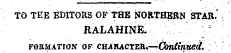
TO TEE EDITORS OF THE NORTHERN STAB . ' RALAHINE , FOBMATroN of character . — 'Cantinxted . Prestm , AthJune i lS 3 & .. Gaming , of every kind , ¦ Was ; entirely : prohibited among the metnbers , and happy woold it nave been for this society if the law maker , hid not himself been the law ; breaker . No individuals was allowed to keep a . four footed beast , or poultry , of any kind , is private property , all these were t ! fie property of the society . Hence j no bull dogs , fighting ; or p ]» achiue dogs . figVkting cocks , &c ., could - be : introduced
among them , and all the foolery , cruelty , vmany , and immorality , connected witii them , were effectually prevented . Tobacco , and snuff , - ware not kept in their store , nor allowed to be used on the premises . This put an end to » ome Wty . hatott , was a saving of moneys promoted the healtli ofthe members . , and prevented the danger of fire , ftpta carrying lighted tobacco among . the hay and 8 tra , w in \ hrhmm \ ana stablea , and ; if ' such , practice ? were ^^ Btrictly prohibited in Liverpool * I believe it would prevent the burning of many a : warehouse . Laws twenty six and ; twenty seven , guarantee perfect freedom of opinion , and of religious worship , to all , and the arrangements for the observance of the sabbath , secured to all , young
Untitled Article
and old , married-andaingle , inale mi fthial ^ i& greatest Possible , facilitie * for this pnrpdse ; Su ? k greatmajerity of the membera were Cathplick ^ anl owing to the lnceasant , ^ advised , foolish ^ atenipS at . proselytMn ^ every where making by Protestanti inlxelzndytoopinion * equtdly as absurdiutAeirotan the Catholic , membera , most of them at first veS ignorant , were for a considerable ; toe , natu raUV snspiciouis , about the instruction given to their cW dren by Mr . Vandeleur ; and by Mr . Crai gineithtJ of them being Catholics . The infant school wa « If first taueht b ^ Mrs . O'Dea , from the Infant Mpdei School ^ pubto , she married Mr . Vandeleor ' s S * dener , whom Mr . V , wished theiociety to receive * t a member , but they knowing his temper' arid caara ? terbetter thaH hiamaiter , putnim to the haiw J ^ j
he was rejected ; consequently , as by law provided , both were obliged , to leare / ttter society at this } nnc tnre . Mrs . Craig , a sensible ^ well informed woman * laUly married to pur worthy secretary , at M « yah ' deleur'a request , offered 'her services in * he Infant School , which were gladly acceptecfj but aearbe soon after , t ^ t 8 ome ; of the p iaren b w ere su 5 picioifs of her principTeif aaid dissatisfied witli " her instruct Uons , sne wrote the followinff letter to Mr . Vandtt leuiv ; dated Norefliber 3 d , 1833 ; Dear SuS—Asit is prpbablelshallnpthavea personal in temew ^ th you for some time , I take this mode of makinga fe * statements which I deem Becessary is I hk ^ e with drawnmyattentipnfrom the Infant School , havin H ascertained that an impression exists in the mindf
oi some . pt tue parents , that I am disposed to teach the children doctrine * contrary to thpse professed bv themselves . / ISpw as I do not think that any person has a . right , to dictate or enforce hig own pecuuar rebgipu ^ opmions ubbn the child of another professmg a different creed , it would not be agreeable to iny feelings to attend the school , wMist the impression-above alluded to remains . When i came to Ralahine ,: X found the Iufant School-without anT suitable person to attend to the education or morau of those interesting little creatures , and , at yonr rejiues ^ I paid what attention my time would" periar wasl
mu , ana so from interfering m this matter that I followed up the sameform of religious prayers and thauksgivings , which I found had been previously taught by Mrsi O'Dea . After making the above statement , and at the same time observing that T consider the proper education of tie childW as the most important feature in the society , I hepe you will not feel me disobliging , when I inform you of my intention to absent myself frpm the school altogether , unless the parents desire it otherwise , and _ although my services have been gratuitous , yet lean assure you , that I have felt considerable pleasure in doing the little I have done for them * I am , dear sir , yours respectfully , MARY CRAIG .
This letter , r » ad . at a general meeting of the society , had thedesired effect , it rempved the dpubti of the parents , and Mrs . Craig was unanimously recalled to theschopL I . think I know Ireland , and the opinions of the Irish people , as well as most En glishme n , and I feel qmte sure , that no scheme for the improvement Of that country can succeed , that is in any way connected withthe religious mhsionary and Bible mania that is now raging , the circumstance T have just related confirms that opinion , and I now state what I know tobe a fact , thatgreat numbers of Protestant Bibles and Testament ^ that are sent over to Ireland and given to Catholics , areinimediately pawned for a few pence , and the money spent on whiskev ; thes « Bibles ari »
packed upm boxes , sent back to England , and sold for half , or one third , of the price they cost the members of the bible Society . I have seen these boxes of Bibles from Ireland frequently in a bookseller ' s shop in Manchester , who told me that lie received a box from Dublin almost every week , and he offered me Bibles for Is ., Is . 6 d ., 2 s ., 2 s . 6 d ., 3 s . 6 d ., that must have cost the Bible Society from 3 s . ( id . to 8 * . The Irish are kind hearted , generous , industrious , and capable of great physical , viiellectual , and 7 itoral imjnvuemenf , only let their religious prejudices alone ; gii > e them ' ednca \ iony and [ give them employment , that will enable them to earn cinnfortable food , clothing , and lodging , and they will become the most merry , witty , contented , and happy peoke an earth .
I must hot close this part of my subject , -without making a few more remarks , on the improved condilion , of females at Ralahine , and the effects ihtis produced on their characters . In allrespects , females were upon terms of equality with males , they received the same education , they engaged : in the same kind of labpur , Cbut the easier parts were allottedto them , ) every means was adopted to remove , or to lessen domestic drudgery , and the performance of such services belonged to tHe voiiias under seventeeo . ; The wages of the wife made her independent of her husband for support , and the Society was the parent , and amply prbrided for the educatfon and wants of all the childreri . The wife .
therefore , was a help-mate , a companion ^ a friend , an eqaal ; and not a servant , cypher , or slave to her husband , as in the present irratiphakitate of society . There being no restraint upon the union of the sexes in marriage , a 3 all know each others talents and dispositions , and had no motive to influence them , but pure respect and love for eachother , all marriage * among the members were marriages of affection , aud the fear of expulsion , prevented them from forming imprudent alliances with those that were not members . If a young man said to a female , " Mary I lure you , " she had only to reply , « John , I have no objection to you for my husband if yon love me marry me . " Nothiiiff more was theiinecessriffT
than to give notice to the Committee , tinder whose direciions the society . prepared ¦ for them a residence , the priest performed the ceremony according to law , and they become man and wife , each enjoying the same privileges , and the same independence as before . If married persons could not agree to live together , they had a very easy mode of separation , for as long , or as short a peribd , as they chose . Johnhad only to say to Marj ^ or Mary to say to John— "I cannot put up with your ill tempers , scolding tongne , dirty liabits , < fec ., if you do / nat behave yourself better , I will leave the cottage ^ eat mj meals in the public dining-room , and sleep in tht tne
dormitory or single membera ; and a * ^ the children were kept and provided forin the schools , this could be done » t any time , witaput Bay incpnvenience or loss to the Bocie ^ or any bad effecto upon the condition or morals of their children ; Bnt the dread of a public disclosure of this kind , and of the taunts and ridicule that would attend such » circumstance , from their fellow membera , compellrf married persons to treat each other kindl y ^ ani caused them to live together like sweethearts . Ever ; motive for unchastity was thus removed , * and tie most powerful circumstances were created , to m « k « it both the duty , and the interest , of ; men and women , to love each othen , aud t « practice every moM
and . every Christian virtue . If it be said that Christianity , in its present form , has done ninch , to improTe the condition of the : female sex , when it shall be purified from its ( corruptions , andennobledby ( hatgreatprinciple . "Thecharaclir of Tjlan is formed for him , " by the circumstances in whic / i he is placed , find the training he receives , i will do a thousand times more . Now let us compare the condition of females at Ralahine , with their general condition in society as it nowis . ' Women , under the present arrangements of society , are denied e ? ery political j and every social rightf not acknowledged by our laws , even »> rational human beings . Most means of independejt subsistence are closed against them , themselTes
mere ad j uiic ts to their paren ts , or to their liusbanfe deprived of all their property at marriage ^ subject to chastisement like children j entitled by law ; - - * claim only a fraction of his effects at the death of the husband , an education forced , upon tl ^ ni among the wealthy , which is worse than ignorafleft andHts them for nothing , but to be the noisy , smirking , singing , musical , dancing'pnppeto , and pre *^ play things of their Lords . Among the poor ytW are generally , the most miserable drudges , andif ti ^ M ABTEp . 8 be drunken , idlej or vicious , as is too b « W the case , this condition of themselves , and their cMi * dren , is far worse than that of the West India ? Slave . But what slavery can be one huhdreth PS *
so galKng , what tyranny could mvent any thj » fPD ? hundredth part so cruelj as the condition of $ && * sands of unfortunate females , in London ^ Manoi ^ teir , Liverpool , and in every other large &tf ?\ town ., in this eminently Christian country , ' <*? sednced from the paths of chastity , by the ctuBi » 5 wiles , and lying promises , of some wealthy , design ' ing * or dissolute ^ y oung Lpap of the CBEip ^ i id whom our laws havelately 'given impunity «» **• crwif , Jno ' rbitter tears of contrition , nor any , siwj ? r quent virtues can ever restore them to y& * former station pf society ,. but abandoned , scoroeflf abused ^ ahdilltreated . by :-aU , they we left to W out amiserable existence , unmtied .-victims ofpojertj '
degradation , ^ ^ remorse , drankenne ^ prosutnttw disease , despair , arid a premt . ture dea ^ i . ^ J ** this sufferini : i * rn . pictea . 6 y a bible reading ^ " ¦ " ^ l people , upon the ; weaker , sex forsooth , for , »«**» only phce followed a natural propensity , " ^ rJL of the otheriseJL have . npt frequehtjjr indulged .. M »^ marriage ; And so prevalent is "th ^ -evil ,- " - tnat **^ ascertained not long sgo , th ^ M ^ . theu uyi&r note females dre living on ihe ^ ieciges of J ^^ TL ? mmestreetinLiverpool . Scribes , Samte , Pharisee Hypocrite 8 leariipfyPurmaster ; v Master , Ais ^ aiW ? was taken in adultery , in the very act ., now mo **
m the law , cofflhianded tiiat such ahouldbeStoD ^ ¦ bntwhatsayektthbti ¦? ' ? Hegaid f " hethatisin ttr out sin among you , let him cast the fi » t 8 t 0 ^* t , ! J her . " Connoted by their own cooscimce , ^ went outone by one , till Jesus was left alone * » tbewpmaa tUmding ;' ui ^ the midst , and be ^ 5 ° b , er , > iwomapj . where are those tl )^^ eit * ccos « w , ^ ° |; ^ o-mtocPadeBaa t |» e > t" Sh ^ said ; " no P ^ j ^ g andhe sala , mVtorheKneittierdpIwo 4 ejn ° , ^ S « aMaix np ; more . Wamn oftyifl&i U < " ** £ yowrietoeslifciiilrt im ^ ^ ' inyaext I ihall give the t » W * i ^ 'J ^ JJjS Government « f the Society ^ tod tk * t wiU eompiew one of the best codeB of Law » everftamed . I am , reipectftilly , JOHtf FINCH .
Original Corr£«Pondence.
ORIGINAL CORR £ « PONDENCE .
Untitled Article
- . - . - . " ¦ . - . " ¦¦¦¦ ¦ ¦ - ¦ / ¦ . - . . . . ¦ "V . ;¦ . . ¦ ¦ '¦ - ' ¦ :- ¦ ¦ ¦ ¦ . ; ¦ : ;; "T ; H B ; : ;; N O ^ T ;; H ! & : E ;^^ : - : ;; :: ^ \ J - " - - _ - - - . ¦ - ' ¦ - ¦ - . ¦" _ :-.. * - "' - ' - - ¦ ¦ - - '"'¦ ¦ ' .- '¦¦¦ . * . .- "¦¦''• - ¦ ^ mi ' imm ^''^ ¦ ¦¦ ^ ¦ ¦ ¦¦¦ ^ ¦¦¦¦¦¦¦¦¦¦ iiHHMdiMHHii flMiHHHMHMHHHMHHHH ^^ - " ' ¦ '
-
-
Citation
-
Northern Star (1837-1852), June 23, 1838, page 6, in the Nineteenth-Century Serials Edition (2008; 2018) ncse.ac.uk/periodicals/ns/issues/vm2-ncseproduct350/page/6/
-