
On this page
-
Departments (2)
-
Text (7)
-
Untitled Article
-

Untitled Article
-

Untitled Article
-

Untitled Article
-
TO THE LAlvDLORDS OF IRELAND. LBTTEfc It.
-

Cf)aritj3t $vcttX\i%tnte.
-

Untitled Article
Note: This text has been automatically extracted via Optical Character Recognition (OCR) software. The text has not been manually corrected and should not be relied on to be an accurate representation of the item.
-
-
Transcript
-
Note: This text has been automatically extracted via Optical Character Recognition (OCR) software. The text has not been manually corrected and should not be relied on to be an accurate representation of the item.
Additionally, when viewing full transcripts, extracted text may not be in the same order as the original document.
Untitled Article
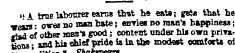
¦• A true labourer earns Oret be eats ; get * that he wears owes no man late ; envies do nan * happiness j riad of other = bb *» P ** 1 5 c ^ t" 1 * under hit own privatoas -, and hia chief pride is in the modest comforts oi jui condition- "— Shakxpeen ,
Mi Lords aSD Gkkilxmes , —In the outset I rtat ^ d that I had undertaken a diffieolt taak , yet 1 find that I had sot calculated spos one half the obstructions which power , custom , sodal and class organisation , ignorance of pairing circumstances , national ind religions prejudices , < not to speak of political bias , ) witti aS its train of-wedded absurdities , "had throvn in m y way ; eaeii tneefiBg me in my progten , o ? nannting me i » tb » boffr of refiecUon .
Hy Lords and Gentleman , —An anxious desire to brinj the case of my client , the labourer , before you , at as early a period is possible , has induced me f tout , laudably , if not prudently ) to reverse the order of ebMneattoo , whieh should hare been : Firstly , raw material , or barren surface of the soil , representiBg foxr title to representation : Secondly , responsibility , expenditure of wpiial , *» a \ tensaey , representing ti » e ooeapying tenant ' s title to repreaentatton : and , Thirdly , labour , which renders the soO , by cultivation , iTailable to mani uses , and its title to representation .
My Lords and Gentlemen , I trust that in tb « -word representation , yon win not recognise any infraction of nsy conditisn to beat my subject -without the introduction of polities . I do not use the word here in a political ¦ cuae-, an * bef « e I hare eoodnded , I hope to prevent *** wise , » -waOaX , » $ *** » *** beneficial exoroiae of your aodal power , and a honest exercise of your tens * , aslandlords , would baTe rendered political Kpnaeatatioa almoht an obsolete term . Adamandfor political representation has increasedin exact proportion with the abuse of sodal power .
My Uords and Gentlemen , yon will hare learned by my quotation from " the great Poet , " that I mean to afcte (* theTerysiTongestofyoarprej « dkesatcKiee . And in this , my fire npon you Bust be hot . When the mind is weak the prejudice is strong ; and judging from the use you hare made of a loDg and uninterrupted possession of power , your mind must be weak indeed . Tear greatest prejudice is against the labourer . The 1-aal yoa can In some -wise fetter to your will ; bu *
In the labourer of the tenant and in bis fomrn state yon recognise your own oppression and misrule , and shudder lest the victim should come at a knowledge of those eanaea which , make t" * n a stranger in hit own bouse , an sikn in hi * own country , an outcast from his own hem * , and a wanderer upon the face of the earth in search of some resting place , or market , where God's gift ; strength to labour ) may be converted into man ' s means of sustenance .
Sow , if I , who hare only witnessed the injustice , feel Tery warm when writing upon toe subject , as 1 assure yen I do , what must be the feelings of ihose who are heirs to the same susceptibilities as myself , and w £ o haTe drunk deep of the cop ? What is your greatest folly ? Let me explan it to you . You fear to place the labourer in a comfortable lad independent condition , lest from that atste oi
social comfort and independence shoaHA spring » desire to be politically great You mistake causes for effects . Ton Ettppose tbat the power at present wielded by the Roman Cathotic clergy emanates from popolai hostility to your order , your religion and your possessions . It does no such thing . It is an emanation from your neglect , your persecution , and your injustice , as well towards yourselves as towards the people . Semove the causes , and the remoral of the effects
Till Tery speedily follow . Bat while you are thus keeping up a struggle between your social power and the priests' political power , you do not see that yon yoarselTes are aidiog sad abetting in the Tery change , to preTent which you haTe davobed all your energies , namely , a transfer of an poStaeal power from your hands to t&e band * of toe Roman Catholic clergy . Point rat a single popular rice and I will trace it k > Its parent aristoeratie folly ; indeed , I should reTerse the terms Tice and folly—the Tice is yours , while the attempt of the people to counteract it from failure , is oiled folly .
HaTe you ever known a working man in Ireland , with certain employment at eightpenee a day , and paid , to be ehxrged with-aa Mel af dishonesty , -violence , or outrage ! I baTe not ; and my experience goes f » in that respect . I haTe heard scores of magistrates admit the suae . Do you not then , in the uncultivated state of your lands , and in the unemployed state of the people , discoTer all the errors of society , and aee just cause for seif-reproaeh .
When I come to treat of a farmer , I shall show just and BuSrient cause for the poor man ' s preference of the priest to the landlord , in nine eases out of ten . Jfay , I will go farthfer , and assert , that oot of nine cases in ercry ten , landlords look with a jealous eye npon a thriTing tenant , especially if his improvement is convertible into an Increase of rent . My Lords and Gentlemen , I beg of yon to keep this
one fast in fiew : it is that I haTe a meaning in every l " 3 ie I write ; and well knowing that your grand objection to a subdivision of land arises from a dread of creating a numerous tribe of agrarian suitors for political power , I haTe called ttie great naturalist to my aid , in the hope of conTincing yo * of the little cause you hrre to fear in the event of such a result and its realization , that your property would suffer damage , Of your position in society any inferiority .
Tour constant cry it , " Whit ! enfranchise the levellers , and thus surrender the power to other hands , a use of which would be sure to lead to our immolition , and a consequence of which would be that the sacred thing called liberty would degenerate into licentiousness and lead t « a complete social revolution . " It would lead to a rerolution , and a complete one , in the proper sense of the word ; that is , to a perfect one , and to cue from which you w » uld deriTe the greatest benefit
I baTe said that an employed Irish labourer u always satisfied . I aTer tbat he is tycophautically so , and looks upon the contract between him and his master , by which the latter is th « great benefitter , as a faTour instead of a right . Iu a wholesome ttai / a of society the unemployed nnwilling idler would be entitled to s sufficiency of ererything to make life a blessing to render man ' s oppression inoperative , so far as food , raiment , lodging , fad , and liberty relate . But Irishmen , eTes when at full work , do not enjoy any of those blessings . '
But let me new go further , and assure you that so far from the contented agricultural labourer envying year apparent superiority , be laughs at the foliiea cassed by your easy acquirement of luxury . He sees you attempt to do for yourselTes what he does better for you , and glories in his superiority . He looks at the fat face , clear complexion , and straight limb of his bnaUaftfl offspring , and contacts them with the pale
faees and bandy legs ef pampered aristocrats . He delight * in seeing the huntsman taken from the cabin , leading the field , and beating the hereditary equestrians . He contrasts the hardihood of his own priestkood with tie effeminacy of your priesthood . " When bt bears of Mi master being sick , he observes , " Wisha , ij gorra , its too much of them doctor ' s things he dots be taking ; but if I had him for a week alongside a me , I'de soon cure him . '' He is miserable when hfi is idle
» nd never bo happy as when at work . You haTe thrown him upon necessity for inTenfcion ; xpin idleness for mitrhiet ¦ ud now you wonder that he is dissatisfied , inrentiTe and mischieTous . You hare *» ed all your political power , and especially that power which the state affurds to an ascendant and hostile norea , for the purpose of crushing h '"* ; and then you * aader that he should struggle , under the guidance of to * men who orrer desertbim , for the means , the only ** n » , of combatting yon . If the Cbnrcb oppress l&m , you take part with the Church ; if the law ^ P »« s Mm , yoa taie part witti the law ; if the police ^ JTUUy aeea » e , or wrongfully treat him , you reject *> i * defero , and gire ear to the hired disturbers , ** k *» occupation would cease if your duties were ^ tfrteoBsly administered .
show me an anneeessary expenoe in our whole syi ^ eai » od I will trace its origin to some one of your fctopoliea , You hare made between eight and nine mlTJiona of peo-**• » " surplus population , " in a land capable of main-** iaing in affluent baaltb and comfort more than four fcaa thatimtBbeT ; and tben yoa mercifully transport the *** £ generation with as little compunction as you thin J 00 eaWe from an OTerstocked farm j and these you W tie " industrious portion of society , " Bgypt reflecting
Untitled Article
I- would make man to a certain extent bis own produeer , manufacturer , and consumer ; thus reiieripg the wholesale mark « fc of its slaTea , andat the same time creating avasUjr increased demand in the home market for those articles which the husbandman could not manufacture , and other articles which from the ad-Tantages of machinery , he could purchase cheaper than he could make . You mast return from an artificial to a more natural Btateof society . Yon must givo to the labourer the power of regulating the supply of hia own produce according to demand ; and , above all , if his elevation in society be in truth your object , you must let him see the sterling labour-stamp upon hia bandy-work , instead of finding it egaeed by the counterfeit enterprise and speculation stomp of oub metcbanta , " " our traders , " and " our slave owners . "
My maxim to-day is the same as that which I laid down for you In 1881— " A fair day's wage for a fair day ' s work . " Give thai , and use your political power for the conversion of machinery into man's holiday instead of being man ' s curse ; and then , ) in the eloquent and statesman-like words of Mr . Butterworth , one of . my illegally incarcerated brethren , you may " go to bed by steam , r ise by steam , and drese yourselves by steam , provided steam does not take the bed front the po « r man , and leave him without clothes to dr « ss with . "
My Lords , snd Gentlemen , many a half-witted fool has gained even a posthumous fame by one sentiment not containing a twentieth part of the philosophy ol the above . Search ali you * writers upon ' " free trade *' " political economy" and " commerce , " and I defy you to equal it Irom tho catalogue at their united folly , or from the heap to pick one such grain from the chaff . My Lords and Gentlemen , " political economy" has no " finality ; " and , believe roe , that the political economists will never rest satisfied till they make you tenants in your own houses , stewards to your own
estates ; and beggars from the Pole , the Turk , the Russian , the Prussian and the American , upon your own land . They wish to place yon upoa the shop-board , making breeches and costs which the foreigner may or may not purchase , according to convenience ; while they would make you dependants upon the foreigner for that which you must have three times a day , or starve , or do that which I am quite sure you never could bring yourselves to , as you have transported thousands upon thousand * / or the tame—STEAL .
Now , do not think the picture over painted . Do not reject the advice because it comes from a " Destructive . " Bo not despise it because it comes through the only paper in England which dares to support the labourer against his every enemy , from th « monarch on the throne wbo gives assent to laws for his ruin , down to the policeman wbo executes those laws—do fox . And ever bear tie alternative in mind , REFORM r TRANSFER . Tbat you may come to a righteous , a just , and a sound conclusion , is to * devout prayer of Your obedient , And very bumble servant , Fjuhgus O'Conxob . York Castle , Condemned Cell , ltth of fifteenth month of solitary confinement .
Untitled Article
YORK . —On Wednesday evening last , Mr . G . J . Harney , the talented Advocate of the People ' s Charter , delivered s > lecture on the rights of labour , and the principles of the Charter , in the large room of th » association , situate in Fessgate . Mr . Dem&Jne in the ehair . The room was crowded to excess , and hundreds bad to go away disappointed , being unable to gain admittance . Mr . H . spoke for upwards of two hours , fully exposing both factions , and concluded by calling upon the men of York to uaite for the attainment of their political rights . The worthy lecturer was loudly cheered during his address . The following resolution
was proposed by Mr . Cordeux , and seconded by Mr . Gil ) , and carried uuanimoualy : — " That it is the opinion of this meeting , tbat great changes are necessary iu the system of Government in this country , in order to improve the condition of the working classes , and we are of opinion that no confidence can be placed en the factions wbish at present misrule our country , and we pledge ourselves never to rest satisfied until we are fully and fairly represented on the principles of the People ' s Charter . " Three tremendous cheers were then given for the " Caged Lion ; " three for Frost , Williams , and Jones , and three for the Charter , after which the meeting separated .
At the weekly meeting of York Chartists , held on Tuesday , the 6 th inat , a committee of twentyone was elected to carry out the demonstration , to take place on the release of Feargun O'Connor , Esq ., which is to consist of a procession aud public dinner , which there is no doubt will be carried out is a manner worthy of the martyr f » r whom it is intended . On Sunday , the committee met , when an election took place by ballot , for six Marshals , whan the following irere declared duly elected . *—Messrs . Burley , Croft , Demaine , Inglis , and Williams . On Tuesday last , being meeting night , seven new members were admitted , the effects of Mr . Hartley ' s address . Mr . Matthew Bateson was elected a member of the General Council , in place f Mr . Charles Stewart . After which Mr . E . Barley read the letter of Mr . O'Connor in the last week's Star , te the fustian jackets , which elicited loud applause , and the meeting broke up , highly delighted with the night's proceedings .
ASHTON-UNDER-tYNE . —The cause of Chartism is progressing very rapidly in this town . The members of the Association held their usual weekly meetiag on Sunday last , to hear Mr . Storor , who had been delegated to the County Council Meeting ; but it being late before he arrived , the election news and O'Connor ' s letters were read from the Star , with deep interest , and all present were struck with astonishment on hearing of the base treachery of Dorer and Edwards . Andrew Newton was elected to the Council , in room Of John Slater- About nine o ' clock , Mr . Storor entered the room , and gave a very satisfactory account of his mission ; after which , the meeting broke up .
ABEROAvEnkt .-The cause progresses here steadily . The weekly meetings are well attended , and considerable spirit is manifested . The cards have not been yet received from Manchester , At the last meeting Mr . Thomas Howe stated that the infant son of Mr . Haines had been christened a few days since , Henry Feargus O'Connor , to commemorate that unflinching champion of the people's rights , Feargus O'Connor , Esq . The statement was received with thundering applause . The father rose , and in an appropriate manner , returned thanks , and said , that he w » uld use every means in his power to bring him up to the cause of democracy .
BRADFORD . —Th « Chartists of this place having learnt that threats are held out by a few Whig hirelings against their leaders , called a public meeting on Wednesday evening last , at which the following resolution was adopted : —That this meeting regrets the misconduct of certain misguided individuals during and subsequent to the election ; bat the Chartists of Bradford , determined to maintain that respect for tkeir character accorded to them in the Commons' House of Parliament by Fox Maule , that they are both intelligent and forbearing under oircumstanees of the most extraordinary excitement , do recommend every effort to be used for the restoration of that general good will which hitherto has existed in the borough . "
DUBLIN . —The Universal Suffrage Association of thiB place held their weekly meeting ou Sunday last , in their great room , No . 14 , North Anne-street , Mr . Thos . Lee in the chair , who , in a neat and forcible speech , argued the necessity , utility , and right of the producers of wealth to a voice in the making of the laws by which they are to be gorerned ; that nothing short of the spread of political knowledge , and' » onion or sentiment and action between the people of Great Britain and Ireland , cottld ever emancipate them , for as the one rises or falls , so must the other . The meeting was also addressed by Messrs . Wood , Bropby , and Patrick O'Higgina , In support of the principles of
Universal Suffrage , Votie by Ballot , Annual Parliaments , Equal Representation , No Property Qualification , Payment of Members , and Repeal of the Legislative Caion , which are the objects of this association . The meeting was a crowded one , and never was there more anxiety evinced , by any meeting , tor their principle * , than at this , on account of the defeat of O'Connell and Hutton . Several went a-way exclaiming , " Sure that ' s the very thing we want ; what fools we have been . If those are the principles of the Chartists we are all for them . " Several new members were enrolled , and notices of others , who magr be enrolled on Sunday next , were given . This asiociatioa meets ererf Sunday evening , at six o ' clock . i ¦
Untitled Article
HfiANOR . —Mr . W . Dean Taylor lectured here on Friday evening , in the Market Place . The ra « e of Yettovrism and Blueism was so strong that it was considered mad t « attempt to address the people , bat oar leotarer would have no nay . He said be had come to lecture , and he would not go away without ; we therefore accompanied him to the ground , and , we acknowledge , not without seme fear . We had an attentive and numerous audience , who listened to ( he clear exposition of our eternal prin - ciples—several of whom , at the conclusion , cried out In rapture , who would not be a Chartist J BEWPER . —Mr . W . Dean Taylor preached in the Market Place of this town , on Sunday evening last , and we only say w < 3 wish such discourses could be preached in every part of England every Sunday .
TODMORDEM . —The weekly meeting of the Chartists was held on Monday evening , when several came forward to bo admitted as members , aud the following resolution was carried : — 4- That two shillings'worth of the ' Addreaa to the Electors and Non-electors of the County Cork' be sent for to the Star office . "—Any person can have one by applying to Mr . Samuel Barker , Toad Can * . GLASGOW . —A . meeting of the diroctors and others interested in the Lanarkshire Universal Suffrage Association was held in their hall , College Open , on the night of the 9 th instant , when it was unanimously agreed to use every possible exertion to have all the Coactist electors registered by the 20 th of this month , when the registration-courts close
here . It was also agreed , and speakers were appointed to attend the various districts ir counectiou , for the purpose of getting up a new and powerful agitation against the faction which , by the result of the receufc eleotions , will shortly be in power ; and for uBing every legal step to carry the Charter into law , in accordance witb the above agreement . — A large public meeting was held at the comer of Dale street , Bridgeton , on the 12 th instant ; Mr . Johnston , grocer , was unanimously called to tho ohair . It was the largest out-door meeting ever held in that densely populated suburban district and stronghold of Whigined ten-pounders ; and notwithstanding the rain began to pour , literally speaking , in bucketefal ) , at the commencement of the
proceedings and continued throughout , still the dense and enthusiastic mass stood the pelting of the pitiless storm without flinching . The chairman opened the business of the meeting with a brief and appropriate speech , and concluded by stating that Mr . Moir , the people ' s representative for Glasgow , would address them . After a short delay , ( Mr . Moir not having arrived , ) he was seen wending his way down tho main street , and was greeted with rapturous cheering , waving of hats , hankerchiefs , and umbrellas , until he ascended the platform , from which he delivered a cutting , satirical , and powerfully argumentative speech on the present position of affairs , carrying along with him the whole soul of his attentive and numerous audience who cheered and recheered his
home and forcible thrusts at the pitiful position of the Whigs . He w » a followed by Mr . John dodger , one of those master minds which the present extraordinary movement has dragged forth from the obscurity ofdomestio life to act his part in the glorious regeneration of his country . His sincere and impassioned manner of speaking , combined with his well-krfown benevolence and purity of character , carried the hearts of his audience along with him . He concluded amid great cheering , by proposing the following resolution : — " That this meeting is satisfied tbat the Reform Bill has failed in the object contemplated by the working classes , inasmuch as it has conferred the franchise on parties who are utterly
regardless of the interests and wishes of the great body of the people , aad resolve to continue to agitate until the principles of the People's Charter shall be tha ) a w of the imnd . " This resolution was seconded by Mr . M'Kay , and on being put by the chairman , was carried unanimously . One of the fustian jackets then called oat for three cheers for Feargas O'Connor , which was responded to by the whole meeting , taking time from the Chairman . Three cheers were given for the Charter , three for the other inoarcerated patriots , and three for their patriotic and intelligent Chairman , when the meeting dissolved with wet skins , though warm hearts in the cause of liberty .
LEEDS . ——Now that the elections for the borough of Leeds and the West Riding are over , the Chartists are preparing for the coming struggles . With the Whigs losing ground , as they hayo done , we shall have them agitating the country to its base , ( if they are not met by the Chartists , ) with a repeal of the Corn Law ^ , Vote by Ballot , and Household Suffrage . The Chartists here will meet them with " Universal Suffrage , and no surrender . " Now is the time for the Chartists to act with firmness , for the Whigs will endeavour again to cajole the people , as they did with the Reform Bill agitation ; but only let the Chartists act upon principle , and we shall have no foar of the result . The Council desires that every member would attend tho weekly meetings of the Association , and give , by his presence , countenance to its proceedings , and let every member bring one or more persons with him , so that they may have an opportunity of hearing what Chartism really is .
NOTTINGHAM . —At a meeting of the counsel held in the Democratic Chapel , Rice-place , Nottingham , on Sunday morning last , it was resolved to call a meeting of delegates from the various towns and villages within the county of Nottingham , to assemble in the chapel , Rice-place , on Sunday the 25 th instant , at 2 o ' clock , when business of importance will be brought forward for consideration . It is requested that , each place will send a delegate , that is within the county , where there is a body of Chartists meet .
BERMONDSEY . —At the weekly meeting here , a vote of thanks was passed to the brave Chartists of Manchester for their forbearance , when brutally attacked by the Corn Law Repealers and their hired ruffians , when seeking discussion ; and a subscription was entered into to support an enquiry for the purpose of obtaining justice . Our moiety to the Executive will be sent this week , and we hope , with the assistance of every Chartist of Bermondsey , to go on and prosper . HUDDERBFIEItD . —Chartist Lectdre . Mr William Martin lectured here on Monday evening , in the National Charter Association Room , Upperhead Row , to a large and respectable number of his brother Chartists and others , who listened throughout the lecture with the most marked attention . He commenced in a very animated strain , congratulating them on the elevated position they had so successfully achieved , by
wtaicb . they bad driven the two great factions to the acknowledgment that the Chartists had become the third great party in the state , holding the balance of power betwixt each faction . He then called upon the Chartists to strengthen their cause by increased union and numbers , and requested all present , who had not joined the Association , to do so immediately . Suffice it to eay , he delivered a lecture in his usual animated and impressive style , to the great satisfaction of all present . At the conclusion , a vote of thanks was most cordially given to him , when the lecturer observed tbat should be join In the vtte of thamks for himself , he would OBly be doing as my Lord John Russell and the rest of the Ministry had done in voting a vote of confidence in themselves . A vote of thanks to Feargus O'Connor was also given , amidst the most enthusiastic cheers .
LEICESTER . —Mr . Cooper delivered a political sermon in the room at AU Saint ' s Open , on Sunday night last , the weather sot permitting the usual assembly in the Marketplace . Many-went away , unable to get in . A larger room is much needed . Two or three defections to the Whigs have taken place during the electioneering excitement ; but the renegades have only met with the contempt of the Chartist body . The demand for cards has been unusual since the close of the elections ; a proof that Chartism is not sinking in Leicester . MANCHESTER . —PROGRESS OV THE CAUSENotwithstanding all the fpersecutions which the Chartists of this town have sufftred , the opposition of the anti-Corn Law "Plague" and the misrepresentations of a corrupt hireling ; press , they seem determined to
persevere in their undertaking . Persecution has had the same effect upon that cause , as history Informs us it had upoa every other good one , namely , that instead of putting it out , has invariably tended to fan it into a flame . Not a week has passed since the affair in Stephenson ' s-square tbat the lecture rooms have not been better attended , aad numbers have been added to the association . An additional degree of enthusiasm ha also prevailed . During the last week it was given « ut at the conclusion of the lectures in the various io » ms that a capacious room would be opened in Salter-street No other means were used to give publicity to it ; and on Taesday evening last , the time announced ,, the room was crowded to excess . Mr .
Phillip Knight , a veteran in the cause of democracy , was called to the chair , who , after making a few appropriate remark * , introduced Mr . Wm . Butterwarth to the meeting . Mr . B . addressed them for about twenty minutes on the justice of the catue , and the necessity of proceeding with it until their efforts should be erownad with success . Mr . Leech afterwards delivered a lecture upon the three subjects put forward by the falling Whigs , which he handled in bis usual able and manly style , for which he received the plaudits of the assembly . A vole of thanks was tendered him at the conclusion . This room is about the same size as Tibstreet , and bids fair to become equally as flourishing . Hurrah for tho Charter 1
Untitled Article
^ fe-e-V- ^ & 2 * % , PORTRAIT OF O'Brien . —The hard hs ^ s / Tustiii jackets and unshorn chins of Manchester , finding thai the ever-to-be-respeeted fcnales of that towi had stolen a march upon them in gttting np a pain'in : ; of Feargus O'Connor , Esq .. for thiB approaching » i' moastration , have liberally subscribed and putchnsed canvass , the same size as O'Connor ' s , and engai : u \ th * same artist to paint a full length likeness of J B . O'Brien . It is now nearly finished and it is said that it is a striking likeness ; he sits in the auitud * he sat when In the Convention , in his study , with library , papers , pens , and ink before h ' m , fully rc-presenting what he in reality is—a literary character . Th # picture in the whole does credit both to the bonnj lads of Manchester , and the artist .
National Executive . —This body met on Tu"s « day and Wednesday mornings , and west through the preliminary business . Their sittings have been hitherto private , and tkey have been principally engas ^ a in examining the accounts , dec , which will be pub ];?! ed . After this has been done , they will commence bus-new of a more important nature , in giving directicm fo > the carrying « ut the plan of organization . Prejtnt , — Dr . M'Douall , Mr . James Leech , and Mr John Campbell .
Untitled Article
PUBLIC FESTIVAL JN HONOUR OF MB . H . VINCENT , AT BANBURY . On WedBe » day , the 7 th instant , a public tea party was held in Mr . B . Austin ' s spacious malthouse , f-h ^ u , notwithstanding the unfavourable state of the wea . uer , nearly 800 ladies and gentlemen were present to pay a tribute of gratitude to their able and uncompromising advocate , Mr . H . Vincent The room was splt-iidi . / Jy illuminated and beautifully decorated , some hundred of paintings , && , having been kindly lent and a greai profusion of flowers supplied for the occasion . Mr . Coleman was called to the chair , and after th * tea was concluded , Mr . J . Osborn , moved that the following address be presented to Mr . H . Vincent , which ¦ wa s seconded in a very able speech by the Rwv J . Clarke , and unanimously adopted by the meeting * : — " Mr . H . Vincent ,
" Sir , —The Electors of Banbury , Nelthrop . and the Hamlets , take t ^ e earliest opportunity of songratolatingyou on the honourable position you mainuinid . at the poll during the late severely contested elect- > n , and when we look at the number of respectable , inu- 'lfc . gent , and honourable iadividuals who recorded tLait votes in your favour , we cannot but look at the rief ; at , if it can be so called , but as a preface to thn certainty that awaits you of your being most honourably returned as the representative for Banbury , when we again h : v « the honour of accompanying you to the poll . Ou looking at the variety of circumstances that have at this time operated against you—the comparative few wu «
knew you , or the principles you have so nobly and honourably advocated—and tbe prejudices , that liave now for ever vanished , that once clouded the mmo-. of some of the electors of Banbury , we bail your minority a triumph , and your defeat « victory . Thecloudb xloX appeared in the political horizon when you entered tha independent town ef Banbury as a candidate for our suffrages , have for ever disappeared , and the glorious sun of political freedom has arisen in the power . tad splendcur of bis majesty , and has sent the mighty rays of democratic government amongst us ; based upon the « nly true foundation , the political rights of tha people .
** In congratulating you on the noble stand you have made on democratic principles , and the philanthrop i * zeal with which you have so nobly advocated those mighty principles in Banbtury , we point you to the people's House of Commons , —thither will we tend you—to wield your powerful talents , and your sterling integrity in the ever-glorious cause of demovrrtia liberty . - " We beg to thank you most sincerely for coming amongst us a candidate for our suffrages—for the % n at moral principles you have so talentedly dissemu < ur « d
amongst us—for your honourable and gentlemanly conduct during your canvass , at the hustings , ami at the poll—and the noble feelings that actuated to enforce upon the mino > of the assembled thousands the prepriety of preserving the peace ; and we beg to bear our testimony , in conjunction with every inhabitant of Banbury , to the perfect tranquillity of the town during the election , attributed by parties of different political opinions to the influence your very powerful appeal has had upon the minds of the people , to keep sober , and receive an insult in good humour rather than resent it
"In conclusion , wo beg to request that when anothei opportunity offers , you will again come amongst us to solicit our suffrages , and we have no doubt but wa snail be able to place yoa At the head of tha poll . " Mr . y in cent , then addressed the party in a speech of nearly two hours' duration , of which the following i « a brief report : — , Whatever my feelings were during the contest , they are nothing compared with my feelings on the present ccasion . I feel a pride that , though the green flag waa smitten down , my friends have not deserted it . . I feel I am not wertby of the respect you shew me . I hope you are not come to congratulate me only , but that yoa look further—to God and to our cause . This shall ga on until every slave shall be made free , until the
distressed are made happy . I have drawn the public mind to the great principles we advocate . If you feel any attachment tome for the part I have taken in this contest , let us reciprocate this feeling . Though driven back from the poll , yet we have obtained a victory . Was it nothing t « see the great mass of the people —artisans , mechanics , ladies , all ranged on our side !? Every man , woman , and child prayed' for my success . We bave achieved a victory which has put , freak spirit into the Radicals . By whatever name we are called , our principles are the same . We hold that every man shall be prepared for those great national privileges which God has intended him to enjoy . Look at our country—at that part of her population who have fought and toiled for her good . Are they treated as they
ought to be ! What are the principles upon which good Government is founded ? The first principles of Government are to promote the happiness of society , to protect the unprotected , to relieve the distressed . The proudest spirit which could actuate the ancteut Baron was , to take care of the poor—to take care of the serfs . And he was then accounted the best man who performed this duty best , who rendered the hearthstone of the cottage as secure as that of the palace . Then ? is a mass of misery existing in this country which few ave aware of . Few Christians are aware of this ; were they they would , as one noble army , come forward and attempt to alleviate it . The duty of government is to provide not only for the temporal , but for the spiritual wants of the community . The great body of the
people-—the labourer , the tradesman—are borne down by the character of the times . The plague is abroad ; and every one knows the plague must go on , unless arrested by a power greater than , that which produced it Is it nut much more difficult to obtain employment now than it once was ? Is it not mote difficult now to make payments goed ? Every one must bear testimony to the fact , that things are getting worse and worse . The Conservative says " things are wreng ; we want a Tory Government to make them better ; we wauk a good war . " A , good war ! we want no war , we want peace and plenty . Oar sufferings have been occasioned by war . The Whig Bays , " you are right ; this country is in a bad condition . " I say to him , then , " You have been in power , bat you have not bettered this
condition . " He is obliged to acknowledge this , but pleads many excuses . Sometimes the King opposed him , and he durst not take a step in opposition to his sovereign will . But when they had the Queen and hsi Chambermaids ¦ with them , thty did nothing . Whig and Tory are alike , both are interested in keeping things us they are . The man who advocates liberty when ont , how different is he when be gets into tbo House of Commons . You should endeavour to understand the meaning of party . The , Radical party is as prejudicial t » your interests as the Tory , unless prepared to give you your share in the representation of the country . I wish to upset all .. attachment to party , and to endeavour to form one great party , founded on the principles of justice , of universal intelligence . Let us cast
off the swaddling-clothes ot political babyhood , and fctand forth as men to advocate those principles . If Lord John Russell , Sir Rebert Peel , or Mr . Tancrtd advocate those principles , I will give either of them ray most cordial support . What are our principles ? A Radical is a man who wishes the Government of the country conducted upon the best principles possible . He advocates cheap government , a government which shall protect every niau in the exercise of mental and bodily labour , and throw especially- the shield of its protection over the worn-out part of the community , and mnke their deaths as easy and happy as possible . The Radical reads in bis Bible tbat God made of one blood all the nations of the earth ,- he believes , therefore , that the prince and the peasant are alike eaual in
the sight of God . Reasoning on these principles , the Radical cannot see why a few Peers should govern this great nation , or that a few thousands should govern thirty millions . He asks how , in every age and country , have the few exercised the power ? And whether he looks to this country , to Sparta , or to Rome , he finds that the few have wed the power they possessed against the interests of the many . They have ever been reluctant to concede to the people their rights . If they have sought the interests of the people , it hat genenMy been when they bave been seeking their own . During the reign of John , the Barons said to the serfs , " Let us take prerogative by the beard . ' * They took prerogative by tee beard , aad shook from his ealleus heart , in the field of Runnymede , that Charta which is the base—the framework of all our great national privileges . Lard Grey Conceded the Reform B 11 L Yoa are told that that
measure is a final measure . Final ! in that which must continue to progress J Bow atrociously absurd I What we yo * promised by the Whigs a * wf Cheap bread and cheap sugar . Why do they come forward and promise you that Beeastse they feel that they have not a peg on which to hang their political hat . So they pat in these two pegs , and label one of them " cheap bread , " and the other " ebeap sugar , » thinking thus to have a peg to banx their fcaU on ; bat tkey w © shocking bad hats after all © air nrinolplee are these-Justice for all , Injnstloe . for nena ; happinew for the labourer , the artizan , the ahophwper . I feel that the spirit of RadicaliBuvmust fee afltftntood and ita principles triumph . What I have stated to you is true . U there are any who think tbii % aji * Mi « b > me they are at liberty to come forwardBWj&MckBtat refute me , let them cast away all dESSfi 5 ai ^ ltt& \ and lend we their aid , — £ « n , jSri ?? fr ^> ^ - > - / ' \ ¦ \ fe # * # ^ ¦ ¦ ' ¦ '¦¦ ¦ ¦ . ¦ ¦; ^; -. ;^ S ^ S '
To The Lalvdlords Of Ireland. Lbttefc It.
TO THE LAlvDLORDS OF IRELAND . LBTTEfc It .
Cf)Aritj3t $Vcttx\I%Tnte.
Cf ) aritj 3 t $ vcttX \ i % tnte .
Untitled Article
that tb « commendation is a stigma upon yourselves , for having banished honest Industry fro ™ it * native shore . ' I shall conclude my comment npon the cheerfulness with which an agricultural labourer bends to his lot when fairly east , by once more respeati » g the last sentence from the passage of the great poet . " And his chief pride is in the modest cemiorti of his Condition . " Now , my Xordsand Gentlemen , in order to raise that honest prfde by placing him in a proper and comfortable condition , I shall proceed to anew you tbe loss ,
the mighty loss , to society , by your foolish and injudicious management of your estates . With a view to the perfect illustration ot mj subject , I propose to take a email estate of 1 , 000 acres , let to ten tenants , in farms of ltO acres each , to anew the litUe benefit which society kas , and also the bad security which landlords have , from such an unprofitable distribntioa of land ; amd then to shew the great benefit which society at large , and landlords in general , would derive from a m « re equitable division of land , corresponding with tbe capital , industry , and requirements , of the people and the interests of society at large , from the very highest to the very lowest My Lords and Gentlemen , yon will have perceived that my object is % o bring your estates from a heavy wholesale market into a brisk retail market Do not mistake me , -and tuppose that I hold you to be ignorant of the vast benefit which the change would confer generally npon youi order . I kn » w that yon are perfectly aware of it ; but your apprehension is , that land cannot be advantageously divided for agricultural purposes , without bringing aboui a corresponding subdivision of political power ; and you prefer the loss of about ten millions MinqVHy in rent , to the loss of more than a hundred millions in political patronage to your families relatives and dependants , made paupers by yoor cruel conditions annexed to leases and exclusive dealing in land . To those then , most especially , who augment the great political patron's power , by adherence to the vicious system , do I address my
observations . Again , I say , that I can very well nnderstand the reason why my L « rd gives up £ 5 , « C 0 a-year in rent for a bisboprick , a judgeship , aaadmirals or a general ' s commission , the lieutenancy of bis county and appointment of magistrates , with seme fat livings and minor pickings for bis strongest supporters ; but I cannst for the life of me reconcile with comm » n sense the blind following of the retired country { enUenun , not requiring any of those pickings ; and , therefore , to him I appeal .
A thousand acres of land in Ireland , then , I suppose to be held in the most beneficial way ; tbat is , direct from the proprietor , and upon lease . I should be justified in arguing upon the system from a thousand acres held by a middleman , whereof eight hundred was sublet , and two hundred held in his own hands , the labour of which is gratuitously performed by the tenants of the eight hundred acres . This course , however , I shall not take , as it is my iatention t * give you
the best of the system , and to use the most unprofitable results of my system for my argument I lay aside science , and come to plain digging at ones ; and , therefore , fcnVw one thousand acres , dirided into tea farms » f one hundred acres each . Now then , let u m bow this is cultivated ; what it produces ; how many it supports ; and what surplus , after cultivation and support , it leaves for expenditure in the manufaetariag and trade market
In Munsttr the September rent is paid with the harvest ; and the March rent is paid by the sale of butter , pigs , aad some potatoes . In Leinster the September rent is paid by a fat eew , a veal calf , and a snail psrtioa of tbe harvest ; and the March rent is , for tke xnoet part , made up by the Bale of Wheat , and Oatmeal , each farmer either taming what is called a meal " eumper , " ( the g pronounced harsh as the g in bang , ) or grimier of a portioa of his own corn into meal , or , having at the door a ready sale for oats U those who are more extensive in that traffic . Here , " stir-about , " is the general food ; in funster , potatoes . In Conn&nght , large tract * of feeding ground are held by breeders of sheep and cattle , and the system of serfdom still exists there to ao awful extent
There are comparatively few cultivators in Connaugfit npon a small scale , that is , tenants ; and the poorest class of harvest men to be seen in England , and in parts of I « inster and Ulster , are the mis » rable cottiers who hold a sty for themselves and the pig . What is most disgraceful to Irishmen , is the fact , that this class ot their countrymen are scouted and hooted in Leinster and Ulster , while they are invariably kindly treated by the English people . They are called " Bpalpeens" ( penny mowers ); and are maltreated for competing with the resident workmen in harvest-tim « . They pay the rent of some potatoeground and of tbe » ty , witb the pig , and what they can
s ^ re bsrrest w « rk , leaving the potatoes to the family during their absence ; and when scarcity occurs , tbe mother nails up the door , and "with h « r little bag , accompanied witb the young blood of Ireland , ( perhaps seven or eight younglings , ) takes to the road , barked at by tbe rich man ' s dog , and fostered by the charitable of her own class . In Ulster , the small farmers are much better off . My Lords and Gentlemen , I have thought it necessary to state so much of customs , for the purpose of exhibiting Ireland to your eye at a glance . Let as now dispose of a fanner holding one hundred acres of ground . I will select the county of Cork ; Limerick
being mere of a grazing county , and Tipperary , Clare , and Waterfordbeing feeding , and corn-growing counties . Kerry , very much resembles Cork ; and some parts of it seed forth their emigrants is harrest and potato-digging time , in the « &iae manner as Connaugat Ten farmers then , holding one thousand acres of land in the county of Cork , and living upon those farms for twentyfive years , ( a time when the family becomes marriage able , ) will not , unitedly , have spent £ 2 t per annum in the manufacturing market They live very little , if anything , better than their labourers , with whom they breakfast and dine six days in the week ; breakfast being potatoes , and thick milk , " blue , '' from sixty to eighty-four hours old , sometimes boiled into curds and whey , and sometimes cold ; aad they have the same for dinner , from the 1 st of January to the 31 st of December .
If the farmer can hold possession , and keep the stock together , and if , in tbe twenty-five years , be has scraped together £ 25 * for his children ' s portions , at considers himself right well o £ We will suppose him to have three sons and two daughters . To the daughters he gives £ UQ each ; the second sou he marries to another farmer's daughter , with whom be gets his one hundred pounds ; the eldest son remains for some time unmarried , and when his parents meet with a suitable match for him , in their old age , they , with toe gossoon ( the youngest son ) give up tbe farm to tbe heir , ( with his Honour ' s consent , and tomethinp more , ) sad live themselves upon a few acres of which the son pays tbe rent ; axd tbe fifty pounds spared after the daughter ' s portion remains for which ever shall be survivor , to live with the youngest , who seldom or never marries daring toe life of the old couple .
My Lords and Gentlemen , the law » f nature , which thus implants the duty in the child of taking care « f his aged parents , is in my mind far preferable to the law of primogeniture settlement and tntsil , which makes the son dread M » mother brothers and sisters , and quarter-day , k letter with a black seal and mourning edge from the family mansion , is a G * d-send to th « pining heir , made idle from expectancy ; while death is an unwelcome messenger to tbe poor man's house , froia which , thank God ! ^ ytf ii | - ™^«» r"ffla" »« Tn has not as yet banished all natural feeling .
We now come to consider how these on * hundred acres are cultivated . They aw , for tke moat part , disposed of as follows ; potatoes , ten acres ; wheat , ten acres ; oats , ten acres ; remainder in a transient state between weeds , and their next turn for potatoes . Fpon seventy acres twenty wretched cows and four horses , pr three horses acd a poJJ , are rapported ; it is
Untitled Article
cultivated in the very rudest manner ; I mean roughestfor spade culture is literally the rudest , but yet the most excellent , mode of cultivation . When I come to write a plain system for the poor mam ' s industry , and show exactly wherein his inheritance lies , you wUl be astounded at the Igoorasoe of your system , and your consequent loss . The potatoes are good ; no better ; tbe best in the world , because the flavour is not destroyed by sharp manures . The wheat for the most part is good u to produce , but miserable as to sample ; the produce depending * n the land , tbe sample
upon the tenant , or rather upon the landlord , whose duty , whose especial duty , it is to see that above all other thing * , sound , clean , and suitable seed be sown ; by suitable , I mean that upland seed from a distance be sown in swampy and stiff ground , and vice c « rsa ; by dean , I mean tbat a peck of weed seed should mot ba sown with a bag of wheat seed , thereby exhausting the land and producing an expenditure of much unproductive labour in weeding ; not tbat labour is unproductively expended when crops require weeding , but it might be altogether saved , and more beneficially applied .
Tha cows produce scarcely a hundred weight of butter a head '; they are made to calve unseasouaJAy for want of sufficient shelter ; and thus much is lost y ren ewing the stock . A farmer tries to send his cow for service , so as to calve when the season will suit him ; But tbe cow is obstinate and will only be in calf when she thinks pr » per . By this arrangement seventy acrts , which would support thirty-five cows well , merely keeps twenty miserable things alive ; tbe land , while
in grass , being a mere cajmt mortuua , and may be considered as Bicriflk'd to the thirty acres of badly cultivated crops ; in a state of probation , waiting for its turn to be ploughed , having "seven years ' akin upon it , " which is necessary for producing good potatoes and wheat ; the necessity being created by a want of the best manure that ever was , or ever will , or ever can be applied to land , man's arms and feot , with a spade at the end of it
Our next consideration is the number of penons which the lit acres supports . We will estimate the farmer ' s family at five , and he will have five labourers ; bnt you know , as in Scotland , tbe practise is to get single men , or one man and his two sons , and a man and one son ,- however I will give you all the advantage of five families , consisting of a man , his wife , and five children each ; thus d « miciliating six families , of seven to a family , or forty-two persons , upon the 100 acres , living in rags , m I baTe described , like pies ( but not
like fat oneti from year ' s end to year ' s end , resting at night upon a top ot straw npon an earthen floor , without one single particle of furniture , or any one thing conducing to man ' s comfort—not one . Is that right treatment , my L » rds and Gentlemen , for those who coin the barren surface of you Boil into down beds , costly mansions , a well-stocked larder , and a fine wardrobe ? Ah ! beware how you longer maintain political power at the expence of social disorganization and a reversion of all nature ' s laws !!!
Let us now see what surplus after such support the farm leaves for traffic and supply In the consuming and manufacturing markets . We take a year ' s produce ;—£ « . a . 50 bags of wheat at £ \ &S . per btg 62 10 0 is cwt « . of butter , seconds and thirds , at j £ 3 5 a . per ewt 53 » 0 20 barrels of oats , spared from horses , at 10 s . per barrel 10 0 0 20 fat pigs at 2 ^ cwt per pig , at £ l per cwt 28 0 Spared potatoes 21 0 0
£ 170 16 0 £ s . d . Rent , say IOb . per acre ..... lot 0 0 Tithe and county rate 10 0 Paid to five labourers , besides diet 20 0 0 Renewal of cattle for dairy It 0 t Wear and tear , smith ' s work , and additional men at harvest 21 t t Laid by for children 10 t t Spent in manufacturing market 0 10 t
£ 170 It t Now , what interest has the farmer for his capital employed as follows ?— £ s . d . Price of 2 » cows at £ 7 a-head 140 0 t Four horses at £ 10 tach 40 0 t Carts , tjiz-yiing , ploughs , harrows , ice . 2 t 0 0
£ 2 t 0 0 0 What Interest has be for that which requires £ 10 a-year to keep it up , by the renewal of dairy stock to its original value ? He has just the £ 10 a-year , which be lays by , if all goes well . And what is his remuneration ? Just the amount of comfort that I have shown him to be partaker of ; and thus , for twenty-five years be and his family undertake great risk and responsibility , and at the end of that time are more than happy if remunerated with his Honour ' s bond for £ 250 .
Come , can you deny my position ; and will you say I do not considerably exaggerate my statement in favour of the farmer t It so , take stock of that class ; and I pledge myself that for one farmer holding let acres wbo has saved £ 250 after twenty-five years toil , that I will find four at least in arrears , with their cattle marked for rent , and without a fraction in the world . In fact a farmer with £ 250 is a " rara avis "—you call him " a ttrovg man . " My Lords and Gentlemen , this is the week for trying the system-made-rogues and murderers in Yorkshire ; and as the paper for which I write is expetccd to
chronicle their trials , I must now take my leave , with a caution to beware how you allow your brains to be haunted with the new science called " political economy . " It is , believe me , but a phantasm which haunts the unpractised fool in his airy dreams of artificial beatitude . It is a delusion all ; a proposed corrective for soda ! disarrangement ; a substitute for social economy ,-which means the most pleasant , the most easy , and the most beneficial application of man ' s labour and ingenuity to the couversion of raw material , and above all of the land , into produce for man ' s sustenance , support comfort and entoyment
My Lords and Gentlemen , believe me , that you most take the whole system into calculation , before you can arrive at a just conclusion as to the probable result to be produced by passing events . You must look at all the circumstances , and from the whole , and not from any nattering or fancied portion of them , you most draw your conclusions . Let me Mssist yoa . Take Class Legislation and gvkpowdeb for your dividend , and Political Economy for your divisor , and tbe result in your quotient will be a large surplus of fictitious money ; a large surplus of manufactured goods ; a large " surplus population , " rendered useless by machinery ; a large surplus ot non-consuming , unregulated , producing power ; a large army ; a large navy ; a large
church-establishment ; a large law establishment ; a large police establishment ; a large regal establishment ; a large poor law establishment ; a large oligarchial pauper establishment ; a small centralised , gorged slave-owners establishment ; social ruin ; an empty exchequer ; little trade ; discontent ; crime ; insecurity of property ; gaols full of " political offenders ; " starvation ; and revolution . As a superabundance of fictitious money presses hard npon and reduces the value of real capital , so does fictitious labour preu hard upon and reduce tbe value ot real labour . And as the bankrupt fails in tke midst of surplus wealth , se does the perative starve in tb » midst of abundance , neither having the means of acquiring the drug . Thus you see merchants failing in tbe midst of affluence , and tbe people starving in the midst of plenty .
In my next I shall shew tbat the 1 , 000 acres subdi . vided into the too-large allotments of ten acres each , would "' firfafn in affluence two for one , compared with your present system ; would increase your rents ; and in twenty . five yean , those 1 , 000 acres alone would cause an expenditure of more than £ 50 , 000 in the manufacturing market , after having furnished to society a much larger quantity above consumption , than tfco same 1 , 008 acres now furnish altogether-
Untitled Article
AND LEEDS GENEML ADVeMsEIL VOL . IY . NO . 192 . SATURDAY , JULY 17 , 1841 . g " ^^ SfB ^ n ^ '
-
-
Citation
-
Northern Star (1837-1852), July 17, 1841, page unpag, in the Nineteenth-Century Serials Edition (2008; 2018) ncse.ac.uk/periodicals/ns/issues/vm2-ncseproduct388/page/1/
-