On this page
-
Departments (1)
-
Text (5)
-

Untitled Article
-

Untitled Article
-

Untitled Article
-

(£f>avti0t JzxtUXHsenct.
-

Untitled Article
Note: This text has been automatically extracted via Optical Character Recognition (OCR) software. The text has not been manually corrected and should not be relied on to be an accurate representation of the item.
-
-
Transcript
-
Note: This text has been automatically extracted via Optical Character Recognition (OCR) software. The text has not been manually corrected and should not be relied on to be an accurate representation of the item.
Additionally, when viewing full transcripts, extracted text may not be in the same order as the original document.
Untitled Article
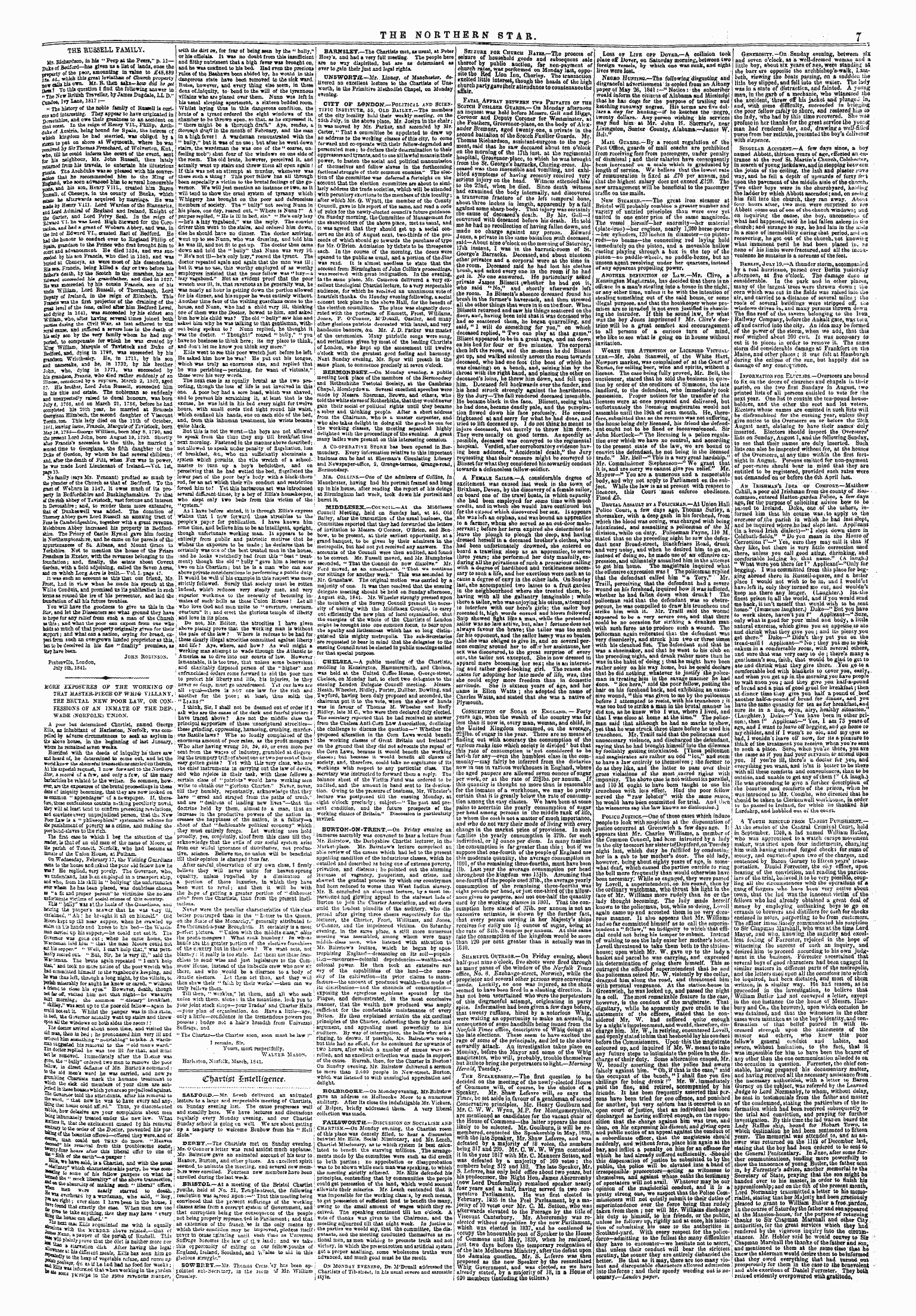
THE BUSSELL FAMILY .
Mr . Bicbaidscm , in his " Peep it the Peers , " p . 11—njite of Bedford—baa given tu a list of landa , once tlie tLp&tr of the pwr , amounting in value to £ 48 , 889 jSiTd . which this great leviathan ot Churcib property _ ajjj Us otto . Mt . ' R . Miea uks—lovD did he get n i To ttn » question I find the following answer in „ $ etf British Traveller , by James Dugdale , LL D . " Cm ^ ee , ITT I < wie » 1817 : — «< The history of the noble family of Rnaell is curlon * and interesting . They appear to have originated in njieetshire , and owe their greatness to an accident on tbst coast In the reign of Henry VII ., Philip , Archanke of Austria , being bonnd far Spain , the heiress of irlBch king dom he bad married , ma obliged by & . jonatopnt on shore at Weymosth , where he-was
r eceived by Sir Thomu Frenchard , of Wolrerton , Knt , ¦ rho , tili he could inform the court of the erent , sent for h is neighbour , Mr . John Russell , then lately retained from his travel * , to entertain his illustrious pasts . Tba Archduke -was ao pleased with his convers ion that he recommended him to the King of gu / jacd , vh » soon advanced him to several honourable pjgjs , jna his son , Henry YI 1 L , created him Baron jtosea , of Cheneys , in the county of Bucks , -which gjjjte he sf urvsrds acquired by marriage . He was pade by Henry Till . Lord Warden of the Stannaries , jnd Lord Admiral of England and Ireland , Knight of tjje Garter , and Lord Privy SeaL In the reign of EdvaM VI . fie ^ as Lord High Stevrard for the Coro--jjiiffl , * n d had s grant ot Wooarn Abbey , and "was , in
tfce Srd of Edward VI ., created Earl of Bedford . He ! jai the honour to coadnct over to England Philip of ' grain , giaadson to the Prince who first brought him to Jjcaxt and advancement He died 1554 , and mi snc- ceeded by his son Francis , who died in 15 S 5 , and was j t ^ jn ed at Cheneys , as were most of his descendants . ! Hi , sen , Francis , being killed » day or two before his j jttitr " g death , by the Scotch in the marshes , his son ' Sdwaxd succeeded his gnndf&tber , and died in 1627 . I He w » succeeded by his cousin Franda , son of his mde William . Lord Russell , of Thornhangh , Lord Deputy of Ireland , in th « reign of JBlinbeth . This Pases was the first projector of the draining of the ! rreat level of the fens , called after him Bedford Level , ; lnd dyin in 1641 was succeeded by his eldert son j
g , ¦ ftHBain , who , after having several times joined both ! jarties daring the CSvil Wax , at last adnered to tbe I ronl cause , asd suffered a tevere loss in the death of hi wly ton by the very family whoa he had sup- I ported , to compensate for which he was created by Eag William , Marquis of Tavistock and Duke cf Bedford , and , dying in 17 « 0 , was succeeded by his grandson Wriothssky . He , in 1711 , by his son ; jnd namesake , and he , in 1732 , by his brother ; John , who , dying in 1771 , was succeeded by : his grandson , Francis , who iied rather suddenly of an illness , oeeaskced by a rop ' -nre , March 2 , 1 S 02 , aged ; sr . Hi * brother , Lord John Russell , succeeded him
in Ms title and estate . The nobleman ao Eaddenl y and unexpectedly raised to ducal honours , was born Jn 3 y « , 1766 , and on March 21 , 17 S 6 , before he had completed his 20 th year , he married at Brussels Georgians Elizabeth , the second daughter of Viscount Tomn-ton . This lady died on the 11 th of October , lSOl , ksving issue , Francis , Marqais of Taristock , bora May 19 , 17 SS—George William , bom May 8 , 1790 , and ihe present Lord John , bom August IS , 1792 . Shortly liter Francis ' s accession to the title , he married a lecond time to Georgiana , the fifth daughter of the Ifcie of Gordon , by whom he had several children ; xnd , after the death of Pitt , when Fox was in power , be was made Lord Lieutenant of Ireland . —ToL 1 st ,
pgel 3 . jfo family ( ays Mr . Pennant ) profited so much by the plunder of Use Church as that « f Bedford . To the psEtof WVbnrn in 1547 , It owes much of its property in Bedfordshire and TfrpfVin g hyin « ftirfL To that of the rich abbey of Tdvistock , vast fortune and interest in Devonshire ; and , to render them more extensive , that of Duskeswell was added . The donation of Thoniey Abbey gave I ^ orf Russell an smaxing tract of Fes * ia Cambridgeshire , together with a great revenue . Melebburn Abbey increased his property in Bedfordifcire . The Priory of Castle Hymel gave him footing is Xarth&mpto&s&re , and he came on for parcels of the appurtenances of St . Albans , and Mount Graca in Yorkshire . Not to mention the house of the Friars Preacher * in Exeter , with the revenues belonging to the foundation ; and , finally , the estate about Covent Gsrden , with a field adjoining , called the 8 even Acres , acd on which Lose Acre is built . —ToL I . page 47 .
it was sacxi as account as this that our mend , Mr . Frost , Lad in view when he made hie speech at the Wnile Conduit , acd promised us its publlc&tien in such terms as roused the ire of his persecutor , and laid the finndation of all his future troubles . Ton will have the goodness to give us this in the Star , and let the Dissenters see what ground they hare to hope for any relief from such a man of the Church M this ; and whs . t the poor can expect from one who bddfi so much of thai property originally g * . Ten for their nppart ; and what can a nation , crjlug tot bread , expect from sueh an overgrown landed proprietor as this , bet to be deceived in his fine " finality" promises , as Ssej have been . Johs Robtsson . PentoEville , London , July 5 th , 1841 .
Untitled Article
MOBS EXPOSURES OF THE WORKING OF THAT MASTER-PIECE OF WBJff TILL A XT , THE BRCTAL NEW POOR LAW , OR CONFESSIONS OF AN INMATE OF THE DEPWADE ( XOBFOLK ) TX 1 OS . A poor bat detenniced Chartist , mimed George Ellis , ib inhabitant of Harietton , Norfolk , was compelled by adverse circumstsnces to seek an asylum in the abore house , in the beginning of last January , vbsre he remained itien weeks .
Harrified with the deeds of iniquity he there saw lid hfc&rd of , he determined to come out , and let the » orid tcstr the . shameful tranKcticiis canird CD therein , Aiids tspeoal rtqeest , 1 cow forward to theXarihern Star , . a record cf a few , and only a few , of the many hubaritits he related to tte wiiur . So common , however , are the exposures of the brutal proceedings in these dsns of iniquity becoming , that they are now looked on ai eonnion " appendages" of a newspaper . If , therefore , thse confessions contain nothing pecnlbrly novel , they -rill &t leaf * , tend to confirm preceding revelations , » d convince every unprejudiced person , that th = New Poor Law is a " philosophical" systematic scheme fcr tbe pcm > bm&nt of poverty as a crime , and mufring the pwrlKdia-Elaves to the rich .
The first case to which I beg the attention of the radar , is thit of an old man of the name of Moore , of the parish of Toncclt , Norfolk , who had become aa nanste of the Union House , &i Pnlham . On Wednesday , February 17 , the Tisiticg Gu-rdians oat to the house acd iiieJ the pcor bid feliotr how he *«? He replied , very poorly . The Governor , who , te tudeistind , Ms bt . en en-ploytd in a transport s ' aip , scd who , from his siill in " bullying' the unfc , rtunites rer wheE he has been placed , was doubtless chostn u " & fit aad proper person" to TictiiEise the do less grf .- » * 7 iTw * o TictiaiB of bodai crimes of tiiis cunntry . TCM " tnEj" WiS it the lltalfl of the Qaarriian-s and hesrliig the pauper ' s ar .-swer that te was \ crj- ill , otiiiaie ^ , "Ah : he brought it all on hisaiclf . " Oid iioorckept up till near sapper , when be crawled up feirs ca Lis hands scd knees to his bed— tha
Wjaiisnea earned up his EcppcT , —he could cot tat it . Tbe GoTeaMMt was go ^ e out ; when he ctme home , the TTsrcsisas io « d him - thst the man Moore coqiu not eai Lis sapper .- Well , I cant help that , " was petu-!* £% rcaifcd oui " Bui , Sir , he is very ill , ' said the W »? isman . 1 h& brute again repeated " 1 can't help ttat , ' and took no more nou . ee of the poor wrtveh who bid committed himself to theTagaboEd"s keeping , and he was thus left , through a long night , by the villain , U , PBnh miaeriblj for * ught he knew or cared , " without * frknii to close his eyes . " However , death , though tot fir off , risited him not that night—he was alive BtXt morning , ; the cozomdn " dietory" breakfast , ' ¦ Ain ^ , " was sent up to Uie poor oid fellow—again ht ttmld not eat it . Whilst the pauper was in this sUte , ia bed , the GJTernor aeiuai ] y went up stairs and threw opai ail tbe windows on both sides the rsom ' '
The doctor arriTed about noon time , and visited the « Q Baa , then in bed ; he pronounced iiim very ill and QtCcied tarn BOBieihiag " ui / uriahing" io take . A frards-^ a iagegted bis removal to tire " old man ' s -ward . " « e doctor replied be was too ill for thar , and musi ^ be remoTed . Immediately after the Doctor was gBe , the " bully" crdertd two men to remove the poor " ^• sr . in direct defiance cf Mr . Barton ' s command : » we old men ' s ward he was carried , and now ye inanbiiag CaartiK * mark the humane treatment to * £ ¦« & the aek old members of your class are » ab-Wtd inibess houses which you are so prejudiced against . fte- GsTeruor told tha attendants , afur liis removal to ^ ¦ artru , "that now he was tohiTe eTeryandany-^ list hoas = could af ^ rd . " Thus , ye discontented rT « e » how dela « Te are ¦ Jour comDlaints about men
* j * g inhumanely treated « nder th * new law . What ~* r 5 * it , thtt the excittiDent caused by his removal r ?« arj to the order of the Doctor , prevented his par-: *™? of the bounties offered^—offered they were , and of ! 7 ~* V Jaan coaid not tbe > - do more . " HeaTen * f = * ea" his r «» oTai froa this troublesome eceae , , a » u iS" hoax * ifter tXiis ubexal oSer to one of ¦ e iith of the earth" apaxper ! ' i , ^» * 6 h » , ^ e said , is a Chartist , and with the usual *^ is&cy" which characterizes bis party , he was coin- ; ^^ to some of his fellow paupers on what he ; ^« Q tt e " mock liberality" of tbe above transaction , - ^« tJieaosunii ^ - of making sosh " liberal" offers , i 2 ° ^ tten -B- otuiy Btsrved to death ., *« » U overhsard by a wsrdsman , who said , "Boy , : £ * » e ngbt ; ever since I have been in the house , I ¦ ^ -oand that exactly the case . When men are too >¦ go ^ to take acyttiag , Own they may have every ¦ ^ - "s toe hoEat Mn * & * A ••
,, ^ £ * uex t cafc JSiiis acquiinted me with is equally ito " . ^? "" " ' ^ h the XCRDEB ab « Ye relate ^ , —that ci wav ^ f : Jau ^ ot tt e parish of RaihelL TLis 1 * S , * 7 proTe ttat ac ° " iet " neither oioro ror tlt ^ T 11 * ElarTation diet After having the legal , *»* it Ms difatut meBk , Eilis has seen him go pSzrrl' ?> the heap of vegetable refuse , and raven up * £%£ ¦ * & > ^ aa if Le bid had no food for weeks ; he » te " *** ^^^^ tlal-RheuworkiDgin thejarden Kane pcraips in the » me ravtnoas mumer ,
Untitled Article
tnlA the dirt on , for fear of being seen by the " bully , " or his officials . It was no doubt from this insufficient and filthy nutriment that a high terer was brought on , and he was confined to his bed . Had even the precious rules-of the Bashaws been abided by , he would in thu dangerous state have been remoted to the sick ward . Rules , however , and every thing else seem , in these dens of . iniquity , to bend to the will of the tyrannous villains who are placed over them . Nunn was left in his usual sleeping apartment , a sixteen bedded room . Whilst laying thus in this dangerous condition , the brute of a tyrant ordered the eight windows of the chamber to be thrown open , so that , as he expressed it , " there might t > e a thorough drafi" Aye , reader , a thorvvch draft in the month of February , and the man
in & high fever 1 A w&xdsm&n remonstrated with the " bally , " but it was of no use ; but after he went down stairs , the . wardsm&n ( he was one of the " coarse , unfeeling mob ") shut four of tbe windows on one side of the roem . The old brute , however , perceived it , and actually went up stairs and threw them all open again ! If this was not an attempt at murder , whenever was there such a thing ? This poor fellow has all through been especially * victim to the brutal feelings of the governor . We will just mention an instance or two , as it will tend to show the cruel system of tyranny which Whiggery has brought on the poor and dtfenceless members of society . The ' bully" not seeing Nunn in his place , one day , roared out , " Where is Nunn ? " A panpsr replied , " Be is ill in bed , eir . " He ' s only lazy —he ' s & lazy YBgabend , " was the eeply . The convict driver then went to the stairs , and ordered him down , else he should have no dinner . The doctor arriving , weat up to see Nunn , who was dressine , and told him
ie was ill , and not fit to get up . The doctor then came down ^ nd told tbe " bully" that Nunn was very ill . " He ' s not ill—he ' s only laay , " roared the tyrant The doctor repeated again and again that the man was ill ; but it was no use , this worthy employed of as worthy employers insisted that the poor fellow was " lazy— a Jezy vagabond . " Bat an evident proof that the poor ¦ wretch teas ill , is , that ravenous as he generally was , he was nearly an hour in getting down the portion allowed for his dinner , and his supper he went entirely without Another time f * ur of the visiting guardians came to the house , and Nunn , who had a child very ill , thinking one of them was the Doctor , bowed to him , and asked him how his child was ? The old " bully" saw him and asfceii him why he was talking to that gentleman , without being spoken to ? Nunn replied , he thought it was the doctor . "Thought ! * roared "bully , " " you have no business to think here ; its my place to think , and don ' t let me know you think any more . "
Ellis went to see this poor wretch just before he left He Hiked him how he was ? He put out his tongue , which was truly an enormous size , and replied that he was perishing—perishing , for want of victuals , " these were his pery words . The next case is as equally brutal as the two preceding , though the loss af life is not involved in this one . A poor boy had a sore head , which was shaved , and to prevent his scratching it , at least that is the excuse , he was laid in his bed every night for twelve hours , with smsll cords tied tight round his waist , which confined his hands , ene ou each side of the bed , and , from this inhuman treatment , his wrists became quite black .
But tuis is not the worst—the boys are not allowed to speak from the timo they Enp till breakfast time next morning . Fastened in the manner above described ; not allowed to speak under penalty of flagellation , lass of breakfast , &c , who can sufficiently abominate a system which permits , the vile wretch of a schoolmaster to turn up a boy ' s bedclothes , and on perceiving that he had wetted the bed , fligelleted the lower part of the poor bey ' s bedy with 5 black-thorn rod , for an act which their vile conduct and restriction forced him to ? Yet this barbarous act was introduced several different-times , by a boy of Ellis ' s housekeeper , who slept only two beds from this victim of the " system . "
As I have before stated , it is through Ellis ' s express wuhes that I now foiwaid thtae atrocivisB to the people ' s paper for pnblication . I have known him some time , and believe him to be an intelligent , upright , though unfortunate working man . It appears to be entirely from public and patriotic motives that he wi&hes ~ the exposure to be made ; he declares that he certainly was oue of the best treated men in ihe house , land he looks -wretchedly bad from this " best " treatment ) thongh the old " bully " gave him a lecture or two ou his Cbartkm ; but he is a man who can soar above private considerations in performing a public duty . It would be well if his example in this respect was more strictly followed . Surely that society must be rotten indeed , which reduces very steady men , and very superior workmen to the necessity of becoming inmates of such" hells as these Union Houses ! Let all who love God and man unite to " overturn , overturn , overturn" it ; and erect the glorious temple of liberty and love in its place ,
Do not , ilr . Editor , the atrocities I have given sboTe plainly prove that the working man is without the pale of the law ? Where is redress to be had for these clearly illegal atrocities committed against liberty and life ? Ays , where , and how ? As well might a werking man attempt to wade through the Atlantic to America as to dive into our courts of law . However lamentable , it is too true , tbat unless some benevolent and charitably disposed person of the "higher" aad enfranchised orders come forward to aid tbe poor man to prottct his " liberty and life , fcis injuries , be they sever so deep , must go unredressed . Yet our laws are all tqual—there is hOT one law for the rich and another for the poor-, &t least , tims saith the "LtAES !"
I think , Sir , I shall not be deemed out of order if I ait who are the cause of the dark and fearful picture I have traced above ? Are not the middle class the principal supporters of these ¦ unscri ptural atrocitiesthese grinding , oppressing , harassing , crushing , murdtrous Bastile laws ? Wh » so loudly complaiaed of the enormous amount of poor rates , as the profit mongers ? Who after having wrung 20 , 3 » , 40 , or even more per cent from the wases of industry , grumbled at disgorgiag the trumpery trifle of about one or two per cent of thtir easy gotten gains 7 Yet with tLii very class , who are the chief instruments in carrying out the law of devils , and who rejoice in their task , with these fellows a certain class of " patriots" wou'd have working iuen
write to obtain our " glorious Charter . " Never , never , till they humbly , repentantly , acknowledge that they have " erred and strayed from tke paths of trut . li , " and are " desiruos of leading new lives "—that the docrtrine held by them , almost to a man , tbat an increase in the productive powers of the nation increases tbe happiness of tbe nation , is a fallacy—a shoot of that "fasMonabJe political ecoEOmy" wiiicJi they must entirely forego . Let working n ' . en hold proudly , yes , conjointly , aloof from this class till they acknowledge tbat the evils of our social sy&ttm arise from our wilful ignorance of distribidire , not productive , science . Believe me , no union will be bestficial till their opinion ia changed thus far .
After cartful observation of my own class , I firmly believe they wiil never unite for heaven-sprung equality , unless i-npfclled by a diminution oi a portion of those luxuries , in which they have been wont to revel ; and then it will ba with the hope of getting a greater portion of " disfcoutst gain" from tbe Chartists , tiian from tbe pifcsent iriistl * tuitions . Never were the peculiar characteristics of tuis class better pourtrayed than in the " Letter t « ths Queen , on the Stale of the Monarchy , " generally attributed to
£ ve-tbcnsand-a-year Brouahiin . It certainly is a most perfect v . ctore . " Union with the middle class , " alias the profit-aiODSfers I What rant humbng . ' Jn ¦ vrbosa hatic-s are the greater portion of the elective franchises of tie country but in their own ? We want acts , not blarney .- it really is too stele . Let ' . hem use these frauchises to Bend" wise and just legislators to the Commons' House , instead of the imbecile crew who now sit there , and who would be a diserace to a body of Inaatie electors . Ltt them act tba 3 , and they wiil then shew their " faiih by their worki "—then can we truly beiitve thiim .
Tillthea , " weikifcs , " let them , and all who seek onion with them-, alone : in the meantime , look yon to your joint stock shops—your Trades' and Charter Halls —your plan of organisation , & . c Have a little—aye , oc 3 y a little—confidence in the tremendous powers you possess ; budge not a hair " s breadth from Universal Suffrage , and " The Charter—the Charter soon , soon must be law !" I remain , Sir , Yours , most respectfully , Waxier Maso >\ Harkston , Norfolk , March , 1841 .
Untitled Article
SAIFOED . —Mr . I ^ ecb deJiTered . an animated lecture to a large and respectable meeting of Chartists , ou Sunday evening last . The cause progresses well and steadily here . We have lectures and discussions regularly every Monday evening , and our Chartist Sanday school is going en welL We are about getting up a tea-party to welceme Benbow from his " Hell Hole . " OSRB 7 ,-Tie Chartists met on Sunday evening . Mr . O'Connor ' s letter was read amidst mnch applause . Mr- Bairstow gave an animated account of his tour to Heancr , Burton , and otlier plices . An excellent spirit seemed ^ to animate the meeting , end several newmemb = _ r » were enrolled . Fourteen new members have been enrolled during the last week .
BRISTOL . —At & meeting , of the Bristol Chartist youths , he 2 d at No . 21 , Temple-street , the following resolution was agreed upon : —• ' Tbat this meeting being convinced that the pr > " « ent sufferings of the working classes arise from a corrc-pt system of Government , and tbat corruption being tbff consequtcce of the peeple not being properly represei . ied in Parliament ; and that an extension of tho franchise is the only means by ¦ which their condition rosy be improved , pledges itself never to cease agitating until sudi fee as Universal Snffrsge become * the law of tie latd ; and we take this opportunity of calling oc our fellow-youths of England , Ireland ; Scotland , and Y ^ &les to aid in this glferiocs atrnfgle . "
SOWBRBS . —Mr . Thomas Cress . « y has been appointed sub-Secretary , in the room ' ^ Mr . William Crossley .
Untitled Article
BATUVSLSY . —The Chartists met , as usual , at Peter Hoey ' a , and had a very full meeting . The people here are no way dispirited , but are as determined as ever to £ ain their jast and legal rights . UNSWORTH . — Mr . linaay , ot Manchester , delivered an excellent lecture to the Chartists of Una * worth , in the Primitive Methodist Chapel , on Monday evening . CITY OF L 8 NBON . —Politic * i and Scientific Institute , 65 , Old Bailet . —Tbe members of the city locality held their weekly meeting , on the 25 th July , in the above place , Mr . Joslyn in the chair j it was moved by Mr . Parker , and seconded by Mr . Carter , " That a committee be appointed to draw up an address to the wortine classes ef this city , to come
fsrward and co-operate with their fellow-degraded and persecuted men ; to declare their determination to their oppressors and tyrants , and to use alllawfolmeansinthelr po ver , to hasten the social aud political manumission of themselves and fellow slaves in the forthcoming factional straggle of their common enemies . " The election of the committee w&s deferred a fortnight on tbe account that tbe election committee are about to similarly address the trade societies , which will be attended with pecuniary exertions to the members of this locality , after which Mr . G . Wyatt , the member of tho County Council , gave in his report of tbe same , and read a code of rules for the newly-elected council ' s future guidance . On Sunday morning , the Committee of Management for the shareholders of the aWve place , met as usual , and
it wag agreed that they should get up a social concert on the etb of August next , two-thirds of the proceeds of which should go towards the purchase of type for Mr . O'Brien . Admission by tickets to be threepence each . In the course of the morning , the doors were opened to the public as umal , and a portion of the Slar was read . It is almost needless to state that the account from Birmingham of John Collin's proceedings , was received with great indignation . In the evening , in the s&me place , Mr . Cameron delivered a very excellent theological Chartist lecture , to a very respectable audience , for which he received an unanimous vote of
heartfelt thanks . Ou Monday evening following , asocial concert took place in the above Hall , for the benefit of the election committee . The place was elegantly decorated with the portraits of Emoiett , Frost , Wililams , Jonfs , F . O'Connor , M'Dauall , Oastler , and many other glorious patriots decorated with laurel , and very handsome banners , &c Mr . J . B . Farker was master of the ceTemonies . Many patriotic songs were sung , and recitations given by most of the leading Chartists of London , who kept up the amusement till twelve o ' clock with the greatest good feeling and harmony . Next Sunday evening , Mr . Spur will preach in the same place , to commence precisely at seven o ' clock .
BEBmOM > S £ 7 . —On Monday evening , a public meeting took place of the members of the Bermondsey and Rotb&rhithe Teetotal Society , at the Cambrian Chaptl , Horsleydown . Several excellent speeches were made by Messrs . Sherman , Brown , and others , who told the white slaves of Rotherhithe , thatthey wouldnever gain their social or political righto until they became a sober and thinking people . After a short address from the Chairman , who in a master carpenter , and wbo also takes delight in doing all the good he can for the working classes , the meeting separated highly delighted with tba proceedings of the evening . A great many ladies were present on this interesting occasion . A Co-operative Stoue has been opened in BermondBey . Every information relative to this important business can be had at Sherman ' s Circulating Library and Newspaper-office , 2 , Grange-terrace , Grange-road , Bermondsey .
Mr . Collins . —One ol the admirers of Collins , in Manchester , having hod his portrait framed and bung up in his house , after reading the report of his doings at Birmingham last week , took down his portrait and burnt it IttIDDT * ESEX . —Coukcii At the Middlesex Council Meeting , held on Sunday hut , at £ 5 , Old Bailey , after the transaction of the usual business , the Committee reported that they bad forwarded the letters of invitation to Messrs . O'Connor , O'Brien , and Benbow , to be present , at their earliest opportunity , at a grand banquet , to be given by their admirers in the metropolis , but had not yet received any answers . The accounts of the Council were then audited , and found to be correct Mr . Fussell moved , and Mr . Humphries seconded , " Tbat the Council do now dissolve . " Mr .
Ford moved , as an amendment , " That we continue our sittings for another week . " This was seconded by Mr . Qranshaw . The original motion was carried by a majority of one . It was then resolved that the ensuing delegate meeting should be held on Sunday afternoon , August 8 th , 1841 . Mr . Wheeler strongly pressed upon the members of the Surrey Council prtstut the necessity of uniting with the Middlesex Council , to carry out efficiently the new plan of local organisation , that tbe energies of the whole of the Chartists of London might b « brought into one common focus , to bear upon the apathy and listlessness which has so locg distinguished this mighty metropolis . The sub-Secretaries are requested to bear in mind that the delegates to the ensuing Council must be elected in public meetings called for that special purpose .
CHELSEA . —A public meeting of tbe Chartists , residing in Kensington , Hammersmith , and Chelsea , was held at the United Coffee House , Gkorge-street , Chelsea , on Monday last , to elect two delegates to the ensuing London Delegate Council meeting . Messrs . Heath , Wheeler , Ridley , Porter , Dalibar , Dowling , and Twyford , having been duly proposed and seconded , the chairman put it to the vote , when tbe show of hands was in favour of Thomas M . Wheeler and Ruffy Ridley , late M . C ., who were then declared duly elected . The secretary reported that be had received an answer from the Chelsea Anti-Corn Law Association , declining the challenge to discuss tke question— " Whether the proposed alteration in the Corn Lvws would benefit
the working classes of Great Britain and Ireland ?" on the ground that they did not advocate the repeal of tbe Corn Laws , because it would benefit the working classes ; but because it ¦ would benefit all classes of society , and , therefore , could take no cognizance of its workings with respect to any particular class . The secretary was instructed to forward them a reply . Tbe balance sheet of tbe Victim Fund was ordered to be audited , and the amount in hand sent to its destination . Owing to the pressure cf business , Mr . Wheeler ' s lecture was postponed till the ensuing Monday , at tight o ' clock precisely ; subject— " The past and present condition , and the future prospects # f the working classes of Britain . " Discussion is particularly invited .
BTJRTON-ON-TREKT . —On Friday evening an immense assembly was convened to hear a lecture from Mr . Bairstow , the Derbyshire Chartist lecturer , in the Market-place . Mr . Bairstow ' s lecture comprised an able review of the causes which had led to the present appalling condition of tbe industrious classes , which he detailed and described ns being one of extreme poverty , privation , and distress ; bo pointed out the alarming increase of vagrancy , pauperism , and crime , and shevred the gradual process by which our countrymen had been reduced to worse than West Indian slavery . Mr . B . concluded an eloqusnt lecture , by a most impasskineil aud glowing appeal to tha stalwart lads ot Burton to join the Charter Association , and sat down amid the loudest plaudits of tke auditory , who
dispersed after giving three cheers respectively for the lecturer , tfce Charter , Frost , Williams , and Jones , O ' Connor , and the imprisoned victims . On Saturday evening , in the same place , a still more numerous meeting -was assembled , among whom were O 1 UU } middle- cl&sa men , ¦ wh . a listened with attention to Mr . Bairstow ' s lecture , which he began by apostrophising England—descanting on its soil—population—resonrces—colonial dependencies—wealth—and colossal power . He then took an extensive survey of the capabilities of the larjd—the necessity of its cultivation—its prior claims to manufacture—the amount of produced wealth—tho mode of its distribution—and the channels of consumptionexposing the egregious sophisms spouted by the
Plague , and demonstrated , in the most conclusive manner , that the wezlth now produced was amply sufficient for the comfortable maintenance of every BritoH . He then explained seriatim the six cardinal principles of the Charter , defending them by facts and argument , and appealing most powerfully to his auditors . By way of interruption , the bells vffere set a ringing , to drown , if possible , Mr . Bairstow ' s voice ; but this had no efftct , for he continued for upwards of two Lours , after which a number of names Wbrs enrolled , and an excellent collection was mode In support of the canse . Hurrah , then , for the Charter In Burton ! On SuDdsy evening , Mr . Bairstow delivered a sermon to more than 2 , goo people in JVew-street , Burton , which was listened to with uumiuglod approbation and . delight
HOLBROOKE . —On Monday evening , Mr . Bairstow gave an address on Holbrooke Moor to a numerous auditory . After its close the indefatigable Mr . Vicfeers , of Bjlper , briefly addressed them . A very liberal colltction was made . FAILS WORTH . —DlSCt-SSIOtf ON SOCULISM AND CHJRTISH . —On Monday evening , the Chartist roem of this place was densely filled , to hear a discussion betwixt Mr . Eiiis , Social Missionary , and Mt , Lench , Chartist Missionary , as to which fystem is best calculated to benefit tLe starving millions , . The arrangements mode by the committee were such as did credit to beta parties ; no approbation or disapprobation was to be shown while each man was sptaking , to which the meeting strictly adhered . Mr . Ellis defended his
principles , contending that by communities the people could get possession of the land , which would soonest alleviate their miseries . Mr . Leach cantended that it was impossible for the working class : s , by such means , to get possession of sufficient land to benefit the many , owing to the small amount of wages which they received . The speaking continued till ten o ' clock . A vote of thanks was given to the Chairman , and the meeting adjourned tili that night week . In justice to the parties we would say , tbat the committee , the dis . pntants , and the meeting conducted themselves as rational men , as men wisbiug to promote truth and not victory , in which the prt sent rotten and artificial sjsteni got a proper analizing , some wholesome truths were advanced , and much go od must be the result
On Mo . ND . iY evenikg , Dr . M'Douall addressed the Chartists oi Tib-sUeet , in fcis usual severe and sarcastic style .
Untitled Article
> zra « for Chdbch 1 UTBS .-The process of ^^ . Vv Of hou v ^ hold « 0 <) d 8 and subsequent Bale thereof oj public auction , for non-payment of church rates was performed on Monday last , opposite the Red Lion Inn , Chorley . Th / tran ! act £ n welted lutfe interest , though the heads of the high orrorcn partyga ? e their attendance to countenance the affair . , . Fatal Affbay BETWEBif two Privates of the Scotch Fdsileer Guards . —On Monday afternoon an inquest was held before Messrs . Gelt and ' Higgs , Coroner and Deputy Coroner for Westminster , at * he Feathers , Grosvenor-place , on the body of Alexander Bremner , aged twentyono , a private in the second battalion of the Scotch Fusilier Guards . Mr . Ihoma 8 Richardson . assistant-Bursroon to the rear .
ment , said that he saw deceased about ten o'clock on the morning of the 17 th inat . at the regimental hospital , Grosyenor-place , to which he was brought from the St . George ' s barracks , Charing-cross . Deceased was then insensible and vomiting , and exhibited symptoms of having recently received very serous "' jury on the head . Witness attended him to the 22 nd , when he died . Since death witness had examined the body internally , and discovered a transverse fracture of the left ; temporal bone , about three inches in length , apparently by . a fall against some sharp body . That injury was certainly the cause of deceased ' s death . By Mr . Gell—1 conversed with deceased before his death . He told me he had no recollection of having fallen downand
, made no charge against any person .., Edward Jones , a private in tho same battalion with deceased , said—About nine o ' clock on tho morning of Saturday , 17 th instant , I was in the barrack-room of St . Georges Barracks . Deceased , and about nineteen other privates and a corporal were at the time in the room . Deceased said he had lost his clothes brush , and aeked every one in the room if he had got it . Ho one answered . He particularly asked private James Blissott jwhether he had got it , who said < k No , " and shortly afterwards left the room . In Blissett ' ts absence deceased found his brush in the former ' s haversack , and then strewed all the other things that were in it on the floor . When Blissett returned and saw his things scattered on the
floor , and , having been told that it was deceased who had so scattered them , he began quarrelling , and said , " I will do 6 omething for you , " on which deceased replied , " Two can play at that game . " Blisset appeared to be in a great sage , and Bat down on his bed for four or five minutes . The corporal then left the room , and the moment he did Blisset got np , and walked silently across the room towards deceased , who bad one foot ( the boot of which he was cleaning ) on a bench , and , seizing him by the throat with the right hand , and placing the other on deoeased's loins , he threw him down , and fell upon him . Deceased fell backwards over the fender , and his head struck strongly against < he hearthstone .
By the Jury—The fall rendered deceased insensible . He became black in the face . Blissett , seeing what he had done , became deadly pale , and the perspiration flowed down his face profusely . He seemed frightened at and sorry for what he had done ; and tried to lift deceased up . I do not thing he meant to injure deceased , but merely to throw him down . They were usually on good terms . Ab speedily as possible , deceased was conveyed to the regimental hospital . Verdict , after corroboratory evidence having been adduced , " Accidental death , " the Jury requesting that their censure might be conveyed to Blisset for what they considered his cowardly conduct towards a defenceless fellow-soldier .
A Fehalr Smlor . —A considerable degree of excitement was caused last week in the town of Brixham , Devon , by the discovery of a female sailor , onboard one of the trawl boats , in which capacity she had been employed for dome time with much credit , and in which she would have continued but for the eKpOfce" which discovered her sex . It appears she was left an orphan , and was bound an apprentice to a farmer , whom sho served as an out-door maleservant ; before her term expired she determined to leave the plough to plough the deep , and having dressed herself in & deceased brother ' s clothes , who had been unfortunately drowned , she entered on board a trawling sloop as an apprentice , to serve three years : she performed her duty manfully ,
enduring all the privations of such a precarious calling with a degree of hardihood and recklessness necessary to such a life , and her exertions were such aa to cause a degree of envy in the other lads . On Sunday last , she accompanied two lasses to a fruit garden in the neighbourhood where she treated them , behaving with all the gallantry imaginable ; while there a tailor , who was enjoying his otium , attempted to interfere with our hero ' s girls ; the sailor boy resented it , high words ensued and blows followed ; Snip Showed tight like a man , while the pretended sailor was bo ) ef > s active , bufc , alas ! fortune Aoqb not
alwayB favour the brave ; the tailor was too much for his opponent , aud the sailor lasBey was eo beatea that she was obliged to give in , and on soveral persons coming around her to of&r her assistanse , her sex was discovered , to the great surprise of every one , the tailor not excepted . She is now dressed in apparel more becoming her 8 ex ; ehe is an interesting aud rather good-looking girl . The reason she states tor adopting her hie mode of life , was , that she could enjoy more freedom than in domestic servitude . She is sixteen years of age , and her name is Ellen Watts ; she adopted the name of Charles Watts , and stated that she was a native of Plymouth .
CONSUJIPriOJt OF Sugar in England . — Forty years ago , when the wealth of the country was far less than it now is , every man , woman , and child , in the United Kingdom consumed , on the average , 22 JU > 3 . of sugar in the year . There are no means of finding out with accuracy tbe consumption of the various ranks into which society is divided' but that this rate of consumption is' not considered to be Iavi-h for any—even the humblest class in the community—may fairly be inferred from the dietaries now in use in various workhouses in England , where the aged paupers are allowed seven ounces of sugar per week , or at tho rate of 22 | lbs . per annum . If this quantity is thought no more than is reasonable for the inmates of a workhouse , we may be pretty certain that U is greatly below the rate of
consumption among the easy classes . We have been-at some pains to ascertain the yearly consumption of sugar per head among persons in the middle rank of life , to whom the cost is not a matter of muoh importance , and who do not vary their mode of living with every change in the market price of provisions . In suon families the yearly consumption is 371 b . for each individual , or ljj ounce per diem . In many families the consumption is far greater than this ; but if we suppose that one-fourth of the peeple of England use this moderate quantity , the average consumption in 1001 , of the remaining three-fourths , must have been lib . Last year the average consumption per head
throughout tbe kingdom was lo ^ lb . Assuming that one-fourth of the people used 371 b ., the average yearly consumption of the remaining three-fourths was eight pounds per head , or just one-third Of the allowance given to paupers , and not one-half the quautity used by the workiug classen in 1801 . That the consumption here stated of 371 b . per annum is not an excessive estimate , is shown by the further fact , that every pereon serving in her Majesty ' s ships receives for daiiy use 1 £ ounces of sugar , being at the rate of 341 b . 3 ounces perauaum . At this same rate tho consumption of tho kingdom would be more than 120 per cent greater than it actually was in
1810 . Shameful Outrage . —On Friday evening , about halt-past nine o ' clock , five shots were fired through as many panes of tho window of the Norfolk Times office , No . 8 , jExchaiige-strect , Norwich * while the proprietor and soveral other persons wore conversing inside . Luckily , no one was injured , US the shots feemed to have been fired in a slanting direction . It has not been ascertained who were the perpetrators of this disgraceful attempt , originating m party spite . Information had been given a few day a before ,
that twenty ruraaws , hired by a notorious Whig , were wailing an opportunity to make an assault , in consequence of some handbills being issued from the Norfolk Times office , descriptive of Whig doings at the late elections . These seem to have excited the rage of some of tbe principals , and led to the above cowardly attack . An investigation takes place on Monday , before the Mayor and some of the Whig magistrates , who will , probably , trouble themselves but little to bring the perpetrators to light . —Morning Herald , Tuesday .
Tub Speakership . —The first question to be decided on the meeting of tbe newly-electod House of Commons -will , of course , be the choice of a Speaker . Mr . Shaw Lefevre will , so says the Times , be set aside in favour of a gentleman of sound Conservative principles . Mr . Henry Goulburn and Mr . C . W . W . Wynn , M . P . for Montgomeryshire , are mentioned as candidates for the vacapt chair of the House of Commons—the latter appears tho most likely to be selected . Mr . Goulburn , it will be remembered , contested the Speakership in May , 1839 , with the late Speaker , Mr . Shaw Lefevre , and was defeated by a majority of 18 votes , the numbers being 317 and ? 99 ., Mr . C . W . W . Wynn contested it in the year 18 i 7 with Mr . C . Manners Sutton , and was defeated by a majority of 160 votes ; the numbers being 312 and 152 . The late Speaker , Mr . S . Lefevre , lias only held office about two years , but
his predecessor , the Right Hon . Jame 3 Aberoromby ( now Lord Dunfermline ) remained speaker nearly foar years and a half , having served in two consecutive Parliaments , He was first elected in February , 1835 in the Peel Parlaament , by a majority of 10 votes over Mr . C . M . Sutton ,, who was afterwards elevated to the Peerage by the title of Viscount Canterbury . Mr . Abercromby was reelected without opposition by the new Parliament , Which Was elected in 1837 , and he continned to occupy the honourable post of Speaker to the House p f Commons until May , 1839 , when he resigned , just two days before the temporary resignation of of the late Melbourne Ministry , after the defeat upon the Jamaica question . Mr . S . Lefevre was ^ then proposed as the new Speaker by the resuscitated Whig Government , and was elected , as we have already stated , by a majority of 18 , in a Hou 3 eof 620 members ( . including the tellers . )
Untitled Article
Loss of Life off Dovkb . —A collision took place off Dover , on Saturday morning , between two foreign vessels , by which one was sunk , and eight lives were lost . NsGao HuffTiNo . —The following disgusting and disgraceful advertisement is copied from an Albany paper of May 26 , 1841 : — " Notice : the subscribeir woald inform the citizens of Alabama and Mississi ^ i that he has dogs for the purpose of trailing and ketching runaway negres . His terms are five dollars a day for banting—if he ketches the U € gr 0 , twenty dollars .- Any person wishing : his services may find him at Mr . John H . Sherrar's * near Livingston , Sunter County , Alabama . —Jamc 3 W . Bali . ¦ .:. ¦ : . ¦ ¦ •¦ ¦ ¦ ¦ ¦ ••¦ . ¦ ¦ ¦ - . '
Mail Guabds . —By a recent regulation of the Post Office , guards of mail coacha are prohibited from receiving fees from passejpgerp , under penalty of dismissal ; and their salaries have consequently been increased on a scale "which is' graduated by length of service . We believe that the lowest rate of remuneration is fixed at £ 70 per annum , and that the highest salary does not exceed £ 120 . The Hew arrangement will be beneficial to the passenger traffic on tne mails . New Steamer . ——The great iron steamer at
Bristol will probably combine a greater number and variety of untried principles than were eyer yet united in one enter prise of the same magnitude . The vessel herself—her enormity—her material ( plate-iron)—her engines , nearly 1 , 200 horse-power —her cylinders , 120 inches in diameter—no pistonrods—nb beams—the connecting rod laying hold immediately on the piston , and a moveable hollow casting playing through a box in the top of the piston—no paddle-wheels , no paddle-boxes , but an unseen agent revolving under her quarters , instead of any apparent propelling power .
ANOTHER DEFINITION OF Law . —Mr . Clive , * Kensington Magistrate , has decided that there is no offence in a man ' s stealing into a house in the night , or any other time , unless ic be with the intention of stealing something out of the said house , or some illegal purpose , and that the honskeeper whose premises are so invaded is not even justified in chastising the intruder . If this be sound law , for what was the boy Jones imprisoned ? Mr . Clire ' d doctrine will be a great comfort and encouragement to all persons of a curious turn of mind , who like to . see what is going on in houses without invitation .
Worth the Attention of Licensed Victuallers . —Mr , John Stan well , of the White Hart , Newport market , was complained of at the Court of Excuse , for selling beer , wine and spirits , without a license . The case being fully proved , Mr . Bell , the auctioneer , stated that he sold the outness in question by order of the creditors of Simmons , the late landlord , to the defendant , who immediately took possession . Proper notices for the transfer of the licenses were at once prepared and delivered , but unfortunately the licensing magistrates would not assemble until the 19 th of next month . He , therefore , submitted that as the revenue was not suffering ,
the house being duly licensed , his friend the defendant ought not to be fined or inconvenienced . Sir John Mortlock— " The licensing is a police regulation over which we have no control , and according to the present state of the law * we are bound to convict the defendant , he not being in the licensed trade . " Mr . Bell— " This is a very fireat hardship . " Mr . Commissioner Stephenson— "We grant that it is , and are sorry we cannot give you relief . " Mr . Mayow— You are a numerous and a respectable body , and why not apply to Parliament on the subjectl While the law is as at present with respect to licences , this Court must enforce obedience . Fined £ 5 .
Dbutal AssAUW by a Fouceman . —At Union Hall Police Court , a few days ago , Thomas Surley , a shoemaker , with a deep gash in his forehead , from which the blood was oozing , was charged with being intoxicated , and assaulting a policeman of the AI division , while on duty . . Policeman Payne , 110 M , stated that on the preceding night he saw the defendant near Brottd-street , Blackfriars Road , drunk and very noisy , and when he desired him to go on , instead ef doing so , he made use of an offensive expression , and ultimately assaulted him in tho attempt to get him home . The magistrate inquired what the offensive expression was ? The policeman replied that the defendant called him " a Tory . " Mr . Traill , perceiving that the defendant bad a severe wound on his forehead , inquired how it was inflicted , whether he had fallen down when drunk ! The policeman paid that , the defendant ^ was so obstreperous , he was compelled to draw his truncheon and strike him with it . Mr . Traill said the wound
appeared to be a very severe one , and that there could be no occasion for striking a drunken man with such force aa to produce such a wound . The policeman again reiterated that , the defendant was very disorderly , and struck him two or three times with hia clenched fist . The " defendant said that he was a shoemaker , and that be went to his club on the preceding night , and drank rather more than he was in the habit of doing ; that he might have been rather noisy on bis way home , but he could declare that he did nothing . whatever to justify the policeman in treating him in the savage manner fie had done . " See here , " said the poor fellow , putting the hair on his forehead back , and exhibiting an extensive wound , " this was given tome by the policeman before I attempted to resist , with his truncheon ; it was too bad to strike a man in the brutal manner he
did me , as he knew who I was , where I livea , and that I was close at home at the time . " The policeman said that although he had no marks to shew , yet that ho was struck three times before he used his truncheon . Mr . Traill said that the policeman used unnecessary violence , and discharged the defendant , saying that he had brought himself into the dijemma by foolishly getting intoxicated . [ ThesQ policemen and magistrates are rather au odd "lot , " and seem to have a law entirely to themselves ; the former to do as they like , and' the latter to pass over their gross violations of the most . sacred rights with impunity . The above case is not without its parallel , and 110 M ought to have been taught to use his truncheon with lofs effect . Had the poor fellow served the " raw lobster" with the same sauce , he would have been committed for trial . And then the wiseacres say the law knows no distinction . ]
Police Justice . —One of those cases which induce people to look with suspicion at the dispensation of justice occurred at Greenwich a few days ago . It appears that Mr . Charles Williams , a member of the Common Council , had been intrusted by a lady in the city toescort her sister toJDeptford , on -Tuesday night last , which duty he fulfilled by conduoiin ,- ; hor in a cab to her mother ' s door . The old lady , however , being about eighty years of age , is somewhat deaf , which Caused tho parties outside to ring the bell more frequently than would otherwise have been necessary : While so engaged , they were passed by Lovell , a superintendent , on his round , then by the ordinary watchman , who thrust big light in the face of Mr . Williams more rudely than lie or the
lady thought becoming . The lady made herself known to the policeman , but , while sodoiug , Lovell again came up and acoosted them in no very decorous manner . It also appears that Mr . Williams had eo far committed himself as to call the superintendent a " fellow , " an indignity to which that official could not bring his temper to snbnrit . Instead of waiting to see the lady enter her mother ' s honse . Lovell threatened to take them both to the stationhouse j upon which Mr . Wi gave up to th ?> lady a basket and parcel he was carrying ^ and expressed his determination of goi » g there himself . This so outraged the offended superintendent that he and the policeman seized Mr . W . violently by the collar , dragged him along the road , and threatened him
with personal vengeance . At the stattou-house in Greenwich , he was locked up , and passed the night in a cell . The most remarkable feature in the case , however , is the conduct of the magistrate . That dignitary , while he apparently gave credit to the statements of the officers , stated that he considered Mr . W . had suffered quite enough by a night's imprisonment , and ^ would , therefore , discharge Trim . Mr . W ., in retiring , enountered Lovell , and openly' stated tohim that he should lay bis conduct before the Commisioners . Upon - this the magistrate coloured up , and inquired if Mr . W . meant to take any future steps to intimidate the police in the discharge of their duty . Some altercation ensued , Mr . W . broadly asserting that the police had sworn
falsely against him . "Oh , if that is the case , " said the occupant of the bench , "I shall fine you five shillings for being drank " !" . Mr . W . immediately paid the fine , and retired , accompanied by his friende . It has been frequently asserted that persons have been tried for one offence , and punished for another , but very seldom has it occurred in an open court of justice , that an individual has been discharged as having suffered enough , on the supposition that the charge against him was true , and then , on his expressing his dissenti and giving open and public notice of an appeal against the Conduct of a subordinate offioer , that the magistrate should suddenly , and without form , place him again at the bar , and inflict a penalty on him for an offence for whioh he had already suffered sufficiently . -Should this dispensation of justice be submitted to by the public , the police will be elevated intoi a band of irresponsible ' prosecutors—acting as witnesses to oains
themselves , and against wnpse maiesnmony of spectators will not avail . Whatever may ; be our opinion of the magisterial conduct , and it is a pretty strong one , we suspect that the Police Commissioners will not quietly submit to their duties of superintendence over the force heing thus rudely taken from them j nor will Mr . Willijains discharge his duty to himself , to his friends , or the public , unlesa he follows up rigidly and at once , bis intention of submitting bis case to tho authorities in Scotland-yard . With every respect for the policeforce—admitting to the fullest the many difficulties they have to encounter— we hesitate not to assert , that unless their conduct will bear the strictest scrutiny , the sooner they are entirely disbanded the better . Be that as it may , there are too many violent and disreputable characters allowed admission into the force ; and their speedy weeding out is necessary . — London , paper .
Untitled Article
Generosity . —On Snnday evening , between six and seven o ' clock , as a well-dressed woman and a little boy , about " six years of age , were standing at the barr era opposite the archbishop ' s-walk , Lambeth , viewing trie boats passing , on a suddden the litle boy slipped , and fell into the water . The lady was in a state of distracticn , and fainted . A ^ yonng man , in the garb of a mechanic , who witnessed the the accident , threw oiF his jacket and plunge J in , a ndj with some difficulty , succeeded in brinyiug the poor fellow cafeljto shore , and restored hiin to the lady , who had by thi 3 time recovered . She was profuse in her thanks for the great service ihe yoiiiifl man had rendered her , and , drawing a weU Med purae from her reticule , presented tho boy ' s deliverer Withsixpence . [ . ' . '¦ ' ' - :
Singular Accident . —A few days since , a boy named Abbott , thirteen years of age , < ffocted an entrance at the roof St . Martin ' s Church , Colchester , in search of young jackdaws , aud in stepping between the joists of the ceiling , the lath and plaster i-dva way , and he fell a depth * of upwards of forty ie r t upon the pavement of the middle aisle of the church . Two other boys were in the churohyard , koirf »> # the ladder by which Abbott ascended ; and , on sed » £ him fall into the church , they ran away . About four hours after , two men were surprised to F . t ? e Abbott come out of oueot ' thechorctvwindows ; u-nd on inquiring the cause , the boy , unconscious of what had happened , ' 8 aid he had fallen asleep in tire church ; and strange to say , he bad lain in the msle in a state of insensibility caring that period , and on recovering , he got out of the church , not knowing what imminent peril he had been placed in . ? a none of his limbs were fractured , aud all the inconvenience he sustains is a soreness of the feet .
Berlin , July 19 . —A thunder storm , accompanied by a real hurricane , passed over Berlin yesterday aftercoon , at five o ' clock . Tho damage douo w considerable . In the park and in other places , many of the largest trees v » tre thrown down ; -he corn which was cut in the fields was raised into tbe air , and carried to a distance of several miles ; tho roofs of several . buildings were stripped off , the windows driven in , and many persons thrown dowii The fineroof of the tavern belonging to ihe Iron . Railway Company , before the Auhalt gate , was torn " off and carried into the city . An idea may be formed of the power of the storm , when we add , that ihia roof weighed about 200 c « -t . It was necessary to cut it to pieces in order to remove it . The same storm did considerable damage at Frankfort on tha Maine , and other places ; it was felt at Hamburgh during the eclipse of the sun , but happily did no damage of any conecqrence .
Information for Elfcwrs . —Overseers are bound to fix ou the doora of churches and chapels iri'timr parish ,, on the- ' -two first Sundays in August , two printed lists of all persons entitled to vote for the next year . One list to contain the ten-pound householders , and the other the Ecot and lot voters . Electors whose names are omitted in such lists will be disfranchised for the . ensuing year , unless they give notice to the Overseers on or before the 25 cn , Augnst next , claiming to have their names duly inserted . Electors should inspect the Overseers ' lists on Sunday , August 1 , and the following Sunday , to see that their names are duly inserted . Such lists can also be inspected without fee , at the houses of the Overseers , at any time within the first fortnight in August . Persons omitted for non-payment of poor-rates should bear in mind that they are entitled to be registered , provided such rates were not demanded on or before the 6 th April last .
An Ibishman ' s Idea of Comfort . —Matthew Cahill , a poor old Irishman from the county of lioscommou , entered Hatton-garden Police , a few ^ davs ago , for the purpose of soliciting advice how to bo passed to Ireland . Duke , oaeof the ushers , informed him that his course was , to apply to the overseer of . the parish in which he had last slept , and he inquired where . ho had slept , last . AppYcant ( in a broad Irish dialect)— "J slept down there in ColdbaUi-fields . " " . Do you ' mean in the Honse of Correction ?"— " Yes , euro they may call it that if they like , but there is very little correction used there , unless you call good atioff , Shrinking , and comfortable lodging by . that name . " ( A ' lan ^ h . ) " What were you there for ? ' Applicant— "Only for
begging . I was committed from this place for begging abroad there iu Kuseell-square , and a better place I would not wish to be in , and I would ' ut have left it , only theyturned me out , and wouldn't keep me there any longer . ( Laughter . ) Its . ; ih 8 finest prison in all the world , aud if you would seud me back , it isn't meself that would wish to be sent home . " ( Immense laughter . ) Duke— " But you have to work there , haven't you ? " Applicant—** Sure , only what is good for your mind ana body , ft little natural exercise , which gives you an appetite . ; to ate and dhrink what they give you ; and its plenty . you get there . " Duke— "Didn ' t they put you on tha tread-mill ? Applicant— " No ; they put mo to pick oakum in a comfortable room , with several others ,
and sure that was very easy to do ; there ' s many a gentlenaan's sou , faith , that would be glad to gct > to ate and dhrink what they give there . You go to a comfortable bed with blankets to cover you , early ,., and when you get up in the morning you hare peopie to wait upon you ; and they give you half-a-puund of bread and a piufc of good giuel for breakfast ; then at dinner time they give you half & pound of Jreef another halfta-pound- of bread for dinuer , and you have the same quantity for tea as for breakfast , and sure its . in a liue , open , airy , healthy situation . *' ( Laughter . ) Daker- '' You have been in other prisons then ! " Applicant— " Yes , I am 73 years of age , and I want to . Jeave off begging , and go home to my childer , and if I wasn ' t so old , and my eyes so
bad , I wouldn ' t leave off bow , for its a pleasure to thitkof the treatment you receive when , you ' re sent to such a place . Suro , when ycu ' ie there , you are the game as if you had your servants to attend upon you . If you ' re ill , there ' s a doctor for 3 ou , and everything you want " , and is ' nt ifc . better to be there with all these comfotts and conveuieuces , than to be outside , and unable to get any of them ! " ( A laugh . ) He was proceeding to givo a further description of the beauties and comforts of the prison , whan he was introdced to Mr . Coonibe , who direoteu that he should be tak « u to Clerkeuwell workhouse , in order to bo passed to Ireland , fo * which be thanked hia Lordahiu , and hobbled out oi ' tke court .
A Youth rescued from ILnjust Punishment . — At the session of the Central Criminal Court , held in September , 1840 , a lad named William Butler , who was apprenticed to a watch escape movement maker , Avas tried upon four indictments , cbarfeing him with having uttered forged checks for gums of money , and convicted upon two of the charges , and sentenced by Baron Gurney to fifteen years' trans- - porjation . Dauiel Forrester , the city cfifeer , upon hearing of the conviction , and reading the particulars of the trial , beiieved . it to be very possible , coupling all the circumstances with the operations Of a gang of forgets who ha 7 e b ^ -en' very' active about town , that the lad was the innocent ; victim of the fellows who had already obtained a great deal of
money by employing unthinking boys to go on errands to brewers and distillers for cash for checks enclosed iu notes , purporting to bo from easterners . The offiaer imruuiiate ' ly communicated his suspicion to Sir Chapmau ilavfaliall , who was at the time Lord Mayor , and Who , knowing , the sagacity and excellent feeling of Forrester , rejoiced in the hope of witnessing the success of such an inquiry , and desired him to proceed according to his own judgment in the business . Forrester ascertained that several boys of good characters had been engaged in similar matters in different parts of the metropolis , and the letters used uyon all the occasions into which ho inquired , had been dictated , and most of them written , in a similar way . He had reason , as he
proceeded in the investigation , to believe that William Butler iad not conveyed a letter , except in the duo instance ( to the houoe of Messrs . ^ Hanbury and Co ., the brewers ) , upon which occasion he was detained , and tbat the witnesses ' in the other cases were mistaken aa to the boy ' s identity , and cqnfirniali&n of that belief poured in with ia > creased strength upon the statements of the master and others , who knew this poor fellow ' s general conduct and habits , and swore , without hesitation , to the fact , that it was impossible for him to have been the bearer of any other than the oue communication alluded to on the occasion in question . Forrester , the chief constable , having prepared his documentary matter .
and having receivea all the necessary assistance from . the necessary authorities , with , a letter to Baron , Gurney on the subject , was referred by the Learned Judge to Lord ^ ornianby , to whom , without delay , he sent in testimonials from the father and master of the condemned , stating the particulars of the information which had been received subsequently to the trial and conviction , and praying for further investigation . By this time the lad was on board the Lady Raffles ship , bound for Hobart Town , to whioU destination he had been sentenced to firteen year ? . The memorial was attended to , and an answer wag returned on the 11 >?» of December last , stating that the boy had been ordered to be sent to the General Penitentiary ^ In June , after some further communications , tending niore powerfully to show the innocence of young Butler , the father sent in , by -Forrester ' s advice , another memorial to . tha
Secretary of State , praying tjiat we sonmign ? qe handed over to his master , in order to finish'his apprenticeship ; and on the 6 tn of the present month , Lord Normanby trausmitted . a letter to ^ hia memorialist , stating that her Majesty had been graciously pleased to grant to William Butler a free \ pardon . In the course of Saturday the father and son appeared at the Mansion-house , for the purpose of returning thank ? to Sir Chapman Marshall and other City authorities , for the great services which they had rendered by the vigorous inquiry into the circumstances . Mr . Hobler ^ said he wonld convey to Si * ; Chapman Marshall the thanks of the father and son , and mentioned to them at the same time that he knew the alderman woald desire them to be informed that they owed everything that had torotecl out prosperously for them in the case to the benevolent and able exertions of Daniel Forrester . They both rethed evidently overpowered wiihgratitu . de ,
(£F≫Avti0t Jzxtuxhsenct.
( £ f > avti 0 t JzxtUXHsenct .
Untitled Article
THE NORTHERN STAR . 7
-
-
Citation
-
Northern Star (1837-1852), July 31, 1841, page 7, in the Nineteenth-Century Serials Edition (2008; 2018) ncse.ac.uk/periodicals/ns/issues/vm2-ncseproduct390/page/7/
-