On this page
-
Departments (2)
-
Text (8)
-

3£mgm * al aparltamem*
-

Untitled Article
-

Untitled Article
-

Untitled Article
-

2San&rttjj$j^ 9rc.
-

Untitled Article
-

Untitled Article
-

Untitled Article
Note: This text has been automatically extracted via Optical Character Recognition (OCR) software. The text has not been manually corrected and should not be relied on to be an accurate representation of the item.
-
-
Transcript
-
Note: This text has been automatically extracted via Optical Character Recognition (OCR) software. The text has not been manually corrected and should not be relied on to be an accurate representation of the item.
Additionally, when viewing full transcripts, extracted text may not be in the same order as the original document.
3£Mgm * Al Aparltamem*
3 £ mgm * al aparltamem *
Untitled Article
HOUSE OF LORDS-Frtdajr , July 22 . ¦ Lori Bsobctlam iaiS . npon the table two Bills , taring for their object to improve the law of Bank-XQptcy and to * anW * - « fa » arrangements between debtor ami Od&tor . The Bills were read a first time , and Xt&d Lyndhnrst ' a messurb upon the suns subject , as vr&lastbe . Csnoty Court's Bill , having been pssed ibrongh Committee , their Lordships adjourned .
Monday , July OS . Jiati "Whabsciiffe intimated ia reply to the Bishop of Xendon , that it was tbe intention of Governmeet to establish normal schools , without any specific religious education , for those who were to become themselves the teachers of schools . In the distribution of the grant , the Q-oTemment would follow the plan laid down by tbeir predecessors . On the motion for tbe recommittal of the Mines and
Collieries Bill , Lord Brougham inculcated great caution in the application of the principle of interfering with the lights of labour . He admitted that the Legislature might interfere with tbe employment of children in occupations injurious to their constitutions , but was Jealous of interference with the doenpation of adults , xa the principle adopted in the present bill might be extended to other occupations , such as that of pin and B&e $ 2 e-m&khig , &z .
The Marquis of Losdosdekbt hailed the support of Lord Brougham in opposition to the Bill , as other"wise he bad stood alone , having been thrown overboard by Lore Hatherton . He moved that the Bill be referred to a select committee . After a short discussion , the recommittal of the Bill was carried bj 49 to 3 . -The Bill was then recommitted , and Lord Se . ELHEKSDa 1 lE moved that women above forty years of age at present -working in collieries should still he permitted to do so . After considerable discussion , this was rejected by 29 to 15 . The Earl of Mocsicashel proposed to latee the limitation age of children from ten to twelve years . This was negatived without a division . The Bill , a ter some further discussion , went through committee , and the Honss aaMourned .
Untitled Article
HOUSE OF COMMONS , Friday , July 22 . 2 * ie Customs Act Amendment Bill was read a third tame -and-passed ; as was also the Exchequer Bills Preparation Bi . L Sir J . GB . AHAM moved that the Poor Law Amendment Bii \ be now read a third time . Mr . Fieidsx gavs notice , that on the question that the Bill do pass , be should move as an amendment that it be printed , in order that Hon . Members might'know -what it contained . He believed that not five Members knew what iis provisions were .
Mr . S . C 31 A -WF 0 RD said this Bill was utterly barren of any provisions for the relief of tbe poor from the oppressive working of the present law ; its only effect wouie t > e to continue the Commission for five years longer Tfcs question was then , would the House conseat to a Bill with such an object , in the face of all the objections brought against the arbitrary character , and proceedings of the Commissioners ? He would-remind the "House , that to those objections no satisfactory answer had ever been given . The Commissioners , it ¦ was proved , had been guilty of the unnecessary and unreasonable forcing of the in-door test- in cases where it was clearly absurd to attempt this—where there was insufficient accommodation for the poor , and they , could not be relieved in the House . Tbe next charge against
them was for obstinately directing the use of unwholesome or inadequate diet for the paupera , and commanding it to be continued , although they inew tb 3 t it produced disease . The facts brought forward to support tfcese charges had never been dbproved , and tbe charges asccrdvngly remained in full force . The nex , charge against the Commissioners was , that they permitted tsrraor 3 iEaiy aad excessive punishments—that was not denied . Another charge wss that the rules of the Commissioners affecting seed persons were inhuman and cruel ; the aged and infirm were put under the same roof with the able-bodied , and iept insnch a condition that life could not be sustained . He challenged any Hon . Member who suppsrted the Bill to show that these charges were false ; tbe only
answer to them was , that such things had been done in ether places and at a former time , but that was no justification of the present conduct of tbe Coniinisaionfcri . Another strong objection to the BUI was , that it gavs no power of appeal to the poor man against the acts of the Guardians or Commissioners . Again , the distance of the poor from the workhouse was generally so great , that it was impossible for them to make their ¦ want s known . The House was now asked to renew the Commission for five years , under a promise from Government that they would introduce a remedial Bill next Session . That was a pledge on which . no reliance conid be placed , as its fulSlinffiit entirely depended < ra circumstances . After the conduct of Ministers , in dividing the BiH , and taking only the
clauses affecting the Commission , in the face of their declaration that it must be passed entire , how could the H ^ -ase rely oh the pledge now given to bring in a new Bill ia the next Session , when the intentions of Government might be defeated ? If this Bill passed , representation would be a humbug . They fceard much in recent debates of the distress prevailing in tbe gouhtry , and it was ft that tbe ' Boras should properlj investigate that subject . The greatest relief , however , which could be administered , at least to these who most required it , wonld , he was convinced , be afforded throng a humane josd charitable Poor Law ; but he "was sorry to find that those who talked Eidst loudly oi
tha prevailing distress -were supporters of the present Bill . He implored Members to break their silence , and tell the coustry wbat thty meant to do to relieve the agoaizlsg di&trees which in some parts existed in Ireland . He did not speak on this snbjset with anj Sung 35 ke party feeling ; he did pot expect that a large number would support the motion ha was about to make ; but he was not ashamed to appear in a small minerity on this question . At all events , he would lathi * glory in beicg in a small mlnerity supporting the rights'of the poor , than in the largest majority against them . ( Hear . ) He begged now to move , that , the Bili be read a third time that day three months .
Mr . Field ex seconded the motion . Tbe Hon . Member then read the letter , which was to the following eff&ct : —The writer stated , — " I have just read , with astonishment , Sir James Graham ' s statement relative to the beneficial effect of the New Poor Law in . rural districts . The fact is , that the Com Law and tbe Poor Law together have reduced tens of thousands of field labourers ia the rural districts to a state of abject slavery , starvation , and nakedness . It is really heartrending in this once flsurishing .- but now Enfeiing country , to hear ite rulere , who profess to be tha iXLir-uiana of our peace , comforts , and prosperity , talk like Sir James Graham , in the face of so many facts , which dtciare that the field labourers at this moment are starving for want of work . " When
the P . XW Law was introduced there was a clause in it enaeticg that out-door relief should be refused to ableboaltd men after tbe Slst of July , 1835 ; bnt this clause was withdrawn . Now , be asked , why did not the Government do what they got tbe Commissioners to do ? Ibis was a cowardiy course ef proceeding . He did nv . t expect his opposition to the Bill to be succesEfaC If early all the Liberal and Conservative Members would vote for the third reading . Still he would discharge his duty . Tbe conduct of that House was oppressive to the poor . They passed laws to make food dearer , and then they passed other laws to reduce the rate of
wages If they thought the labourers of the country Trould bear this , they were mistaken . He had been warning them for ten years of t&e approach of distress ; and now that distress had come . He would now endearcar to impress on tbe Blinds of the Government what must be the consequence of coHtinciag the commission fax five or six years . The labouring sen of Eng aad hoped when a Conservative Government came intJ power it would act on Conservative principles , and that their condition would be bettered . They had been disappointed , and a feeling of revenge was springing op in th&ir bosoms , aad wonld be manifested in a way which all would have to deplore .
ilt . Mcsxz could not conceive how a Bill such as this asms to be supported by so many of the Liberal party , Mr . Rashleigh condemned the Bill for the hardship with which it pressed upon men with large famiHts- " ¦• ¦ ¦ - ¦""¦ ¦ Mr . Escqix wonld not oppose the third reading . A great pyins bad been gained in tbe declaration of tbe Home Secretary , that tbe explanatory letter of the Commissioners was not to be taken as a binding order . - Mr , ASLIOSBY would vote against the third reading , by reason of the clause which continued the CtunmisEijn for five years . He beggei to be understood as bos concurring in toe strong language used by Mr . Fielnen . Cspsain Pechell raid that he triumphed in the raspi : * of the Gilbert Unions . In answer to a question from Mi . R- Yorke .
Sir J . Gbamas repeated his conviction of the necessity for a central authority . Parochial administration without appeal was recommended by no one ; and , even with appeal , it had been productive of so many evils , as to compel the interposition of tbe Legislature . It was complained that there lay no appeal from the Board of Guardians ; bnt a representation made to the CemiaiEsioners of any matter in which the Guardians had m iscsrried would hardly fail to induce some remedy . Having himself slated in round : numbers , that where 200 , 01 : 6 people had eeea relieved in the workhouses ,
more ihaxi l , oW > , D 0 o had been relieved at homo , d » had iacs been asked to specify the proportion of the ablebodied persons . The number of thc * e relived during ttifc quarter ending Lady-day , 1840 , in the -workhouse * , was under § 0 , 000 ; at their own homes , 205 , 000 . During the corresponding qsarter of 1841 , the number relieved In the workhouses was 65 , 596 ; » t their homes , 180 , 150 ; The system , then , which had been condemned as a cruel and iron system was , in truth , a plastic and humane one ; and he earnestly recommended to'the House to sanction it by such a majority as should mari their C 0 H » fiction of its os&fnlness .
Mr . O'GonxziJ . S main objection was against the continuance of the Commission to 1847 . In Ireland there were Commissioners having t political bias , which
Untitled Article
had increased their unpopularity ; and he would bring that branch of the subject before the House early in the next Session . Captain Bebe . ei . et approved of the BilL Colonel Sibthorp thought the Bill might be lees objectionable if the Assistant-Commissioners were abolished , and the diacretton ot the Guardians enlarged . General J 0 HK 80 N vu at ft less to know the real tenour of the Bill , which was dismantled of a majority of its clauses in committee , and had sot been printed since . The House then
divided—For the third reading 103 Against it . so Majority for the Bill . — -73 . Sir T . Acund moved a clause authorising guardians to appoint local committees for receiving the applications of the poor in parishes at a distance from . the meeting-place of the board of guardians . Sir C KaPIEB . seconded tha motion . Several other Members concurred in recommending Sir T . Acland-8 clause to the House . The clause was then agreed to ; bnt , on the question "that the Bill do pass , " Mr . Fielden took another division in which he was unsuccesiiul .
On the motion for going into Committee of Supply , Mr . GiBSOJJ moved , as an amendment , that the House should go into Committee to conaider the distress of the country . Ha endeavoured to justify bimsett in this repetition of impediment to the Supply by referring to constitutional practice , and by professing his belief thai Ministers tbemsfclves were not yet snfBeiently aware of the extent of the distress . It had been said that the proportion of uninhabited houses bad not increased ; but the houses were inhabited by persons who could not pay their rents . The late increase in the consumption of sugar , which had be * n cited as evidence of an improvement , showed only that the measure of the late Government respecting sugar was one which -would have beneEtted the country . He then read a
variety of reports from Manchester , -which he retried as affording accurate samples of the general state of the manufacturing districts . He went through the trades i > t the grocer , the butcher , ths draper , and the corn and flour dealer ; observing that their condition was a fiir criterion of the condition of the working classes around them . Tbe persons best competent to judge saw do prospect of improvement . There might be variations ; the fevtr might be intermittent ; but it co :, stituted a permanent disease . It was one which had been long . predicted , particularly by the Manchester Chamber of Commerce , in a petition pressing for tbe removal of all import duties on food . That representation waa made in 1 S 38 ., and had been repeated in every subsequent year ; and the like opinions had been expressed by the
Liverpool Brokers' Association , which was not , like tbe Manchester Chamber of Commerce a body maintaining Radical politics . The only remedy was the free admission of food ; and whatever ills might be feared by some from that measure , they couid hardly be woree than the ills already endured . The restrictive laws prevented that demand which a free exchange w .. uld have created for manufactures , and -which ¦ would have ob-riated any disadvantage supposed to result from machinery . The increased consumption Of COttOU Was no evidence that employment and wages bad increased ; nor was tbe erection of a new mill or two & proof that manufacturing industry was on tbe advance . He protested against the doctrine of tbosa who thought it politic to repress manufactures , lest the towns Bhould breed a population dangerous to our institutions . This , in other words , was to affirm that the manufacturers
okght to be starved down to a certain point . Yet such , he said , was the theory now promulgated even from the pulpit ; and to that effect he quoted a . sermon of the Rev . Mr . Melville . He then contend that all these were but attempts to keep the farmers in the dark : that the repeal of tbe Corn Laws was known by ita supporters to be not far distant ; and that the honest course would fee to say so at once to tbe farmers , and bid them prepare f &r competition . The present was the fittest possible time for tfee investigation of the existing distress : the pressing business « f legislation -was ail disposed of , and a series of preliminary discussions had prepared ths minds of tfie Hmi * b lor the subject . The coming harvest did not proniiss to reach an average , and even an average harvest did not come up to our wants . There could i * found no argument -against his proposed Committee , except personal convenience or an insane disregard of an initant dancer .
Dr . Bowrikg referred to the declarations of political , parties in America , aa showing that the hostile feelings of that country against England were generated bj the laws which exciude American produce . He seconded Mr . Gibson ' s motion . Sir J Easthope expressed his sympathy for the suffering population . He g ^ ve credit to Ministers for believing that they had done all in their power ; but Trntgas something more were effected , the people would cease te rely upon the House of Commons . Mr . HCME contended for Mr . Gibson ' s motion . The agriculturists themselves would support it if they under-Ktood their own real interest . The landlords were
mnch mistaken if they thought their estates were tfctir own ; the paupers had the first claim , and the clergy the next . He was desirous of an examination into the causes of distress , and he believed our extravagant expenditure would be f < . und to be one of them . The only practical relief -srou-d bo by at once applying tbe principles * f free trade to all articles of general consumption . Mr . Villiees complained of the silence of the 'Ministerial party , which he iiapu ' . fed to their consciousness of the weakness of their cause . All their promise and
professions had broken down , and been faJsiaed . Public epinion was with them no louger ; the working classes were now awakened to a sense of the fraud which hart been practised on the nation , and the rent-rectivers bad lost their power . The Opposition might fee cersured for their pertinacity in these debates ; but their justification wa 3 , that every fresh discussion prouucedsoine fresh advantage . His own objects wue to Bee the people well fed and well educated , and then they might be safely trusted with political power ; but the first consideration was , that thty should be phyjsicalJy well o £
3 Ir . Mcxtz felt it is duty to say a few words , lest it should be inferred from his silenct tUat his own constituents were in a state of comfort- Tkc present , however , w * s not a fit season for inquiry ; the minds of men en all sides were as yet too much inflamed fur any calm examination . Air . Cobdes addressed the House upon the main question . He denounced the landlords as hypocrites in affecting that they maintained the present Corn Law for the sake of the rural" labourers , when the rural labourers trere actually in a condition little better than that of ths manufacturers themselves . When Sir Robert
Peel was told that things were improving , he . was deceived by parasites . It was in the power of the Legislature even now to arrest the high tariff of America , by a siinple declaration that the ports of England were open to American corn . There had bt + n a political justice in the progress of this session- They began with a law to make tbe people eat dear breaii , and they ended -with a Poor Law , upon which their own friends were backsliders from them . If , as sorae said . Sir II Peel intended to carry out the principles of free trade , there could be no fitter season than the present ; he might set at defiance the bigotted section of hiB own followers ; but there was no time to be iost .
Tbe House then divided on Mr . Gibson ' s motion , which was negatived by a majority of 92 ; the numbers being 156 to 64 . The House then resolved itself into a Commiltee of Supply , bnt it being now past two o ' clock , one vote only was taken , and tbe House resumed . —Adjourned .
Monday , July 25 . In reply to a question ask « d on Friday night by Lord PalmerBton , it was intimated by Sir Robert Peel , that a supplementary grant . of £ 10 , 060 is bo be propoBed , in addition to the usual edncatlon grant of £ 30 , 000 . Sir Jakes Graham , in reply to Mr . Ewart , said that Government were not prepared to substitute another punishment for that of transportation .
< THASTISTS AND MAGISTRATES OF STAFFORDSHIRE . Mr . T . Durt combe rose to renew the motion of which he had given notice Borne time ago , and which be had postponed at tbe request of the H ; -n . Member for StaSbrd and the S 4 * eretary of State for the Home Department . Tbe observations cf tbe Right Hon . Baronet on that occasion had been read with much astonishment and surprise by the persons interested in the fate of the unhappy mm wno were now suffering in Stafford Goal . The trial took place on the 2 nd of the present month , and they were immediately sent to prison . A petition and memorial were immediately forwarded to the Home Ofliee on the 13 th , and on the 16 th a reply tras received which purported to be Written by the
direction ol tie Some Secretary ; and yet When < JUC 8-tionednpon the subject in the House , the Right Hon . Baronet said he had never received any memorial , and , of couxbs , had caused no reply to be written to it . Considering that the present Government never made mistakes , never stumbled over stones , or fell , into puddles , this contradiction certainly appeared very extraordinary . It would seem that the business cf the public departments was not conducted in a more accurate manner under the present than it was under the late Government If Lord Norcianby had happened bo have made the declaration which the Bight Honourable Baronet had done with respect to this transaction , the public would not have heard the last of it for some time . ( Hear , hear , hear . ) The question which he -was about to bring under the
ConaiAeratkm of the House was one of a serious nature . It involved the aacred right of the people to meet pcfcoeably in public to discuss public grievances . If it should appear that that right had been violated by the -magistrates of Staffordshire , he hoped the House would aid him in obtaining from the Government that information for which he was now about to mofe . It appeared a report had gone abroad that a statement had been made by some magistrates in Sedgeley , that if a Chartist dared to show his face in the town , he should be immediately arrested . Mr , Massn , a Chartist lecturer , however , thinking -that the magistrate * h * d no right to make inch a statement , determined on holding a meeting in Sedgeley . He had proceeded about ten minutes in hia lecture , when he was interropted by a constable of the nam « of Beman ( as "we understood ) who , it should be observed , was the only witness who
Untitled Article
appeared on the trial against the prisoners . And what , after all , was the language to which the constable deposed ? According to hia account , Maeon was telling the people , and telling them , as he ( Mr . Duncombe ) believed , truly that the law « of this country were made by the aristocracy—that the people had no voice in the election of tbeJr representatives—that the Ift . W 8 which were to be obeyed by all ahould be made by all , and consented to by all ; that the individuals in this country who worked- the hardest received the least ; and that tbosa who worked the least received the most . Tbe constable then interrupted the lecturer , saying that he could stand that no longer ; that lie should do something for his pay ; that Mason was using seditious language ; and that it would be his duty
to break up the meeting . Mason told the constable that he had no business to interrupt him ; that his only business would be to go before the magistrate and lodge information against him , which might be tried on a future day . The constable persisted in putting an end to the meeting ; he took hold of the bench on which Mason was standing , and tilted up the lecturer —( a laugh . ) The people interposed , but finally Beman carried off the bench . No breach of the peace was committed , except by the constable . Mr . Mason took out a warrant against the constable , upon which the constable took out another against Mason , and caused him to be apprehended . The magistrates committed Mason for trial ! and dismissed the charge against the constable . Mr . Mason and seven others were committed for
attending an unlawful meeting , and for assault The meeting was one which no lawyer wonld call nnlawfu ! or ' illegal It was perfectly peaceable till interrupted by the constable . These poor working men were committed on a charge of unlawfully meeting , and on a charge of riot and assault . All tha charges against them , except for unlawfully meeting , had subsequently vanished , and be ( Mr . Duncombe ) denied that for even that put . of the charge there was any good ground . They had not come with arms , oi with banners , or in anything like military array , not was the meeting accompanied by any circumstance that could constitute it aa unlawful assembly . [ Here the proceedings were interrupted by the nomination of some Honourable Members to accompany Mr . Greene , as managers of a conference with
the Lords , on the Wicklow Harbour Bill . On their return , Mr . Greene reported that they had delivered in their reasons for disagreeing to the amendments to the bill . Mr . T . Dancombe then resumed ] He bad been eo ! n £ » to eay when he ¦ was interrupted , that Mason and the others had not bean guilty ot using seditions language ; but that even if they had been guilty , tbe constable would not have been justified in interrupting them . Mason had been fonDd guilty of attending an unlawful meeting ; the others had been" found guilty of a common assault He { Mr . Duncombe ) complained of tbe arrest ; he complained of the circumstances that had taken place at the trial ; and he complained of tbe sentence that had been pnssed . The constable had evidently a dislike to Mason , and yet the
Chairman in passing sentence gave one man two months ' imprisonment , another man four , and another six months' imprisonment , according to the dictum of the constable . If guilty , they were all equally guilty , and in awarding punishment to refer to a partial witness eoul'l not be fair . These men were now prisonwrs in Stafford goal , after having been BacriBced to the party spite of the magistrates , and in the present state of feeling in Staffordshire t * ch treatment , he contended , of the working classes was anything : but prudent When they coupled such occurrences with what had lately occurred in Ireland , the people naturally nskeii , were they returning to the days of Castlereagh ? He ( Mr . Duncombe ) maintained that tbe people had a right to meet and discuss what they deemed to be grievances , and this prosecution , instituted by the
magistrates , was disgraceful to the county of Stafford . He did not believe that any judge of assize would have found these unhappy men guilty , and it would therefore be betu-r if the power of magistrates to try such offences at quarter sessions were taken away . _ It ¦ was too late in the Be ^ sion to ask for a committee of inquiry to investigate these charges , but he would endeavour to obtain the best information within bis reach . The Hon . Member concin-ied by moving for copies of the depositions upon which J . Mason , a Chattist leeturer , Tbomna Caswell , and six others were committed for trial at tbe late Midsummer sesaious for the county of Stafford ; together with copies cf the indictment / or indictments , and tbe names and addresses of the magistrates and jury before whom they were tried . Mr . Hl'ME Bt-eanded the motion .
Sir J . Git ah am Faitl he owed some explanation to the Honourable Gentleman sMr . Duncombe ) and to the House fur what bad occurred on a former occasion , when this subject was introduced . He ( Sir J . Graham ) did not wish to avail himself of any subterfuge ; but , when it was considered , that in the course of the year , about 4 , 000 casea connected with the criminal administration passed through his hands , added to which , at this period of the year . Le bad to spend about ten hours of tbe day in that Houbo , he thought there was some excuse for hini if he -was not always abletoTecollect the circmstmces Of oauh case veiien referred to . The caae came before him in the shape of a memorial ; bnt the memorial was indorsed , Dot "John Mason , " but "Thomas Caswfcll ; " and thiB circumstance hsd led to his
mistake . Loosing at a'l the ciieumstance or the case , he iSir James Graham ) thought the Honourable Gentleman w . s taking a btmage step , when he nttempted to constitute that iiouBe a court of appeal against the verdict tf a jury . He ( Sir James Graham ) would not attempt to toler on tbe details of this subject upon an eaparle statement ; but when the Honourable Gentleman said that the constable had exceeded his duty , he ( Sir James Graham ; must say he had still to learn , that a constable bearing at a public met-ting , language calculated to laid to a breach of the peace , was not entitled to arrest tbe person so offending . Of course the constable would do so on his ovrn responsibility —( hear , hf-3 r , hear , from Mr . Hawes ) . At all events , the question had been submitted to a jury , aiid the Hon .
Gentleman ¦ would surely not say - that it was not compitfcnt for twelve men empannellect as a jury , to bring in a verdict on u question of this kind . Tbe cbtirmah wbo presided on the occasion , had held bis office for twelve years , wa ? a man of acknowledged skill and experience , and was a member of the legal profession . The Right Hon . Baronet then proceeded to read a statement from the gentleman in question , who stated that for more than seven years he bad attended no political meeting , or had ever , in public , given expression to any political opinion . Nor had heever heard any political discussion among the magistrates when they attended the quarter bessions . He ( Sir James Graham ) could add that the chairiaaji bore a high character for impartiality , and the language of Mason was undoubtedly
of a most exciting kind . The prosecution was ordered by the magistrates . There were four counts in tbe indictment . The firBt waa for riot , tho second for unlawfully assembling , and the third and fourth for difierent degrees of assault . The jm"y returned a verdict against One of the defendants on the second count , and against the other seven for ah assault , and the chairman did only what was right iu iiupoaiBg the heaviest punishnieiit upan Mason . The Hon . Gentleman asked whether the time had arrived when it was Dot lawful for the people to meet in a peaceful aud lawful manner ? ; God forbid . ' but the quefction was , had these people met in a lawful manner ? Had they met in a peaceful manner ? and in return he would ask h& < £ they arrived at the time -when that House would review the verdict of a jnry whose verdict could not be impugned ?—( hear ,
hear . ) Tbe only semblance of doubt on on this point had since been retracted by the Honourable Gentleman himself . It had been implied that th * re were grounds for suspecting the chairman of tampering with the jury . The fact was this . The trial lasted from nine o ' clock in the morning till four o ' clock In the afternoon . Tbe chairman , before summing up , begged leave to retire for two or three minutes , and the jury applied for a similar indulgence . The jury left the court under charge of a constable , but by mistake went into tbe same passage as the chairman , who simply put them right as to where they should go . He ( Sir J . Graham ) contended it was in all respects a fair , honest , and impartial trial , and deprecated the constituting of that House into a court of appeal . Be should oppose the motion .
Mr . E . Buller corroborated the statement that the jarynien who retired were in charge of the proper officer , and the chairman had no communication ' with them further thau had been skated ; and bore testimony to the accuracy of tbe written statement quoted by the Right Hon . Baronet . The chairman was a gentleman of much legal knowledge , clear perception , and sound judgment , and he ( Mr . E . Buller ) knew no one upon whose impartiality be would place a greater reliance . Mr . Aglionby knew nothing of the parties concerned , or of their political opinions , and was : therefore not prepared to give any opinion on the facts of the case . His object in rising was to express his dissent from the doetrine of the Right Hon . Baronet . He ( Mr . Aglionby ) thought that in > -constitutional point of view that House ought to be the supreme Court of Appeal in cases in which tfie liberty of the subject was concerned . He did not say that motions should be brought forward upon every light and
frivolous occasion ; but in cases of grave doubt and suspicion the right ought to exercised . He did not understand the Right Hon . Baronet to say that there had been any breach of the peace until after the interference of the constable . It appeared that certain language had been used which tbe constable choose to consider constituted an unlawful meeting . He ( Mr . Aglionby ) did not agree with tha Bight Hon . Gentleman ' s definition of an unlawful meeting . He ( Mr . Aglionby ) believed an unlawful assembly to be a meeting held for the purpose of carrying out that . which , if carried out , would not be lawful . He denied that the constable ought to be Constituted a judge of what constituted an uaiawfnl meeting . There must be something calculated to impress every one with the belief that a breach of the peace was about to be committed . He should , support the motion of the Hon . Member for Finsbury with the greatest pleasure , and whenever he observed a case of the kind that was not light and frivoleus , he should assume the right of the House to be a court of appeal .
Mr . Hawes hoped the law officers of the Crown would stand up in their places , and protest against the unconstitutional doctrine of the Right Hon . Baronet the Secretary of State tor tbe Some Department He ( Mr . Hawes ) knew nothing about the case , but when it was said that a constable Bhould he a judge Whether a meeting was seditions or not— . Sir James Gbaham . —It may save the Honourable Member some trouble if i now observe that I did not say the constable was justified , but that he did it at his
Untitled Article
own risk . The constable observing tumult at a meeting which in bis judgment wonld lead to a breach of the peace , was justified at his own peril in apprehending the parties . . ; : - \ . ' ¦ ¦ . - ¦ " .. ; ' ¦' ; : ¦; ¦ " ; .: ' " ¦ ., -:, — '¦¦ : '¦*¦"¦ : ¦ .. ¦ ¦ ¦ " ¦ ¦ ¦' Mr . Hawes never dreamed of saying that the constable was exempt from responsibility , but protested against the doctrine thai the constable was to be the judge . He had understood the Right Honourable Baronet to say that the constable was now jnstifled by the verdict of the jury . Since the days of the circular of Lord Sidmouth he had not heard of a more
invidious attempt to put down public diacunsion than the doctrine now held by the Home Secretary . Lord Sidmouth's circular had keen scouted throughout the whole country , and He ( Mr . Hawes ) hoped the opinion of the Bight Honourable Baronet would meet with a similar condemnation . There was a long debate on Lard Sidmouth ' s circular , in which Lord Holland and other Liberal authorities had held that , although it might be true that offenders might eacape by the constable hot having sufficient power , yet it was better that should be the case than that he should be armed be with a judicial authority . ^ : :
The Attorney-General felt it necessary to say a few words after the sort of challenge by the Honourable Gentleman to the law officers ef , the Crown . If the papers were called for with a view to any practical purpose , he should be glad to know what that purpose was . If they were not called for with a view to cast a slur upon the magistrates and jury , he could not understand why they were asked for at all ( bear . ) The only paper of any importance , or for which there could be a pretence for calling—although he should certainly have objected to its production—was the notes of tbe chairman , and that bad been abandoned j but as to the copies of the depositions , the persons committed for trial bad a right to such copies , and if there had been any thing in them containing matter of complaint they
could have been incorporated in a petition , and brought under the notice of the Houaa . As for the copy of the indictment , it waa nothing more than a transcript of a Crown law form containing a charge of attending an unlawful meeting ; and although the prisoners might not have an dace copy , yet they had been ' furnished with enough to ground any complaint to that House . The next thing called fur was a list of the names of the magistrates and jurymen . The names of the magistrates were appended to the commitment , and as to those of the jurynieri they must have been notorious , and were called over in court . That House was the last asaemfely in which the verdict of a jury ought to be made the subject of comment . Much had been said aa to the power of the constable
iu such an assembly . No-wy whenever a constable saw any act done ( hear , hear , ) heard any counsel given , or any language used , the immediate tendency of which was to lead to a breach of the peace , it was hia business to watch , and take care that no breach , of tbe peace should be committed—( hear , hear )—or it might become his imperative duty at onco to interfere and prevent it Ho ( the Attorney-General ) should be sorry to see any proceeding , the tendency of which was to put down public opinion ; but when be saw that the conduct of the constable , however rash , had been justified by the verdict of a jury , he did not think the House warranted in interfering . Under all circumstances he trusted the House would decide that the case was not one in whieh its inquisitorial power should be called into operation .
Mr . O'CONNELI- would recommend the Honourable Member for Finabury to withdraw that part of the motion which called for the names of the magistrates and jurymen ; That part of the motion which called for the production of the depositions ought , in his opinion , to be acceded to . It struck him that the parties in question had been charged with one offence , and convicted of another . The offence with which they were charged was , that they had been guilty of using seditious language . Their conviction went solely upon
the ground that they had attended an unlawful meeting . He ( Mr . O'Gonnell ) repudiated the doctrine that an inferior officer , such as a constable , should be made the judge of whether language waa seditious or hot . The fact of the seditious character of the language employed in this Instance appeared to be exceedingly questionable ; and in order that the House might be enabled to judge of it , it was requisite that the depositions should be produced . He hoped , therefore ; that the Honourable Member for Finsbury would insist upon that part of his motion . . .
Sir RoUERf INCUS contended that no ground whatever had been shown to warrant the interference of the House in a matter already adjudicated upon . The depositions for which the Honourable Member called had nothing whatever to do with the trial . Mr . T . Duncombe said he should not press for the names of the magistrates or jury mtn . . The Solicitor-Gen era ! said , there couid be no other object to be attained by this motion than to cast a censure on the magistrates and jurymen . The Hon . and Learned Member for Cockermouth said that that House ought to be a court of appeal . If there were any real grievance that House waa the place whe * e it ongbt to . bxs made known i but he protested against the doctrine of that House being made a court of appeal on the
decision of a judge or jury in- any matter , civil or criminal—( hear , hear );—that House was wholly incompetent to such an object , and it wa . B because this was intended as an appeal against the decision if the magistrates and the jury , that he how objected to this motion—( hear ; bear ) . Upon what ground was it made ? Take the petition , Which , as he understood , was presented to tho House by the Hon . Member for Finsbury . The H « n . Gentleman , the Member for Finsbury disclaimed any intention of bringing charges against the magistrates , the chairman ) or the jury ; he declared that he did not mean to ask for the names of the jury , or the magistrates , or the chairman , but yet what did the petition say ? It proceeded in these words : — " That your ! petitioners are fully convinced ,
from the proceedings connected with the trial , that the proseeutors , ; md the magistracy , and the jury who were sworn to return a verdict Ln accordance with the evidence , were influenced more by factious motives than a strict regard to equity . " Now ,. he would ask with what view was the House of . ' ' Common ' s called upon to agree to this motion ? It was said that there existed no intention nf pronouncing censure upon either the magistrates , tbe chairman , or the jury ; then with what view was the question raised ? In order , it was said , that an inquiry might be instituted ; . but he professed himself at a loss . to -discover how a case even for inquiry had been made out . The Right Hon . Gentleman the Member for Cork county had told the House that he was not in possession of any information
on the subject , and so had almost every Member who addressed the House ; he would , therefore , just briefly state , that the first count in the indictment charged the prisoners with having created a riot ; the second , with holding an unlawful assembly ; the third , with assaulting a constable in ther execution , of his duty ; the fourth , with a coramQn : assault Upon the quoatUn ' of law to which this trial gave rise the chairman pronounced a judicial opinion , and surely it would hot now be maintained that the Hon . Member for Finsbury wished the House of Commons to pronounce a censure upon that , for , if such were his wish , why ! should he disclaim it ? He said be did not complain of the chairman or any one concerned , yet he presented a petition preferring charges ; against all concerned , he got that petition printed with the votes , and he founded a motion upon it Eiich of the charges in tbe petition were gone through and denied , aud after giving up every one of the papers which he demanded in-the first
instance , he then asked for the depositions . What could the production of the depositions efiect ? No practical result c ^ uld be obUined from any papers except the chairman ' s notes ; for those , however , tbe Honourable ' Member , did not ask . If the House went into an inquiry , the ' depbsitions ! would be wholly immaterial . It was suggested , that ff the depositiona were produced they would show the grounds of the committal ; but of what importance would the grounds of the committal be after the question had gone before a grand jury ? After they had investigated the question , after they had found a true Bill , after the prisoners had been tried , nay , after they had been convicted , of what possible uso could the depositions be ? ( Hear , hear . ) , No ceusure , no suspicion ever could rest upon the chairman , upon the magistrates , or upon the jury . What advantage could result from agreeing to the motion of the Honourable Member for Fiusbury ? ( Hear , hear . ) . ; .. - > \ : ; .. ' ¦ . :
• Mr . Sheil said that Wb Hon . Friend the Member for Finsbury did not mean to cast any imputation upon the chairman , the magistrates , or the jury ; neither had the motion which he brought forward been founded upon the petitioni as stated by the Hon .. and learned Solicitor-General . The petition was not onco mentioned In this notice of motion . What , then , would , be th » advantage of producing those papers ? The Right VLon Barouet the Home Secretary admitted that a constable ia . the performance of hia duty bad exercised some discretion ; that he had received an . impression from overt acts ; or from words , that a certain meeting was an
unlawful assembly ^ and he f utctfered to disperse that assembly without the authority of a magistrate . . : It was true the Right Hon . Baronet did not say that the constablo was justified in taking such a course ; but he would ask , were the circumstances of such a nature as to call for the approbation cf the Gbvernrnerit ? On the contrary , the Attorney-General admitted that it was inexpedient for constables thus to interfere . Was it not , then , pushing the power cf the executive Government to a great length , under these circumstances , to refuse the production of the papers ? ( Hear , hear . ) Summum jtis . summa , iniuria . If the doctrine now
insisted upen were to prevail no public meeting could be held without such Meeting being liable to diapersion at the ¦ will of a constable . Suppose 10 , 006 personB were assembled upon any occaaion ; suppose a constable—an Ignorant man , but one anxious to do his duty—heard or witnessedj ' th&t which heconoelved to be illegal , and thereupon-he dispersed the meetingexmerotnotu ; the question came to be tried not before any one of the judges of the land , but before an inferior tribunal ; and such being the facts of the
case , it weuld sorely be Inferred by the country that the refusal to grant iiapers was a retrospective raafication of the cokrse . of proceeding adopted by the constable . An assembly might be unlawful , but it would be mest inadvisable to five to the constajbles the power of judging with regard \ tfi that unlawfalneBs , and he trusted that the House would agree with him , that to grant the depositions in such a case as the present would not be understood to imply any censure upon the Judge or the jury . If the papers were granted it would be received as ;¦•«» espreaslon of the opinion of the
Untitled Article
House of Commons that public meetings ought not to be dispersed : by the authority of constables ; but , if they were refused , an opposite ioferehce must be drawn . . ¦¦¦ ¦ ' . ¦¦ ¦ ¦ ¦ ¦ ¦ ' ;• . .:: ¦ . •; ,- ' . '" . ¦ ' - ¦ ¦ . ¦ ' : "¦ . ' ¦ ¦ ¦' ¦ - ¦ ¦ ¦ ¦ ¦ ' . ' - ¦ - V ¦ - ; . - -- - Sir B . P ^ Bt said that the Bight Hon . Gentleman who last addressed tbe House had not attwadei to the manner in which the motion bad originated , It was originally founded upon the petition , and the Hon . Member moved that the petition be printed , in order , as hia original notice stated , that he should call the attention of the House to' the prayer of that petition , and Induce the House to consent to a motion for the production of these papers , on the ground that the judge , the jury , iand the magistrates were influenced ^ by factious motives rather than a strict regard for equity .
Let any Hon . Member compare the origbnal notice with the present motion , and he weuld find that it had dwindled almost to nothing ; but yet , if the House agreed to the motion , it would amount to saying that the verdict had been given against evidence . That allegation , in facti constituted the first charge . ^ . The second , as already stated , accused the jury ; fcae jafge , and the magistrates with being Influenced by factious motives V the third paragraph of the petition asserted the innocence of the accused ; and the fourth was as follows : — «« That previous to tiie Chairman of the Sessions summing up the evidence , be and two ot the jurymen left the court by the same door ; and , after being absent for some time , the chairman and one of the iurymen returned together , the ¦
other immediately following , ¦ which circumstances ought not to be allowed to trasp ' re in any court of justice , it being palpably indicative of unfairness , if not injustice , towards the accused . ' That statement was most positively denied . Though the departures from court were simultaneous , it was a circumstance purely accidental . Every one of the charges bad been abandoned excepting , one , and that was not contained in the petition . As to the chairraan of tbe quarter Bessions , he ( Sir R . Peel ) bad not the honour of his acquaintance , and had never even seen him ; but had always heaTd his name mentioned with the highest esteem , and believed that hfs services in the administration of justice ( as had been handsomely acknowledged by the Hon . Member for North Staflfordshire )
were highly appreciated in the county—( hear , hear . ) That the House of Commons had no jurisdiction in any case to Inquire into the administration of justice , he cpnid not l » y down , neither could he undertake to define that jurisdictibnj though assuredly , if there were leaeon to suppose that a chairman had been tampering with the jury , there might be ground for intervention ; but nothing could be more dangerous than , on light gronntls , to interfere with the administration of justice and set up the House as a court of appeal from juries . As to calling for the Dames of the jurymen , the Hon . Member for Finbury's own good eense induced him to withdraw so very monstrous a . proposition—r ( hear . ) The most bbsorvable thing was that the Hon . Member had called for the names of all the parties concerned
in the matter except the very person who had just the greatest concern in it , namely , the constable . ( Mr . Dancombe ; here cried , oat " We ' VO got it '')—( a lauch . ) But now as to the charge agaiiiat the constable ; what was thero' to sustain it ? With regard to what his Right Hon , Friend the Minister for the Home Department had said , he had not understood him to lay down any doctrine abstractedly —( hear , hear , from the Liberals . ) Surely , his Right Hon . Friend had done nothing more than refer to tbe circumstances of this particular case—(* ¦ ' No , no , " from Mr . Hume aad others . ) His Right Hon . Friend would not , of course , lay down in that House , without any deliberation , what were absolutely the diities < 5 f the constabulary in a most difficult class of cases . In the present case
( which was all that his Right Hon . Friend had meant to advert to ) V the constable had performed a very doubtful —( hear , hear , from the Lvberals } - ^ a 3 all cases ef the sort must be doubtful , till set at rest as this bad been by the verdict of a Court of Justice—( hear , hear , hear , hear . ) The Jury had found that the meeting was an illegal one , and thus bad justified theman ' a conduet —( hear , hear ) . There had been , too , more than one appeal to law ; the party complaining had brought his action for the assault ( of which nothing had been Baid ) , and that action had been dismissed—( hear ^ hear ) . Why should not then the decisions of a court of law be deemed
sufficient?—( hear , hear | . It would never do , certanvly , for the House to interfere till all legal means had been exhausted —( hear , hear ); and if once the House adopted the principle of interfering , in cases so slight , with the judgments of courts of law , depend upon it there would not be one night without some case of the sort being brought forward ; for ! . ' to , the end of the world losing parties would be dissatisfied with the verdicts : —( hear , hear ) , On these grounds , then , he hoped , that to maintain intact the great principles of law , the House would negative decidedly a proposition so fraught with danger to the adniinistration of justice in this Country—( cheers ) .
Xord PAtWERSTON said , he conenrred in the general principles laid down by the Right Hon . Baronet ; but cases might , it was admittod , arise in whieh it would be just to interfere . It bad been laid down by high legal authority in Ireland that in such cases the complaining party could not properly avail himself of the agancy of the press , but must either appeal to the Executive or to Parliament . Now , in this case there had been , an appeal to the Executive , and the Right Hon ; Baronet ( Sir J ; Graham ) had considered the subject with more or less of care— - { m laugh ; , — the result of his deliberatiou having been unfavourable . There Was a perfect disclaimer of any intention to throw censure on judge or jury ; but the separation of the ebiectionable parts of
the motion made it more expedient to agree to the remainder . What waa meant by the constabl& ' a interfering " oh bis own responsibility ?•'; That seemed as dangerous a doctrine as that which was involved in tho conduct of ' one who , suepectlng fraud at cards , pinned his opponent ' s hand to the table with a fork , saying , "If it is not a cheat , I beg your pardon !"—( l » ught « r ) . — The fact was , however , that neither of the Crown ' s law officers had decidedly maintained the legality of the doctrine , that a constable might in any case act on his own Idea of the lawfulness of a meeting —( hear . ) Ha should concur in the motion , as establishing what he thought would be a salutary precedent—( hear , hear ) . ' :
Mr . ViLtiERS admitted the evil of suffering illiterate men to V > e expounders ef law ; but , in this case , a chairman of sessions and a jury had justified the constable whose conduct was in question —( hear , hear . ) But that , in bis opinion , made tbe case of his Honourable Friend still stronger for his application to have the depositions [ produced —( hear , hear)—for , as he bad now framed bis motioD , there was no queatioh of the mode in which the law had been administered , or any appeal to this House from a verdict of the court , bnt simply a request to have the depositions on which the prisoner was committed produced , which was information that was peculiarly interesting for them at this time to possess—( hear , hear)— -for the Attorney-General says that there are many laws which be should be sorry to see
construed strictiy , and his Hon . Friend says that if the prisoner was convicted properly , the law ia in a singular state —( hear . ) For their informatioh , therefore ,: as a legislative body ,: it was important that they should know under what circumstances this person had been indicted and subsequently convicted , and how far meetings to discuss political questions might be held , or might be interrupted ( heir , hear ); for if the law , as it had been construed at these sessions , was known , it might prevent violations of it in future : and if it was bad or improper to continue itj thia House might desire to know that , with a view to alter it ; Raising , therefore , as it did , the question of the law , as it might be then enforced , fee sheuld vote for the depositions being , produced , as the best evidence they could get of the matt « r ( bear , bear . ) ¦'¦ :. ' . .
Mr . Ewart spoke amid cries of " oh , " and "divide . " He thought a constable was not a proper party to decide as to the unlawfulness of a meeting . In the Manchester case the people had implements calculated to excite terror in' the people , and Mr . Justice Batley had laid it down at York that there must be something to terrify the people before a meeting could be said to be unlawful ; but at the meeting alluded to on the present occasion there Were no implements calculated to excite terror . Mr . lyl . PmiiPS denied that there were arms at the Manchester meeting . It might appear in . evidence that there were , but auch was ; not tuecase ; there were no arms ; nothing but fligs , With respect to the present motion , hs must say that he did not think a constable a tit person to judge of the legality of a meeting . The House then divided—F « r the motion ......................... 32 Against it ...... . ^ ,...........,.. ; ..,..,.. 116
Majority ...., ; .... .......... > ...... 84 On the question that the Speaker do now leave the chair , with the view of going into Committee of Supply ,. " . ¦¦ : ; - ' ; . •; . ¦ ' .. . . - , ¦¦ ¦ ••¦ : ; . ' - - )/ - ' > . ' ; " . . - . ¦; , ¦ ¦ ¦ ¦¦ ' . Mr . Shakman Crawjoed called the attention of the House to the prestint disttessed condition of the poor of JrelanA He was convinced that the Corn Laws had been productive of much injury to Ireland ; and , as an Irish proprietor , waa quite willing to bear his share in any imposed burden for the relief of the distress , which was bo severe , that many of the poor might perish of starvation during the recess , if not by some means rtecued before Parliament was prorogued . ¦ - •• • ¦ ' . ¦ ¦ . ¦ , " ' ¦ : - :. ' :-- > ¦ : - ' . ;" - '¦;¦ ¦ ¦ - ¦ ¦¦ ¦ : /"¦ .: Mr . FiELpEN seconded the motion .
Lord Eliot admitted the unquestioned sincerity of Mr . Sharman Crawford ^ who , as an Irish proprietor , had done much for the welfare of hia humbler fellowcountrymen . Bat there wag nothing in the general copdition of Ireland to inspire despondency—rather the reverse . The present distress was of that usual and unfortunately annual nature , arising from the condition of a merely potato-consuming population , and to remedy which the Government had taken measures of relief . Otherwise the conntry was steadily progressing in improvement , and the people were actuated by a spirit of enterprise hitherto unknown . ; . After a few observations from Major Bryan and Mr Fresch , •/ .: .... - . . -:- . ¦ . . ¦ . ' ¦ ¦ . ¦;¦ ¦ . /; . ¦¦ ;<¦ . ¦ :- ¦'¦ ¦ ¦'¦¦ . ¦< , : ¦ : : - ::-- ; , ; - ¦
Mr . O'CoNNELt , ; while thanking ; Mr . Crawford for his ^ motion , anflMr , Fieldenforisecondliiffit , thought that it might be better wittidrawn , as at tWa late period of the Session no practical result could come from it . He was used to these glowing prophedea about the improved and improving condition of Ireland ; and the present distress was as severe as he had ever known , not eo much in absolute famine , as in a general
Untitled Article
want of employment , and therefore wages . He admitted , however , that the Irish Government and individuals weTe taking steps to alleviate the distress , though he contended that the present condition of the coantry indicated something essentially Wrong . : / : Mr . Crawford yielded to Mr . O'Connell ' s suggestion , and withdrew his motion . > Mr . Hume tii » n , before the Speaker left the chair , mentioned the condition of his own constituents , he having been called on to dp so by them at a public ineeting , with their chief magistrate presiding . Wfceo he had concluded , v , ; the House resolved itself into a Committee of Sup . ply , commencing wittj the remaining Irish Estimates . The business of Sapply occupied the rest of the evening , and several sums were voted .
Untitled Article
Prorogation of PAauAMENT . — -The day named for the prorogation of parliament is the 10 th or Utb , of August . The labours- " of the session Will coMwquently terminate in a fortnight . ; ; " - Thejre was another " affairof honour"' on Wednesday week : Mr . Alexander Pollington and Mr Augustus Jamea Tankerfield , who hsid . * dispute about some electioneering matter , met 6 n Putney Heath , at five o ' clock iu the morning , and shot at each other . Mr . Pollingtonwas severely wounded iu the groin j Mr . Tanketfield slightly in the left
arm . ¦ ; . . . '¦ "¦ : ¦ . ;/ : ;¦ . . _ ;•• ¦ -. ; . - .. ; ., . ¦; . . .. ; -: - - ;; Attempted Morbeb ;—On Saturday night one of two servant girla who slept in the house of Tliomas M'Namara , farmer , at Ballycahane , rose out of bed , and , seizing a knife , without previous threat or intimidation , out the throat of her bed-fellow , whose cries alarmed the family , and constable Slattery . who was on patrole convenient to the place , sent off for Dr . Kobert Fitzgerald , who sewed up the incision , and hopes are entertained of the poor girl ' s recovery . Jealousy is said to have instigated the horrid deed . The windpipe wa 8 8 evered by the wound . The offender , Pe ^ gy Griffin , ^ is in custody . The name of the sufferer is Catherine Fitzgerald . —Zimwicfc Chrpn .
Feightfdl Accident . —A sad accident happened to a fine youth on our fiver last week , who unfortunately got the rope of a steam-tug coiled ronnd his lega the effects of which were dreadful . The left leg was nearly torn off , the muscles , great blood vessel 8 v and nerves being crushed , and one of the bones broken to pieces ; : there was also an extensive laceration of the other leg , completely dividing the [ toado Achillis . The amputatian of the left leg was ~ recoiamended ; but as the friends refused their con-Bent , the arteries were tied , and the best done which the case would admit . As the surgeons expected , symptoms of mortification appeared on the following day , which increased bo rapidly as to convince the friends of the youth that the only hope of saving the poor fellow ' s life was by the removal of the limban extremely hazardous experiment under such circumstances . ; The : case ia , : however , going 0 U faVourably , and but little doubt is entertained of the patients recovery . —Dorset Gazette .
Fatal Railway Accident . —On Wednesday week a fearful accident happened on the line of the Liverpool and Manchester Railway , which proved immediately fatal to a fine young man named Scott , about 19 or 20 years of age He was getting out of the way of tho Preston train , near Parkside ( not far from the- spot where the lamented Mr . Huskisson , waa killed ) , and which was being booked on to a traia going to Manchester , and did not observe a train to Liverpool , which was coming on at a rapid rate in the opposite direction . He was immediately knocked down by the latter , aud out across the body from the head diagonally to the loins by the whole of the train of carriages passing over him , and the bodyj which lay-in an oblique direction , was : only feebly
attached together ; by the clothes ; As soon as the train could be stopped , several of ihe passengers , amongst whom was a medical man , got out , but the unfortunate individual was of course _ past medical aid ,- and the body exhibited a shocking spectacle . The body was immediately removed , and the utmost secrecy w&s observed , the guards not even stating it openly as they passed the different stations , / but mentioning it in a whisper . To obviate accidents like these , as the engine of each train is provided with a shrill whistle , which is blown on the approach to the different stations , it would also be very desirable that it should be put on as soon as another train appeafa in sight . Thi 3 shows the necessity of doing
away with the privacy in which numerous railway accidents are kept on the lines of this part of the country , as if the accident or the inquest on the body had been made public , it would have led to the suggestion of this or other mode of prevention of the occurrence of this Or simihir accidents . A great secrecy is invariably observed with respect to all such accidents , though it is but fair to State that with all its immense traffic this is the second , if sot the first , fatal case which has occurred since the lamented death of Mr . rluskissonon the first opening of the railway . So quiet was the oqcurrenoe kept that no notice of it was taken , in any of the local prints . : ..-.. iv '
2san&Rttjj$J^ 9rc.
2 San&rttjj $ j ^ 9 rc .
Untitled Article
From the London Gazette of Friday , Ju ! y 2 Z . ¦ ' - ;¦¦ . ¦ ¦ '¦ ¦ BANKRUPTS . - -: . '¦' . "'¦ ' ; , ^ ' : '¦ - . ' ¦' John Mills , London-v » all , canal-carrier , to surrender August 1 , September 2 , at eleven o ' clock , at the RauSrupt'fl Court : - " . . solicitors ' , * . . . . Messrs . Waterman , Wright , and Kipg 3 ford , Essex-street . Strand I : and Mr . Wood ,: Wood-bridge , Suffolk ; official assignee . Mr . Graham , Ba 6 iijghall-street . ;• Henry- and Robert EftWCUS , SfcOckton-upon-Teea , Durhhin , timber merchants , Aug . 4 , Sept 2 , at one o'cleck , at the Black Lion Hotel , Stocktoh-upon-Teea ; solicitors , Messrs . Swain , Stevens , and Co . ; Frederick ' splace , Old , Jewry ; and Mr . Scaife , Newcastle-lipoii-Tyne . . . " ' ;" . " ' ' : '¦ '¦ . ¦ . ¦ ' - - . . ' * : ¦ : ' * - ¦ ¦' . .. ¦' ;/ ¦ ¦ - ¦ ' ' / : .
George Sklpp , Hanlejr Castle , Worcestershire , cider-merchant , August . 1 , September 2 , at eteyen o ' clock , " at the office of Mr . Elgie ^ Worcester : solicitorsV Messrs . Clarke and Metcalfe , Lincoln ' s-inn-Fields ; Mr . Reece , Ledbury i and Mr . Elgie , Worcester . : ' ' ¦ : : ,. - ' ¦ '¦;' : /¦ ,... ';'¦ , // -. '¦ . '*' . •"¦ " - . ' •; : ..- ' . * . * . ¦ -. ** . " ¦ * ; ' Charles Timmis , Stone , Staffordshire ,, fliut-grinder , August 13 , September 2 , at twelve o ' clock ^ at Trentbam Inn , Trentham ; Bplicitors , Mr . Smith , Southhamptoa Buildings ; and Mr . Harding , Burslem . William Seddon and Francis / Jordan , St . Helen ' s Lancashire , millers , August 3 , September 2 , afc twelve o ' clock , at tbe Clarendon rooms , Liverpool : boUcU tors , ¦ Messrs . Battye , Fiaher , and Sudlow , Chancerylatte ; and Messrs . Crump and Ea 8 SelI , 'Liverp 00 L Lawrence Yaplonsky , Birmingham , jeweller , Aug . 1 , Sept . 2 , at eleven o ' clock , at the WaterloO'rooms , Birmingham : solicitors , Mr . Stafford , Backiaghani-BV ., Strand ; and Mr . Harding , Birmbgham . '
Samuel Rushton , Nottingham , ironmonger , July 2 » , Septeniber 2 , at two o ' clock , at the George IV . Inn , Nottingham : solicitors , Mr . Yallop , Farnival's-inB ; and Messrs . JParsbns , Nottirigham . John . Walsh and Elijah Halford , Notiinghain , tailors , July . 29 , September 2 , at twelve o ' clock , at the George IV . Inn * Nottingham : 8 olicit » rs , Mr . Taylor , Featherstone-buildings , Holborn ; and Mr . Lees , Nottingham . . - . - : - ¦' ¦' . */¦' ¦ . " ; .- ¦ . ¦; ¦ . ; ..- * , ¦ ¦¦ . . * ¦ * ; . . ' .
' PARTNERSHIPS pTSSOLTED . Heaton Mersey Bleaching Company , Heaton Mersey and . Manchester . ^ -Plaxton and Robinson , Beverley , Yorkshire , linendrapers , —Pilling and Curry , Liverpoo l , commission merchants . S . Greg and Co ., Qaarry-banfei an * BollingtOn , Cheshire and Lancaster , Caton and Bury , Lancashire , spin-Vers . S . and W ; Jenea , and J . W . Jones , Liverpool , boat-builders . J ; Hobson and M . " Walker , carriers between York and Leeds . Messrs . Denisoh , Brothera , Guiseeljr , Yorkshire , scribbling and fulling miller * . Greenwood and Johnson , Halifax , Yorkshire , cotton spinners . Fawcet , Preston , and Co ., Liverpool , iron-founders ; as for as regards W . R . Preston ^ : , ¦; ¦ . ' ' ¦ ' ¦" .- ¦ :. - - . - \ .. . ' ,
Untitled Article
From the Gazette of Tuesday , July 26 . . - ¦ ' '¦¦ ¦"¦' ¦ : . ; ' . ' ¦ ¦ , / bankrupts . ; . ¦¦;; "'¦ . ' .. , ¦ . ' - ¦ ¦ •; ¦ ;¦ ' ¦ : , V George Chapman , cowkeeper , Islington , to surrender Aug . 2 , at one , and Sept 6 , at eleven , at the Court of Bankruptcy , Belcher , official assignee ; Williams , Alfred-place , Bedford-square . . ;; ¦ . Q ; John Lang , Samuel Armitage ,, Richard Redfearn , and John Sykes , blanket ; manufacturera , Liversedge , York , Aug . 6 , and Sept 6 , at the George Hotel ; Hud . dersfield . Jacques , Battye and EUward / j , Elj-plaee , liondoh ; Watts , Dswabury . : . ¦ Daniel Hodgson , banker , Sandwich , Keut , A-Ug . 16 , at seven , and S 9 pt : 6 , at eleven , at the Bell Inn , Sindwicb . Rowland and Young , White Lion Court , Cornhill . London . ¦ : . J - -
Thomaa Henry Munday , booksoller , Fore-street , Crippiegate ^ Aug ; 6 , at one , and Sept 6 , attwo , at the Court : of Bankruptcy ; Edward ' s , official assignee . Frederick ' s place , Old , Jewry ; Nicholson and Parker , Throgmortoa- * street . ¦¦; : ' ¦; . . ... . ¦; ¦' - ' ; ¦ ' . .- ; . ¦ -. ' . /¦ .. ' ;¦ ¦ - ¦/; ¦ : _ ¦ - ; '¦ >¦¦ - **¦ ' : John eotton > hosier , Nottingham , Ang . 3 , at twelve ^ -i and Sept . 6 , at two , at tho George IV * Inn , Notitng- ' ¦ ¦ , ¦¦ ham , Yallop , Fornival ' s-inn , London ; Parsons , Not- " : \ tingham . ' ¦ , ¦ :. ;> - \ ¦ ,. '¦¦ ¦ . : '¦ ¦; : - . ' ¦¦ ¦ . ' ' ¦ . . . ; ' ¦; v : ^ ¦ ¦ ; ¦ / : ¦• " ' ¦ ¦ ' . , ¦ ' ¦¦ . Ed ward Wilkins , linen draper , Swansea ^ Aagv ^ i » J r and Sept . 6 , at eleven , at the Biiab Inn , Swansea . Wil- Hams and David , SwanseB . ¦ : : ¦ - * ">*'* Elizabeth Fairclough Richardson , publican , Manch ^ -j ^ i ter , Ang . 8 ; and Sept 6 , at ten , at the domnusaW * ' ^^ rooms , Manchester . Jaques , Battye , and Edwards , Ely , Place , London ; Heath , Manchestar . ^ j ;
John Scott , gun maker , Birmingham , Aug . H * at ten , and Sept ; p , at three , at the CgmmiBsionarf Rooms , Manchester . Johnson , Son , ! and WeatheraU , Temple , London . Higson and Son , Manchester .. ' - John Dickins , upholsterer , Northampton , Aug . 5 and Sept 6 , at ten , at : the Angel , Hotel , Northampton Wing and Twining , ara | * a-inn ^ iiuare , London ; Yjwell , Northampton ; " "\ ' - ; .. ;¦;' :- ; ' / . ~ - ¦ " " v- '¦ : % ' : ; " . " ' ¦ ¦ ;;; . Andrew Itelghton ^ merchant , Liverpool ^ . Ang- " 13 , and Sept . 6 , at two iA the Chaenioa-rooina , XiverpooL : Vincent' and Sherwcod , Temple , LpidojOi Lltfledale and Bardswell , ^ Liverpool . . '¦ ¦ '¦ ¦ ' ' ¦ : V v .-. " ' , " i : James Metcalfe and Thomas Metcalfe , upholsterers , Cambridge , Aug . 8 , at eleven , and Sept 6 , af b ^ f-p # ono , at the Court of Bankroptey . ' Graham ^ qfficW assignee , Baainghall-street ; Qidiey , Eari-Btreet ^ Blaoktvkti . ¦" . ¦ ¦• : ¦ ¦ ¦ ¦ . X : " : - - ~ ¦' . - . ¦ - " . ¦' ¦ : ¦ - > ¦ : X ::- . - ¦ " : ; - ; '¦ . ; . . ¦
Untitled Article
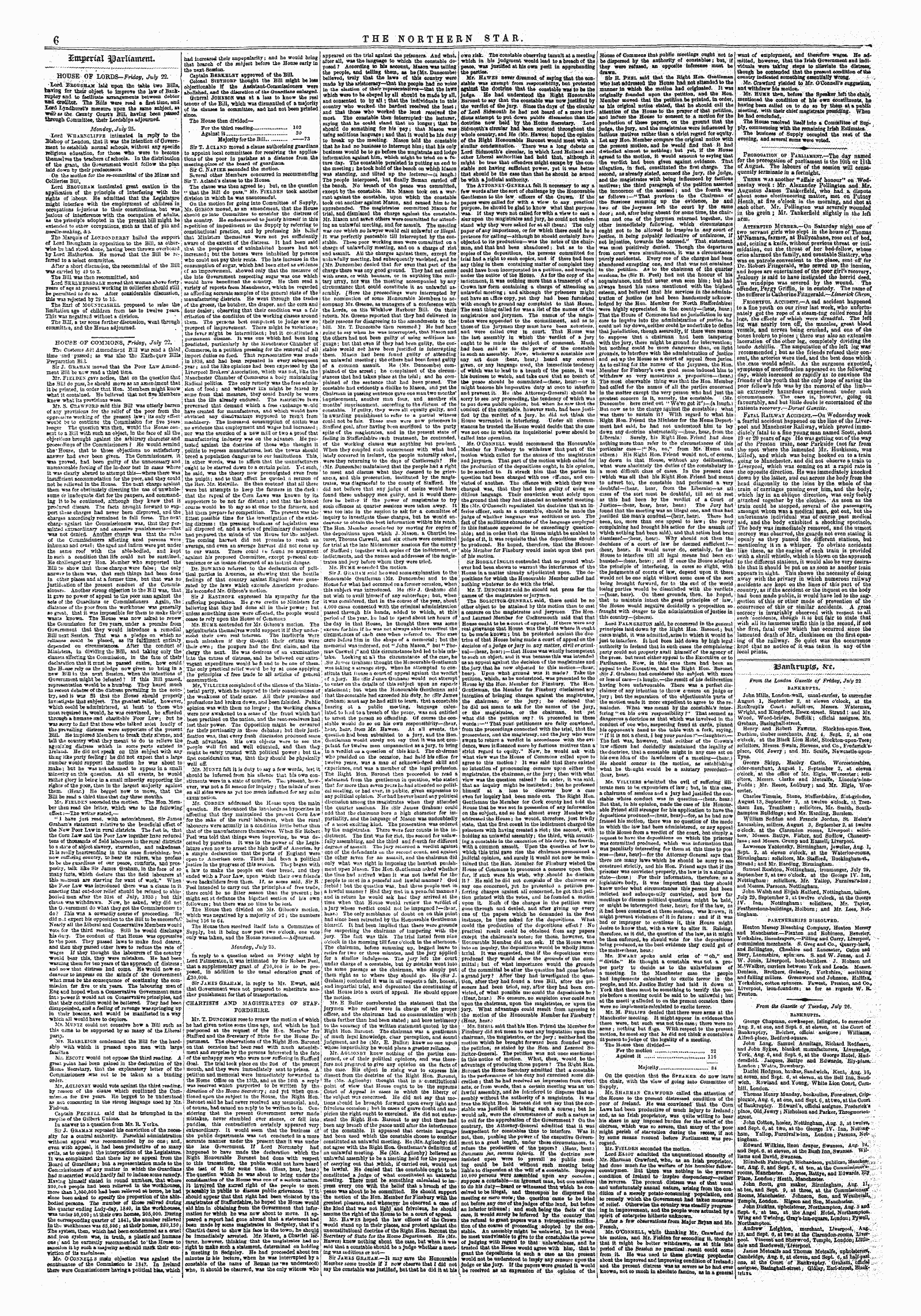
6 THE NORTHERN STAB ¦ .. ; ... . . . - . : .. .. . ,. ; ' ; .: ¦ ' : : ' / ¦ ; ' ' ' -:: r . ^> -
-
-
Citation
-
Northern Star (1837-1852), July 30, 1842, page 6, in the Nineteenth-Century Serials Edition (2008; 2018) ncse.ac.uk/periodicals/ns/issues/vm2-ncseproduct441/page/6/
-