On this page
-
Departments (1)
-
Text (4)
-

Untitled Article
-

3tnt$evial parliament.
-

Untitled Article
-

Untitled Article
Note: This text has been automatically extracted via Optical Character Recognition (OCR) software. The text has not been manually corrected and should not be relied on to be an accurate representation of the item.
-
-
Transcript
-
Note: This text has been automatically extracted via Optical Character Recognition (OCR) software. The text has not been manually corrected and should not be relied on to be an accurate representation of the item.
Additionally, when viewing full transcripts, extracted text may not be in the same order as the original document.
Untitled Article
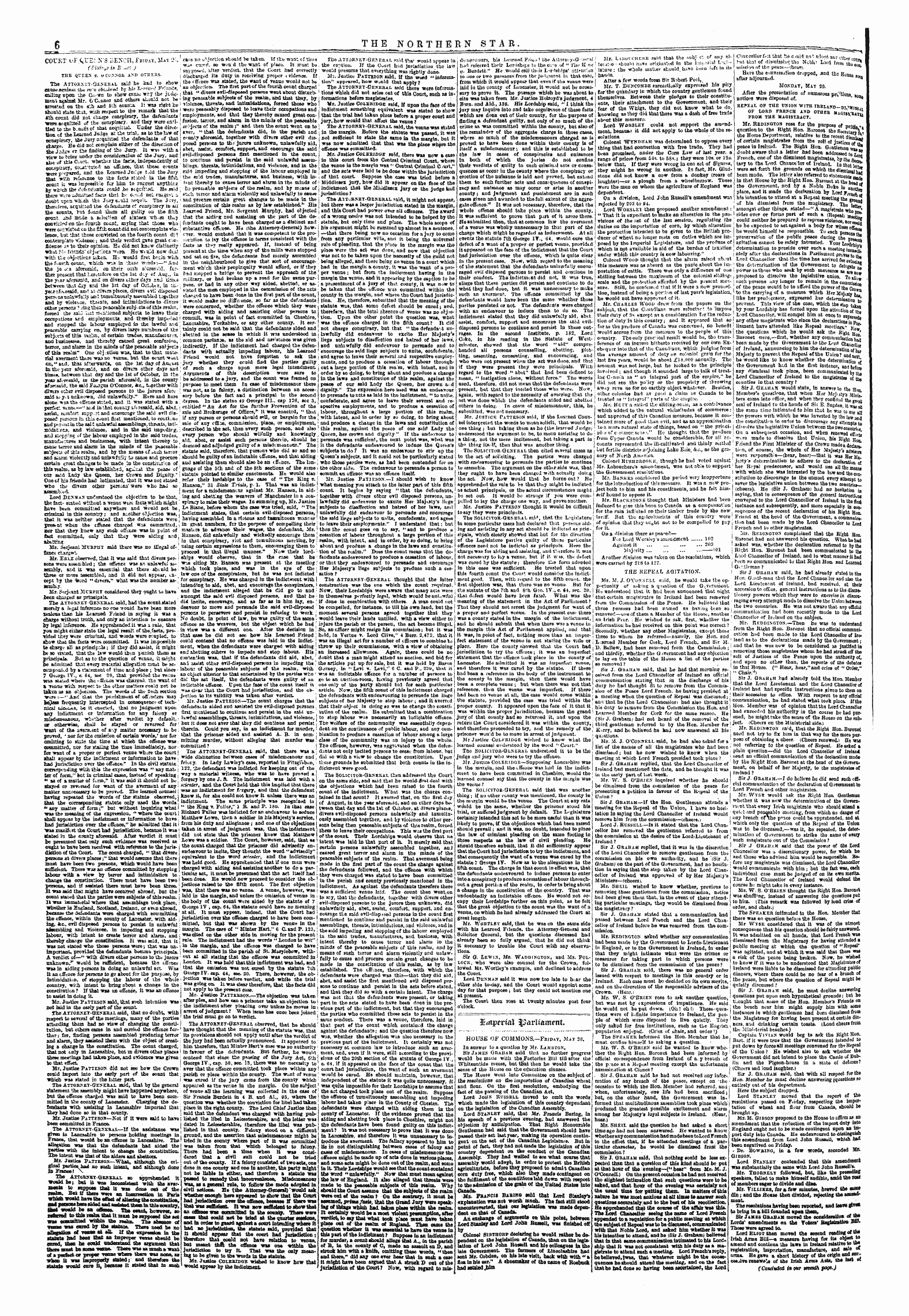
COrKT t'F ^ rE :. N'S BENCH , Fridat , M . at 2-f Sitting in £ ¦ .. & ) THB QrXKS r . tf ' CO »" OR A > "D OTBESS . The Atiobsst-Genebal aid he bad to show ttUSefilslBsi tiic rc ' e obiiicsd by hi-= I , e ? rr ^? Fn ' estis , calling upon the Ci .- "srn to show cans-.: wfcy the judgment against Mr . CCv&nor and others tLould net be sneE ^ ed on the 4 ih and 5-h conn : * It was risrbtbe Should State that , with respect to the remark that the * & count did cot charge conspiracy , the defendants * ere acquitted of ths conspiracy , and they were entitled to the b-nifisof that acquittal . Uader the direction of the Learned Judge at the trial , as to the law of eenspirsey , tbe Jary acquitted the defendants of that cfcare * . Bo did Dot complain either of the direction of ifcp j-dze « the finding of the Jury . It w * s -with a
view to brin ? under the consideration of the Jary , and also of this Cc-urfe . whether the facts , independently of conspiracy , C 3 ^ Ht tu . u > i an ofitaee , that these counts irae p-fpared , and the Learned Jn-Jije t Jd the Jary fijat with releitnoe to the facts stated Lb the fifth oonct it wes ImposdVie for him to sureest anythiri by wc cc tbe dcfccdfSts could Jbe teqeutad . He said there -were idniittad facia thst he c- - u . d not FUigts . * a doubt npea -which the Sxjj c ^ tsM acquit . The J-rry , therefore , acquitted the defendants ef courpirtcy in ail the counts , tnrt found them all guiity on tbe fifth Const ind mLae a 8 t ] fcc = . an of tixteen Trhojn thty convicted on th = fourth coast , saying that thosa who were cor vicifcd on the fifth count did not contemplate violence , bat that those convicted on the fourth count d : 3
coateBaplate violence ; and their verdict gave great confidence as to their opinion . Ee did not know distinctly what hi- fi-ieats' oijtctior ^ " ^ rre ; He wmld now dts . 5 ¦ with the ol » j : rctie :: s Satan . H- -would first tesin wiih the fourth count , vrhkh w ^ s in these Tr-.-rds : — " And the jo o : s aforesaid , on their oith a : ores-j : d . further present that heretofore on the 1 st dr . y of Aug ., in tie y ^ ar afcresaid , and on divera other dsys snJ tisit . 6 between that day and the 1 st day of Octubcr , in tiuye £ rifo « esaid , a& " . s ; divers places , divers evil disposed peisi sb Tuila , * r iu ! -ly Mid taniultuously assembled together and by violence , threats , and intimidations to divers Othsr persons !• Ang tbea peaceable subjects of this realm , i forced the sai . 1 Izzl motioned subjects to leave their ; occupations ard employment * , and thereby impcled !
and stopped the labour employed in the lawful and peaceable carrying on , by divers large numbers oi the subjects of this r % 2 lm , of certain trades , Hianufactnies , ana businesses , and thereby caused great confusion , terror , and alarm in the Hands of the peaceable sufjecis of this realm" One objection was , that to that malerial averment there was ao "venue , but the ccaut "Wont on , atd , ttii af tennurdj , on the lat day of August in &e year aforesaid , and on drrers other days and times , betweec th ^ t day and the 1 st of October , in the year aforesaid , in the parish aforesaid , in the county aforesaid , tbe said Fisj-sua O'Connor , * c , together with diftrs otier eril disposed persons to the jurors aforv said a * y ^ t uctnown , did unlawfully . " fitre and here alone m-ss tht ofieace sfcted , and it "was stated with a
perfect Ttnni—• ' ajt
Lord Dzsmax endsrstood the objection to be that , tfce fact- statbc ¦ without a Yenus wtxe fzcta which might have bfcen cemmitted anywhere and would not be ffjTnrrai in t ^ iis country ; acd another o > jrcti on was , that it iras Deither stated that the defendants were prefirEt when the offence charged wss ctrnmitttd , nor that they knew any such offence was in point of fact committed , only that they were aiding asd abettrc ? . Mr . Serjeant 2 flrB . PBT said there was no illegal offence charga * . Mr . Ekle observed , that it was said that divers persons were asses-blcd ; the offeEca was an unlawful a * - aeiablj , and it was e « se ^ : ia 1 that there abtuid be three or more assembled , and it iid not appear , except by the word " diners , " what was the number as-Kmbly . Mr . Sajesnt McaPET considered they ought ta have teen charged as Tnincirals .
The AiToasET-GESEBAi said , had th » ecuntsUted KLerely a legaJ infereaco no one ^ ouid have been more Italoua than bis Ltarned Friend in saying it was a charge without truth , and only an retention t * ensnare by legal infaence . He apprehended it was a rule , that you might either stite the legal result of the . facts , provided they wtre criminal , and words were coupled , to show t > . ^ . the farts wert committed . It was impossible te chsrgr all as principals ; if they did assist , it might be bo stited , that the law would then punish them as principals . Bat as to the question of venue , it might be admitted that every material allegation taui > t he aceompaskd by a statement cf time and place ; but since ¦ 7 Gsorgfc IV ., c 64 , sec 20 , that provided the venu « was Btatcd -where the f-2 = us 3 was chare&l . tbe want of a Venue wiih respect to the oiher matt « rg could rot be t »> gn as an o ^ jec-i an . The -w ords uf the Soih sec tion were : —* ' And . tLat tbe pnnisfcmtiit ef offjDdirs may be ^ ees frequently intercepted in consequence of tech- ' nical iiiceiifes , be it rtmctcd , that no judgment upon any indictment ot iB ? ormation for any fsiony er naisdaneanoui , wbrther after verdict by default ,: at otherwise , shall be stayed or reversed for ; Vast of the averment of ar . y matter necessary to be ; proved , ' nor for the omission of certain words , ' nor for omitting to st ^ te the time at which the offence was ; committed , nor for stating the tune immediately , nor lot want of a proper or perfect venue wh = re the court ¦ hall appear by the indictment or information to have bad jnrisdktio : ) over the offence . " In the civil statute eoTTfcspoiidlng with this the expression was " any mat- ; ter of form / ' ent in criminal cases , instead of speating j " as of a matter of iurm , " it was Baid it should not b * I
atayed or revtrsed for want of the averment of any > matter unnecessary to be proved . The learned counsel ! having repe&ted the words of the- statute observed , i that the corresponding statute only used the words . " any matter of form ;** but without inquiring what t Was the xBea&ing of tbe expression , " where the court i ahaU appe « z by the indictment or information to have bad jnrisdiction over tbe offence , " he admitted that it i ¦ was manif i . st tbe Court had jurisdiction , because it was stated in the county aforesaid . After verdict it must be presumed that only such evidence was received as ought to have been received with reference to tbe jurisdiction of tbe Court . The count charged , " that divers person * at divers places ; " that would assume that there must have been two persons , which would have been Enfficif cnt . There was an offence committed by stopping labour with a view by terror and intimidation to change tbe constituiioc There must have been two persons , and if assisted there must have been three . It was said that might bare occurred abroad , bat tbe
count stated that the parties were subjects of this realm . It was immaterial where that amtmblage took place , Whether in England , Scotland , Ireland , or evtn abroad , because the defendants were charged with committing the offence , within the county of Lancaster , with aiding , fee . evil disposed persons to persist in unlawful assembling and violence , in impeding and stopping labour , with intent to create tenor and alarm , and thereby charge the constitution . It was said , that it was not stated who those persons were ; that was unimportant , provided the defendants bec ^ ma principals . A verdict of— " with divers other persons to the jurors unknown , " would be sufficient , because the dfence was in aiding persons In doing an unlawful act Was it an cffeBce for persons to go about for the purpose , by Intimidation , of stopping the labour of the -whole country , with intent to bring about a change in the conrtituti&n ? If that was an offence , it was an offence to assist in doing it
Mr . Justice Pattesox said , that inch intention was j Dot laid in the early part of the count j Tbe ATrosjiET-QEHXRXL said , that no doubt , with respect to several of the meeti&gs , many of the parties ; attending them bad so view of changing tbe confti- j tution , but others came in and carried the offence for- ' ti * T ; for , finding persons assembled producing terror ' and alarm , they assisted them with the object of creat- j Jog a change in the constitution . The count charged , - that sot only in Lancashire , but m divers other places j these meetings bad taken plice , and evidence was given ' ¦ to that effect Mr . Justice Pattesos did not see bow the Crown ! could import into the early part of tbe eoant that : which was stated in the latter part !
The Attob > £ T-Geseb . al said , that by tbe general statement the assembly might have happened anywhere , but tbe offence charged was said to have been committed in tbe county of Lancaster . Charging tbe de-, fendants with » f » n « HT ' g in Lancashire imported that ' they had done so in that county . ! Mr . Justice Pattesos—Not if it were said to have j been cemmitted in France . j The ATTOH > ET-GESEiAi—If the assistance was ' given in Lancashire to persons holding meetings in I fiance , that would be an offence in Lancashire . The ' allegation was that tbe defendants bad aided the I parties with tbe intent to change tbe constitution , j The intent was that of the aiders and abettors . I Mr . Justice PaTxesojn —What , » ithnngh the oii- i ginsl paxtigB fcad so sach intent , and although done in France ! \
The Attobsbt-Qbhbbjll so apprehended it would be ; but it was t ~ s » rf « t tifft »! & t ^ e av « r-VM to suppew that it was done oci of tbe Malm . Bui if then were as innrreetkm in Aria wfckb vodd have tba effset el atteriaf tba coaatita&ca , a > d peryms bate aided aad M ^« t « d tha « n < Ti t ^ t ^^ f p tj » ** ? J ? " ¦ J !* " * * » « " «*» bowser , » nfand totbiirealattatniH&st bestppoMd the act mi « MKBitted witito tbe reaha . ThTabieBee of Tone w eared by tbe statute . Then need be no alkga&m of veaae at afi . If tbe expresaioa in the tatste bad bees Sat an improper venue ahvuld be cozed , tfcen he ecmld sndentand tbe argument that tberemtst be khm veeoe . There was a * madia want of a perfect or proper vame where there was none , as vkeo it was improperiy stated ; and therefore the statute would cure ft , because it stated that in such
Untitled Article
ca ? e bo o bjection should be taken . If tfcb want of tima ¦ w ^ . " enrrrt . so wou'd the want of place . It must be suppose , after verdict , th * t the Coart had correctly oiictarged its duty in receiving proper c Tidence . If the f ff-nce was stated , the want of venue would not be an objection . The first part of the fourth ceunt charged that " divers eviJ-disposed persons went about disturbing peaceable subjects of the realm , and that they , by tiolesce , threats , and intimidations , forced those who were peaceably disposed to leave their occupations and employments , and that they thereby caused great confusion , Urror , and alarm in the minds of tbe peaceable srrjrctB of the realm ; " and then tbe count went on to aver , " that tbe defendants did , in tbe parish and cfnntv aforesaid , together with divers other evil
dioposed persona to ths jurors unknown , unlawfully aid , abet , assist , comfort , support , and encourage the said evil-disposed persons first mentioned in the count , to continue and persist in tbe said unlawful assemblings , threats , intimidations , and violence , and in tbe sait \ impedisg and stopping of the labcur employed in the said trades , manufactures , and business , with int * rut thereby to cause terror and alarm in th « minds of fcs ppsceat / le snhjeet * of the realm , and by means of snch terror and alatm violently and unlawfully to cause and procure certain great changes to be made in the constitution of this realm as by law established . ' His Leaned Friend , Mr . Sergeant Murphy , had objected that the aidirg and assisting on the part of the defendants ought to hiTe bees charged as a distinct and
substantive efftnee . He ( the Attemey-General ) however , would contend that it was competent to the pro--vcation to lay the offence in terms consistent with the facts as ttpy really appeared . If , instead of being present at the time when any of the mills were stopped and Bet on fire , the defendants had merely assembled in the neighbourhood to give that sort of encouragement wh-ch their prcpirqnity would afford , or if they had 3 iopDed a bridge to prevent the approach of the military , " or had broken up a road for the same purpese , or had in any other way aided , abetted , er assisted the men employed in the commission of the acts cb » Tj ; ed to have been « 1 on « in the first part of the count , it tronld make no diffj ; ence , so far as the defendants were concerned , whether the offence which they were
charged with aiding and assisting other persons to commit , was in point of fact committed in Cheshire , Lancashire , Yorkshire , or any other county . It certainly could not be said that the defendants aided and abetted in the sease in which it was understood in common parlance , as the aid and ass- ' stance was given indirectly . If tbe indictment had charged the defendants with actually impeding labour , his Learned Friend would not have forgotten to ask the jury whether they eculd find the parties guilty of such a charge upon mere legal intendxnent . Anranienfcs of this description were sure to be addressed to a jury , and the count was framed on purpose to meet them In case of misdemeanor there was not , as in felony , a distinction between an
accessory before the fact asd a principal In the second degree . In tie statue 49 Qeorge III ., cap 126 , sec 3 , entitled " An Act for tbe further Prevention of the sale and Brokerage of Offices , * it was enacted , " thut if any person or persons should sett , or bargain for the sale of any effioe , commission , place , or employment , described in tbe act , then every such person , and also every person who should wilfully and knowingly aid , abet , or assist such persons therein , should be deemed and adjudged guilty of * lniscUmeacoar , * " The statute said , therefore , that persons who did so and bo should be guilty of an indictable cfionce , and that aiding aud assisting them should also be an ifLnce . Tbe language of the 5 th and of the 8 th sections of the same statute pointed to similar enactments . He would also
refer their lordships to the case of " The King v . Hanson , " 31 State Trials , p . 1 . That was an indictment for a misdemeanour s gainst Mr . Hansen , in aiding acd abetting the weavers of Manchester in a conspiracy to raise their wages . In summing up , Mr . Justice Le Bianc , before whom tbe case was tried , said , " The indictment states , that certain evil-disposed persons , having assembled in a riotous and tumultuous manner in great numbers , fcr the purpose of compelling their masters to advance fbeir wages , the defendant , Mr . Hanson , did unlawfully and wickedly encourage them in that conspiracy , riot and tumultuons meeting , by using certain expressions to them , encouraging them to proceed in that illegal manner . " Now their lordships would observe , that in the rase that be was citing Mr . Hanson was present at the meeting which took place , and was in the eye of the law one of the conspirators , but be was not indicted for conspiracy . He was charged in the indictment with
intending to aid , abet , and encourage the conspirators , and the indictment alleged that he did go to and amongst the said evil disposed peraons , and that he did incite , encourage , and as far as in him lay , endeavour to more and persuade the said evil-disposed persons to persevere and persist in refusing to work No doubt , in point of law , be was guilty of the same offence as the weavers , but tbe object which be had in view was a different one . After tbe decision in that ease he did sot see bow his Learned Friend could contend that no offence was laid in tot indictment , when tbe defendants were charged with aiding and abetting others to impede and stop labour . His contention was , that if the defendants did aid , abet , ana assist other evil-disposed persons in impeding tba labour of the peaceable subjects of the realm , with an cbj&ct ulterior to that entertained by the parties who die the act itself , tbe defendants were guilty of an indictable offence . Upon the face of the count itself it was dear that the Court had jurisdiction , and the objection to its validity was Ukeu after verdict Mr . Justice PaTTES 03—The count charges that tbe defendants aided and assisted tbe evil-disposed persons first inentiened to continue and persist in the said unlawful assemblings , threats , intimidations , and violence , bnt it does not aver that they did continue and persist therein . Could you Bay , in an indictment for murder , that the prisoner aided and assisted A . B . in committing murder , without alleging that murder was committed ? Tne Attok . net-Gexeral said , that there was a wide distinction between cases of misdemeanour and felory . In Lady Lawley ' s c&m , reported in FitzgiVbon , 122 , the defendant , was indicted for keeping out of the way a material witness , who was to hare proved a forgery by one J . 8 . The Indictment was laid with a
icirnler , and the Court held that this implied that there tna as indictment for f .-rgery , and that the defendant knew it , for she could not know it unless there was an indictment The same principle was recognised in " tbe King v . Fuller , " 1 B . and P . 180 . In that case Richard Fuller wob indicted for an endeavour to seduce Matthew Lowe , then a soldier in his Majesty ' s service , from his duty and allegiance ; and one of the objections taken in arrest of judgment was , that tbe indictment did not state that tbe prisoner knew that Matthew Lowe was a soldier . The Court , however , said , that as the count charged that tbe prisoner did advisedly enendeavour to incite , they thought the word "advisedly " equivalent to tbe word sciexier , and tbe indictment was held good . He apprehended that if one man were charged with aiding and assisting another to do a particular act , it must be presumed that the act itself had been done . He would now proceed to consider the objections raised to tbe fifth count The first objection
was , that there was so venue- A venue , however , was laid in the margin , and unless tbe omission of venue in the body of tbe count were aided by the statute ef 7 € M > rge 1 Y , cap . 61 , the statute could have no meaniDg at all . It must appear , indeed , that the Court had jurisdiction over tbe offence charged to have been committed , but that was shown by the venue in tbe margin . Tbe caw of " Minter Hart , " 6 a and P . 123 , was cited on the other side in moving for tbe present rule . The indictment had the words " London to wit " in the margin , asd the offence was charged to have been committed in tbe parish of St . Marylebow , without at all stating that tbe offence was committed in London . It was held that this indictment was bad , and that the omission was not cured by the statute 7 ih George lY . csp . 64 , sec 20 . There , however , tbe objection was taken before verdict , an * - while the trial was going on . It was clear therefore , that tbe facts did ; not apply to tbe present ease .
Mr . Justice Pattkbson . —The objection was taken after plea , and how can a prisoner take an objection to the indietment after pleading over unless he moves in arrest of judgment ? When issue has once been joined the trial must go on to verdict Tbe Attohmjet-General observed , that be should have thought that the meaning of the statute was , that its provisions should not apply until after the verdict of the jary bad been actually prononnced . It appeared to him therefore , thtt Minter Bart's ease was no authority in favour of the defendants . Bnt farther , he wouW contend that since the p . tssing of the Jury Act , 6 th George IY-, cap . 50 , sec IS , there was no necessity to aver that the offence committed took place within any parish or place within the county . The w ; uit of venue
was cured if tbe jury came from tbe county which appeared as the venue in tbe margin . On the subject of venue all the learning was collected in tbe case of Sir Francis Burdett in 4 B . and Al ., 95 , waeze the question was whether the conviction for libel bad taken place in the right county . Tbe Lord Chief Justice then said that the defendant was charged with having published the libel in Leicestershire , and the letter was dated in Leicestershire , therefore the libel was published in that county . Felony stood on a different ground , and the assertion tmat misdemeanour might be tried in the county where part of it was committed was taken from that which belonged to felony . There had been a time when it was considered that a dvil suit could not be tried out of tbe county . If a felony consisted ef two acts , one
done in one county and one in another , the party might not be liable io either , and therefore a statute was passed to remedy that inconvenience . Misdemeanour was , aa a geneal role , to follow tbe mode adopted in civil actions . Be ( tbe Attarney-Genml ) would ask whether woogh ben appeared to show tibat the Court bad jurisdiction ore * tt » offence , beeaue U there was that was soffidsot . Itwaa bow snffidenttoabowthat an oftoaes was committed in the eouBtjr . 13 mm wen ossw Oat mold mot te tried at the quarter sessions , and in ordae to guard against a court intending wbaw It had so jurisdiction , tbe statute said , provided that it should appear that the court bad Jurisdiction ; uiBKfore that could not have relation to venue , bat meant thft tbe offence was one . within the jurisdiction to try it That was the only mean * ing to be given to tbt -words in the statute . Mr . Justice CoLBaiDGE wished to know how that would appear by tbe indictment
Untitled Article
Xce Attob >; et-Ge >; eral .-aid tba wonlil appear in the caption . If the Court hr . d jnriadiction the law would presume that everything was rightly done . Mi . Justice Paxieson said , if the word " information ' appeared , how -wtmld that apply ? The Attobnet-Genbrai , said there were informations which did not arise out of this Court , such as informations before magistrates . Mr . Jostice Coleridge said , if upon the face of the indictment something equivalent was stated to show that tbe trial had taken place before a proper court and jary , how would that affect the venue ? The Attorney -General said , the vennswas stated in the margin . Before the statute was passed , it was not sufficient to state the same in the margin , but it was now admitted that that was the place where tbe offence was committed .
Mr . Justice Coi . eiudqe safd , there was now a case in this court from the Central Criminal Court , where the venue in tbe margin was " Central Criminal C ; urt , " and the acts were laid t « be done within the jurisdiction of that court Suppose the case was tried before a Middlesex jury , bow did it appear on tbe face of the indictment that tbe Middlesex jury or the judge kad jurisdiction ? Tbe AiTyESBT-GENERAL said , it might not appear , bnt ; there was « larger jurisdiction stated in the margin , Bnd this Court had power over all offences . The award of a wrong venire was not intended to be helped by tho statute , bat only time and place . The whole scope of bis argument might be summed up almost in a sentence , —that there being now no occasion for a jury to come
from any particular vi'le , anri it being the universal rule of pleading , that the p ' ace in tbe margin was the place were the act was doce , and now that objection was not to be taken upon the necessity of the guild not being alleged , and there being no venue in a court which had in the margin a county , it was the want of a proiper venue ; but from the indictment having in tbe margin the venue , and it appearing by the caption to be a presentment of a ju * y of that county , it was now to be taken that the offence was committed within the county in the margin , and where the Court had jurisdiction . He , therefore , submitted that the meaning of the statute was , that some defect should be cured ; and , therefore , that the totai absence of venufc was no orj ? ction . Upon the other point the question was , what
was the offence charged in tbe fifth count ? It did not charge conspiracy , but that " the defendant unlawfully did endeavour to excite Her Mojosty ' s liege subjects to disaffection and hatred of her laws , and unlawfully did endeavour to persuade and to encourage the said liege subjects to unite , confederate , and agree to leave their several nnd respective employments , and to produce a cessation of labour throughout a large portion of this ream , with intent , and in order by so doing , to bring about and produce a change in the laws and constitution of this realm , against tbe peace of our said Lady the Q'ieen , bet crown aid dignity . " The expression here Ubed was an endeavour to persuade to actB as laid in the indictment , " to unite ,
confederate , and agree to leave their several and respective employments , and to produce a cessation of labour , throughout a large portion of this realm , with intent , and in order by so doing , to bring about and produce a change in the laws and constitution of this realm , against the peace of our said Lady the Queen , her crown and dignity " If th « ende . ivour to persuade was sufficient , the next point was , what was it tbe defendants endeavoured to induce the Queen " a subjects to do ? It was an endeavour to stir up the Queen ' s subjects , and it could not be particularly stated wbo those parties were , as had been contended for on the other side . The endeavour to persuade a person to commit au offence was an offence itself .
Mr . Justice Patieson . —I should wish to know what meaning you attach to the latter part of this fifth count It begins by saying " that the defendants , together with dirers other evil disposed persons , unlawfully did endeavour to excite Her Majtsty ' a litge subjects to disaffection and hatred of her laws , and unlawfully did endeavour to persuade and encourage tbe said liege subjects to unite , confederate , and agree to leave their employments . " I understand that ; but then the count goes on to say , " and to produce a cessation of labour throughout a large portion of thin realm , with intect , and in order , by so doing , to bring about and produce a change in the laws and constitution of the realm . ' Does the count mean that the defendants endeavoured to produce a cessation of labour , or that they endeavoured to persuade and encourage Her Majesty's liege subjects to produce such a cessation ?
Tbe Attobnst-Gekebal thought that the latter construction was the one which tbe count required . Now , their Lordships were aware that many acia were in themselves perfectly legal , which would be unlawful if done in combination with others . A man could not be compelled , for instance , to till his own land , bnt the moment several persons agreed together that they would leave their lands untilled , with a view either to injure tbe parish or tbe paroen , the act became illegal . So , an officer might resign his coin mission ; but it was held , in Vertue v . Lord Clive , " 4 Burr . 2 , 472 , that it was an illegal act for a number of t flkers to combine to throw up their commissions , with a view of obtaining an increased allowance . Again , there could be no doubt that a man might attend au auction , and bid for the articles put up for sale , but it was held by Baron Gamey , in " Levi v . Levi , '' 6 C . and P ., 23 » , that it
was an indictable offence for a number of persons to go to an auction-room , having previously agreed that one only of the party shouM bid for each particular article . Now , the fifth couut of this indictment charged the defendants with endeavouring to persuade the liege subjects of her Majesty to stop labour ; and it averrtd that their object in doing so was to change ths constitution of the realm . He submitted that a combination to stop labour wns necessarily an indictable offence . Tbe welfare of the community was essentially dependent on the continuance of public labour , and any combination to produce a cassation of labour among a large class of the community was an injury to tbe -whole . The offence , however , was aggravated when the defendants not only incited persons to cease from labour , but did so with a view to change the constitution . Upon t ; : eie grounds be submitted that both counts in the indictment were good .
The Solicitor-General then addressed the Court on the same side , and said that he wonld- £ r * t deal with the objections which had been raised to the fourth count of the indictment What was the charge contained in that count ? It averred that , on thu first day of August , in the y « ar aforesaid , and on other dayB between that day and the l » t of October , at divers places , divers evil-disposed persocs unlawfully and turnultnously assembled together , and by violence to othor persons being then peaceable subjects of this realm , totted them to leave their occupations . This was the first part of the count Their Lordships would observe that ne intent was laid in that part o ! it It merely said that certain persons unlawfully assembled together , anJ caused great terror and alarm in tbe minds of the
peaceable subjects of the realm . That averment being made in tbe first part of the count tbe charge against the defendants followed , and tbe offence with which they were charged was stated to have been committed in tbe parish nni county previously mentioned in the indictment . As against the defendants therefore there was a sufficient venue laid . The count then went , on to say , that tbe defendants , together with divers other evil-disposed persons to the jurors then unknown , did unlawfully aid , abet , assist , comfort , support , and encourage tbe said evil-disposed persons in the count first mentioned to continue and persist in the Haiti unlawful assemblings , threats , intimidations , and violence , and in the said impeding and stopping cf the labour employed in the said trades , manufactures , aud business , with
intent thereby to cause terror and ularni in the mind * of the peaceable subjects of this roalm , and by means of such terror and alarm violently and unlawfully to cause and procure certain great changea to be made in tbe constitution of this realm , as by law established . Tbe eff-nce , therefore , with which the defendants were charged was this—that they did aid , abet , and assist tbe first mentioned evil disposed persons to continue and persist in the acts before stated , and tbat they did so with a certain intent . The charge was not thut tbe defendants were present , or taking part in the acts stated to have been done in tbe previous part of the indictment , but that they encouraged the parties wbo committed those acts to persist in the same conduct There was a venue , ther&fore , laid in
tbat part ef the count which contained the charge against the defendants ; and the question therefore now Was , whether tfee allegation was also necessary in the previous part of tbe indictment . It certainly was not necessary at common law to introduce such an averment , and , even if it were , still according to the provisions of the 20 th section of the statute of George IV ., c 64 , if it appeared on the face of the count that the court had jurisdiction , the want of such an averment would be cured . He should maintain , however , that independent of the statute it was quite unnecessary , it was quite impossible for their Lordships to assume that the act charged took place out of the realm . Suppose the offence of tumultuously assembling and impeding labour had taken place in the County of Chester . The defendants were charged with aiding them in the
county of Lancaster . If the evidence proved tbat the aiding and abetting took place in Cheshire , might not the defendants have been found guilty on this indictment ? It was not necessary to prove tbat it was done in Lancashire , and therefore it was unnecessary to introduce the averment The fallacy appeared to him to lie in not distinguishing between cases of felony and cases of misdemeanour . In cases of misdemeanour the offence might be made op of acts done hi various places , and some acts might be done out of tbe realm , and some in it Then- Lordships would see that tbe count contained Hie word " unlawfully . " Now that most mean against the law of England . It also alleged that threats wen made to the peaceable subjects of this realm . Why should tbe Court assume that tbe subjects of the realm wen out « f the realm 7 On tbe ontrary , it must be assumed , prima / atU , that the Grand Jury were
apeakin * oftMags which had . taken plaee within the realm . It certainly would be a most violent pnsnmption , after verdict , to say that what took plaoe nut have taken plsee oat of the cealm of England . Then came the question whether it was essential to have the venue in this pact of the indietment 1 Suppose in an indietment for murder , a const should allege that A ., in the parish of B , in the county of C , made an assault on D , and struck him with a knife , omitting these voids , " then and there , " did any one ever hear that in such a case it might have been argued tbat A struck D oat of the Jurisdiction of ( be Court ? Now , with regard to mis-
Untitled Article
d _ - !»{>?« ours , his JUarnnd Friu . iA tbe Attornvy-G : i « ra ! b . irt referred t ' ueif Lordships to the cv . ? & of " Tbe Kn < v- Burdett . " He would call tb ' . Jr Lirtshipa' attention to one or two passages from tbe jo'liioent in that case , from which it would appear that even if ttse venue were laid in the county of Lancaster , it would not be neoessary to prove it . The passage which he was about to cite was taken from Mr . Justice Holroyd ' s judgment , 4 Birn . and Aid ., 138 . His Lordship said , " I think the jury may inquire into asd take cogniZMice of these fivcts which are done out of tueir county , for the purpose of finding a defendant guilty , not only of so much of the crime aa was committed within the county , but also of the remainder of the aggregate charge in those cases , wh ' re so much of the misdemeanours charged as-is
proved to have been done within their county is of itself a misdemeanour ; and this is established to be the law in cases of conspiracies and nuisances in both of which the juries do not confine their verdicts of guilty to such criminal acts or consequences as occur in the c » unty where the conspiracy or erection of tho nuisance is laid and proved , but extend them to such further acts and const qut . nces of conspiracy and nuisance as may occur or arise in another county ; and judgment and punishment are in such ca » 6 B given and awarded to the full extent of the aggregate offence . " It was not necessary , therefore , that the whole offence should take place within the county , it was sufficient to prove that part of it arose there . He submitted then , tkat at common law the averment
of a venue was wholiy unnecessary in tbat part of the charge which might be regarded as Inducement . At all events the statute 7 th George IT ., 64 , would cure the defect of a want of a proper or perfect venua , providtd it appeared on the face of the indictment that tbe Court had jurisdiction over the offence , which is quite clear in the present case . Now , with regard to the meaning of tbe statement that the defendants unlawfully encouraged evil disposed persons to persist and continue in tbtiir conduct The indictment did not , it was true , allege that these parties did persist and continue to do what they had done , bnt it was unnecessary to make Buch an averment The offence committed by the defendants would have been tbe same whether those parties persisted or not The defendants were charged with an endeavour to induce them to do so . The indictment stated that they did unlawfully aid , abtt .
assist , comfort , Bupport and enconrage tbe taid evildisposed persons to continue and persist in these outrages . In the second Institute , p . 182 , Lord Coke , in hia reading in the Statute of Westminster , showed that the word " aid" comprehended all persons counselling , abetting , plotting , assenting , consenting , and encouraging , and who were not present wliou the set was done , and tbat if they were present they were principals . With regard to the word " abet" that had been defined to mean , " iustigation alone , without force . " Tho words used , therefore , did not mean that tbe defendants were present , but that thsy incited those who were . Now , again , with regard to tbe necessity of averring that th « act was done which the defendants aided and abetted others in doing . In cases of misdemeanour , this , he submitted , was not necessary .
Mr . Justice Patteson said , if the Learned Counsel interpreted the words to moan solicit , that would be one thing ; bufc taking them as be ( tbe learned Judge ; understood the argument to be , to mtmn assisting to do a thing , not tbe mere incitement , but taking a part in tb" thiritf its * If , then that wa .-i another thing . The Solicitor General then cited stveral cases as to the act of soliciting . The parties were charged with en ^ esvouriu ^ to persuade tbe parties to continue to assemble . Tho argument on thu other side was , that they ought to have been charged with actually doing the act Now , how would that be borne out ? He apprehended the rale to be that th « y might be indicted as actual principals , or the actual circumstances might bo set out It would bo strange if you were compelled to lay the charge one way , and prove another . Mr . Justice Patteson thought it would be difficult to say they were principals .
The Solicitor-Geneiul 8 at < % that the L ? gis ! atur « In some particular cases had declared tbat persons aiding and as i * tirjjr in any act should bv indicted as principals , which clearly showed that but for tho direction of the Legislature parties guilty of these particular offences need not be indicted as principals . Here tbe charge waa for aiding and-assisting , and tV . trefoTe it wns not necasp iry to luy a venue , but if it tv is , the defect was cured by tbe statute ; therefore tlio torm adopted in this case was sufficient . He trusted that upon this fourth count tbe Court would consider tho indictment good . Then , with regartl to the fifth count , tbe flrBt objection was , thai there was no venue . But for the statute of the 7 th and 8 » h Gso . IV ., c . « 4 , sec . 20 , that di . feet would have been fatal . What was the
meaning of the statement in the Act of Parliament ? Tbat they should not arrest the judgment for want of a proper anil perfect venue . In the present cast- tbere was a county stated in thu margin of the indictment , aud he should submit that when there was a venue in the margin this Act of Parliament applied , aud tbat it was , in point of fact , nothing more than an imperfect statement of the venue in not stating the viile or place . Hero the county showed chat Um Court had jurisdiction to try the onviice ; it was an imperfect statement that tho offence took place in tbe county of Lancaster . He admitted it was an imperfect venue ,
» nd therefore it was cured by the statute . If there bad been a reference in tho body of the instrument to the county in tbe margin , then there would have been a complete venue ; but when there was not that reference , then tbe venue was imperfect . If there had been no venue at all , the cose would come within the statute , provided tbe case waa tried within the proper county . It appeared upon the face of it that it ¦ was within the proper jurisdiction , because the grand jury of that county had so returned it , and upon the retaru the Court considered it was within the county , and therefore proceeded to try , and tbe remedy of the prisoner wou ' . d be to move in arrest of judgment .
Mr Justice Colkridge wished to know what the learned counsel understood by the word " Court . " The Solicitor-General understood it to be the judge and jury who were to try the oft ' eneo . Mr . Justice ColeuidgE—Supposing Lancashire was in the margin , and the x ffuucn was laid in tbe indictment to have been committed in Cheshire , would the learned counsel say that the county in tho ni :: rgio was the venue ? The Solicitor-General said that was another thing ; if no other county was mentioned , tbe county In the nvirgin would be the venue . The Court at any rate would be tbe same , whether the prisoner stood his trial , or suffered judgment by default . The Legislature certainly intended this act to be more useful than it was likely to prove , if the objections which had been raised
should prevail ; and it was , no doubt , intended to plaoe the law of criminal pleading on the same footing in those respects as the law of civil pleading . He should therefore submit , that it did sufficiently appear that the Court had jurisdiction to try the indictment , and that consequently the want of a venue was cured by the statute 7 George IT . Now as to the allegations in the fifth count . The charge in that count in effect was , that the defendants endeavoured to induee persons to enter into a conspiracy to produce a cessation of labour throughout a great portion of the realm , in order to bring about a change in the constitution of the country . That was undoubtedly an indictable oflvnee . Be would not occupy their Lordships further on this point , as he felt that the great objection to the oount was the want of a venue , on which he bad already addressed the Court at great length .
lur . WtiRTLEV said , thai he was on the same side with his Learned Friends , the Attorney-General and Solicitor General , but the questions discussed bad already been bo fully argued , that be did not think it necessary to trouble the Court with any enervations . Sir G . Lewin , Mr . Waddington , and Mr . Pollock , who were also counsel for the Crown , followed Mr . WoiUey ' 8 example , and declined to address the Court Lord I > £ Nman said it was now too late to htar tbe other side to-day , and the Court would appoint some day for that purpose ; but they could not mention one at present . The Court then rose at twenty minutes past four o ' clock .
3tnt$Evial Parliament.
3 tnt $ evial parliament .
Untitled Article
HOUSE OF C 0 MM 0 iNS .-Fhipay , May SB . In answer to a question by Mr . Lambton , Sir James Graham said that no further progress would be intida with the Factories Bill till after the Whitsuntide recess , but that then he would take the sense of the House on the education clauses . The Houeo went into Committee on the subject of the resolutions on ( be importation of Canadian wheat and flour . On the first resolution , embodying the fact of tbe passing of the Canadian Act , Lord John Russell moved to omit the words whioh made the legislation of this country dependant on tbe legislation of the Canadian Assembly .
Lord Stanlet said , tbat Mr . Francis Baring , in his speech of a previous evening , had answered the objection by anticipation . That Right Honourable Gentleman bad said that the Government should have passed their set l ast year , making its operation contingent : on the act of the Canadian Legislature . But in point of fact , they had not made the legislation of this country dependent on the conduct or the Canadian Assembly . They bad waited to see what course tbat assembly would adopt , in order to protect the British agriculturists , before they proposed to admit Canadian com duty free , which also they made contingent on the fulfilment of the conditions laid down with respect to the admission of the grain or theUnited States into Canada .
Mr . FBANCis BABine said that Lord Stanley ' s explanation was nol worth much . The fact still stood uneontroverted , that our legislation was made depen dent on that of Canada . An exchange of arguments on this point , between Lord Stauto / and Lord John Basse !! , was finished off bj Colonel 9 IBTH 0 RP declaring he would rather be dependent on the legislation ef Canada , than on the legislation of Lord John Russell and bi « colleagues in the late Government The farmers of Lincolnshire had sent Mr . Cobden , on his late visit , back with with " a flea in his ear . " A shoemaker of the name of Roebuck hadsetlled . hlm
Untitled Article
Mr . L . vuotciiERE said that the &ubj ct of any rI ter . UiO' shoulii iwve originated in the l ; in , er ; a ! I ^ zylature ; the whole matter should , havo bsea left ia sfe bands . : After a few words from Sir Robert Peel , Mr . T . DUNC 0 MBE sarcastically expressed his pit : forthe quandary in which tbe country gentlemen fount themselves . Between their pledges to their constitu onts , their attachment to the Government , and thei : fear of the Whigs , they did not know what to do knowing as they did thatthete was a dash of free tradi abnut this * measure . Lord Wcrslby could not support the ara-nd ment , because it did not apply to the whole of the re solutions .
Colonel WYNDHA . SI was determined to oppose ever ; thing that bad connection with free trade 4 They ha < b ^ en promised , under the Com Law of last year . ; ranga of prices from 54 s . to 58 s . ; they were 10 s . or 12 d below that . If they were wroug in ono aet of fligurag they might he wrong in another . In fact , Mr . Glad stone did not know a cow from a donkey ( roars o laughter )—; or a plough from a wheelbarrow . Tnesi were the men on whom the agriculture of England wai dependent . '
On a division , Lord John Russell ' s amendment v ? a rejected by 203 to 84 . Lord W 0 KSLE * then proposed another amendment " That it is expedient to mafee an alteration in the pro visions of the aet « f the last Bession , rcga ? atiDg tb duties on the importation of corn , by which nlteratioi tbe protection intended to be given to the British pro ducer of wheat no longer reats on duties whieh aTe im posed by the Imperial Legislature , and the produce o which is not available in aid of the burdtn of taxatioi under which thic country is now labouring . "
Colonel Wood thought that the alarm raised abou this measurfe waa as abaurd as the panic about the irn portation of cattle . There was only a difference of oui shilling between tbo maximum of the colonial eliding scale and the protection afforded by the present me-s sure . Still , he confessed that if it were a new propu ? i tion , instead of being a portion of last year ' s legislation he would not have approved cf it . Mr . Charles Wood drtw from the papers on tin subject , that the Canadians were relnctart to "impos their duty of 3 * . except as a consideration for the reduo tion of duty in this country ; and it appeared that si far as tbo produce of Canada was concerned , no benefi
would accrue from the measure to the people of this country . Theouly prnc . ical result would bo , tbo transference of an incomo hitherto received by our own Exchequer into that of the Canadians , which , judging from the average amount of duty on colonial grain for the last five years , would be abont £ 18 , 000 annually . The amount was . not large , but he looked to the principle involved ; and though it sounded large to talk of treating C-na < : a lis " ao integral part of the empire , " he did not see the po'icy or the propriety of throwing &TfAj re 7 a ue for no earthly object whatever . Besides , other colonies bad as po < <\ a claim us Canada to be treated as " integral" rarts of the empire . . .
Mr . HiiTT-a-sailed tLe sliding-scuie , as a contrivance which added to tbe natural vicissitudes of commerce : aud approved of this Canadian measure , because it contained more of good than evil , and as an approximation to a n : or « natural state of things , based on " the principlisof c-. rr . morsfcnf . ' . " Ho thought that the produce from Upper Canada would be considerable , for all accounts represented tho ill-cultivated and ' cbinly settled out fertile district *) adjoining Lake Eiie , &c , as the granary of North America . Colonr ! Rushbrooke , though he bad voted against Mr . Labouchere ' s amendment , was not able to support the Government resolutions . Mr . BaNKES Gonsiiibred the period very inopportune for the introduction of this mensura . It was a new project both to him and his constituents , and he felt himself bound to oppose it
Mr . Blackstoxe thought that Ministers had been induced to give this boon to Canada as a compensation for tbe ruin inflicted on their timber trade by tho new tariff . But the agiiciilturists of this country were of opinion that tbey ou ^ ht not to be compelled to pay for it . On a division there a ^ pea ^ ed—For Lord Worsley's amendment 102 Ag ; iinat it 203 Majority ' 01 Another division was taken on the resolutions , which were carried by 218 to 127 .
THE REPEAL AGITATIOJT . Mr . M . J . O'Connf . ll s : iid , he would take the opportunity of ' ack ' . rjg a question of the G ^ vtruibent . Htt understood that it ha , vi beon announced tbat night that certain magistrates in Ireland had been remeved from the Commission of the Pence . Ee believed that three persons had been named as having t '^ en so removed—one of them a Member of the House , another an Irish Peer . . Ho wished to ask , first , whether tbe information Ii . sb . a 4 received on this point was correct ? Secondly , whether any other Magistrates , except those three to whom be referred—namely , the Hon . and Learned Member for Cork , Lord French , and Sir M . D . Bellew , had been removed from the Commission ; and thirdly , whether the Government had aDy objection to lay on the table of the House a list of the parties so removed ?
Sir J . Graham said , that he had that mornimj received frem the Lord Chancellor of Ireland an official communication stating that in the discharge of his duty he had thought fit to remove from tha Commission of the Peace Lord French , he having presided at a meeting when tbe question of Repeal was discussed ; and that he ( the Lord Chancellor ) bad also thought it bis duty to remove from the Commission the Hon . and Learned Member for Corfe for the same reason . He ( Sir J . Graham ) bad not heard of the removal of the third gentleman referred to by the Hon . Member for K-rry , and he believed he kad now answered all hia questions . Mr . M . J . O'Coknell said , he had also asked for a list of the names of all the magistrates who had been dismissed ; but he now wished to know when the meeting at which Lord French presided took place ?
Sir J . Graham replied , that the Lord Chancellor of Ireland tad mentioned the date , and be thought it was in the early part of laat week . Mr . W . S . O'BRIEN inquired whether he should be dismissed from the commission of the peace for presenting a petition in favour of the Repeal of the Union ? , Sir J . Graham—If the Hon . Gentleman attends a meeting for the Repeal of tha Union , I have no hesitation in saying thu Lord Chancellor of Ireland would remove him from the commission—( cheers . ) Lord J . Russell—Is it stated that the Lord Chancellor has removal the gentlemen referred to from the commission at the desire of the Lord-Litutebant of Ireland ?
Sir J . Graham replied , that it was in the discretion of the Lord Chancellor to remove gentlemen from the commission on his own authority , and he ( Sir J . Graham ) on the part of the Government , had no hesitation in saying that the step taken by the Lord Chancellor of Ireland waa approved of by Her Majesty ' s M inlsters —( cheere ) . Mr . Sheil wished to know whether , previous to removing these gentlemen from the commission , notice hud been given them that , in tbe event of their attending particular nuttings , they would be dismissed from the magistracy ? Sir J . Quaua ' m stated that a communication had pissed between Lord French and the Lord Chancellor of Ireland before he was removed from tbe commission .
Mr . Red is gt . os aased whether any communication had be « n made by the Government to Lords-Lieutenant in England , or to the Government in Ireland , in order that they might intimate what were the crimes or measures for taking part in which persons were to be dismissed from the commission of tbe peace ? Sir J . Graham said , there was no general order issued with respect to meetings in this country or in Ireland . Each case must be decided on its own merits , and on the discretion of the responsible advisers of the C rown . ( Hear . ) Mr . W . S . O'Brien rose to ask another question , but was met by expressions of impatience . He said he would not be put down . ( Oh ! oh !) Thesequestlons were of infinite importance to Ireland , the people of which were disposed to live quietly . They only asked for free institutions , such as the Eogiish population enjoyed . ( Cries of chair , aud order !>
The Speaker informed the Hon . Member that he must confine himself to asking a question . ¦ Mr . W . S . O"Brien said he wanted te know whether tbe Right Hon . Baronet had been informed by official correspondence from Ireland of a . y breach of the p ^ aco at a Repeal meeting except the unfortunate assassination at Clones ? . Sir J . Graham suid he had not received any information of any breach of the peace , except on 'the occasion to which the Hon . Member had referred , and when , unfortunately , one life had been sacrificed ; but , on the other hand , the Government was informed that multitudinous assemblies took place which produced the greatest possible excitement and alarm among her Majesty's loyal subjects in Ireland . ( Hear , hear . )
Mr . SueiL said the question he had asked a short time ago bad not been answered . He wanted to know , whether any communication had made been toLord Freneh to the effect that , if he attended meetings of a . particular character , he would be dismissed from the commission 1 Sir J . Graham said , that nothing eould be less expected than that a Question of this kind should be put at tbat hour of the evening —(" hear" from Mr . M . J . O'ConnelL ) On the present occasion he bad not received the slightest intimation that such questions were to be asked , and that hour of the evening was certainly not the usual time lor patting them . In matters of ( his
nature be was moat anxious at all timei t * answer such questions accurately and to tha best of hia recollection . He apprehended that the coarse of the affair was this . Th « Lord Chanoellor seeing the name of Lord French appended to a requisition for a public meeting at which the subject of Repeal was to be discussed , commanicated with tbat Noble Lord , and asked him whether it was his intention to attend , and he ( Sir J . Graham ) believed that in that same communication intimated to bis Lordship that it was not consistent with his duty as a magistrate to attend such a meeting . Lord French's reply , he believed , Jwas , that whatever might be the consequenoea be should attend tbe meeting , and on the fact tbat he bad done so having been ascertained , the Lord
Untitled Article
Chancellor frit that ha c-. mM not adopt anv ^ thHr-ut that of dismiss ^ the NcblO Lord from " v ^ T uiisEion of tb « peace —( hear ) . B 0 Ilt Hti-8 the conversation dropped , and the Home after adjourned . J 0 ° a SIondat , Mat 29 . After tbe presentation of numerous pev'ttons ** notices were disposed of . ' wlB « REPEAL OP THE UNION WITH HlElAIfD-Dl ^ lHssi , OF LORD FREUCH AND OTHER MAaiSVBArt ! FROM THE MAGISTBACT . ** Mr . Redington rose for the purpose of nn'H « t . question to tbe Right Hon . Baronet the SacretarTf the Home Department , relative to the recent diamW , of certain magistrates from the roll oi jaaticesof t £ peaca In Ireland . The Right Hon . Gentleman ^ . ^ J doubt aware tbat a letter had been addressed to I French , one of the dismissed magistrates , by the 8 tary to the Lord Chauce'lot ot Ireland . ' In that' H were set forth the grounds on which the diatnigwi j ~? been made . The letter also referre d to statemeDtj nwrf in ion t
nonae > y me « igni non . Baronet at the hemi ~ i the Government , and by a Noble Duke in snoth place , and it made the declaration by Lord F « nrfi " his intention to attend at & Repeal meeting the rmoi ^ of his diamiasal from tbe magistracy . The iettf ? amongst other things , stated— " A magistrate who imL sides over or forms part ef such a ( Repeal ) ineetr could neither be prepared to repress violence , norco Sf he be txpected to aet against a body for WS « e offiaT he would himself he respsnsible . To euch persoM tt ! preservation of the public peace durin g the ptoj" ? agitation cannot be safely Intrnsted . Your lordly" " 2 determination to preside over such a meeting immJit ately after the declarations in Parliament proves to t ?» Lord Chancellor that the time has arrived fer evinc the diterrjination of the Government to delegate
power to those who seek by such measures as sren proposed to dissolve the legislative union . To allo * such persons any longer to remain in the commisjjo of the peace would be to afford the power of the Cro to the c « ry \ r \ g of a measure which Her Majtaty hT ? like her predecessor , expressed her d etermination bJ prevent This view of the casa , which the atop ta t- ? by your Lordship has forced upon the attention of tS Lord Chancellor , will compel him at once to snperjBd » any other magistrate who since the declarations iop liament have attended like Repeal meetings . " j ^ ar ~ tbe questions which he would ask the Ri ght Ho Baronet were , —first , whether apy communication ^ been made by the Government to the Lord ChiuceU of Ireland , announcing to him the determination of her Majesty to prevent the Repeal ef the Uaion ? and nest
he would like to Know wbetner the determination Jt the Government hr . d in the first instance , and before any dismissal took place , been communicated by tha Lord Chancellor of Ireland to the magistrates of tht counties in tbat country ? Sir J . Graham would state , in answer to tne Hon . Member's questions , that when Hdr Majesty * Ministers came into office , and when they confided the great seal of Ireland to the hands of Sii E . Sugden , it Viasat the same lime intimated to Mm that he was to me all the powers with which he was invested by tho law and the coustitutfr-n in order to discourage any attempts to di > -S' > lve the legislative Union between the two cenntrieg Oa a subsequent occasion , and when renewed efforts wtra made to dissolve that Union , his Right Hon .
Friend the First Minister of the Crown made a declara . toon , of course , the whole of Her Majesty ' s advisers were responsible—( hear , hear)—that it was Her Maje 3 ty ' s dettrminatien to adhere . to the declaration of her Royal predecessor , and would use all the mean * with which she was intrusted by the law and the constitution to discourage to the utmost every attempt to sever the legislative union between the two countries- — ( cheers ) . He ( Sir J . Graham ) had no hesitation ia saying , that in conseqnence of the general instrnctLnj conveyed to the Lord Chancellor of Ireland inthefiist instance and subsequently , and more especially in consequence of the recent declaration of hia Ri ght Hon . Friend at the head of the Government , acommn nicatum had been made by the Lord Chancellor to Lord French and to other magistrates .
At . Redington complained that the Right Hon . Baronet had not answered his question . What be bad asked waa , whether the declaration referred to by the Riqbt Hon . Baronet had been communicated to the Lord Chancellor of Ireland , and in what manner it had been so communicated to that Right Hon . and learned Gcr . tlrman ? SirJ . Graham said , he had already Btatedto the Hon . Gjntleman that the Lord C&ance : ior and also the Lord Lieutenant of Ireland , had received , at their accession to ofEce , gensral instructions as to the diacrationery powers which they were to exercise in discouraging every attempt madb to dissolve the Uaion between the two countries . He was not aware that any official communica ' . iou bad been recently made to the Lord Chancellor of Ireland on tba subject .
Mr . Reddington— Then he was to understand from the Right Hon . Baronet that no official communication had been made to the Lord Chancellor of Ire land aa to the declarations made by the Government ; and that he waa now to be considered as justified in removing those magistrates whom he had struck off tbe roll of Justices of the Peace upon the authority of , and upon no other than , the reports of the debates in that House . ( " Hear , hear , " and cries of " Order , " " Chair . ')
Sir J . Graham had already told the Hon . Member tbat the Lard Lteutenant and the Lord Chancellor of Ireland had had specific instructions given to them on their accession to office . With respect to any official communication , be had stated what toek placa . If the Hon . Member was of opinion that the . Lord Chancellor had exceeded his authority in the course he had pursued , he might take the sense of the House on the snN ject ( Cheers on the Ministerial side . ) Mr . Redin » ton sa > d , that the Right Hon . Baronet need not try to fix him in that way for the mere purpese of obtaining a cheer . ( Cheers renewed . ) He was not referring to the question of Repeal . He asked a plain question—did the Lord Chancellor of Ireland send an official communication of the declaration made by the Right Hon . Baronet at the head of the Government , on behalf of her Majesty , to the magistrates of Ireland ?
Sir J . Graham . —I do believe he did send such efficial communication of the declaration of Government to Lord French and other magistrates . Mr . Wyse would ask the Rii'ht Hon . Gentleman ¦ wh ether it was now the determination of the Govern * int-nt that every Irbh msiaiatrate wha should attend a quiet and peaceable meeting , from which no danger of any breach of " the p ° ace could be apprahended , and at which only the question of the Repeal of the Union was to be discussed , —was it , he repeated , the determination of Government to strike the name of every such magistrate out of tbe Commission ?
Sir J Graham said that the power of the Lord Chancellor was a discretionary power , for whioh he and those who advised him would be responsible . Beforo any magistrate was dismissed , the Lord Chancellor would communicate with him ; but the fact was , each individual case must be judged of on its own merits . The Lord Chancellor of Ireland would defend the course be might take in every instance . Mr . W . S . O'Brien thought the Right Hon . Baronet was shuffling , instead of answering the questions pat to him . ( This remark was followed by loud cries of order , and chair . ) The Speaker intimated to the Hon , Member that tbere was no question before the House ,
Mr Wyse considered that it was of the utmost consequence that his question should be fairly answered . It wa 3 admitted on all handB , that Lord French waa dismissed from the Magistracy for having attended a public meeting at which the question of " Repeal * was agitated , and at which it was said that there was a risk of the peace being broken . Now , he wished to know if it was to be understood that Magistrates ot Ireland were liable to be dismissed for attending public dinners , where there could be no fear of a breach of the peace , but where the question of Repeal might be quietly discussed ?
Sir J . Graham said , he must decline answering questions put upon such hypothetical grounds ; but he thought that some of the Hon . Member ' s Friends on the bench near him might supply him with some instances in which gentlemen had baeu dismissed from the Magistracy for having been present at certain dinners , and drinking certain toasts . ( Loud cheers from the Ministerial benches . ) Captain Vivian would beg te ask the Bight Hon . Bart , if it were true tbat thft Government intended ta put down by force all meetings convened for the Repeal of the Union I He wished also to ask whether the Government did not intend to place the Caaile of Dnbliu and the Pigeon-house in a state of defence ? ( Cheers and loud laughter . )
Sir J . Graham said , that with all respect for the Hon . Member he must decline answering { questions so entirely out of bis department Here the subject dropped . Lord Stanley moved that the report of the resolutions passed on Friday , respecting the importation of wheat and fluur from Canada , should be brought up . Mr . M . Gibson proposed to the House to affirm as an amendment that the reduction of the import duty into England onght not to be made contingent upon an import duty into Canada . He endeavoured to distinguish this amendment from Lord John Russell , which bad been negatived on Friday . . Dr . Bowsing , in a few words , seconded Mr . Gibson . Lord Stanley contended that this amendment was substantially the same with Lord John Russell ' s .
Mr . Thornely followed , but , like tbe preceding BpeakeiB , failed to make himself audible , amid the rotf of members eager to divide and din * . Mr . Yilujebs , for a few minutes , braved the ¦ « din ; and the Howe then divided , rejecting the ameadment . _ — Toe rewlutions having been reported , udbtTspf * to bring in a bill fomnded « pm tbam , _ Sir Jakes GkaBax moved the oonaideraUon of tte Lords' amendment * on tbe totem * Registration BO ? . These were agreed to . . Lord Eliot then moved the second reading of tM Irish Arms Bill—a measure having for its object » amend and continue the laws in Ireland relative to tM registration , importation , manufacture , and sale « arms . He gave a short history of the origin and m ^ ctaJve renewal of the Irish Arms Aet > , tha Ian « I CConoluded in wr seventh fagej
Untitled Article
fi THE NORTHERN STAR .
-
-
Citation
-
Northern Star (1837-1852), June 3, 1843, page 6, in the Nineteenth-Century Serials Edition (2008; 2018) ncse.ac.uk/periodicals/ns/issues/vm2-ncseproduct484/page/6/
-