On this page
-
Departments (1)
-
Text (8)
-
Untitled Article
-
Untitled Article
-
Untitled Article
-
Untitled Article
-
Untitled Article
-

ffllOYt f^ung ^ fltvtot0.
-

Untitled Article
-

Untitled Article
Note: This text has been automatically extracted via Optical Character Recognition (OCR) software. The text has not been manually corrected and should not be relied on to be an accurate representation of the item.
-
-
Transcript
-
Note: This text has been automatically extracted via Optical Character Recognition (OCR) software. The text has not been manually corrected and should not be relied on to be an accurate representation of the item.
Additionally, when viewing full transcripts, extracted text may not be in the same order as the original document.
Untitled Article
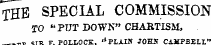
THE SPECIAL COMMISSION TO " PUT DOWN" CHARTISM , BES sir F . POLLOCK , PLAIK JOHX CAMPBELL " HAVIKG FAILED . c j-0 SD , FBiDjiT Night . —Another alteration baa Kten p lace in the proposed arrival of the Lord Justices weal of twelve , it is now determined that they shall i ~^ 2 i h ere at three p . m , by the mail train . It ia " it-Bied by the local authorities that sneh an hour will cfiaora eorapatibJe -with , the honr of their Jordahipa ^ jjt It ia further arranged that the cavalry * ho are -Tiered here from Wolverhampton shall be here by an earlier hour , so that their lordships' corporal existence miy be put completely ont of danger and out of the IljJk of those Tile ¦ wretches , the Chartists .
By-thei ea truly Iauehable scene was enacted here on last ij j ^ y . it vas notified that on this -week Messrs . i eaie &ad G ' . encoe Churchill , the reTising banMers , ¦^ jij open their eorrrts . In consequence of this notifl-Ztiori , several Biiddle or small farmers attended . Their ^ egeaee was the signal for the immediate cry that the Qj-rticts ¦ were coming . A general hubbub ensued . rrfcTpoHce "fere on the loot out—the magistrates were on " the ff « n ' > ^ Bn immediate attack upon our gaol « s hourly and momentarily expected . At length the vrjjbear vanished , upon the poor honest fanners taking thli nag * ridill 8 home , to the great annoyance of the V . ue bottles and their masters , while the people —ere convulsed with laughter at beholding the sad gjBPpointmect of the officials . and evinced
There is much cariosity anxiety respecting the trial of Mr . Eilis . His friends may be quite { 2 t on one point , as it cannot possifelycome on before ten days after the finding of the bill against him , which Z rfQ as a matter of course , take place . He will then be served with a copy of the indictment , with a list of the jury panel , and the names ef the witnesses , and aUoiffcd ten dsys to plead . Messrs . Cooper and 0 ' >" eil are & « men for Wco £ e safety the . greatest gj ^ ety sh ould be e Tinced ; for if convicted they will mosTimd oubtedly be made examples of . If they are cacriSced , the enemies of the people and cf libeity -Hill actieTe a signal and decided triumph . To avoid this dreadful result , it is absolutely necessary that large ample funds should be forthwith supplied for tb ^ r dtfecce , and the defence of the other two bun-( jred and forty-two prisoners . If these funds are not forthcoming , the fate of Messrs . Cooper , O'Jfeil , Ellis , and thfcir unfortunate fellow-prisoners , is irrevocably sealed . And what a crime will not the country have to ajjywei for if Euch is the case !
Stafford , Scsdat Night . —It is impossible for jjjplishmea to read with cemmon patience the recital cf atrociti&s that haTe within the last forty-eight hours been perpetrated against their liberties , and the glorious constitution which their ancestors purchased with their life ' s blood , tut which a degenerate and bastard progeny have not only abandoned , but basely outraged . Before I insult the English nation with this revolting recital , I must be guilty of a digression by giving an account of yesterday's drama , as it was enacted here by the parties whose performance had been preTiously , by bills and otherwise , a-nonnced for some days past .
I have already stated that two changes took place in the mode in which the judges were to be conveyed . Since then a third and final arrangement was adopted and acted upon . It was deemed infra dig ., and unworthy of the representatives of her Majesty to . be con-Teyed by either first rJ" « or mail trains ; therefore at the suggestion of the Minister ' s faithful counsellor the Gaoler , who is now swollen into the great personage of a GoTemor , it was ultimately decided that the three ministers of the Executive should be conveyed from . London to Stafford by a special train , at the enormous expense to a bankrupt country of at least £ 200 !! ! while their lordships could have been as safely and expediticusly conveyed by the mail train for a sum not exceeding £ 10 Why and ¦ wherefore it may be ssied . all this expense ? What purpose will it
Berve ? What end will this fiagitions reckless outl&y of the public money effect ? It cannot further the objects of justice . It cannot strike terror into the minds of the people . It cannot add dignity or weight to the commission which those judges are sent to execute . >* o . ' the only result it can produce is , one generaTf&eling of disgust , loathing , and hatred , throughout the country , especially where there are so many millions in the land sinking into the grave from the want of the commonest necessaries of life . Well , by the special train their lordships arrived at half-past four , p-m . Mr . Britton , ths goTernor , haTing previously received a notification that they would be ak the railway station at that hour , but that the high sheriff , mayor , and aldermen were to meet them at ths same station at four o'clock . This latter announcement
eavoured a good deal of a " trail ; " but it having been perpetrated by one of the lights of the nation , must , as a matter of course , be pardoned . Arrived at the station , their Lordships were met by the high Eheriff , the under heriff , the mayor , aiid aldermen , the gaoler , the bead turnkey , the rector in his pontificals , three policemen with large poles , and i ! r . Superintendent Thompson , looking big , and the javelin men , dressed in their best . Before starting from the railway station , theii Lordthips were ushered into the ladies' room * , where they put on the insignia of office , and then proceeded to the Court-house , the trumpeter announced their arrival at the court . Then the usual ceremony of commanding silence , reading the Queen's writ , and all the el ceicras for causing effect , were gone through . After which the ccurt was adjourned .
Before the Judges left the bench , Mr . Lee rose , and applied to have Mr . Arthur O'Neil admitted to bail . Tlie Cbitf Justice said he would hear the application in chambers . TTpon their Lordships' return to chambers , Mr . Lee renewed hiB application , to which the Judges p&id great attention , especially the Chief Jnstice , who repeatedly expressed his opinion of the hardship of keeping Mr . OXeil in prison , while he was prepared to put in Eatisfictory baiL Mr . Lee said that hia client was committed on the 29 ; h of August , by the Rtv . Mr . Cartwright and Mr . Badger " for making and causing a great number of persons to assemble and gather together to disturb the public peace at the parish of Rowley Regis . " r At that
time Mr . O'Neil prodneed two responsible persons an his bail , namely , Mr . Truman and Mr . Page . But in consequence of one of these gentlemen having taking & part in a Chartist meeting , and the other having signed a requisition for the use of the Town Hall for a similar meetirg , these sureties were rejected . Two applications for a habeas corpus in his favour were unsuccessfully made to Mr . Justice CressweU . A third application was made to the same Judge for a habeas on Friday , which his Lordship granted . On that habeas Mr . O'Xeil appeared that day before their Lordships to be Bdmitted on baiL Mr . Lee , in conclusion , dwelt very forcibly upon tbe hardship inflicted upon his client in keeping him incarcerated , and thereby preventing him making that preparation for his trial , which he would otherwise hare done .
Chief Justice Tisdal and Mr . Baron Rolfe were of opinion Lkat the application should be granted . Mr . Baron PaHKE differed with his learned brethren , as he was impressed with the conviction that once the commission opened they had no jurisdiction in the case , and could not , therefore , take baiL Mr . Hibeebt , a Birmingham attorney , said that he appeared for the prosecution , and that be opposed the spp ' . icadon both on account of the politics of the proposed bail , and in consequence of the little inconvenience that would arise from Mr . O'Neil ' s being imprisoned for the few days that would intervene between his trial . Chief Justice Ticdal said that polities had nothing ichatertr to do tcith bail , the sufficiency of which should iio . M be co'SIDEKEd . He conceived it a great hardship that Mr . O'Neil shonld , under tbe crcumstaices , be kept in prison . Mr . Baron Rolfe agreed with the Learned Chief Justice , Mr . Baron Parks had no desire to inflict unnecessary punishment upon the prisoner , bnt he was strongly of opinion that they cou ' . d net take bail , as the assize had opened .
The Chief Justice called for the Habeas Corpus Act , in the perusal of which he and his learned brethi en were for half an hour attentively engaged ; after which , tnd with much seeming regret , the Judges deceided that they could not interfere . Mr . O'NiEL , who heard the decision with great calmness , was immediately recondncted to his dungeon . It cannot be denied that Lbeir Lordships paid every attention to his case , and their whole conduct as yet is lauded everywhere , and gives confidence that their JEdgments will be tempered with mercy . .
The Solicitor-General , Mr . Sergeant Ludlow , Mr . : Sergeant Talfourd , Mr . Godson , Queen ' s Counsel , Mr . i Talbot , and Mr . Maule , are here for the prosecution ;) Mr . Roberts , from Bath , attends for the prisoners ; generally , and , with few exceptions , is engaged by them . ; He is indefatigable in his preparations for their defence . Since his arrival amongst the poor fellows they have be- j came high-spirited , as before it they looked upon them- j selves as deserted . . , i A curious scene occurred upon his first visit to the I gaol . He told the turnkey that he wished to see Mr ., Cooper , and that his name was Mr . Roberts . j Turnkey—Oh , yes , you are Mr . Roberts . Why , the attornies here say that you are no attorney !! Mr BoB £ Bis—Indeed ! do they say so ? I will give them an opportunity of proving it ; for I will act as an attorney , and for every act of mine as such they can , if I am not an attorney , sue me for & penalty of £ 50 .
Turnkey—Bear me ! that will settle it ; but I assure you that we axe told that yon are not an attorney . However , I shall tell the Governor that you are here . And no sooner said than done . Old Cerberus , whose lace is as red as a full moon , and who weighs about sixteen stone good ¦ weight , scampered off to the Gaoler , —I beg his rardon , " the Governor , " and made tie communitition . " Upon which Mr . Roberts was Admitted first to see " the Governor , "— and then the prisoners . On this morning , the Judges , Sherfft lVord Lienteaant , Mayor , Aldermen , 4 c , went i » state to Christ
Church . The usual prayer having been read , a prayer was offered up for the Queen , Pripte Albert , the Prince of Wales , the Judges , the High Sheriff , the Mayor and Aldermen , the Church and Ttate , and aU chosen in high station ; but not a word » as introduced into that prayer abent the poor of the land , who are groaning beneath the most insupportable sufferings They were left to pray for themselves . Prayers concluded , the Rev . W . E- Coldwell , M . A . preached , taking for his text the 1 st and 2 nd verses cf Paul to litta , chap . iiL : "Pat them in mind : to be-subject to
Untitled Article
principalities and powers , to obey magistrates , to be ready to do every good work , to speak evil of no man , to be no brawlers , but gentle , showing all meekness onto all men . " He then launched into an empassioned phillippic against the prisoners and parties engaged in the late riots , denouncing their leaden and themselves as rebels , anarchists , deists , and infidels , who aimed at the destruction of the altar and the throne . He compared them to Voltaire , Paine , and Hume , against whom , forgetting the old principle which Christians as well as Heathens adopt and adhere to , de mortals nit nisi \ onvm . he vomited the
whole measure of bis bile . After giving his audience a quantum suf . of that unhappy tirade against tbe dead , he commenced , having for the moment lost sight of Puseyism , boasting of the wonderful advances that the Church had made within the last two years . As an antidote against Chartism , he recommended a good supply of the needf ol to ths church , and a plentiful distribution of bibles and prayer books . He finally wonnd up his address by a side attack upon the Church of Rome . After this exhibition the Judges returned in procession-order to their lodgings , and thence , if report is accurate , they made their way to Eail Talbofs , where they had a good Bpread
out-The promised drapoon guards haTe arrived , and occupy tbe George . Detachments are also stationed at Stone and Pensbridge , to protect all parties who may have to come here as witnesses . Every day fresh vietims are bronght to our gaol . On Saturday ten were brought in , handcuffed . Their appearance was pitiable in the extreme , and even excited the compassion of the soldiers and turnkeys on duty at the prison . An application will be made to-morrow to allow Mr . O'Neil to traverse to next assizes . If that is not granted , he will not be tried before Wednesday , as his counsel will pray for a day to be appointed .
MONDi . 1 . —Before ten o ' clock this morning , the Court Honse , which is a large and most convenient structure , was crowded almost to suffocation , by individuals whose sympathy or curiosity had induced them to attend the hearing of tbe trials of the prisoners . At ten o'clock tbe Jadjres appointed to try the poor fellows entered the court Sir Nicholas Tindal , Chief Justice of the Common Pleas , presided , and was assisted by Mr . Baron Parke and Mr . Baron Rolfe . The proceedings hwe excited considerable interest in the town . The prisoners were brought ia companies , escorted by parties of tbe 3 rd Dragoons . There were a considerable number of lsdies in attendance . On the Bench we observed the Earl Talbot , Lord-Lieutenant of the county ; the Earl of Dartmouth ; tbe High Sheriff , J . E . Piercy , Ejq . ; the Mayor of Stafford , J . Rogers , Esq ., and several of the Magistrates of the county .
The grand panel having been called over , the following Noblemen and Gentlemen answered to their names , and were sworn on the Grand Jury .
Tisconnt Ikgestke , M . P ., Foreman . Viscount Sandcn , M . P . H . J . Pye , Esq . Hon . E . R . Littleton . William Ley , Esq . E . Monckron , Esq ., H . Hordern , Esq . W . F . Chetwynde , Esq . Thomas Salt , Esq . H . Chetwynde , Esq . Thos . Cartwright , Esq . Francis Eld , EBq . J . 0 . Oldham , Esq . Thos . H . Parker , Esq . C . Coyne , Esq . Ed . Grove , Esq . Thos . Powis , Esq . H . H . Williamson , Esq . S . S . Bristowe , Esq . G . T . Wbitegrave , Esq . C . a Forster , Esq . C . B . Adderley , Esq . Thos . Hartshorne , Esq . Her Majesty ' s most gracious proclamation having been read , Lord Chief Justice Tikdal delivered to the Grand Jury the following charge : —
" Gentlemen of this Grand Inquest , —It is with unfeigned regret that those who have been appointed under her Majesty ' s special commission to inquire into , and adjudicate upon , the numerous offences committed within this county since the last assizes , are called upon to meet you , the grand jurors of the county , on the present occasion . It is at all times a painful and distressing occupation for the mind of the Judge to pursue the investigation of charges of guilt , and to apportion the just measure of punishment to be awarded against each individual offender ; and if this be the case in the comparatively few instances which occur in the ordinary administration of criminal justice at the assizes , much mare is it so upon tbe present occasion , when the number of offenders is so large , the nature of the alleged offences so injurious to the welfare of society , and the offences have been committed , not by single individuals , or even Email numbers of persons , but by large masses of the community impelled by one common motive , and labouring to effect one cammon object .
" Gentlemen , it is not our design , nor indeed have we sufficient information on the subject , if we proposed to do so , to trace , with any particularity , the origin or exact progress of those violations of the law which have taken place within this county , and which will shortly be brought under y&ur consideration . It is fully sufficient for our present purpese to give a general outline ef those transactions , drawn from the depositions taken before the magistrates , tbe only legitimate source cf information to which we have had access . A It appears that about the middle of the month of August last the workmen employed in many of the collieries , and also in many of the various manufactories established in this county , had become dissatisfied as well with the amount of wages allowed by their
employers as in some instances with certain regulations under which they were placed in the course of their employment ; and that for the purpose of compelling thtir masters to allow them greater wages , and to alter the regulations by which they thought themselves aggrieved , they refused to continue to work at the various employments in which they bad been engaged ; that ia a short time , not contented with simply refusing to -work , they proceeded , by threats , intimidation , and violence , to compel other workmen , who were willing te continue to work , to join the number of these who were discontented . It appears farther , that whilst large bodies of the workmen , perpetually increasing in nnmber , were thus collected tORether in a state of idleness , and of consequence destitution , certain strangers , persons altogether unconnected with
them in interest , appeared amongst them , and by addresses made to them against the religion , the law , and tbe Government , excited them to a state of dissatisfaction with all the established institutions of the country , and laboured to persuade them to persist in their refnsal to return to their employment , as the sure , and effectual , and only means of redressing the evils by which they were oppressed , and of obtainiDg their just rights , called by the speakers the "People ' s Charter . " It appears that after such addresses bad been made , in some places tumult and disorder forthwith ensued amongst the assembled multitudes , to the great terror and alarm of the quiet and peaceable part of the community , In other places large bodies of the workmen , so collected together , proceeded to acts tf open violence and breaches of the law , in some instances against the persons of the subjects of the Queen , by beating some , cutting and maiming and
robbing others , and sometimes against their preperty by act of theft and plunder , by forcibly breaking into the dwelling-houses , by actual demolition or by fire , beginning with the houses of magistrates and other public functionaries , and soon caarying the work of ruin to the dwellings of private persons ; and it ia impossible to foresee to what extent the rapine and devastation of a lawless and misguided mob would have proceeded in the land , if it bad not been met and countervailed by the zeal , activity , End firmneES of the magistracy of the county , aided by the unwearied exertions and courage of the military and yeomanry , who lent their effectual assistance , when called upon for that purpose , in repiefsing violence and disorder , and in giving security to the lives and property of their fellow-snbjects , by whose combined efforts the work of further destruction was suspended , the fearful and ominus results which setmed to impend were averted from the county , and the law was restored to its just supremacy .
" Gentlemen , it has already been intimated that we conceive it to be no part of our province on this occa-Eion to discuss the justice of the complaints made by the workmen against their employers , or to decide on the merits of the dispute existing between them . Neither is it part of our duty to show by argument that the course pursued by parties who thought themselves aggrieved was of all others the least calculated to accomplish— on the contrary , perhaps , the most likely to defeat—the very object which they wished to attain . Nor , again , are we called upon to suggest or to discuss any remedies—which may be provided by law for the psevention of similar mischief , if , unfortunately , at any
fntnre time , the same ground of dispute should arise between masters and workmen—a discussion which U better fitted for a legislative assembly than for the members cf this tribunal , to whom the only duty allotted is that of declaring the law as it stands at present Our direct and mere usefnl course will , therefore , be to endeavour to expeuud the law as it applies itself to the several cases arising ont of these unhappy transactions , upon which you will be required to exercise your judgments , in order that yon may arrive at a just conclusion whether snfilcient appears in each individual case to call upon the parties accused to appear before a jury of the country ,
" And the first observation that arises is , that if the workmen of the several collieries and mannfactcrier , ¦ who complained that the wages which they received were inadequate to the value of Uwir services , had assembled themselves peaceably together for the purpose of consulting upon and determining tbe rate of wages or prices which the persons present at the meeting thould require for their work , and had entered into an agreement amongit themselves for the purpose of filing gnch rate , they would have done no more than the law allowed . A combination for that purpose , and tn that extent { if indeed it is to be called by that name )
is no mort , than is recognised as legal by the statute 6 Geo . IV . ; by which statute also exactly the same right cf combination , to the same extent , and no further , is given to the masters when met together , if they are of opinion , the rate of wages is too high . Inthecase supposed—that is , a dispute between the masters and the workmen as to the proper amount of wages to be giTen—it was probaWy thought by the Legislature , that if the workmen on the one part refused to work , or tie masters , on the other , refused to esiplay , as such a state of things could not continue long , it might fairly be expected that the party must ultimately give
Untitled Article
way whose pretensions were not founded in reason and justice—the masters if they offered too little , the workmen if they demanded too much , " But , unfortunately for themselves and others , those who were discontented did not rest here . Not satisfied with the exercise of their own right to withhold their own labour , if they were discontented with the price they received for it , they assumed the power of interfering with the right which others possessed—of exercising their discretion upon the same point ; and accordingly you will have numerous cases laid before yon in which large bodies of dissatisfied workmen interfered , by personal violence , and by threats of intimidation , to compel others , who were perfectly willing to continue to labour in their callings at the rate of wages then paid , to desist from their work , to leave the mine or manufactory , and against their own will to add themselves te the numbers of the discontented party ;
than which a more glaring act of tyranny and despotism by one set of men over their fellows cannot be conceived . If there is one right which , beyond all others , the labourer ought to be able to call bis own , it is the right of the exertion of his own personal strength and skill , in the full enjoyment of his own free will , altogether unshackled by tbe control or the dictites of hia fellow-workmen ; yet , strange to say , this very right , which the discontented workman claims for himself to its fullest extent , he does , by a blind perversity and unaccountable selfishness , entirely refuse to bis fellows who differ in opinion from himself . It is unnecessary to say , that a course-of proceeding . so utterly unreasonable in itself , so injurious to society , so detrimental to the interests of trade , and so oppressive against the rights of the poor man , must be a gross and flagrant viuiation of tbe law , and must be put down , when the guilt is established , by a proper measure of punishment
" But , even wltaont any evidence that combination is the object or purpose of the meeting , if a large body of the people assemble themselves together for the purpose of obtaining any particular end , and conduct themselves in a turbulent manner , either accompanied with acts of violence , or with threats and intimidation calculated to excite the terror and alarm of the Qaeen's subjects , that is in itself a riot , whether the end and object proposed be a just and legitimate one or not If , therefore , bills should be brought before you charging individuals with riot , for the purpose of raising the rate of wages , and the evidence should show the conduct of the patties to have been of the description jnst aderted to , the offence of riot is complete in point of law .
" Gentlemen , there is another description of offence which will probably be submitted to your consideration —namely , the exciting and encouraging large masses of the people by means of seditious and inflammatory speeches to commit acts of violence and to bresk the peace . If such charges are brought forward it must be left to your own good sense to distinguish between an honest declaration of the speaker's opinion upon the political subjects on which he treats—a free discussion on matters that concern the public , as to which foil allowance should be mode fsr the zeal of the speaker , though he may somewhat exceed the just bounds of moderation ; and , on the other hand , a wicked design by inflammatory statements and crafty and subtle arguments , to poison the minds of the hearers , and render them the instruments of mischief . He that addresses himself to a crowded auditory of the
poorer class , without employment or occupation , and brooding at the time over their wrongs , whether real or imaginary , will not want hearers ready to believe , and apt followers of mischievous advice . You will consider , therefore , the language that is employed on Buch an occasion ; if it consists of broad and bold assertion , unfounded in fact ; if , in discussing religious topics , you find the speaker endeavouring to be sprightly and face turns on those subjects which make wise and good men serious ; if , instead of argument , he deals only in sneers and sarcasm , it will be for yourselves to Bay whether , under such circumstances , the party charged with the offence is an honest but mUtaken man , or whether he is wickedly intending to bring the religion , laws , and Government of the country into contempt , and to teach the hearers to despise all those institutions which it is their duty to hold in respect and
veneration . " Gentlemen , it has been already stated , that in the multiplicity of charges which spring out of the transactions above adverted to , some will appear for assaults ; some for the felonious offence of cutting and maiming with intent to do some grievous bodily harm ; some for robbery by violence and force ; some for theft ; some for breaking into the dwelling-house by night or by day ; some for a riotous assembling , and beginning to demolish , or actually demolishing , the dwelling-houses of magistrates and clergymen , the offices connected with tbe police establishments , and the private houses of individuals ; some charges also for effecting Bimilar -works of destruction by means of fire . But it would be
tedions , and , at the same time , altogether unnecessary , to enlarge upon the law by which those offences are regulated , more especially to gentlemen so well experienced as yourselves in the ordinary business of the assizes . One observation only shall > e made which relates to every species of offence committed by several acting in cencert and company together , —namely , that if many are present at tbe time when tbe breach of the law takes place , having one common design in view , and acting with common consent , although they do not all take share in the performance of the very act which is the subject of the indictment , yet by affording countenance , encouragement , and pretection to the penons who actually perpetrate the crime , they are all equally guilty in the eye of the law .
"But there is one case in the calendar to which , for the purpose of avoiding any interruption in the general view of the transactions which have taken place in this county , I have not yet adverted—I mean tbe case of one William Ellis , who has been committed by the magistrates on a charge of high treason ; and as we are not aware whether bills of indictment may not possibly be presented against that person , and perhaps others also who appear npon the depositions to stand in the same predicament for the offence of high treason , it becomes necesssry that the principles of tbe law , bo far it relates to the species of treason upon which the charge , if preferred , will probably be founded , should be laid before yon with sufficient precision to enable you to determine whether the accusation is so far established that the parties accused ought to be put upon their trial for that offence .
" Gentlemen , the precise species of high treason upon which the charge , if made , must rest , is either that of levying war against Her M&jeBty in Her rt-alm , under the statute of Edward III ., or that for which Ellis was committed , —viz ., " the compassing and intending to levy war against the Queen within her realm , in order by force or constraint to compel ^ her to change her measures or counsels ; " which latter offence was first made snbstantive treason by tbe mote recent statute 36 th George 111 ., c , 7 , made perpetual by a subsequent act Gentlemen , you are well aware that , at least as early as the statute 25 th Edward 111 ., and thence down to the present time , the bare compassing or imagining the death of the Sovereign , when proved by any open or overt act , has amounted to high treason . For ,
where the life or personal safety of the Soveieiga is concerned , so precious has it always been held in the eye of the law , that the bare intention or imagination of the heart to put it in jeopardy , although no injurious consequences follow from such intention , when proved by an overt act , has , of itself , and alone , constituted the treason . By that statute also , the levying of war within the realm , when proved by an overt act , ie made a distinct and substantive species of treason . Bat the mere " compassing" or "intending to levy ¦ war , " that is , the mere purpose or design of the mind or will to commit that crime , was never made a specific treason until the statute 36 th George III ., c . 7 , and then only " where such compassing or intention is expressed , uttered , or declared , by publishing any printing or writing , or by any overt act or deed . "
" Now , the only or principal evidence of treason stated in the depositions is the uttering of violent and inflammatory speaches to the assemiled multitude . Bnt it is to be observed , that the mere speaking and uttering of words , considered by itself , and abstractedly , and without reference or connexion with any act or design , however wicked and atrocious those words may be , is not an act of treason . The Judges , on a reference made to them in the 4 th year of Charles I ., npon the subject of words spoken by one Pyne , certified unanimously , ' that though the words were as wicked as might be , yet they were no treason , for unless it be by
some particular statute , no words will be treason . ' Oa the other hand , however , where words are uttered and spoken with reference to any treasonable plan or design already laid , and in the contemplation of tbe speaker , if they are words of exhortation or enceuragement to carry into effect such plan or design , such speaking and utterlcg of words iB strictly and properly an overt act of treason , being the means made use of to effect the treasonable pnrpose ; although , even in that case , the more precise and accurate mode of expression would seem to be , that the plan or design is the treason , and the words of encouragement and encitement are evidence of the existence of it
" It will be for you , therefore , to say , supposing no further evidence is given than that of words uttered , supposing there is no proof laid before yon of any existing plan to subvert the authority of the Queen , the established order of government , or the laws of the land , —whether , from the mere speaking and uttering of the wor 4 t by the party charged with treason , yon can feel yourselves authorised to infer that at the time the words were uttered there did not exist a deliberate design in the mind of the speaker to effect any of those wicked purposes , and that the speech was made by him to indnce the hearers to take np arms , or to use
force and violence for the pnrpose of carrying such design into effect ; yon must determine for yourselves whether such is the safe conclusion at which you can arrive upon such evidence alone , or whether the words are not rather to be considered as the production « f a heated and distempered mind , thrown out at the moment rashly and hastily—words , indeed , " as wicked as might be , " as was said in Pyne" * case , but words spoken witheut reference to any formed design or settled purpose in the heart of the speaker . In tbe latter mode of viewing them they would not constitute an act of treason , but be punishable as a hig h misde meanour only .
• ' Gentlemen , I cannot close the observations which I have thought it right to submit te you without expressing the eirnest hope of my brethren and myself , that the administration of criminal justice under the
Untitled Article
commissions which have been specially issued into this county , and into others where similar enormities have taken place , may have the wholesome effect of teaching aU who need such warning , first , that in this country the punishment of crime will follow the commission of t with a pace so tote , so steady , and so speedy , that he guilty e * j have no . pbauoe of escaping ; and eoondljr , th » mow important lesson , that whatever attempts may be made by discontented persons to subvert the Government , the laws , or the religi » n of their country , and to establish a new order of things in their stead , tbey will find the law of the land too strong for them ; and that the honest part of the community , the lovers of peace and order , will at aU times unite themselves with the established authorities of the Government to render their attempts fntUe and abortiveand to put
, down such evil-doers with a strong hand ; and I would , in conolusion , further suggest that the effectual , and only effectual ,, method ef cotmter&cfctag the attempts ef wicked and designing men to undermine tbe principles of the lower classes , and to render them discontented with the established institutions of their country , Is the diffusion of sound religious knowledge ( in which there can be no excess ) amongst those classes who are the most exposed to their attempts , and the educating their children in the fear of God , so that all may be tanght that obedi ence to the law of the land and ts the Government of the country is dne , not as a matter of compulsion , but of principle and conscience . " Gentlemen , her Majesty ' s Judges wlU be happy to render you any assistance in the performance of your duty , if any difficulty should arise . "
• c » ft C , ° oT ? re ' "" ° r the Crown are Sir W FoUett ( Sohcitor- Genera : ) Mr . Sergeant Ludlow , Mr . ff m ^ t alf ° ' ' Gad 80 n . Mr . Waddington , and Mr . Talbot Mr . Sergeant Murphy Is retained for the defence . ¦ The unavoidable absence of Mr O'Connor 1 b greatly regretted . His presence wouia oheer up the poor prisoners . Mr . Roberts is in town , and is indefatigable in getting up the defences . ° ¦ At the time of writing there are ei ght bills before tbe Gi-and Jury , bnt not as yet brought into court . The bill for treason against Mr . Ellia has not yet been presented . The first case to be tried will ba that against the men charged with setting fire to Dr . Vale ' s house at Hanley . [ In reference to the " Judge's Charge" given abeve , the Evening Star of Tuesday has the following just and appropriate commentary . It is well worthy attention : — . •¦¦ ..
" The charge of Chief Justice Tindal to the Grand Jury is what we expected from him , clear , calm , and lawyer-like , but filled with that general kind of censure and sweeping denunciation , ia which it ie the custom of Judges to deal against all , who are even suspected of having violated the law . There is none of that nice discrimination of circumstances , none of that extenuation arising from the pecuiiar facts , which would have been urged by a man of the world and the world's experience , but which can seldom be obtained from the mere lawyer . We must protest against the facts as
etated by his Lordship from the depositions , and which wonldflead to the belief , that until the Chartists came among the workmen , who had struck for wages , there were no riots , and that to the Charter must they be attributed . In the first place , as all the working classes are Chartists , the influence of their politics was present at the time of the strike , and did not commence afterwards ; secondly , the outbreak never did assume a political aspect , but was throughout the struggle of workmen for just wages , though of course their political opinions could not be altogether silent at such a time .
" His Lordship having then stated that workmen or masters may assemble peaceably together , and agree among themselves on the rate of wages , for which they will be employed , or employ , and having distinguished between inflammatory speeches made by honest , if mistaken , men , and those made by men whose design is to subvert the Government , next proceeds to the case of William Ellis , and dilates on the law of high treason . He shows that by stet . 25 Edward III ., an overt or open act of treason was necessary to constitute the offence , but that the more " compassing" or I' intending to levy war against the Sovereign , " that is , the mere purpose or design of the mind , or will to commit that crime , was never made treason until the vile and unconstitutional statute of 36 Goo . III . c 7 , was passed . However , by this act , ¦ such compassing or intention mult be expressed by publishing some printing or writing , or by some overt act or deed . '
"Now Ellis is eharged only with uttering violent speeches ; and words do not amount to treason , either at common , or by statute , law . " In the fonrth y <; ar of Charles' the First , the Judges certified unanimonsly , that " though the words were as -wicked as might be , yet they were no tieason , for unless it be by some particular statute , no words will be treason I" There is no statute declaring them to be so ; and therefore we must protest also against the law of Chief Justice Tindal , when he endeavours to draw the subtle distinction ( which he takes from Foster's Pleas of
the Crown ; p . 200 ) , that words exhorting to carry out a treasonable design amount to an pwrtact of treason . What authority : is there for this ? None . What against it ? Rtisson—justice ; the above unanimous opinion of the Judges , who made no such distinction ! By their test we try it ; there is no statute making words treason . 'If there were , we had better go back to the reign ot Edward IV ., when one man was executed for saying he would make hia s on ' heir to the Crown , ' being the sign of the house in which he lived ; and another , whose favourite buck the King had killed , for wishing it , horns and all , in the King's belly !
"' Words , 'says Blackatone ( vol . 4 , p . 80 ) ' may be spoken in heat , without any intention , or ba mistaken , perverted , or misremembered by the hearers ; their meaning depends always on their connexion with other words and things ; they may signify differently , even according to the tone of voice with which thoy are delivered ; and sometimes silence itself is more expressive than any discourse . As therefore there can be nothing more equivocal and ambiguous than words , it would indeed be UNREASONABLE io make them amount to high treason ' " Such is the opinion of the great commentator on the laws of England ; and being ¦ unreasonable it is illegal / for we are told 'law is the perfection of reason , ' and 'the law only recognises what is accordant with reason . ' In this age we cannot , we must not , allow any new " constructive treason" to be invented by any man , be he Judge or King ; for , as it has been truly said by Montesquieu , the crime of high treason being unascertained , ia alone sufficient to make any Government degenerate into arbitrary power . " ]
The Lord Chief Justice Tindall , Mr . Baron Parke , and Mr . Baron Rolfe , took their seats in the Nisi Prius Court a little before two o ' clock , when the Grand Jury returned several bills .
BURNING OF THE REV . DR . VALE'S HOUSE . The Petty Jury panel having been called over , and the Jury empanuelled , the following prisoners were placed at the bar : — John Harris , Richard Wright , George Colclough , John Williams , James Saunders , John Whiston , Hamlet Jackson , Thomas Wagstaff , James Millington , Joseph Saunders , Sampson Whitehonse , Thos . Cotton , Samuel Heaton , William Shaw , William Bradbury , Richard Edge , Josiah Gilbert , William Cartledge , Thomas Banks , John Owen , John Powell , William Hollins , Thomas Jackson , Edward Smith , Henry Diramock , Joseph Loft , James Hurst , Joshua Hurst , and Jabez Phillips , were indicted for riotously and tumultuously assembling on the 15 th of Asgusfc last , and beginning to demolish the dwelling-house of the Rev . Benjamin Vale , of Longton , in the parish of Stoke-upou-Trent .
Most of the prisoners were young men , and some of them mere boys—they completely filled the dock , and some of them were placed behind the bar in front of the dock . John Williams , a respectablelooking man , with one leg and a crutch , was , on the application of his Counsel , accommodated with a chair . The prisoners severally pleaded Not Guilty . The Solicitor General , Mr . Serjeant Ludlow , Mr . Serjeant Talfourd , Mr . Godson , Queen ' s Counsel , Mr . Warrington , and Mr . Talbot appeared as counsel for the Crown . The prisoner Whiston was defended by Mr . Price . Mr . F . V . Lee represented Toft , Smith and Phillips . Mr . Meteyard appeared for Shaw , Jackson , and Dimmock . Mr . Allen was counsel for Cartlidge , Edge , Harris , Millington , and ( with Mr . Neale ) for Williams ; and Wright and Jackson were defended by Mr . Huddlestone . The other prisoners had not the assistance of counsel .
The Solicitor-General opened the case to the jury , recapitulating the leading features of the late riots in the Staffordshire district , and then detailing the circumstances of the attack upon the Rev . Dr . Vale ' s house on the 15 th of August . The Learned Gentleman then referred at some length to the law as it bore npon the indictment preferred against the prisoners , all of whom he stated would be identified by the witnesses he should call before them , and it would be for them to say whether the prisoners were guilty of the offence charged against them . He prayed of the jary to dismiss from their minds everything they had heard outside that court , and to confine themselves strictly to the evidence which should be laid before them .
The following witnesses were then examined : — Mm . Mary Anne Tale deposed that she was the wife of the Rev . Benjamin Yale , of Longton . On the 15 th August she saw a mob approaching the house , and immediately proceeded to close the shutters . The mob , however , reached the house before she was able to do so . She was greatly alarmed , her husband not being at home . Thoy demanded money and drink , which at first she refused , but she afterwards gave them her purse , containing 5 s . or 6 s ^ and desired the servant to give them some drink . They proceeded
to the study , and commenced destroying and burning the books and furniture . Some of them then went up stairs and set fixe to several of the rooms ; others followed the servant to the cellar with a sheet , which they set on fire , and they commenced drinking whiskey . Witness fled as soon as she saw the whole house in flames , and took refuge in an adjoining cottage , when Jabez Phillips , ono of the prisoners , came up , and said , " They were going to London to burn , and bring all things to their proper level . " The witness then proceeded to detail the several facts
Untitled Article
connected with the destruction of the property , and which have been already published in detail in all the public prints . The Rev . Benjamin Vale was then called and examined . He stated that he was absent from the vioarage when it waa attacked by the mob . On his return he saw the house surrounded by a large mob , and the furnitnre and building in flames . He was prevented by a friend from going into his house . Sarah Turner , servant to the Rev . Mr . Vale , corroborated the evidence of Mr . Vale as to the conduct of the mob , and the destruction of the property . The gardener of the Rev . Mr . Vale identified Shaw and Bradbury , Phillips , Williams , and Whiston , a * being actively engaged in the demolition of the house and furniture .
After the examination of one or two other witnesses , who spoke chiefly as to the identity of the parties engaged in the destruction of the property , The Court , finding that a large number of witnesses were still to bo examined , adjourned the proceedings at a quarter past six o'clock , and the jury were given in charge to three constables , and locked up for the night in the San Inn . The court was extremely crowded during the day . TUESDAY , Ocr . 4 th . The court was opened this morning at half-past eight o'clock , and shortly afterwards the three Judges entered the court , and took their seats on the bench . The prisoners having been again placed at the bar , and the jury oalled over , A large number of witnesses were examined , by whom most of the prisoners were sworn to . STAFFORD , Wednesday Morning .
Tbe work is going on aa I predicted . The Grand Jury are doing their duly , and bringing downhills of indictments in loads , to the great gratification of those -whose Interest it ia that such things should be dose swimmingly . The people are , however , tanght by thia wholesale business , that their masters will , if possible , force them to obey their mandates , and if they dare to obey their mandates , will make them feel the effects of the power wbioh the constitution of this great , free , and glorious nation has conferred upon them . Tbia 1 believe the people feel , and feeling it , have made up their minds as to how they shall act , and what course they shall pursue .
The trial of the twenty-nine unfortunate wretched men and boys , far the burning of ( he Reverend Mr . Vale ' s house , ia likely to occupy two days longer . As a matter of coarse , a number of witnesses have been found to identify them by the colour of their jackets , and that of their neckerchiefs , as being conoerned in the fire . The evidence is so much of a piece that it ia almost useless to go over the whole of it , as the Crown has so admirably arranged the prosecution that of the forty or fifty witnesses who have appeared in its support , they all . agreed upon ^ the main statements made by them . There is one fact which stamps with Us proper weight the credibility of some of those witnesses—it is their denial of tbe slightest knowledge of a proclamation having been issued , offering a reward of £ 50 to those who give evidence against the prisoners .
One fellow , named Cope , who gave evidence , so insulted the counsel for the defence , by his laughing , that lie was compelled to appeal to the Bench to keep him within the bounds of decorum . Thia fellow actually refused to state within a week , how long he had been in Stafford before the trial . At length he acknowledged that he had been for a fortnight in tbe gaol to which he was brought to identify whom , he could . Another fellow , upon being asked how he gained his livelihood , replied in a most insslent manner that he gained it by eating and drinking . The Bench had also to restrain this fellow ' s audacity .
George Barlow , a fellow who gave bis evidence offhauded against the boy , James Miltington , aged 17 , acknowledged that he had been twice in custody for highway robbery—once for stealing a tambourine , and at another time for thimble-rigging and cheating at that game . This pure character positively swore that he had not heard that the £ 59 rewards had been offered by the Government for detecting and prosocuting rioters- He had been moat innocently engaged for nearly an hour in visiting the several rooms of the Rev . Dr . Vale . Enoch Maker , who gave evidence against Loft , a lad © nly twenty years cf age , bad been charged with attacking the police station at Stoke . He was subsequently released , and admitted as evidence against the others .
He at first said that he had not been out of work . He then acknowledged that he had no employment for a fortnight before the fire , and that he bad all his goods packed for starting to America since June . His house was searched , when some fringe was found in it . This fellow , whose effrontery in the witness-box disgusted everyone , Lad been , it appeared , for two hours and a half traversing the several rooms of the Rev . Mr . Joules house while they were on fire . Sampson Whitehouse cross-examined this fellow at great length , and with great ingenuity , to prove that he had been charged with firing the Rev . Mr . Atkin's house ; that he was cabled by the police a very useful and handy man , and that he was to have hia liberty if he gave evidence against others .
Richard Biiley was the next distinguished character who figured in the witness-box . He gave evidence against Joseph Hunter . This fellow stated that he had been twice in prison for robbery . For the first robbery he suffered fourteen days , and for the secoud two months ' imprisonment . He was told thai he would be taken unless he went and told something about somebody else , and thai if he did so , he would be pardoned . It is impossible to read tiiia latter evidence without feelings of horror , disgust , and indignation , it is not sufficient to put into the witness-box one fellow who had been charged with the highway and other robberies , but another fellow who had likewise suffered for his
robberies , is not only allowed to pollute that place which hitherto E iglishmen have been taught to resp' -ct with a veneration the most sacred , and which tbey hitherto approached with awe and trembling ; but thia fellow is actually coaxsd into it under a promise of a free pardon for his crimes , if he gave evidence against others . Not only that , but be was threatened with being placed in the dock , unless he did so . This reminds the people of the glorious days of Orange ascendancy in Ireland , when the wretched peasant was flogged at the triangle until hia pains and excruciating tortures forced him to declare that A , B , or C were rebels , and who , as rebels , and upon such evidence , were sent to dangle from a gibbet
In the case of James Hurst , there was an occurrence which calls for the most general and most unqualified reprobation . This child , who is only twelve years of age , could not be identified by the witness adduced against him . The latter , in order to assist him in the identification , was brought from the witnessbox to the table near tbe dock . Even then he could not identify the child . What then was done ? Will —nay , can—Englishmen believe it !! The child Hurst was actually marched to the front of the dock , and close to the witness . And then the witness swore to the poor child . After this specimen of ths evidence against the hapless accused , it cannot be denied that the police have raked up the filthiest purlieus ol vice and crime to get up witnesses for the particular purpose .
On to-morrow , the prisoners will enter upon their defence , when it is expected that they will shatter to pieces a great portion of the evidence adduced against them . There will be at least fifteen witnesses examined for the defence . It is dubious whether the trial will close even to-morrow night . Mr . Roberta is working day and sight for hia clients . It was most unfortunate that he was not here earlier , or at least a fortnight ago , for he now has scarcely time to get up proper defences . He has four clerks working late and early , and is leaving no stone unturned in the discharge of hia duty . On last Sunday he applied to see Mr . O'Neil , when be was told by tbe turnkey , that
it being Sunday , he could not be allowed to Bee bis client;—a beautiful illustration of the Christian spirit which actuates Lord Sandon and the other saints -who have the superintendence of this prison . How truly ignorant must they be of the Sacred Scriptures of which they speak so much , and which teach them that on the Sabbath day we ought to assist even our neighbour ' s dumb animal if it sustains an injury f And if that is the case , how much more are we bound to assist our fellow-beings on Sundays when they are in trouble 1 How better can we do so , than by performing a . corporeal work of mercy in visiting and " assisting those who are in prison . "
The latest intelligence from South Wales that has reached here , states that Chartism is in the zenith there , and that its bupporters are doily holding large meetings to advance it by every means . In this town , notwithstanding all the efforts that are making to strangle it , Chartism ia gaining the possession of the habitations of the working classes , and in no few instances is creeping into the dwellings of tbe middle men ' .
STAFFORD , Thubsday . CLOSE OF THE TRIAL OP THE PRISONERS CHARGED WITH DEMOLISHING AND FIRING THE REVEREND DR . VALES ' BOUSE . Last night conolnded the evidence for the defence . The Soucitob-Genbbal rose to reply , when The Chief Justice submitted to him whether it would be right at that late hour Iseveni o ' clock ) to address the Jury upon a subject which involved the interests of so many prisoners . , The SoLicrroB-GEirEKAi . said that he was prepared to proceed if the Jury desired it . The Jury replied that they were most anxious to retire after the fatigue of the day . , ¦ .., . The Court was accordingly adjourned to hair-past nine o ' clock this morning . The Jurors were a third time locked np for the night in the Sun Inn . After Mr . Aixp had concluded his address m defence of his clients ¦ ¦ . .
, . Mr . HuDDtESTOff made a powerful appeal in behalf of the prisoner Wright , and in a very bold and satisfactory manner , exposed the corrupt and the suspicious evidence that was brought into action against the prisoners .
Untitled Article
Tae Chief Justice then agiced tne undefended prisoners if they had anything to say . James Sannders said that he oould not get any one to speak for nun , as he was suddenly taken away by the police . J . Cotton and Samuel Eaton most solemnly protested that they were hurried away by the mob to the scene of destruction . Thomas Wagstaff , and S . Whitehouse would call witnessses to prove their innooenoy of the charge preferred against them . Mesirs . William Owen , Charles Hackney , Robert Simpson , Thomas Fenton , of the police , James Buck , and- —Pool , knew Whiston upwards of seven , ten , and fifteen years , and during that time he bore a most exceUent character . _ Mr . and Mrs . Nathan , Mr . Cleft , and Constable Benton , gave Toft a character for quietness , industry , and sobriety . Mr . Bennett proved that Phillips was forced from his work , on the 15 th of August , by the mob . He knew him for twenty years to have been a quiet , inoffensive man .
Mr . Joseph Mills , Mr . Cartiedge , and Mr . Saunders corroborated Mr . Bennett ' b testimony . Mr . William Fetlow and Mr . Barker gave Smith an excellent character . Thomas Hartshorn , Esq ., a magistrate , Mr . Geo . Paadook , a yeoman , and Mr . Oldham , testified to Shaw ' s excellent conduct during the last fifteen years . Mrs . Susannah Booth knew Dimmock from his infancy . He was always well conducted . Messrs . Bradbury , Halfpenny , Jenkinson ; and Potts gave similar testimony respecting Cartiedge . Messrs . Hill and Sneyd spoke in similar terms of Edge . Messrs . Heath and Jenkinson ( in the Duke of Sutherland ' s employ ) , Marsh and Plant gave Harris a character for quietness , sobriety and industry . Saunders also received an excellent character from several witnesses .
The appearance of these respectable persons in court qn behalf of the prisoners , had a most talismanic effeot " upon the Judges , the Jury , and even upon the counsel for the prosecution , and seemed to shake to pieces a great mass of the evidence that was brought agaiuat the prisoners . Mk . Allen , when pleading the cause of his clients , brought in front of the dock James Hirst , a sickly child of eleven years of age , who was one of them , and called upon the Jury to say if they could suppose for one moment that a child of such tender years was guilty of arson and demolition . An involuntary reply in the negative echoed through the Court .
Mr . Allen made a powerful and heart-stirring appeal on behalf of his clients . When he described the wretched condition of the prisoners , and of their bereaved families , the Court , Judges , Jury , Counsel , and spectators were moved to tears , and the wretched prisoners themselves were bo overcome that they sank upon the floor of the dock , while their sighs and sobs were distinctly heard throughout the Hall . The scene was truly appalling . _ Towards the close of the day , a fresh bundle of bills were found and brought into court . Amongst which were bills against O'Neil and Cooper , for sedition , and against Ellis for every crime short of high treason . It was from the beginning dreaded by the friends of Ellia , that the indictment against him for high treason would not be found and that one for a minor charge would bo substituted , as it was admitted by all that in a Court of Justice an indictment for high treason could not be sustained , while a pliant Jury could be induced to return a verdiot of guilty against him for a minor charge .
It is now reported that it is the intention of the Crown to ' put upon their trials at this Special Commission the 180 prisoners committed for the Sessions . If thia is the case it will prove a great hardship to those prisoners , as they must be so taken by surprise , that they cannot be prepared to defend themselves . Mr . Roberts is , however , doing his best to prepare for every extremity . He has engaged . Messrs . O'Neil and Allen to defend the prisoners . It is impossible to describe tae sensation caused in the court by the Solicitor-General calling upon the Judges to turn out of the dock the two prisoners , William Hollins and Thomas Jackson , declaring thifc ho could not send them before a jury on the polluted evidence that had been produced against them . The Chief Justice concurred with the Solicitor-General , and ordered them to bo discharged .
During the three days' trials the Rev . Dr . Vale , tha prosecutor and his wife , occupied conspicuous seats under the Bench , and in the presence of the unfortunate prisoners : such conduct on the part of the rev . prosecutor and his lady , was the subject of the most unqualified reprobation , as exhibition , to say the ' east of it , very bad taste . If an opinion is to be formed of the Rev . Dr . Vale ' s popularity by the humbler of his congregation , it mast be admitted that it is not very great . If report speaks truth , his congregation reckons only twenty individuals , while the Dissenting preaching-bouse in his parish . is crowded to excess . That he is not a teetotaller "is equally clear , by tVie quantity of whiskey which was found in his cellar , which whiskey was the real origin of all the excesses that were committed , as the mob never attempted firiug until their brains were fired by that demoniacal spirit , which they found on going into the house to ask money from Mrs . Vale .
It is now absolutely ncoesEaTy that the people should immediately . contribute funds amply towards the Defence Fund , as it is more than exhausted . If money is not generously supplied , victims upon victims will be made , and thus a stab will be inflicted upon the cause , which it will be difficult for it ever to recover .
Untitled Article
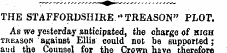
THE STAFFORDSHIRE . "TREASON" PLOT . As we yesterday anticipated , the charge of high treason ' against Ellis could not be supported ; aud the Counsel for the Crown have therefore wisely withdrawn it . We do not , however , regard this act in the samo light as the Times do ' -s , " an act of leniency , " but one of necessity , to which they were driven . But we do regard the having committed him at all on such a charge as cruel and unjustifiable . Was it to give a pomposity to the calendar , or to make tho charges more formidable , so that the jurors might think there really , was something in them ? Thus magisterial treason sinks into , a shadow ; and thus , perhaps , their misdemeanours may turn to nothing .
"The mountain labours , and a mouse is born !" Some men cannot distinguish between " Reason " and " Treason r" but we wish they would begin to learn , both for their own sake and the sake of others . —Evening Star , Wednesday .
Untitled Article
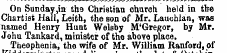
On Sunday , in tha Christian church held in the Chartist Hall , Leith , the son of Mr . Lauuhlan , was named Henry Hunt Welsby M'Gregor , by Mr . John Tankard , minister of the above place . Theophenia , the wife of Mr . William Ranford , of Kidderminster , was delivered on the 1 st of October , of two fine boys , who were registered on the 3 rd instant , one Emmett Feargus O'Connor , the other M'Douall Feargua O'Connor . Mr . Ranford has now three boys living , all of whom are registered . Feargus O'Connor .
Untitled Article
On Tuesday last , suddenly , at Harrogate , after i very short illness , Mr . James Clarkson , of Biadford , solicitor , aged 37 . He was a younp nan of considerable talent and acquirements . Lie was the son of the late Mr . John Clarkson , ormerly a respectable woolstapler at Wakefield ilr . Clarkaon w& 3 articled to Mr . Robinson , ol Wakefield , solicitor , and after the expiration of lisolerkship , w * 3 for som 9 years in the office ol vlr . Hailstone , of Bradford , solicitor . He had ieeu in business for himself in Bradford , about ire years , and acquired a practice which vas already reapeotable , and promised to become uorative . He was a Ridioal in his politics , and
, ad , daring late years , frequently taken a proninent part in the meetings of the Radicals , pariicnlarly of that large section , the Chartists , vhoss doctrines , he , with many men , of more levated rank in society , contended were thf loctrines of the English Constitution , as well as ohe docirineaof all just and wise men . He was tn extremely pleasant assooiate , and his infornation , which was both various and extensive , vas always at the service of his friends without j he tax of a professional fee . He has left some elativesjwho will have great reasons to deplore lisloss , for a great portion of the emoluaaen * lerived from his labours was devoted to theb issistance .
Untitled Article
" Oa Thursday , the 18 th of September , that ol Radical Reformer , Mr . John Marsland , of . Brooa lane , Haughton , in the 84 th year of his age . On Monday last , aged 66 , deeply regretted by al who knew her , after a long and painful i )) r-Hannah , the wife of Mr . Joseph Armita ? dresser , of Little Queen-streets in this tow
Fflloyt F^Ung ^ Fltvtot0.
ffllOYt f ^ ung ^ fltvtot 0 .
Untitled Article
; DEATHS .
Untitled Article
" I THE NORTHERN STAR . r i ' ' ~ . ' ' *
-
-
Citation
-
Northern Star (1837-1852), Oct. 8, 1842, page 5, in the Nineteenth-Century Serials Edition (2008; 2018) ncse.ac.uk/periodicals/ns/issues/vm2-ncseproduct619/page/5/
-