On this page
-
Text (2)
-

Untitled Article
-

Untitled Article
Note: This text has been automatically extracted via Optical Character Recognition (OCR) software. The text has not been manually corrected and should not be relied on to be an accurate representation of the item.
-
-
Transcript
-
Note: This text has been automatically extracted via Optical Character Recognition (OCR) software. The text has not been manually corrected and should not be relied on to be an accurate representation of the item.
Additionally, when viewing full transcripts, extracted text may not be in the same order as the original document.
Untitled Article
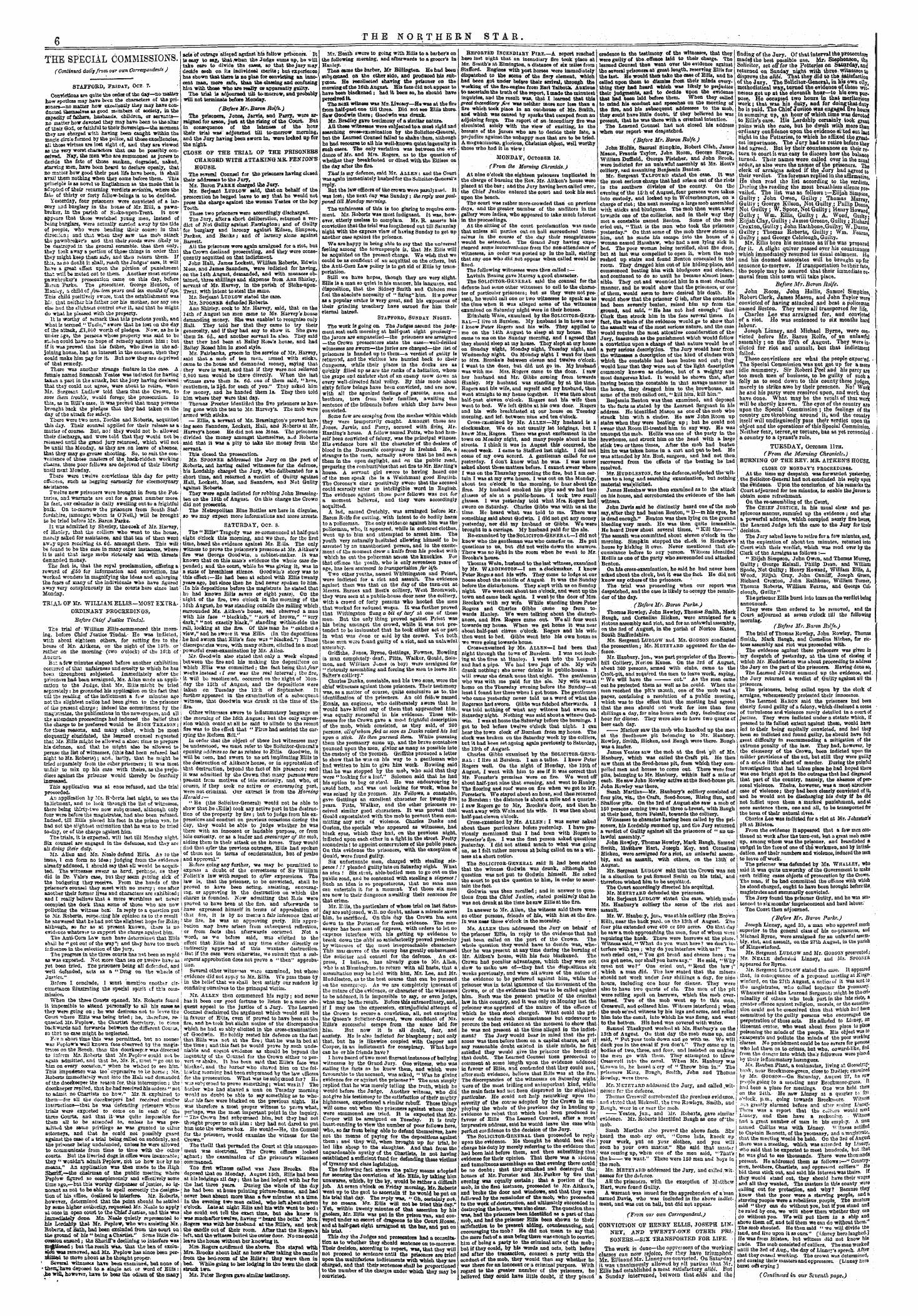
THE SPECIAL COMMISSIONS . ( Continued , daily from , our own Correspondents )
STAFFORD , Friday , Oct . 7 . Convictions are quite the order of the day—no master bow spotless may bare be « n the characters of the prisoners—no mtt ± pi- how excellently they may have conducted themselves m good members of society , in tbe capacity of fathers , husband * , children , or servantsno matter how derated they may have been to the altar of their Sod , or faithful to their Sovereign—the moment they are charged witt . having been caught within the magic cins'e formed by the police , all those excellencies , all those virtues are lost sight of , asd they are Tiewed as the very -wont characters that can be possibly coneeived . Nay , the men who are summoned as jams to decide the fate of those sunken , degraded , naked , starring men , have been beard to declare openly , that bo matter how good their past life have been , it shall avail them nothing when they come before them . This principle is as novel w Englishmen as the mode that is adopted of their retarding verdicts seriatim , where the fats of thirty or forty fellow-beings is to be decided .
Yesterday , four prisoners wore convicted of a larcecy aod burglary in the bonse of Mr . Hill , a pawnbroker , in the parish of S ; oke-upon-Trent . It now appears that tko 3 e wretched yenng men , instead of being burglars , were actually carried asray by the tide of people , who were bending their coarse in that direction ; and thit when they saw t&e mob attack the pawnbroker's aad that their foods were rikely to be destroyed in the general scramble , thai then only , they took away a porticn of thpsB things in order that they might keep them safe , and then return them . If this , as no doubt ii shall , reach the Judges' ears , it will have a great effect upon the portion of punishment that -will be meted out to them . Another most curious pawnbroker ' s prosecution came on this day , before Buron Tarke . The prosecutsr , Gvorge Henton , of Eaniey , a childcf fov-ieen years and ten months of age . This child positively swore , that tbe establishment was bi 3 . tbst neither his father nor his mother , nor any one else had the slightest control over it , and that he might do what he pleased with the property .
It is worthy o ! remark tint this precious youth , and what is termed " Uncle , " swore that he lost on the day cf the attack , £ 1 , 000 worth of pledges . Now , as he is xtEaer age , the persons whose property was said to be Etwltn could have no hope of remedy against him ; but if it was proved that ius father , who lives in the adjoining hou £ e , had an iaterest in the concern , then they could make him pay for it . Bat now they are deprived of that remedy . There was another strange -feature in the case . A female named Susannah Yeates was indicted for having taken a part in tha attack , but the jury having deelared that they could not agree , were about to retire , when Mr . Sergeant Ludlow told them that the Crown , to save tkem trouble , wsuld forego ^ the prosecution . In this , as in Hill ' s case , it was proved that many peTBons brought back the pledges that they had taken on the day of the attack for safety .
There were two men , Toothe and Roberts , acquitted this day . Their counsel applied for their release as a matter of course . Bat , no . ' they would not b = allowed their discharge , and were told that they would not be released until the grand jury returned , which vrill not be until the Monday , as they are . on leave of absence , that they may go grouse shooting . So , to suit the convenience of those masters of tho ^ hack-ridden working classes , these poor fellows are deprived of their liberty until nsxt Monday . There were twelve convictions this day for petty offences , such as begging earnestly for eleemosynary assistance . Twelve new prisoners were brought in from tbe Potteries , and warrants are out for a great number more-In fact , our calendar is daily swelling out to a frightful bulk . On to-morrow the prisoners from South Staffordshire , ( amoag-st whom is O'Neil , ) will be brought to be tried befora Mr . Baron F&rke .
It was admitted by Sherley , the co « k of Mr . Harvey , of Haniey , th 3 t the colliers who went to the bouse , merely asked for assistance , and that ten of them went aw ^ y upon receiving 4 s . 6 d . amongst them . This will be found to be the case in many other instances , where it is said that large mobs riotously and with threats flemacued money . The fact is , that the royal proclamation , offering a reward of £ 50 fcr information and conviction , lias worked wonders in magnifying the ideas and enlarging the fears of many of the individuals who have figured away very conspicuously in the courts here sinca last Monday .
TRIAL OF Sir . WILLIAM ELLIS . —MOST EXTRA .-ORDINARY PROCEEDINGS , Before Chief Justice Tindal . The trial of William Ellis-commenced this morning , before Chief Justice TindaL- He was indicted , with about eighteen others , for setting fire to the house of Mr . Aitkens , oc the night of the 15 th . or rather on the morning ( two o ' clock ) cf the I 6 ih of AU £ U £ ^ Bit a few minutes elapsed before another exhibition occurred of that unfairness and cruelty to which he has been throughout subjected . Immediately after the priFOBMs had been arraigned , Mr . Allen mnce an application to the Judge , that Mr . Ellis mieht be tried separately : he grounded his application on the fact that
till tbe reading of tke indictment a few minutes ago cot the slightest notice had been given to the prisoner of the present charge ; indeed the commitment by the magistrates , the publications in the newspapers , aad all the attendant proceedings had induced the belief that the charge to be preferred would be High TheaSon ; for these reasons , and many other , which be most eloquently elucidated , the learned counsel requested that jfr . EUis mi ^ ht be allowed a shor-: time to prepare bis defence , and that be might also be allowed te peruse the list of witnesses , ( this had been refused last night to Mr . Roberta ) ; and , lastly , that he might be tried separately from the other prisoners ; it was most unfair to mix up his case with theirs , as the prejudices against the prisoner would thereby be fearfully increased .
This application was at ence refused , and the trial proceeded . An application by Mr . Roberts last night , to see the indictment , and to look through the list of witnesses , there being thirty-two now Bubiceoaed , although only four were before the magistrates , had also been refused . Indeed , till Ellis placed his foot in the prison van , he had not the slightest intimation that be was to be tried to-day , or of the charge against him . The trials , it is expected , will last till Monday night Six counsel are engaged in the defences , and they are all doing their duty .
Mr . Alien and Mr . Neale defend Eliis . As to tbe issue , I can form no idea ; judging from the evidence already adduced , I should say that all would be acquitted . The witnesses swear as Juird , perhaps , is they did in Dr . Yale ' s case , bat they seem getting sick of the badgering they receive . From the hands of tho prisoner ' s counsel they meet with no mercy ; one after another their former lives and characters are Exhibited ; and I really believe that a more worthless set never occupied the dock than some of those who are now polluting the witsess box ! In reply to a question put to Mr . Roberts , respecting his opinion as to the result he answered that he bad not the slightest hope for Ellis ; although , so far as st present known , thtre ia no evidence whatevsr to support the charge againtt him . The Anti-Cora Law men have determined that Ellis * haii ba " got out of the way "; and thty have too much icnuenoe in the selection of the iary .
The progress in the three courts ha » net been so rapid as was expected . Not more than ten or twelve have as yet been tried . The prisoners being all defended , and ¦ well defended , acts as a "Drag on the wheels of Jus-ice . " Before I conclude , I Hust mention enothtr circumstance illustrating the special spirit if this coinmission . When tbe three Courts opened , Mr . Roberts found it impossible to attend personally to aB his eases as they were going on ; he was desirous not to leave the Court -where Ellis was being tried ; he , litre fore , requested ilr . Peplow , the Chartist Secretary , to come backwards and forwards between the different Courts , eo that no case might be neglected .
For a short time this was permitted , but no sooner was PeploWa well known face observed by the magistrates on the Berjch , than the doorkeeper was directed to inform Mr . Roberts that Mr . Peplo ' -r could not be again admitted , and tint he , Mr . R ., EnEt •¦ go out to bim on every occasion , " when he wished to s « e him . This impudence was too " oppressive to be borne ; Mr . Roberts Immediately wait into the Hail 2 nd demanded of tb * doorkeeper the reason for . this interruption ; tbe doorkeeper replied , that he had received his orders " not to admit no Chartists no hoT . " Mr . R . explained to them—for all the doorkeepers had received similar instructions—that he was defendin g prisoners whose trials were expected to come on in each of the three Courts , and that it-was quits impossible for them all to be attended to , unless ce was persiittcd the same privilege as was granted to other attorneys , and that be ccu ! d not possibly guard against the case of a , trial being called on suddenly , and the prisoner being undefended , unless he were allowed
to communicate from tune to time with the other courts . Bat the liveried dogs , in office were inexorable ; they " ¦ wou ldn't admit Peplow , not no how nor by no means . " An application was then made to the High Sheriff , —the chairman of the public meeting where Peplow figured so conspicuously and effectively some time ago , —but this worthy dispenser of justice , so ignorant as not to be able to spell correctly the designation of bi 3 office , declined to interfere- Mr . Roberts , however , determined that the point sheuld be settled by some higher authority , requested Mr . Nc&la to apply at once in open court to the Chief Justice , and this was jmrTwifofrJy done . Mr . Neale quietly represented to bis Lordship that Mr . Peplow , who was x ^^ ntiTtg Mr . Rober ta , of Bath , had been excluded from the court on the ground of his "being a Chartist . " Some little discussion ensued ; the Sheriff ' s declining to interfere was moptioned ; but tha result was , that the ban of exclusion naa removed , and Mr . Peplow has since been permitted , to move about as be thought proper .
Several witnesses have been examined , bat none of thenyhsve deposed to a single act or word of EUis : . be will , however , have to bear tbe odium of . the many
Untitled Article
acts of outrage alleged against his fellow prisoners . It is easy to sax , that / when tbe Judge sums up , he will take care to divide the canes , so that tbe jury may decide each on its individual merits ; but experience has shown that there U no plan for convicting an innocent man , more safe , than the classing and confusing him with those who are realty ox apparently guilty . The trial is adjourned till to-morrow , aud probably will not terminate before Monday * ( Befort Mr . Barm Rolfe . ) The prisoners , Jones , Jarvis , and Parry , were arraignedfor arson , just at tbe rising o f the Court But in consequence of the lateness of tbe hour their trial was adjourned till to-morrow morning , and the Jury having been sworn in , were locked np for the night
CLOSE OF THE TRIAL OF THE PRISONERS CHARGED WITH ATTAKING MR . FENTON 15 H 0 U 8 E . The several Counsel far tbe prisoners having clcsed their addresses to tbe Jury , Mr . Baron PABK . B charged the Jury . Mr . Serjeant Ludlow said , tbat on behalf of the prosecution he begged leave to say that he weuld not press the charge against the woman Yeates or the boy Tooth . These two prisoners were accordingly discharged . The Jury , after a short deliberation , returned a verdict of Not Guilty against Farrington : and of Guilty for burglary and larceny against KU&an , Simpson , Parkes , and Banks ; and of larceny alone against Barrett . All tbe prisoners were again arraigned for a riot , but the Crown declined prosecuting , and they were consequently acquitted on that indictment
John Hall , James Lockett , William Roberts , Edwin Moss , and James Saunders , were indicted for having , on the 11 th August , demanded , and with menaces obtained , three shillings and sixpence from Ann Shirley , servant of Mr . Harvey , in the parish of Stoke-upon-Trent , with intent to steal the same . Mr . Serjeant Ludlow stated the case . Mr . Spoonbb defended Roberts . Ann Shirley , cook to Mr . Harvey , said , that on the 34 th of Angnst ten men came to Mr . Harvey ' s house demanding money . She was enabled to recognise only Hall . They told her that they came to try their generosity , and if they had any to show it She gave them 2 s . 6 d ., and another servant Is . also . They said that they bad been at Bailey Ross's house , and bad Bailey Rosed him in good style .
Mr . Fairbanks , groom in tbe service of Mr . Harvey , said tbat a mob of ten men , armed with sticks , came to the bouse and demanded money , saying that they were in want , and that if they were , not relieved 5 , 000 men would be there directly . When the last Witness gave them 2 s . 6 d . one of them said , " here , gentlemen , is 2 jd . for each of you . " They asked bim for money , and be handed them Is . They then told him where they were that day . Thomas Procter identified the fiv 8 prisoners as having gone with the ten to Mr . Harvey ' s . The mob were armed with sticks . — Ellis , a servant of Mr . Brassington'B proved having seen Sannders , Lockett , Hall , and Roberts at Mr . Harvey ' s house . He did not see Moss . The prisoners divided the money amongst themselves , a ^ d Roberts said that it was a pity to take the money from the servant Th \ s closed the prosecution .
Mr . Spoohxb addressed tbe Jury on the part of Roberts , and having called witnesses for the defence , his Lordship charged tbe Jury , who deliberated for a short time , and returned a verdict of Guilty against Hall , Lockett , Moss , and Sannders , and Not Guilty against Roberts . They were again indicted for robbing John Brassingten on the 15 th of August . On this charge the Crown did not prosecute . Tbe Metropolitan Blue Bottles are here in disguise , so we may expect more informations and more arrests .
SATURDAY , OCT . 8 . The Ellis" Tragedy was re-commenced at half-past eight o ' clock this morning , ana we then , for the first time , heard the evidence against Mr . Ellis . The only witness to prove the prisoner ' s presence at Mr . Aitken'a fire was George Goodwin , a cabineUmaksr . It was known that on this man ' s evidence the whole case depended ; and the court , while he was giving it , was in a state of breathless silence . Goodwin ' s story was to this effect : —He bad been at school with Ellis twenty years ago , bat since then be bad never spoken to him .
( In his depositions before the magistrate he stated that hi had known Ellis s * ven or eight years ) . On the night of the fire , two o ' clock in the morning of tbe 16 th August , be was standing outside tbe railing which surrounded Mr . Aitken ' s bouse , and observed a man with his face "blackish , " " sort of brown , " " very dark , " "not exactly black , " standing within-side the rail , looking at the fire . Of this man be " catched a view , " and be swore it was Ellis . ( In the depositions he had sworn that Ellis ' s face was " blacked . " ) These discrepancies were , with many others , elicited in a most powerful cross-examination by Mr . Allen .
2 A . T . Goodwin also stated that only a week elapsed between the fire and his making the depositions on which Ellis was committed ; the fact being that four weeks instead < f one was the renl interval ; the flre , it will b « recollected , occurred on the night ol Monday the 15 th of August , and tbe depositions were taken on Tuesday the 13 ; h of SBptember . It further appeared in the examination of a subsequent witness , that Goodwin was dinnk at the time of tbfa fire . Other witnssses swore to inflammatory language on the morning of the 16 th August ; but the only expression which could at all be said to allude to the recent fire was io the effect that " Fires bad assisted the carrying the Reform BilL "
In order that the object of these last witnesses may be understood , we must refer to the Solicitor-General ' s opening uddrers so far as relates to Ellis : Qoodwia , it will be seen , had sworn to no act implicating Ellis in the destruction of Aitken ' s house , or in approbation of tbat destruction , beyond the fact of his presence ; and it was admitted by the Crown that many persons were present from motives of idle curiosity , and who , of course , if they took do active or encouraping part , were not criminal . Our extract is from the Morning Herald . —
" He ( the Solicitor-General ) would not be able to show that he ( Ellis ) took any active part in the destruction of the property by fire ; but to judge from his expressions and conduct on previeus occasions during the day , they would be able to judge whether he was there with an innocent or laudable purposs , or from idle curiosity , or as a leader and eneourager of the mob , aiding them in their attack on the house . They would find that after the previous outrages , Eilis had spoken of them not in terms of condemnation , bnt of praise and approval . "
Bbfore soing any further , we may be permitted to express a doubt of the correctness of Sir William Follett ' s law with respect to after expressions . The iaw is , tbat the prisoner , to be convicted , shall be proved to kave been acting , assisting , encouraging , or approving in the destruction on which tbe charge is founded . Now admitting th » t Euis were proved to have been at the fire , and afterwards to have expressed himself in terms oi apprebation of that fire , it is by no means a fair inference that at the fire , he was an approving party . His appro bation may h » ve arisen from subsequent reflection , or from facts that afterwards occurred . Not a word , aB we before said , was elicited to the effect tost Eifia had at any time either directly or indirectly approved of this wanton destruction . Bat if the case were otherwise , we submit that a subsequent approbation does not prove a " then" approbation .
Several other witnesses were examined , but whose evidence did not appiy to Mr . Eliis . We pass these by in the belief that we Bhall bess satisfy our readers by connniRgourEslves to the principal victim . Mr . Allen then commenced bia reply ; and never has it been our food fortune to listen to a more eloqnent appeal to tbe justice of a Jury . The Learned Counsel disclaimed the argdment which would still be in favour of E'lis , even if proved to have been at the fire , and h « took but slight notice of the discrepancies which he had so ably elicited in the cross-examination of Goodwin . He boldly rested his defence on the fact that BUia was not at the fire ; that he was in bed at the time ; and this fact be would prove by such undeniable and cogent evidence as should be beyond the
ingenuity of the Counsel for the Crown either so pervert or shake . It has been said that EUrs ' s face was blacker , and _ the harber who shaved him on the folio iring morning had baen subceeuaed by the law ofioceTs for the prosecution . What -was he subptened for ? Ho ¦ sr . is subc cfiacd to prove something ; what was it ? Tke barber wi ; o had shaved a man on Tuesday morning would no doubt be nble to say something as to whether his face were blacked on the previous night H « was therefore a most proper witness to prove what , perhaps , was the most important point in tha inquiry . " The Crown had subrcsnaed him , but they had not thought proper to call him : they bad not dared to put him into the witness box . He would—He , ths Counsel for the prisoner , would examine the witness for the Crown . "
The thrill that pervaded tbe Court at this announcement was electrical . The Crown GfEeers looked aghast ; the examination of the prisoner ' s witnesses commenced . Tee first witness called was Jane Brooks . She deposed that on Monday , August 15 th , Ellis had been at his lodgings all day ; that he bad lodged with her for the last three years . During the whole of the day he had been at borne painting picture-frames , and had never been absent more than a few minutes at a time . In the evening two men called , who left abeut eleVBn o ' clock . Late at night EUis and his wife went to bed : she could not tell the eacaet time , but aha knew it wsa much after twelve , b 3 ving " beard tbe bells . " Mrs . Rogers was with her husband at the Ellis's , and took the candle out of their room . After that the Rogers'a left , and the witness bolted the outer door . No one could Ieav 9 the bouse without her knowing it
Mrs . Rogers cjufirmed the above . She stayed with Mrs . Brooks about half an hour after taking the candle from the bed-room of the EUis ' s ; they were then in bed . While going to her lodging in tbe tewn tbe clock struck two . Mr . Peter Rogers gave similar testimony .
Untitled Article
Mr . Heath swore to going with Ellis to a barber ' s on the following morning , and afterwards to a grocer's in Haniey . Then came tbe barber , Mr Billingten . He had been subleased on the other side , and produced his subpoena . He recollected shaving tbe prisoner on the morning © tine 16 th August His face did not appear to nave been blackened ; bad it been so , be should have perceived it Tbe next witness was Mr . Livesey—He was at tbe flra from half-past one till three . Bid not Bee Ellis there . Saw Goodwin there ; Goodwin was drank . Mr . Bradley gave testimony of a similar nature .
AU these witnesses were snbjected to a most rigid and searching cross-examination by tbe Solicitor-General , but the Learned Counsel failed to shake them , although be bad recourse to all bis well-known quiet ingenuity in such cases . Tbe only variation was between the evidence of Mr . and Mrs . Rogers , as to tbe question of whether they breakfasted or dined with the Ellises on tbe day after tbe fire . That is my defence , said Mr . Allen : and the Court was again immediately hushed for the Solicitor-Gtmeral ' n reply . Bnt the law officers of tke crown were paralyzsed . It was lost ; tbe next day was Sunday ; the reply was postponed till Monday morning . The unfairness of this is too glaring to require comment Mr . Roberts wss most indignant It was , bowever , utterly useless to complain . Mr . R . asserts his conviction tbat the trial was lengthened out till Saturday night with the express view of having Sunday to get np another case againet the prisoner .
We are happy in being able to say that the universal feeling among the townspeople is , that Mr . Eilis will be acquitted on the present charge . We wish that we could be as confident of an acquittal on the others , bnt the Anti-Cora Law policy is to get rid of Ellis by transportation . Still we have hopes , tkough they are very slight . Ellis is a man so quiet in his manner , his language , and disposition , that tbn Sidney Smith and Cobden men feel the absolute necessity of " fixing" him . H : s power as a popnlar orator is very great , and bis exposures of their grinding treachery have earned for him their eternal hatred . Stafford , Sunday Night .
The work is going on . The Judges ascend the judgment seat each morning at half-past eight preciselythe jurors are empanelled—tbe prisoners are arraigned —the Crown prosecutors state the case—well-drilled witnesses are sworn- —the juries are charged—the list of prisoners is banded up to them—a verdict of guilty is returned , and the victims ' are hurried bock to their ctangeons , while their places in the docks are as qwckly Aiied np as are tae ranks of a battalion , whom the gtape and canister shot of an enemy mow down at every well-directed fatal volley . By this moae about sixty fellow beings have been convicted , and are now , with all tbe agonized feelings cf parents , sons , and brothers , torn from their families , awaiting the sentence of the tribunals before which they have been convicted .
Some few are escaping from the meshes within which they were temporarily caught . Amongst those are Jones , Jarvis , and Parry , accused with firint , Mr . Harding ' s house . A fallow named Potts , who had himself been convicted of felony , was the principal witness . His evidence bore all the character of tbe dealers of blood in the Daneraile conspiracy in Ireland . He , a stranger to the men , actually swore tbat be bad seen them in the open daylight , and « n the public road , preparing the combustibles that set fire to Mr . Harding ' s house . A servant girl swore to having heard one of the men speak ( he is a Welchman ) good English . The Coroner ' s cleri positively swore that the accused could scarcely utter an intelligible word in English . The evidence against those ponr fellows was not for a moment believed , and they were accordingly acquitted .
A lad , named Crutchly , was arrainged before Mr . Baron Rolfe for cutting , with intent to do bodily harm to a policeman . The only evidence against him was the policeman , who , it appeared , while in coloured clothes , went up to him and attempted to arrest him . The youth very naturally hesitated allewing himself to be arrested by an unauthorised person , and in the excitement of the moment drew a knife from his pocket with ¦ which he cut the policeman actoss the knuckles . For that ofll-nce the youth , who is only seventeen years of age , has been sentenced to transportation for life . Two other youths , named Whlttingslon and Priest ,
were indicted for a riot and assault . The evidence against them was that on the day of the turn-out at Messrs . Barnes and Best ' s colliery , W « at Bromwich , they were seen at a public-house door near the colliery , with a crowd of forty persons who booted the men that worked for reduced wages . It was further proved that Wittingaton flung o bit of turf at one of those men . But the only thing proved against Priest was his being amongst the crowd , while it was not pretended to be insinuated tbat he took either act or part in what waa done or said by the crowd . Yet both these men -were ftund guilty of a riot , and an unlawful assembly .
Griffiths , Jones , Byrne , Gettings , Fownes , Bowling ( a man completely- deaf ) , Pitts , Walker , Gould , Solomon , and Wiliiam Jones ( a boy ) were arraigned for "riotously assembling and forcing the men to leave Mr . Salter ' s collir-ry . " Charles Danks , constable , and bis two sons , were tbe chief witnesses against those prisoners . Their testimony was , as a matter of course , quite conclusive as to . the identification of tb . 9 priseners . An old fellow named Emais , an engineer , who deliberately swore that he would have killed any of them that appreached bim , was equally successful in his evidence . These witnesses for the Crown gave a nio . tt frightful description of the mob , whieh consisted , as they said , of 200 persons , all of whom fled as soon as Danks raised his hat upon a slick . He then pursued them . While pursuing them the yeomanry came up , and the brave constables isounced upon the men , giving as many as possible into
the custody of the yeomen . Griffiths produced a letter to show that he was on his way to a gentleman who had written to him to give him work . Bowling said that be was stopped by the mob , who said that they were "looking for a loaf . " Solomon said that he had his option to beg or stert . He was endeavouring to avoid both , and was out looking for work , when he was seized by the yeomen . Mr , Fellows , a constable , gave Gettings an excellent character for twenty-five years . Pitts , Walker , and the other prisoners received similar good characters . It was proved that Gould expostulated with the mob to prevent them committing any acts of violence . Charles Danks and Ouston , the specials who appeared as witnesses , had black eyes , which they had , on tbe previous night , inflicted upon each other in a fight in the street Pretty scoundrels * ! to appoint conservators of tbe pablic peace . On this evidence the prisoners , with the exception of Gould , were found guilty .
Six unfortunate men , charged with stealing sixpence ! . ' ! pleaded guilty late on Saturday night What an idea ! Six stout , able-bodied men to go out on the public road , and be contented with stealing a sixpence ! Such an idea is so preposterous , that no sane man can entertain it for a moment Yet those six men are now in their dungeons awaiting their sentence for that crime . Mr . Eilis , the particulars of whose trial on last Saturday are subjoined , Will , no doubt , unless a miracle saves him , be sacrificed . On this day the Crown has sent down to the Potteries for fresh evidence . The messenger has been sent off espress , with orders to let no expence interfere with his getting up evidence to break down the alibi so satisfactorily proved yesterday by witnesses of the most irreproachable characters . This mai oauvre of the enemy has greatly embarrassed
the solicitor and counsel for the defence . . An express , I believe , has already gone to Mr . Allen , ¦ who is at Birmingham , to return witb all baste , that a consultation may be held with him , Mr . Lee , and Mr . Huddleston , as to the best course that can be pursued vn the emergency . As we are completely ignorant of the nature cf the evidence , or character of tho witnesses to be adduced , it its impossible to say , or even judge , what may be the result Before this extraordinary , and , if I may use tbe expression , extrajudicial attempt of the Crown to secure a conviction , all , not excepting the Queen ' s Solicitor-General , were confident of Mr . Ellis ' s successful escape from the snare laid for hiw . But now it is all donbt , fear , and anxiety . He is also indicted for blasphemy ; not only that , but he is likewise coupled with Capper and Cooper , in an indictment for conspiracy . What hope can he or his friends have ?
I bave heard of two most flagrant instances of bullying witnesses by the Grand Jury . One witness , who was stating the facts as he knew them , and which were favourable to the accused , was asked , " Was he giving evidence for or against the prisoner ? " The man simply replied that he was merely telling tbe truth , which be would before the Judge . Another witness , who did notgiva bis testimony to the satisfaction of their m ;' ghty highnesses , experienced a similar rebuff . Those things will come out when the prisoners against whom they were summoned are tried . It is expected that Mr . Cooper will be arraigned on Tuesday . It is truly h&art-rendiBg to view the number of poor follows here , who , so far from being able to defend themselves , have not the meanB of paying for the depositions against them -, and they will , when brought op for trial , be led like sheep to the slaughter . And that from the unpardonable apathy of the Chartists , in not having established a suflicient fund for defending these victims of tyranny and class legislation .
The following fact shows the paltry means adopted for securing the conviction of Mr . Ellis , by talcing him unawares , which , by tbe by , would be rather a difficult job . At seven o ' clock on Friday morning , Mr . Roberts went up to the gaol to ascertain if he wonia be put on his trial that day . Therrply was , " Oh , certainly not , by no means . Mr . Ellis will not be tried this day . " Yet , within twenty minutes of tbat assertion by his gaolers , Mr . Ellis was put in the prison Tan , and conveyed under * n escort of dragoons to tbe Court House , and at half-past eight arraigned at the bar and put on
, blstriaJ . . ' This day the Judges and prosecutors had a consultation as to whether they should sentence on to-morrow . Their decision , according to report , was , that they will not proceed to sentence until the prisoners are tried upon tbe multifarious indictments with which they are charged , and that their sentences shall be proportioned to the number of the charges under which they may be convicted .
Untitled Article
Reported iNCENDuay Fiee A report reached here last night tbat an incendiary fire took place at Mr . Smith ' s at Elmington , a distance of six miles from Stafford . Engines with post horses were Immediately dispatched to the scene of the fiery element , which bad been got under before their arrival , through the working ot the fire-engine from Earl Talboti Anxious to ascertain the troth of the report , I made the minutest inquiries , and the result was , that I learned that this great incendiary fire was neither more nor less than a fire which took place in an out-house of Mr . Smith , and which was caused by sparks that escaped from an adjoining forge . The report of an incendiary fire was circulated solely with the view of exciting , In the breasts of the jurors who are to decide their fate , a prejudice against the nnbappy men that are to be tried . A magnanimous , glorious , Christian objeot , well worthy those who had it in view !
MONDAY , October 10 . ( From the Morning Chronicle . ) At nine o ' clock the eighteen prisoners implicated in the charge of barnicg the Rev . Mr . Aitken's house were placed at the bar ; and the Jury having been called over , the Chief Justice entered the court and took bis seat upon the bench . The court was rather more crowded than on previous days , and the greater number of tbe auditors in the gallery were ladies , who appeared to take much interest in the proceedings . At the sitting of the court proclamation was made that unless all parties out on bail surrendered themselves in tbe course of the day their recognizances would be estreated . The Grand Jury having experienced sornu inconvenience frsra the non-attendance of witnesses , an order was posted up in tbe hall , stating that any one who did not appear when called would be fined . The following witnesses were then called : —¦ Lavinia Benin ? gave Murray a good character .
The Solicitor-General said the counsel for the defence had some other witnesses to call to tbe character of particular prisoners ; but as they were not present , he would call one or two witnesses to speak as to the time when it was alleged some of the witnesses examined on Saturday night were in their houses . Elizabeth W&in , examined by the Solicitor-General—I iive at Burslem . My husband is in town now I know Peter Rogers and his wife . They applied to me on the 11 th August to sleep at my house . She came to me on the Sunday morning , and I agreed tbat they should sleep at my house . Thoy slept at my house
on Sunday night , Monday night , Tuesday night , and Wednesday night On Monday night I went for them to Mrs . Brooke ' s between eleven and twelve o'clock . I went to the doer , but did not go in . My husband was with ma . Mrs . Rogers came to the door . I saw her husband and Mr . Gibbs coming from towards Haniey . My husband was standing by at the time . Rogers and his wife , and myself and my husband , then went straight to my heuse together . It was then about half-past eleven o ' clock . Rogers aud bis wife then went to bed . We left Gibbs at bis own door , Rogers and bis wife breakfasted at our house on Tuesday morning , and left between nine and ten o ' clock .
Cross-examined by Mr . ALLEN—My husband is a clockmaker . We do not usually let lodgings , but I knew Mrs . Rogers . There was great excitement in the town on Monday nigbt , and many people about in the streets . I think it was in August this occurred , the second week . I came to Stafford last night I did not come of my own accord . A gentleman called for me yesterday . I don't know what be was . I was never asked about these matters before . I cannot swear where I was on the Thursday preceding the fire , but I am certain I was at my own bouse . I was out on the Monday , about ten o ' clock in the morning , to hear about tbe fires . My husband smoked his pipe and we had two glasses of ale at a public-bouse . I took two small glasses . I was yesterday told what Mrs . Rogers bad sworn on Saturday . Charles Gibbs was with us at the time . He beard what was told to me . There was something said about Godwin . I did not get any money yesterday , nor did my husband or Gibbs . We were brought in a carriage . My husband paid for the ale .
Re-examined by the Solicitor-General—I did not know who the gentleman was who came for us . He put questions to us , but did not write down tbe answers . There was no light in the room when he went to Mr . Brooke's house . Thomas Wain , husband to the last witness , examined by Mr . WADDINGTON—I am a clockmaker . I know Peter Rogeis and his wife . They came to lodge at our bouse about the middle of August . It was the Sunday before the disturbances . They slept with us on Sunday night We went out about ten o ' clock , and went up the town and came back again . I went to the door of Mrs . Brooke's with my wifa While standing there Peter Rogers and Charles Gibbs came np from towards Hauley . We were talking about the disturbances , and Mrs . Rogers came out We all four went towards my bouBe . When we get home it was near about half-past eleven o'clock . Rogers and his wifo then went to bed . Gibbs went into his own house as we were going towards home .
Cross-examined by Mr . Allen—I had been tbat night through the town of Burslem . I was not looking at tne fixes at Haniey . 1 went into the Leopard and had a pipe . We had two jugs of ale . My wife drank nothing ; she never drinks in public-bouses . I will swear she drank none that night . The gentleman who was with me paid for the ale . My wife was at horns on the Thursday evening before the Sunday—at least I found her there when I got borne . Tbe gentlemen ¦ who came yesterday never told us a word of what the Rogerses had sworn . Gibbs was fetched afterwards . I was told nothing of what any witness hod sworn on Saturday night . Nothing was said about a witness Godwin . I was at home the Saturday before tbe burnings . I got to bed before twelve o ' clock tbat night . I can hear the town clock of Bnrslem from my house . The clock was broken on the Saturday week by tbe colliers , but t bad keen set agoing again previously to Saturday , tho 13 th of August
Charles Gibbs examined by the Solicitor-General : I live at Burslem . I am a tailor . I know Peter Rogers well . On the night of Monday , tbe 15 th of August , I went with bim to see if it was correct that Mr . Forester ' s premises were on fire . We went off about half-past nine that evening , and went to Haniey . The flooring wA roof were on fire when we got to Mr . Forester ' s . We stayed about an hour , and then returned to Barslem : the distance is about a mile and a quarter . I saw Rogers go to Mr , Brooke ' s door , and then he went away with Wain and his wife . It was then about half-past eleven o ' clock . Cross-examined by Mr . Allen : I waa never asked about these particulars before yesterday . I have previously mentioned that I had been with Rogers to Forester's fire . I was the first person asked questions yesterday . I did not attend much to what was going on , as I ffllt rather nervous at being called on as a witness at a short notice .
The Solicitor-General said it had been stated that the witness Godwin was drunk , although the question was not put to Godwin himself . He asked the court to put the question to him , in order to ascertain the fact Godwin was then recalled ; and in answer to questions from the Chief Justice , stated positively that he was not drunk at the time he saw Eilis at tbe fire . In answer to Mr . Allen , the witness said there were no other persons , friends of his , witb him at the fire . It was ne « r three o ' clock in the morning . ¦ Mr . Allen then addressed the Jury on behalf of the prisoner Ellis , in reply to the evidence that bad juBt bean called on the part cf the Crown . The whole question they would have to decide was , whether he was present at any time during the burning of
Mr . Aitken ' s house , with his face blackened . The Crown bad peculiar advantages , -which they were not alow to make use of—they had the dispositions six weeks previously , and were all aware of the nature of the evidence to ba preferred against him , while the prisoner was in total ignorance of the movement of the Crown , or of the evidence that was to be called against him . Such was the present practice of the criminal l aw in this country , and it was only on Monday last the prisoner was apprised of the nature of the offence of which he then stood charged . What conld the prisoner do under such circumstances but endeavour to procure the best evidence at the moment to show that be was not present at the time alleged in tho indictment ? The Jury would bear in mind that the prisoner was then before them on a capital charge , and if
any reasonable doubt existed in their minds , be felt satisfied they would give the prisoner the benefit of that doubt . The Learned Counsel tuen proceeded to comment at some length upon the evidence adduced in favour of Ellis , and contended that they could not , after such evidence , believe that Eilis was at the fire . The discrepancies of the witnesses on Saturday night were of the most trifling and utiimjiortani kind , while the main facts bad uoc been disproved in tho slightest particular . He conld not help remarking upon the severity of the course adopted by the Crown in employing the whole of the previous day in bunting up evidence to rebut that which bad been produced in favour of Ellis The Learned Counsel , after a most impressive address , said he would leave the case with perfect confidence to the decision of the Jury .
The Solicitor-General then proceeded to reply npsn the evidence . He thought he should beBt discharge his duty by merely referring to the evidence that had been laid before them , and then submitting that evidence for their opinion . That there was a riotous and tnmultnous assemblage en that evening there could bo no doubt ; that they attacked and destroyed the houses of Mr . Forester and Mr . Parker by fire that evening was equally certain ; that ft portion of the mob , in the first instance , proceeded to Mr . Aitken ' s , and broke the door and windows , and that they were followed by tbe remainder of the mob , who proceeded to the work of-destruction , and ultimately succeeded in
destroying tbe house , was also dear . The question then was , bad the prisoners been identified as a part of that mob , and had tbe prisoner Ellis been shown to their satisfaction to be present aiding , countenancing , and encouraging the mob 1 He did not mean to say that tbe mere fact of a man being there was enongh to convict bim of being a party to the criminal acts of tbe mob ; but i f they could , by his words and acts , both before and after tbe transaction , connect a party with tbe conduct of tbe mob , they would then say whether he was there for an innocent or a criminal purpose . With regard to the greater number cf the prisoners , he believed they could have little doubt , if they placed
Untitled Article
credence in the testimony of the witnesses , that they were guilty of the offence laid to their charge . The learned Counsel then went over the evidence against the several prisoners at great length , reserving Ellis for the last He would then take the case of EUis , and be called upon them to dismiss from their minds everything they had heard which was likely to prejudice their judgments , and to decide upon the evidence that bad been laid before them . When they called to mind bis conduct and speeches on tbe morning of the fire , and his subsequent addresses to the mob , they could bave little doubt , if they believed be was present , that he was there with a criminal intention . The Learned Counsel had not closed his address when our report was despatched . -
( Before Mr . Baron Rolfe . ) John Hollis , Samuel Simpkin , Robert Clish , James Mason , Francis Taylor , John Room , George Sharpe , William Duffield , George Fletcher , and John Brook , were indicted for an unlawful assembly at Mr . Host ' s colliery , And assaulting Benjamin Benton . Mr . Sergeant Ta . lfoded stated the caae . It was the most serious charge that had arisen out of tha riots in the southern division of the county . On the evening of the 15 'h of August , four persons were taken into custody , and locked up hi Wolverhampton , on a charge of riot ; the next morning a large mob assembled
with sticks and bludgeons . The mob then went away towards one of the collieries , and in their way they met a constable named Benton . Some of the mob cried out , " That is the man who took the prisoners yesterday . " On that some of the inob threw stenes at him , aud he made bis escape into the house of a woman named Hanshaw , who had a son lying sick in bed . The poor woman being terrified , shut the door , but at lost was compelled to open it , when the mob rushed up stairs and found Benton concealed in the room . They dragged him out of bis hiding-place , and commenced beating him witb bludgeons and cinders , and continued to do so until he became almost
insensible . They cut and wounded him in a most dreadful manner , and he would show that the prisoners , or one of them , would seem to bave desired his death . He would show that the prisoner C ieb , after the constable had been severely beaten , raised him up from the ground , and said , "He has not had enough ; " that Clark then struck him in the face several times . In fact , tho whole of the evidence would go to show that the assault was of the most serious nature , and the case would require the most attentive consideration of the Jury , inasmuch bs the punishment which would follow a conviction upon a charge of th at nature would be of a very serious description . The Jury would hear from the witnesses a description of the kind of cinders with which tbe constable bad been baaten and cut ; they would hear tbat they were uot ol the light description commonly known as cinders , but of a weighty and most dangerous kisid . It would be Bhown tbat , after having beaten the constable in that Bavage manner in the house , they dragged him to the brewhouse , and some of the mob called out . " kill him , kill him "
Benjamin Benton waa then examined , and deposed to the facts as staled by the Learned Sergeant in his address . He identified Mason as one of the mob who struck him with a cinder . He saw John Room up stairs when they were beating up ; but he could not swear that Room ill-treated him in any way . He was amongst the mob . Holliswasone of tbe party in the brewhouse , and struck him on the bead with a large stick two or three times , After tbe mob had beaten him he was taken home in a cart aud put to bed . He was attended by Mr . Bast , surgeon , and had not then , recovered from the effects of tbe beating he had received . Mr . Huddleston , for the defence , subjected the'witnesa to a long and searching examination , bnt nothing material was . elieited . James Henshaw was then examined as to tbe attack on his house , and corroborated the evidence of the last witness .
John Davis said he distinctly heard one ef tbe mob say , after they had beaten Benton , " D—m his eyes , he is dead enough . " Benton was then lying on the ground bleeding very much . He was then quite insensible . He heard Drew shout several times , " Kill the—— . " Tke assault was committed about eleven o ' clock in the morning . Simpkin stopped the cl » cfc in Henshaw's house by kicking it over . Never mentioned that circumstance before to any person . Witness identified Hollis as one of tbe party wbo surrounded and attacked Benton . On his cross-examination , he said be had never been asked about the clock , but it was the foct He did not know any others of the prisoners . ' The trial waa proceeding when our report was despatched , and the case is likely to occupy the remainder of the day .
( Before Mr . Baron Parke . J Thomas Rowley , John R » wley , Thomas Smith , Mark Baugh , and Cornelius Hicken , were arraigned for a riotous assembly and riot , and for an unlawful assembly , on the 3 rd of August , in the parish of Norton Kanes , South Staffordshire . Mr . Sergeant Ludlow ai . d Mr . Godson conduoted the prosecution ; Mr . Meteyard appeared for the defence . , Ms . Hanbary , jun ., was part proprietor of the Brownhill Colliery , Norton Kanes . On the 3 rd of August ,
abeut 300 persons , armed with clubs , came to the Croft-pit , and required the men to leave work , saying , We will have the out" As the men came out he protected them as well as he could . When the men reached the pit ' s mouth , one of the mob read a paper , containing a resolution of a public meeting , which was to tbe effect tbat the meeting bad agreed that the men should not work for less than four shillings a day , for nine hours each day , including ' one hour for dinner . They were also to have two quarts of beer each day .
Marlow saw the mob who knocked up tbe men at the Seedbouse pit belonging to Mr . Hanbury . Rowley , Smith , Hicken , and Baugh were there . Baugh was a leader . James Yeates saw the mob at the first pit of Mr . Hanbury , which was called the Craft pit He then saw them at the Seed-house pit , frem which they compelled men aud horses to come out . There were four pits , belonging to Mr . Hanbury , within half a mile of each . He saw John Rowley active at tbe Seed-house pit John Rowley waa there . Sarah Martian—Mr . Hanbury's colliery consisted of four pits , viz ., tbe Craft , Seed-house , Rising Sun , and Shallow pits . On the 3 rd of August she saw a mob of 160 persons coming two and three a-brenst , with Baugh at their head , from Pelsall , towards the colliery .
Witnesses to character having been called by the prisoners , his Lordship summed up , and tbe Jury returned a verdict of Guilty against all the prisoners of " an unlawful assembly . " ' John Rowley , Thomas Rowley , Mark Baugh , Samuel Smith , Matthew Hart , Joseph Key , and Cornelius Hioken , were arraigned for a riot , an unlawful assembly , and an assault , with others , on the 13 th of August . Mr . Sergeant Ludlow Baid that tbe Crown was not in a situation to put Samuel Smith on his trial , and therefore wished him to be acquitted . The Court accordingly directed his acquittal . Mr . Meteyard defended tbe prisoners . Mr . Serjeant Lbdlow stated the caae , which made Mr . Hanbury ' s colliery tha scene o f the riot and assault .
Mr . W . Hanwr . y , jun ., wasathis colliery ( the Brown Hill ) , near the back yard , on tha 13 th of August £ hu four pits extended over 400 or 500 acres . On tbat day he saw a mob approaching the men , four of whom were repairing the bank . There were barrows at the place . Witness said , What do you want here ? we don't interfere with you ; why do you Interfere with us ? " Tti » mob cried out , ' You get bread and cheese here ; -we can get none , nor shall you have any . " He said , "Why must not we ? ' One cried out , " Read the law-, " which a man did . Tba law stated that the miners should not work under four shillings a day , for nine hours , including ore hour for dinner . They wete also to have two quarts of ale . The men of the pit were rolling spoil on barrows , which the meb overturned . Two of the mob went up to this man , Cresswell , and collared him . Witness interfered ; when tbe mob se : z * d witness by his legs and arms , and rolled him into the canal , into which he was flung , and went to the bottom . His head was covered with water .
Samuel Thaekyard worked at-Mr . Hanbury ' a on the 13 th of August . On tbat day the meb came up , and said , . " Put your tools down and go witb rxe . We will duck you in the canal if you don't . '' They came up in bodies of two , three , and four , and insisted on making the Ken go with them . They attempted to tfirow Cressvrell isto the canal . When Mr . Hanbury was thrown in , he heard a cry of " Throw him in . " The prisoners King , Baugh , Smith , John and Thomaa Kowley , were there . Mr . Mete yard addressed tte Jury , and called . witnesses for the defence . Thomas Creswell corroborated the previoDB evidence , and ititcd that Bicknell , the two Rowleys , Smith , and Bauyh , were in or near the mob . -Yeates , jun ., and Hr . Roberts , gave similar evidence . Mr . Roberts identified Baugh as one ofthu mob .
Sarah Martian also proved the above facts . She beard the mob cry ont , "Come luds , knock up your work , put on your clothes , and you will soon ba your own mas : er . " She said that master was coming up , when one of the men said , " That's tha b- — : we want . " There were 150 men and boys in the mob . Mr . Metetard addressed the Jury , and called . witnessea for the defence . ; AU the prisoners , with tbe exception of Matthew Hart , were found Guilty . . A warrant was issued for tbe apprehension ef a . man named Davis , who was included in the above indictment , and was out on bail , but did not appear .
( From our oum Correspondent , ) CONVICTION OF HENRY ELLIS , JOSEPH LINNEY , AND TWENTY-OWE OTHEB PRISONERS—SIX TRANSPORTED FOR LIFE . ¦ The work is done—the oppressors of the workingclasses can now rejoice , for they have triumphed . Mr . Ellisand Mr . Linneyaro convicted . On Saturday it was unanimously allowed by nil parties that Mr . Ellis had established a niofct satisfactory alibi . But a Sunday intervened , between that alibi and the
Untitled Article
finding of the Jury . Of that interval the prosecutors made ! the best possible use . Mr . Stepheoson , the Solicitor , set off for the Potteries on Saturday , and returned on Sunday night with three ; witnesses to disprove the alibi . That they did tb the satisfaction of the Jury . The Solicitor-General , in bis own oil y methodistical way , turned the evidence of those wit . nesses got up at the eleventh hour—to hU own par . pose . He occupied two hours in that meritorious work ; that was his duty , and for doing that duty he is paid . The Chief Justice was engaged five hours in summing up , an hour of which time was devoted to Ellis's case . His Lordship certainly took great pains with the case , but he dwelt with more than ordinary confidence upon the evidence sifted eut last night in the Potteries , to which he affixed the great , est importance . The Jury bad to retire before they had agreed . But by their countenances on their return to court it was easy to discern how the balance turned . Their names were , called over in the usual ord
er , as also were the names of the prisoners . The clerk of arraigns asked if the Jury had agreed to their verdict . The foreman replied in the affirmative . He then read the list according to the verdicts . " Duriug the reading the most breathless silence prel vailbd . The list was as foIIowB : —Elijah Simp son Guilty ; John Owen , Guilty ; Thomas Murray ' Guilty ; George Kilson , Not Guilty ; Philip Deane ' Not Guilty ; W . Spoor , Not Guilty ; Henry Howard ' Guilty ; Wm . Ellis , Guilty ; A . Wood , Guilty . Elijah Clay , Guilty ; James Greene , Guilty ; Richard Croxton , Guilty ; John Rat-hbone , Guilty ; W . Dunne Gailty ; Thomas Roberts , Guilty ; Wm . Fearae ' Guilty ; and George Colclough , Guilty . ' Mr . Ellis bore his sentence as if he waa pre pared for it . A slight ; quiver passed over his countenance which immediately resumed its Usual calmness . He and his doomed assootates will be brought up for sentence to-morrow . If transportation be their fate , the people may bo assured that their immediate removal from this town will take place .
Before Mr . Baron Rolfe . John . Room , John Hollis , Samuel Simpkin ? , Robert Clerk , James Mason , and John Taylor were convicted of having attacked and beat & policeman named Boston . They ware all transported for life . Charles Lee was arraigned for , and convicted of a riot . He was sentenced to six months hard labour . Joseph Linney , and Michael Byrne , were con , victed before Mr . Baron Rolfe , of an unlawful assembly ; on the 27 th of August . They were iu . dieted for riot and assault , but that indictment failed .
Those convictions are what the people expee ' ed . The Special Commission was not got up for a mete idle mummery . Sir Robert Peel and his party are too much men of business , to be guilty of such a folly as to send down to this county these jud ges , merely to strike awe by their presence . No ! Work he and his party were resolved upon , and work thej have done . What maybe the result of that work will be shortly known . The eyes of the country are upon the Special Commission ; the feelings of the country are throbbing around it , and the country itsolf will nndisguisedly pass their verdict upon the objeot and the operations of thisSpeoial Commission . Neither fear , terror , or torture , has as yet reconciled a country to a tyrant ' s rule .
TUESDAY , October 11 th . ( From the Morning Chronicle . ) BURNING OF THE REV . MR . AITKEN'S HOUSE . CLOSE OP MONDAY'S PBOCEEDINSS . At the time my despatch was forwarded yesterday , the Solicitor-General had not concluded his reply upon the evidence . Upon the conclusion of his remarks the ' Court adjeurned for ten minutes , to enable the jurors to obtain some refreshment . On the re-assembling of the Ceurt , The Chief Justice , in his usual clear and per . Bpicuons manner , summed up the evidence ; and after a powerful address , which occupied nearly five hours , the Learned Judge left the case to the Jury for thair decision . The Jury asked leave to retire for a few minutes , ana , at the expiration of about ten minutes , returned into Court with their verdict , which was read over by tbe Clerk of the Arraigns as follows : —
" Elijah Simpson , John Owen , and Thomas Murray , Guilty ; George Kelsall , Philip Dean , and William Spode . Not Guilty ; Henry Howard , William Ellis , A . Wood , F . ltjah Cray , John Cuuiiff , Joseph Green , Richard Croxtou , John Rathbonc , William Turner , Thomas Roberts , William Fearae , and George Col * clough . Guilty . " The prisoner Ellis burst into tears on the verdict being announced . They were then ordered to be removed , and the Court adjourned at seven o ' clock till tbe following morning . ( Before Mr . Baron Rolfe . ) The trial of Thomas Rowley , John Rowley , Thomaa Smith , Mark Baugb , and Cornelius Hiehen , for riotous assembly and riot was proceeded with .
The evidence against these prisoners was given in my despatch of yesterday , at the time of closing of which Mr . Huddleston was about proceeding to address the Jury on the part of the prisoners . Having done to , The Learned Judge summed up the evidence , and the Jury returned a verdict of Guilty against all the prisoners . The prisoners , being called upon by the clerk ot arraigns , vebenienently protested their innocence . The Learned Baron said the prisoners had been clearly found guilty of a felony , which disclosed a scene of turbulence and violence rarely detailed in a court of justice . Tfaey were indicted under a statute which , if pressed to its fullest extent against them , would have led to their being capitally convicted , and had they
been so indicted and found guilty , be should have felt great difficulty in recommending a mitigation of the extreme penalty of tbe law . They bad , however , by tbe clemency of the Crown , been indicted upon tbe milder provisions of the act , but still they were guilt ; of a crin . e little short of murder . During the painful investigation that had taken place he had hoped there was one bright spot in the outrages that bad disgraced that part of the country , namely , the absence of personal violence . Theirs , however , was a most atrocious case of violence ; they had been clearly convicted of it , and he would not be discharging his duty if be did not inflict upon them a marked punishment , andst once sentence them , one and all , to be transported for tbe term of their natural lives .
Charles Lee was indicted for a riot at Mr . Johnston ' s pit at Bil&ton . From the evidence it appeared tbat a few men continued at work after the turn-out , hut a gr « at mob came up , among whom was the prisoner , and brandished a cudgel in the f ace of one of the workmen , and by intlni * dation , and their numbers and violence , induced the men to leave off work . Tbe prisoner was defended by Mrv Whallet , w&o said it was quite unworthy of tbe Government to make such trifling cases objects of prosecution by the Crown . The man , if he bad committed the offence with which he stood charged , ought to have been brought before tha . magistrates and summarily convicted . The Jury found the prisoner Guilty , and he was sentencfld to six months' imprisonment and bard labour ; The Court then adjourned . ( Before Mr . Baron Parke . )
Joseph Linney , aged 33 , a man who appeared much superior to the general class of his co-prisoners , aud Micnael Byrne , were arraigned for an unlawful a&Kmbly , riot , and assault , on the 27 tb . August , in ttie parisa of KiDgswinford . Mr . Sergeant Ludlow and Mr . Godson pros ? cuted ; Mr . Neale defended Linney , and Mr . Spooneb appeared for Byrne . Mr . Sergeant Ludlow stated tha case . It appeared that , ia consequence of a proposed meeting at Kingswinford , on the 27 th August , a noticu of it was sent to the magistrates , who called toaetker the yeomanry . be tho
Whatever ( said the Learned Sergeant ) uii ^ ht criminality of others who took part in the late riots , a greater offence against religion , morals , or tho constitution could not be conceived than thut which , had been committed by tho guilty persons who encouraged the perpetration of those acts . He alluded to Linney , an itinerant orator , who went about from place to place poisoning the minds of the people . His object was to exasperate and pollute the minds of the poor wotting clacaes . No punishment could be too sovere for persons who lad theii on to crimes , bnt who , coward-like , fis i from the danger into which the . ' r followers were p lactd by their inflammatory harangues .
Air . Reuben Plant , a coahuaster , living at Goosetr-Jbanfc , near Brockmore-green , close to Dudley ; examined !> y Mr . Godson—On Saturday , August 27 , & »¦ «* P"ople going to a meeting near Brockmore-green . B . hnd been a place for meetings . Oise was held there on the 24 th . He saw Linney at a quarter to 9 re o ' clock , p . m ., going towards Brockmore . Witnea iv ;; s greatly alarmed before and nftrr seeing linney . There was a report that tho co ] lior 3 would meet Linney , and then have a reckoning . Witness ha < l a great number of men in bis employ . A vitz named Collins was with Linney . Witness notified to Captain Bennett , of the yeomanry , and a magistrate , that the meeting would be held . On the 3 rd of August there was a meeting , which was attended by Linney , who said that be expected to meet bnndrcdfl , but tbat be was glad to see thousands . There were thousands present . He addressed them as follows : — "
Countrymen , brothers , Chartists , and oppressed colliers . " He bid them stick out , and said bis interest was theirs . If they would stand ont , they should hove their wage 3 and all thby wanted . The masters in tuis county were calling out for protection , and why ? Because they knew that the poor were a starving people , and a starving people were a rebellious . p 3 ople . The masters said " they can do without you , but if you stand and be ru ! ed by one , we will show them whether they can do without you . We will put them in a ship and sbovo them , off , and tell them we can do without them . " The mob shouted . He then said " we will divide the land , and live upon it as ours . " [ Unr . ey hero laughed . ] He was from Biiston , but witness did not know his trade . The mob consisted of colliers . The men worked until the 3 rd of Aug ., the day of Linnej ' s speech . After that they ceased working . Tbe crowd was determined , and cursing their masters and oppressors . [ Linney here burst otlt crying ] ( Continued in our Seventh page . )
Untitled Article
n THE NORTHERN STAR .
-
-
Citation
-
Northern Star (1837-1852), Oct. 15, 1842, page 6, in the Nineteenth-Century Serials Edition (2008; 2018) ncse.ac.uk/periodicals/ns/issues/vm2-ncseproduct620/page/6/
-