
On this page
-
Departments (1)
-
Text (2)
-
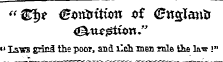
"W§? CsnSrtiion ai tfrnsJanfc 11 Lavs grini the poor, and lleh men role tlie law!"
-

Untitled Article
Note: This text has been automatically extracted via Optical Character Recognition (OCR) software. The text has not been manually corrected and should not be relied on to be an accurate representation of the item.
-
-
Transcript
-
Note: This text has been automatically extracted via Optical Character Recognition (OCR) software. The text has not been manually corrected and should not be relied on to be an accurate representation of the item.
Additionally, when viewing full transcripts, extracted text may not be in the same order as the original document.
"W§? Csnsrtiion Ai Tfrnsjanfc 11 Lavs Grini The Poor, And Lleh Men Role Tlie Law!"
" W §? CsnSrtiion ai tfrnsJanfc 11 Lavs grini the poor , and lleh men role tlie law !"
DESTITUTION IX THE 34 EIB . OPOL 1 S . Oa Sunday evenirg , a poor half-famished and halfclad ¦ weman , accompanied by three children , was observed tottering to the gate of ihe Royal Free Hospit ^ L in the Gray ' s Inn Road , -where she most earnestly hsplored to be admitted . Her case -was immediately investigated , "when it-was discovered that hunger alone vss the cause of her illness . Temporary relief was immediately afforded , and the miserable family were at once directed -o the Refuge . Scarcely a day passes bat a similar scene occurs at the Free Hospital , and illness is BEnLted for the purpose of particfpating in the benefits and comforts of this noble institutiom Tte diseased and sick pc-ct , towcver , already fiii the available -srsrdfl of this establishment , while the increasing numbers of out-door sick and diseased already on the boots , renders the utmost caution necessary . To the Editor of the Times .
Sr& , —You have in some recent articles express * 3 your strung feeling that the relief -which is now often con-Teiei to cases of distress through other chaanels , might be more naturally and efficiently administered through the parochial eiemj . As the incumbent of a parish of above 34 ^ 00 souls , in one of XL * poorest xnd most crowded quarters of the inetTupclis ( a parish not a mile in Itngth in any parti , 2 Irtl it to be a duty both to myself and mj bretheren srsusd ., "wno ^ re siumatly cireumsianrea . -with ay-eH , to inaies simple statement of the distress by which 1 am at all times ibut especially in the -winter seascn ) smroTinucd , and cf the endeavours ms . de ( through with m ^ -T nniScq-csto sad irsuSeierii ; means ) tc lelieTe tha »
A i ^ rge portion our population , and I shculil jutfge alsi- of this eastern ac ^ rier of Lomlon gene : nlly , co .-sists of those poor men , and their faml . 4 es , -who have bten drawn together to this paxt , not only irom otUer districts ^> f Ike metropolis , but even from the country and from Iitbnd , in the tope of obtaining employment at She varions docks in the neighbourhood . At the gates of each of those docks hundreds of poor men may be seen , before daybrest id tits winter , ¦ waiting ibr the ODsnine of the sates in tha hope -of obtaining a -day ' s
Tfori ; and when the youngest and most able-bodied and those best ino-am have been taken , hundreds still may be seen returning to their destitute families -with that " sickness of the heart" -which arista " from "hope deferred . ™ In rach a neighbourhood it Is needless to say that distress must abound : hunger and instfficlent food of ihemaelves create disease ; and the number of sirS , -who iail app ^ y to the minister of tlie par ^ h to be visited , ia Teiy large . These to the utmost of cur power are "Fiolttc . I rul-jom some esses dow on our hands as a Esmple of those which are contiiruaily
occurring . A young woman dying of consumption , havhsg just lost her yonr ^ tst cbila , is ccmpellvil to get up in a dying state to rmse her husband , who h-. s come henw \ rith inflatsn ^ tion of Iks lnngs , and baa held up for hii ¦ wITe anil chiidrtu ' s sais till the disease has gained great wsy . Sh 9 nur&j Mm day and night for ten days , at the end of "srhich he dies { yea trust prepared ) , sad she is left -srith two yoncg children , -without any means of support whatever , excepting such as hex parish csn afford to allow her , and ehe can earn by hsr needle .
An aged -widow , between Beventy and eighty years oi a ~ i , "who in consequence of having broken first her t i < b , and afterwards her eollar-bone , is confined hopelessly to her bed . She occupies a smsli , { lamp room , one-ihird part of which is filled up by the . one bed Trfcich sfce ~ aid her only daughter <^ bo a widow ) and hex graEi-daughtfcs sleep in ^ anoti-Er third by a mangla A sister , tpLo used to assist her s 3 " itle , is now dead , leaving "her etLtirdy dependent on -what her dsughter cm earn by her needle and mangle , and any little fcelp we xsa throw in .
A respectable poor woman , confined to her bed dangerously 21 ; her busbard EcfSciently rscoverfed te leave a hospital , but not trell escngh yet to do auytbiEg towards iheir soppori , tnl cxij able to nnrse bis sick trife . To these , and such cases as these , ire are compeDed to confine cirr attention , both for -want of time and mesMj Aad po rasny sre these , that -with "sfiiat tre onraelTEs can give , with what a few kind friends place in our bunds , and with the sscamsntal al «> B , which the chtjchwsrceiis leave at our disposal , and which , though the nnmber of the communicants are larje , yet from their generally humble means are but small , we sre compelled to leave many cases which we know of almost unassisted , and to send many who are , we are assured , both deserving and necessitous , and whom \? e voqM gladly help , from our floor .
So deep , indeed , is tie povtrty by which -we are euirouDded that -sre have jnst s tnt cnt a circnlar letter tbrotgh the psrish for tLr third time , to ask for ltf t-eff apparel , to enable tht juorvst childrtn to attend our shc-ols ; and > by mtar _ 3 of our district visitors , whose TFt ^ kly Tista have made them acquainted -with the cbir = « : er ani drsrciast ^ j : ess of the jjeopie in their disfc ^ cl ^ , -sre fc&Te ic wss -srintex rofpBtd 200 persons fiitt the left-su spj ^ rel , sent in 10 us in answer to oar apr-si-L I h 2 Te known s-arly tbirty per ? C 3 s apply for ai'i la one m-ming ; and tie tickets for tea and sugar , Errc ^ -Toot , E £ go , riee , aad senp , given to thv tnuilies of . tb& a « i slrse , by ihe clergy of the parish , and brourht in at my house in any ons morninj ; during the "winter , ¦ npai iy take up tiie tisas of one person to srpply .
I 3 ^ a . ve H 3 m * d thess particdaxs . bacanse I b-sHevs that fliis is but oie cis ^ ca t uf a class of cases to which many other parishes Ii * 'Lis trutem quarter of London belong . The clergy h-. ve : cc will to help , ana the machinery for proper cTeriigt-t snJ investjgation is in our handa by meacB of our diitiict "vssiVcTs ; but the very ssme causes \ rhich make ub fc = re to abound in ohjtcts K ^ uiring aid leave us also without the means to aid them . Believe me , your faithful servant , W . TPllBOS CHAilPXBTS . Hcctsij , "WtU eehapel , Sot . 27 .
D 1 STBES 5 AT SI ^ CKIET . To the Edikr of ihe Morning Chronicle . Sir—Ths condition of the poor has been repeatedly laic before the public . The labours of the Anti-Corn Itv * leasts fcavt done great good is this respect . They ha ? e inconttstabiy preved Vhat a most numerons , as -STell ^ iispertsst « lass of our countrymen , is suffering an ziscir&t cf distress truly horriWe , and that in a "buWt wbosa T&eaX besst i 3 its inowledge , its rich ^ , and ncbie insutuhvn S' It tew proved too , that the miserica ¦ wt lcr cugrave our i& « d are not infiictefl by PioTiflence ,
but svraig from ignoraiice , wickeinfiss , oi folly , and of course adnut of remedy . 1 am a stocking-weaver , and , thcagh young in years , am well acquainted with sufferng . 1 ma surprised ihat the condition of iny-feUow labsarers has : not eegsged more of the public attention , especially s& f ^*»? r m 7 ' » T ^ * ' are now bo great , and they tive HthEity borae them "with such a noble fortitude . Their patience , towever , is now declining , and their fortitude is giving way to feelings of hopeless despair . In August 1842 . ibsse men thns memorialised the board of guardians for the Hinckley Union : —
" Gintlemen—Again we approach you by a deputation , feut with a purpose very different to our last . Then it was to leturn thanks—now it is for the purpose x » f prayer . JDistress , anguish , and soircw h ^ ve liven our feelings , wounded our souls , and destroyed out comfort . Already are we brought to the very brink of despair . O I plunge to cot into its dark and overwhelming tide . Cut off from the pleasures of lifecompelled to lire on the parish rate—willing to work trhtn ieaoarsble labonr is offered to us—not wishing to ba idsased from toil , or forced to lead a IHe of degrading leisure—3 re look npon our condition as entitles ! to cemmiseEition , as commanding respect . Honth after month lave we looked for a change—only to reap the bitterness of disappointment , and experience ' the acknes 3 of heart "which arises from . heps deferred . '
Goad U 3 not , we bsseech you ; add not to oai wretchedru- « s ; lay no more upon nsj speak to us kindly ; protect us from further suffering ; * pity us fcr our znisfciisa j "witi ! i 3 is' ^ not your snppori j but lemtmtei Eisl the vole © of inspiration has " said ' poverty will m&ke a wiBs msn mad . " A change , however , bos now conie ; iey us no loEger in the stone-yarl , but their Eafferings are not lessened . Since last Soxernber Siar trapes miserable before ) have been reduced thirty-Jive per cenL Thsy are aow earning weeklj , according to the masters' books , ( and thin account is deriTfed Irom the three principal manufacturers at Hinckleyi , JKX . sblllings and fiYa-pfence at first hand- Out of this is to be dfeducied is . irom the lent of the loom , 7 cL fcr K'Wing thB stockings , 4 d . for needles and soap for ¦«^ hiu g , 81 foi coals and candles , and Is . 8 d . house xefcu , 'earing 2 s . 2 d . / or Jood , doMvg , education , ar . d ? : f ^! V ~ Zd- and a fraction ptr day . In September , 9
£ ~ L "ras e 33 lBa bozn boma . 1 left them working in ! ^ - ^ 7 aTd > ^ 9 lfiEe 8 ' " ^ September , 1843 , 1 j IZ ^^ JjF * - " ^ d them all at work att . keiri & ~ % 2 i prjg £ zgttrriZ Sis ^^^ -S Sf ! ^^ B ^ SW&SS Kisd faded and emaciated forms . mm 1 entered the ? bouses of former friends , I looked around on the Baked ' and aingy walls , and asked what fcaa become of their fumitnre . " 0 ! - said they , « it is . . 1 % f ™ Trerse off np st 3 lrs than down ; we have no beds aOT bed clotfces . I do not know how we BhaH manage this ¦ winter ; we 'djaS be atarrea to deatli We have ao _ Sung but what ve stand in ; and ^ re hare never had a fiew pair of shoes in our home tHsfonr years . Wfcat-BTer -sre ase to do 1 dont know . " In onebeuae 1 found
ooe child dying of consumption , soother covered with abscesses , and the father very HI , yet labouring at his loom . Am the womsn pointed to the three sufferers she » id , -with a sfch , " This has teen btought on by want of snffideutib ^ a . - And let It be bome ihimndthat this rolsery was not paraded . I should have known Bolfcing of it had I cot entered their dwelling . In Mis neigfibotuiiQod the Truck System has long pre Dailed , adding . additional steering and wrong to this poverty stricken people . In many instances individuals are paid wtioVy in goods , month afler morJh and year after year . Wiitdn fee last sx -weeks , however , great exertions have been made to slay this evil , many
Untitled Article
uiosterB having been fined and a society titablished for its suppression at Hinchley . A Stockxxoeh . Ifovember 23 , 1843 . >* - B . At this moment erery town where Btocfeings are irace is full of work , and tlie masters expecting , nay , daily receiving , large orders ; were tho Truck System put down and the middlemen ( bagmen ) between master and framework-knitter converted into direct agents of the former , the working handa would be gainers of 15 , in 3 ome instances 20 per cent , and when , Sir , the loaf is marked , lest too much should be eaten of it at one meal , let me tell you two or three loaveB a week are of no small importance to i family . On the above , the Editor of the Homing Chronicle remarks : —
" In another part of onr journal will be found a letter from a Stockinger , ' describing , we have good reason te believe , with great truth and accuracy , the present coudition aud anfFeringB of the stocking "weavers at Hir . ckley and in its ueighb&Mhood . Xow thai the PEOPLE XRS . IS FULL WOiX HEiE , ihe amount of ivaQts which they can devote to purchase subsistence does not exceed 2 s . 2 d , per week . Their furniture is gone , they have no chunge of clothing , and some of them have not had a new pair of shoes for four years . That is the condition , not of idle , dissolute paupers , but of incusmous , frugal , skilful , and intelligent workmen , and it demands the attention of the Government . Our
correspondent complains of the continuance of the track system , nofewishstandiiig the existence of several stricgent enactments against it . If even in such a case the la * cannot ta , or is not enforced in favour of the ¦ hoiking classes , is there not some reason to apprehend that they will wholly cease to respect it . ' Their kuffbrings must be relitved , and they must be convinced thai the law ia as powerful to redress as to punish , bsfore they -can feel attachment to the institutions of the country "Which is necessary for tlie public pe-ce and the general welfare , " In the Chronicle of Saturday appeared the following letter from a well-known and ¦ warm-hearted philsnlhropist : —
Si a— If it be not giving you too much trouble , I woulu request you to rtaiit the enclosed small sum for the relief of that 'Stockinger * cf Hinckley , whose letter in this day ' s Chronicle does too well describe the sufferings of his family and craft . Tour most obedient servant , Frederick Pjgou . Broofces ' s , St . James ' s , Dec 1 . [ Note op the Editor—We have received two sovereigns with the above letter , and "will forward them as desired by our correspondent ]
A TALE OF MISEKT—DESTITUTION 1 JJ SHADTTELL . Eilis , the second usher of this court , made a report to Mr . Brodtrip , the presiding magistrate , relating to the Hoiloway family , -whose cr . se has been already pub-H » fc * d . It will be recollected thit a poor man named Hcliovray , residing in a miserable novel in Gray ' sbuiHings , Twine-court , Shadwell , waB unable to bury the corpse of his son , who had died from the injuries he received by falling into the hold of a . ship , and that another child of the anfortur ate man was lying iil of the typhus fever in tee same room where the liecajiDg body was . The corpse waB immedrateiy interred in Shadwell churchyard by order of the m&gUtrates , and asrislsnce was rendered to the family . Since then about £ 5 has Deen sent by various benevolent individuls
for the relief of Holloway and his children , ani a portion cf this sum has already been expended in necessaries . Ellis nowststtil , that on "visiting the Hollo ways on Sunday evening , he found the family , which , consists « f sevennndivHuals , bUU huddled together in the same miserable and ill ventilated apartment , the window frame of which was filled principally with paper and wood , instead of glass , and sfforded very little either of light or ventilation . He found the boy still lying on his miserable pallet , aud labouring under the typhus fever . The stench was dreadful , and he could not remain in the room long . He found the motfcer was a very industrious woman , acd another female , named Hurley , who , fearing cen ' . agion , tirst brought the case under the notice of tee magistrate , were plying their
neeclcs as hard as they were a >! e , and on asking them ¦ why they worked on the Sibbath , they said they were com .-eiied to do so , and it was the only mtaas of supporting their children , as > the work they were eng&ged npon did not produce more th : > n sufficient to purchase bread , and they ¦ were compelled to begin enly and end ls . te to commsEti a bare subsistence when they "were in full work , which was not often the case . Mr . Boss , the parochial surgeon of Shadwell , who had been assiduous in his attentions , said there was no chance of the lad getting well , and recovering his strength until he was provided with ckan linen and nutritious food , and that the smell of the decomposed body , as well as the fever , had affected him . After purchasing some necessaries for the family , lie waa about to leave the
neighbourhood , when Mr . Boss said he could introduce him to a much worse case , and took him into the ground floor c-f the adjoining house ; and here certainly a scene of misery and destitution presented itself quite unparalleled . There was not a vestige of furniture in the room except an oltl chair , and by the light of few embers in a place where there hid oice been a stove , be £ S"W a poor Ir-ncman , nau > ed Daniel Noolan , mending his tro-wsexs . By his side was on idiot boy about nine years of age , and the only garment be had on was an old pair of trowsers . The rest of his body was quite naksd .: The cre * lnre , who bore none of the outward semblance oi humanity ,
jumped about aiid made strange noises whtn he s&fctrcii the place . There was another boy , about eight ye ^ ra of age , in the sawe miserable condition . On inquiring of the man what had reduced him to such a dreadful state of diatr-sa , he said he was a -coal -whipper , snd that work had been very bad , and that when he was in employ he conld not bring home more than ten shillings per wtrtk to support biroeelf aiid two boys , wh » brad been for several years dtprrved of tbeir mother . There were only a f « w poiatots and part of a leaf in the place , and he expended haif-a-crown . on his own responsibility , in providing fuel and boibo meat for the inmates of the wretched habitation .
Mr- Broderip—You have dont . quite right ; but has not the man applied to the parish officers ? Eilis said he had not , for he was afraid if be did eo he would be passed wita his children to Ireland . Tha place where he lived was unfit for the habitation of any human feeing . It was the rnins of what had once been a substantial house , and was nearly roofless . The window-frame of the first flaor , and a portion of the brickwoTk , hart Ions since been removed . There was not a single pane of ' glass in the window-frame of the lower-Toom . and the Tain came through the celling . How the miserable creatures managed to live there he could not tcU ii -was not a fit place for a dog . There were a great many dilapidated bouses or the same description In Sluidwei ] , called Irish , freeholds , -without legal owners , and no rent had been claimed for many years . The poor Irish got into some of them , and others were intuited by the most depraved characters , and by destitute creatures who had no other shelter .
Mr . Broderip directed Ellis to act in concert with Mr . Robs , the Burgeon , in relieving Holloway and his family . As for the poor boy laid np with the tjphns fever , and who had been compelled for many daya to breathe a poi 3 onsna atmosphere with the decomposed body of his brother by his Bide , he should give orders for another bed and clean linen to be provided for him , and light and nutritious diet to be purchased . It was truly appallinf to near of such misery . With regard to the man I * oolan and his children , further relief must fee extended to them , and if possible admission should be obtained for the idiot boy into some asylum . He should like to know if Noolan was an industrious man and was wiiling to work . Ellis said there was no doubt of it ; but the man , when he had work to do , was obliged to consume a great part of his e&rainfs in drink ..
Mr . Broderip said he "knsw that to ba generally the CAse with the coalwhippers , and he was very happy to think that a j Act of Parliament wonld shoTtly come into operation which wonld materially improve their condition . He had the greatest confidence in the humanity and discretion of Eilis , and should leave the cases in his hands . He had just received a letter from a benevolent individual , who gave the initials " M . C , " enclosing £ 1 for Holloway and his family , which , with other sums forwarded to him , would be liid out for their beneSt . Eilis said he was afraid the boy would not get better until he was removed from the confined apartment where so many persona were huddled together . The house was tumbling to pieces , and was one of the numerous unclaimed housea called " Irish freeholds . "
: Mr . Broderip said , if the family could be persuaded to leave the premises foT a cleaner and more -wholesome apartment , it "would gready facilitate the boy's recovery , and prevent the contagion from spreading , but he had no power to compel them to leave , and it was not likely they wonld do so while they were living rent free . Mr . Boss has called the attention of the Board of Guardians of the Stepney Union to the filthy and delipidated condition of the numerous houses without legal ownsrs in Shadwell , and measures will ba immediately taken to enforce the provisions of the Police Act , by cleansing , fumigating , and whitewashing some « f them , and pnlling down " others which are in a dangerous state . The typhus fever is raging in many of these tenements .
ATTEMPTED SUICIDE PitOM "WANT . A youth , named Thomas Ode , who stated that he was only fifteen years of age , was brought up charged with attempting to commit suicide , by throwing himself from "Waterloo-bridge last night . The officer on duty at the bridge stated that be saw the prisoner mount one of the recesses of the bridge , and suspecting that he was going to jump off , ha R tizfcd him and . conveyed him to the stationhouse . Mr . Jardine asked the prisoner what he had to eay for himself ? The prisoner said lie was in distress , and bad no place , to g 0 to , Mjt- Jardine asked him if he had been feroughtfop to HJtet ? He said he had been apprenticed to an Mr . Jardine—Where do you come from ? The prisoner fiaid he should dediie answering that quS
Mr . Jardine asked the officer if he thought the prisoner saw h" > m coming up , when he got on the parapet of the tridge ? The officer saM ne thought he did .
Untitled Article
The prisoner was remanded , in order that inquiries m ' ght be made restoeting him .
deaths from starvation . Death : fb . o : m -want of food i « Bbthnal Green . —Last Saturday evening , on the occasion of an inquest being holden at the Admiral Yernon , Betbnal Green . Mr . Baker , the Coroner , animadverted severely upon the conduct of Mr . Murray , the registrar of the distriotj for neglect of duty by not having sent to him ( the Coroner ) an account of the death of a person named John Thomas ( formerly , during a period of twentythree years , a clerk in Doctors ' Commons ) , who waa alleged to feava died from the want of the common necessaries of life . Mr . Murray read the register of the
death , which was ei follows : ' Died from general decay , aggravated by extreme privation . " Coroner-Extreme privation . And should it have turned out on an investigation that from the neglect of any one the deceased had not preper sustentation , that person was charged with manslaughter . A juror referred to cases of destitution in W&itecbapel , having observed that it was a highly proper case for irquiry , asked if there had been bo inquest ? Coroner—No ; it ia a very bad case , and ought to be seen into , more particularly now , when the public journals are daily noticing cases of extreme destitution . Mr . Murray—Who gave you notice of the case ? ¦
Coroner—Colonel Rowan sent an inspector of police to aee me , with the -whole particulars of the death , so that the duties were performed by the Commissioners of police instead of the coroner . You had better Bend information to Rie or the parish officer , irhoat duty it is to attend to inquests . I have written a long letter to the registrar-general . I have no deubt you will hear from him . The unfortunate deceased it appeared had two daughters living with him , one agod twelve , and the other twenty-six years . He was obliged to give up his employment some "weeks ago , in consequence of ill-health , and has not been able for some time to do anything for his livelihood . Hia eldest daughter say » that she , her brother and father , applied for relief , when they were tnld that their father would be taken into the house . He and the family were unwilling that be should go there . Death from the Alleged Neglect op a Relieving Officer .
Oa Friday , December the 1 st , an inquest was held at the Black Horse Inn , Sidcup , Footcray , Kent , upon the body of Maria Piummer , aged 10 , the wife of a labouring man in the employment of the Right Hen . Lord Bfcsley , -who came to her death under circumstances which implicate both the husband of the deceased and the relieving oifice * of the Bromley Uaion . From the evidence , which was very voluminous , it apper . red that about six years since the deceased summoned her husband before tho magistrates at Footscray for ill treatment , on winch occasion he agreed to give her half-a-crown a week , wffich ho continued to do with great irregularity , tho result of which was , that she was reduced to considerable distress , -wandering about from one relation to another , till each in turn
( being poor persons ) were unable to support her any longer . Oa iWeilnesday night she slept in a watercloset in Foptscray . On the morning of Thursday she wett to Mr . Pntcharrt , a Burgeon , of Footscray , who , finding her in r . wretched and deplorable condition gave her a letter to Mr . Banks , the relieving officer , who lives at Chiselhurat . She immediately went over to Mr . Bankes , whom she saw , and told him that she had slept in a water-closet all night , and wished him to compel her husband to find her a lodging . He promised to do BOi and called to see her husband , but was nnable to meet with him . He , however , took no steps to relieve her , and when , after having been spoken to on the subject by Mr . RogerB , a respectable draper of Footscray , he
replied that if he relieved her without bringing her case btfere the Board of Guardians , they would immediately reprimand him . The poor woman wandered over to Sidcup , and called at tho Black Horse , where she asked fcr a bed ; this was at first refused , but afterwards granted to her . Her husband was drinking in the house at the time , and exhibited the titmoat indifference to her miserable condition . She retired to bed about half-past nine , being so weak and feeble that she was about half an hour getting up stairs , and fell down in the bedroom . In the night she was attacked with diarrlcei , and in the morning when the landlady sent up she was found in the agonies of death . Dr . Pritcb&rd stated , that be bad made a postmortem examination and fourd tbe Btcmscb entirely * -mpty , without one particle of food ; tbe lungs were healthy , but there was a slight effusion on the pericardium ; there was a schirrous indurated tumour on the right lobe of the
liver ; theg ^ U-fcladder was much distended with biliary calculi , which entirely obstructed the passage of the bile , producing diarrl oev Her whole condition whb one of the roost wretched imaginable , her clothes in the most filthy state , and she suffered dreadfully from wai ^ t of proper caro and attention , which in her condition mrst have hastened her death . The relieving officer was called is , and stated be never received Mr . Pritchard ' s note to him . Tbe Jury expressed their opinion thnt he ought to exercise his own judgment &ud not wait for the opinions of the Board of Guardians . The Coroner told him that if a verdict of man . siangbt-er -was returned , it would not be against the Bjard of Guardians , but against himself ; and therefore he ought to have acted on his own responsibility . Th , e inqu-st , after nearly four hours' duration , was adjourned , to ei > aN-3 the Jury to . discover what had become of Mr . Pritchard's letter .
The above account we have extracted from the Morning Chronicle of Saturday . The Times of the Bame day had a more extended narrative of the horrible atrocity ; and on Monday the Editor drew publio attention to it in the fallowing justly indignant observations : — It would be ne <_ dk > sa to add another stroke to tbe . speaking horrors of the case of starvation to death which Wi recorded on Saturday , or to say a single word more in indication of tbe strong plain lesson which it beats graven on its every circumstancesupon and about and within and around it—were it not that its details are so intensely excruciating that we fear very few persons could even endure to read them through . We ore induced , therefore , now briefly to state the pith of the matter , in the hope that its instructive moral may be still more widely spread .
Maria Plummer , the wife of a gardener in tbe employ of Loru Btxley , at Footscray , in Kent , was , some weeks since , driven from her home by her husband , who , although earning 14 a . a week , refused to receive or support or in any way assist her . Evidence was given that the woman had been treated by her husband most crueilyi and bad been , before she was formally abandoned , ' deprived by him even of the common necessaries of life . " In this condition the poor creature " wandered about the neighbouring fields and villages , utterly destitute , lor weeks , " as it is now after she has been allowed to starve to death , remembered by
those who saw her ; and this in a country which professes to have laws for the " relief" of the poor . During this length oi time , all that she had to save her from starring was the precarious bounty of her step-father , a poor man himself , and not well able to do more than supply his own necessities . On Wednesday webk last , a policeman at Footscray sent her to the " relieving " officer ( so called ) of the Bromley Union . Whether she ihzn made any application is not clear ; but " about halfpast eleven o ' clock on that night" the same policeman found her " knocking from door to door in the village , " praying to be admitted , and allowed a tad . " The policeman
continues" I told her she must not do that , but go to her husband ' s lodging . She did so , and I followed her . I knocked Plummer ( her husband ) up , and he came and put his head out of the window . I told him the dreadful state bis wife was in , and that he ought to see that the had a place to go to . He said he could not live -with her , and had no place fox hat to go to . I said , What , then , am I to do with her ? I can take her nowhere but to the station . He made no reply to this , but shut down the window . I then took deceased witn me up to her husband ' s father , to see if I could get her in there . I told him that if he would take her in for the night , she would go before the
reliovingofficer in the morning ; but he abused me , and refueed . I said , Well , you bad better go with me to the station , addressing deceased ; but she begged very hard for me not to tafea her thers , and e-j . id she would try to get in at some friend ' s house . I then left her . Abont half-past three o ' clock on the following morning I found her Bitting in an open privy near the church , and not far from her father-in-law ' s house . She was not asleep , and I asked her how she was , to which she replied , Oh pretty -well . She at that time certainly was in a most distressed state , and appeared in want , but did not appear sufficiently ill for me to remove her . The night in question was a very wet and stormy night . "
On the Thursday morning the poor woman again went to her stepfather ' s houBe at Chiselhurst She was then quite exhausted from want of food . After being supplied by her Btepfather with something to satisfy her immediate wants , she applied , at hia suggestion , te ; tbe " relieving" officer of the Bromley Union , a Mr . Bankes . This worthy ascertained from her that she had had no place te sleep in but a privy , and he saw , or might have Been , that she was labouring under tbe tortures of gaunt , hollow Btairation , with its attendant complication of diseases . But , fa it Beems , he did not conceive it his duty to " inquire" whether the
woman was in distress or not ! Whether she hod a husband , however , he did inquire , and on finding it to be the case , he took upon him to decide that tbe Board of Guardians -would " reprimand him , " jif he interfered to save a woman -who was suffering death by inches , anl would insist that the wife ought not to Jbe cared for , because her misery was the consequence of the husband ' s hideous and unfeeling brutality . The relieving officer sent the woman away , bidding her apply the next day . to the Board of Guardians at St . Mary ' s Cray , a place three miles distant from Chiselhurst Before thai " next day" came round , the woman was a cobpse 1 ' .
To show in what condition "the woman applied to the relieving officer , and in what condition uhe was referred to the next day , and a eix miles' walk , we subjoin the evidence—first , of her stepfather , from whose house she proceeded to m 3 ke the application ; and , secondly , of the surgeon , Mr . Pritchard , who made the post mortem examination of the body . The step-father , Thomas Hisman , deposes"She came tome on Thursday week , and said she had rttn turned out of the lodging , and that she had
Untitled Article
slept in a privy , having no other place to go to but thai . She bad come to see Mr . Bankes to get her into tbe house . Deceased left me to go to Air . Bankes . She was at this time in the moat deplorable condition and in great want I do not think she was in a fit state to walk about from place to place to obtain relief . Tbe impression of any one seeing her must have been that she was ill and starving ; she looked so thin . I gave her food . Had she been a stranger to me , her condition was such , that I should at least have given her a piece of bread . Her eyes were full of water , and ready to start out of her head . '' Mr . Pritchard said— >
• 'I was called to this bouse to see her on Friday morning last , and found her dead . I never saw a human being in so deplorable a condition in my life . I have since made a post mortem examination of her body . The chest waa generally healthy . There was a large tumour in the right lobe of the liver ; the stomach and intestines exhibited a great deal of iuflammation ; no doubt produced by the severe diarrt cei to which she had been subjected from want of sufficient bile . The stomach and bowels were perfectly empty . There was not the slightest particle of food or nourishment of any kind to be found therein . Tbe uterus was much ulcerated , and her entire body showed that she had been a victim to neglect , dirt , and improper attention . She was the most wasted and miserably emaciated beinsr I ever beheld . "
If this waB not a case « f plain , sheer , and direct starvation to death—of death from starvation , and from that alon ' e—it is impossible to say what is . We do » iOt hesitate to say , for our own part , that a more signal , a more ( hgra ' nt , or a more appalling casecf that most ; horrible form of death—the slow , creeping , wasting torture of starvation—a case in all its circumstances so horribly painful , so unredeemed by a single sttikipg feature of . humanity or kindness , or even common decency , in any one of the persons principally concerned , it has never t > S"n our lot to hear of .
Tiie cold , savage brutality of the husband ; the rqniet indifference with which the poor creature was allowed by tbe whole neighbourhood to knock from door to door in a state of starvation and disease , in a " cold , wet ,, and Btoray" night in November , without one single person offering her shelter or food j and , finally , the official reply of tlie Poor Law menial , referring tbe " case" to "the board , " present altogether a picture which we would hope , for the sake of decency , for the safce of human nature , for the sake of onr common religion , does not often meet with its parallel in this or any other civilised and Christian country .
But , we ask , could such a case by any possibility occur under a sound and Well-principled system of Poor Laws ? By what law is it that th » important discretionary trust involved in the administration of " relief " is vested in hireling officials—in a class of persons whose station and character are scarcely above those of tbe " paupers" whom they oppress ? By what law is it that that relief which , according to the spirit and letter of the old common law of the realm , it was once the right of every poor man to have at his door and in his chamber , bo far at least as to prevent the public scandal of his starving in the streets—by what law has this
bounty been not only completely changed in its character , but removed to a distance—to distances © f three , and four , and five , and in some coses even , of ten and twenty miles , from the home of tho faint and starving applicant ? By what law , we ask ? By tbe law of might , but not of right—of expediency , but not or justice—of cruelty , but not of caution—of selfishness , but not of foresight . The changes are those Which have been made by the Na * Poor Law , and this is the consequence . Could there be conceived a more convincing condemnation of any law or system whatsoever ?
THE MURDEROUS POOR LAW . The Dorsetshire Poor . —The following extracts from a letter from Mr . A . J . Daniell , published in tbe Dorset County Chronicle , exhibits the devotednesa with which the poor cling to the "homesof their fathers , " wretched though those homes have become ; and the sort of fueling entertained by them towards the accursed bastUc * : — "To whom , then , do the delapidated cottageB ( for such undoubtedly they are ; belong ? I have said it before : to the leaseholders , or ( as I now add ) to the
poor themselves . Some of the very worst ot these tenements are of the latter class ; little ( socalled ) freeholds—encroachments on the manor in ancient days . The poorer leaseholders might indeed be presented in court ; but to compel some of tbeni to put their tenements in repair wonld be a project as hopeless as the scheme of extracting sun-beams from cucumbers . Some of the little freeholds are in a condition equ > l ; y bad ; but all this , Sir , is uo argument as addressed to yourself , who disregard causes , and only concern yourself with effects .
"And yet tho poor cleave to these joyless tenements , because they are their own ; they prefer—deeply and decidedly prefer—the shelter of a roof which some of them can scarcely keep in tolerable repair , to the stern though sordid protection of tbe walls of ' tbe union . ' Their associatioos cling like ivy to theBe rugged walla ; it was around these they played in their infancy—it was among these banks tbi-y strolled as children—it was in the adjacent fields they toiled or played , while life was fresh to them , and faeuHh unimpaired . Even in old age , therefore , they prefer to he here ; and it must be borne in mind , by any visLaDt who may pass a remark upon the dreariness of tha
tenement and the age of the inmate—on the decrepitude of both alike—that ( after all ) it is their choice . They prefer their own cottage to the unaccustomed walls and blank security of the union . Besides , the tenement is tbeir own ; it is something to retain , and to bequeath ; even this , in their sphere , confi-rs a platw an < l positiou ; and retain it they do with an unrclaxing grr ^ p , and bequeath more carefully than ( sometimes / a millionaire assigim hia thousands . All these little freeholds have likewise a garden attached to them , which ia the larger because ( when the common was enclosed ) considerable allotments were made to each iu lieu of turbary , or the right of cutting fuel on the
waste . " For all these reasons it may be fairly asserted that the poor prefer tbeir little leasehold or freehold tenements to ( that alternative which the poor can always command ) tbe Union-bouse .
THE WORKHOlfSE SYSTEM . We understand that last week there were in the Union Workhouse , Leighton Buzz rd , uo less than 82 individuals belonging to the pariah , of Wing . As , however , tbe expense of supporting families , some of which coot from 20 s . to 30 a . weekly , pressed heavily on the ratepayers , upwards " of 50 hava since been taken home to tbeir own parish , and the fanners have agreed to employ the labourers at weekly wages of 6 a ., with un extra shilling for those who are employed on Sundays . There must surely be something wrong in the management of a parish containing between 5 000 and 6 , 000 acres of land , to have any able-bodied labourers ia an union workhouse , where no benefit is derived from their labour ; indeed , we strongly apprehend that many of the offences which occur in the rural districts may bo traced to the poor not being properly employed , and the inadequate manner in which they are paid for their labour . —Aylssbury Journal .
ATROCITIES AT THE BIRMINGHAM WOEKHOUSE . An inquiry of a most important nature , involving charges of a grave character against the patties immediately entrusted with the management of the Birmingham Workhouse , and more particularly with that department of it connected with the relief of vagrants , or "tramps , " and the casual poor , commenced in the Board Room on Friday last , before j . Weale , Esq ., one of the Assistant Poor Law Commissioners . Mr . Weale arrived in Birmingham on Thursday last , and informed the Vestry Clerk that the Commissioners had received an anonymous letter , containing a series of charges of cruelty , &c , practised towards " tramps , " and in-door paupers in the workhouse ; that it was necessary those charges should be investigated ; and he therefore requested that the members of tue House Committee should be summoned to attend the inquiry on the following morning . Circulars were accordingly issued and the Committee and a number of Guardians were in attendance at ten o ' clock , the hour appointed .
Previous to the irquiry commencing , Mr . Weale , being apprised that reporters were present , informed them that he had a communication of a private nature to make to the GuirdianB , which related merely to the internal inanagemeut of . the establishment ; and that after he bad mado it , if the Guardians expressed a wish that the inquiry about to be instituted should be public , he should he ' the last to object to the representatives of the press being present The reporters then withdrew , and after the lapse of about an hour were re-admitted into the room , where they found Mr . Lucub in the chair , Mr . Weale occupying a seat on hia left .
Mr . Weale , addressing the reporters , Eaid that the guardians had expressed a wish that they should be present . He would , therefore , state to them that the Poor Law Commisioners had received an anonymous communication , which he had laid before the Guardians , who themselves concurred in the absolute necessity of an enquiry being instituted into the charges contained in it . The points of the enquiry would therefore be these : — laK—As to four boys being confined eight days and nights in a place called " the black hole , " and : kept on water gruel all the time , in a complete state of nudity , without a shirt to cover their nakedness , or shelter them from the inclemency of the Weather . . 2 nd .- ^ Thata little boy , ( name unknown , ) -was put into tbe tramp room by the governor , and when taken out that he was obli ged to be placed in a warm bath .
3 rd . —That a young woman named Rhoda had teen , put into tfre tramp room by the governor foi punishment-4 th . —That the insane -ward had been converted into a place of punishment by the governor , and that a woman named B had been taken from another ward ^ a | c | had been put into the insane ward for ' punishment . Mr . Weale , in continuation , observed , that he could not at a I say , for he knew not , who was tobe blSned mtbis inquiry ; but as the master of the workhouse is named in the charges , it was but fair , on the old English principle of ! justice , that everyboSJ wSo wls considered as accused , should have an opportunity ^ hearm * the test-mony ; and ae therefore thought the governor should be present < - ^^ 6 ut me
Untitled Article
The Governor was then called in , and informed by Mr . Weale of tbe nature : of the charges made against him ; and asked whether be bad any record or books to show whether four boys had been at any time put into this " black hole . 'M First , he would ask whether he kept a punishment book ? The Governor replied in the negative ; he did not admit that any person had been punished . The charge had reference to four tramps , who , having torn their clothes , had been put into the tramp ward , ( if they chose to call it confinement ) , but he had had no orders to punish thsm . j Mr . Weale—It was necessary to take other evidence on this point ; but he wished to know whether he had any books or documents to show that four persons bad been kept for eight days in a tramp room or black hole , or whether any persons had been confined there during the period referred to—from the 26 th of September last to the 3 rd of October following .
The Governor denied that they had any black bole , or at all events that it bad ever been used for such a purpose since he hail been appointed to the management of the workhouse . J Mr . Weal *—As you have stated that on one occasion fonr persons were confined a certain number of days in the tramp room without clothing , we will begin with the evidence of the person who had the men in charge . I Mr . Knight berej begged to read , from tbe books of the bouse committee , a minute in reference to two men who had destroyed their clothing during the night , and who had been ordered fresh clothing by the committee . He mentioned this to show that the practice was one of frequent occurrence .
The Governor stated , in answer to questions by Mr . Weale , that the four men to whom he referred were admitted on the 26 b of September last . Their names were William Jone ? , ( 15 ;) Daniel Blyth , ( 27 | ; Henry Carter , ( 19 ) : Walter Young , ( 18 ); they were discharged on tbe 3 rd of October . William Harris , the keeper of the tramp room , in which these hi en had been placed , was then sworn and examined by Mr . Weale . He said ho was twenty-four years of age . He recollected the f « ur men above referred to coming into tbe house in September last . They were placed in the regular tramp room , and during the night they ripped Sup their clothes , and were found in the morning quite naked , with the exception of one , who had his sbirt and tronsers left . Un telling the
governor of tbe circumstance , he ordered him to remove them into the other tramp room , which be accordingly did , giving each man a rug to cover him . They remained in the second room about ten days , during which time they had no other clothing given them by night or day . There was no fire in : tbejjpom , nor waa it warmed as tbo } other tramp rooffll || ph heated air . They complained { very much of thecbld , and said that they were starved . ; Tfae governor visited them three or four times 'while they were there . Witness asked the governor for clothing , and he said that he was to give them some the last day they went out . They had no bed or straw to sleep on ; nothing but the bare boards . There was no water closet in the room , only a tub , which was removed by witness and another keeper every morning , for the men never left their room from
tbe day they wentin until they left They had no soap or water to wash ; themselves , until the morning that they left , when iwitness assisted in cleaning them . They were very fi'thy ; the room was covered with filth , and it bad a very offensive smell . One of the men complained of illness the day before he left , and the doctor waa sent for , who ordered him some medicine . They had nothing but bread and gruel during the time they were under bis charge ; he supplied it to them three times ! a day . It was not usual to keep tramps in the bouse more than one night , but he had or- 'era from the I governor to detain these four men . Toey did not ask for tbeir discharge ; he bad told them that he had orders from the governor to lock them up , The weather was rather cold at the time . There were
about thirteen tramps who had destroyed their clothes before . About two dayB after they came in witness applied to the governor for more clothing , and told him that the men were ' starving , and he replied " Let them stop there a day or two . " In three or four days after he applied again , and he told him to let them stop till the next morning , and he would find them some olotbes . He did ] give them some , and they left tbe house . Tbe governor gave witness tbe clothes , and he gave them to the men . The reason the governor assigned for removing the men into a separate room was , tbat if other trampa came in , they would also be likely to destroy their clothes . Witness had the care of the rugs , but bad none to spare for the men when he applied to the governor : the rugs are six feet by four and a half feet . '
The Governor denied tbat tbe witness had ever ' asked him for more clothing , and said the man was next to on idiot , and that the whole of bis statement was much at variance with the facts of the case . Mr . Weale—I think such a remark quite uncalled for , Tbe man has given his evidence in a v ^ ry straightforward coUeeted manner . Mr . Rodwoy—kXo witness!—What is the name o 1 the gentleman who asked you questions on this sub ject lefora ? j Mr . Weale—With great deference , Sir , this is s question which I jcannot allow you to put . We'are hen to inquire into the truth of certain charges which havi been suttd . ¦ Mr . Rod way—ply object is to know tbe person whe sent this anonymous letter , and who had not the manlv news to put bis name to it .
Mr . Weale—Did the men complain more of the cold at night than during the day ?—Witness—Thej did , Sir . [ Mr . Weale—^ he tramps have no Btraw allowed them to lie upon in tfca ether room?—Witness—No , Sir . i Mr . Weale—I took tbe liberty ot inquiring into tbat fact the other day . Mr . Hunt—It was decided some time since that it was more conducive to their health to be kept without straw . I
Mr . Smith , the bouse surgeon , was next examined . He deposed to baying been called in to see a person in the tramp ward , in the Infirmary Passage . He found him suffering from pains in bis stomach and bowels , and ordered him [ some medicine . The room was so dark tbat be could not see into it ; tbe man came to him at tbe door ; Ihe was naked , or apparently so ; he believed he bad a rug round him . He did not know what state tbe place was in , but it must have been very filthy , for tbe smell was most offensive . He made no report of the case to tbe governor , nor did he order the man change of diet . He asked after him next day , and found be had | l 6 f t tbe house . The men complained ef being kept there for eight or ten days . They appeared to be youn ^ men , or boys . They said they had destroyed their clothing , they were so full of vermin . He did not think the patient in a state that called for his removal to the inflmary .
William P .-rcival was next sworn and examined . He was a pauper employed in the house as wardsman , and to assist the governor in looking after the clothes . He never gave Harris clothes to give te the four men confined in the tramp room ; witness took the Clothes himself . Harris did not accompany him . He found the men In a state of great wretchedness , and very dirty . He believed they had nothing to cover them but rugs during the time they were confined in the room . There was soap and water allowed them , but he did not know whether they had ! any . He should say that the room was clean although it had an offensive smell . The men never complained a bit of the treatment they had received : they were very glad te get out . They said they were treated ) very kindly in every shape . Mr . Weale—Will you venture on your oath to state that these men stated tbat tbey were treated very kindly and that th ^ y made no complaint of the treatment which they received while in the house ?
Witness—They did not , sir . They made no complaint of the cold ; and when he brought them the ctothes , tbeysaidj " That ' s right ; we are anxious to get out . " When they were going out , the matron gave them some bread ind meat , and they said they -were much obliged . The matron said , " You are all well clothed , and you ought to very thankful that no measures have been taken against you . " With that they touched their hats , and bade her good morning . Mr . Weale—Aiid that is what yeu call expressing their gratitude for the treatment they received !
William Harris , the former witness , waa recalled and examined . He said that he went for the clothes the morning the men : left the house , and the governor sent them to Percivalj who gave them to witness , and be then took them to the tramps . He believed Perdval accompanied him to the tramp room . [ This Witness was cross-examined at considerable length respecting the orders be had to supply the men with soap and towels , but nothing material bearing on the main facts of tbe case wa | elicited . ] The enquiry was adjourned till nine o ' clock the following morning , and the governor was desired , if be preferred that course , to prepare in the meantime a plain , straightforward history of the whole of the transrotion , as his ] explanation of tbe circumstances which led to the confinement of the men for so long a period . i Saturday —On the re-assembling of the Board this morning , the inquiry was resumed .
Mr . Bjnner , the Yestry Clerk , was the firat ? witness called and examined . He stated that on Monday morning , the 25 th of September , the Governor of the workhouse called npon him at his office , and told him that four tramps , who had been admitted tke previous Saturday night , jhad torn their clothes , and , reduced themselves to a state of nndity . Witness advised that they should be taken before a magistrate , and be drew up an information for that purpose . The Governor stated that he had been recently bufore the magistrate * with a similar charge , and that they were disinclined to commit , and that be would first see the House
Committee . Severalidays after , the Governor told bim . that be had been ordered by the Committee to consult the Messrs . Whateley npon the subject ; that he had done bo , and found that the information drawn up by witness would not de , as it should have been laid under a late Act , the 6 th and 6 th Victoria , c , 57 , sec . 5 , in which there was a special clause for offences of this nature . Witness jhad before taken men before the magistrates for the same offence , and succeeded with some difficulty in getting a conviction in two cases , when the men were sentenced to twenty-one daya' hard labour . !
Mr . Weale here said that he should be read y to receive the evidence of the Governor himself , either on oath or otherwise ; or , if he preferred it , he would take
Untitled Article
his statement in writing . It rested with himself to make bte choic e . It waa for the Governor to Bhew that he reported tbe case to the Committee , and to state what decision tbey came to . Mr . Knight suggested that they conld get at the facts as to the diet from Mrs . Hurst , the matron . Mrs . Hurst was called , and after in the first instance objecting to take tbe oath , she subsequently allowed herself to be sworn . She said she recollected four lads being kept several days in the tramp room , in the infirmary , passage . She visited them the first evening they went in with Harris , and teok them four rugs , three of which she gave to the lads , and the fourth to a boy , about ten or eleven years of age , who had been sent into the bouse as punishment by the relieving officerat the request ; of hia mother .
, [ Mr Weale—I would take this opportunity of protesting Strongly against the workhouse being used as a place of pnnishment . I have on one or two occasional noticed that ( act ; and you , as Guardians , have nothing whatever to do with punishing tbe children of the poor . It is an set ot great illegality and cruelty , and rendea you liable to be punished yourselves . As the case of this boy baa come out , I shall feel it to be my duty to bunt out every fact connected with it . Mr . Boucher said that the Relief Committee had told the poor over and over again that they should tain their children te the magistrates , t
Mr . Knight also stated tbat he had always discountenanced such practices ; and if he recollected rightly , in tbis very case he yielded very reluctantly to tbe urgent ) request of the mother to have the boy admitted into the house as punishment , for she could not get bin to work . A note of admission was given in the case , but whether any further instructions were issued as to the boy ' s treatment , he was net prepared to say . ] Witness gave each of the men , with one exception , and tbe boy , a rug a-piece ; they were furnished at the time with a rug , 89 that this mada two for each . The men complained of the heat of the place , and ehe desired Harris to keep the door open . This was on a Wednesday . During the time the men were there * Harris applied to her for a shirt for one of the men ,
which she gave him , and on his taking it to tbe room , the man tore it in pieces before his face . Harris thin said that there was no use in giving them any more clothing . Witness directed Harris to give them tha bread and broth , as well as the other tramps . To the best of her belief , there was meat sent to them on tha Sunday after they were put into the room . She did not give it out herself . She ordered Harris to do so . They had meat also given the morning tbat they started . The boy was sent into the workhouse as a punishment , not to be punished when he was there ; they neve * punished . It was witness who ordered him to be pot in the tramp room , to the best of her belief . All the
paupers were sent to the tramp room in the first instance , after being admitted , as a probationary ward . The boy was taken out the morning after he ' had been put there , and had a bath . She did not know his name , nor how long he remained in the bouse after this . The men bad bread and broth for breakfast and dinner , and thick gruel for supper . She told Harris not to spare the meal , but to make it good ; it was as thick as porridge , although it was called gruel . She gave him particular instructions with regard to these very men . Mr . Hurst , the governor , here put in bis own statement ; but , on the suggestion of Mr . Weale , he withdrew it to correct discrepancies and omissions , which appeared upon the face of it .
William Harris was again recalled , and examined oa the evidence given by Mrs . Hurst . He said that ha bad no recollection of the matron bringing four ruga to the tramp ward where the men were confined . During the time the men were there , he recollected a buy , about thirteen years of age , being brought in for punishment , and placed along with them . He could swear positively that he never saw Mrs . Hurst at tbe place during all the time the men were there . The men had only a rug each . He did not know Lfcat the boy had 9 rag at night to cover him . He did not give him ene . Never heard the men complain of tbe heat of the room , and never was desired to leave the door open . Never took the men bread and broth , or a meat dinner
on a Sunday while they were there , nor was he ordered to do so by Mrs . Hurst . Never asked her to give one of tbe meu a shirt ; but on another occasion , some time before , got a shirt for a tramp , which he tore up and trampled upon . 1 % was the practice to give tba regular tramps bread and broth for dinner on Sundays ; never gave them meat , aud never gave the four men anything but bread and gruel . He acted by the . governor ' s directions . The boy was in the room with them three or four days ; he was taken out before the men left The boy had bread and milk ior breakfast and supper , and bread and broth for dinner . The governor had told him that the boy was sent into the tramp room fox punishment .
Joseph Blick , an aged pauper of weak intellect , was next examined ; but his evidence merely went to show that four men had been confined in the room , and that the place was in a very filthy condition . Mr . Weale suggested that while they had sufficient light tbey should go at once , and inspect tbe room in which the boy und the men were confined . The whole of tbe persons present accordingly adjourned to the infirmary passage , on the left of which , at the entrance , is a little nook or b * s , called the keepers ' s lodge , nearly opposite and a little further on , they came to the door of the apartment spoken of throughout the evidence as tbe tramp room ; but on opening it nothing could be seen although a sickly light waB discernible in a grating at the further end . On lights being obtained ,
all present had an opportunity- of judging of the siza and condition of tbis dismal dungeon . It was a low vaulted cell , below the level of the infirmary passoge , about six feet by ten feet in siza . Elevated from the ground about twelve or eighteen inches , was a boarded platform , which slopad from the open grating at the extreme end ot tbe raaU towards tbe door : this was explained to be the guard bed provided for tramps . Near the door was a space of about tiro feet , whieh was left for tbe open tub spoken of by Harris ; and tbe floor near this spot was saturated with water , and covered with filth . A more loathsome prison could not well be imagined even by tbe fertile brain of a grand inquisitor , versed in all the arts and mystery of torturing yet prolonging human life ; and to crown all , the effluvia ; waa so overpowering that it waB impossible to remain more than a minute within the precincts of this noisome den . This was indeed the veritable " black hols , " the dread o refractory paupers , and the terror and test of
unfortunate tramps , whose evil stars might lead them to seek a night ' s shelter in this dismal place . The governor , tbe matron , the house surgeon , the keepers , and others , who had been examined , were summoned to the spot by Mr . Weale , and one and all acknowledged that it was here the four unfortunate men bad been confined in a state of nudity for ten days and nights , and where the little boy had taen sent to acquire his first lessons ia morality , and his early experience of the miseries of human life . Tbe Guardians present expressed their indignation and horror at the picture presented to them , and disavowed all knowledge of the existence of such a place as a tramp room ; and Mr . Weale himself , more familiar to scenes of this description , declared that in no prison or workhouse in England had he ever witnessed such den for the accommodation er punishment of human beings . Indeed , he questioned whether Howard , when he commenced his benevolent mission ever found anything to equal it in the course of his experience .
The Governor being questioned upon the subject , said he found the place fitted up in its present state , for the reception of vagrants , when he came into the workhouse . He had put persons frequently into it It was not unlikely that some of their own poor had been placed there , but be could not recollect it . They were obliged to use the place when they were crowded with tramps , which was often tbe cose ; and they would probably be obliged to use it that very night Mr . Knight—I am sorry to bear it ; bat if I am compelled to stop here all night , I will never suffer this to occur again . If you want room , put the poor into the chapel . Mr . Hollingsworth—Yeu conld not appropriate it to a better or more humane purpose .
Mr . Kuight—We are bound to admit that these men were confined in this place for eight or ten days ; and upon that point , whoever may be chargeable with the offence or consequences of illegally confining them , we must plead guilty . We shall now set about collecting all tbe evidence we can , leaving tbe Commissioner to deal with it as he pleases . If yon are satisfied , Sir , with that , we shall undertake to supply you with admissions as full as any evidence you can obtain in tbia establishment . Mr . Weale—I cannot pledge myself to anything . I will , if you wish , take the statement of tbis committee . I shall also be glad to see any explanation from
Mr . Hurst ; but there are other points in the enquiry to be gone into ; and if , in their progress , any fresh matter should come out , I shall feel bound to enctaiw into it , and auy abuses which may be brought under my notice in the ceurse of the investigation . At present , my wish is to be furnished with some [ informa tion respecting this boy ; for to be kept in such a place fon * days or four hours was a grosB abuse , and One that caW for explanation . The whole object of iny enquiry is . » . prevent ihe recurrence of abuses more than anytbws else . I came hero not to criminate you , gentlemen , oat to enquire into certain allegations which were madei " ? order that seme authority or another sbouia corro «
whatever evils may be found to exist , Mr . Herbert thought , after the enquiry thatJ » w taken place , the town mast fed deeply iwte ^ J : Mr . Weale for bringing to light such a hon tf > w state of things , and which , had It been know » the Guardians , -would nevex have been suffered w exist . ,, « , The inquiry was then adjourned to Thursday .- * "' land Cowries Herald . j tin [ We trust some of our friends will fo rward j ? , , ^ 1 remainder of this " inquiry . " The vpshoi ww « ° looked for . ] RESULT IN " CRIME "!
INCENDIARY PIBES . between Fbitchlbt . —Oa Sunday morning last , " ^^ pj , four and five o ' clock , the stackyard of J ^ J ^ % Pritchley , of Fritchley , near Cricb , waa *« WVg ; ( be on fire . Fortunately , there was a ^ 8 « W « " » ' ^ water within a short distance of the * tee W "> ^ the fire was got under / but not before ffia ™ £ ^ y , stravfltacJia were entirely consumed , mer e ndw 2 , 0 leasfe doubt but that it was wilfully set «*»* « £ «»• coidd commit spch a diabolical act on so iuv character ia " hatd to say . —Derby Reporter . ( Continued in our Seventh page . )
Untitled Article
a THE NO RTHE RN S T A R-
-
-
Citation
-
Northern Star (1837-1852), Dec. 9, 1843, page 6, in the Nineteenth-Century Serials Edition (2008; 2018) ncse.ac.uk/periodicals/ns/issues/vm2-ncseproduct680/page/6/
-