
On this page
-
Departments (1)
-
Text (4)
-
Untitled Article
-

Untitled Article
-

'• ¦' • ' . '' '" '"• ' i ^^ ' "'"• •" ' ' "'-'•' '- '' ; " : '
-

Untitled Article
Note: This text has been automatically extracted via Optical Character Recognition (OCR) software. The text has not been manually corrected and should not be relied on to be an accurate representation of the item.
-
-
Transcript
-
Note: This text has been automatically extracted via Optical Character Recognition (OCR) software. The text has not been manually corrected and should not be relied on to be an accurate representation of the item.
Additionally, when viewing full transcripts, extracted text may not be in the same order as the original document.
Untitled Article
Tee-totamsm in Dokcaster . —On Triday erening week , JJr . \ L * visaa delivered an introductory lecture at the Dake-street chapel , in this town , on " the principles of total abstinence from all fomented liquore . Tie-use of the chapel was kindly allowed by the master and trustees , In consequence of the irant -of tods of the tee-total society which has lately be * formed there . Mr . LevLson commenced by » description of flie animal functions , and shewept ^ V those who performed hard labour required j » ere food ^ but not more drini ; he saI 3 thav aw labour might be performed without ferjaeutf * liquors , and that he himself subsisted upon TTrr v ,, ^ vii » Poxcabter— On Tria ^ v
on g . aeal per day . He then pointed out the drinkin habits of society , at births , at baptisms , when a boy was bound apprentice , when -but of his time " , commenced serving a new employer , married , and a number of other oceaaons when drink "was introduced . After pointing out the evils of intemperance , the lecturer condemned the conduct of the poet Burn ? , and said that the effects of some of his poetry was pernicious . He then stated that a teetotal society had been established in that town ; that it was not in opposition to the temperance society ; bnt that the members of the former thought the moderating pledge not sufficient , as it allowed ale and wine to be drank . He considered the tee-total
principle the best ; and , if the society succeeded ,-he was ready to deliver a series of lectures at their regular meetings , which might be followed bj discussions . The lecture was listened to throughout with marked attention by a small but respectable audience . Pooh Law Official Missing . —On Friday , the 26 th Dec-ember last , Pannett left home for trie purpose of meeting the Assistant Poor Law Commissioner at Easingwold , taking with him tie town ' s poor book , and a good purse of the poorrate which he had collected . It appears that in the course - of the dav- he took his glass verv freelv ,
and towards night was seen to be mnch intoxicated . On his return home , he had made his way to a shed in some fields , about a mile and a half from Tbuerton , where it is conjectured he had slept some time , from the fact of his book having been found in that place the next day . It fe ascertained , that be had . missed his book , and returned to Easingwold to make inquiries concerning it at several places where he had been in the course of the day . He was last seen at Easingwold about 11 o ' clock that night . 2 v o ridings to be relied upon have since transpired .
though a most active search was instituted . One day nearly 40 men went from Alne with forks , drags , books , 8 cc , to search for him , sr ^ jpoiku ; he might have missed his way and fallen into some pond . It has been rumoured that a person answering his description , had been seen in the neighbour ^ hood of Newcastle , and conversed about the country where Pannett resided , but nbthine certain is yet known , and whether he has absconded with the mosey , or met with an accident , or been robbed and murdered , slill remains a mvsterv . — York Htm Id .
Glasgow Cottox Spixxebs . —A large ' public meeting was holden at Stockport , on Tuesday evening week , to memorialize the Queen , far a ' repeal of liie sentence . A series of resolutions' vrerf 1 mbvz& aad seconded by Messrs . Pilling , MHTilliams . HorseSeld , Johnson , Curran , and Fogg , expre ^ rive of the feelings of indignation anO disgust wiih wMc-ii they viewed the cruel and ' cninercifc ] < enteECcpassed upon the iiveGlasgow Cotton Spinner- " , and solemnly pledging themselves to do everv tUus
in their pewer to obtain the entire aci unqualified remission of the arbitrary sentence ; passed upon these vietims of "Whig tyranny . Mr . Js ' mes-AciuiH . seconded by Mr . Edward Dooley , as a ruse de guerre , moved an amendment—the object of which was to divert the object of the present meeting , and to petition the Qn ? en for trie total abolition of iht Corn Laws . Acland said the transports had alreadv entered into an illegal combination , but had beeu driven to it in self protection , by tie tbmbinan&a of the lauded aristocracv . The smeniimesr
irrvery properly scouted , and confusion rneceede--, in the eour ?« of which Fosg calltd A eland a " fh ' airi-BadicaL :: Curran and ^ M' ^ Wiiliams Miowta . and after giving the "" sham-HsdiesT" a " wipe , "' fell foul upon CTConnell , wtora they abused in tenns sabitter , as a twelve-month ago they were laudatory . Tie original motion being carried , the mectirie broke up about . half-past eleven o ' clock , after arranging where petitions vrould lie for sijni . Tture previous to presentation in the proper quarter " . — Stockport Advertiser .
Beath of a Mexdica - st . —On Tuesday wett an inquest was held at the Golden Eagle , Mile-endroad , upon the body of a mendicant , who wen ! by ihe name of Elizabeth Allen ^ arid who died suddenly in the above house . Charles Skeat , a waiter ai tie Golden Eagle , deposed , that . era Fridcv se ' nnight , about eight o'clock , the deceased ccme Isto the tap-room , and begged © f Mm to allow her to warm herself ; she appeared to be" about fcrvv yearsof age , and had short curly hair like a mas , ' and , from her whole appearance , be took her to ; be of that ses , thongh she was dressed like a" woman ; she had 2 c-Mld with her about three years cf , aee , :-anQ 5 ne
took some tripe ( such ss is purchased at the shops in an uncooked state , ) and a half-quartern loaf fro ' ia under her dres * , ^ nd giving the child a email quantity , began sating a part of the tripe herself ; she shortly after appeared to be choking , and pur her fingers into her mouth , as if to pull something Gut of her throat . There were several persons in the room , and they all appeared to think it was an attempt at imposition ; -they all said it was a man , and witness was so frightened when ; the woman fell en the floor , that he did not attempt to assist her , nor did any one in the room ; the poor creature appeared to be in violent agitation , and witness ran
e-r lor a" doctor ; a Mr . Snnley . a chemist , promptly attended , bat said the woman was dead ; and Mr . Srory , a surgeon ,. came in shortly after , and cosfirnjed that opinion ; witness believed she died from choking . The Coroner— " And was no attempt xmde ~ bv the medical men to extract any thing frotn ten&roat ? " "Witness— " 2 fo , Sir ; they said she was dead ; and the people in lie room * sung out ' that it was -a man and an impostor , and every one beEeved that to be the feet . " The Coroner and Jcry said it was most extraordinary that no attempt
£ 2 i been made to assist the poor erearure ; herunfor . Gnat- likeness to the male sex had , it appeared , prejudiced every one against her . Mr . J . Story , ssrgson , stated that he was called to see the deceased , and found her quite dead ; the idea that she bad been choked never occurred jo- him , and is therefore Bid not examine her throat . The Coroner—" "Wh y , ir seemed a clear ease , and an attempt ought to haTe been made either to extract tk ^ opposing substance , or relieve the patient in STme other way . I have known cases in which
animation had been much longer suspended , yet the person was , by proper treatment , restored to life . It was then agreed that the surgeon should open the deceased ' s throat , and pnt the fact of her being choked or not beyond a doubt . Police ^ serjeant Osmond , 2 To . 9 It , shortly after brought into the room a piece of tripe about two inches long and one and a half inch in diameter , which the surgeon had just taken from the deceased ' s throat , and which had evidently been the cause of her death . The Jury returned , a verdict of " Accidental death . " Harriett , the constable , said that the woman was well known in the neighbourhood as a beggar , and
that there was every reason to believe that the child ste had with her was not her own , but procured for the purpose of inducing alms from the humane ; tie child was now in Mile-end workhouse . The Coroner and the Jury said there could be no donbt tie poor child had been stolen from its parents , and expressed a wish that the case should become public , through the medium of the newspapers , which might possibly be the means of restoring it to its friends . Tiie boy has dark blue eyes , light hair , and a fair tojnplexiom JBartlett , the constable , said the deceased was a rank impostor , and used to pinch the child ' s legs , to make it cry and excite the feelings of the humane . Others stated that she used to make
tae child " Jump Jim Crow " in the . public houses , or the amusement of the company . ^ The MelbotjBXE MlSlSTBIi- ^ NeTer was tkre an administration so universally : deserted , both ° v tbe press and by the people . - Meetings have ** ady been "held by the "Eefonnets" of all fthe « fge towns , to declare the withdrawal of " all con-Ifpce" from the ministry . And , of the whole ^^ > era l" press , scarcely a adngle newspaper ven-« ffes to advocate the ministerial " policy . " Some , stfeed , like the Chromcle , and the Globe , and the £ « a «« r , pray-for a reprieve , » . fitfle = farfl » r trial ; Vthese accompany their entreaties with the most f ? are disapprobation of the policy of the" cabinet .
Ate wretc hed Courier alone , we believe , now at its ^ T last gasp , still does its miserable work , and r * a lauds the govenunent for its opposition to the quotas it would , just as readily , laud it for its eup-^ t of l iat nostrum . But throughout the British ^ we do ubt if the Courier can find a seconder . A ^ asry finding less snpport or sympathy from the f * es » certaml y nerer existed . Were it inherently •*™ ag , and confident in the jostiee and troth of iu r ^ o » , this would be its glory ; but the "Whi gf ^ « biggiih reform came in on the shoulders of a ™ M aad clamorous pr « ss- and to be deserted by ^ ttat crew is a worse omen than the flight of ^« from a sinking vessel . —Fraxer ' t Magazine .
Untitled Article
The Spi ^ iLFiELDS "Weaveks . —An aggregate roeetiBg of these famishing artisans wag held on Tuesday week , at the Golden Hart , PhtEnix-street , S / jtuliields , to hear the result of the proceedings of a Committee of the Trade to procure the application of the Queen Adelaide Fund to its original object—namely , the immediate relief of the privations of tha weavers and their families , and to devise such other means as might be adopted with the best probability of improving the trade and relieving its members from their present state of distress . Mr . Brittan was moved to the chair . Mr . Leeson , one of the Committee , stated that they had been sentforth by their fellow sufferers not to beg , but to solicit the The SPi ^ ii , FiBr , DS WsAVERS .-Afl aggregate
expenditure of that sum which was raised on the 1 st of June last , for their relief , by Queen Adelaide , and the Nobility , and other benevolent personages . The gross receipts at the Opera-house ball then were " £ 5 , 780 . 12 s . 6 d . ; deducting from which £ 2 , 000 for the expense of fitting up the theatrewhich , however , would be reimbursed by the Commissioners of Woods and Forests , and the Lord Chamberlain—there remained £ 3 , 768 . 16 s . in the hands of the bankers , Messrs . Drummond and Co . There had been about £ 300 expended last summer in assisting some of them , and getting their goods out of pawn . It was stated by Sir Frederick Trench and some other Members of the Committee , that a
greater expenditure should not be made , as a great many weavers were at work ; but now they were out of work , and peishing in the midst of cold and hunger . The surplus in the Bands of the bankers should therefore be appropriated now . They were now told that the fund was to be made , the nucleus of a kind of Savings' Bank by the Committee into which the weavers were to deposit their weekly rwopences at interest ; but "was it not mockery to talk of investing money at interest to men who not only had not a farthing in the world , but ,-were starving ? Mr . Keed , one of the Committee , adverted to a letter from Sir F . Trench , in which be stated that instead of 3 , 000 looms being out of work ,
as had been published , there were not at the utmost more than 570 out of work on the 20 th ult . It was evident Sir Frederick had been misled here . He acd Gtaers had been misled by some men pretending to have been deputed by the trade , but who had riot neen .- They were , on the contrary , base and treschsrons men , who had sold themselves for money , and their children would curse them long after their boms were rotten . Mr . Reed added , that he had > br children . They hud lived for the last six weeks en water gruel , and the preceding rooming bis wife was obliged to take the shoes off her baby ' s feet to pledge them to ger a bit of breakfast . " Mr . . Cox said tbsi he was half famished , and his wife , who
wa « m the family way , was scarcely able to . speak to him , ghe wa « so faint from hunger—they were almost naked , and slept on a bed without bed clothes ; he had applied to the Fund Committee , but Mi . ~ VYalli = only .-told-rjim thsr be was sorry for him , as be bad always been " prurient , savin ™ fellow . Several other- persons related a history of suffering almost equally "distressing , ana which had been borne with almost superhuman fortitude ; acd when tiie Chairman asked for Uiorc deta-. ls , the general cry was * ' we are all starving . " Mr . Leeson sugge ; 1 ed that the'first application they should make for ^ a grant out pi tne Adelaide Fund oiTght to he for the purpose of redeeming from tbe pawnbrokers these implements
whrch ' their oir ^ ers bad been compelled to pledge ; and c-l'o to replace or reSt those looms . vhich had been broken up for fuel . There are hundreds of tradesmen wbo-could not now set to work upon an -. order , great cs is tLe r-nsiety to obtain one . Mr . Xeeson scded , that tie new .-pspers would be sure ^ o ? ta-e their r-n .-e to tbeir jlajesries , and remisd them , more impre .-siveiy tLan the Addresses could r - « , ol t- ; eir distressed sta * e . It was in consequence of a notice of ifcur suff erings which Queen Adelaide _ h : d 5 ctr , in the p ^ pt-r .- - , th ^ t her Majesty was first induced : o 5 ^ -nd ti nm £ 100 . It was finally agreed to sus pend tbe proceedings of tbe Commirree until . ibey-hsd received ansv . -ers to tbe Addresses . Thanks
er e- vr . the several newspapers that had e ervp > 3 tb ' c-ir c-ar ^ e , and the meeting adournc-ii .
. ^ rpposED De . ^ th fro m Destitutiox . —An iuf ] " « Je ? t wa ^ hei . ' z on We-lnc-sday , on ti : t- bodv of iiarv A ^ sjead . a widow , years of age , wLo lived in a cellar in Poriimnj wltli her two sous , neitber of tljiin "ha \ iug u . ny rtrenlar mode of obtnin ' ins' a livelihood . - Ttw . poar woman bad formerly worked in a cott < i mill , l . ut being unable "to . cimtiiiue in tiiat o _ ceu ]> 3 iio 2 . > be subsequently laboured as a clisrwomaa as long as her strength would permit her . i
bincet ' .- ] her-mode of subsistence has be ^ n very precarious ; depeDding chiefly on tbe charity of h- ± r poorueifiibonrs , zua < nSenhg the greatest possible pnvati -n ? . although she was chargeable to-the-town-* hip nf-Offiiton . Sbe was , however , refa ^ ed relief by tlie' guurdiaiis of that township , and wbetLer from -n : a ; . t or infirmity , or the inclemency of tbe vr ^ ailicr . or all combined ,, she vras found dead ou T _ 3 e <»! ay morning in "bed . ' and the jury returned-a veri ' ci of " Died bv the Visitation of God . "
Est « aordixart Accidekt . —On Tbursdav evening- week , a 3 Ir . " ^ Veitdn , of Xo . 46 , Lower Shadwtll , and Mi . = * Green , a young -woman , bis niecL ' , were shaking a carpet , on the top of the bouse , when they both tumbled over the parapet into tbe street , in their descent striking tbe iron ¦ handle of a track which broke ^ and Mr . AViuton and Miss Green fell on the pavement , from which they were lifted by a person who was passing . Singularly enongb , Miss Green immediately entered tbe bouse , and walked upstairs apparently unhurt- , and Mr . "Weston , ^ though much shaken by the fall , bad not a single bone fractured , nor did be receive any other injury than a . slight bruise . The height from which tbe " parties fell " is about forty-five feet . And great was the astonishment and joy of these who saw the aceidtn : and tbeir almost miraculous escspe . — Wisbeck Gazette .
Privileges of Mobility . —There wes a time when the German lords reckoned amongst their privileges , that of robbery on tbe highways of their own territory . English lords used to do the same not only-on their own domains , but everywhere else . They now confine their depredations to encroachments on tbe pension list , tbe obtaining of sinecures , seat-selling and vote-selling in both bouses of Parliament , and the strangulation of all metres that £ re in any wsy calculated to proa : ote the public weal . In Scotland , they had a right to enjoy the Srst fruits of all maidens . Everywhere the " lords sold tbe bondsmen or -villains as tbev did-animals
with the"iield where they lived and which tuey cultivated . ^ Notbingbas degraded and debased human nature so much as the feudal tyranny of the lords ; and what remains ! of this most dreadful plague is what Mr . Burke calls "The Corinthian capital of polished society . '" . . ' The HxriiAxiTY or the blessed Poor Law . A young woman , far advanced in pregnancy , lately entered Marylebone police office to ask advice how to obtain assistance . She stated that -she was in service at the west end of the town , but having been seduced , she was -ultimately -compelled to leave ber situation , - and becoming completely destitute , sought refuge in the house of a poor woman who accompanied her , residing inSt . Andrew ' Sj Holborn , to whica parish she applied for relief , 'but-they referred her to Mount Street , Grosvenor Square
, who referred her to St . Andrew ' s , and she had been sent backwards and forward to no purpose , and she began to be afraid of tbe consequences . Sbe was informed that the magistrates could not interfere , or Tender her any assistance , and it would be useless for her to see them . Applicant ( affected ) . —I am in great distress , and I must perish in tbe streets . Shchad last slept in St . Andrew ' s parish , which she was informed would entitle her to relief or be removed , butthey told her to go and sleep in Mount-street parish for one night , and apply there , as it was her settlement by service , but she had not the means of paying for a bed . The officer informed her that the parish to which she belonged wa 3 bound to relieve her , if a proper application were -made . The applicant quitted the office with her friend , saying , that she felt satisfied she should receive no assistance until it was too late .
IGeokge Caxxih g A 5 D Sheridan . —In early life Canning was a diseiple of Sheridan , and belonged to the party of Lords Holland and Grey ; Pitt haying discovered great aptness in Canning made overtures tohim , which he communicated to Sheridan , and ^ ask « d Bis advice as to accepting Mr . Pitt ' s terms . Sheridan seemed in exstacy , and without hesitation advised him by all means to close . Canning took the advice , and upon tbe following night was found upon the ministerial benches , backing up the Tories . ; / Whitbread and Lord Holland waited upon Canning on the following morning , to question -him as to Ms extraordinary alliance with Pitt and his ¦ pa rty ; Canning assured the -risitors that , he acted 1
under Sheridan * , advice . The Noble Lord and Whi&read immediately repaired to Sheridan's bouse , and m tather abrupt aiid xmceTemonioas terms , asked Sheridan Ms reasons for having advised Canning to join the enemy , " I'll tell you , " said the immortal Sheridan , " because he asked me , " and if either ^ of yon now ask my advice as' to the propriety of omnmitting aMgHwayrobbery ^ niteltypuby all means to do itj because your mind will hare beenmade up , before . you asked my council j I shall be yonr benefacibr and mentor if you sudceed , and if you failj I ami nothing' worse . Canning is " nflw my friend , and bad I-endeavoured to dissuade hiiD , be would have been my enemy , and neTertheless would have acted ' ugt the same , ''
Untitled Article
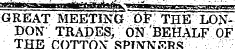
Tf * ° TT 1 ^ rr ~ f imi » ¦ i ¦^ tetr f ^ ffJiffeT . fnj _ ' m ii lii *! ' - ' -- "' - .. ¦¦' " - - - ¦ GREA-T MEETING DF' THE LONBON TRAPES ; ON ' 3 BEHALF QF THE GOTTGX SPINNfiRS ; ( Reported expressly for the Northern Star ;) This meeting was held at the Mechanic's Iristitutaon , Southampton Buildings , Chancery-lane , on Thursday , Feb . 1 . Mr . Hartweli , , Compositor , was caUed to the Chair . ' After he had opened the business of the meeting , Mr ; Mc'Nish , Mr . Alexander Campbell , and Mr . Cuthbertson , severally entered into alongand interesting detail of the whole case ,- * -the prosecution and persecution of the five patriots , —by whichl they anccessfully removed any and every prejudice that might have existed in the mindg of any portion of the meeting . Mr . Norman moved a string of resolutions for the adoption of the meeting , which were seconded by Mr . Toomy , when , GREAT MttrtTma DP * TTiV . TOM-
Mn Feargus O'Connor advanced to the front ef the stage , and was received-with ' waving of hats arid clapping of hands , which lasted for several minntes . He said that he Btood there upon his right—that he owed no compliment to any individual . ' : for that license to address the glorious meeting- ( Cheers . ) An attempt had been made—one of many recent poor attempts—to keep him in the back ground ; but it failed . _ ( Cheers . ) The London sham Radicals had their Parli amentarv pets —( uproarious
applause )—and to advance those hypocrites , they had attempted either to shove him ( Mr . O'Connor ) or ! the stage , or to place him in the distant horizon , or altogether to crush him . ( Cheers and never . ) No , never ! he'd perish , first : from that self-elected body he had the real working men to appeal to —( grfiat cheering )—they'll always hear the language of truth , and patri « tism . ( Cheers . ) Why did he stand there ? h&came ^— he had a better right than any man in England , Ireland , or Scotland . ( Cheers , and " You have . " ) He had not waited for the timid to make
np their minds as to the conduct and innocence of the __ spinners —( cheers )—no , be defended them against the early prejudices of their friends . ( Cheers . ) He had edited that excellent paper , tbe Glasgow Liberator , for that best of men , Dr . Taylor , for eight months—( cheers );—but- he did it without pay . ( Great cheering . ) Dr . Taylor thought the . strike of tbe spinners injurious—he had the boldness and honesty to declare it ; but He ( Mr . O'Connor ) thought it virtuous , and in the Liberator defended them . ( Cheers and "Bravo . " ) Tbns was he the first to stand up for the men when they were apprehended : lie pledged biruself to attend tbe trial —( cheers );—he bad attended both —( cbeers )—be bad travelled 2 , 000 ¦ miles for that purpose—( cheers )—twice to'Edinbureh
and Glasgow , from London : he had neglected his business , just when he had pledged himself to bring out his paper , and travelled day and night amongst tlie real rhends of liberty—tlie \ VorkinEt men of Yorksliire and Lancashire —( great cheering )—arousing them in favour of tbe five patriots : he had tbe . honour of writing tbe first petition and signing it , ns chairman , winch was presented to the Hou . sr of Conunons in tbeir behalf . ( Cbeers . ) Tims lie had been the first to defend , and would be " the last to for- - i * 3 c ^ . ( Iminense' clieeringr . ) Such was his title : wbo now would dare to put him down ? . ( Chtw , ana " Wlio ' r ") Wliere » ow \( said Mr . O'Coimor ) 1 ask again , are tbeir Houst- of Commons' pets—( groans for them )—where are the " Canadian patriots
—the Universal Suffrage keroes—tbe champions of liberty—tbe rescuers oi tbe iiame of the Scotch martyrs . ( Cheers . ) . Oh ! if jii thirty-year ' .- ! , some crawl - ing W big Administration required crutches to limp and bop and bobbin , through , another season of corruption , be shoultl " fiucl - ; - . brown-bread Joseph Hume in the chair— ( uproarious applause)— . surrounded b y Maltbusian Whigs , crowning with laurels ofmartyrdorn the name of our frieuds , who , from their .--apathy ,- - iad been prematurely consigned to the cold grave . ( A great sensation , " and expression of sympathy . ) He would not leave tbeir widows and their orphans , dependent -upbri tlie cold-blooded sympathy of the starvation ¦ ' crew —( cliesr *) -, —he approved a posthumous' famp . bnt first wmiiH An
honour fo-the daring living patriot . rCheers . ) Thev were now fighting tlie battle of capital arrainst labour , nmultnneouslyin tba tbr <> ekin ? doms . The Canadian slave owner , who enhanced the valun of his colonial property , by tbe exportniion . of white slaves from tbe land of their birth , wen- struggling in the Hou-e of Commons . ( Cheers . ) The -Jury laws in Scotland , made tbat country tlieritrinpfield ' for a legal trinmpb . while tbat arch deril , O'Corinell ( tiere the \ vhok meeting rose , and oiip < reneral burst of uproarious applause made the buildm <( tremble . ) Where now w ; is tbe Irish traitor : ' —( cbee-KJ ^ tbe middle class cTiampion r ( Cheers . ) Did he ( O'Corinell ) support ' tbat the brave Irish Catholic ,-w . hoiiad followedT . Knilfold in bis traiH , would be satisfied with the ubantom
i - \ i 1 h . ° n bberty , which left , them but tbe bom-, wliile O Connejl and liis hnrigry devils' were devourin ? the meat . ( Great ¦ cheering !) No , tio V he knew tbe Irish Catholics ; tbeypoorsonlsbelievediiiO'Connelis hollow professions , but though ready to die in honour oftbeir God , tneirreligion , and their faith , tliev never would forpet tbat they had a country worth living for , and worth , dyiiifffor . ( Continued-clieeririjr . ) Did tbe traitor suppose , that be could now turn bis persecution oflabour into another religious warfiirc . by tbe weak invention that--Orangemen-were co » - spiringngaiiistbirri ( clieers . ) Witbtbo rankestOmnpomrti was O'Coiiuell now assooiating himself against those wbo fought his every battle , ( cheers , ) but mark bis last .-pledpe , these were-his honied words : "lie
supported tbe present -Government , but should they attempt to coerce Canada , Tie would oppose them . '' ( Great cbeers and hisses . ) Where " was . hisopposition ? Ask the Lord . Mayor- and the "" Orange--masters of Dublin . ( Cheers . ) ' Those House of Commons patriot-- , who selected tbeir own questions for public discussion , bu t never joiiied tlje . peoplein their ngi ta ti-« . n , were the people ' s . deadliest enemies . ( Cheers ) They would binder abou t Canada , the Ballot , and the Suffrage , because they "knew that they could pledge themselves to tbat which appeared remote in accomplishment ( cheer . -, ) but here was a . pressin ? case , one of life or deatb , and out of the rabble House of Commons , ( peat cheering . ) ont of 107 members , 7 only wted with theklorions Waklev ( cheers . ) tbat tba r .: i /
^ tbe five patriots , be would never call them convicts , ( Clieers ) should have preceden ce of Can adian coercion . ( Cbeers . ) He honoured tbe Canadians ; . he sighed for tbeirsuccess ;( cheer 3 , ) butthoughtthatallimmpdiate considerations about every other question should be yielled to tbe pressing necessity of saving those men . wbo had tbe manliness to execute what the - "Imperial tradeshad theboldness to resolveupon . ( Great cheers . ) This was not an English question ; not a Scotph nuestion ; nor yet an .. Irish '" question ; it was an Imperial question . ( Cheers , and it is . ) He , ( Mr . 0 'Counor ) wouldpresently sliov . tb . em , -cotfrom Whig autbority , but from Tory authority , ( cheers , ) from the authority of Sir W . Blackstone , what combination really meant . He came there , prepared -with his
case , as a barrister , ( cheers . ) and lie would prove tbat the trades were acting upon the defensive . 5 ome men might have been in doubt as to the position of the spinners , but could they , after tbe eloquently simple narrative ; the complete exposition ; tbe unreserved manifesto of the excellent delegates , that night made , be longer in doubt . ( Cbeers , and no , no . ) He knew those delegates , be honoured them , he knew the patriots , he had satin committee with them . ( Cheer .-. ) The protection of themselves and their order -was tbeir one , their only , their virtuous object . ( Cheers . ) They were charged with secrecy ; why secrecy was their only protection against the oppressor ( cheers ) ; all combinations have secrets as their protection , that ' s their value : once expose your system and tbe
one-sided tyrannical law will meet you . fight you , beat you , and for ever crush you . ( Great cbTeering . Secret oaths they are charged with . Heloved to make tbe trades fashionable , and to prove tbeir imitation of high personages . Why the Royal Household is a combination ; for they are swom ' not to divulge the secrets of the palace . ( Great cheers , and laughter . ) Iu one thing ne differed from Mr . Campbell , inasmuch as he did not think , the people had " nobly done their duty . " No , he was of opinion that the whole amount should have been paid on demand instead of £ 1 , 500 teing yet due . ( Cheers , and right . ) The people had six or seven thousands screwed out of their hard earnings , to pay for the prosecution , and they should have paid a voluntary
tax , hadit been £ 20 , 000 to insure an impartial trial . ( Cheers . ) The people if fairly represented , would order , command their representatives to stop the supplies —{ great cheers)—rather than thus allow money to be baynotted out of them for their own destruction . ( Cheers . ) Upon two other points the . meeting have questioned the delegates , they have been asked the meaning of No . 60 , ; there were 59 shops r-presented in tbe general association , and the next number was adopted as typical of the duties which were to be performed by all ; , namely , the support of those who would be otherwise converted into competitors in the labour market , and they , poor fellows , were contented with a mean pittance , rattier than bow down before the mammon masters , and join in their unrighteous crusade against industry ( cheers ); but , said Mr . O'Connor , yon must have a homely , an analagons definition of the No . 60 . lit
means then , again to bring fashion to our aid , the Duchess of Kent , Lord Enenborongli , and the idle paupers —( immense cheering ^ laughter , and clipping of hands , )—but stop , there ia a slight difference between thfe position , of tl \ e &epenuerits , iiis this , you are willing to support your own unwilling idlers , whereas- you are compelled to support the witying idlers , and . yonr order ia thusimpoverished . ( I / QUd continued cheering . ) Another thrtfg whicbreqtoired explanation , was the system of giving "f elines , ' that was a testimonial of , character , which tlie Bishop of Clogber ^ the . " b ' actbHders iu the House of Commons , the convicted swindlers of the . Aristocracy , and the rabble of . 'iiahionable society , could not acquire when leaving those shore ? , to practice their tricks in foreign lands , ; upon thos <> who received their character from theinsejves , not being able to procure a free line from their last place . —( Renewed cheers and laughter . ) Iu one
Untitled Article
ttan / 5 f ^ ¥ T ' P ° ^ o ^^»^ yv ^ e ^' ' ^ t'u ' -iuff good ; -Jneild Me . Nish >; v heikutrtf ' tti ^ tliere % cmll he ^ anattetopt to re-enactitheCoJflbinationLawS-i ( cneers > -and ibr tbaj reaijOff Be ^ inroad theni not to coiir t tharAown ^ destruction ; luot ux iayite a furuamentarj inquirv into the constriction , rules , ° ^ l ^ ^ ' * && * pfTraae 8 'Associatiows-- ( cheera and "nght" )^ -expaijg e that from the petiti on ; M knevr the value of ias « . ociatiorisi—they were necessary irrthe present aaomalous and unreureseated state of the people ;—( cheers ) -but once constitute sucn a . tnbunal of camtaljatB , ' and again he told tnem , that all power of selectinff evidence thnfrtntt t ^ ^ ^ f ^ , '" '¦' . ' ¦¦ '"\ f ^^ ' *^ ' ^ T
order nrtae , and good : intentions , vould be taken put of the hands of thetradesmeBi . The selection of evidence would be left to the committee , who would legislate upon the ^ proved deliiiquencies of the rabble of the trades , justify coercion by acts not recognized by yoiir whole body , but not in your power to prevent . —( Cheers and " right . " )—Ihis ; he cautioned . them against ; : Ke knew the materials of w £ ich ^ Parliamentary Committees were ^ P osed-- ( C | eers r Itwoulcfbe tlie Court m hen , and the Devil tlie ; judge ; - ( Checm ) AgaiS and again he ; canttoned the meeting against such a ^^ erj tw ^ iit falt , an invitation by a little middle class , to crush the power they dreaded , but professed to nphold .-fGreat cheerb ^ V Nn * n $ . the
^ Whimrhe ^ p ^ rred mail ' wha ^ d make thebestof aba ^ barg ain , and seeing the in-TZf I f % ^ t ^ l ! iws ' woald endeavour , under who blnstered for a ch ange , but would crush the people with the pbwer which they profess to contemn ; ( Greatcheenngand" right , " ) To the House of CoS monsthey-wanted to appeal-to tbatcoy set , who , best knovmig themselves , refused to accept a compliineiit from the ¦ Radicals of Marylebone , when they declaredthat there was no rabble of the Commons . —( Cheers . ) Yes , said thevirtuous . representaUves , we know the petitioners cannot mean that they mean that there is a rabble . —( Latigriter . ^ 7 ou fi is
^ i \ Su- S ^ ^ ^ H « Nearly balanced ; The Whigs call the ; Tories plunderers , bribers at elections , and . . -monopolists . ' . ; .. Do such propensities , to use a mild expression , attach the rinme of rabblo to the ; neensed . The Tories call the Whigs' revoluhomsts , destructives , ' robbers , and ^ monopolisers :: are such atnbfe -w . ell designated by the mild and lrioffcnpenarheof rabble ? : The two parties join indesignating the ; . Irish Members as houseless mob , prostituted fools , . venal impostor ^ needy place hunters ; and the Catholic Members , as perjurers when they would touch tUe gilding of religion . Is rabble too severe ^ H epithet for meiv deserving su ch a . character ? . ] ( Cbeers , ; . andilaugbter , and " no . " ) ? 'o 0 U say l 1 VeI 1 ' " 0 ; then : they say they are a rabble ; and v « t the virtuous trades kneel down and claim judgrneiit from a rabble . ( Cheers . ) lie never called them rabble , but .-- ' -
When caps amongst a crowd are thrown , 1 hose they fit rriay keep them for ; their own . ( Cheers . ) ^ Mr . O'Connor would now apply himself to the authorities ; and -first to that which Vas niiulicable generally to the case , namely , the Jury Law . rhey must recollect , that though the battle was nn Knglisli batUe , and the h " ve-Vspiimers were but the hootch Executive of tbe Knglish Legislature-( Caeei-s . > -that the Lnghsh : as well as tlie Scotch question was on trial before a . tribunal winch our Constitution does not recognise . —( Cheers ;) Theretore were the trades ; of London , in horioiir . l ; ound to stand fast by the Scotch Patriot ^ . —( Che ' era ) He would answer . for- % V Irish , though an exile . —rimapplause ) The construction
mense . . of juries , the necessity for . tbeir unammity ^ and tlieir selection ior impartiality , without bias or . eontaminatioii , is the ptal spark , the . spirit , the main-spring , of the Unti . sh Constitution , .- ¦ which is of Saxon prWn — ( Cheers . ) . Blackstone , is copious iu his remarks upon-this head , and attributes tlie long stability 61 BritainV glory -wholly , to her jury system " ^ the great bulwark of British liberty . ; —( Cheers ;) You could not bvvc . onvi . ctei ) upon the opinion of one man and shall your cause be uetermin . ed upon by individual in-ihee , or a mere balanee of opinion . — ' ( Cheers ) There is -but a step between , the dungeon- ' and tlie gnive . Iiiesday is the Any of tompwal judgment to ; our friends . Lt ? t the interval be nsedpfontaulv M e b .-ive been asked , to conciliate / I'll do it—I Will betaine . I'll ; go- \ vith- -. yon , and , in-pouring sweet ¦ and . dulcet strains into the -pliant ear of Lord John ¦ lv
" ,- ' ' : isk um ' ln tue 'Post harmonious tones of feeling sympathy ,- to look witli pity ohthe suflerings . ol tbe ngouisiid widow and unprotectp'd offspniiir . We . 11 tell him to look upbii bis lovely , wife arid-child , whose , innocence and defenceless state wben resting upon his sinewy arm , sppke-forhim to tlie men of Bristol , when his tongue refused utterance to hn overflowing thoughts and bursting heart ' ( Great cheering . ) Men of England try it and you will find one ear stopped with black wool" wlule tfie other is closed agninst- all appeals save those , of tbe merciless capitalist , whose representative be truly is ( dreat cheering . ) What have the people ever eot by rnngmg by foipg with cap in one lmnu and petition , m the other , a posture bypath tbe diirnitv ot a freeman , begging justice or mercy for fibers siiko . ( Cheers . ) Aoubavethisnightheara a financial detail ol the expenditure of the sjiviugs of the \ -irtu ous cotton spinners , nearly £ 200 spent in the vam i oi
ursu . raonn , ( near ) every farthing expended for the promotion o industry , and , th « support of in-< hgent and unwilling * % r , ( cbeers ) ; J , ul are such men , who have tlws administered the saving from ' hen- own hard eann ^ s , to-npply ; to- you in vain , in the hour of need .. ( No , no , we'll do it . ) : Ko , you won ' t they are . about to leave the . land of thtnr birth , and upon you be nil the disgrace ; yes they are goin ° - to that nlace from whence the . voice of afllictiou cannot reach you , when once the tyrant at-homo consigns tbpm to the tyrant abroad . Ha > -e you read the heartbnniing tale of woe , narrated by tlie honest Lovelpp ? , ( yes , ) and d jO not your hearts burn with a secret indignation tbat your poor . brethren-, should be subjected to all the norrors tberdin described . ( Oh ye « ye . s ^ t must not be . ) On thei r trial they were , treated to all the harshest laws of treason , . while thev wen »
relused _ the mitigated euactmuhts : of that code In cases of high tre ^ on ,- except it be an nttempt to assa ^ inate tbe Kmg , b y the 7 tli Wm . Ill , c . 3 ; no person shall be tned unless the indictment be found within three years ; after the ort ' ence committed •• three years mind ; and that the prisoner shall have a copy which mcludes the caption , but not the names of the witnesses , fiwdnys at . least before trial . And by tlie . statiite 7 th of Ann ^ c . 21 , ( whieh did not take place till after thei death : of the Pretender ) all persons ludicted- fpr high treason or mis-prison" thereof ' shall have not only a copy . of ' tho- 'indictment ,-but a list of the witnesses to be produced and- ' 6 f the juror * impanelled , with their professions and places of abode , delivered to him ten days before the trial , and m the presence of two witnesses—part of this act relating to inferior species of hifcrli ir » axnn-:. \™« ' haa ~
repealed by the 6 th Gep . Ill , c . 53 , but it does not aftect the prmciple of the act ; . now lie cited this to show : tliat the . spinners were in a worse situation thnn if tried for lugh treason , inasmuch as tiiev were . charged with offences sjirend over a period of nearly ; 20 . years —( great cheering)—agai n tbe vast construction of the ^ aw . ? with regard to treason were applied to them . ' In the King against Stone for high treason , the attorney-general laid it down as law . that when an orert act was proved against ojie conspirator , all other acts proved against that conspirator , was evidence against his associates . ¦ - Tins kw ^ he ^ educed ^ rn > m the precedent laid down by Mr . Justice Duller , an eminent Jud ^ e , in the case of the lung against Bowes , for the n . hnnnrin , V , j
J . ady Strathmore . Now , tliis 1 quote in order ^ anpty it- to the . case of the Cotton Spiimers wbo ; were . fpnndjgniltjr of a . cts committed by au association ; before the spinners became even members ot that Association , and even before it was proved to be an illegal Association . Thus have they had the worst of the law and been denied the little that was good m the law , ( hear , hear , and cheers ) : ; . so tliat had those men been tried for high treason they must havebeenacquitted , nay : more , they could not Lav been ^ cte ^^ cheersjaut their crime was more deadly thanii they had comp aredtherdeath of evert crowned head in Europe . They compassed the &SL * P ^ opoly-r-CCheer ^ . They . might have lo
3 AAv ? . \ a ? a committed treason had they not meddled with the profit of the money-monger ~ nvK ^ f ^ 'TS *** - ^ ^ nciliatiof ! , and ni > blood boils when J think of the bravery of the Scotchmen , and your c 6 wardice . -- ( Clieers ) He wonld now read er them from Tory authority , the highest conshtutaonjvV antbp % which gentlemen of tne black arfreepgnize upon M questions of ah elementary kind , he meant Sir Wm / klackstone ; Now tben ^ with regard to combinations , and let the meeting judge whether ^ no he , Mr . O'Connor * * a s ngnh when he declared the necessity for counter combinations ; , trades combinations acting ! merely upon the defensive . ; The Parfoiment of M country faanng infringed one of the most essential lawa
against monopoly and coihbinatiouj a law : founded uppii natnral reason ; arid : instinct , and one which ip any state of societyor under any shade of polite tjcal administration shouldbe recognized as sound just , and wholesome ; a law in fact to preclude the possibility , of a few starving the many . — - ( Cheers \ Lombiuations ( says the Torj- )/ t it raise th ? price of provisionsi or any other' commodities , br the rate of labourfa « in many cases severely punished by particulai ^ tatutei ^ Cheers . ) Herethecandle ffi ^ n ^^ (^ omibr observea , I thpughtsuXSfamenW breathed % a Tory would eltinm , ^ -I ,,-uad ^ ai laughter : )
^ i ^ t ^ G ^ TW- saM M ^ V * V-onnor r - " ^ -n ; . buUet us now see what 16 monopol y ; tithingWuictf tt % hadbeeS ) 1 S g W' » MonbpoKesyare ^ SKdby ? i ^ V ^ - ^ te ?* .- ' *?¦¦ iiWWPlNw in ^ other Rogr ^ nng was Scribed to bafe buying up - Imre ' mia ? . tm ^ f rn ; t < hearv hear ^ heavSSe ^ & iis ciieers j ) or otker dead vichfai ^ ThSmmt oi ^ - rse I je iiyunons tathe p ^ lic ^ i Sir W , Black-.. M . ni . fereat cbeenm ? , ) by putting it ; in tiie 'M" n ' - : ;'¦> ' ^ "' : tv > raise the price
Untitled Article
isaspspp-It ^ t ° * lenc ^ - x 0 / th ? cpnxnaon Taw ( for all the sjgat ^ conceri ^ g thenv wem i ^ alea by " iSh y . fi - )* . 71 ) is as in other imntite misdemeanor * di ^ retionary ^ fine and imprisonmen ^^ GrlSS m ) ; Hegoes on tosay , among the Romans ^ S Qfees , ^ naV other inatnractice ^ to raise tSSIcl of ^ visions ,, wrej . unished by a pecuniary mulct ^ eatcheering . ) ^ Nowobserve ^ saMr . O ^ onS what ^ the three offences in fore ^ alhag the maS tiiereby raising the price- of provisioSs : regratinir described by the same statute : to be tlie-bovine of com aud engrossing , wbicb Blackstone says is combumtion . ;< Cheers . ) _ These , however , are ^ ombinav
uonsintowittcn the rich alone < ian enter , and there-SwS ¦¦ te ^^ ; i « M 5 l *«« ^ m have been repealed . (" Shame , " and cheers . ) ^ ut observe , ] hey can t gethdjo f cominon lav , which is common sense ; and therefore have the Government annulled tne coromon law ; by their Com La * statutaW enactment- ^ eaiv hear , jand lond cheers ) ; - ^ but hold , that s nothmg but follow me , while they thus 5 lS ^ l * . , common Jaw nooze from the neck &f the capitalist . ; observe how they at the same time tighten the knot ^ upon the defensive combmai ^ r ,: Now , saad Ut . O'Connor , attend to the co £ mentator upon Bkckstone . Christian , in his note upon combinations of Working men * —Bat
says" combination ^ ^ mongst working ; m en ( there ^ the rub ) had become so frequeiit , that it was thought ; expedient to represa them by " Reedier .. procesbv and therefore the- 40 th . Geo ILL , c . l 0 GV enacted that every person combining ^• ith others to advance their wages , or decrease thl quantity of work , or any way to affect ! or control thosewho carried on any manufacture or traded in the conduct and management thereof may be- coniicted before one Justice of the , Peace , and may be com mitted to the ^ common gaol for any time not exceed ^ ing three calendar months , or be kept to hard livbour m the house- of correction for two months " - ( Great cheering . ) Here , then ; he wouia sum « n
ms legal observations b y a single remark ; The people found that all restriction , imposed by statute or implied by common law , had been taken off tbe nelicombinators , -while , since machineiy had displaced the value of ' man since the 4 Qth Geo ill every act in succesBi () n against the poor , tber irtuous ! the defensive combinrvtor , had been made more stnngent —( Immense cheering )—until at length we found . brown-bread Joseph , and the arch-devil OCoiinell —( repeated cheers ) -r-tenderirig hntional education with one band , to teach , the people how to suiler , and coercion on the other to increase that suilenn ^ . —( JRenewed cheering . ) But did O'Connell with his- ; blarney —( cheers )—suppose that while
teargtis O Connor lived , he shoulJ succeed in crashing the . Irish people .. —( Indescribable enthusiasm . ) INo , no , the poor , gentleman bad made himself ; sta easy prey to a less formidable foe . ' ( Cheers ';)' - - -: [ Here Mr . O Connor described the case of the cotton spmners und the illegality of the whole vroceediji ^ at considerable length , but with such rapidity .-a ^ d frequent interruptions from the cheers of the meet , ing , that it was impossible to report him . ] Ha said now men of order and worth , show , your sense , your valour , and your training—lor every cbmbinator bamsihed let three associations spring into existence MClieers , and " we will . " ) Tber system wasohlytx ) t ) e made perfect by moral power , aiid could be oiilv ired
nju by physical torce .-- ( Great cheering . ) Those who recommended a recourse to arms were , cowards —( cheers )^ -and wished to limit tbeir own work by Placiijg the people in JBopardy ,-i- ( Greatcbeering . ) - ^ Moral power meant that : deliberative . quivlity iribcrent , to a certain extent , in eacli man ' s natJire ^ - a power which taught him 7 ib \ v hiuch fl \ e mftid could bear , and when the cup of endiirance was fmlj then would eaqh man ' s conscience be eac ' i man ' s monitor ; and , if it was thought tietifer to die lreemeu than live slaves , moral instinet would be the best recruiting sergeant for jjhynical . soldieri ri . n , l as if -. with- common consent , without ' premeditation ' . - the ania wbnl ' 1 rise as the mind ' s de / fiudor , ; , and an
united people , by one : simultmieons efli > rt . would snap their chains , unite and throw their fetters in the face , of their oppressors . ( hidescrib ; ible senisation and cb . ee . ) Marshal pliysictil forced and ypu weaken it ; speak of physical ibrce ,, and you apprise the enemy , arouse tlm nation , a : id : ini-iierse thB- moral power . ( Cbeers . ) It i ^ tlie thunder ; : liich must imperceptibl y follow the vivid ilash Of . intellectual liglitning . ( Loud clwers . ) He SvotiVI tpil the meeting' the extent to which ' , lie wu .- ; re ; vly " to so "") while he thus opposed all mention ofphysical -force . He was . equally opposed to the . foolisa . doctrine , oi captivating tbe timid and ensnaring tbe-cautipu .- ,- aud the Witry . . ' ( . Cheers . ) . This was diplomatic nonsense
by the ; timid was meant our enertiies > who sbiiiiht justification to oppress but should h'k be gratifi ^ il : ; they mtiy be turned tp moreiustindble " enmity ; bqt juo sophistry or cunning could eveir-inakfe them our tnends ; the Rubicon of profit' \ y ; - | between : 'Uie ' m ' and the people , which , to duninifft-- . iy'never , would pass ( Cheers . ) What be . thfius * constitutional would he ( m CTeat omergenaes " U ^ i t he present , when ; respectful application Md ; fafle *) that spme ¦ th rce . -or ; iour . lrH . nd ^ red ' thOHsa-i ^ % ^ . % en ^ -b ' iit ' . n . 6 t fvghtu . ig men , as O'Connell . r ^ eom ^ a }^ , ( cbeers , ) should meet lum Mr . O'GjnnorV i ? gi # iring Crossin pubhc meeting , and ha \ ing , p | p ^ .. a Petition , walk peaceably with hiiri M : W * & j 6 t ^ f ^ he ¦
I ° ^ orComiiions , and then wai ^ aiiently , wliile he ( Mi-. O'Connor ) knocked- at the % !^ and sumtnoned the Member for AV ' esttnicst Mbat not the hghtiTig one— -to receive the commands oflbis constituents , and deliver them ; to the House ' 6 > CoirU mons . [ Here the > vhole meeting ¦ wse , an ; d- ; * ' oc . i . fi i rated ' we will , we will go with ydu , which was followed ' by a burst of cheers . ] Mr . O'Connor , who appeared very much excited all through , ho < turned his back uppulhe meeting , and , haviiig faced the chairman and the comrnitte . y , thus concluded the most heartstirriug and eiFective speech we ever hoard delivered Ufa jriiblic- meeting . —What , said he , have I not yet proved my title to speak ? How dare any body " of men attempt to muzzle me ! A set of Whig : JVIat ¦ thusiajis , backed by working coadjutors , has . driven me , ior want of political sustenance ^ from the metropolis to the vallies of Yorkshire , tn the shh « nf
freedutn and labour , there tojromulgate democratic 'doctrines- to the children of freedom ; and did they suppose that any jackanapes , or self-constituted authority , should put him down . No ; for- if the damned Malthiisiuns followed him to bis peaceful retreat , carrying change of law ana . starvation on their banners ^ would put his printing press upon Ins back , and winding his way by the shepherd ' s track to some mountain top , would still fulminate li . is decrees for man ' s equality , until the whole human race , born as one family —[ bud cheers]—lived under one code of equal laws , enjoying the sanie pnnleges and worshipping the same causeV ¦ . ^ nch . was . tlm cause of freedom , which is the cause ot God . lo describe the sensation upon Mr . V Connor resuming his seat would be out of mortal power . Tlie meehiig rose , andcheered and cheered again , ull the walls re-echoed back the joyous sound ol liberty and freedom . —
Of tliisimportantmeeting , the Sun -says , yesterday evening a meeting of the trades Of London was held at the Mechanic' Institution , to receive the states inentsof three delegates from the Glasgow Trades ' Association , in exposition of the -principles of that body , aiid in refutation of the foul calumnies propagated , by the London Press in reference to the fete trials at Edinburgh . The meeting :-was so verv numerous that considerable interruption wag occasioned at the dommencemeiit of the proceedings by the RXtreme pressure of the people at the doors who could
nunareas not eftect admission were constrained to abandon all hope of witnessing the proceedings . The respectable appearance of the vast body of-those present reflected great credit on the trades : the intense interest which seemed to atlect every individual manifested a deep-seated sympathy with the victiins of legal tyrajiny vaiid the regularity and decorum which . pharacterised the discussioi ) , notwithstend ^ ng the excitement that prevailed , were : topics of pleasurable comment on the platform . ^ / -. ; .. ¦" . " . ' ::,: ¦ . ' - ;¦ . - ¦' : '•'¦ . „ ' .: ¦ " ' : ¦; - ¦ : ' . ¦>; .:.
Untitled Article
HOUSE OF LORDS . ¦ : ' .:.:, ; - ,- ; ; ¦; .: ;' TRii )^ Yf : FEB ;^ " ' ' A ^ ; : ¦ •¦ ¦ ¦ ' ,: ' : ^ he LORD CHANCELLOR tobk ^ is seat U the ' ^ ° f ^ ? ? tfeS ^ atespast five o ' clock , r SHAFTESBURY presented ' apetitioii from ^ mberwell , praying for the adoption of Rowland Hill ' s postage ; syfetem ; ¦¦ ¦ : ¦ ' - >^' 'is . < ^ ; . : ^ . Xprd RApNOR presented ^ a P ^ pn&forvther eitire abolition of negro * larery . ^ ihesame Noble Lord presented a petition from thejMayor and To * il Council of BridgewaterV complaining of the treatment shown by : landed propnetprs isincethe last ParUanient » ry ; election , and Paying either for ^ Vote b y ^ B a llot , or that the borough might be affranchised . •'' ., ; > "The . . £ arl . o f ^^^ RIPQN ^ gave ^ notice ; that on that day week he should move the : second reading of the Bishoprics of Sbdor and Man Bill .
; . - ¦ - .: AFFAIRS OF CANAPA . ¦ ¦ , - '¦¦¦ Upon the order of the day being read that the Bill for the regulation of the > affairs ot Canada ^ e read a secondtimei ' ¦[ ' ' . ' ¦' ¦¦ ¦ > ''¦¦'¦¦ ¦' . ' , '¦ :: :. ' ¦ ¦ - ¦ , "¦ ¦ ¦ ¦ ¦' . ¦ ' '¦' ' : . / LordGLENELG , in a spieechrer ^ arkab ^ for its utter insipidityj moved the second rending of the Bill for the suspension ; iof ^^ the Canadian ; CbBstttutioni -,- ' Lord ABERDEEN , iai avety long speech , ropportedthe Bill ,- and severel y blamed ministers' fcr not having been mofe stringent in their'Canailiaai p 6 Ucy .: v r ; ---. v ; -. ^ . ; - . ;; .- - ,: . . . ' ; . : -: ¦ ¦\~' :,:-: . -: \ •" - . -. ' : : Ldrd BROUGHAM inflicted a ^^ rrightful castiga ^ tion , alike on Ministers arid on their Tory friends . He said- ^—How comes it to passy my Lords , by what fate of tiaine is it , that as often as this great question
'• ¦' • ' . '' '" '"• ' I ^^ ' "'"• •" ' ' "'-'•' '- '' ; " : '
'• ¦' ' . ' ' ' " '"• ' i ^^ ' "'"• •" "' - '• ' ' - '' " : '
Untitled Article
: ° / ° W Peonies comes oh in thi ^ place ^ whetli ^ w the 01-iataiJlesoWtio ^ of last May ^ r ^ hfiS locatory : ^ onyiersations Taised by the expectaiiomB oT tbis measure , oi ; on the address whipb announced it » hS *^ ^^^ i ^ elf which er ^ n ^ f « " "" J ^^ sbould be found to interrapt the awvCTiwl harmony of your Councils-alone toobpoS iMr ^ T ^ r ^^ Go vern mentwitbcmt de ^ K h ? j ^ v ^ ately ; . ^ > n P ana zealously sup ^^ MBH interestm ^ peace ^ and the emDire-S ^ fe ^^ enirer
ine ^ oble-and Learned Lord proceeded S May ^ t hat wheutbissubject was la ^ befoSlS fenwS ? 1 ! f- ? . I ^ P ^ y aVoia ^ MlowSgS Noblexl-nend into the eontroyerey to vhich he hal invited hur ^ - We : di * tUs because ; be nev ^ C otheropportunines wouldbe afforded tohim ,. That opportmutj ; Mi vw c < me , and he hadheard what hi ^ Nobk Fnend had said . He found tliat he hM said m explanation of the BiU-nothing ; in defence « f' : * » -nothing .- ( Loud : laughter : > > Not ' * gleaia of Eghtwas thrown upon the darkef phases of tnis measure ; There was nothing to rec ^ ncfle ' the manifest inconsistency ; of the course that had been pursued ; there was riotbihg said to make this S ^^^ SK ? $ <** ^ as ; nothmg ^ aid ; to show whthis BiU should be
y ifttroduced nW rather than at _ any other time ; there was nothing t » defenck its pro \ isions , except the very able , and , as fer a * taatpartof the speech was conceded , the temoetate speecJi of ; the Noble Earl opposite ; That NobltTEarl wasnotevideniiy tliere , however ,. tobe the advocate of her . Majesty a ^ Ministers , or to pronounce tat . eulogium upon them ; but to take under his speciaL protection the Bill which appeared to him toiT ha . Yc * been ; abandoned by its p arent . —( Laughter . ) 'JEhe Will so abandoned was taken up and fostered by the i > oble . 'tJarl , who bestowed upon it no stepmothet's care , so * that it was plainly shown , that if the Bill had notbeen produced upon this side-of the Houses there was- a good chance that it would have proceeded ; from , thate Nothing , it wa * saidWa ^ sa
, unreasonable as the : conduct of the House of Assembly . . His ^ Joble Friend dftdaTed that th « Housa ot AsseniDly had been guilty . of a breach of their £ " tT 11 % VJls ' ¥ «> ble Friend ' s only argument fi > E his Bill—tiiat the Assembly was . guilty : of a breach , of their duty in refusing the ; supplies required from . them . - . Then there was but one coursa to be taken ^ To suspend the Constitution . If was aaid that the powers given to them were absurd , and therefore they were to suspend ^ the Constitutiofl . —( Hear . ) Otber Noble Lords said the Assembly tnemselvea were the first to violate it . The Noble . Earl had entered-into an account of the proceedings before the Committee of 1 S 26 , to which he said such power * had been giyen . as had hardly been siven . befork
1 he refiomniendations : given - by that . Committee were sejti . t . . the cqlonie . ? , and , it had been observeaV Were received with gi-atitude . There was no doubt that such feelings were experienced there , and the colonies were- to be guided by them ; but riatfl . when ?• Not . until 1831 . But they were incireaseci ; and acquired additional force , because thofpiindation . ot . freedom had been -enlarged vby the Koble " fcarlopposite - they having obtained - the command ol tbe supplies—the power of the purse . . What w . a the complaiut then made against them ? They Were tijild that whatever abuses" existed , they had themselves the . power of ledressing ; them . ; they were given that power . Thyy . were told they coul ^ Until they obtained redress , " withhold the
supplies-. rhey wera told . they bad the power and they . usei ; it . bkort-sigivted men ! Innocent m 0 n i : they believed yon wueil you told them you gave , them that power—th . ey . DeUeved you . when you said they bad the power . of the purse-HtUey believedyou when yba told-theitt they were clothed with the power ; of redivsiiug grjevaivcus , aud all they tbericiid was to use tliepd ' . ver which you bragged you had given tb . thesrik —tiie . y vritlilield Uu supplies until their ierievaiiee * were redrc ^ ed ;; and the : instaut they . used , thai pqwe ^ iy . for the purpose , the . express : purpose , for vvliicu it Ss -as ¦¦ g iven , - . the instant they did that Voa ham turned n ; uud upon thein , and the Noble Lord who actually ga . ve ; tiierri this power says to > them ^ ¦ "; You hHyeabusedth ^ prhileges wliich ' were given .
you ; yog are violating the Constitution , -and therelore , the Constitution , shall be torn away from you . ' *" -7- ( Hear , bear , hear . ) . It was a mockery—it was the . most unbear .-tljl t ' insolence aiid insultupou a people —rirstto boastiliat political privileges were giyea to them , arid that the power of the purse was conterr ^ d up 6 n them ; and the ; instant ' . ' . they use . d their pnyilc / xes tevsay ' , 0 h , you have abused those ' privir leges '; it was nevx'r meant you should nse them ; w ^ pniy irieant to . round a period" in a dispatch , or to round a period in a Vice-royal speech at Quebec ; you were neverto u ' se the power which ; was given to you ; it was only conferred upon coiiditiorituat yoit ¦ would always be pleased never to . reiase , and always to . grant . "—( Loud laughter , and cheers . )
Uppn the Canadians refhsing supplies . ' the '' 'Govern-, merit had ' passed resolutions ; thesy resolutions : the Noble Earl , Opposite had . admitted were calculated to havras . and vex the Cauadiauy . ( Hear , hear . ) They passed these resolutions , and the natural corisec ( ue « ces'were' produced ; and they took no paini to prevent thein . ' Not aman had been sent—not an . order bad bet > iiissued- ^ not a . liriehad been written , j he : repeated , it , not a man had been sent , not a . pound had . been spent , to prevent what was the ineyitable con sequenbe , because the natural coiisequence , of ; their eigbtV resolution , ( Hear . ) But now they had disclosed tothem in ; one ofthe two provinces a scene whiclt ; bafned all description , a scene Wiiich . he defied the . history of any cinlized or Christian .
country to produceorto match .: A governor who was appointed to admiuister the law , to exercise tker powers of the state for tile protection of tlie subject "; one who was .. riomiriated ; : to administer justice ia mercjr ; .. ont ' who . . waS appointed-above all ^^ marikiiid to prevent ^ rime , and . Only in th ' e-hiird . necessity of the case to ; punish crime , when it was iiot in . th <^ power of the Governor to prevent it . ¦ What , he asked , was it that a ; government so cirGumSbanced . ought to do ? For the sake of peace , for tiie sake of good order , for the benefit of the GprenimentV antTbefore alls because above all , it was tbatwliicb he was first aiid foremost commaiKLed to do , and fi > r whicb : hisSovereigri ; had-plaritedhimtbere above alii namelyj that he might more particalarly look to arid
proude tor the peace , happiness , and protection , of his fellpw-subjects . And yet they heard it avowed and boasted of' by an ^ fndmdual so situ ate dV-they heardit inbis despatcb- ^ tbey beard it in his speecit to ; the people whom he misgoverned , that he did not think it right ; though he ; knew that preparation * were makingJfor crime ; though he ^ well knew and ; was : accuratf ; lyiiiioriried that a rebelUonwas hatch- ; ing ; that traitors were laying their plans ; thatdiiaftection was going ; ori | day by day : aud seduction , menacingvby traitorsi more and mow ; and that everyhour was rapidly ; maturing those treasonable plans ' ^ still ftiat lie deemed it right to take no steps ta prevent the p feparation of crime , and to save the . innocent subjects from , being deluded from their dutv
into a rebellion which -was thus planried-by traitors-. ' ( Hear , he&r . ) Gracious God i did he live iii . a . civilized country ? ; They had all seen or heard of instarices of the vast difference between the conduefc of a mother hhd that of a stepmotlier—between : a kind and an unkind parent . The one endeavoitired . to conciliate rather than check by coercioiir-would reward rather than punish—was desirous rather of preventing the child from offending than of defecting : and chastising for the wrong doing ; and iieyerwas the heart bi" such a parent morewroag tbau wlieiL her tender watching and fostering , eare failed * ^ and the crime was committed and jtuiishmerit becain ^ inevitable . He had known the contrary . . Who indeed had ; not heard of or witnessed tliecmtranr
coureeof thestepmd ^ er ^ watchirigtopick aquarreJV Anxious to foster any bad temper or" the . uifant ^ tjlt " . it broke out and gave her the opportunity sh ^ e had watched for of inflicting punishment ? These thiiigs . had he witnessed , but never yet had 'he knowb iut instance between a ; mother and a sttsp-parehii anbrding sogrosi , go violentj and outrageous a . eoijitrast as that between the conduct of thp \ mptIiMcouritry towards Ireland and of the steptflbther ^ couutiry towards Canada . ( Hear ^ hear . ) The instructions withwhich -his Noble Friend was Xja ^ go outta Canada had been laid beforethemj and lie must ssj he lpoked upon that ' production . a « a most ^ xtrtw > rdinary proceeding . Tne ^ Governmeat had isaued t » tliemselres . the second-sight faciiltyof
knowingubwwhat ltwould be ngnt to desire their emissaryfto ' ita in M ^ y next . ^ ( HeaT j hear . ) It was one of ta »» great dimciilties of , governing a : distant empire Umt they never ; couldVgiye ; their orders unfler p ^ eeiseiy ; the 6 onie circumstances as those under which , they would bei carried iato effect , because there was always ^ an interyal of six weeks between t ^' e period of issuing them and their being acted upon : bnt ; wasjthat a reason why they should aggravate the mis ^ hier ? ' Was that a fea ^ why they should inaJcet the evil ten times worse than it was necessary ^ Uy sitting'doypn— -sui « ly . mortal men never di < iinch : tC thui | f beJore-- { a . laugh > r-by ^^ sitting down qiiietly at Powning-streetin J&riuary for the piirpose df drawing op the instructions , with all the detaUxi iwhiebit
was intended tq give in the Apni'Or May foHowiug J How could bis Noble friend kuow that Hie wobKI continue of the ; same mind ? \ ( Laughter . ) Tiiie ^ measure out of whichthe instructions arose bad been , three or four times ; cha ^ cgect in Che ' . course of three or : fbar . ' days . iu one wek . v ; ffiheersJi He ( toed Bropghtoi ) sliould ' fioiv reti ^ irp nt thir contemplation of this in every respect inb / t ' vfci'infui ; an ^ iWmentaWe , m some respect ^ mbjt dis ^ nic ^ t rabject ; and ^ the ^^ las ^^ advw&aie r shQnWVive&oveto-Tien * ^ rald beta go everylengtl ^^ m ieugHis ; onfc of thetf way , 1 % ordenrAto Testore ' ni ^ eelm ^ trf kindness ; betweea Tufand our fellow-subjecto ui Caiiado - Let them he merciful as veil as juiit , and listen not » aboya all things , to the argumenta of those who toli Ckmtinwdmew > sixthpagcj \
Untitled Article
I ^ ^^ ^^^^ gtca ^^
-
-
Citation
-
Northern Star (1837-1852), Feb. 10, 1838, page 3, in the Nineteenth-Century Serials Edition (2008; 2018) ncse.ac.uk/periodicals/ns/issues/vm2-ncseproduct992/page/3/
-