On this page
-
Text (1)
-
 Untitled
Note: This text has been automatically extracted via Optical Character Recognition (OCR) software. The text has not been manually corrected and should not be relied on to be an accurate representation of the item.
-
-
Transcript
-
Note: This text has been automatically extracted via Optical Character Recognition (OCR) software. The text has not been manually corrected and should not be relied on to be an accurate representation of the item.
Additionally, when viewing full transcripts, extracted text may not be in the same order as the original document.
Guizot On Shakspeare. Skahspeare And 7ii...
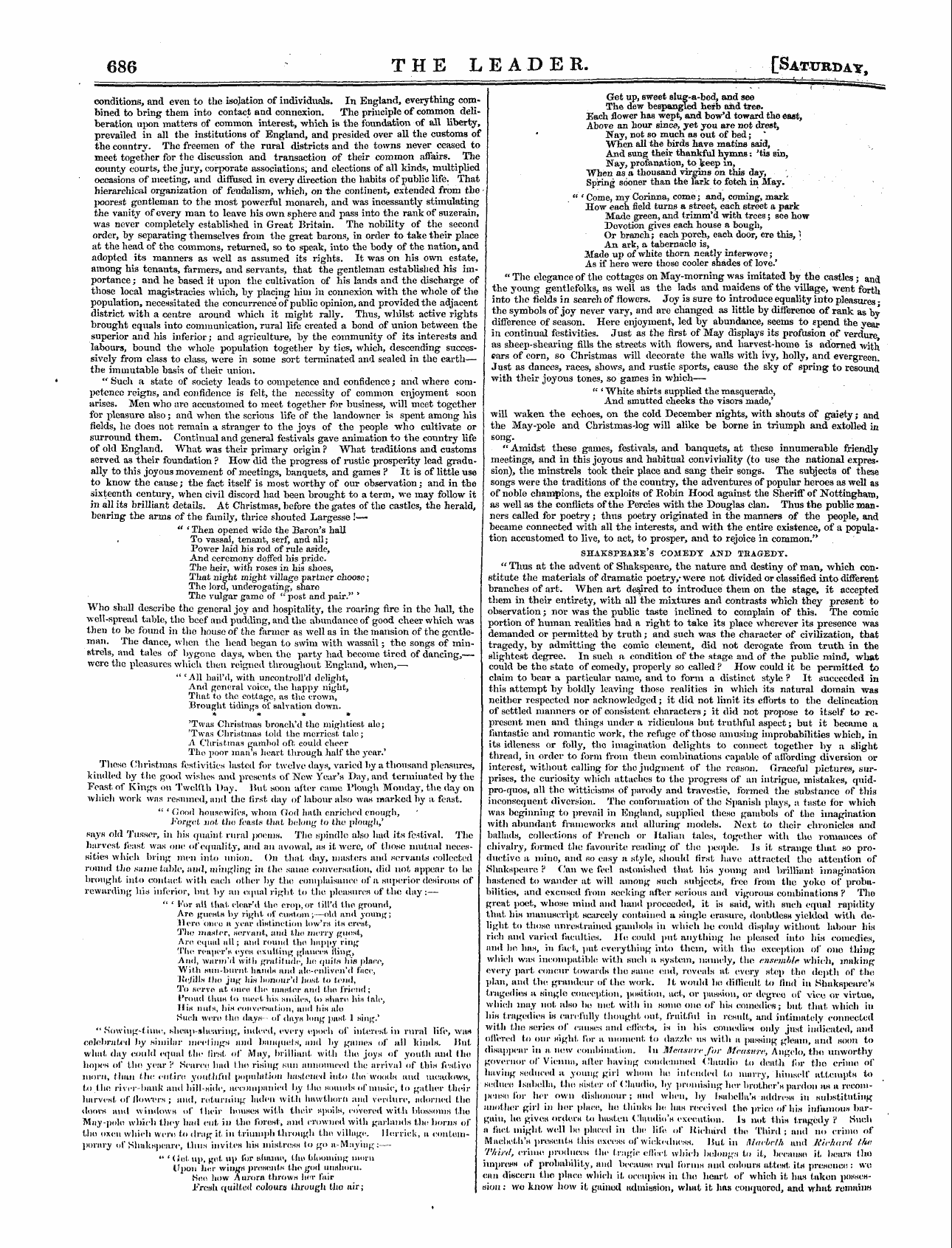
conditions , and even to the isolation of individuals . In England , everything combined to bring them into contact and connexion . The principle of common deliberation upon matters of common interest , which is the foundation of all liberty , prevailed in all the institutions of England , and presided over all the customs of the country . The freemen of the rural districts and the towns never ceased to meet together for the discussion and transaction of their common affairs . The county courts , the jury , corporate associations ; and elections of all kinds , multiplied occasions of meeting , and diffused in every direction the habits of public life . That hierarchical organization of feudalism , which , on the continent , extended from the poorest gentleman to the most powerful monarch , and was incessantly stimulating the vanity of every man to . leave his own sphere and pass into the rank of suzerain , was never completely established in Great Britain . The nobility of the second
order , by separating themselves from the great barons , in order to take their place at the head of the commons , returned , so to speak , into the body of the nation , and adopted its manners as well as assumed its rights . It was on his own estate , among his tenants , farmers , and servants , that the gentleman established his importance ; and he based it upon the cultivation of his lands and the discharge of those local magistracies which , by placing him in connexion with the whole of the population , necessitated the concurrence of public opinion , and provided the adjacent district with a centre around which it might rally . Thus , whilst active rights brought equals into communication , rural life created a bond of union between the superior and his inferior ; and agriculture , by the community of its interests and labours , bound the whole population together by ties , which , descending successively from class to class , were in some sort terminated and sealed in the earththe immutable basis of their union .
"Such a state of society leads to competence and confidence ; and where competence reigns , and confidence is felt , the necessity of common enjoyment soon arises . Men who are accustomed to meet together for business , will meet together for pleasure also ; and when the serious life of the landowner is spent among his fields , he does not remain a stranger to the joys of the people who cultivate or surround them . Continual and general festivals gave animation to the country life of old England . What was their primary origin ? What traditions and customs served as their foundation ? How did the progress of rustic prosperity lead gradually to this joyous movement of meetings , banquets , and games ? It is of little use to know the cause ; the fact itself is most worthy of our observation ; and in the sixteenth century , when civil discord had been brought to a term , we may follow it in all its brilliant details . At Christmas , before the gates of the castles , the herald , bearing the arms of the family , thrice shouted Largesse !—¦
" ' Then opened wide the Baron ' s hall To vassal , tenant , serf , and all ; Power laid his rod of rule aside , And ceremony doffed his pride . The heir , with roses in his shoes , That ni g ht might village partner choose ; The lord , underogating , share The vulgar game of " post and pair . " ' Who shall describe the general joy and hospitality , the roaring fire in the hall , the well-spread table , the beef and pudding , and the abundance of good cheer which was then to be found in the house of the fanner as well as in the mansion of tbe gentleman . The dance , when the head began to swim with w assail ; tbe songs of minstrels , and tales of bygone days , wben the party had become tired of dancing , — were the pleasures which then reigned throughout England , Avhen , —
All hail d , with uncontroll d delight , And general voice , the happy night , That to the cottage , as the crown , Brought tidings of salvation down . * Mt * * _'Twas Christmas broach'd the mightiest alo ; 'Twas Christinas told the merriest tale ; A Christmas gambol oft could cheer The poor mairs heart through half tho year . ' These Christmas festivities lasted for twelve days , varied hy a thousand pleasures , kindled by the good wishes and presents of New Year ' s Day , and terminated by the Feast of Kings on Twelfth Day . But soon after came Plough Monday , the day on which work was resumed , and the first day of labour also was marked hy a feast .
( a ood house wiles , whom ( xod hath enriched enough , -Forget not tho feast ... that belong to the plough , ' says old Tusser , in his quaint rural poems . The spindle also had its festival . The harvest feast was one of equality , and an avowal , as it were , of those mutual necessities which bring men into union . On that day , masters and servants collected round tho same table , and , mingling in the same conversation , did not appear to be brought into contact with each other by the complaisance of a superior desirous of rewarding his inferior , but by an equal right to the pleasures of the day : — " ' ('' or all that clear'il the crop , or till'd tho ground , Are guests by right of custom;—old and young ; Here onro a year distinction low ' rH its crest , The master , servant , and the merry guest , Are equal all ; and round the happy ring The reaper ' s eyes exulting glances fling , Arid , wiirm'd with gratitude , he quits bis place , With sun-burnt hands and alc-cnlivcn'd face , hVJillN the jug his honuur'd host to tend , To servo at onro the master and the friend ; Proud thus to meet , his smiles , to share his tale , His nufs , bis conversation , and bis ale Hindi were the days- of days long past 1 sing . '
" Sowing-tune , _shcup-shearing , indeed , every epoch of interest in rural life , wan celebrated by similar meetings and banquets , and by games of all kinds . Hut what day could equal the first of May , brilliant with the joys of youth and tho hopes of the year ? Scarce had the rising sun announced the arrival of this festive morn , than the entire youthful population hastened into the woods and meadows , to the river-bank and hillside , accompanied by the sounds of music , to gather their harvest of flowers ; and , returning laden with hawthorn and verdure , adorned the doors and windows of their houses with their spoils , covered with blossoms the May-polo which they had cut in fhe forest , and crowned with garlands the horns of the oxen which were to drag it , iu triumph through fhe village . Merrick , a contemporary of Shakspeare , thus invites his mistress to go a-Maying : — " Mbit up , get up for sluimo , ( ho ( dooming morn Upon her wings presents the god unshorn . See how Aurora throws her fair Fresh quilted colours through tho air ;
Guizot On Shakspeare. Skahspeare And 7ii...
Get up , sweet slug-a-bed , and see The dew bespangled herb and tree . Each flower has wept , and bow'd toward the east , Above an hour since , yet you are not dreat , Nay , not so much as out of bed ; v When all the birds have matins said , And sung their thankful hymns : 'tb sin , Nay , profanation , to keep in , When as a thousand virgins on this day , Spring sooner than the lark to fetch in May . " ' Come , my Corinna , come ; and , coming , mark How each field turns a street , each street a park Made green , and trimm'd with trees ; see how Devotion gives each house a bough , Or branch ; each porch , each door , ere this , ) An ark , a tabernacle is , Made up of white thorn neatly interwove ; As if here were those cooler shades of love . ' " The elegance of the cottages on May-morning was imitated by the castles ; and the young gentlefolks , as well as the lads and maidens of the village , went forth into the fields in search of flowers . Joy is sure to introduce equality into pleasures ; the symbols of joy never vary , and are changed as little by difference of rank as by difference of season . Here enjoyment , led by abundance , seems to spend the year in continual festivities . Just as the first of May displays its profusion of verdure as sheep-shearing fills the streets with flowers , and harvest-home is adorned with cars of corn , so Christmas will decorate the walls with ivy , holly , and evergreen . Just as dances , races , shows , and rustic sports , cause the sky of spring to resound with their joyous tones , so games in
which" ' White shirts supplied the masquerade , And smutted cheeks the visors made , ' will waken the echoes , on the cold December nights , with shouts of gaiety ; and the May-pole and Christmas-log will alike be borne in triumph and extolled in song . " Amidst these games , festivals , and banquets , at these innumerable friendl y meetings , and in this joyous and habitual conviviality ( to use the national expression ) , the minstrels took their place and sang their songs . The subjects of these songs were the traditions of the country , the adventures of popular heroes as well as of noble champions , the exploits of Eobin Hood against the Sheriff of Nottingham , as well as the conflicts of the Percies with the Douglas clan . Tims the public manners called for poetry ; thus poetry originated in tbe manners of the people , and became connected with all the interests , and with the entire existence , of a population accustomed to live , to act , to prosper , and to rejoice in common . "
SHAKSPEARE S COMEDY AND TRAGEDY . " Thus at the advent of Shakspeare , the nature and destiny of man , which constitute the materials of dramatic poetry ,- were not divided or classified into different branches of art . When art _desired to introduce them on the stage , it accepted them in their entirety , with all the mixtures and contrasts which they present to observation ; nor was the public taste inchned to complain of this . The comic portion of human realities had a right to take its place wherever its presence was demanded or permitted by truth ; and . such was the character of civilization , that tragedy , by admitting tbe comic element , did not derogate from truth in the slightest degree . In such a condition of the stage and of the public mind , what could be tbe state of comedy , properly so called ? How could it be permitted to claim to bear a particular name , and to form a distinct style ? It succeeded in
this attempt by boldly leaving those realities in which its natural domain was neither respected nor acknowledged ; it did not limit its efforts to the delineation of settled manners or of consistent characters ; it did not propose to itself to represent men and things under a ridiculous but truthful aspect ; but it became a fantastic and romantic work , the refuge of those amusing improbabilities which , in its idleness or folly , the imagination delights to connect together by a slight thread , in order to form from them combinations capable of affording diversion or interest , without calling for the judgment of tho reason . Graceful pictures , surprises , the curiosity which attaches to the progress of an intrigue , mistakes , _quidpro-quos , all the witticisms of parody and _travestie , formed the substance of this inconsequent diversion . Tho conformation of tho Spanish plays , a taste for which wa . s beginning to prevail in England , supplied these gambols of the imagination
with abundant frameworks and alluring models . Next to their chronicles and ballads , collections of French or Italian tales , together with tho romances of chivalry , formed the favourite reading of the people . Is it strange that so productive a iiriuo , and so easy a style , should first have attracted tho attention of Shakspeare ? Can wc feel astonished that his young and brilliant imagination hastened to wander at will among such subjects , free from the yoke of probabilities , and excused from seeking after serious and vigorous combinations ? Tho great poet , whose mind and band proceeded , it is said , with such equal rapidity that his manuscript scarcely continued a single erasure , doubtless yielded with delight to tliose unrestrained gambols in which he could display without labour his rich and varied faculties . He could put anything he pleased into his comedies , and he has , in fact , put everything into them , with the exception of ono thing
which was incompatible with such a system , namely , the ensemble which , making every part concur towards the same end , reveals at every step tho depth of the plan , and the grandeur of the work . It would be difficult to find in Shakspeare ' h tragedies u single conception , position , act , or passion , or degree of vice or virtue , which may not also be met with in some one of his comedies ; but that which in his tragedies is carefully thought out , fruitful in result , and intimately connected with tho series of causes and effects , is in bis comedies only just indicated , and offered to our sight , for a moment to dazzle us with a passing gleam , and soon to disappear in a new combination . In Measure for Measure , Angelo , tho unworthy governor of Vienna , after having condemned Claudio to death for tho crime of
having seduced a young girl whom he intended fo marry , himself attempts to seduce Isabella , the sister of Claudio , by promising her brother ' s pardon an a recompense for her own dishonour ; and when , by Isabella ' s-address in substituting another girl in her place , he thinks he has received the price of his infamous bargain , he gives orders to hasten ( . ' . audio ' s execution , is not this tragedy Y Such a fact might well be placed in the life of Richard the Third ; and no crime of _Macbeth's presents this excess of wickedness . Hut in Macbeth and Richard the Third , crime produces the tragic effect which belongs to it , because if bears the _iinpresH of probability , and because mil forms and colours attest its presence : we can discern tho place which if occupies in the hourt of which it has taken possession : we know how it gained admission , what it has conquered , and what remains
Ar01802
-
-
Citation
-
Leader (1850-1860), July 17, 1852, page 18, in the Nineteenth-Century Serials Edition (2008; 2018) ncse.ac.uk/periodicals/l/issues/cld_17071852/page/18/
-