
On this page
-
Departments (1)
-
Text (5)
-

Untitled Article
-
Untitled Article
-

Untitled Article
-
^ ^ ¦ ^ »i. .
-
Untitled Article
Note: This text has been automatically extracted via Optical Character Recognition (OCR) software. The text has not been manually corrected and should not be relied on to be an accurate representation of the item.
-
-
Transcript
-
Note: This text has been automatically extracted via Optical Character Recognition (OCR) software. The text has not been manually corrected and should not be relied on to be an accurate representation of the item.
Additionally, when viewing full transcripts, extracted text may not be in the same order as the original document.
Untitled Article
ofio THE LEA DEB . [ Nq . 466 , February 26 , 1859 * v ^^ ^^ . .. ¦ - ^ . . : — . — . —i ^^ i ^ ¦— - ^ — — .
Untitled Article
mamtam the Roumanians in their act , in spite of its violation of the letter of treaties ; Austria , on the other hand , is reported to be eager in her ^ advice to the Sultan not to sufFer himself to be deprived of his suzerainty over the Principalities .
Untitled Article
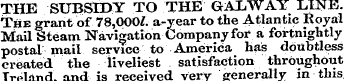
THE SUBSIDY TO THE GALWAY LINE . The grant of 78 , 000 / . a-year to the Atlantic Royal Mail Steam Navigation Company for a fortnightly postal mail service to America has doubtless created the liveliest satisfaction throughout Ireland , and is received very generally in this country with unmixed feelings of satisfaction . 3 , 000 / . from the British Government , and 500 / . from Newfoundland , per trip , respectively , will place the Galway Company in a most advantageous position . . Whatever they might have effected as a pasdoubt but that
senger and traffic line , there is no this assistance was essential to enable the company to carry out that improved , rapid , and frequent postal communication which they have promised . That the service will ere long become a weekly one , we entertain no doubt whatsoever . Nay , ye predicate still further , that it will become a daily one in time , and that the development of our North American possessions will keep pace with the increasing social and commercial prosperity" of Ireland . The problem of the great Irish difficulty it at length solved . Catholic and Protestant , Orangeman and Repealer , have for once worked together for a great and laudable
purpose . In the amelioration of Ireland , and in the feelings which this act of justice will evoke , we see the dawn of gi-eat religious and political changes , to wliich at present we will not more particularly advert . It is now more than probable that Mr . Lever will prove the great pacificator of Ireland —a title far more durable , as it is more honourable , than that of agitator , which some of her socalled patriots have won . We hardly think it fair to attack this gentleman on account of a single sentence , which he is alleged to have let fall during the heat of the Galway election , about
supporting any Government that would do good to Galway . We do not say this in defence of such an assei'tion of . political principle ,: if it be considered strictly as such ; but we think that his services to Ireland , this country , and British North America , which are all interested in the success of the Galway line , as well as Galway itself , may plead a sufficient excuse for a thoughtless expression . We are by no means certain
that Mr . Lever is hot politically right m supporting the Government that supports his undertaking , if the matter were a little more deeply reflected upon by his virtuous censors . The Galway undertaking is his special thought and object , but he believes that so much good will accrue from it , sociall y , politically , and commercially to the entire British empire , that he would be very wrong to support any Government that opposed so great a project . —Morning Advertiser
Untitled Article
IMPERIAL PARLIAMENT . Monday , February 21 . THE IONIAN ISLAIUJS . In the House of Lords Lord Derby made an earnest appeal , to Lord Grey to postpone his motion for copies of the correspondence between the Secretary for the Colonies and the Lord High Commissioner of the Ionian Islands respecting the proposed alterations in the constitution of those islands . He considered that , as this question was still under discussion in the Ionian Parliament , it would be highly disadvantageous to the public interests to anticipate the decision of that assembly . The resolutions which had been made public were authentic . They had ,
however , been forwarded without any explanation annexed by the Lord High Commissioner . He thought that as Mr . Gladstone would be in England by Monday or Tuesday week it would be fairer to that gentleman if Lord Grey would postpone his motion . Earl Grey said the first of these reasons would rather induce him to proceed with his motion ; but he would postpone it if the Premier would undertake to give an opportunity for discussion before submitting the decision of the Ionian Parliament for her Majesty ' s sanction . —Lord Brougham urged the postponement , as Mr . Gladstone would soon be in
his place . —The Earl of Derby gave the required pledge in a shape to satisfy Earl Grey . In answer to two questions from Lord Granville , he stated that the resolutions were submitted to the Ionian Parliament on the 5 th . ult ., and that up to the present time no decision had been come toby that assembly ; that the observations made by the Lord High Commissioner were made by the consent of her Majesty ' s Government , but that the resolutions had not been previously seen by the Governrnerit , although they did no more than embody the instructions which Mr . Gladstone had received . —Their lordships adjourned
at half-past five o ' clock . In the House op Commons notice was given of two hostile motions—one by Mr . Magtiire on the arrests in Ireland , the other by Mr . Monckton Milnes , on the recent consular appointments hi Japan . This latter notice was given for Friday next , for which day there were already two . other notices , prior to . that of the First Lord of the Admiralty ' s statement . —Sir John Pakington appealed to the gentlemen concerned ( Mr . Baxter and Mr . Stapleton ) to give way , but both declined . Mr . Disraeli then said , if they persevered he would be reluctantly compelled to postpone the introduction of the ' Reform BilL- ^ Lord Palmerston said Ministers were not so compliant , when in opposition , as to give them a right to press on independent members .
Sir E . B . Lytton gave Mr . Headlam , on the J onian question , an assurance similar to that given in the other House . In reply to Mr . Richardson ' s question about appointing a Day of Thanksgiving for our Indian victories , Lord Stanley intimated that it would be better to wait until the pacification is more complete .
CHURCH RATES . The orders of the day having been postponed , Mr . Secretary Walpoi-b asked leave to introduce a bill which would ^ he ventured to anticipate , accomplish a just , reasonable , and moderate settlement of the church-rate question . After adverting to the serious and hitherto intractable controversies with which the subject had been heretofore surrounded , the right lion , member laid his proposition before the House , not claiming for it the character of being the best possible measure , or most calculated to preserve the just interests of the ^ Churcli , the State , and the community in general , bjit as . presenting the best practical solution which was now attainable for a
complicated and Jong-disputed problem . Briefly sketching . the various propositions which had in previous sessions been offered to legislation on different heads , to every one of which ho acknowledged his obligation for sundry valuable hints towards the construction of his own scheme , the Home Secretary proceeded to sketch the outlines of his plan . Ho proposed first to give power to the owners of land to chargo their estates with the payment of an annual sum equivalent to the amount heretofore paid for church rates within a certain limited period .
Secondly , he designed to empower the owner of a lifo estate to create this charge as permanent lion on his property . By subsequent provisions ho proposed to establish precautions against any waste or misappropriation of tho fund intended to maintain t ) ie fabric of tho churches . Other clausoa would giva powers unden which funds could bp dovised by will , or provided by . voluntary boneflwtions or contributions for tho same purpose . Having thus indicated tho sources , from which tho necessary funds might bo dorlvcd , and which the lifoorul flow of voluntary contributions for every cognate purpose encouraged him to beliovQ would bo furnished in ample
abundance , the right , hon . secretary proceeded to indicate the steps he designed to propose for the final settlement of the controversies that had hitherto prevailed in so many localities . These were twefold . First , he should suggest that in those parishes where the voluntary charge on property and other benefactions supplied a fund equal to the average amount of the previous church rate , the Queen in Council might declare the rate permanently extinguished in such localities .. Secondly , in order to relieve the conscientious objections of Dissenters , he proposed that when a church rate was granted the collectors should take with them a form expressing such : objection , and every one who signed that paper should be free from
all liability to the rate , but under the condition that he then forfeited all right to interfere in any future proceedings in the parochial vestries . This measure , which he then asked leave to introduce , would , he hoped , provide the means of extinguishing all antagonism , by relieving all reluctant contributors from compulsory payments ^ without compromising the rights of the Church , or destroying the funds required for the maintenance of its fabric . — Sir J . Tre&a-vvny hoped that the measure he had himself introduced on the subject would- he allowed to pass the second reading on Wednesday . Ife claimed a full opportunity for comparing the merits of his bill with those of the very complicated project just brought forward by the Government . T—
Sir G . Grey expressed his hope that no attempt would be made to resuscitate the impost in those parishes where it had been abolished under the provisions of . existing acts .- ^ -Mr" . Bali ., Mr .-Packe ; Sir A . Elton , Mr . B . Hope , Mr . Newdec : ate , Mr . Mellor , Mr . D . Griffiths , and Mr , Hadfield expressed general approval of the measure . —Lord J . Russell said he thought the measure was framed in a most conciliatory , spirit .: ; but , with respect to that part of it which relieved frorij the payment of church rates those who had conscientious scruples , it seemed to him that it changed the . character of the Church of England , and did not maintain it as a national Church . It had always appeared to him that the whole case of the Established Church
was , that it was for the general advantage of the community at large ; that the [ placing a minister of the Gospel in a parish was a benefit , not only to Churchmen , but to those who dissented from the C hurch ; and tli . e practical effect of making a distinction between the two would be to keep alive illbloodin parishes ;—Mr . Walpole replied to questions and objections , and leave was then given to bring in the bill .
EAST INDIA LOAN . On the Report upon the East India T-oan ,-Mr-Slaney thought there was every reason to hope and believe . that if . the revenues of India were duly developed- ^ for which object litt le or nothing had been hitherto done—they would be ' amply sufficient to defray all expenses . —The Report was agreed to , and leave was given to introduce a bill founded upon the resolution of the Committee . The Markets ( Ireland ) Bill was read a second t ime , after some discussion . The Superannuation Bill was committed pro forma . The Medical Act Amendment Bill , the Lunatics' Care and Treatment Bill , the Lunatic Asylums , &c ., Bill , and . the Buriul Places Bill , were read a second time . Mr . Hardy obtained , leave to bring in a bill to authorise the enclosure of certain lands .
Mr . S . , Estcourt moved for leave to bring in a bill to abolish general exemptions from local assessments , the nature of which he explained , the amount of property which it would bring under , assessment , and tho sum that would be thereby cast upon the public funds . —After a few words'from Mr . Wilson , Mr . John Looke , Mr . Cox , and Mr . J . * YraaKRAi . i > > leave was given . Mr . EjaTcouitT likewise obtained leave to bring m a bill to provide for the-payment of debts incurreU by boards of guardians in unions and parishes , «»« by boards of management in school districts . The / House adjoxirned at ten minutes past one . Tuesday , February 22 , ntlSrAYMBNT OP LKTTKKSS . In tho House oc Lords , tho Duko of Aiuivrx commented severely upon tho recently issued regular tion from tho Post-office , respecting the compulsory prepayment of inland letters . Ho thought this proceeding liable to many serious objections . —l < oru CorwOiiHSTiiR defended the regulation , which was ,, no remarked , founded lipon precedents oslnbllHliw many years since with regard to foreign anil coloiuiw letters , and which had on tlio wliolo worked well . — Lord CABirnjsr-r ., as tho receiver of more anonymous and unpaid lattors than probably- any oilier I ' *' " and who thoreforo was more Jlkoly to bo sutlsiiou with tho change than any ono olso , still thought it inexpedient on public grounds , ami roeoinmcncieu that tho now system should bo rescinded .
THIS ( 1 AIRWAY ROUTX 9 TO AMKUIOA . Tho Earl of Dnimr said , that Government lmU not entered into any contract for making tfaiwiy
^ ^ ¦ ^ »I. .
ga m * $ rit 0 ^ tt
Untitled Article
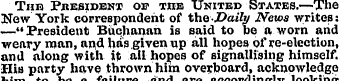
The President oj ? the United States . —The New York correspondent of the Daily News writes : —" President Buchanan is said to be a worn and weary roan , and has given up all hopes of re-election , and along with it all hopes of signallising himself . His party have thrown him overboard , acknowledge him to be a failure , and are accordingly looking round for his successor . It would , in fact , be hard to imagine a position more thoroughly pitiable and forlorn than that of an American President at the close of his term of office . lie has generally disappointed the expectations of his own partisans—in fact , in the nature of things , he must always do so ; he has not accomplished one-half of what he pro- < mised and expected to accomplish . His enemies arc delighted , and his friends disgusted by his
shortcomings . In tho second year of his administration his successor begins to appear on the horizon , and all eyes are turned towards him ? the outgoing inqumbent falls into contempt and obscurity , and is finally turned out of tho White House , generally towards tlie close of his lifo , with nothing to hope for in tho future , and nothing to look back on in the past . Poor Buchanan ' s case ia peculiarly pitiable . He lias no domestic ties to console him for his public fuilurea— -neither wife nor children . All tils early political friends , sucty as Forney , of Pennsylvania who etuck to him faithfully in his upward course , have deserted him in disgust since his accession to tho Presidency , and ho wllj next Mnrch return to Whcntland nn old , disappointed , and , unsuccessful man . "
-
-
Citation
-
Leader (1850-1860), Feb. 26, 1859, page 260, in the Nineteenth-Century Serials Edition (2008; 2018) ncse.ac.uk/periodicals/l/issues/vm2-ncseproduct2283/page/4/
-