On this page
-
Departments (5)
-
Text (17)
-

THE NORTHERN STAR April is, 184c,
-

AMERICAN WORKING MEN'S MOVEMENT.
-

EMANCIPATION OF LABOUR AND THE LAND.:
-

Fusses Advertisers.—Advertisers, as a class, are not remarkable for modesty; perhaps it would be no
-
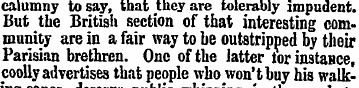
calumny to say, that they are tolerably ...
-

MORE S HOEM A KER STRUGGLES. THE "SELF-E...
-

CLOSE OF THE BELFAST STRIKE. P.S.—Since ...
-
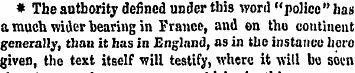
* The authority defined under this word ...
-

Election.— Mr. Rich, a reformer, has bee...
-
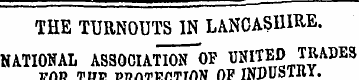
THE TURNOUTS IN LANCASHIRE. NATIONAL ASS...
-

THE LATE MALTUS QUESTELL RYALL.
-
If business can pause in its absorbing p...
-

The wte Mr, Listos.—The will of this late popular comedian has just been proved in Doctors'-com-
-
mons, and his effects were valued for pr...
-

MEMOIR OF JOHN HENRY BRaMvyW OF LEICESTE...
-

"Thb Dure" isd ms Correspoxdests.-A Dr.Dr, Urpcn has, it seems. Iwon nniiiish^xr .,.,„,> ..i.n n>i<>.<ai<>..
-

_ .., .. . ,„,„„ ,„ luu iuiuQH'ii (leut,...
Note: This text has been automatically extracted via Optical Character Recognition (OCR) software. The text has not been manually corrected and should not be relied on to be an accurate representation of the item.
-
-
Transcript
-
Note: This text has been automatically extracted via Optical Character Recognition (OCR) software. The text has not been manually corrected and should not be relied on to be an accurate representation of the item.
Additionally, when viewing full transcripts, extracted text may not be in the same order as the original document.
The Northern Star April Is, 184c,
THE NORTHERN STAR April is , 184 c ,
American Working Men's Movement.
AMERICAN WORKING MEN'S MOVEMENT .
Emancipation Of Labour And The Land.:
EMANCIPATION OF LABOUR AND THE LAND .:
The Kcw York National Reformers are steadily progressing . They have two or three lecturers out , and an agent at Washington , labouring to enlighten the people and their legislators on the all-important question of * free soil . Recent numbers of Young America contain reports of a number of meetings , from which wc give the following extracts : — Mr . Hitisbuse said , we come to claim a right which lays at ; hc very foundation of human rights ; to can } outiu practice the political system of this country , which politicians have not understood . Men argue for the sacred « eSS of contracts , forgetful of the original fraud which ! ias forcedmen into them . So contract is binding which is an outrage on justice . In Turkey men ami women arc trained to bclieveit right that s o "' e meu 8 llaU nave a hundred wives , and now and then bag one up and throw her into a river ; but no laws or contracts can
justifv smb . practices . Ths P ° <* must rise and assert their rights , for the rich cannst be expected to do it . We have putrid of a military tyranny , and now we must get rid of " a commercial aud manufacturing aristocracy , which pmnises to be more powerful even than that . Eternal r ' .-jhtis at the bottom of this movement for the soil , lie belonged to no political party , and did not think ti . 'i-movement could be carried by an amalgamation with either ; bnt by going straightforward with a determination to do justice . ( Cheers . ) Horace'Greeley was a Whig , .-. iid contrary to the advice of his friend ' s , and guided only by his own strong sense of justice , he has oome out in favour of this movement , aud his was the first ini ! ti
Mr . litrrruM said that his subject was the labouring classes of Great Britain ; but he had not had the time he had erj-ec *«; d to devote to it . He had been three times in England . , and had made tbe condition ofthe labourers the subject « f his inquiries . He wasjnware that the enter , prisefof lie National Eeformers was looked upon by some as-visionary , fanatical , and wrong ; hut there never was a new enterprise , however just , that had not met with cfmikir opposition . We grow up to admire what we are taught to love and admire when young . If , then , the Rational Reformers are satisfied that they have promulgated a s raat truth , let them go on ; and it appeared to himthat ilieir measures were so expedient and so right in themselves that nothing was wanting but their promulgation to Obtain the assent of a large majority of the
Americas people and give light to ail the nations of the earth . ( Applause . ) lie then read from a manuscript a brief plan of making the public land free to actual settlers , according to his view of the subject , ( which differed iu so essential particular from that of the Association , > and which he thought , if fairly presented , would be poshed on bj thousands of ablejjjadvocates , and in a very few years we would be able to elect a President and a Congress to pass the law , which would do away with the evils of the renting system , and secure one portion of our territory , at least , from the possibility of aristocratic domination , by prohibiting the possession of land by any individual who would not occupy and cultivate it for his use . ( . Cheers . ) And why % Because he had been to Europe , aud seen the only class who were worth aw .
thing , the producers , trampled under foot by the lordly land aristocrat of these countries . In England the tiller ofthe soil must pay the landlord an annual rent equal to what he ought to pay for a permanent possession , to build up an aristocracy of lords , dUkes , and earls , who held the land by no right , human or diviue , but simply through conquest and robbery —( cheers)—an aritt icracy of birth , who then required enormous . taxes on every thing the poor man makes use of to keep up their distinctions , and who wust have a priesthood taking one-tenth of all their produce , as a part of their system . After dwelling upon the enormous taxation ofthe English people , to provide for the sons and daughters of the . landed aristocracy , and to keep ap the distinction of class , he narrated , from his own observation , the case of a mechanic ' s daughter who had man-led into an aristocratic family , but never been recognized by any but her husband , become a widow . Theologians had charged the devil with being the author of many bad things , and the cause of much misery ,
suffering , and crime , and he had not a word to say in his behalf ; but when he compared what the devil could do witn what aristocracy can do , and is doing , he was compelled to decide against the aristocracy , if not in favour of the deviL What can the devil do ! He cannot take bread from anybody . If a man plants a hill of potatoes , and there are ten in the hill , the devil can't take one of them . ( Laughter . ) He never did do so ; it was never charged upon him . ( Increased laughter . ) He cannot yet even a single grain of corn from the farmer . But what does the aristocracy do ! It takes at least one half the poor man ' s earnings in England , and a great deal of them in this city . ( Cheers and laughter . ) It compels them to commit sin . This the devil can ' t do ( Cheers . ) Therefore aristocracy is a thousand times more to be detested even than the devil . ( Load cheers and laughter . ) Let us , then , establish one spot on this earth nitre aristocracy shall for ever be kept away . ( Cheers . )
Mr . Hkisbake was then called upon . The misery now prevailing in society , said he , can ' t be reached by charity . Give men their rights and they need no charity . So boon is needed . If justice prevailed , misery would disappear . There is a wholesale robbery somewhere , and the National Reformers believe it consists in tbe monopoly of the soil ; to put an end to which they propose , as a first measure , the freedom of the public lands . We trill take these lands , say they , because they belong to the people . In this movement , most especially , did the Sational Reformers have his sympathy . For the first time on this earth have the working classes asked for the fundamental right of man to tbe soil ; and if they can establish that , monopoly is dene away with , and poverty is at an end . The now starving millions of
England would produce an abundance if they had the Chance of tilling their own soil . It is because their lands are confiscated that they are poor . Only to ask for justice would violate no law of God or man . ( Cheers . ) The question of the freedom of our public lands is not a question of policy ; it is not & mere question of obtaining a farm without an outlay . It is a great question ot human right . Man has a right to the soil , because he kas a right to live . To dispute his right to life is to impugn the justice of God , If the Creator had given man wants without the means of supplying them , he would have been a wicked Creator ; therefore , the very endowment of man with faculties and capabilities proves that he has a right to supply his wants , develope his faculties , and to assert his manhood . If man has not a right
to a part of the earth , he cannot say his body is bis own ; therefore , the right of man to his body implies a right to soil to go with his body . Deprive bun of his soil , and you make him a wanderer , an outcast , and an exile , and thereby commit an enormous outrage . A man is a sovereign ; and he has a right to say , " My home is here . God has seen fit to place me here , and here I have a right to stand as much as have the angels a right to dwell in heaven . " ( Cheers . ) A contest has been going on for political rights , and we have obtained some of them . This right te the soil is the ultimatum of political rights , and when webave obtained this , we have industrial rights to obtain , and should proceed to form a new Industrial Charter . The truth was that the aristocracy growing up in this country were just as vile as any in Europe . He had travelled in Germany , and found less aristocracy there than here . Hehad seen an humble engraver mixing in society
-Kith such men as Rothschild and Humboldt , who would not have been admitted to the society of the merchants and bankers of Sew York . We are about to begin a new social history—to write a new chapter in political economy . In conclusion he would briefly explain his position with the National Reformers . He had been spoken of as a Whig . He had never voted with any political party , simply because he could not see anything radical in their measures , while he could see much selfishness in their desire to seise upon tie substance of the people through the offices . When in France last year , a friend bad sent him a copy of the " People ' s Bights , " and he saw at once from its perusal that the National Eeformers had planted the seed of a mighty revolution , and he knew from that day that it most succeed . ( Great applause . ) He at once wrote a letter expressing his views on the subject , and last spring be had given bis first vote for the National Reformers . ( Loud cheers . )
Mr . Tihhs addressed the audience with much effect for half an hour . In concluding , he said he had been a warm advocate for negro emancipation in England , bat having discovered that some of its prominent advocates had pocketed immense sums by the operation ; and that the planters , having got rid ofthe expense of supporting slaves in sickness and old age , were enabled to obtain their labour cheaper than before , bis eves bad been opened ; and when he came here and heard men advocating the abolition of southern slavery , who were the owners of thousands of spindles , and forcing their labourers , even little children , to work fourteen hours a day , he thought be could not be again deceived , and it seemed to him that the best way to commence tbe abolition of slavery was to obtain a free soil . ( Loud cheers . ) The Secbwaet said we had done a good deal of talking lately , and he thought it was now time to act . We had soon to choose Charter officers and candidates for the Constitutional Convention , audit was necessary for
the general association to nominate mayor and constitutional delegates . He advocated at some length the land imitation principle , showing how it would settle compartly eur agricultural counties that are now depopulating , and enable people to make their own roads instead of being perpetually taxed for them by companies chartered to make them with the proceeds of land monopoly ; how it would gradually take the city populations into the country , till every family , both in city and country , could be master of a comfortable homestead , which not one in twenty can now secure . He also advocated the abolition of all laws for the collection of debts , or government in . terference with voluntary contracts , showingthat families stationed on their own homesteads would have a character to sustain that would be a much more efficacious security for the fulfilment of contracts than laws which sustain a host of official non-producers on what would otherwise go to honest and lenient creditors . These two measures he thought of vastly more importance than all others that could come before the Convention , and he
Emancipation Of Labour And The Land.:
thought the association might agree uponi these white axss ^ JsrigS ^ i ^ ssasrsris strations of app lause . ) CONSTITUTIONAL REFORM . At the second series of meetings , called for the purpose of discussing what principles ought to be embodied in the new Constitution of the State of New York , Mr . Evans , from the "Business Committee , " presented the following
BEPonr . The Business Committee appointed to report to the meetings for the discussion of Constitutional questions , principles to be embodied in the new Constitution , in the order of their relative importance , respectfully report-That , in their opinion , thc great truths necessary for tbe foundation of a perfect Constitution are found in our Declaration of Independence , in the asserted inalienable right of man to self-government , to life , liberty , and the pursuit of happiness . These rights , they think , were well considered , and enumerated in their proper order ,
by the authors of that great national document , and all that is necessary is to carry them into practice . It would not , they believe , be of much utility to discuss incidental questions before settling upon fundamental principles . For example : the details of a judicial system depend much upon the Constitutional security of the right of life , and the means and materials necessary to support life ; therefore , the latter should be considered first . And with this view your committee offer the following resolutions , as , in their opinion , embracing the subjects first in order : —
Resolved , That in the new Constitution the powers of the State Government should be strictly defined and limited . Resolved , Thattha first right being the tight to life , the Constitution should prohibit the taking of life , except in self-defence , or in defence against foreign aggressiou . Resolved , That the second right being the right to the means of supporting life , and the means of supporting life mainly depending on the soil , the right to the use of the soil ought to be restored to the people . Resolved , That the right to the soil may best be restored by limiting the quantity of land that any individual may acquire after the adoption of the Constitution , leaving those holding under present legal titles in possession for their life . tiine . Tbe above report was accepted .
MOVEMENT IN PHILADELPHIA . For some reason or other , probably for want of a leader , there has till now been no public movement in favour of National Reform in Philadelphia , and Young America has not bad as many subscribers in that city as in several of the villages of Pennsylvania . A few weeks ago , however , a Bower of " Young America" was organised there , and information has just been received of a public movement which has probably established a National Reform party of a thousand strong to begin with . The news is , that the Jcffersonian Democrats , a " progressive " party of about four hundred , split off from the Old Hunkers , and the Social Reformers , another pioneer band of about six hundred , have united on the
question of the freedom ofthe public lands , and will form the advance army of National Reformers in the Keystone State . — Young America . The Stock-jobbers . —Whenever any great national convulsion is expected , or predicted , we hear scarcely anything but conjectures as to the probable effect it will have upon " commerce" and the " stock market . " The newspapers too , seem to think that sovernment has no need of any solicitude for the interests and welfare of any portion of its citizens , bnt such as are professionally and unceasingly engaged in amassing princely fortunes by plundering their more worthy and useful fellow creatures through the various indirect modes of legalised fraud , which
the present corrupt , unjust and oppressive system of society so abundantly furnishes . The fact of one hundred families who are willing and anxious to labour being in absolute want of the commonest comforts and necessaries of life , is most bitterly lamentable in the reflection , and immeasurably more important in its consequences than the bankruptcy oi every merchant—the sinking of every ship , ( without any loss of life , ) and the hanging of every broker and usurer on earth . Palace-dwellings are but little benefit to those who live in huts and dress in rags , and the rise and fall of stocks are of very slight importance to honest and industrious men who know not where to get a dollar or a dinner . —Mike Walsh .
WAR . The following appeared recently in the New York Express , in the course of an article commenting on the threatened war between England and America : — "CONSEQUENCES OP WAR . *• ' The banishment of our merchant ships and coasters from the ocean andlakes ! " SUSPENSION OF SPECIE FAYHEHTB ! " ONlVEiSIL E 40 MONET 2 " dibect taxes ! "NO BEVEN 0 E 3 FB 0 M THE CUSTOMS ! "NO COMMERCE ! "Taxes on Farms 1 Taxes on Cattle ! Taxes on Crops ! Stamp Taxes ! Taxes on everything ! " i . NATIONAL OtBT OF TWO HUKDBED MILLIONS , FOB
A WAB OF F 0 DE TEAB 8 < " The bombardment of New York , Oswego , Buffalo , Detroit , Chicago , and Charleston . " The blockade of ail onr Ports , Rivers , and Sounds . Constant plunderings upon the sea-coasts . " Repeated summonses to arms ! Conscription among the militia . ' "Widows , orphans , hosts of men with one leg , one arm , one eye , maimed , mutilated , < fcc . " These are but partial pictures . All will end in the resumption of negotiations , and if the negotiators cannot agree , in arbitration—the point we start from . "
With peculiar consistency the New York Express is tbe bitter enemy of the American Land Reformers , the meu who would put an end to the warspirit by making the land the property of the people . This " Oregon question" is a struggle between two governments for land , each wanting to monopolise it to the exclusion of the rightful owners . The way to prevent all tentorial wars is clearly to take the land from governments and classes , and make it the property of the people . If the editors ofthe JVcw York Express desire that there should be an end to wars and unnecessary taxes , let them join the National Reformers .
DECLINE OF THE WAR PARTY . [ From the New York Sun of March 7 . ] Tbe Oregon War Hope is failing rapidly . The persevering efforts and anxious wishes of its friends cannot restore it to vigour ; for it is now evident that patience and parchment will secure everything that could be obtained by war . A war between two great members of the European family , between descendants of the same indomitable race , would be the greatest calamity that man could inflict upon the civilised world . To both nations , it implies triple taxation , debts of hundreds of millions to be cancelled by posterity , destruction of mil . lions upon millions of property on the ocean , the ruin and mourning of a hundred thousand families , and the severance of commercial ties and ties of friendship which
should unite ' . he two countries in cordial amity . We were in such a state of unexampled prosperity—new states came to ns so naturally , like children to our western homesteads—that we wearied of so much unbought power and joy , and longed for strange excitements . Our statesmen , too , longed for a mors rapid and noisy fame than the calm fulfilment of their duties brought them , and thought if they could "hurry up" a national quarrel , it would come to them on the trumpet shout of battle and the gauds and flashes of triumphal processions . They believed that millions of intelligent freemen would bend their necks to heavy burthens and give their sons to the sword , for no better cause than to have a dozen demagogues styled "brave patriots , " half a dozen more ' * heroic generals , " and one out of them all , the " war-president . " When the honour of our common country is assailed , there will be bnt one voice in the
land . Our women would rise and bid their husbands go forth and dry their tears while they armed their first born for the defence . But when politicians attempt to make this unanimous and sacred thought the instrument of personal and political agrandizement , they evoke a dangerous spirit . It will look—it will understand the useless call—and then it will rebuke and rend tbe wantonness that called it forth . At this day , noone , whoreads with careful impartiality the state of our foreign relatione , doubts that our government , if guided by calmness and sound policy , will obtain in peace and honour all we can ask in justice ! Will any man say he wishes war merely that he may swim on blood to a higher station ! W « do not make personal application ef these questions . We never do such things wittingly . Besides , if there are no truths at bottom there can be no pergonal application . Abus tenons .
Fusses Advertisers.—Advertisers, As A Class, Are Not Remarkable For Modesty; Perhaps It Would Be No
Fusses Advertisers . —Advertisers , as a class , are not remarkable for modesty ; perhaps it would be no
Calumny To Say, That They Are Tolerably ...
calumny to say , that they are tolerably impudent . But the British section of that interesting community are in a fair way to be outstripped by their Parisian brethren . One of the latter tor instance , coolly advertises that people who won't buy his walking-canes , deserve public whipping in the marketplace . Another solemnly warns fathers of families , that if they don't buy his religious and moral books , their children will go astray , and attest commit crimes which will bring them to the galleys . "What , fathers of families , " asks the virtuous advertisers ,
" what will be your feelings when you see your children dragging the chain of the galley-slave , and bethink you that it is all your fault for not having taught them thc Family Instructor , price only Oil ? " A third indignantly remonstrates with parents for not purchasing his " patent anti-taking-in-the-watcr boots . " "You will kill your children , " he cries ; "and when the blessed babes are dead , you must write on their tombs , " died in the flower of youth , from the hardhearted refusal of the worthless parents to disburse 3 s . 6 d . in the purchase of a pair of the excellent boots of the illustrious Snooks , boot-maker . RueSt . Honore . "
More S Hoem A Ker Struggles. The "Self-E...
MORE S HOEM A KER STRUGGLES . THE "SELF-EMPLOYING SOCIETY" OF MR . KEN . BALL'S MEN , AND OUTRAGEOUS INTERFERENCE OF THE FRENCH GOVERNMENT TO PUT DOWN A SIMILAR ATTEMPT AT MARSEILLES . To the Editor of the Northern Star . "From the ranks of Labour must arise the constructors of that social machinery which shall insure the accumutation of popular capital , "—William Howitt , in tho People ' * Journal , No . 15 . Sin . —As you will probably notice yourself the pamphlet called "The Master Mastered , " and in this way put your readers in possession of some of the facts of the case as connected with the rise of the societv first above named , so I shall merely here
observe that the workmen forming this society have been now out of employment for nearly ten weeks ; and that the only cause , as alleged by their late employer , Mr . Kendall , Strong Boot and Shoe Maker of Drury Lane , and other places in London , for ; discharging these his men , has been simply because they refused to give up their trades ' union , that they might become his easier prey in his desire to do , in true Duke-fashion , just " whathe liked with his own , " for so , it would appear , he wished to consider his workmen . But , independent of this particular treatment , Ihey have long been a most ill-used class ; and now as their only means to baffle thc fell designs of their oppressor , even in the stronghold of his selfishness , tliey havo determined , as the Belfast
Shoemakers have already began to do , to become THEIR OWN EMPLOYERS . On last Wednesday evening ( writing as I now do on Tuesday , ) they and their brother workmen of the same branch held a meeting , en masse , on the subject , having held another one before , at which the following resolutions were agreed to ; and by the publication of which in the Star the members of oilier trades will have their attention drawn to the scheme , while the men themselves may be thereby otherwise benefited , seeing , from one ofthe resolutions , that an appeal is about to be made for money assistap . ee to other trade societies for the purpose of immediately and effectually carrying out this noble project of the Strong Boot and Shoe workman becoming his own employer , and thus at once and for ever to master his master !
BESOLUTIONS . 1 . That three or four members he now appointed to net as a provisional committee for the carrying out of tbe proposed " Shoemaker ' s Self-Employing Society , " as connected with those workmen now on strike from Mr . Kendall ' s ; and that it be recommended to be careful in the choice of these individuals , as being sober , prudent , and intelligent men , seeing that so much of the success ofthe undertaking must depend on the character of the selection made ; and that Mr . Devlin be requested to act with this committee in order to secure thc further benefit of his services .
2 . That the committee so appointed , in addition to thc code of Rules already in part formed and agreed to , and to the fulfilment of every other requisite duty et their office , have also the power to use such , means as may be thought best towards creating a fund for the purpose contemplated , either by waiting upon , or ordering communications to he sent to , other associated bodies oi working men ; or to such individuals as by their character , wealth , position in society , or known sympathy with the sufferings of the oppressed , may warrant any such application ,
3 . That as a commencement of this fund , and so that some portion at least ofthe parties now unemployed may be put as soon as possible to work , there shall be laid on a levy of sixpence per member , in addition to the present one for strike support , the first payment , to be made the first week after the time of voting , and every other payment on the next following week ; and that these-payments , when paid up in whole , be carried to tho account of each paying party , as their first instalments ( if they so choose ) in the character of shareholders . This levy to be kept on for five weeks , and then to be subject to a reconsideration as to its further continuance or not .
4 . That a report of progress , faithfully drawn up , and signed by the secretary aud committee , be laid before every section of the district once in every month , and thus the better to keep the attention alive to every matter connected with this important social struggle . Tbe names of the committee appointed were , in addition to Mr . Devlin , Messrs . Hennesy , Walker , and Groom , with , power , if necessary , to add another to the number . I now , Mr . Editor , come to the second heading of my present communication , and here the further information I would wish to convey to your readers may be very soon stated . This has just come to me from the hand of an earnest and kindly friend , Mr . Thomas Ireland , the secretary of
the " Central City Provident Society , " a well devised and most serviceable institution . lie has taken the account , he says , from a French paper called Ze Populaire , and as lie has translated it , it thus runs ;—"In Marseilles there are nearly two hundred and forty boot and shoemakers , and two thousand four hundred journeymen . The latter lately got up a new book of rates , being a trifling rise on their former prices , and presented it for adoption , when a hundred and sixty-two of the masters agreed thereto , while the remaining seventy-eight who refused , combining together , bound themselves , under a penalty of 300 francs , not to employ any workman who should demand the increased rate of wages , and a hundred and thirty of the number were discharged . On this
all the other workmen spontaneously quitted their employment , though in the most peaceable manner , and some of whom attempted to form a co-operative workshop . The employers , seeing such an endeavour , now appeared to give up their opposition , and agreed to the demands of the workmen , and thus the matter continued for about two months , when the police * interfered , asserting that it was the workmen who should submit to the masters , and not the masters to the workmen . Seven of the men were then arrested , and twelve others who had fled the town were likewise indicted , and when , on the trial coming on , which continued for three days , the whole nineteen were condemned to imprisonments of one , two , and three months . The king's solicitor maintained that THE WORKMEN HU ) HO RianiTO UEC 0 ME MASTERS , ill forming together an industrial and commercial society . " We have been informed , " says tbe editor of Le Populaire , " that the president said to the
accused , it is quite useless for you to revolt ; . for there are tbe gens d ' armes ; and if thc gens d ' armes are not sufficiently strong , there are the soldiers , —a picquet , a company , a battalion , a regiment—all that is necessary . " This transaction , observes Mr . Irelaud , shows the miserable dependence of labour on power and capital , under the present social arrangements in France , as well as in England , and also in every other country . " We , ofthe working chsses , are , however , a little better off here in England than from this account it would appear they are in France . Government has not yet , in the same summary manner , stepped in to take the side of the master , when about to be mastered by the former mere dependent workman . Sir Robert Peel , himself , has long ago said that the " working man must take his own affairs into his own hands ; " and lately again , in the concluding debate on the Corn Laws , he has enunciated his own desire , as chief minister of the Crown , of
' ADDING MOST MATERIALLY TO THE COMFORTS AND enjoyments of ins MiLLiioNs . " Be it , then , the great business of the " millions" themselves to help to the like " adding ; " and in London , Marseilles , and in every other place , to try and try on—no matter how many failures may intervene—till they have thoroughly MASTERED THE MASTER , ( which is a most evil name in itself , ) whether tyrannically ruling on a throne , or domineering from behind a board over his low seated victim , in the person of the wages-enslaved operative shoemaker . This , truly , is a high and holy work , and God will assuredly knit the nerve , and infuse the intelligence to bring about this priceless accomplishment !! Yours , < fcc , The Editor ob jhb Cobdwahtcr ' s CoMrAmoif ,
Close Of The Belfast Strike. P.S.—Since ...
CLOSE OF THE BELFAST STRIKE . P . S . —Since writing the foregoing , which was to have appeared iu last week ' s Star had there been room , information has come to London that the strike in Belfast has been settled . The employers havo agreed to give the former wages , and to acknowledge the union of the men , but have refused to discharge those few parties who have hitherto been "illegally " working for them . Thus , then , it will be seen , that this severe contest has resulted , after all , in a sort of "drawn battle , " the men , at last , throwing by their resentments for all the bitte r sufferings and losses hih have been
wc occasioned to the m , and the employers made to forego the aggressive for the conciliatory and the just—a wisdom which it is a pity they had not better weighed before they rushed upon the bad and rash attempt of making the journeyman the mere slave , and more effectually to do so , to enmesh him in the expensive and intricate thraldom ofthe "law . " So far , however , has there been a failure ; and well it were if this same " lav" could now afford some authority to enforce an adequate compensation for all the money so lost , and pain of mind so created . April 14 . Ed . C . C .
* The Authority Defined Under This Word ...
* The authority defined under this word " police" has a much wider bearing in Trance , and on tho continent generally , than it has in England , as in the instance hero given , the text itself will testify , where it will be seen that it was the government which , in tin ' s case , was the interfering party ; the subject at issue , having during the two months which transpired from tho time the employers gave their temporary adhesion to the demands ofthe men till thc vengeance of the law was brought to hear upon these same men , being , no doubt , most earnestly debated upon in sundry of Hie close-closcttings ofthe Tuillcrics , between the revolution-enthroned Philippe and his sago ministers " of aU werk ; " and this specimen does , indeed , appear to be us disreputable as it certainly is undignified .
Election.— Mr. Rich, A Reformer, Has Bee...
Election . — Mr . Rich , a reformer , has been re ' turned unopposed for the borough of Richmond , Yorkshire .
The Turnouts In Lancashire. National Ass...
THE TURNOUTS IN LANCASHIRE . NATIONAL ASSOCIATION OF UNITED TRADES FOR THE PROTECTION OF INDUS 11 U . Address of the Central Com ~ m 7 ttee to the ^^ ff " and Working Classes generally of Great Britain and Ireland . . Fellow CouNTRTMBN . -Tho . comhination of master tradesmen of Liverpool and I ^ rke ^ meeting , March 23 rd , 1840 , thought proper to usne a placard containing various reasons why «»> ° ° journeymen should be " completely broken up orgendered powerless , " and the following resolution for that purpose having passed at that meeting . — That each ef tho masters now present will require every workman in his employment to sign a declaration that he does not , aud will not , belong to , nor subscribe to the funds of any Trades' Union , and will discountenance any appropriation of tbe funds of any Sick or Benefit Society to the support of a turn-out of their own or other
tvuclcs * And each employer now present { testified by his signature to this resolution ) hereby declares that he will not employ any workman who refuses to sign such a declara . tion . John Tomkinson , Chairman . The Central Committee of the Association for the Protection of Industry ieel it their duty to offer a few remarks thereon . The above resolution is accompanied by a long statement , to the following effect : — That there are forty . nine firms in this combination of employers , representing which there were sixty-one persons present at that meeting . That the strike at Birkenhead still continued ( with the exception , as they state , of
the Joiners ) without any prospect of its termination . That this strike was criused and carried on by Trades ' Unions , and that many workmen in Liverpool were con . trihuting to the strike ; and that as many workmen are dissatisfied with the proceedings ofthe clubs , and would willingly abandon them , they , the masters , by the foregoing resolution intend to break up their Unions altogether ; and that to meet the difficulties connected with the strike at Birkenhead , they had two alternatives , one to suspend all work at Liverpool while that strike lasted , the other to require every workman to sign the declaration above mentioned ; that as tho former would be unjust towards those of their workmen who are not members of the Union , ( and thjet swoice to know that thsbe are mant soch ) , they have adopted the latter alternative , as it would give to evory man a free choice and afford him an opportunity of quitting these dangerous combina . tions which are the bane of every community where they exist—that as far as they are concerned they would rather pay high wages thanlow , but . asitis THE PUBLIC AND
NOT THE MASTER TRADESMAN , WHO HAVE EVENTUALLY TO PAY THE WAGES , they are determined not to submit to dictation be the consequences what they may—and while they hope the majority oi workmen will accede to their proposition , yet , if unfortunately they should be disappointed , they confidently appeal to the community that the erection of buildings may be suspended until the workmen as well as masters are relieved from the thraldom of such tyrannical combination . Working men , here you have the singular anomaly of a combination of employers , meeting for thc purpose of suppressing by the most arbitrary and tyrannical means the combinations of workmen . The right to combine is assumed by themselves and exercised in every line their placard contains , while they
deny in tne strongest , and most offensive terms , the same right to their men . These " master" combinators , in denouncing the combinations of their workmen as " baneful ; " as being secret and irresponsible tribunals : as repulsive and unjust in all their tendencies ; as exercising tyrannical dictation . ; as being dangerous ; as interfering with the freedom which is the inalienable right of every man ; as causing uncertainty to rest upon every transaction ; as preventing all security in making contracts ; as contrary to the spirit of the times ; as repugnant to every princip le of justice and humanity ; remind us of the defenders of negro slavery who always denounce the abolitionists as dangerous enemies of the public peace , as foes to
mankind , to justice and humanity , and thc declared will of God . We reply to this abuse by stating the true reason why working men combine . They combine , because in the bargain for the sale of their labour , their employer has a great advantage over them . His necessities are not so immediate as theirs , he can without much inconvenience stand out in the bargain while they are compelled by want to submit to his terms . To correct this inequality of position , so disastrous in its results , workmen combine . On their part , therefore , combination is only to prevent their being deprived of what is justly due to them . Wc entirely agree that labour as well as capital should be free , and that every man ought to be at
liberty to dispose of his labour when , where , and how he pleases ; and that it cannot ho for tho advantage of the working classes , that irresponsible agency , and dictatorial inquisition , should exist to create monopoly and tax industry . But on the part of the workmen we deny that their combinations assume or exercise any pernicious influence . From the nature of things , combinations among workmen must be purely voluntary , they have existed , as the statute book attests , for centuries . This long continued practice in spite of legal penalties is irrefragable proof of their voluntary nature ; and proof of this fact , if any were wanting , is also afforded by these master unionists themselves , for they refer at the close of their statement to " those of their
workmen who are not members of the union , and they rejoice to say that there are many such . " It is clear , therefore , from their own statement that many of their men are free agents , and that dictatorial inquisition , of which they so loudly complain , has no existence , and that " no « ictn can dispose of his labour without having first enrolled himself as a member of a union , " is without foundation . Thesemaster unionists call the union of their men "secret tribunals" —this they must know to be untrue . There has been no secrecy whatever in the application at Manchester and Birkenhead for the advance of wages sought by the workmen . Two months' notice was given in both places , though the masters kept their intentions secret until the moment they refused the advance .
We agree that all restrictions and prohibitions upon labour are in the highest degree pernicious , and that they ought , wherever practicable , to beresisted , and yet these master unionists are themselves attempting a prohibition ; they are endeavouring to restrict labour to non-unionists , and to create a monopoly in favour of such men for their own ulterior advantage—this we say ought to be resisted to the utmost , as a most pernicious monopoly founded upon a tyranny , whose injustice is only equalled by its insolence .
The motive for this tyranny , evidently , is to aid the employers engaged in opposing the claims of the men at Manchester and Birkenhead . It has been a constant complaint against the unions of workmen that they , to the injury of themselves and their employers , interfere with the laws of demand and supply , in attempting the impossibility of keeping up wages against a falling demand for labour . This complaint has been re-echoed through the press until it has become a standard argument against Trades' Unions .
Now , however , there is a demand for labour in these two places over supply , and the men are simply availing themselves of what their public instructors have told them to wait for— " Wait until the demand for labour exceeds its supply , and then your wages is sure to rise "—has been the injunction of all the political economists , and now the workmen are met by the masters Trades' Union , formed by their own showing expressly to prevent wiy rise under these very circumstances taking place . What is the indubitable inference from this ? Why , clearly , that all attempts to better their condition on the part of the working classes are on some pretence or other invariably opposed by vast numbers of tho class above them , who vainly think that in keeping down the labourer they elevate themselves .
We now come to that portion of their statement which is as amusing as it is extraordinary , namely , that it is not for their own interest that the masters thus form themselves into a Trades' Union and commit these acts of tyranny , but for the public . It is for the sake of the public that they are determined not to submit to dictation and interference . They , indeed , would rather pay high wages than low , only for their regard for the public . In reply to this patriotic aspiration , we teg to assure them that the public will not call them to account for acting upon theirexpressed , and , we hope , strong inclination to pay high wages . If they would rather pay high wages , we beg of them to do so , and we will answer for it that the public wrath will not be aroused against them .
They say this , no doubt , to excite sympathy in their appeal to tho public , without , in reality , caring a single farthing for anything but their own interest . We also appeal to the public , and we submit that a more unjustifiable interference with the rights of tho workman was never attempted . They seek to prevent the workman from taking the only measures for placing himself on an equality with his employer as regards the disposal of his labour . There is no state so abject as that where the buyer has the seller completely at his mercy—it is to this state , these Master Unionists wish to reduce their workmen ; a state of things far more injurious to the " . PUBLIC , whether ns regards its morals , its peace , or its prosperity , than anything we will venture to predict that has yet occurred in England .
We call upon all classes therefore to assist in opposing this tyranny—we confidently hope that assistance will he promptly , as well as liberally given . The case speaks for itself , and thc working classes may feel assured that their very existence as members of Trades' Societies depends ' upon the successful issue of this struggle , and we doubt not that this appeal will meet with that support which the importance of tho occasion demands . By order of the Central Committee THOMAS S . DUSCOMBE , M . l \ , l ' vesiuont . THOMAS 11 A RR ATT , Secretary . 30 , Hyde-street , Bloomsbury , London . April ' Jth . im ,
The Turnouts In Lancashire. National Ass...
Post-office Orders to be made payable , and communications sent to tbe following addresses , viz . : — Mr . James Gouldin , 19 , Simpson ' s-buildings , Mountstreet , Shaw's Brow , Salford , Manchester ; Mr . J . M'Guinness , Cabbage Inn , Scotland-place , Liverpool ; and Mr . Peter Long , care of Mr . Edward Rodgers , Park Tavern , Wilbraham-street , Birkenhead . P . S . —Wc shall hold our next Conference on "Whit Monday and during Whitsun week in Manchester , to which we respectfully invite the master builders , and any other employers , who may honour us with their attendance .
The Late Maltus Questell Ryall.
THE LATE MALTUS QUESTELL RYALL .
If Business Can Pause In Its Absorbing P...
If business can pause in its absorbing pursuits to give ear to the unobtrusive claims of patriotism , or the parloured and competenced patron of liberty feel an interest in thc fatal struggles of one who gave vitality to it , by establishing it in practice , it will be to shed , with the humbler friends of freedom , a generous tear over the grave of Maltus Ryall ! In the early part of the last year , on my recovery from a protracted indisposition , he proposed , upon a plan which promised many advantages , that wo should establish a paper in Guernsey , and alternately reside there to edite it . An engagement in Scotland nrevented me entering into the project . I conclude
now that he foresaw , what I did not then suspect—tho premature breaking np of his constitution , whieh he probably thought a change of air might re-invigorate , lie retired to the outskirts of London , and struggled through the year with what fortune I know not . Ik was once met by a friend , who reported to me that he admitted having been ill—but his address I could never learn , though I took special pains to do so . A month preceding his decease , onr common friend R . R . communicated to me ( of what he appeared himself to have been just apprised ) that Ryall was lying in Marylebone-lane , Oxford street , apparently in tbe last stage of existence and in great destitution . R . R . requested the addresses of all
our friends to whom it was due to inform of his condition . They were immediately sent . Dr . Elliotson was called in—and Mr . Phillott and Mr . George Bird were in constant attendance upon him , and every possible assistance was rendered him . But fatigue and privation had made teo fatal inroads . lie expired on the 11 th of February in the evening , in the 38 th year of his age . Mr . Bird made a post mortem examination , and found , as was suspected , that his particular disease was schirrosity of the stomach . Ryall ' s bearing in death every way became him . Both in the school of Epicurus , and in the school of events ( which as an Epicurean he was fitted to read ) , Ryall had acquired the true philosophy of
life—And was not troubled with the time which drove O ' er his content those strong necessities ; But let determined things to destiny Hold unbewailed their way . "Why , " it will be asked , "did not Ryall let his friends know his condition earlier ? " The reason does him honour . He knew that the prosecutions in Bristol , Cheltenham , Gloucester , London , Edinburgh , had , during the last four years , exhausted the resources of our friends , and that now the Hull trial was a new and urgent occasion of demand . There was nothing mediocre about Ryall , and his death was in keeping with his life . CSKS He realised in his conduct the rare spirit of moral chivtdry . His idea of duty was perfect in conception and unwavering in execution . He was equal to deeds of daring when the world looked on—and to the sterner task of perishing alone . The honour of
his party was his glory . It was his pride that what was commenced with so much spirit should be followed out with firmness—that when the government was dared that no man or woman ( for women were included among our victims ) should look back when the law laid its iron hand upon them—theugh fortune , health , and liberty were their forfeitures . It was his pride to be an exemplar in the course he counselled . His conduct is a legacy to thc friends of freedom—worth having lived to accumulate , and worth dying to bequeath . The world has to be taught by example , and others must die yet to enforce the lessons ef liberty . Science has its fatal accidents , and even the base spirit of gain its victims ? Then why should we invent for ourselves an excuse for supineness beo & usemorality demands sacrifices ? The fate of Ryall , as was lately heroically said of Poland , is not to be mourned over , out to be imitated . '
Ryall inherited aristocratic tastes in the best sense in which that term can be employed . In poetry ( in which he was fitted to excel ) , literature , and the fine arts , bis taste was exquisite , and was displayed in his criticisms and papers in fashionable magazines , with which he was connected . His contributions to our periodicals were characterised by peculiar excellencies . When he wrote invective he gave evidence of the possession both of the fire and fertility of genius . His papers on speculative andgeneral topics were distinguished by a philosophical and felicitous appropriateness of expression , which I never knew equalled . This was seldom discerned by the casual reader , because the copiousness of his ideas often involved themselves in seeming obscurity . For the
same reason his lectures were thought unattractive , but their fault was the promising one of being too full of thoughts . Had he lived to disci p line his powers and concentrate them , on special subjects , he would have carved for himself a lasting name among the " Men of Letters" of this age . This estimate of him is not one exaggerated by the painful sense of his loss , but one acquired in the course of a happy and familiar intercourse during four yearaof personal co-operation with him . To a proud spirit and scholarly qualifications there were united in Ryall a sound judgment and comprehensive intellect . In our conflicts with opponents , whether clerical or legal , wc propose to observe absolute , perfect justice . But ot right and wrong ( between whose eternal jars justice resides ) the difficulty with the young and enthusiastic is to seize upon the precise point where it dwells . Ryall ' s was . the intellect which could almost unerringly distinguish it , and display it for the guidance of his coadjutors .
Of public institutions—the shouldbe productions of the press , popular agitations—his ideas , founded on large experience , were original and prolific . lie was one of those few men who could conceive and depict the boldest outline and define the minutest detail , His great fault lav in the exuberance of his fancy , which often wasted itself on projects , always admirable and oftenjbrilliant , but immeasurably beyond our means of reducing to practice . Among his friends , stirring and grateful associations will ever d . veil with the memory of" M . Q . It . " To our " working circle" he has left a name which will ever stimulate to generous deeds . That one so proud in spirit , so sound in judgment , so unfaltering in purpose , so prompt in action , so fertile in thought —so assiduous , so generous , so devoted , has fallen by one of Progression ' s foremost standards , makes us re-devote ourselves to truth and freedom with new i joy , who have numbered Maltus Ryall among their adherents . G . Jacob Holyoakb .
It is due to his friends to intimate tbat the subscriptions furnished during R . ' s last days , though liberal , were not more than sufficient for his wants . Some liabilities incurred during the early period of his sickness , and the expenses of his obsequies , should be discharged , and some provision should be made for Mrs . R . until she can provide for herself . Any contributions to these ends are to be directed to Mr . George Bird , care of Mr . Watson , 8 , Queen ' s lleadpassage , Paternoster-row , London , Mr . Bird having kindly undertaken to see ts their proper application . G . J . H .
The Wte Mr, Listos.—The Will Of This Late Popular Comedian Has Just Been Proved In Doctors'-Com-
The wte Mr , Listos . —The will of this late popular comedian has just been proved in Doctors ' -com-
Mons, And His Effects Were Valued For Pr...
mons , and his effects were valued for probate duty at £ 40 , 000 . He has left his plate , jewellery , pictures , hooks , furniture , carriages , horses , iic , to his wife , absolutely . The residue of his property , which he directs to be invested in the funds in the names oi trustees , he has left to be enjoyed by her for lil ' o , and gives a power of appointment over the same by will or otherwise ; and in case so much as £ 0 , 000 is by her unappointed , he gives such sum to his daughter ,
Mrs . KodwctI—the dividends for her own use and the principal at her death to her two daughters , Emma and Elizabeth , or to the survivor ; and incase his wife does not make any disposition of the residue , he gives the same , or so much thereof as remains unappointed , to his son , Captain John Terry Liston . He appointed as his executors his relict , and J . R . Durrant , of the Stock-Exchange ; C . Turner , of Brompton , and W . Taylor , of Park-street , Grosvenor-square . The will is dated in April , 1812 ; and he made a codicil in January last .
Germax Students . —Some one calls out to you by your name , if he happen to know it ; if not , by the name of your country , which he generally guesses with tolerable accuracy : — " Is kmnmt etnas ihnen " meaning , " There is something coming to you " raising his glass at the same time , lest you should not understand his object . If you are a novice , you merely bow , and take a sip of your beer , thinking it is all over ; but the ceremony is by no means complete . In the first place , you ought not then to taste the liquor at all , but you must bawl out " Drink i " and then , alter the space of a few minutes , return the compliment , by saying , "Esko , nmtsuruck , "— "It conies back again . " Such is the process , which it is well to know , as by not following it , although oiYenco is never taken at a stranger , you will undoubtedly lose caste and be set down for a " Hummer junge " that is a blockhead-a character which , amoV the students , is treated with the contempt it merfts .-Dublin University Magazine .
Exportation to Cuisa . —By a Parliamentary return , printed in the present session , itapie . rs ' tlmt he dec aved value o woollen mauufaetuwa exported roni the United Kingdom to China and Hong Kong in the laat year of the East India Company ' s w ' al SaoS * ' aml k 1 Si 5 th 0 ™
Memoir Of John Henry Bramvyw Of Leiceste...
MEMOIR OF JOHN HENRY BRaMvyW OF LEICESTER , THE CHARTIST POET '
( Concluded frwn the Star of April 4 . ) Experience proves that human beings who read belong to the tribe of genius , are the most likeN { exhibit striking religious changes . The prevalent of the imaginative faculty ( Ideality , as the phrenoln . gists term it , ) in their mental constitution , ' while S renders them capable of creations and enjoym eil { z utterly beyond the power or conception of mattcr- of ! fact men , undoubtedly lays them open to the potency of every high and dazzling enthusiasm . Bramwicb for several months prior to his decease , was an in * stance of this truism . He joined the relicioni ^ termed" The Latter-Day Saints" during my im pnsonment ; andI must confess , notwithstanding the sentiment I have just enunciated , that until had had time to reflect on the circumstance I
, was much surprised with the news when it first reached me . Often , while listening to his sensible relations of West-India life , his descriptions of the negroes and his revelations ofthe iniquitous oppression practised in the army , have I been struck with tho bold and blunt frankness with which he expressed his scorn of * parsons " —the word by which he usually characterised preachers of all religions . It seemed to bu a settled maxim with him that a priest was to be avoided as a man ' s enemy ; and he frequently coneluded his narratives of the wrong he had witnessed in foreign climes , as well as in his own , by avowing his conviction that " parsons " were the root of the evil . To judge from his manly hardihood of bearing he was the least likely man in Leicester to become a subject of strong religious impressions . His con «
acieutiousness , however , was as largely developed as his ideality ; and he , like the rest of us , must obev the law of his nature . My friends inform me that the change in him was remarkable . He frequentl y ' exercised' in public prayer , with loudness of voice , and extraordinary fervour ; and I can conceive the possibility of it all , from knowledge of his deep sincerity of character , and vivid " poetical temperament . Owing to this direction of his mind , the Poet ' s last literary efforts were almost entirely of a deeply religious cast . Yet , the ffollowing extract from one of the Hymns which lie composed expressly for his own funeral , will shew that poor Bramwich never ceased to remember the wrongs of his own class : —
Tie's bid adieu to brethren dear , And all he loved while travelling here , Where sichness , sorrow , pain and woe His daily cup did overflow ; Till , drooping , he resigned his breath , To seek a resting-place in death . For here the spoiler wields his rod , llegardloss of the laws of God , — Hoards up his wealth , while pining slaves Droop , die , and fill untimely graves ; But there no cave assails the breast , For there tbe weary are at rest . The prince , the beggar , tyrant , slave , Know no distinction in the grave : Death equalises all mankind : All are of earth , and are consigned To earth again , to wait the hour When God will bring them forth with power
In another verse of this Hymn there seems to be an allusion to some peculiar doctrine , relative to the employment of spirits , in a future fife . I happen to know nothing about the particular tenets of the ' Latter Day' people ; but have no doubt some of the readers in the Star will perceive tbe Poet ' s meaning : From worlds above our brother came , Ordained to preach in Jesu ' s name : His work , though short , is finished here ; And he is gone to regions where lie must the glorious work renew , To gain that crown he had in view ! There are three verses in another of these Hymns , written by him to be sung at his own burial , so full of pathos , so deeply filled with feeling , and so gracefully clothed with poetic beauty , that I cannot forbear to quote them : —
Oh , ye saints , forget your mourning ! Sing , in anthems loud and clear : He has finished his sojourning , And his toils and troubles here : Now his spirit Lives upon some brighter sphere : Brethren , sisters , cease your weeping , He has gone to worlds of bliss : Though his shattered frame lies sleeping In a pauper ' s grave in this , Where no tablet , Shall tell where his body is .
He is gone where neither sorrow , Grief , nor pain , can enter in ; Where no wrinkled , tear-worn furrow 'fells the agony within : All is joyous—Free alike from grief and sin ! Serious , and yet elevated in expression as these exquisitely-written verses are / my honest and beloved brother bard ' s mind was too truly free to be bon « daged entirely even to religious enthusiasm . On the 24 th of last November he concludes his letter to me thus : " I feel that I have nearly done writing . This , probably , is my last . Death , I believe , has been by my bedside , and watching me , while writing this . " Yet the contents of his epistle were two poetical pieces , of which the following light-hearted and pithy sketch is one :
SOME MEN THAT I LIKE . I like a man whose virtuous mind Is such that he dare tell it ; But who , if worlds were gold refined , For worlds would never sell it . I like a man who scorns to be A slave to fellows mortal ; Whose spirit pants for liberty . While passing through death ' s portal . I like a man whose buoyant heart Can float in seas of sorrow ; Who , though ke feels his timbers start , Hopes for a calm to-morrow . I like a man that will not run . To meet , half-way , his troubles ; But boldly meets them , when they come , As tickle fortune ' s bubbles .
I like a man of noble mind And independent spirit ; Who willing is to raise mankind—But by exalted merit . I like a man whose generous soul Can pity feel for others , Who looks around , surreys the whole , And calls mankind his brothers , I like a man whose thankful heart Can feel a favour given , Who , ere the crystal tear drops start , Reports the same to heaven !
In numerous letters did the poor suffering man unfold to me his indignation at the vile oppressions oi the monied classes . The following extract from one dated the 9 th of January is worth quoting for more reasons than one : — " I understand you are making me a present of your Christmas Rhyme ; ' but it has not arrived as yet . May God bless you , aud strengthen you , so that you may live to write for many Christmases yet ; to come , and be an instrument for overturning tha \ cruel system that causes such heart-rending scenes in i our bcautilul country , whose inhabitants are pro . . verbial for industry . Leicester is in a state of great i excitement . The men seem determined to avail I themselves ofthe recent Ticket Act : the hosiers are >
mad , ru & d , mad ; were you in Leicester , at this crisis you would make Bedlamites of one-half of them . . They have tried every scheme to evade the law . . Would you believe that men pretending to common a sense would think to break through an Act of Parlia-,. ment by compelling poor men to sign a paper saying g they did not want the Act ? Such has been the case , ? , I assure you ; and , to save suchji respectable set of if villains from transportation , tho lawyers told them u it was a conspiracy against government . A party of > f the turn-outs met the county and borough chief con « i « stables on Monday , and asked them for assistance . 9 . fhey both relieved them , told them they had the law w on their side this time , and if they were determined : d they must conquer . More than one thousand of of them passed the Board of Guardians on Tuesday , y . Ihe hosiers and middlemen are at their wits * end--
-And as for poor Winters , They'd blow him to splinters , And send the committee to France ; Or , ere the assizes , They'd seize thim as prizes , And teach them on nothing to daneo . " I forbear to quote further , fearing I shall trespasjisj on space that will be wanted . I trust the friends at at Leicester will take care to report the funeral sermomon preached lor poor Bramwich , in Leicester market-etplace , last Sunday , by Mr . Geo . Buckby , a sincereere and talented working man . Had circumstances per ^ ermitted , I would have gone over and assisted . io < T ,. , <•• , Tu 0 MiS Coorat the Chartist . - . ld-1 , Blackfriara' road .
"Thb Dure" Isd Ms Correspoxdests.-A Dr.Dr, Urpcn Has, It Seems. Iwon Nniiiish^Xr .,.,„,≫ ..I.N N≫I≪≫.≪Ai≪≫..
"Thb Dure" isd ms Correspoxdests .-A Dr . Dr , Urpcn has , it seems . Iwon nniiiish ^ xr .,., „ , > .. i . n n > i <> . < ai <> ..
_ .., .. . ,„,„„ ,„ Luu Iuiuqh'ii (Leut,...
_ .., .. . , „ , „„ , „ luu iuiuQH'ii ( leut , ov iiovernernment taking in hand the working of all Ihe railroadsads ; in the kingdom . Amongst others to whom he wrotootci on the subject was- thc Duke of Wellington : hii bin Orace s reply is perhaps thc best that has yet ap , api peared , as it certainly is one of the most characi-ac : teristic . Hero it is - . — " London , November 7 , ISiSSiS ) —V . M . tho Duke of Wellington presents his cohnohu plinicnts to Dr . Orpen ; he has received his letter . ter .-The Duke has no relation with anv railroad , and Uei Ue + clines to interfere , in anv manner , in then ; concernnrani He entreats Dr . Open to communicate , his opinionuonii to anv other individual in tho community , whom luu h , pleases to select . Ho cannot address one who uo u more determined than tho Dtiko not to interfere lie li : affairs ow which he has no control ,
-
-
Citation
-
Northern Star (1837-1852), April 18, 1846, page 6, in the Nineteenth-Century Serials Edition (2008; 2018) ncse.ac.uk/periodicals/ns/issues/ns2_18041846/page/6/
-