On this page
-
Departments (2)
-
Text (7)
-
Untitled Article
-

Untitled Article
-

Untitled Article
-

Untitled Article
-

~ - jgjr&mal Corr^potrtence. ^^ _
-

METROPOLITAN MEETING AT WHITE CONDUIT HOUSE, TO ELECT DELEGATES FOR THE NEW CONVENTION,
-

Untitled Article
Note: This text has been automatically extracted via Optical Character Recognition (OCR) software. The text has not been manually corrected and should not be relied on to be an accurate representation of the item.
-
-
Transcript
-
Note: This text has been automatically extracted via Optical Character Recognition (OCR) software. The text has not been manually corrected and should not be relied on to be an accurate representation of the item.
Additionally, when viewing full transcripts, extracted text may not be in the same order as the original document.
Untitled Article
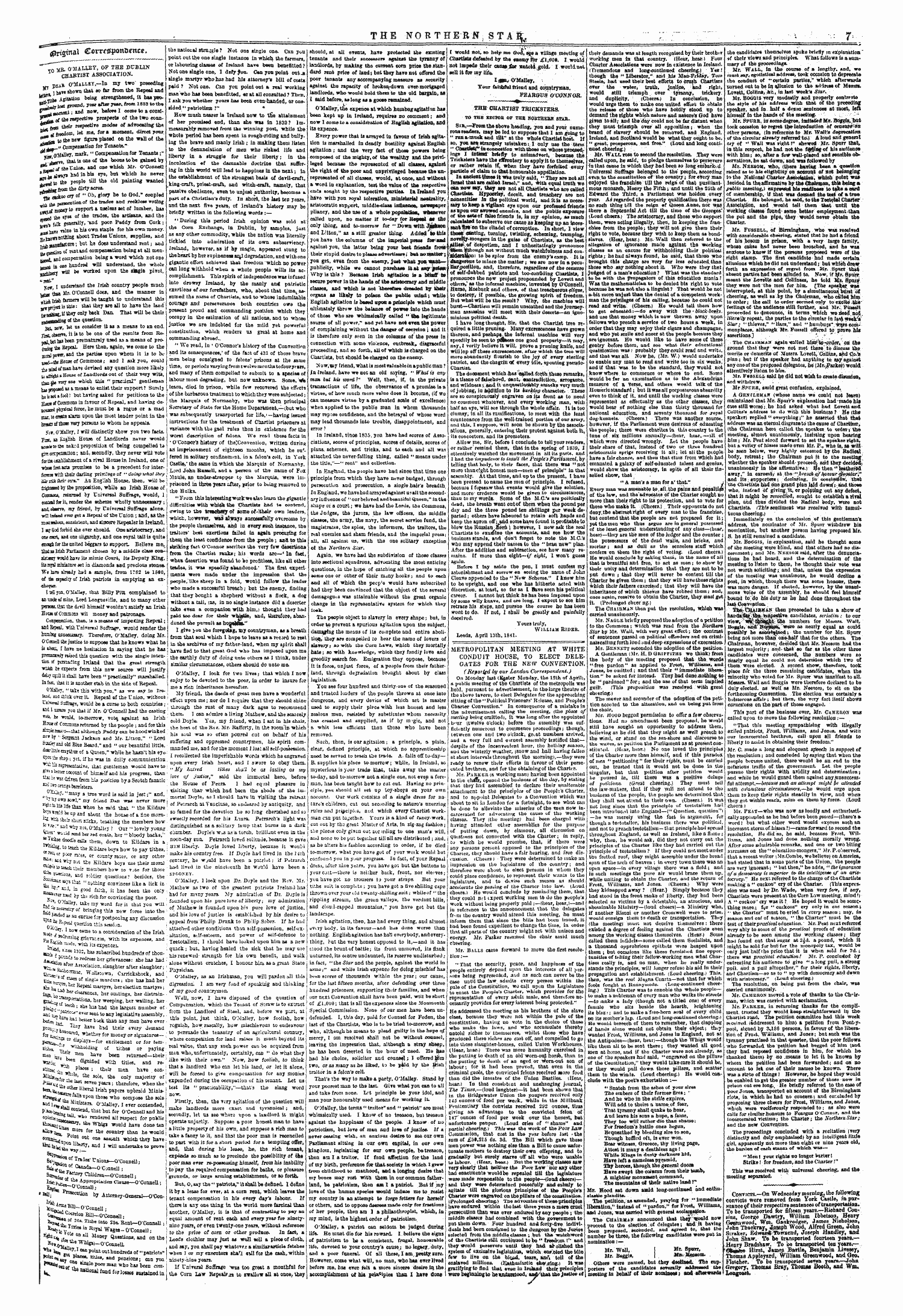
' ^ Z ^^ mAU . EY , OF THE DUBLIN CH ABTIST ASSOCIATION . PEiB O'MALtKT , —In my two" preceding ] j » ve sh own that ao far from the Repeal and iette v , Aptation being strengthened , It baspco-**" ¦ ** I " * i ^ ^ ' yesr ***** " ** ftom 1833 * ° tb * y ^ fflfflgt t : and now , before I come to a conri-^ J ^ rf the nep eetire prospects of the two eoun-^^ fgn their respective mode s of advocating the *** rf freedom , let me , for a moment , direct yooi *? L gi to U » new figure placed on the wall of the * * T 7 _«< Compensation for Tenants . " ^ 'f ^ ll&lley , mark , " Compensation for Tenants ; - ^ asre , thai is one of the boons to be gained by ** . . iv .-r ., ;™ . » nd one which Mr . O'ConnaQ " •" . ^ a » Unionand one which Sir . CTConneU
, ' ^ Tjjwvi hid in bis eye , but which he never ? Lrfto the people till the old painting wanted * f !* L bom the dirty acres . " - ^ iLioo cry of " Oh , glory be to God . " coupled Ae paseention of the trades and reckless voting ^ of money to rapport a useless set of lnmb er , has ** " \ jj ^ e jes of the trades , the artisans , and the J ^ j f olk geaenllf , " and poor . Paddy from Cork ; _* > aTe 'nlM m ^* *** P * ° * ***• » t » ney . ^ tBD » SDOtfiing about Trides Unions , supplies , and ,. ^ jjjfietare ; but he d oes understand rent ; and fi-BBesii ^ of rent and compensation being at all mento ^ t ind compensation being a word which Dot one ^ jjj in one hundred will understand , the whole f ^ jjjjoejT wai be worked upon the dBgle pivot ,
xgr I understand the Irish country people much vjj- Qua Mr . O'Connell does , and the manner In vja in » h frrmers will be tanght to understand this Lwawert is this : that they are ill to hate the land Ixv 8 aa& if they only back Dan . That will be their —j ^ taafi 35 ? ° * the question , Bsi , dot , l «> t us consider it as a means to an end . fist , otws , it is to be one of the results from
Reoa lbel h » s been prematurely used as a means of proj ^ jjj a » Bepeal Here then , again , we come to the mEsnJpo ** ai tne parties upon whom it is to be fcs *}—Si * fiosss of Commons , and I ask yon , could ike sad of m * n hare devised any question more likely to sSjiit * House of ^ Landlords out of their v < wy wits , tlaati * rerj- ene - which this " pracacal" gentleman hu proposed as a meaw to enlist their support ? Surely he ii at * i fool ! but having asked for petitions to the
gges of Commons in favour of Repeal , and haying de-Qtsnod p fcjsral force , he musi be a rogue or a mad Eii , to create alirm upon the most tender point in the brass of those very persons to whom he appeals . 5 ; . * , G'M&Sey , I will distinctly show you two facts . PijK , as English House of Landlords never -would jj-sietotbe nakci proposition of being compelled t * prteospecatioa ; and , secondly , they never will vote forsieesablishment of a rival House in Ireland , one of irbw first acts promises to be a precedent for interteoBCt tith iheir < j » rf > T » 5 pririlege of " dsj *^ lehat they K ? rQ anr pirn . ™ An English House , then , will be fnflHBRd t > j the proposition , while an Irish House of
Csbk ej , retarnsd by FuiTerssl Suffrage , would , I ec > Bio 3 for it , render the scheme wholly unnecessary ; sod , ( item , mj friend , by Universal Suffrage alone , wiB b ^ and eTer get a Bepeal of the Union ; &nd , &s the motsalocs , consistent , and sincere Repealer in Ireland , I aj Sod forbid she eret should . One aristocracy , and cue net , sad one oligarchy , and one royal tail is quite eBcxsfh for the united beggars to support Belieye me , thai ai Insb Piriiarnfnt chosen by s middle class conta £ mj Tssld iare its giimie Court , its Deputy King , itjKjsI ausiitiire set in diamonds and precious stones . We lire already h&d a sample , from 1782 te 1800 , of tiie opacity of Irish patriots in emptying an ex--eteqast
I til yoa , O'MiUey , that Billy Pitt complained to an CKfe ^ nune , Lord Longneville , and to many other pesos , th& the dcfil himself wouldn't satisfy an Irish Hock of C-omnniis wit money and patronage . CesiceosiUon , then , is a means of impeding Repeal ; and Bn « al , with TJuiTersal Safiragp , would reader the hnaJfti EsneeeEiiry . Theref ;» e , O'SIaBey , doing Mr . O'CoebsII tbe justice to suppose that he knows what he is sixEi , I hiTe ns hesitation in saying that he feas prenaareiy raised this question with the single intention of pgreaaiicg Ireland that the great streng - . h whidi it expects from this new source will justify Q &Trfal it shall haTe been " practically" marshalled la fstt , flat it is another stab in the &ide of Repeal .
OTJafleT , " tate this with yon , " as tre say in Ireiisi , nd flai oTer it Repeal © f the raioa , withont riir = rsaj SisSagi , YOttld be a enrse to both countries ; » ad 1 issure j-oo that if ilr . O'Connell had the casting Tots , fee Trcali , to-morrow , vote , against an Irish Eoss of C < namonj returned by the people ; and for this &mkietz :. z— thit although Paddy can be hoodwinked » 0 T l 7 " SergBaflV Jackson * nd Mr . Liaon , " "Lord natfTjai oy Bine 3 ^^ - ^ j .. onr beautiful little , fisBSa ' s aijihxa of a Queen , " while he hasn't his ey * Epos the shsp ; y « t , if hs -was in daily commuuicatioa " ^ i bii KpreseotatiTe , lha : gentleman would haTe to r ^ ibsser account of himself and his progress , tbAn t - « " * k uriren &om his position by a Scotch fanatic ^^ onEK buristera .
^ CTV iarj , " auny a ^ g vor d ^ ^( j ^ j ^ . .. ) ' fjlj ora so *! , " my friend I > an w « neTer more f ^ tu life than when he sa . d liiat " the Kildare r 71 x : f i ^ ° P "id about the houie of a fine mere-)* i , » 2 i thta siiij . s ; ickS ) teaebiug the members how ^ TJt e : sad Whj Eoij O'Mallry ? Our " loTtly young W « a' woaid send 1 ^ red eoats , her " bloody backs , " ^ ¦> cia > doodls calls them , down to Kildare in a ^ ^ af , to te&tb . the KUdare boys how to pay tithes , ^ 2 . « & > 3 r rates , or county rates , or any other ca ^ l , ? ^ t tts Kild 4 re bo - TS use their moral - « to Xe&ch their members how to T _ , te for those ^ . . ? 5 a :: 0 M > ^ d soldier questions ? besides , the ^¦ aa sars tbat .. uj , ^^ c , 3 DTil ] ces ^ g lkk ^ tta ^' ;* £ ^ d , in good faith , it baa been the only « a Esed fcy jjje jjjjj for cojrrijjcan- the ¦^ ¦ " « w » wu 1 LiAO
poor . ~• > ^ VU * C l / VwVi ^ ' ° 'yi ^ £ 7 , take ny word for it that you will taa ' ^* B Of bria ? ln S ttLis new force inio the T ^ jTT " exca 5 e f - Postposing any discussion * D-T qa « ion this session . E 0 Q ^* r' ^ DOW Ceme to a consideration of the Irish tbsiw ?** r = ss " : a 5 STieTaicas , with its expeuces , and £ && aode , with its expences . a ^^ t := ce 1 SS 2 > tas subscribed hundreds of thou-^ - poun ds to redress her grierances : she has had ^ « after A « Dciation , slaughter after slaughter ; Tr » „ """" i = " » uijiii . er ii ; ber ttiiuguter ; 63
tti ^ TT " " ' WaH «»» a , Canickshoek , and gj ^ ^^^ Cises of single mnrdgrs -, she " has had her •^ ^ iLi ' ^^ ^ 1 *^ ^ anjrs , her election martyrs : iaa , sa e - * araEces , her oustings , htr dii-trainp ^^ ^ paratioiis , her weeping , her wailing , her JfcigjV ^^ ; efle t ^ had the largest nouiber of aa 5 - ^ iatriou ^ ' eTer sent to any legislati ve assembly befort j ^ ^ ^^ betKr bici t ^ 0 an 7 men hare eTer pros , ; - , e ^ ^ Te had their every demand fe So ^ bJ 10511 ^ ' ^^ ether for mouey or signaturespeiK ^ r ^ ct ^' ays—for excitement or for
Uaafch a " : . "fithholdrn g of tithes or paying : m& s « a > L haT 8 beea returned—their ! TrariJ" ^ . ^ ea ^ Med with titles , and re- ; sStas , ; . > ,. " Pi **** ; th = ir men haTe con-: ^^^ T ' ^ Soie ' ^ e o ^ y majority of -P&i ^ ' ^ lart 8 eT en years ; therefore , when the ' ' ^ tttJlfT Kbenl lrish papew npbraid Minij } - tsa BP 0 n th 08 e ^ com P ° t 116 ^ e I ""^ ita . O-Malley , I erer contended , \ ^ " ^^ asi&tf f 4 * * * ^ t but for O'C # nnell and his ! ° pi 55 *^»^ ~* h ° rendered all respect for pnklie j th 0 ! « yt ^ eBar 7 ' ** Wbig ' won ] d ^^ done t" '
* ° * 3 em . p OT the "nntry than he would i waiti ^^ omt oat one asaaolt which they hare ; fet ia iedt ^ 11 Hb < : rtyi and I will nn dertat e to proye i ^ Jpjj . ' ! ^¦ JsZT Tri 4 e 8 ' ^ aions—O-Counell ; i S 4 **> « Cauada-O-CjIlMii , ! Sa ^ J ^ Childreii-O-Gounen ; j ^ Por « ^ PPropriatian Clause— O'Coiinell ; E ^ J ~ 0 'ConneUj j SSI . p ttaectttion by Attorney-Qeneral-O-Con- j ^ Bm _ o-Co u C ^ ° ao « a Bm-0-CoMdl { ^ T ? 2 £ > i Ti £ he ta to 25 s . Rent-O-CJonnell ; ^ «« lona „ Rayid Wm O-Connell , 1 on
^ » o >« all Money Qawti ons , and on the ^ ^^ 7 " P ^ crat hundreds of ¦• patriots - ^ ^ JTn ***«* « u « , « nd peceiont , can you '" "Wor ? iD $ lepoerin « 1 ^ o has been c ^ - . ^^ MaeM l faodfortowM BuWaed in
Untitled Article
the natiocal Btm ^ gle ? Not one single one . Can you point out the one single instance In which the i&rmers , or labouring classes of Ireland haTe been beneltted ? Not one single one , I defy you . Can you point out-a single martyr who has had hia attorney ' s bill of costs p&id ? Not one . Can you point out a real working man who has been benefttted , « at all consulted ? Then , I ask you whether your * has been even-handed , or onesided " patriotism ? " * How much nearer is Ireland now to th " e attainment of her promised end , than she was in 1832 ? Immeasurably removed front the winning post , While the
whole period has been spent in roogh-ridisg and buliyiog the bra Ye and manly Irish ; in making them listen to the denunciation of men who risked life and liberty in & struggle for their liberty ; in the inculcation « f the damnable doctrine that suffering in this world will lead to happiuea In the next ; In the establishment of the strongest basis of devti-craft , king-craft , priest-craft , and witch-craft , namely , that passWe obedience , e-ren to unjust authority , becomes % par t of a Christian ' * duty . In short , the last ten years , and the rait fi ^ e yean , of Ireland ' s biatory may be briefly written in the following words : —
"Daring this period Irish opinion was sold at the Cora Exchange , in Dublin , by samples , just as any other commodity , while the nation was literally tickled into admiration of its own subserriency . Ireland , however , as if by magic , appeared stung to the heart by her eupineneas ami degradation , and with one gigantic effort aehie-red that freedom 'Which no power can long withhold whea a whole people wills its accomplishment This spirit of independence was infused
into drowsy Ireland , by the manly and patrietic exertions ef our forefathers , who , about that time assumed the name of Chartists , and to whose indomitable courage and perseverance both countries owe the present proud and commanding position which they occupy in the estimation of all nations , and to whose justice we are indebted for the mild yet powerful constitution , which renders us great at home and commanding abroad ..
" We read , in ' O'Connor ' s history of the Convection and its consequences , ' of the fast of 431 of those brave men being consigned to felons' prisons at the same time , or periods varyingfrom twelve months to fouryfars , and many ef them compelled to submit to a species of l&bour most degrading , but now unknown . Some . ' we Iea . ru , died in prison , while few recovered the effects of the barbarous treatment to which they were subjected ; the Marquis of Normanby , who was then principal Secretary of State for the Home Department , —( but who was subsequently transported for life , ' —having issued
instructions for the treatment of Chartist prisoners at variance with the gaol rules thsn in existence for the worst description of felons . We rea-3 these facts in O'Connor ' s history of theJConvention , written during ari imprisonment of eighteen months , which he suffered in solitary confinement , in a felon ' s cell , in York Castl * , ' the same in which the Marquis of Nornianby , Lord John Russell , and a person of the name of Fox Mauls , an under-strapper 19 the Marquis , were imprisoned in three years after , prior to bting removed to the Hulis .
"Prom this interesting work we also learn the gigantic difficulties with wMflfc the tTaarttsU had t * contend , owing to the treaetwy of some of ~ iheir own leaders , which , liowerer , uai always auecesifally overcome by the people themselves , and in every such instance , the traitors' best exertions failed in again procuring for them the least confidence from the . people ; aaS to this stoking fact O'Connor ascribes the Tery few desertions from the Chartist ranks ; his words are—« In fact , when desertion was found to » 3 profitless , like all other trades , it was speedily abandoned . ' The first experiments were made under the impression tbit the
p « ople , ' Uke sheep in a fold , would follow the leader who made a successful breath ; but the enemy , finding that they bought a shepherd without a Sock , a dog without a tail , ( as , in no single instance did a deserter take even a companion with him , ) thought they had paid too dear for their wlug&e , and , therefore , abandoned the pursuit aa hoDSJaa . " I give j cm the foregoiag , my countryman , as a breath from that soul which I hope to leave as a record to rest in the archives of my father-land , when my spirit shall hare fled to that great God who has imposed upon me the earthly duty of doing unto others as I think , under similar circumstances , others should do unto me .
O'M&Uey , I look for two lives j that which I now enjoy to be devoted to the poor , in order to injure for me a rich inheritance hereafter . My friend , the deeds of great men h » ve a wonderful effect upon me ; nor do I require that they should shine through the rust of many dark ages to recommend them . I can admire a living Mathew , and the scarcely culd Doyle . Yes , my friend , when I sat in his chair , the host of the Rer . Mn Rafferty , in the room ' in which his soul was so often poured cut on behalf of his suffering and oppressed conntrymen , his spirit commanded me , and for the moment I lost all self-possession I recollected the imperishable words which he engraved upon -every Irish heart , and I swore to obey them .
" fuUred tiUtet sltall & « as lasting as my love of justice , " said the immortal hero , before the House of Peers . I had eq-jal pleasure in visiting that which had been the abode of the immortal 3 > oyle , & 3 1 should ha 7 t in -visiting the retreat of Petrarch at Yaucluse , so endeared by antiquity , and so famed for the devotion he so long cherished and so sweetly recorded for his Lsura . Petrarch ' s light was distinguished as a solitary lamp that burns in a dark cjamber . Doyle ' s "WiS aa a torch , brilli-int even in the noon-day tun . Petrarch loved solitude , because it gave him liberty . Doyle loved liberty , because it woul'i make his country free . If Doyle had lived in the 3 4 th century , he wjuld have been a patriot : if Petrarch had lived in the nineteenth he Wjuld have been a
SPOONEY . O'MaJley , I loek upon Dr . Doyle and the Rsv . Mr . Mathew as two of the greatest patriots Ireland baa had foT mqny years . My admiration of Dr . Doyle is founded upon his pnrelove of liberty ; my admiration of Mathew is founded upon his pure love of justice , and his love of justice is established by his desire to appeal fromPhilip Drunk to Philip Sober . If he had attached other conditions than self-possession , self-exaltation , self-esteem , and power of Belf-defence to Teetotalism , I should have looked npon him as a new quack ; but , having healed the sick that he may use his renewed- strength for his own benefit , and walk alone without crutches , I honour him as a great State Physician .
O'Maii « y , as an Irishman , you will pardon all this digression ! I am very fond ot speaking and thinking of mj good coantTjinen . "Well , now , I have disposed of tbe question of Compensation , which the Tenant of Straw is to extract from tha Landlord of Steel , and , before we put , at this point , just think , O'Malley , how foolish , how roguiih , how . rascally , how mischievous to endeavour to persuade the tenantry of an agricultural country , ¦ where competition for land raises it much beyond its real value , that any such power can be acquired from men who , unfortunately , certainly , can " de what they like with their own , " Sow , how foolish , to think that a landlord who can let his land , or let it alone , will be forced to give compensation for any monies expended during the occupation of his tenant . Let us test its " practicability , "—that ' s the slang word
now . Firstly , then , the Tery agitation of the question will make landlords more exact and tyrannical ; and , secondly , let us see where npon a la * dloTd it might operate ucjustiy . Suppose a poor honest man to have a little property of his own , and suppese a rich man to take a faney to it , and that the poor man is reconciled to part with it for a short period tor a tempting oSer , and , that dnring bis lease , he , the rich tenant , expends so much as to preclude the possibility of tl » poor man ever re-poss&ising himself , from bis inability to pay the required compensation for baths , or pleasure grounds , or- large arming establishment , or 80 forth *
Bat , o , say the ' patriots , " it shall be defined . I define it by a lease for ever , at a corn rent , which leaves the tenant compensation in his every day ' s labour . If there is any one thing in the world more farcical than another , O'Malley , it is that of contracting to j >» y an equal amount of rent each and errery year tor uinetyniDe years , orerea twenty-one years , without reference to the price of earn or other produce . Is fact , a Leeds clothier may just as well sell a piece of doth , and say , you shall pay whatever a similarartdcle fetches when I or my executors sha j c % Il for the cash , within ninety-nine years . If Univeral Suffrage - was too great a mouthful for the Cora Law Bepealf m to swallow all at once , they
Untitled Article
should , at all events , have protected the existing tenants and their successors against the tyranny of landlords , by making the current corn price the standard rent price of land ; bat they have not offered the poor tenants any accompanying measure as security against the rapacity of broken - down over-mortgaged landlords , who would hold them to the old bargain , & 8 I said before , as long as a goose remained . O'Malley , the expence at which hnmbugagitation has been kept up in Ireland , requires bo comment ; and now I come to a consideration of English agitation , and its expence .
Every power that is arrayed ia favour of Irish agitation is marshalled in deadly hostility against English agitation ; and the very fact of thoae powers being composed of the mighty , of the wealthy and the privileged because the represented of all classes , against the right of the poor and unprivileged because the unrepresented of all classes , would , at once , and without a word in explanation , test the value of the respective ends sought by the respective parties . Ia Ireland you hive with you royal toleration , ministerial n * at » lity , aristocratic support , middle-claa * influence , MWtpaper pliancy , and the use of a whole popnlatioB , wtaaever called upon , no matter if to-day for Repeal M the only Lhing , and to-morrow for " Down with Jjiataon and Litton , " as a still greater thing . Added ' to this you have the columns of the imperial press faraad
against you , the latter being your best friends froitf their stupid desire to please advertisers ; tafc no natter ; you get , even from the wjemy , ju » t what job wuitpublicity , while we cannot punha » it at « sjr jpriMt Why is this ? Because Irish agitation is » Wisff to secure power in the hands of the aristocracy and mjddle classes , and which ia not " therefore dreaded by their organs u likely to poison , the public mind ; while English agitation is based upon a principle which mast ultimately throw tbe balance of power into the hands of those who are whimsically called "the legitimate source of all power , " and yet have no * even , tbe power of complaining without the danger of coercion ; and it is therefore only seen in the column * of the press in connection with some violence , outbreak , disgraceful proceeding , and so forth , all of which is charged on the Chartist ! , but should he charged on tbe enemy .
X 0 w , « y friend , what is most valuable in a public man 1 la Ireland , have we not an old saying , " What it any man bui his word ? " Well , then , ' if , in the private transactions of life , the observance of a promise is a virtue , of how much more value does it become , ( if Wo can measure virtue by a graduated scale of excellence ) when applied to the public man in whom thousands may repose confidence , and the betrayal of whose word may lead thousands into trouble , disappointment , and error ? In Ireland , sinoe 1835 , you have had scores of Associations , scores of principles , scores of details , scores of plans , schemes , and tricks , and to each and all was attached the never-failing thing , called " means under the title . "— " rent" and collection .
In Engftvnd , the psopie have hart sinoe that time one principle from which they have never budged , through persecution and prosecution , a single hair ' s breadth In England , we have had arrayed against usallthe secondary influence of '' oar beloved and beautiful Queen , " in tbe shape ot a court ; we have had the Lords , the Commons , the Judges , the jurors , th » law officers , the middle classes , the army , the navy , the secret service fund , the magistrates , the spies , the informers , tbe traitors , the real enemies and sham friends , and the imperial press ; all , all against as , with the one solitary exception of the northern Star .
Again , we have had the subdivision of those classes into sectional squadrons , advocating the most enticing questions , in the hope of catching all the people upon seate one or other of their many hooks ; and to each and all of which the pecp ' e would have subscribed had they been convinced that the object of the several demagogues was attainable without the great organic change in the representative system for which they lo « k .
The people object to slavery in every shape ; but , in order to prevent a spurious agitation upon tbe subject , danuyfng the means of its complete aud entire abolition , they are compelled to bear the name of lovers of slavery ,- bo with the Corn Laws , which they mortally hate ; so with knowledge , which they fondly love and greedily search for . Emigration they oppose , because it is force , unjust force , of a psopie from their fatherland , through degradation brought about by class legislation .
You see four hundred and thirty-one of the seasoned and trusted leaders of the people thrown at once into dungeons , and every device ef which art is master used to supply their place with less honest and less zealous men , resisted by substitutes whom necessity has created and supplied , as if by nv . ' . gic , and not a whit less efficient than those who have been removed . Such , then , is our agitation ; a principle , a plain , clear , defined principle , at which no apprenticeship need be served to teach the tra'Ie . A . falls 08 " to-day—B . supplies his place tomorrow ; while , in Ireland , so mysterious is your trade that , take away the master
to-day , and to-morrow not a single one , not even a foreman , has been tanjfht how fco cut out . Having no principle , you should all set up toy-Shops on TOUT own account . Our work consists of a single dress for nature ' s children , cut out according to nature ' s unerring rules and ptijpcipks , ni ; d which every Chartist workman can put Uyethtir . Yours is a kiad of fancy-work , cat out by tbo great Master of Arts , in zig-zag faahioa ; the pieces only given out ate irding to one man ' s will , and none to be put together till all are distributed : rind .
as he alters his fashion according to order , if he died to-morrow , what you have got of your woik would but confoua'l you in your progress . In fact , of your Repeal dreSi , after nine years , you have got but the buttons to yourcoit—there is nekber back , front , nor sleeves ; you have got no trousers to your straps . But your tithe suit is compute ; you have got 3 five shilling cape thrown over your old twenty-shilling suit ; whileof " the rippling stream , the green valleys , the verdant hills , and cloud-capped mountains , " you have got but the landscape .
Irish agitation , then , has had every thing , and almost evtry body , in its favour—and has done worse than nothing . English agitation has haw everybody , and everything , hut the very honest opposed to it , —and it has ttood the brunt of battle ; its front unmoved , its flank unturned , its centre undaunted , its reserve undisturbed ; in fact , "the Star and the people , against the world in arms ; " and while Irish expenco for doing mischief has been scores of thousands within the year ; our cause , for the last fifteen months , after defending over three hundred prisoners , supporting their families , and when
our next Convention shall have been paid , will be short of £ 1 , 000 ; that is all the expencej since the Monmouth Special Commisaion . None of our men have been undefended . I , this day , paid for Counsel for Foden , the last of tbe Chartists , who is to be tried to-morrow , and who , altheugh he means to plead guilty in the hope qf mercy , I am resolved shall not be without counsel , leaving the impression that , altheugh a stray sheep , be has been deserted in the hour of need . He baa had his choice , solicitor and counsel ; I offered l # m two , or as many as he liked , to be p | id by the Jriah traitor in a felon ' s celL
That's the way to make a party , O'JIaltey . Stand by your poorest man to the last Give what yon can to all and take from none . Let principle be- your idol , and man your honourably used means for working It . O'Malley , the terms " traitor" and " patriot" are most whimsically used . I know of no treason , but treason against the happiness of the people . -I know of no patriotism , but love of man and love of justice . It a nevor ceasing wish , aa anxious desire bo see our own Parliament silting ia our owa capital , in our own kingdom , legislating for ear own people , be treason , then am I a traitor . If fond affection for the land
of mj birth , preference for that society la which . I grew from childhood to manhood , aod a longing desire that my bones may rest with them in our common fatherland , be patriotism , then as I a patriot But if my love of the human species would indaoe me to resist my country is an attempt te forge fetters for herself or others , and to oppose decrees made only for fractions of her people , then am ] a philanthropist , which , ia mj mind , is tbe highest order of * patriotism . O'Malley , a patriot can seldom be judged during life . He must die for his reward . I believe the signs of patriotism to be a consistent , frugal , honourable life , devoted to your country ' s cause ; no legacy , duty , and a poor funeral Of all these , I am pretty sure . However , cosae what will , no man , who has ever lived before me . has ever fait a more sincere desire In the accomplishment ef hk ptia ° ipleji Uumt I have done
Untitled Article
I would not , so help me Ood , age a village meeting of Chartteta defeated by the enemy f 6 r ^ i , tfO » . I would not impede their cauarXw wntoWjold . I wouldnot sell it for iny life . Ijm * O'Malley , . / -. Your faittfta Wend and conntryman , FUABCrUS O'CONNOR .
Untitled Article
THE CHARTIST TRICKSTERS . TO THE EDITOR OF THB NORTHERN STAB . Sib , —From the above heading , yon and yoni numerous readers , May be led to suppose that I am going to " runa-muekand tllf at the whole Chartist host If bo , yon are strangely mistaken : I only use the tena " Chmrtfat ^ 'to connection with those on whose proqeed .-ings I Intend brkfljr to animadvert , because the Tricksters have the effrontery to applyitto themselves , or rather retain if , irhen they have forfeited every particle of claim to that honourable appellation . In ancient tfnw » it was truly said , " They are not all Israel that are called Israel , " and , with equal truth we can now » y , ttey are not all Chartists who are called Chartists . Hypocrisy , deceit , and treachery are not noflentitla * in tbe political world , and it is as necessary to keep a vigilant eye upon our professed friends as Upon oar avowed enemies , and the public exposure of the acUof false friends Js , in my opinionaa much
, calcBlatiwi to subserve our cause as keeping up an incesawinrt on the citadel of corruption . In short , I view tlw « rdteting , turning , twisting , scheming , tramping , novBity-raoDgera in the guise of Chartists , w the best jOiies vof despotism , and I unhesitatingly pronounce >| jBem Mhough not without much watohfulness and con-« id « ratton ) to be spies from tbe enemy ' s camp . It is dangerous to in ince the matter ; we are now in a pecun * r \ posiUon , and , therefore , regardless of the censure of wjlf-dubbed patriots and too-confiding Chartists , I pronounce the new project propounded by Lovett and others , ' as the infernal machine , invented by O'Connell , Hume , Roebuck and others , of that treacherous clique , to destroyy if possible , the growing spirit of freedom . But what will be tbe result ? Why , the machine will burst—Chartism will remain unscathed and the journeymen assassins will meet with their deserts—an ignominious political deatb .
I have long thought . Sir , that tbe Chartist tree required a little pruning . Many excrescences have grown thereon , and perhaps , the infernal machine will very speedily be seen to pafcess one good property—it may , nsy , I verily believe it will , prove a pruning knife , and will lop eff thsse excrescences , after which the tree will more abundantly flourish to the joy of every sterling patriot , and the chagrin of every idle , Bpouting pseudo-Chartist . Tbe document which has eallodforth these remarks ,
is a tissue of nuseho ^ d , cant , contradiction , arrogance , and wildness ; and it unqneatfqnWriy uruaeks very much of jobbing , ia addition to Its lurking character . These are so conspicuously engraven on its front as to need no comment whatever , anil every working man , with half an eye , will see through the whole affair . It is too clumsy , in all its ramifications , to meet with the least countenance from the well-trained portion of our army , and this , I suppose , will soon be shown by the associaat ions , generally , entering their protest against both It , its concoctors , and its promoters .
Allow me , Sir , before I conclude to tell your readers , or rather remind them , that in the spring of 1839 , I attentively watched the movement in all its parts , and I had tbe impudence to insu ' . t the People ' s Parliament , by telling that body , to tbelr faces , that there was " not more than eight honest men—men ef principle" in that assembly . At that time , and up to the present , I have been pressed to name the men of principle . I refused , because I foresaw that events would give the solution , and more" credence would be given to circumstances ,
thau to my words . Some of the M . C . ' s are politically dead , the breath west out of them when the pound per day and the three pound ten shillings pur week departed ; others have laboured to retain soft bands and keep the apron off : and some have found it profitable to blow the Russian Born ; however , I now ask the real Chartists to examine the accounts , and see how the business stands , and don't forget to note the M . C ' 8 who may append their names to the " bran new" plan . After the addition and subtraction , see how many remains . If more than eight—if eight , I won't guess
again . Before I lay aside tbe pen , I must confess my astonishment and sorrow « n seeing the name of John Cleave appended to the " New Scheme . " I know him to be upright , and one who has hitherto acted with discretion , at least , so far as I Have seen his political career . I cannot but think he has been imposed upon by some wily knave , and ere long , I expect to see him retrace his steps , and pursue the course ho has been wont to do . If not , I shall be greatly and painfully deceived . Yours truly , William Rides . Leeds , April 13 th , 1841 .
Untitled Article
( Reported by our London Correspondent . ) On Monday last ( Kaster Monday , the 12 th of April ) , a public meeting of tne Chartists of the metropolis was held , pursuant to advertisement , in tho large theatre of the above tavern , to elect Delegates for the approaching sitting of the "Political Prisoners' Release , and People ' s Charter Convention . " In consequence of a mistake in tbe advertisement calling the meeting , ( the place of meeting being omittO < li , it was long after the appointed h « 'ur ( twelve o ' clock ) before tho assembly was sufficiently numerous to commence proceedings ; though , between one and two o ' clock , great numbers arrived , and a very full and e irnest assembly testified thatdespito of the inctnvouient hour , tho holiday season , ami the -winterly weather , ( snow ami hail having fallen at short intervals throughout tho morning ) , —they were ready to renew their efforts in favour of their persecuted brethren , and for the obtaining of the . Charter .
Mr . Parker ( a working man ) having been appointed to tbe chair , opened the business of the day , by stating tfiat they had assembled to declare their unalterable attachment to the principles of the People ' s Charter , and to appoint Delegates to a Convention which was about to sit ia London for a fortnight , to see "what can be done to alleviate the miseries of the fnen now incarcerated for advocating the cause of tho working classes . They ( tho meeting ) had been charged with having attended other assemblies for the purpose of putting down , by clamour , all discussion on qutstinns not connected with the Charter ; in reply , to which he would promise , that , if there were any persons present opposed to the principles of the Charter , they should have a fair hearing , and Iree discussion . ( Cheers ) They were determined to make an
impression on tho legislature of the country ; and therefore were about to elect persons in whom they could place confidence , to represent their wants to the legislature , and to devise such means as should accolerafce the paaa ' iog ot the Charter into law . ( L' -md cheers . ) He would conclude by reminding them , that they could net i-xpect working men to do the people ' s work -without being properly paid;—( hear , hear , )—ami in reference to the announcement that the delegates from tho country would attend this meeting , he must inform them that since the bills had been issued , it had been found expedient to change tho tinie , in order thAt all parts of tbe country might act with unison and energy . Mr . Parker resumed the chair amid much cheering . Mr . Balls came forward to move the first
resolution : — "That the security , peace , and happiness of the people entirely depend upon tha interests of all pernons being represented , and aa such can never be the case until the law admits every person within the pale of the Constitution , wo ca } l upon the Legislature to enact the People ' s Charter , which provides for the representation of every adult male , and therefore necessarily provides for every interest being protected . " He addressed the meeting as his brothers of the slave class , because they were not within the pale of the constitution , having no vot « in the choice of those who make the laws , and who accumulate thereby untold riches to' theruseives , whilst those who have produced these riches are cast off , and compelled to go
into those slaughter-houses , called Union Workhouses . ( Hear , htar . ) There was more humanity exercised in the putting to death of an old worn-out horse , than in the putting to death of aa aged or , ¦ worn-out son of labour ; for it had been proved , that even in the criminal gaols , the convicted felons received more food than did the inmates of the Union Bastiles . ( Hear , hear . ) In that consistent and unchanging journal , The Times , —( loud laughter)—it had been Bhowathat in the BHUgewater Union the paupers received only 145 ounces-of food per week ,, while in the Millbaak Penitentiary the convicts received 292 ounces , thus giving an advantage to the convicted felon of 147 " ounces of food per week over the honest ; b « t unfortunate pauper . ( Loud cries of " shame" and
partial cheering . ) Thiswaa the work of the Poor Jiaw Commission , that cost in the year before last'the sum of £ 50 , 215 63 . 3 d . The Bill which gave these men power was nothing else than a Bill to cause unfortunate mothers to destroy their own offspring , and to gradually but surely starve off all who were unable to labour . ( Hear , bear . ) But the working classes SOW very elearly that neither the Poor £ » w nor any other bad enactments would be repealed till the legislature were made responsible to the people —{ load cheers )—and they were determined peacefully and cahnly to agitate till the glorious principles of the- People ' s Charter were engraved on the pillars of the constitution .
( Prolonged cheering . ) The advocates of these-principles have endured within the lost three years a more cruel persecution than was ever endured by any people ; the iniddfe classes had combined with the government to put them down . Four hundred and forty-five individuals had been consigned to the dungeon by the Juries selected from tbe middle classes i but tbe -watchword of tha Chartists still continued to be " freedom ! ' and they would persevere until they had arolished the system of exclusive legislation , which , enroled tbe idle few to live on the biosd , tears , am i toil of the enslaved millions . ( Enthusiastic ehe / jring . ) It was gratify ing to find that even in Ireland their principles were beginning to be sadtatood * an ^ tbM the justice of
Untitled Article
their demands was at length recognised by their brother working men in tbat country . ( Hear , hear . ) Four Charter Associations were now in existence in Ireland . ( Tremendous and long-continued cheering . ) ; Y « s ! though the " Liberator , " and hia J $ an-Fria » y , Tom steele , had used their best effort ? to crush Chartism over the water , truth , justice , and right , would still triumph over tyranny , trickery and duplicity , ( Cheers . ) In csncluslon , he would urge them to make one united effort tb obtain the release of those who have boldly stood up to demand tbo rights which nature and nature's God have given to all ; and the day could not be far distant when they must triumph over all opposition ; when the brand of slavery should be removsd , and England , Ireland , and Scotland would be what they ought to be , " great , prosperous , and free . " ( Loud and long continued cheering . )
Mr . Wall rose to second the resolution . . They were called upon , be said , to pledge themselves tp persevere fnthat cause in which they bad been ao long embark ., d Universal Suffrage belonged to the people , according even to the constitution of the country ; for every man enjoyed the franchise till the reign of that pusillanimous monarch , Henry the Fifth ; and until the 25 th of Edward the Third , a Parliament was holden . every year . As regarded tbe property qualification there was no sueh thing till the reign « f Queen Anne , nor was there a Septennial Act till the time of tbe Georges . ' ( Loud cheers . ) Toe aristocracy , and those who support them , were acting illegally , then , in keeping the franchise from the people ; they will not give them their right to vote , because they wish to keep them as
bondslaves . ( Hear , bear . ) Mr . Wall then referred to the allegation of ignorance made against the working classes as aa excuse for withholding their political rights ; he bad always found , he said , that those who brought this charge are very far less educated , than those who say nothing about it . Who were they that judged of a man ' s education ? What was the standard to be with the propagators of this education mania ? Was the mathematician to be denied his right to vote because be was not also a linguist ? That would be not a-blt more nnjust than the denial of a competent -workman the privileges of his calling , because he could not read and write . ' ( Cheers . ) He would tell them howto get educated : —do away with the - blaek-botks . and use that money which is now thrown away upon
fellows who preach a gervice of two hours a week , in order that they may enjoy their cigars and champagne , and who yet smile and sneer at the people because they are ignorant . He would like to have some of these gentry before them , and see -what iheir educational qualification was : probably they could read and writj , and that was all . Now he , ( Mr . W . ) would undertake to enable any man to read and write too in six weeks , and if that was to be the standard , they would not know where to commence or whore to end . Some would be fer an examination as to the Alexandrian measure of a Verse , and others woald talk of the Homeric standard ; but it was all preposterous absurdity even to think of it , and until the working classes were
represented as effectually as the other classes , they would hear of nothing else than thirty thousand for national education , and seventy thousand for jroyal dog-kennels . ( Cheers . ) There was another source , however , if the Parliament were desirous of educating the people ; there were chatitesin this country to the tune of six millions annually—( hear , hear , —all of which were directed wrongly . Let the people have their share of that , instead of two or three hundred aristocratic sprigs receiving it all ; let all the ptople have a fair chance , and then that class from which bad emanated a galaxy of self-educated talent and genius , would show the aristocracy , in spite of all their tinselled ehow , that .
" A man ' s a man for a'that" j Every man was amenable to . all toe pains and penalties of the law , and the ' advocates of the Charter sought no more than their right to its protection , and to vote for those who make it ( Cheers . ) Their opponents do not deny , tne abstract right of every man to the franchise , but contend that the people are not prepared for it ; yet the men who thus argue are in general possessed of the least general understanding of any class—( hear , hear )—they are the men of the ledger and the counter ; the posssessors of the dead walls , and bricks , and
mortar ; and as dull as the senseless stuff which confers on them tbe right of voting . ( Loud cheers . ) He would conclude by asking them , in the name of all that is beautiful and free , to act as men ; to show by their unity and determination that they are not to be pnt down ; that they will never be content till the Charter be given them ; that they will have those rights which their fathers exercised ; that they will have the inheritance of which thieves have robbed them ; and , once n « ain , reseive to obtain tbe Charter , they must get it . ( Prolonged cheer ng . )
The Chairman then put the resolution , which was carried unanimously . Mr . Nagle briefly proposed tho adoption of a petition to the Commons ; which was read from the Northern Star by Mr . Wall , with very great effect ; the contrast of sentences passed on political offenders and on criminals calling forth loud and deep expressions of execration . Mr . Dennett seconded the adoption of the petition . A Gentleman ( Mr . H . D Griffiths we think ) from the body of the meeting proposed that the words "free pardon" as applied to Frost , Wittiiams , and Jones , be omitted ; and that their " immediate liberation " be asked for instead . They bad done nothing to be " pardoned " for ; and the use of tbat term implied guilt . ( This proposition was received with great cheering . ) The mover and seconder of the adoption of the petition acceded to the alteration , and on being put from the chair ,
Air . Hood begged permission to offer a few observations . Had no amendment been proposed , he would still have sought an opportunity to address them , believing as he did that they might as well preach to the wind , or stand on . the sea-shore and discourse to the waves , as petition the Parliament as at present constituted . ( Htar , huar . ) No one loved tho principles of the Charter more than himself , and if this paradox at men " petitioning " for their rights , must be carried out , he trusted that it would not be done in the singular , but tbat petition after petition would be poured in , till there was a positive deluge of petitions . ( Great cheering . ) They must tell the law-niakerB , thnt if they will not attend to tho business of the people , the people are determined thut It
they thall not attend to their own . ^ Cheers . ) waa not long since that the principle of teetotattsm had been intro'lucivl into England —( " Question , question ") —he was merely using the fact in argument , for though a teetotaller , his business there was political , and not to preach teetotalism—that principle bad spread throughout . England , as well as Ireland , like a fl . tmo ; Why , then , he would ask , did they not carry out the principles of the Charter like they had carried out the principle of teetotalism ? If they could not meet under tba fretted roof , th&y might assemble under the broad span of the arch of heaven ; in every town tliete was an open space—in every village tbero was a field ; and in such meetings the pure air would brace them up , while uniting to obtain the Charter , and the return of
Frost , Williams , and Jones . ( Cheers . ) Why were they kidnapped away ? ( Hear . ) Simply because thwy had stood in the front ranks of liberty , they had been selected as victims by a detestable , un atrocious , and abominable Ministry—( loud cheers)—a Ministry who , if another Kienzi or another Cromwell were to arise , would consign tliem to tfeath or transportation . They ( the meeting ) must not deceive themselves : there existed a degree of feeling against the Chartists even among the working classes themselves . ( Hear . ) Some called them inlidels— some called them Socialists , and a thousand opprobrious epithets were heaped upon them ; but occasions like these furnished fine opportunities of ttlling their fellow-working men what Chartism really is , and no man , when he really understands the principles , will longer refuse his aid in their propagation and establishment ( Loud cheering . ) This , then , was the real Maxna Cnarta—hot that for which
foola fought at Bunnymede . ( Iiong-eontinued cheering . ) This Charter was to ennoble th © whole peopleto make a nobleman of every man who walks the streets —to maker a lady ( though not a titled one ) of every female who sits beside the hearth , brightening itsblazj ; and to make a free-born soui of every child on its mother ' s lap . ( Loud and long-continued cheering . ) He would beseech of them to remember , that clapping of hands alone would not obtain their object ; they wanted Frost , Williams , and Jones in England , not at the Antipodes—( bear , hear)—though the Whigs would like them all to be sent there ; they wanted all good men at homo , and if the Charter were not already , as one of the speakers had said , " engraved on the pillar * of the Constitution , " they would take care it should be , or they would pull down those pillars , and scatter them to the winds . ( Loud cheering . ) He would coa .-clude with the poet ' s exhortation l—
" Snatch from the ashes of your sires The embers of their former fires ; ' And he who in the strife expires , Will add to theirs a ham& . of fear . That tyranny shall quake to bear , And leave his sons a hope , a fame , They too will rather di © thadt shame : For freedom ' s battle onee begun , Bequeathed by bleeding sire to son , . Though baffled oft , is ever won . Bear witness , Greeece , thy living page ,. Attest it many a deathless age ! While Kings in dusty darkness hid , Have left a namelegapvwunid , Ttay heroes , though , the general doom Save swept the column from their tomb , A mightier monusaent command , The mountains ot their native laad V Mr . Hood sat down amid long-continued and enthu 8 lastie plaudits . .
TJbe petition , as amended , praying for " immediate liberation , " instead of " pardon , " fo * Frost , Williams , aad Jones , was carried with general aeclam ^ ion . The CHAiniiAN announced that th «| : 'Jibuld now proceed to the election of delegates ; and It having been proposed , seconded , and agreed to , that the number be three , the following candidates were pat ia nomination : — Mr . Wall , j Mr . Spuir , Mr . Bsggla , 1 . M » . Meewjm . , Others wer named , but they deoHaad . The supporters « f the candidates severally ddre ***! the meeting Ia be half of their aomineea j and afterward
Untitled Article
the candidates themselves spoke briefly in explanation f tbeir views and principles . What follows is a summary of tne proceedings ; Mr . Wall , in the course of a lengthy , and , we most eay , egotistical address , took occasion to deprecate the conduct of " certain parties , " which afterward turned out to be in ajlnsiou to the address of Messrs . Lovett , Collins , 4 c ., in last week ' s Star . Mr . BOGGiS very modestly and properly conlresie the style of hia address with that of tbe preceding speaker , and in half a dozen sentences at most , left himself in the hands of the meeting : ' . : - Mr . SPURS , insome degree , imitate * Mr . Boggis . but took occasion to * regret thvintrodoction of < xn $ txM' 6 n other persona , ( in reference to Mr . Wall ' deprecation of the circular already referred'to . ) A loud and general cry of "Wall was rightI" shewed Mr . Spnrr that , in this respect , he had not the f < 0 ? flg of his audience with him ; so , after a few well-plaeed and sensible observations , he sat down , and was followed by
Mr . NEK 80 M , who , ( there bavins been a . question raised as to his eligibility on account of not belonging to the National Charter Awfocfctinn , which point w&t decided in the affirmative by the Chairman , thtt being a public meeting , ) expre « se « l Ids readlsen to t ** e » card of membership , if that was deemed tbe tes * of a troa Chartist , fie belonged , he said , to the Teetotal Charter Association , and would tell them that until tbe working classes found . - some better employment than the pot and the pipe , they would never obtain the Charter . '
Mr . Fussell , of Birmingham , who was received with considerable cheering , stated that be had a friend of bis bosom in prison , with a very large family , whose cause bad never been broached , and he Wat anxious to know if the persons proposed were of tbe r ight stamp . The first candidnte had made certain allusions which he did not understand ; but which drew forth an expression of regret from Mr . Spurr that absent parties had been alluded to . Now , if Mr . fjpurr . meant the Lovetta and Collinses , he told Mr . Bpnir they were not the men for him . [ The speaker Was interrupted , at this point , by a simultaneous ? bunt bt cheering , as -well as by the Chairman , who called him to order ; the call to order eeemed only to excite the feelings of the audience still further , and Mr . Fioaen proceeded to denounce , in terms , which werieeif not liter *> ly repeat , the parties to the circular in Ia ^ Week ' a Star ; "thieves , " "liars , " ami "humbugs " . w $ recommonplaces , although Mr . Fuaaell offered to prove hi « assertions . ! ' - , ¦*¦ ' '
Tbe chaibmak again called binzr ' to'Order , oa the ground that they were not met there " Vo discuss the meritsor demerits . ' pf Messrs . Lovett , Collins , afid C . o . ^ B plan ; but if the speaker had anything to say against any one of the proposed delegates , be ( Mr . jParker ) would attentively listen to bfm . Mr . FrssEti , said be did not wish to create disunion , and withdrew . - ' . "¦ ¦ ¦' .. ; . Mr Spurs , amid great confusion , explained . A GENfLESfAN ( whose name we could not learn ) maintained that Mr . Spurr ' s explanation had-made bis Case still worse ; he had asked what had Lovett « nd Collins's address to do with this business ? He ( tha speaker ) replied " everything ; " he asserted that that address was an eternal disgrace to the cause of Chartism ,
( the Chairman here called the speaker to order j tne meeting , almost unanimously , insisting upon hearing him ; Mr . Peat stood forward to set the speaker , right , but a volley of hisses made even Mr . P-, who is , as will be seen below , very highly esteemed by the Radical body , retreat ; tbo Chairman put it to the meeting whether the speaker should-proceed ; arid they decided unanimously in the affirmative . ) He then "leathered away , " in earnest / at the "breach of fijonoar ^ rcslar , " and its ; supporters ; declaring , } n conclWon ' , that the Chartists bad tine grand plan laid dowrfV and those who , instead of giving it , or pointing out any defect , that it aright be remedied , sought to establish a rival plan , and thus divided the Radical body , were not Chartists . ( This sentiment was received with tamaltuoua cheering . ) .
Immediately on the conclusion of this gentleman ' s address , the nominator of Mr . Spurr withdrew bis nomination , but another person having proposed Mr . S . he still remained a candidate . Mr . Boggjs , in explanation , said he thought some of the meeting wereblind , and that others had no discernment ; and Mr . Nkesom said , after tho denunciations he had heard , and tbe determination of tbe meeting to listen to them , he thought their vote was not worth soliciting ; and that , unless the expression of the meeting was unanimous , he would decline s post , in which , though there was some honour , thane was more danger . If elected ,. however , by tbe unanimous voicd of the assembly , he should feel himself bound to do bis duty as lie bod done throughout the lai * Convention . The-CJUlBMAIf then proceeded to take a show of
bAB ( U l ^ . wj ^ . reapective candidates , seriatim ; to oar View , 'W / | Jlbl |^ Ji 'tile numbers for Messrs . Wall , Boggls , awi ' If ^ 8 »» were as nearly equal as could possibly be aacetf ^ acd ; the nu mber for Mr . Spnrr being not more than one-half tbat for the others . The Chairman , however , decided that Mr . Neesoni had the largest majority ; and . that so far as the other three candidates were concerned , the numbers were so nearly equal he could not determine which two of them wete elected . A second show , therefore , took place for the three remaining candidates , when the minority -who voted for Mr . Spurr was manifest to all . Messrs . Wall and Boggis -were therefore declared to be duly elected , as well as Mr . Neesoni , to sit on the forthcoming Convention . The election was certainly a boisterous aflair ! : but then , the very fact itself shows earnestness on the part of those engaged .
This part of the business over , Mr . Camerok was called upon to move the fallowing resolution ;—"That this meeting sympathising with illegally exiled patriots , Frost , Williams , and Jones , and with our incarcerated brethren , call upon all friends to liberty to assist ia obtaining their freedom . " Mr . C . made 11 long and eloquent speech In support of the resolution ; and concluded by saying that when the people bicinie united , there would be an end to the nefarious traffic of the government . Let the people pursuo their rights with avidity and determination ; and while be would guard them against any . Unsuccessful attempt , — because such an attempt might pe attended with oOamitotis circumstances , —he would urge upon them to keep their rights steadily in view , and whea they got within reacb , seize on them by force . ( Loud Cheers . )
Mr . Peat—who was now as loudly and enthusiastically applauded as he had before been goosed—\ there ' s » word ! but what other word would express such an incessant storm of . hisses ?)—eame forward to second the resolution . He did so , be said , because Frost , Williams , and Jones had done nothing morally wrong . After some admirable remarks , and one or'two biting sarcasms on the " education-mongers , " Mr . P . observed , that a recent writer ( Mr . Conibe , we believe ) on America , had stated that in some part * of the Union , tbe people are very ignorant ; " but then , ** he adds , " iheignorance of a democracy is superior to- the intelligence ofan aristocracy . " He next referred to the charge of tbe Chartists making a " cuckoo" cry of the Charter . ( This expression was used by Dr . Wade , when very few , if any ,
Cbariists were present at the Corn Law meeting , mind !) A " cuckoo' cry was it ? He hoped it would be something more . ; for " cuckoos" ery only in one season ; the Charter" must be eried in every season ; nay , in season and out ot stason , " the Charter" must be the test of their practical education . ' Mr . Peat next referreet very ably to some of the pe « eiical proofs of education already to be seen among tba working classes ; they hiKl found out that sugar at 3 ^ d . a pound , which it might be . sold for but for the monopoly tax , -would be only just half the price that it is -when sold for 7 d . ; there was practical education ! Mr . P . concluded by entreating bis audience to give " a long pull , a strong pull , aud a pull altogether , " for their rights , liberty , and Chartism—so . as to " up with democracy and d « wn with aristocracy . " ( I > jnd oheeriug . )
The resolution , on being put from the chair , waa carried unanimously . ' Mr . Cameron moved-a-vote of thanks to the Chairman , which was carried with acclamation . Mr . Parker , in returning thanks for the compliment , trusted they would keep straightforward in the Chartist road , Tb » petition committee had this week rtc « Wed ( addressed , to him ) a petition from Pont-ypool , signed by 3 ^ 186 persons , in favour of the liberation of Frost , Williams , and Jones ; but such was the tyranny practised in that quarter , that the poor fellows , ¦ who forwarded the petition had begged of him ( and they had reposed confidence in him , for which
hethanked them > by no means to let it be known by whom the petition had been forwarded ; aud on noaccount to let one of their names be known . There was astcte of things 1 However , he hoped they would be enabled to > get the greater number of those now in prison out ere long . . He briefly referred to the ease of pour Jones , transported on account of the Birmingham riots , in which he had no concern ; and concluded by proposing three cheers for Frost , Williams , and Jenes , which were vociferously responded to ; as also were calls for similar honours to Feargos O'Connor , and the incarcerated victims ; the Charter ; the Northern Star ; and the new Convention .
The proceedings concluded with a recitation ( very distinctly and duly emphasised ) by an intelligent little girl , apparently not more than eight or nine yean old , the burden of each stanza of which -was" Men 1 your rights no longer barter ! Strike ! for freedom , and the Charter . ' " This was received with universal cheering , and tbe meeting separated . : \
Untitled Article
Convicts .- —On Wednesday morning , the following convicts were removed from York Castle , m pursuance of their respective sentences of transportation . To be transported for fifteen years— Ricbard Cousins , George Dawtrjr , William Ibbetson , Uentj Gswnwood , Win . Gankrodger , J ames Nicholson , John Tbaokray , Joseph Wood , Alfred Grefen , John S-rakcr , Edwar # Tbmicnd , Joseph Handley , and John Shaw . To be transported fourteen years . — Henry Bradshaw . To be transported ten yews . — GtWefl Hirst , Jame ? Bartle , Benjamin Liveaey , Thomas Appleyard , William Greenwood , aad Geo . Fletcher . To be transported seven years . —Joha Gregory , Thomas Bray , TiuxoM Booth , and Wau Longcast ,
~ - Jgjr&Mal Corr^Potrtence. ^^ _
~ - jgjr&mal Corr ^ potrtence . ^^ _
Metropolitan Meeting At White Conduit House, To Elect Delegates For The New Convention,
METROPOLITAN MEETING AT WHITE CONDUIT HOUSE , TO ELECT DELEGATES FOR THE NEW CONVENTION ,
Untitled Article
^ THE NORTHERN , STA % ,. . "' T- ! ~" . "' •¦ ¦ ¦¦'¦ '"~ - ¦ -- ¦ -. ¦ - \ ' ' ' :: 7-
-
-
Citation
-
Northern Star (1837-1852), April 17, 1841, page 7, in the Nineteenth-Century Serials Edition (2008; 2018) ncse.ac.uk/periodicals/ns/issues/vm2-ncseproduct545/page/7/
-